Word drift

Clergymen used to warn against using the word "darn": Here's the story


Published on May 29, 2026


Image: krakenimages

Words you once heard in a certain context may no longer mean the same thing today. Many terms we use comfortably in casual conversation were once considered shocking profanities or deeply offensive, and the journey from taboo to tame is often more surprising than you'd expect. We've all muttered "darn it" after spilling coffee on a clean shirt, or exclaimed "oh my gosh!" when a friend shared an unexpected piece of news, without giving it a second thought. Find out what really happened to these 10 words that used to be understood very differently.

1

Gosh

Image: Jon Tyson

It slips out easily in moments of surprise, like if someone told you you won the lottery, or mild frustration, like when the neighbor’s kid is making a racket when you’re trying to take a nap. But back in the 18th century, it was once considered a sneaky form of blasphemy.

"Gosh" emerged as a way to avoid saying "God," which many considered taking the Lord's name in vain. Ironically, the very attempt to be polite was itself seen as deceitful and irreverent.

2

Darn

Image: Sander Sammy

We say it when we stub a toe or realize we forgot something at the grocery store. But "darn," a minced oath for "damn," was once viewed with suspicion precisely because of its apparent innocence, considered a sly, morally dishonest attempt to skirt around profanity while still invoking its spirit. Clergymen and etiquette guides alike warned against it as far back as the 19th century.

The edge wore off as the word passed from generation to generation, until all that remained was something almost endearing.

3

Crap

You might say it when you realize you've locked your keys in the car or knocked your phone off the counter. Hard to believe, then, that as recently as the early 20th century, this word was once a coarse and genuinely taboo scatological term.

Over time, as informal speech became more accepted in public life, it gradually shed its shock value, until it landed where it is today: mild enough to appear in mainstream advertising.

4

Brass

Image: Lucas Alexander

Today, "brass" mostly calls to mind a shiny metal or a jazz band. But, in 16th and 17th-century England, it was used as slang for a person's backside or private parts.

As the slang faded from common use, the word returned to its more literal, respectable meanings.

5

Fiddlesticks

Image: Marek Studzinski

It sounds almost charming today; something a grandparent might say when they can't find their glasses. In the 17th and 18th centuries, however, it was used deliberately to replace much stronger expletives, carrying a weight that the whimsical word no longer suggests.

6

Damn

Image: Roger Cosby

You hear it in movies, in song lyrics, in everyday frustration. But for much of Western history, well into the 19th century, "damn" was grave religious profanity, implying a wish for someone's eternal punishment.

Its sting faded as religious language lost its grip on everyday speech throughout the 20th century.

7

Harlot

Image: Taha

Today, the word sounds almost theatrical, something out of a period drama. From the Middle Ages through the 19th century, it was a sharp and damaging insult used against women considered to be of loose morals.

Over time, as the social and moral frameworks that gave the word its power shifted, it retreated into archaism.

8

Gad

Image: Rusty Watson

You might come across it in a Victorian novel and barely notice it. At the time, throughout the 18th and 19th centuries, it was a loaded minced oath for "God," and using it in polite society was considered outright blasphemy.

As religious strictures relaxed in the 20th century, the word lost its charge entirely.

9

Shrew

Image: Hyun-tae Kim, CC BY 4.0, via Wikimedia Commons

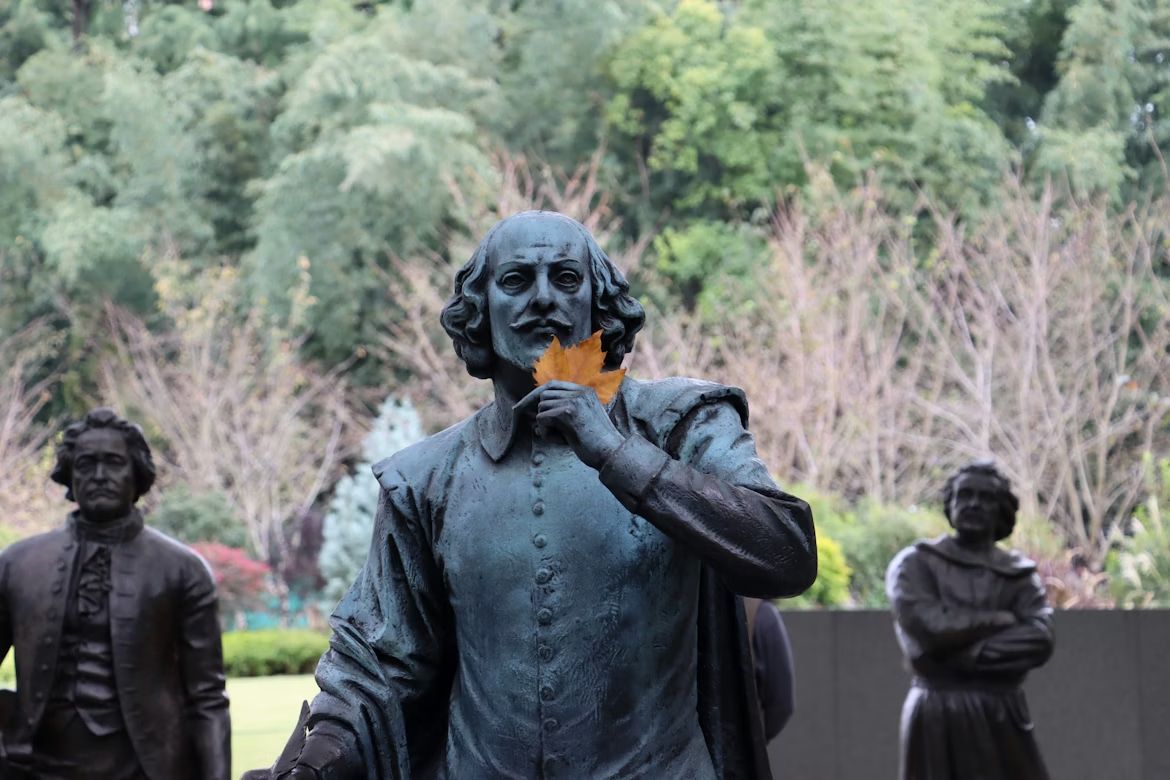
These days, it's just a small, mouse-like mammal. But from the Middle Ages all the way through the 19th century, "shrew" was a vicious, misogynistic insult hurled at women considered argumentative or difficult.

Increased awareness of gendered language throughout the 20th century helped strip the word of its insulting edge, though Shakespeare's use of it still raises eyebrows.

10

Hell

Image: James Lee

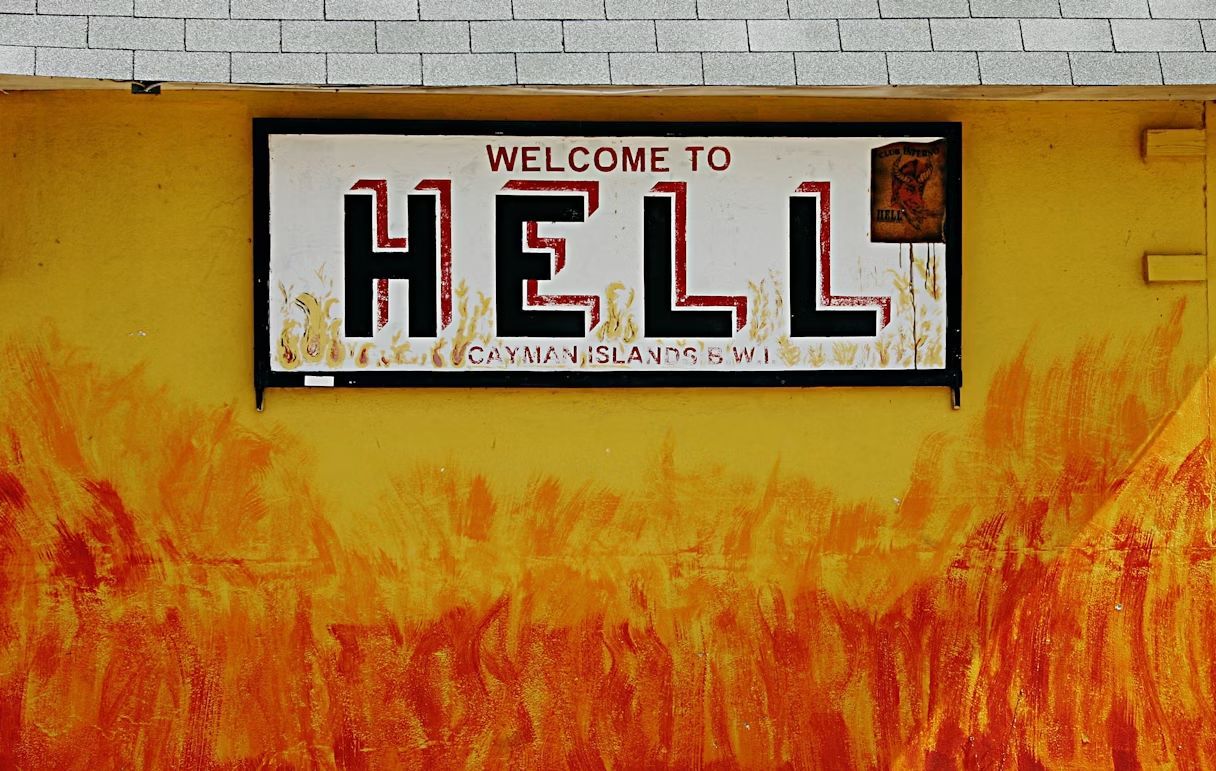
We use it to express emphasis, disbelief, or frustration without a second thought. Once, however, – particularly through the 18th and 19th centuries – "hell" was reserved almost exclusively for warnings of divine judgment, and invoking it casually was seen as deeply irreverent.

As religious language became less central to everyday life in the 20th century, the word's fearful charge slowly dissolved.


When fact beats fiction

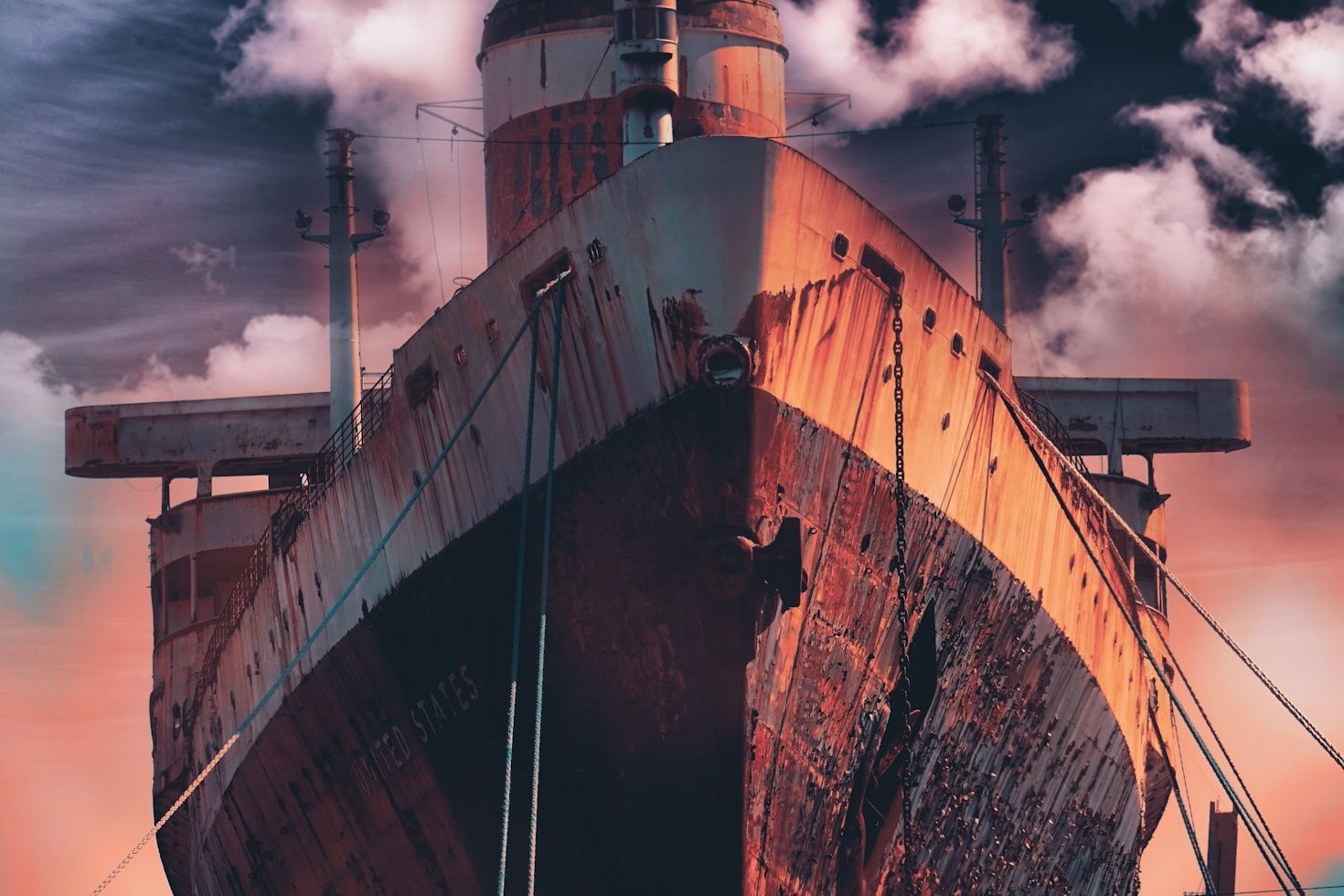
A book predicted the Titanic years before it sank! 10 unique coincidences


Published on May 29, 2026


Image: Jongsun Lee

A man who saved two babies by chance. A pair of twins separated at birth who lived nearly identical lives despite their split. A person who survived three different maritime disasters. And a book that predicted the Titanic’s fate. Wow! Believe it or not, the world is full of surprises—and coincidences are more common than we think. Some say they don’t believe in this kind of thing, but history is full of incredible events that could defy even the most stubborn of doubters. Join us as we explore 10 incredible coincidences from history that will leave you speechless!

1

Sometimes, being late is good

Image: Ales Krivec

Although punctuality has a great reputation, there are times when being late can actually be a blessing—and there’s a story from the 1950s that proves it.

The year was 1950, and a lucky accident occurred in Beatrice, Nebraska. The choir of the West Side Baptist Church was supposed to gather at 7:20 p.m. on March 1 for practice. But the rehearsal never took place.

At 7:25 that evening, the church exploded due to a gas leak. The incredible part? Absolutely no one was hurt.

Normally, the choir members were very punctual, but that day, they weren’t. Miraculously, each of the 15 choir members experienced some unexpected delay—each for a different reason—that kept them from arriving on time and, ultimately, saved their lives.

2

Beginning and end

Image: Brian LeFevre

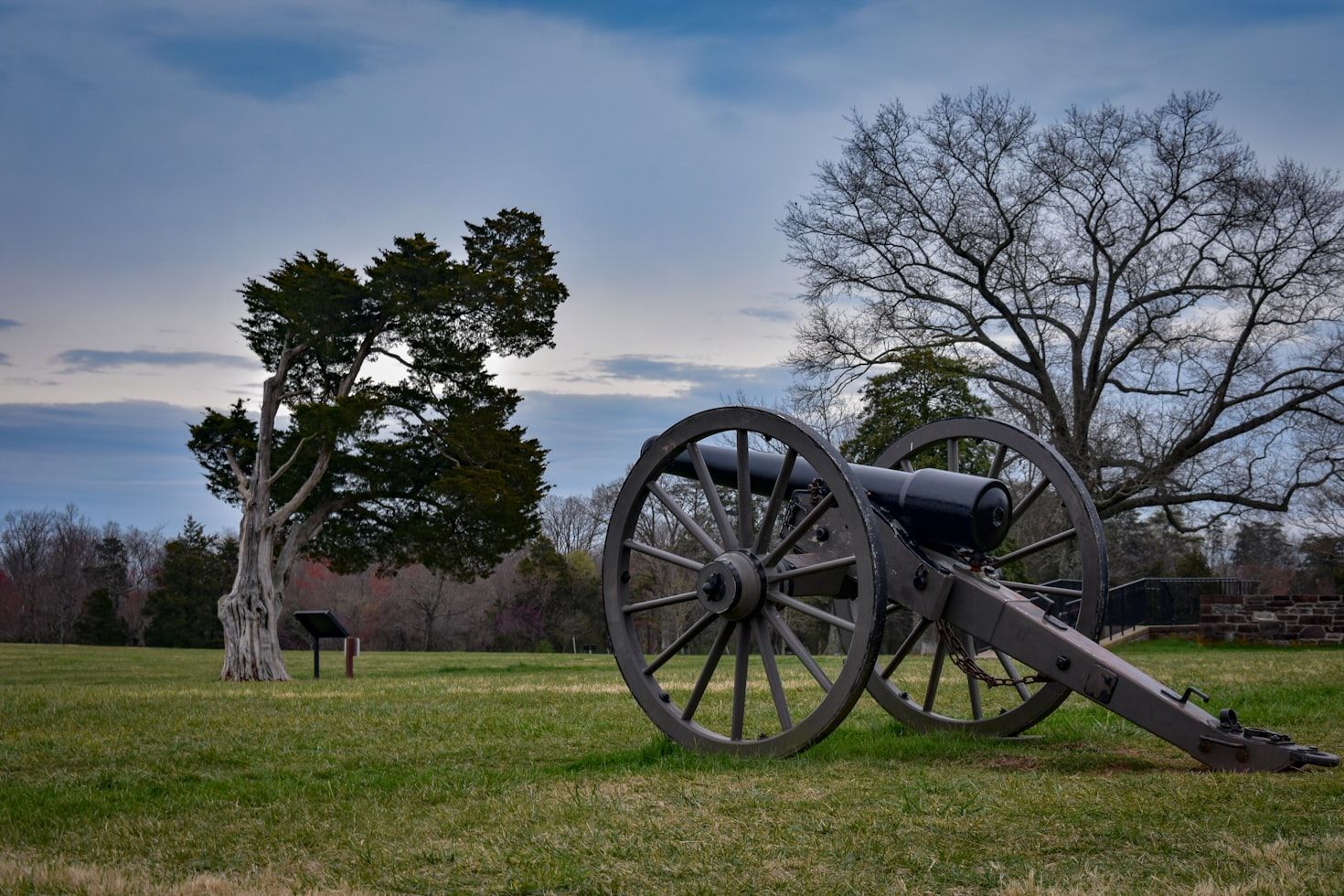
The American Civil War forever changed our country's history—and also Wilmer McLean's life. But who was this man?

Wilmer McLean was a farmer living peacefully with his family in the town of Manassas, Virginia. But as fate would have it, his house stood very close to the site of the First Battle of Bull Run in July 1861—the first major battle between the Union and the Confederacy.

To escape the war, McLean and his family relocated to what he thought would be a quieter, safer place: Appomattox Court House, Virginia.

Four years later, on April 9, 1865, General Robert E. Lee surrendered to Union General Ulysses S. Grant. And where did this historic moment take place? That’s right—in the parlor of McLean’s new home. The farmer is said to have declared, "The war began in my front yard and ended in my parlor."

3

The 2 Jims

Image: Fallon Michael

This is one of the most surprising cases on this list—not just a single coincidence, but a series of unbelievable parallels in the lives of two men.

In 1940, a pair of twins were separated at birth. Unaware of each other’s existence, they were adopted and raised by different families.

When they reunited 39 years later, in 1979, they uncovered a string of coincidences that seemed almost impossible. To begin with, both had been named Jim by their adoptive parents. As children, they each had a dog named Toy. They also had remarkably similar careers—both worked in security. Each had been married twice, and here’s the incredible part: both married a woman named Linda the first time, and a woman named Betty the second time. And as if that weren’t enough, both men had a son—and each named his son James.

4

Cosmic fate

Image: Shlomo Shalev

Although this historical coincidence is well known, it remains incredibly surprising.

We’re talking about the strange connection between Mark Twain’s life and the appearance of the famous Halley’s Comet. The legendary American writer was born on November 30, 1835, in Missouri—the same year Halley’s Comet was visible in the sky, an event that occurs only once every 76 years.

But that’s not all. Twain himself once predicted that, just as he had come into the world with the comet, he would also leave with it. Incredibly, he passed away on April 21, 1910just one day after Halley’s Comet made its next appearance in the sky.

5

The prediction book

Image: K. Mitch Hodge

In 1898, author Morgan Robertson wrote a book that would later become part of one of history’s most incredible coincidences—or should we say, predictions? At the time, it was just another work of fiction. But 14 years later, his book was thrust back into the spotlight.

Futility, or The Wreck of the Titan, was the title of this novel about a massive ship called the Titan, described as the most luxurious vessel of its time. On its maiden voyage, the Titan suffers a tragic fate: it strikes a massive iceberg and sinks in the North Atlantic Ocean.

The cause? A collision eerily similar to what would happen in real life just over a decade later. Does it ring any bells?

6

It's raining babies

Image: Tim Bish

Saving someone’s life isn’t an everyday occurrence—but saving two lives in the exact same way, and entirely by chance? That’s something else.

That’s exactly what happened to Joseph Figlock, a street cleaner in Detroit in the 1930s. Figlock became a hero to two families after saving their babies in the most unexpected way: both children fell from windows and landed directly in his arms.

The first incident occurred in 1937, when a baby fell from a fourth-story window and landed on Figlock as he cleaned the street below. Both suffered only minor injuries and survived.

A year later, in 1938, a different baby fell from a window onto the very same street—again, while Figlock was working. Once more, he cushioned the child’s fall, and both survived.

7

All roads lead to the 4th of July

Image: J. Amill Santiago

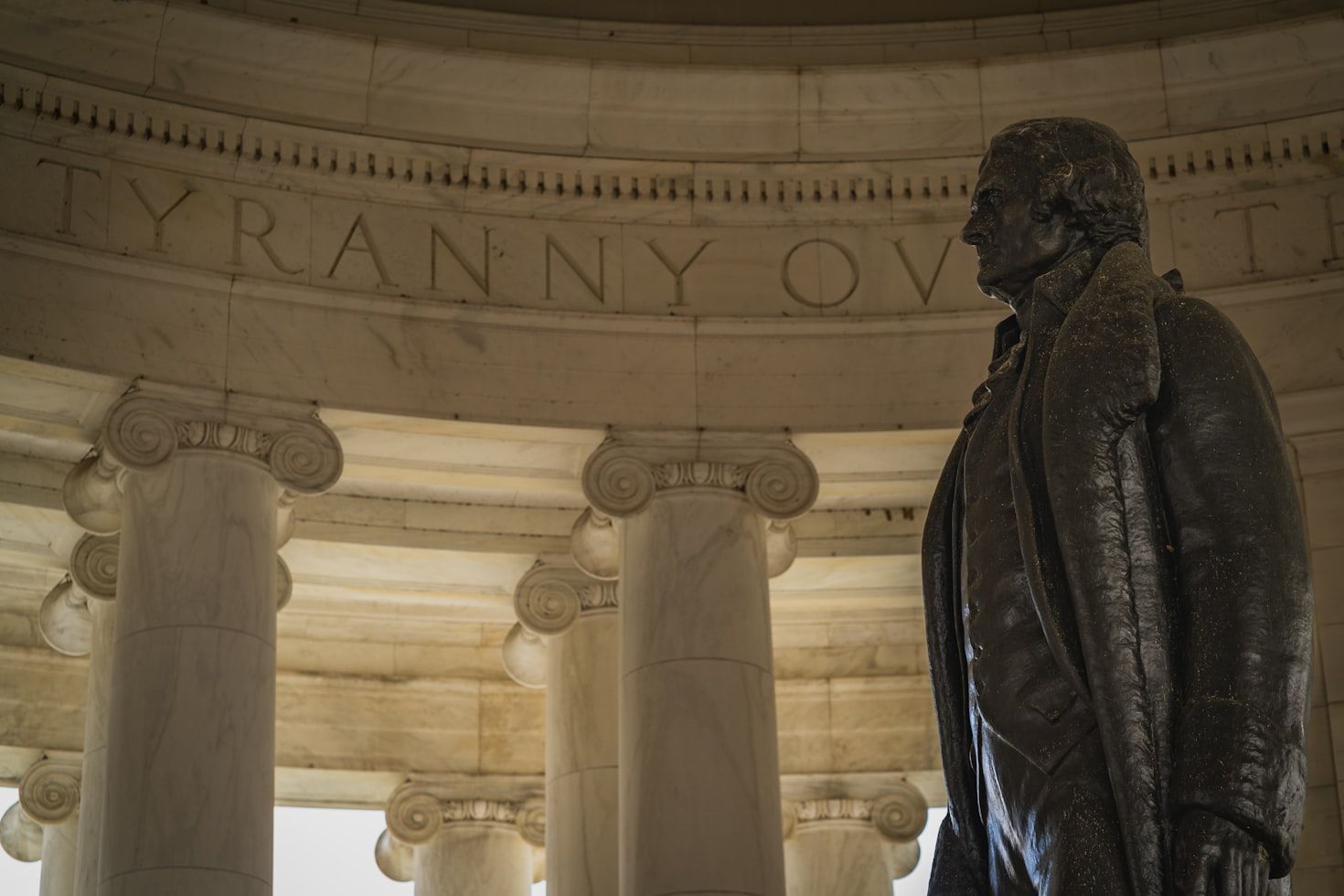
American history has no shortage of fascinating stories—and even a bit of mysticism. One of the most astonishing coincidences involves John Adams and Thomas Jefferson, the second and third Presidents of the United States.

Both were Founding Fathers and signers of the Declaration of Independence. Though they had political differences later in life, fate seemed to reunite them in a remarkable way.

They both died on the same day—and not just any day. It was July 4, 1826, exactly 50 years after the Declaration of Independence was adopted.

8

March 14

Image: Kyrie kim

Surprisingly, the coincidence between John Adams and Thomas Jefferson wasn’t the only one of its kind.

A similarly remarkable connection links three of the greatest scientists in history: Stephen Hawking, Albert Einstein, and Galileo Galilei. All three made monumental contributions to our understanding of physics, the universe, and the nature of reality itself.

But the links between them go beyond science. Stephen Hawking passed away on March 14, 2018, at the age of 76. That date also marks the birth of Albert Einstein in 1879. And while Galileo Galilei, often called the father of modern science, died on January 8, 1642, Hawking was born almost exactly 300 years later, forming a symbolic chain between these scientific legends.

Three brilliant minds. One extraordinary legacy.

9

Anthony Hopkins and the lost book

Image: Emmanuel Phaeton

Anthony Hopkins is well known for his stellar performances in The Silence of the Lambs (1991), Bram Stoker's Dracula (1992), and Nixon (1995), among other films.

One of the movies he starred in was The Girl from Petrovka (1974), based on the novel of the same name by George Feifer. When offered the role, Hopkins set out to find a copy of the book to learn more about the story. But he had no luck—apparently, the book wasn’t yet available in the UK.

Accepting the situation, Hopkins headed home. As he sat down to wait for a train, he noticed something unusual: sitting on a bench beside him, as if waiting just for him, was a copy of The Girl from Petrovka.

And as if that weren’t incredible enough, it turned out this wasn’t just any copy—it was the author’s lost manuscript, complete with handwritten notes, which George Feifer himself had misplaced while editing the book for publication in the UK.

10

Miss Unsinkable

Image: shawn henry

Violet Jessop was an Argentine nurse of Irish descent who experienced not one, not two, but three maritime tragedies—and survived them all!

The first disaster occurred aboard the RMS Olympic, which collided with HMS Hawke in September 1911. Although the damage was severe, all passengers survived.

Just one year later, she was aboard the infamous RMS Titanic. When the ship struck an iceberg in 1912, she helped others board the rescue lifeboats before escaping herself.

Her final ordeal was aboard the HMHS Britannic, where she served as a nurse during World War I. When the ship struck a mine in the Aegean Sea in 1916, she once again survived—whether by luck or skill.

Over time, her incredible story earned her the nickname "Miss Unsinkable."

Looking for an extra scoop of literary fun?

Learn more with our Word of the day

facilitate

/fəˈsɪləˌteɪt/