Word drift
Clergymen used to warn against using the word "darn": Here's the story
Published on May 29, 2026

Words you once heard in a certain context may no longer mean the same thing today. Many terms we use comfortably in casual conversation were once considered shocking profanities or deeply offensive, and the journey from taboo to tame is often more surprising than you'd expect. We've all muttered "darn it" after spilling coffee on a clean shirt, or exclaimed "oh my gosh!" when a friend shared an unexpected piece of news, without giving it a second thought. Find out what really happened to these 10 words that used to be understood very differently.
Gosh
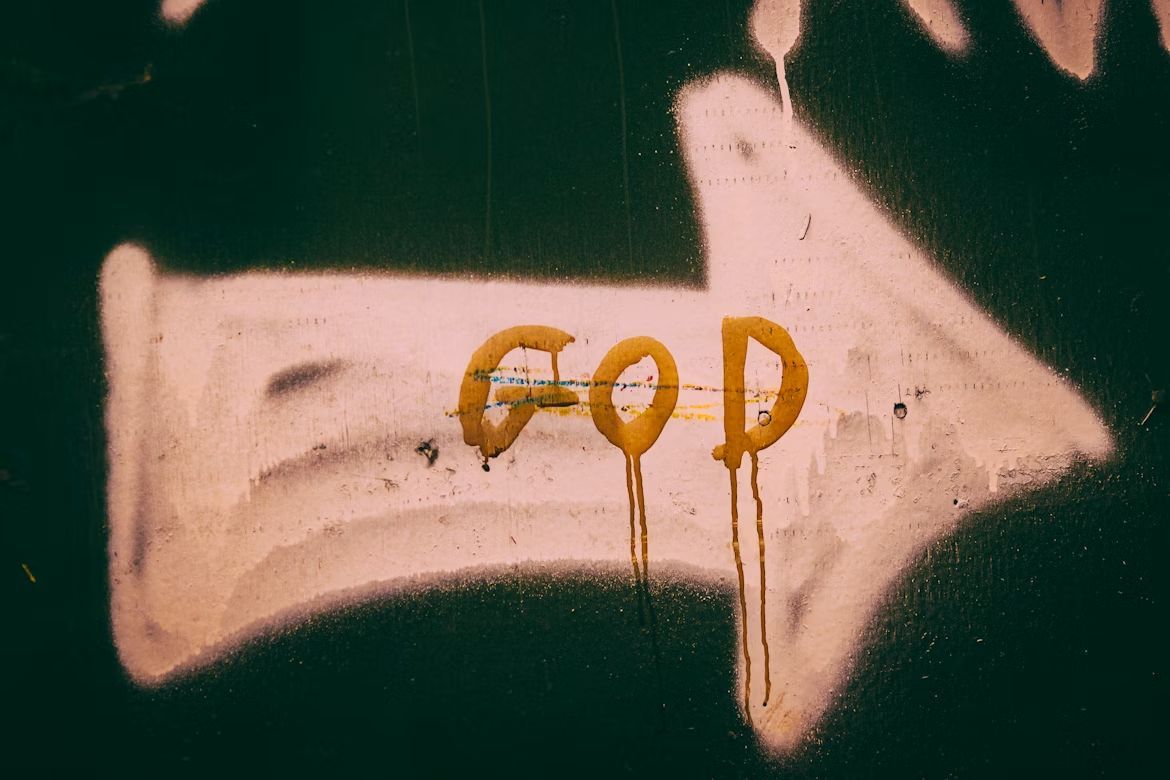
It slips out easily in moments of surprise, like if someone told you you won the lottery, or mild frustration, like when the neighbor’s kid is making a racket when you’re trying to take a nap. But back in the 18th century, it was once considered a sneaky form of blasphemy.
"Gosh" emerged as a way to avoid saying "God," which many considered taking the Lord's name in vain. Ironically, the very attempt to be polite was itself seen as deceitful and irreverent.
Darn

We say it when we stub a toe or realize we forgot something at the grocery store. But "darn," a minced oath for "damn," was once viewed with suspicion precisely because of its apparent innocence, considered a sly, morally dishonest attempt to skirt around profanity while still invoking its spirit. Clergymen and etiquette guides alike warned against it as far back as the 19th century.
The edge wore off as the word passed from generation to generation, until all that remained was something almost endearing.
Crap
You might say it when you realize you've locked your keys in the car or knocked your phone off the counter. Hard to believe, then, that as recently as the early 20th century, this word was once a coarse and genuinely taboo scatological term.
Over time, as informal speech became more accepted in public life, it gradually shed its shock value, until it landed where it is today: mild enough to appear in mainstream advertising.
Brass
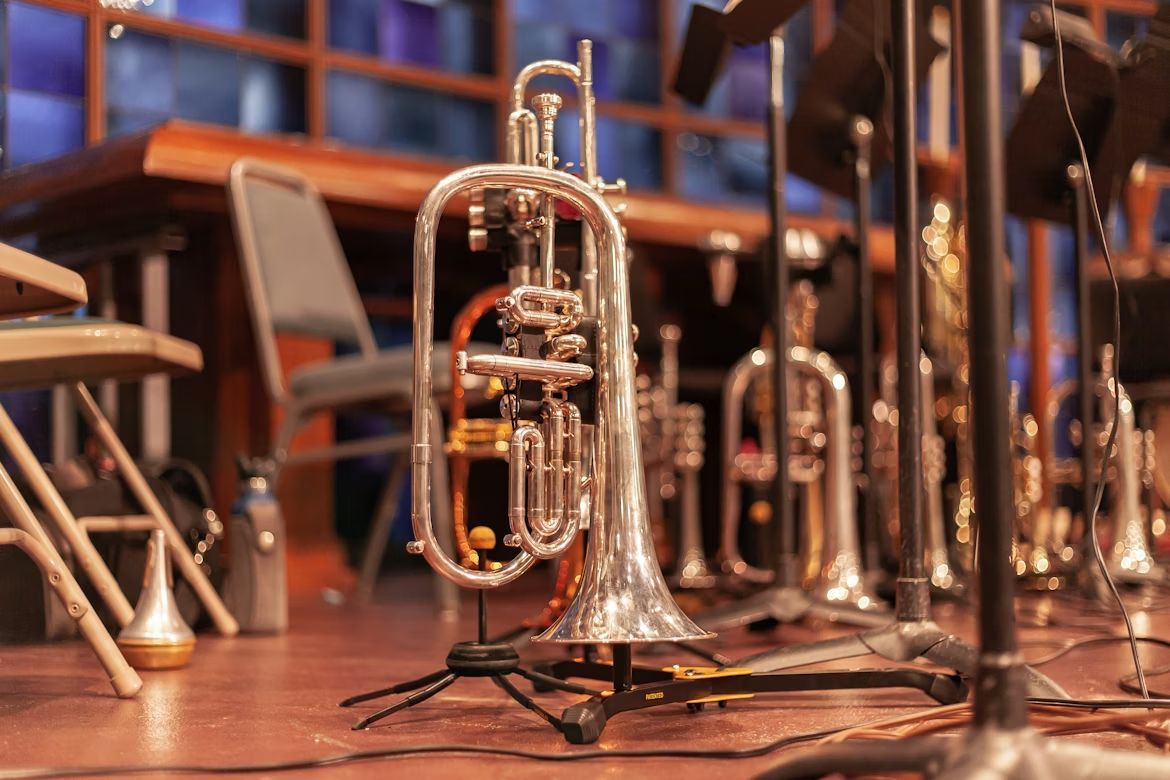
Today, "brass" mostly calls to mind a shiny metal or a jazz band. But, in 16th and 17th-century England, it was used as slang for a person's backside or private parts.
As the slang faded from common use, the word returned to its more literal, respectable meanings.
Fiddlesticks
It sounds almost charming today; something a grandparent might say when they can't find their glasses. In the 17th and 18th centuries, however, it was used deliberately to replace much stronger expletives, carrying a weight that the whimsical word no longer suggests.
Damn
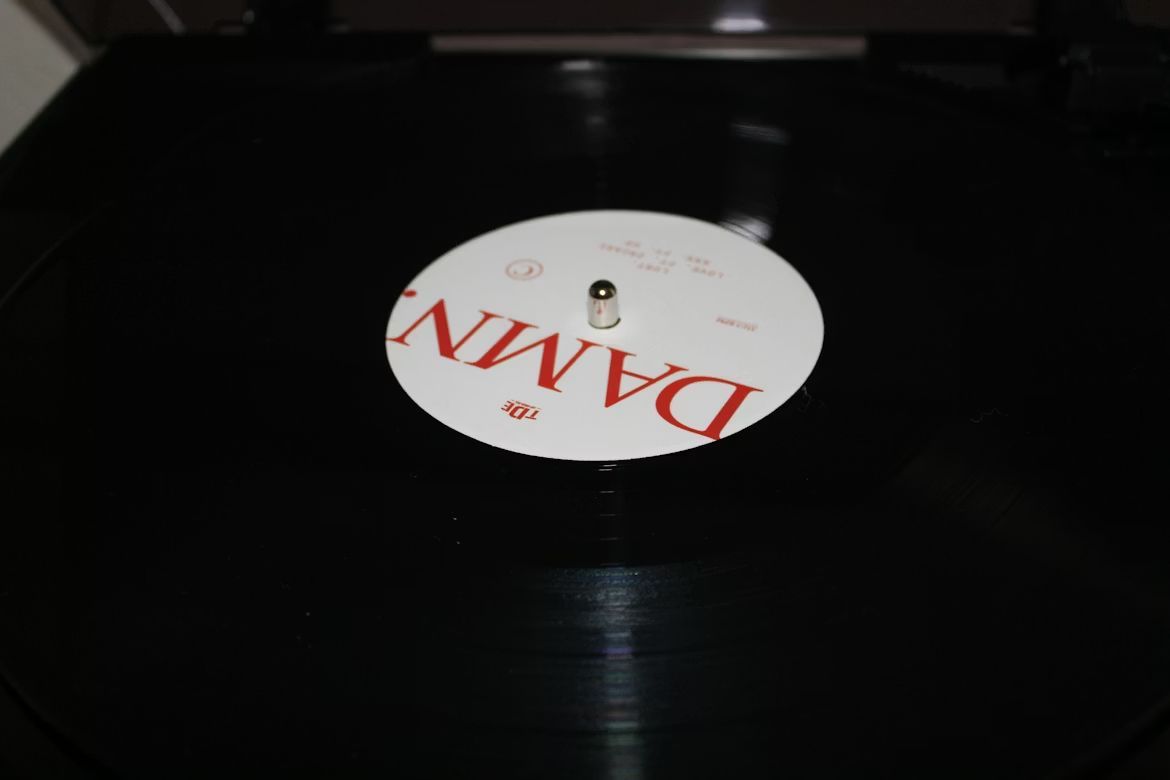
You hear it in movies, in song lyrics, in everyday frustration. But for much of Western history, well into the 19th century, "damn" was grave religious profanity, implying a wish for someone's eternal punishment.
Its sting faded as religious language lost its grip on everyday speech throughout the 20th century.
Harlot
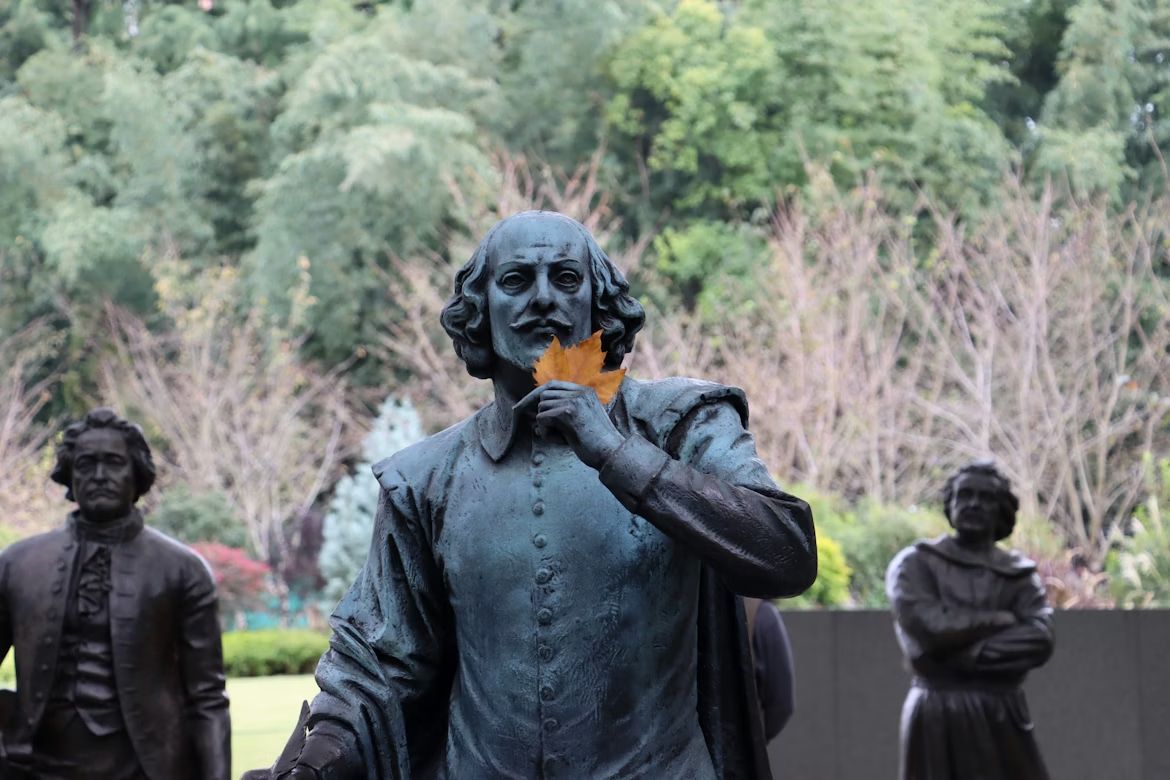
Today, the word sounds almost theatrical, something out of a period drama. From the Middle Ages through the 19th century, it was a sharp and damaging insult used against women considered to be of loose morals.
Over time, as the social and moral frameworks that gave the word its power shifted, it retreated into archaism.
Gad
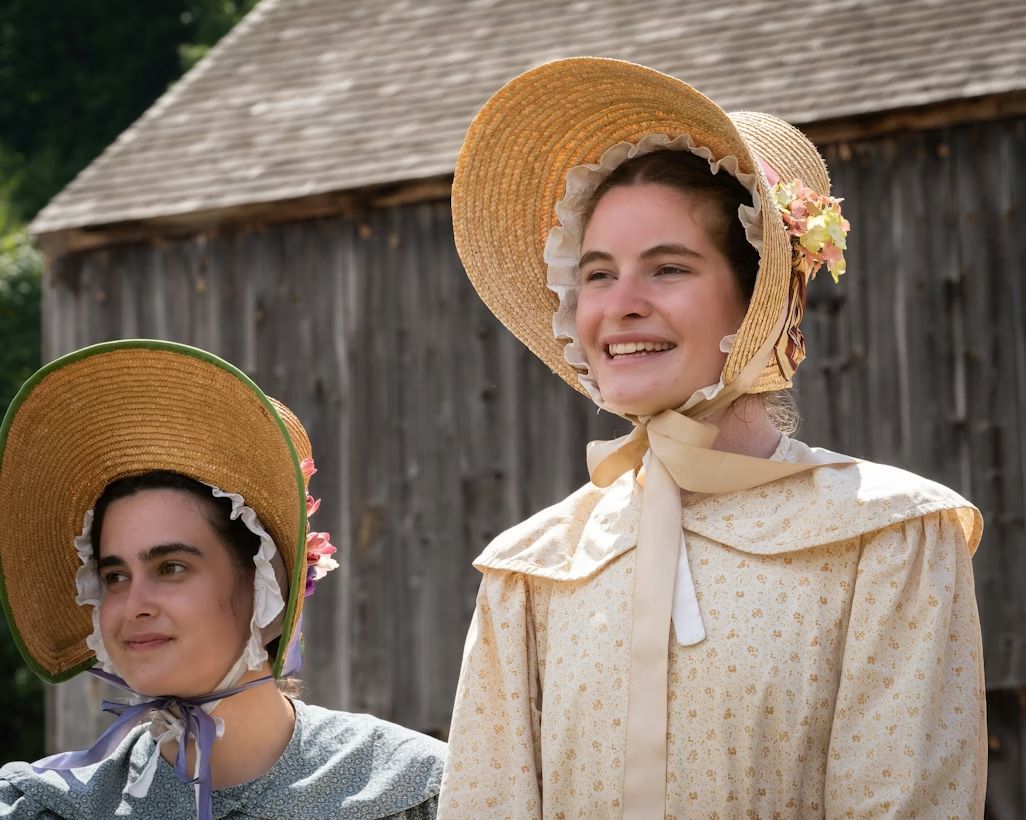
You might come across it in a Victorian novel and barely notice it. At the time, throughout the 18th and 19th centuries, it was a loaded minced oath for "God," and using it in polite society was considered outright blasphemy.
As religious strictures relaxed in the 20th century, the word lost its charge entirely.
Shrew

These days, it's just a small, mouse-like mammal. But from the Middle Ages all the way through the 19th century, "shrew" was a vicious, misogynistic insult hurled at women considered argumentative or difficult.
Increased awareness of gendered language throughout the 20th century helped strip the word of its insulting edge, though Shakespeare's use of it still raises eyebrows.
Hell
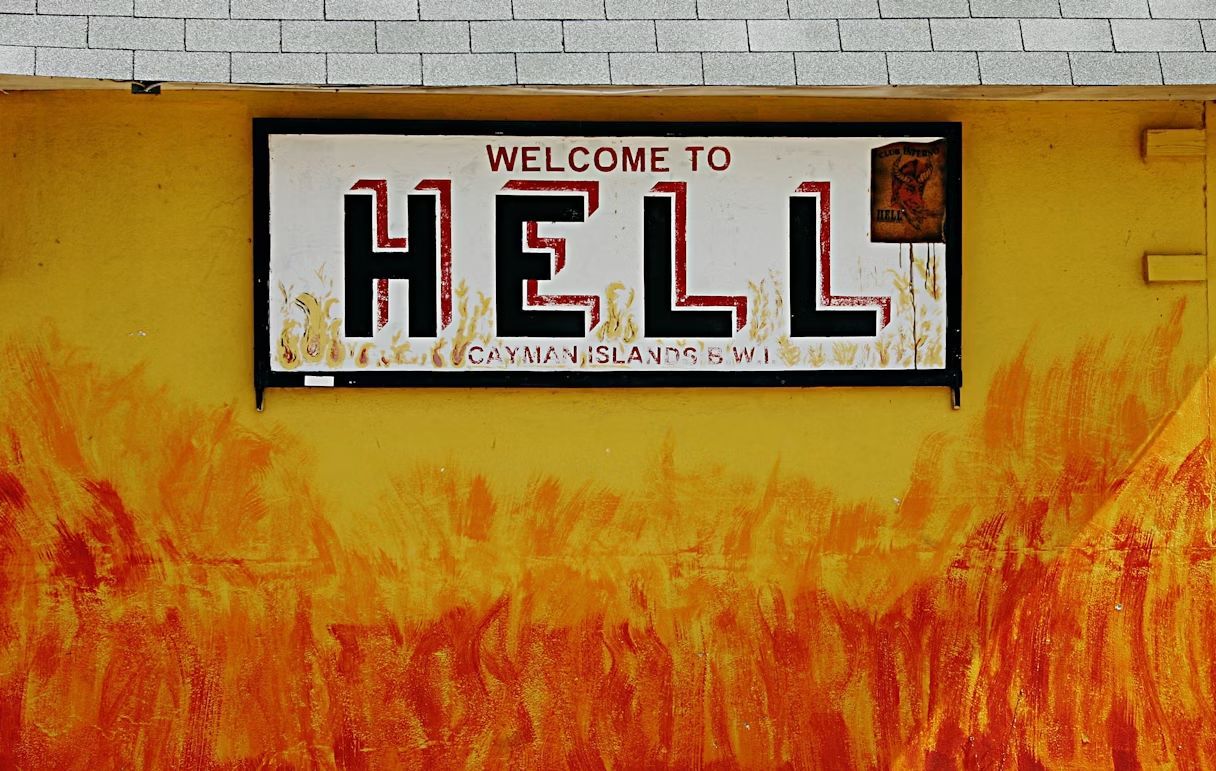
We use it to express emphasis, disbelief, or frustration without a second thought. Once, however, – particularly through the 18th and 19th centuries – "hell" was reserved almost exclusively for warnings of divine judgment, and invoking it casually was seen as deeply irreverent.
As religious language became less central to everyday life in the 20th century, the word's fearful charge slowly dissolved.