Scripted slang
Can you guess which movie word started as a WWII bomb?
Published on November 15, 2026
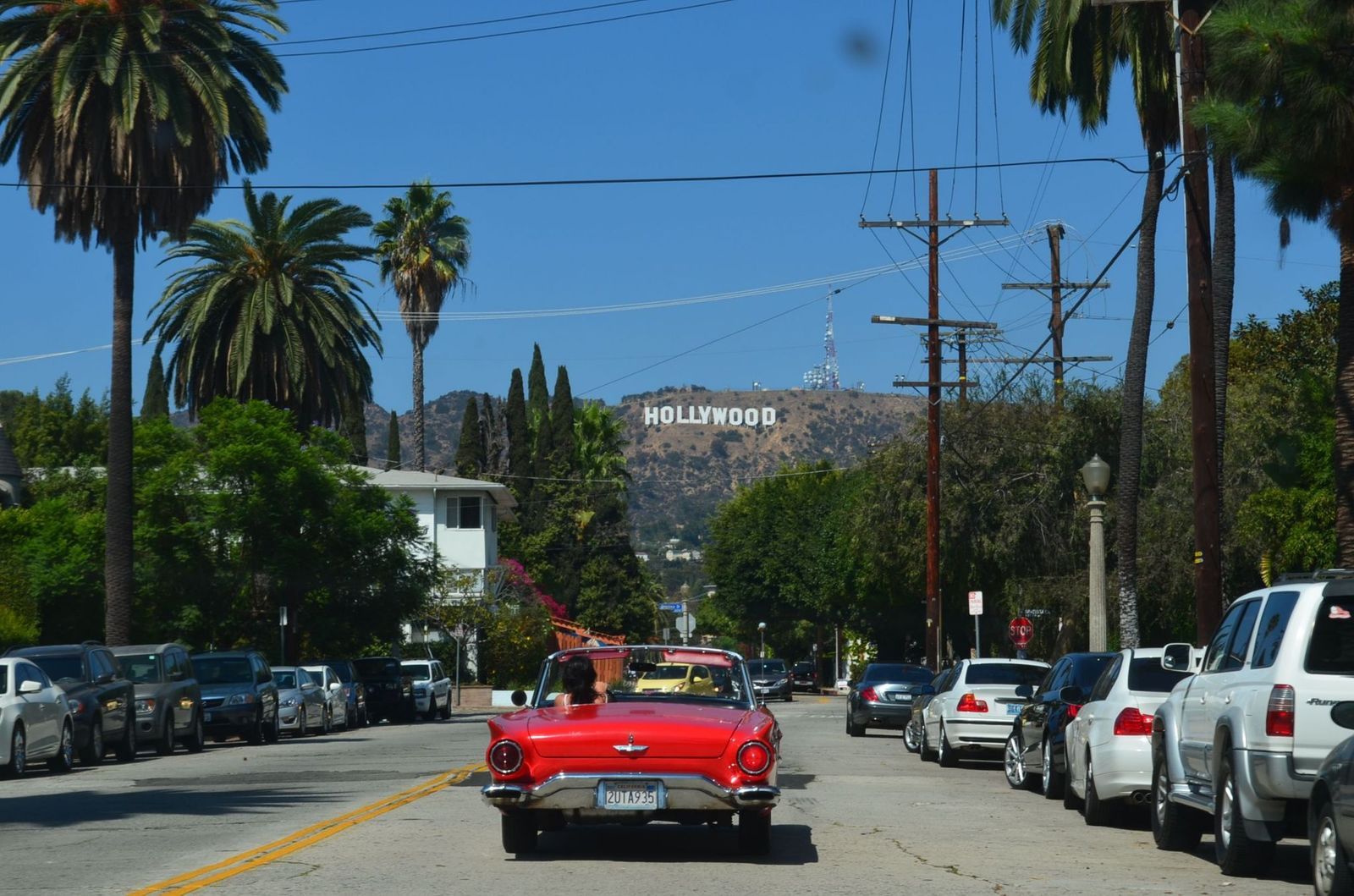
Ever told a friend "it’s a wrap" after a long day of errands? Or called a nail-biting finish a cliffhanger? You were quoting the movies without knowing it. Back when studios ran on contracts, searchlights, and cigarette smoke, Hollywood was busy coining a whole vocabulary, and a surprising amount of it ended up in our everyday talk. Here are words and phrases that started in the picture business and never left.
Trailer
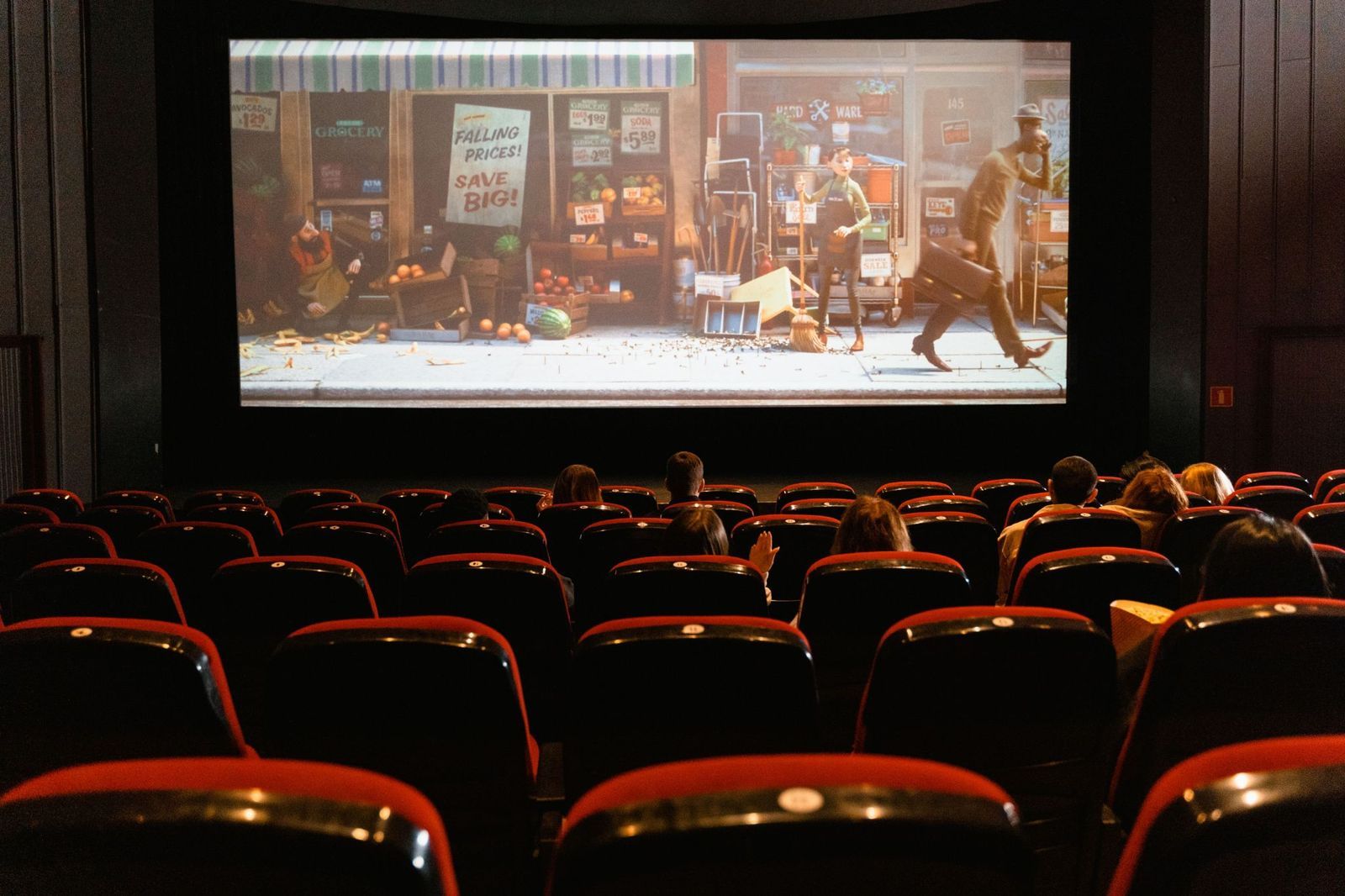
Today, a movie trailer is the short preview that gets audiences excited about an upcoming release. The term dates back to the early days of American cinema, in the 1910s, when theaters often showed several films in one program. Promotional footage for a forthcoming movie was originally attached to the end of another film, so it literally trailed the feature that audiences had just watched.
There was just one problem: audiences needed to stay until the end to see it. Eventually, theaters moved these previews to the beginning of the program, but the name stuck. More than a century later, trailers remain a major part of moviegoing, even when viewers watch them on their phones rather than in a theater.
Cliffhanger
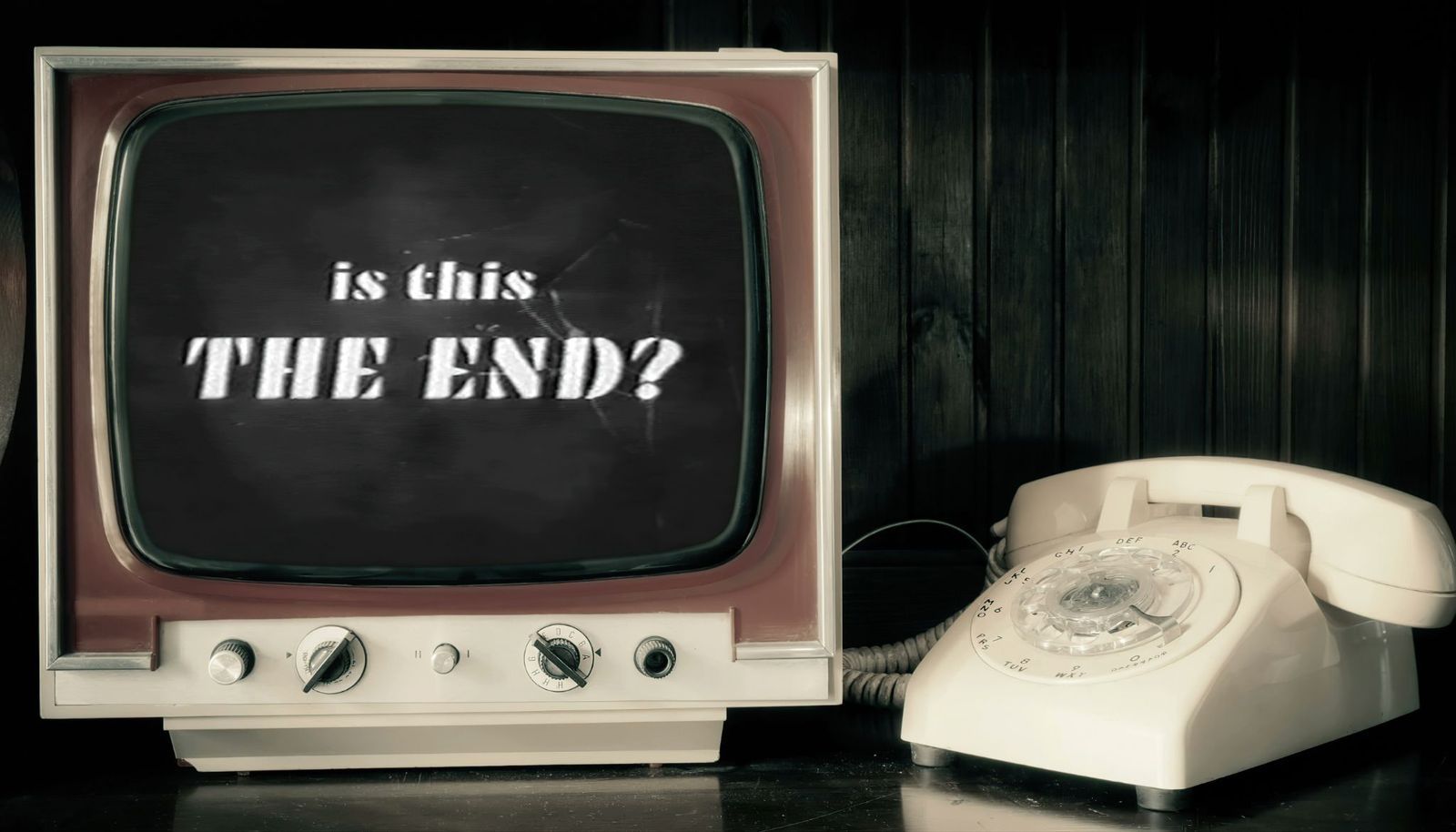
Imagine a hero dangling from the edge of a cliff just as the screen goes dark. That kind of suspense is what inspired the word cliffhanger, which became associated with movie serials during the 1930s. These episodic films were released in installments, often ending with the hero in apparent danger so audiences would return the following week to find out what happened.
The technique was hardly limited to literal cliffs. A villain might be about to pull a trigger, a train could be racing toward disaster, or a character might discover a shocking secret. Today, the term applies to any story that ends at a crucial moment, from television dramas to bestselling novels. If you've ever been frustrated by a season finale that leaves everything unresolved, you've experienced the power of a cliffhanger.
Starlet

During Hollywood's Golden Age (late 1920s to early 1960s), a starlet was a young actress who showed promise but had not yet reached the status of a major movie star. The word combines star with the diminutive suffix -let, suggesting someone who might become a star someday. It became especially familiar during the studio era, when aspiring actresses arrived in Hollywood hoping to land contracts and leading roles.
But the label carried a certain implication: a starlet was still waiting for her big break. While some young performers eventually became household names, others never achieved the fame they had hoped for. The word is still used today, sometimes affectionately and sometimes dismissively, for an up-and-coming actress.
Talkie
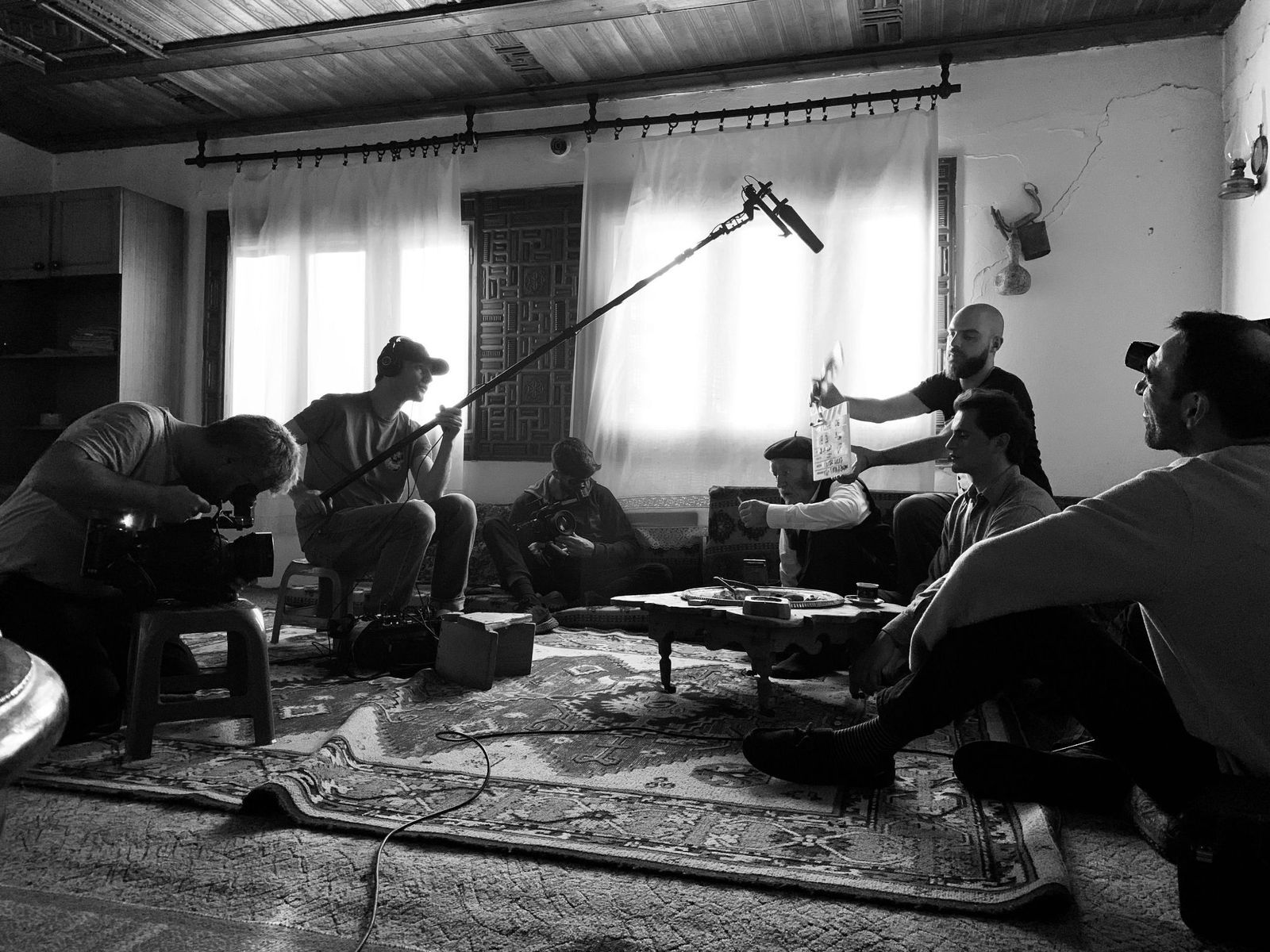
For moviegoers accustomed to silent films, hearing actors speak on screen was a revolution. The word talkie emerged in the early 20th century as a casual term for a motion picture with recorded dialogue or sound, derived from the expression talking picture. It was already appearing in print by 1913, well before sound cinema became the industry standard.
Everything changed when The Jazz Singer arrived in 1927, bringing synchronized dialogue and songs to a feature film and helping usher in the sound era. Silent-film stars suddenly faced a new challenge: audiences could now hear their voices, accents, and delivery. Some adapted successfully, while others struggled to make the transition. The nickname talkie eventually faded, but it remains a reminder of one of Hollywood's biggest technological turning points.
Screwball
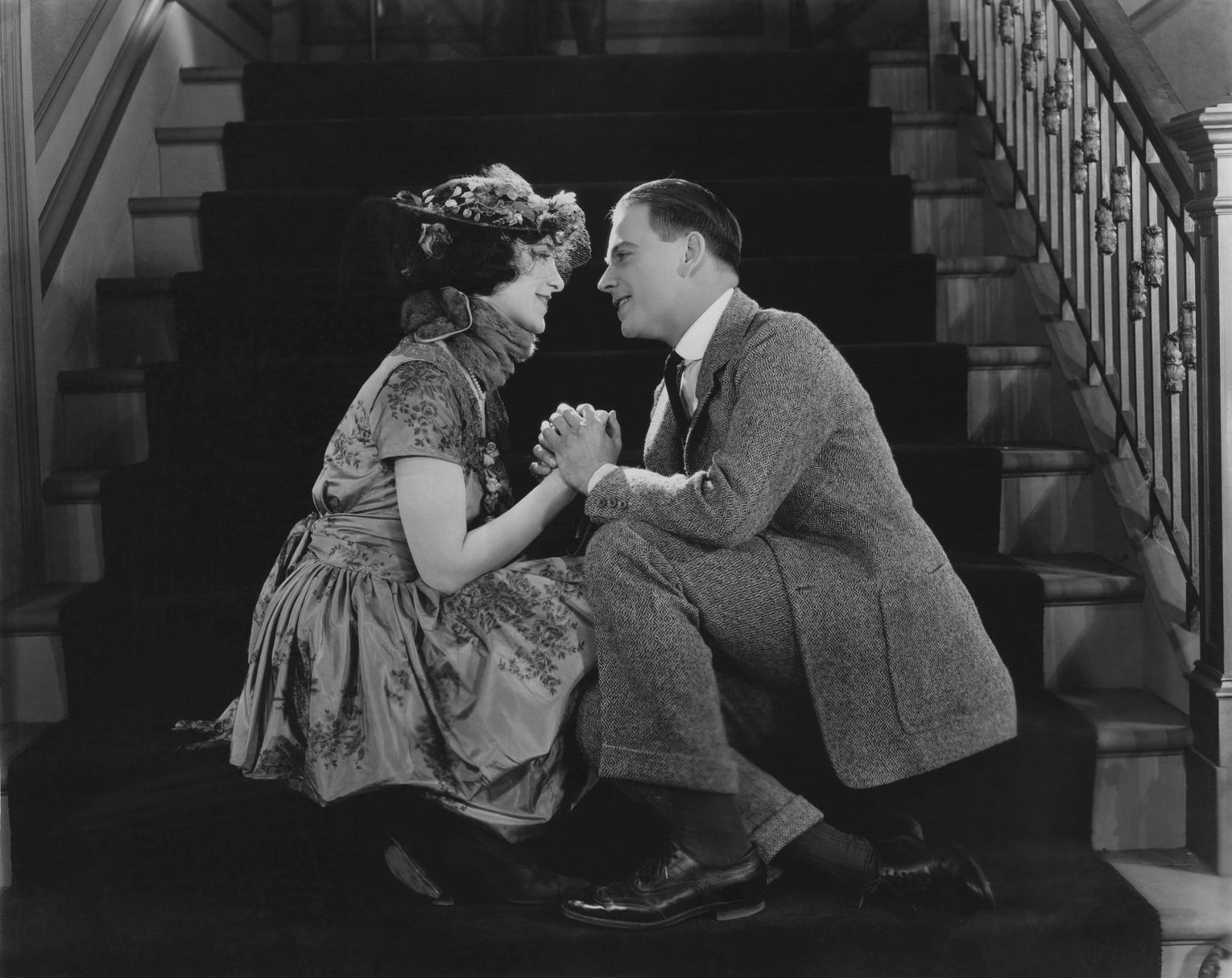
In classic Hollywood comedies, romance rarely followed a sensible path. The term screwball originally referred to an erratic or unpredictable pitch in baseball before becoming associated with eccentric, chaotic behavior. By the 1930s, screwball comedy had emerged as a name for a popular film genre featuring witty dialogue, mistaken identities, outrageous situations, and romantic couples who seemed determined to drive each other crazy.
Movies such as Bringing Up Baby (1938), starring Katharine Hepburn and Cary Grant, helped define the style. Instead of portraying romance as a smooth journey toward happily ever after, these films made courtship a battle of quick wit and absurd misunderstandings. The word eventually moved beyond cinema, and today you might describe an eccentric person, an unpredictable idea, or a wildly unconventional situation as screwball.
Blockbuster

Few movie-related words have become as useful outside Hollywood as blockbuster. Its roots are surprisingly dramatic: during World War II, the term referred to powerful bombs capable of destroying an entire city block. American film advertisers began borrowing the word in the 1940s to describe productions with enormous impact, and by the early 1950s, it was becoming established as a label for major cinematic successes.
A blockbuster eventually came to mean more than a big production. It suggested a movie that attracted huge audiences, generated impressive box-office receipts, and became a cultural event. Films such as Jaws (1975) helped establish the modern blockbuster model, with wide releases and massive promotional campaigns. These days, the word can describe anything from a hit movie to a bestselling book or a wildly successful business deal.
Typecast
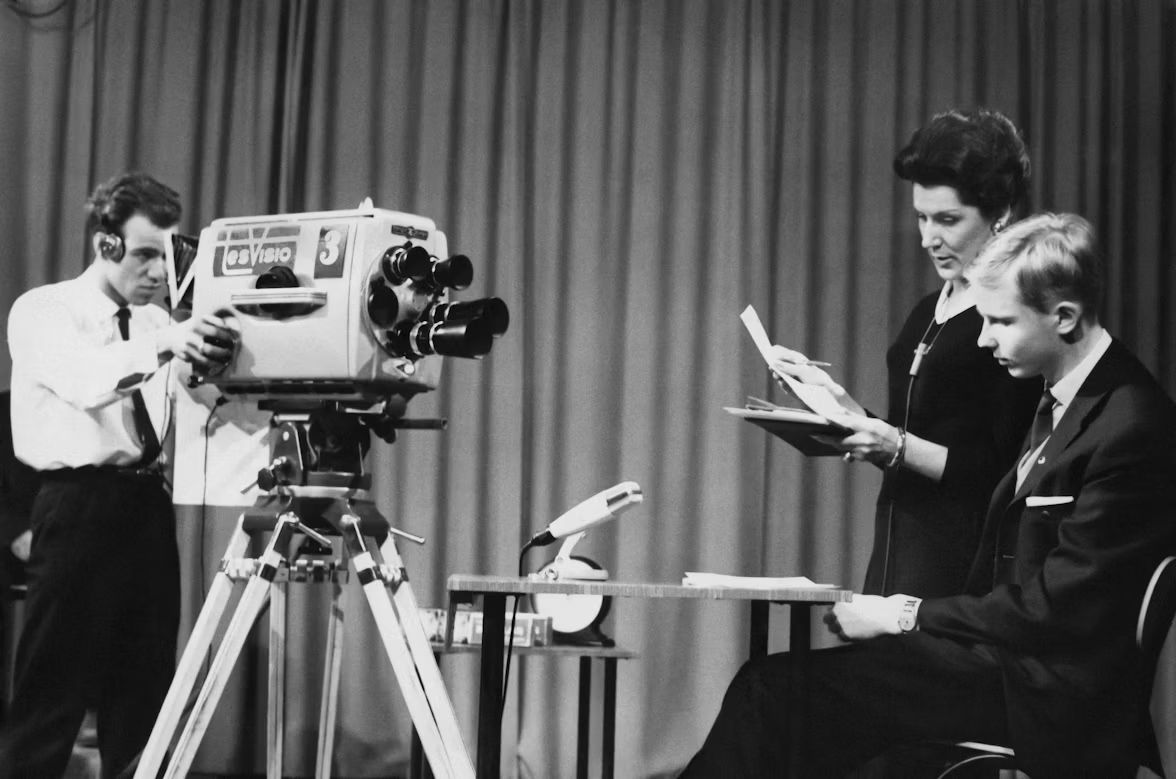
Have you ever watched an actor in a new movie and immediately expected them to play the same kind of character as always? That reaction is closely connected to typecasting, a practice that became deeply ingrained in Hollywood's studio system during the 1920s and 1930s. Casting directors and studios often assigned performers roles based on their appearance, voice, personality, or success in previous films.
A handsome leading man might repeatedly play the romantic hero, while an actor known for playing villains could find it difficult to land sympathetic roles. The approach helped studios market familiar faces, but it could also limit an actor's career. The word typecast eventually spread beyond entertainment, describing anyone who is repeatedly placed in the same role or category, even when they have much more to offer.
Sneak preview
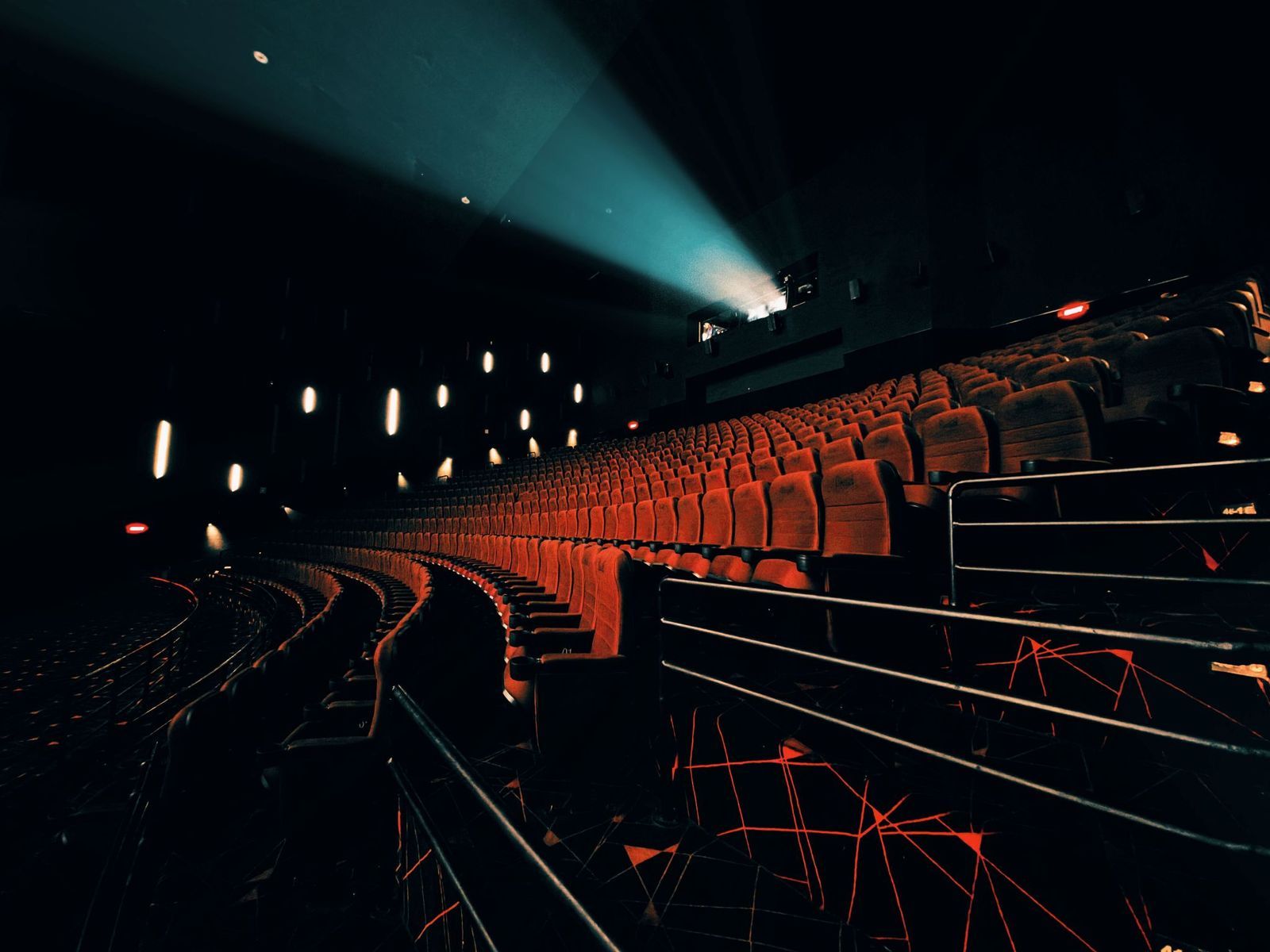
Before a movie officially opened, studios sometimes invited audiences to watch it early in an unannounced or specially arranged screening. By the 1930s, these showings were known as sneak previews, a phrase that captures the feeling of getting an early peek at something not yet available to the general public.
There was often a practical purpose behind the excitement. Filmmakers could observe audience reactions, gather feedback, and make adjustments before a wider release. Some previews were advertised, while others kept the film's identity or screening details under wraps. Today, sneak previews remain a familiar part of movie promotion, giving eager fans the chance to see a film ahead of its official opening date.
It's a wrap
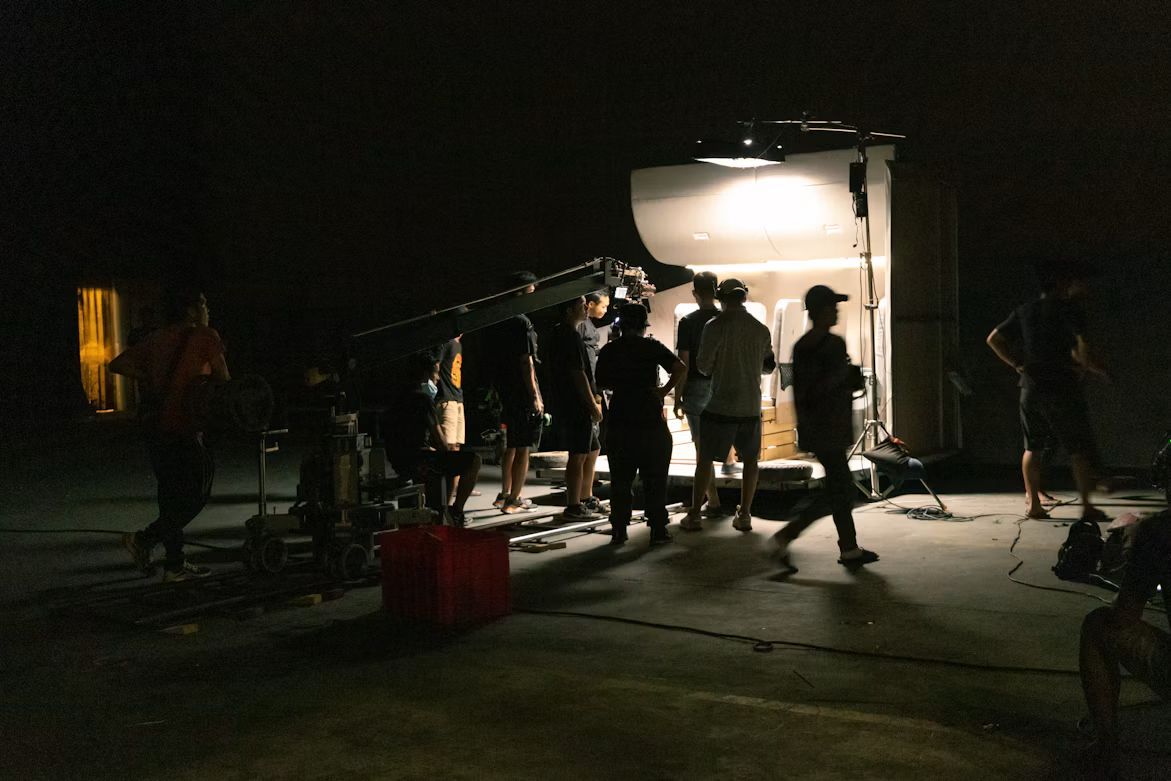
On a film set, "It's a wrap!" is the celebratory announcement that filming has finished. The expression comes from the production world's use of wrap to mean bringing a project or a particular stage of work to a close. By the 1950s, it had become a recognizable part of Hollywood's working vocabulary as filmmaking developed into a large, coordinated industry.
For the cast and crew, those three words can mean the end of long days, demanding scenes, and weeks or months of collaboration. They don't necessarily mean the movie itself is finished: editing, sound mixing, and other post-production work may still lie ahead. Outside the film business, the phrase has become a cheerful way to announce that a task, event, or major undertaking is finally complete.
B-movie
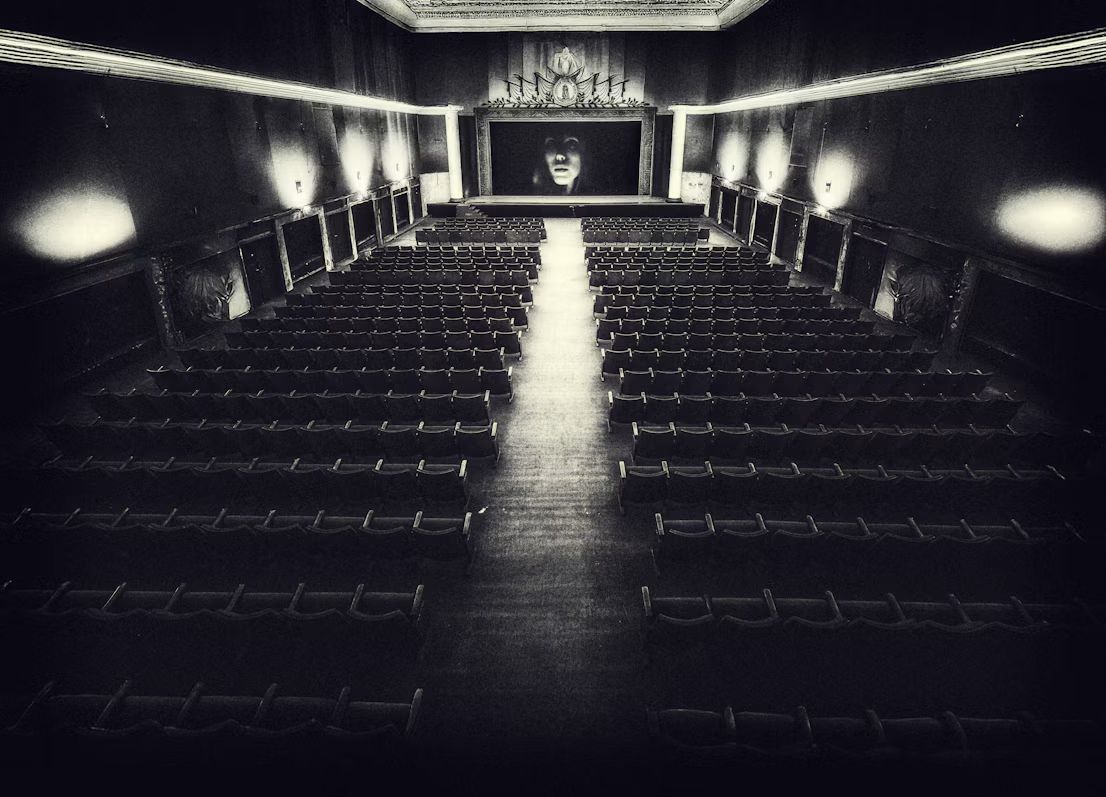
Back when movie theaters frequently offered double features, the main attraction was often paired with a shorter or lower-budget supporting film. That second production became known as a B-movie, a name rooted in the A-picture/B-picture system used by studios and theaters during the 1930s and 1940s.
B-movies were typically made quickly and economically, often featuring crime stories, westerns, science fiction, or horror. Although many were designed as inexpensive entertainment rather than prestige productions, the category eventually developed a following of its own. Some films that began as modest B-movies became cult favorites, celebrated for their imaginative plots, over-the-top performances, and wonderfully unconventional effects. The term still describes low-budget films, though it can also carry a note of affection.
Matinee idol
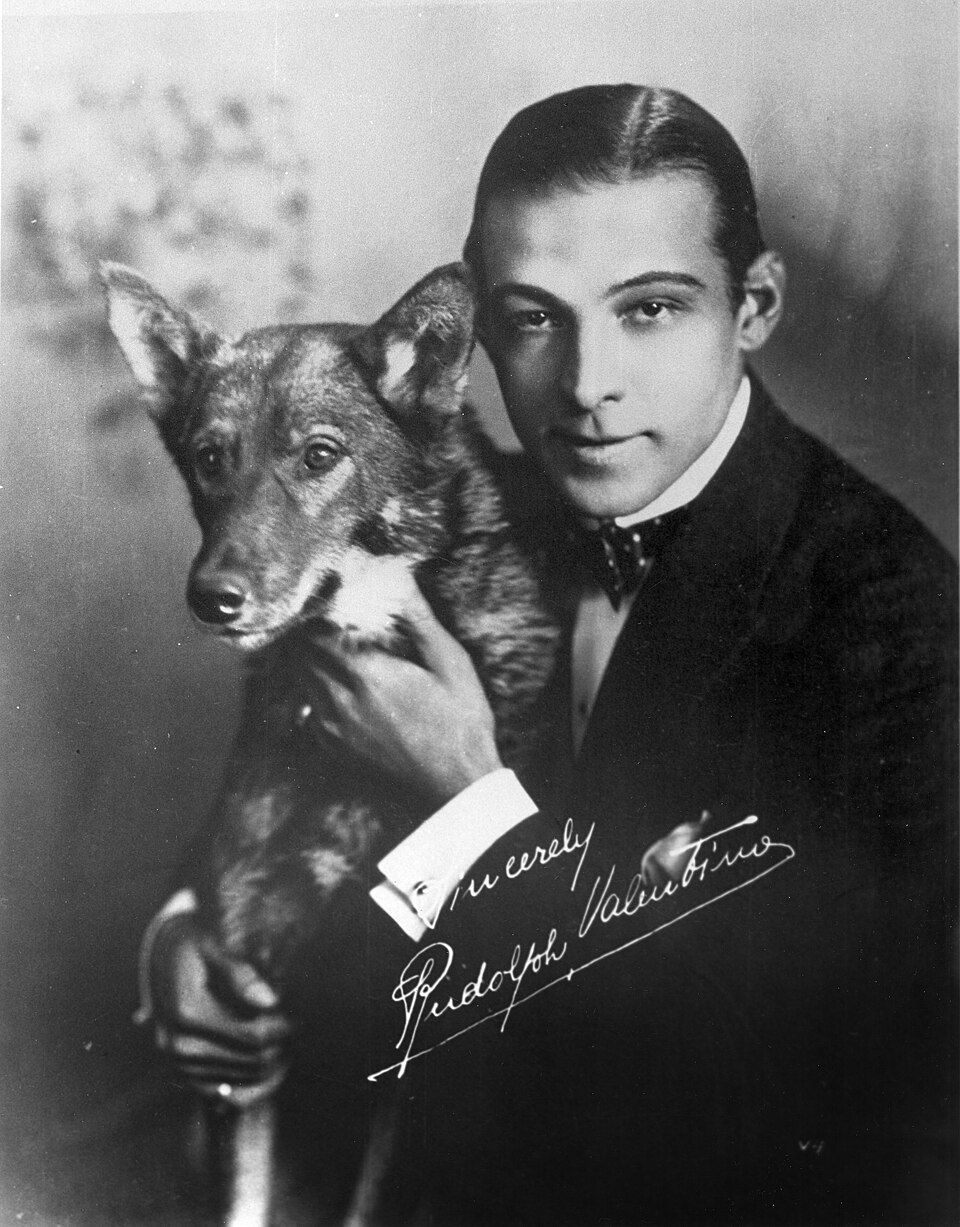
In Hollywood's early decades, a matinee idol was an actor whose good looks and romantic screen presence made him especially popular with moviegoers. The phrase draws on matinee, the French-derived word for a daytime performance, when audiences could attend the theater outside the evening hours. The expression grew out of an older theatrical tradition and became strongly associated with the handsome leading men of silent films and early talkies.
Rudolph Valentino, whose passionate performances made him an international sensation in the 1920s, became one of the era's defining examples. His fans adored him, and his popularity demonstrated how powerful a screen persona could be. Later generations produced their own matinee idols, from classic leading men to modern heartthrobs.
Tinseltown
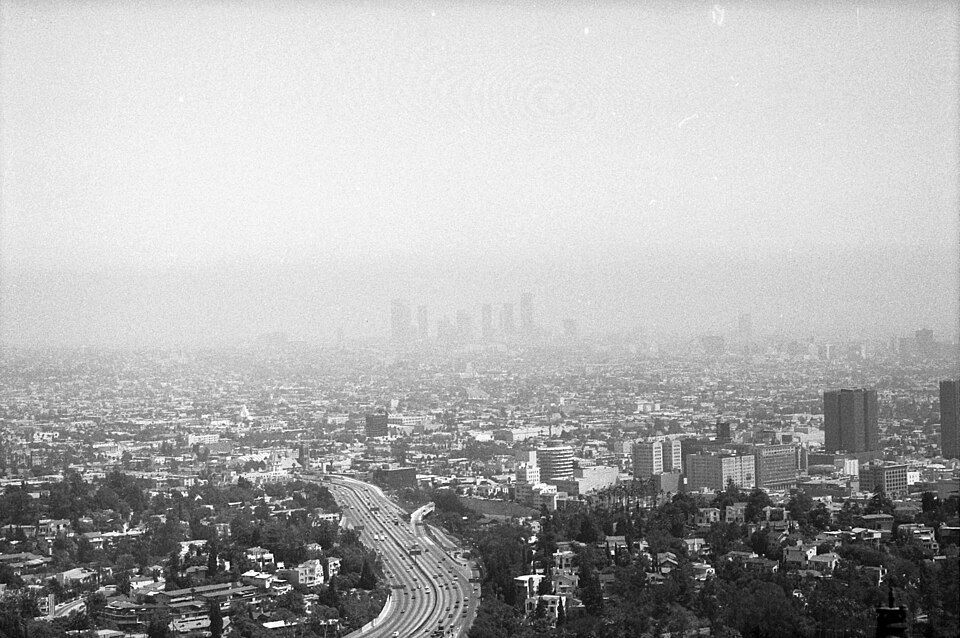
Glamour, bright lights, and a little illusion: Tinseltown is a nickname for Hollywood that evokes the glittering world of movie stars and show business. Tinsel refers to shiny, decorative material, often associated with holiday decorations, while town gives the expression a playful, almost storybook quality. The nickname emerged in the early 20th century as Hollywood became synonymous with the American film industry.
The name also hints at a contrast between appearance and reality. From the outside, Hollywood can look like a place of endless glamour, wealth, and fame, but the entertainment business has always involved hard work, fierce competition, and uncertainty. Over time, Tinseltown became a convenient shorthand for the movie industry itself, appearing in newspaper headlines, entertainment coverage, and everyday conversation. It's a colorful reminder that Hollywood's reputation has always been part of its appeal.