Which title is better?

Can you guess these classic movies from their adapted titles?


Published on November 27, 2025
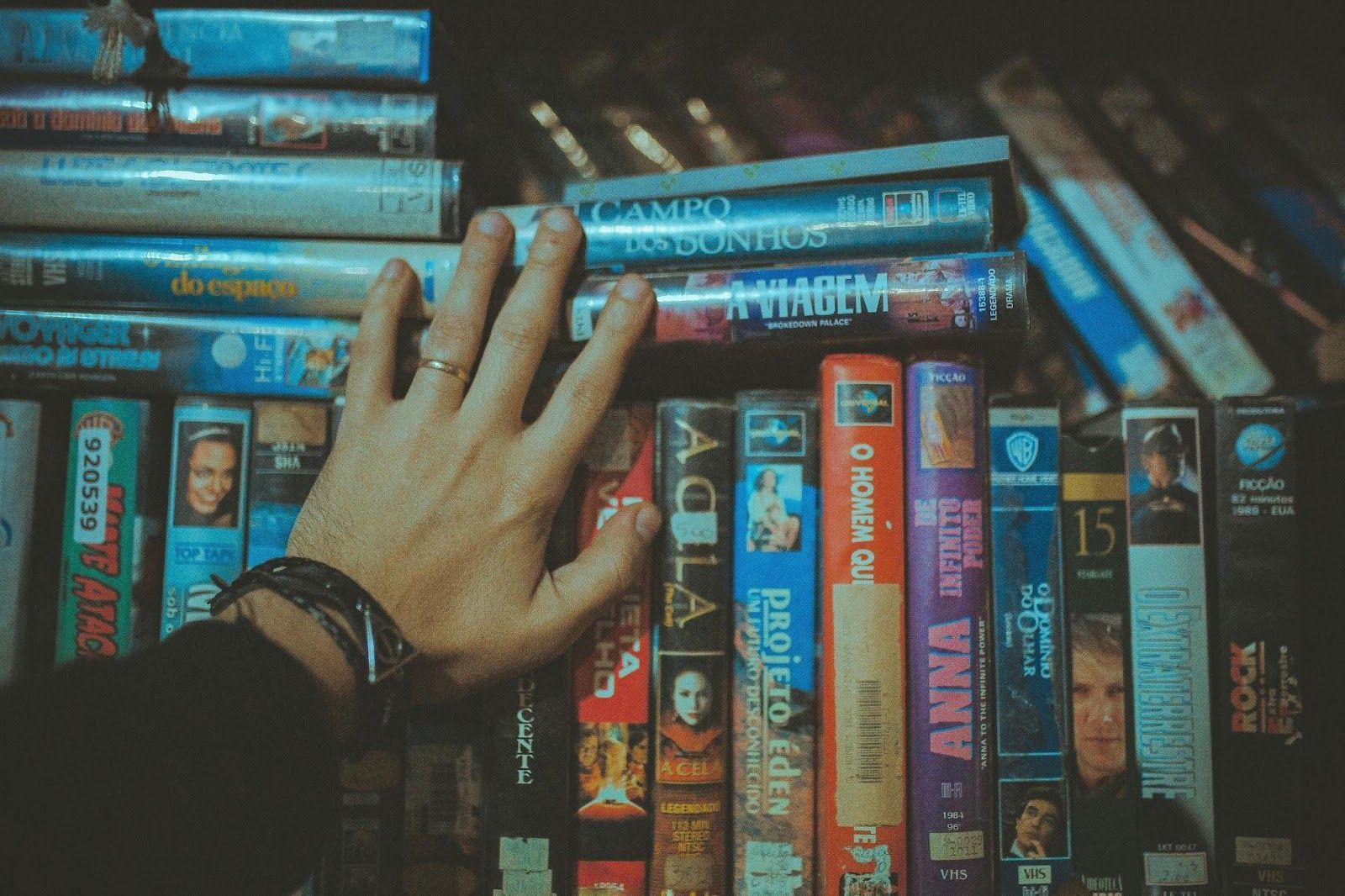

Image: Lucas Pezeta

Movie titles don’t always travel well. They may sound cool or mysterious in English, or rely on clever puns, but those nuances are often lost in translation and leave us with retitled movies that even the most illustrious cinephile would have trouble decoding. Do you think you can identify these famous films by their adapted titles? Try for yourself!

1

A Very Powerful Whale Runs to Heaven

Image: Adam Ernster

That’s the dramatic title that marketing experts chose for Free Willy in China.

The original film tells the story of a boy who befriends an orca and helps it return to the ocean—not necessarily Heaven! The Chinese title, however, gave the tale a twist with unexpectedly tragic overtones.

2

The Boy Drowned in the Chocolate Sauce

Image: Vie Studio

Can you guess what movie this is? If you said Charlie and the Chocolate Factory, you’re correct!

In Denmark, this film, based on Roald Dahl’s beloved classic, zeroed in on the darker moment when Augustus Gloop falls into the chocolate river, turning a silly, fantastical story into something almost sinister. (Don’t worry — the kid didn’t actually drown in the book!)

3

The Condemned

Image: Tim Hüfner

In Taiwan, The Shawshank Redemption was translated as Exciting 1995, while in some other markets it appeared under titles like The Condemned.

That simplified translation strips away the nuance of "redemption," which is central to the classic film about life in prison. In Spanish-speaking countries, the title became Sueños de libertad_—_Dreams of Freedom.

4

What Happened Yesterday?

Image: Pixabay

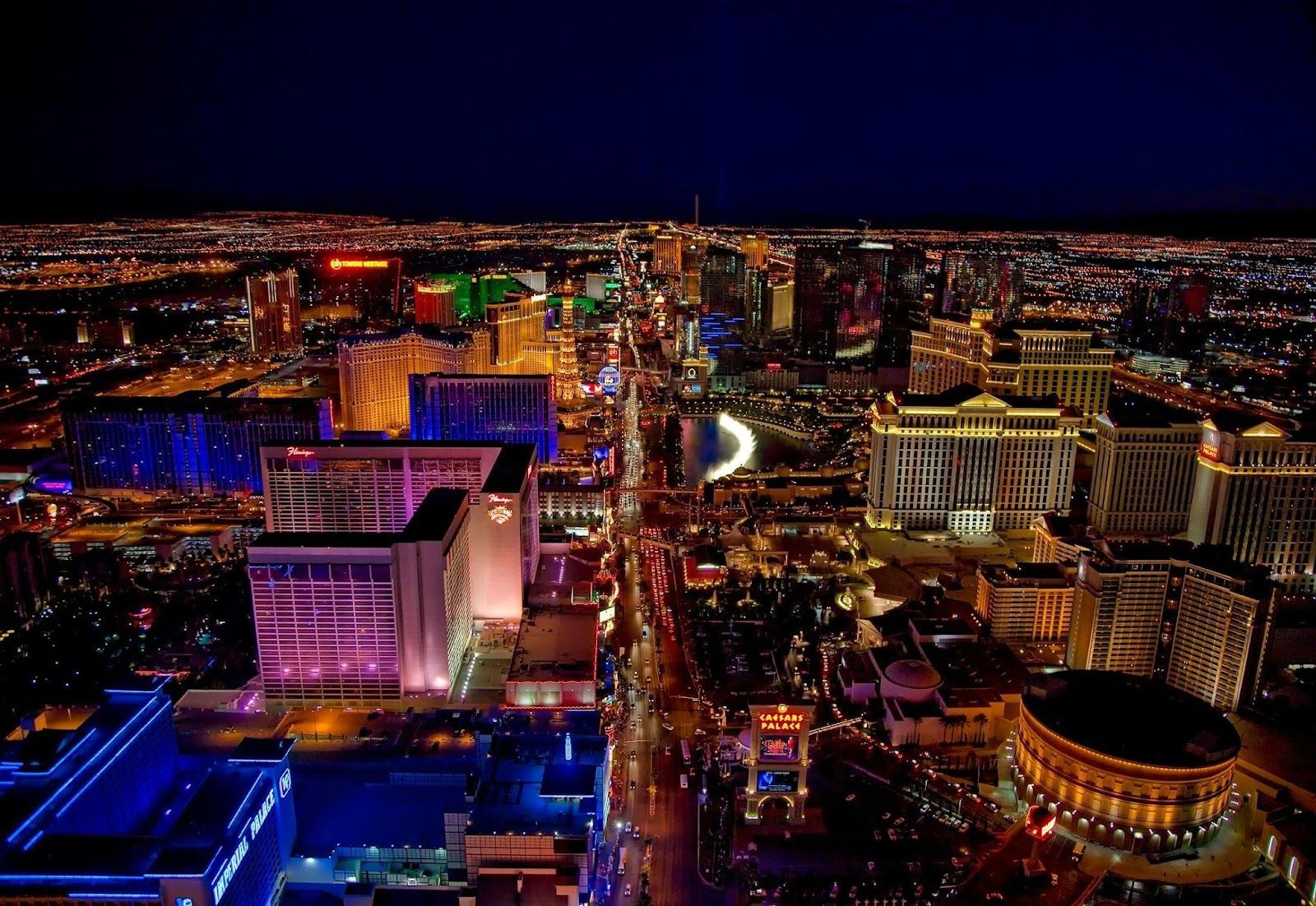
In Spanish-speaking markets, The Hangover was released as _¿Qué pasó ayer?_—which translates to "What Happened Yesterday?"

The hit comedy set in Las Vegas follows a group of friends piecing together the chaos of a bachelor party gone wrong. In France, the film was retitled Very Bad Trip.

5

He’s a Ghost!

Image: Santiago Avila Caro

With an unforgivable disregard for spoilers, Chinese markets released The Sixth Sense under the title He’s a Ghost! Fortunately, at least they didn’t specify which character they meant—though the translation likely spoiled the twist for most observant viewers.

6

Violent Times

Image: Artem Labunsky

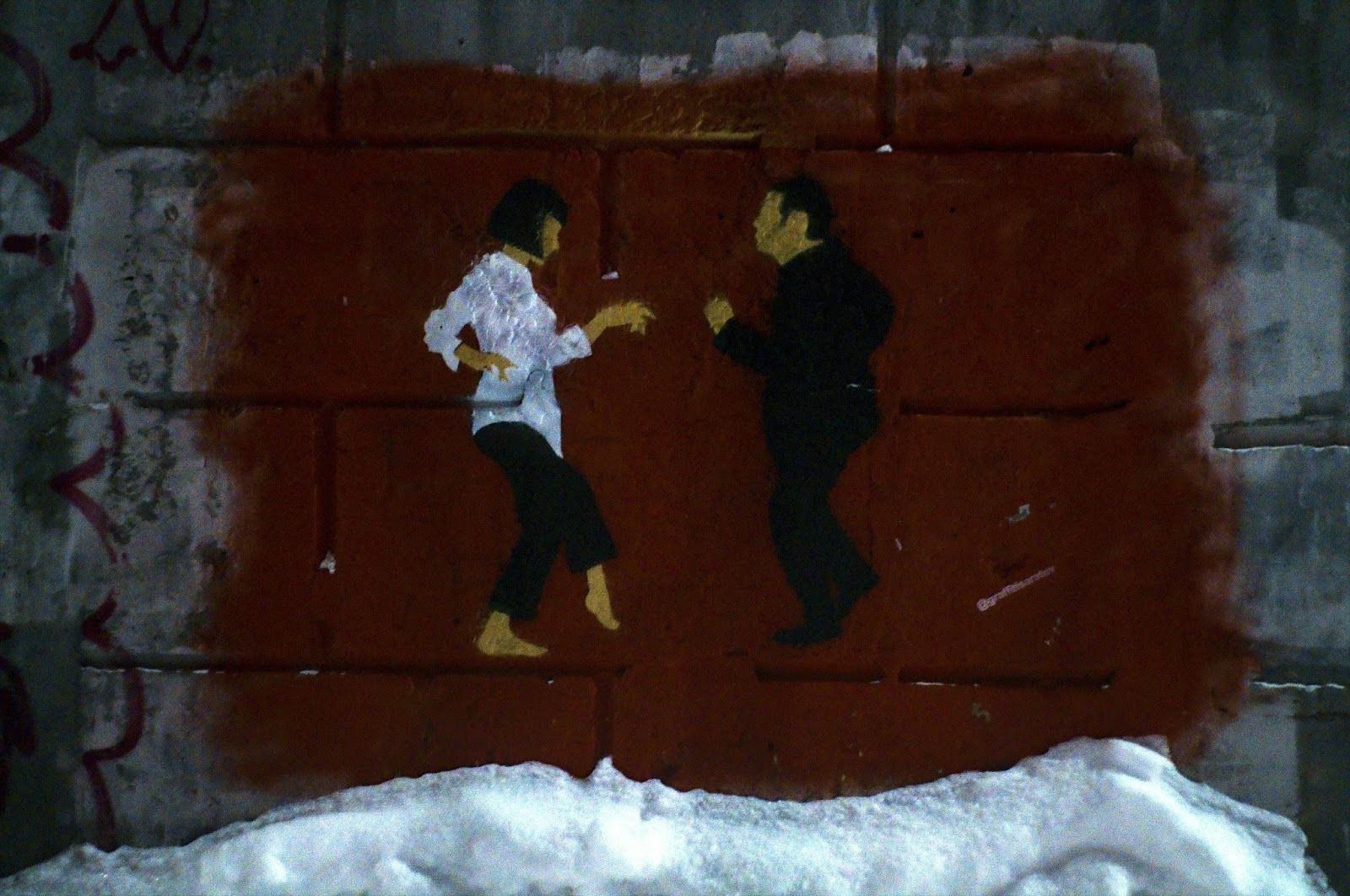
Quentin Tarantino’s Pulp Fiction was retitled Violent Times in some international markets—a fitting name! However, one could argue that it misses the essence of the original title, which references the pulp magazines and inexpensive paperback novels that inspired Tarantino’s storytelling style.

7

Vaseline

Image: JUNHYUNG PARK

In Argentina, the hit musical Grease was released as _Vaselina_—literally "Vaseline." The English title refers to the 1950s youth subculture of "greasers," known for their slicked-back, oily hairstyles, but that nuance was lost in translation. Still, the new name became a memorable part of Latin American pop culture.

8

A Twin Seldom Comes Alone

Image: Pixabay

In Germany, Disney’s The Parent Trap was released as Ein Zwilling kommt selten allein, which translates to "A Twin Seldom Comes Alone."

The original English title references the identical sisters’ scheme to reunite their divorced parents, while the German version sounds more like a proverb—charming, but far from literal.

9

The Teeth of the Sea

Image: Daniel Torobekov

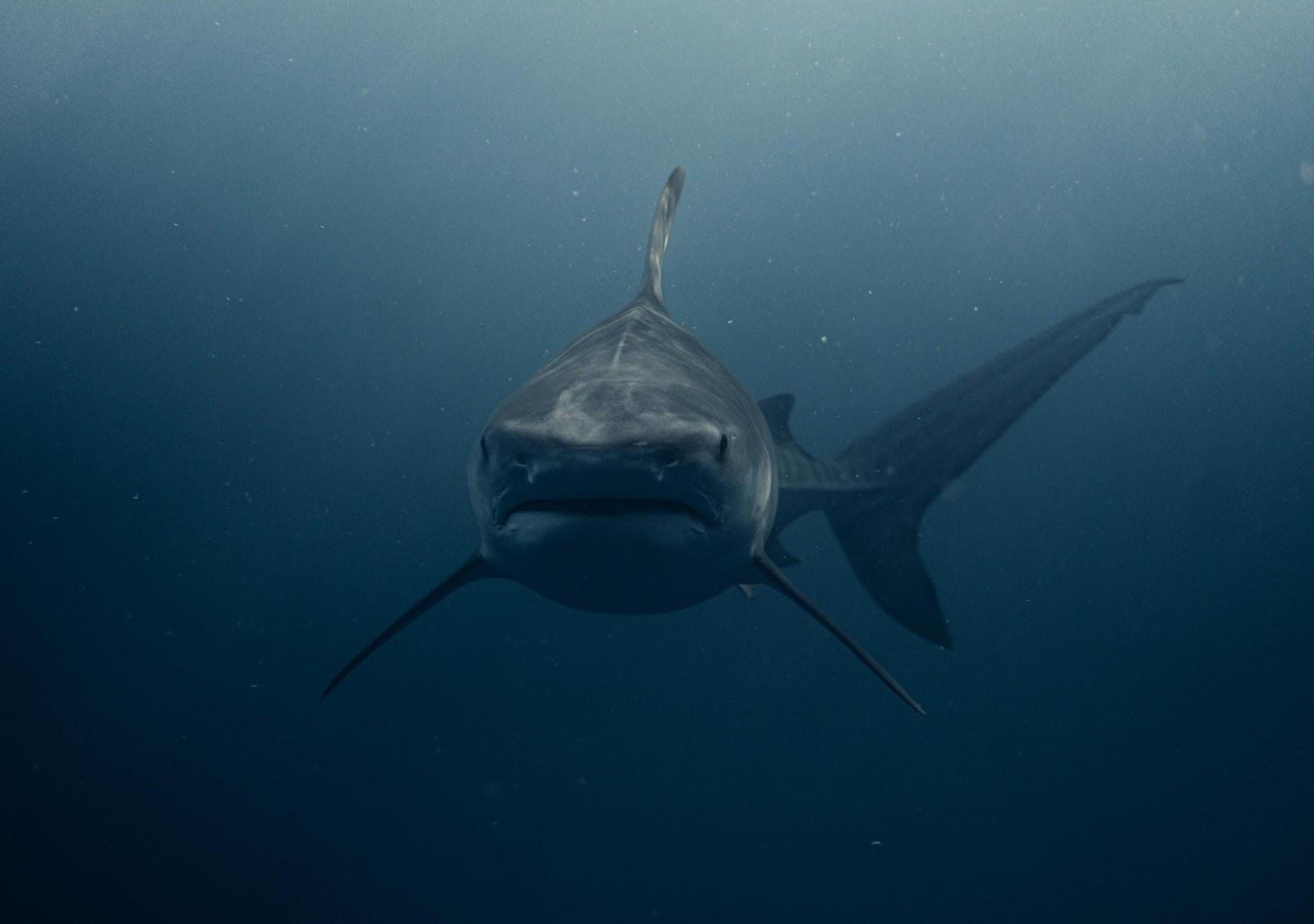
Steven Spielberg’s Jaws was released in France as Les Dents de la mer, literally "The Teeth of the Sea."

The original English title was short and sharp, perfect for the blockbuster it became. But even with its more poetic French name, the film made an enormous impact in France, just as it did everywhere else.

10

Fantastic Emotional Turmoil

Image: Dean Gibbons

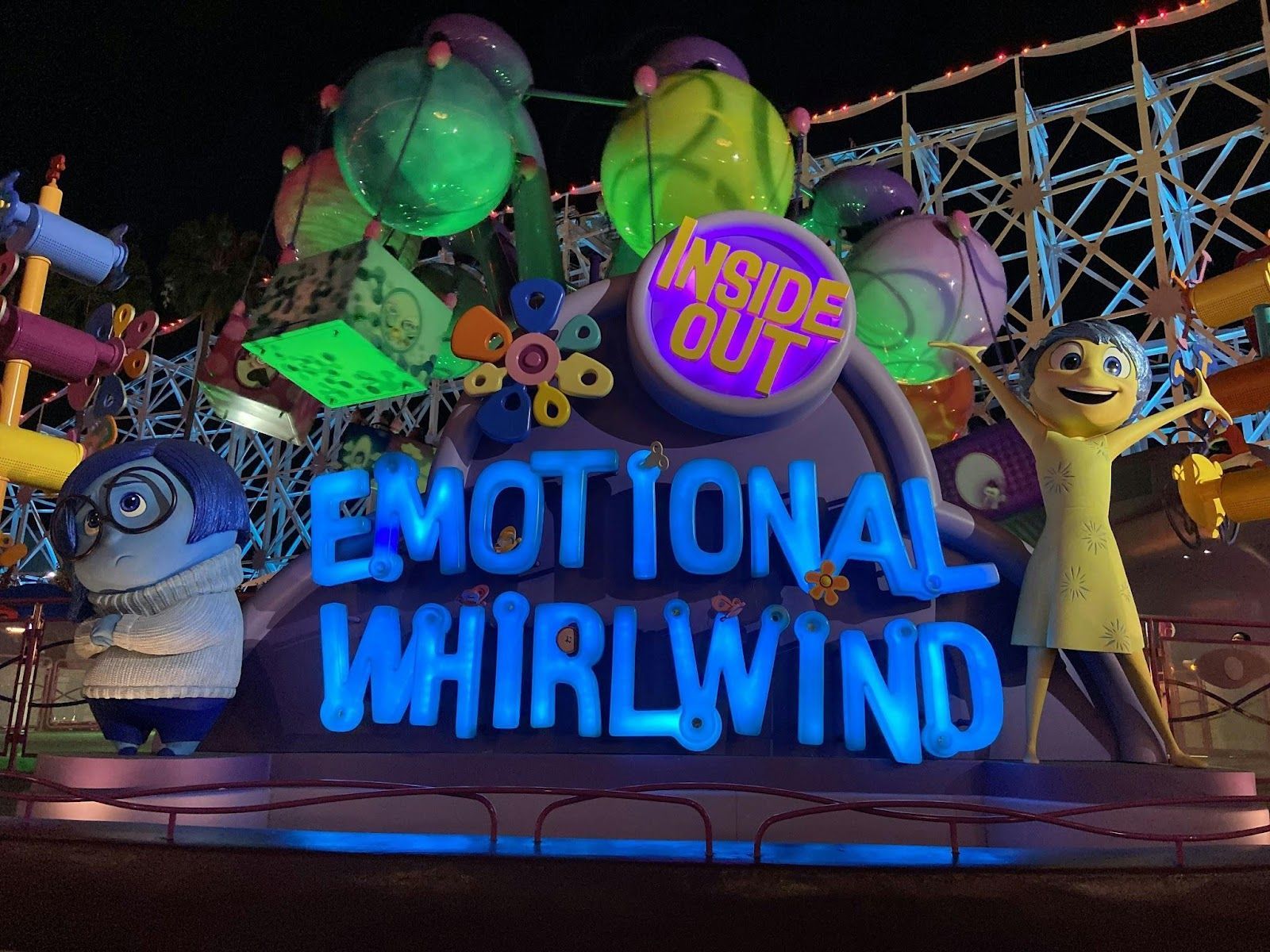
In China, Pixar’s Inside Out, which follows the personified emotions of a teenage girl, was released under the title Fantastic Emotional Turmoil. Other international adaptations played with puns on expressions such as "Vice Versa," "Intensely," or "Funnily."

11

Mom, I Missed the Plane

Image: Liubomyr Vovchak

You could probably identify this classic Christmas movie by that line alone… even though it doesn’t actually appear in the film! Of course, it’s an alternative title for Home Alone, the beloved comedy starring Macaulay Culkin as the mischievous Kevin McCallister. The French release used the retitled Maman, j’ai raté l’avion!


Do you have a unique skill?

11 unusual skills that became very handy in historic circumstances


Published on November 27, 2025


Image: Cookie the Pom

A peculiar skill is something that many of us have. It can be a special ability to recognize lookalikes, make pets fall asleep quickly, or guess names, among a million other things. However, some people manage to make a career out of their unusual skills, and this has happened over and over again throughout history. Take a look at the following 11 examples. Did you know any of these?

1

Barber surgeons

Image: Allef Vinicius

Although it requires a good measure of specific knowledge, being a barber does not seem like a spectacularly complicated job these days. But, back in Medieval times, before the advent of modern medicine, barbers often performed minor surgical procedures, such as bloodletting and tooth extraction.

This odd combination of haircutting and basic surgery was a peculiar skill set that eventually evolved into separate professions.

2

Food tasters

Image: Stefan Johnson

It may sound like the job for a food critic, but it really wasn’t. In ancient and medieval times, rulers and wealthy individuals employed food tasters to protect themselves from poisoning.

This very dangerous job required a keen sense of taste and the ability to detect subtle signs of toxins in food and drink.

3

Rat catchers to the Crown

Image: Taton Moïse

Catching rats was such a valued skill in past times that it was even a specific royal appointment in Great Britain, where the rat catcher was responsible for keeping the royal palaces and grounds free of rats.

It required specialized knowledge of rat behavior and effective trapping methods.

4

Portrait miniaturists

Image: Alice Dietrich

These days, anybody can create a decent portrait using her or his smartphone, but back when photography wasn’t yet invented, limners created miniature portraits, often on ivory or vellum. As one can imagine, these tiny works of art required exceptional skill and attention to detail.

5

Pigeon trainers

Image: Tim Mossholder

In a time when communication was mostly carried out by people on their own two legs, horses, or ships, being able to establish successful communication at the speed of a flying bird was nothing short of a miracle.

Pigeon trainers were highly sought after and required due to their ability to train these humble birds to fly to particular places with tiny messages attached to them, and then go back.

6

Flag signalers

Image: Philippe Oursel

In the days of sailing ships, sailors used flags to communicate. Knowing how to interpret and send flag signals was crucial for coordinating naval maneuvers, and very few people knew how to perform these tasks correctly.

7

Dowsing

Image: Amritanshu Sikdar

While its scientific basis is obviously debated, dowsing (using a forked stick or other instrument to locate underground water or minerals) has been a skill used in various cultures for centuries.

Those who were believed to have this ability were often sought after in communities where water was scarce.

8

Navajo code talkers

Image: Christian Kapeller

Unbreakable code has always been a much-appreciated commodity during wartime. During WWII, Marine Corps leadership selected 29 Navajo men, the Navajo Code Talkers, who created a code based on the complex, unwritten Navajo language.

This system allowed the Code Talkers to translate three lines of English in 20 seconds, not 30 minutes as was common with existing code-breaking machines.

9

Code breakers

Image: Mauro Sbicego

Just like code talkers were a necessity, so were code breakers. Also during WWII, British mathematician Alan Turing cracked the "Enigma" code, which was a type of enciphering machine used by the German armed forces to send messages securely.

Codebreaking was a highly complex ability, involving a large set of skills ranging from mathematics to linguistics, mastered by very few individuals.

10

Silent film lip readers

Image: Austrian National Library

Aside from the occasional title cards, silent films were a visual, rather than a verbal expression. But, as you must have seen, silent film actresses and actors did move their lips in those movies, even if you could not hear them.

Lip reading became a useful ability in those days, allowing filmgoers to understand what the performers were actually saying during the film. While most of the time, the uttered words had some relation to the scene itself, sometimes, actresses and actors said very different things, to the surprise of lip readers.

11

Human computers

Image: Diego Fernandez

During the mid-20th century, complex mathematical calculations were performed by hand to be used in astronomy, engineering, ballistics, and other developing fields. Many of these "human computers" who were able to perform incredibly complex calculations were women, like Katherine G. Johnson, Mary W. Jackson, or Dorothy Vaughan, to name a few.

Looking for an extra scoop of literary fun?

Learn more with our Word of the day

crabbed

/ˈkræbəd/