Which name is better?

Can you believe the names these 10 U.S. streets used to have?


Published on May 13, 2026
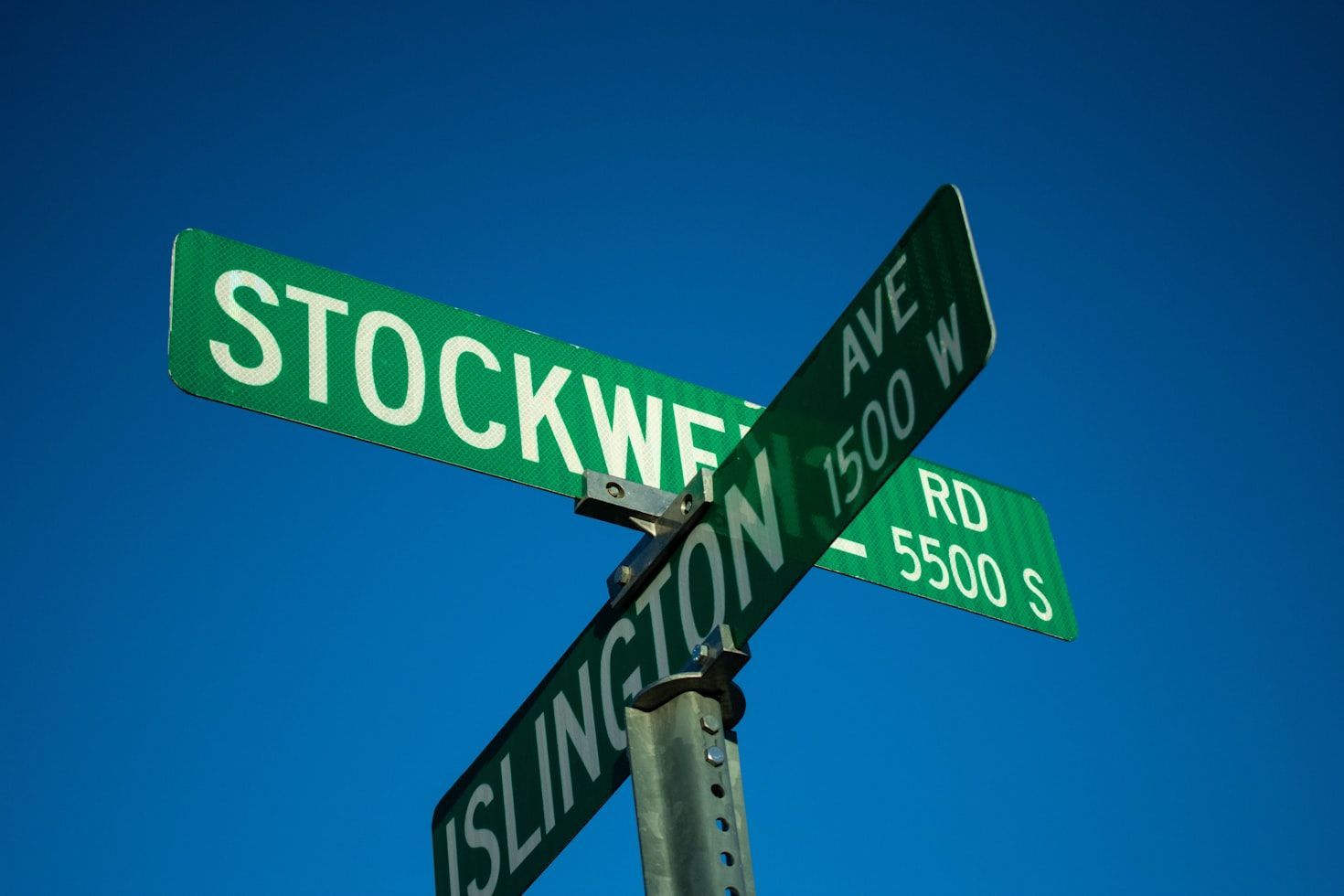

Image: Ernest Brillo

Few things are more beloved by politicians than naming things—even when those things already have names. Streets, in particular, often become prime candidates for renaming. The following 10 examples showcase streets that have undergone such changes. Have you ever been to any of them?

1

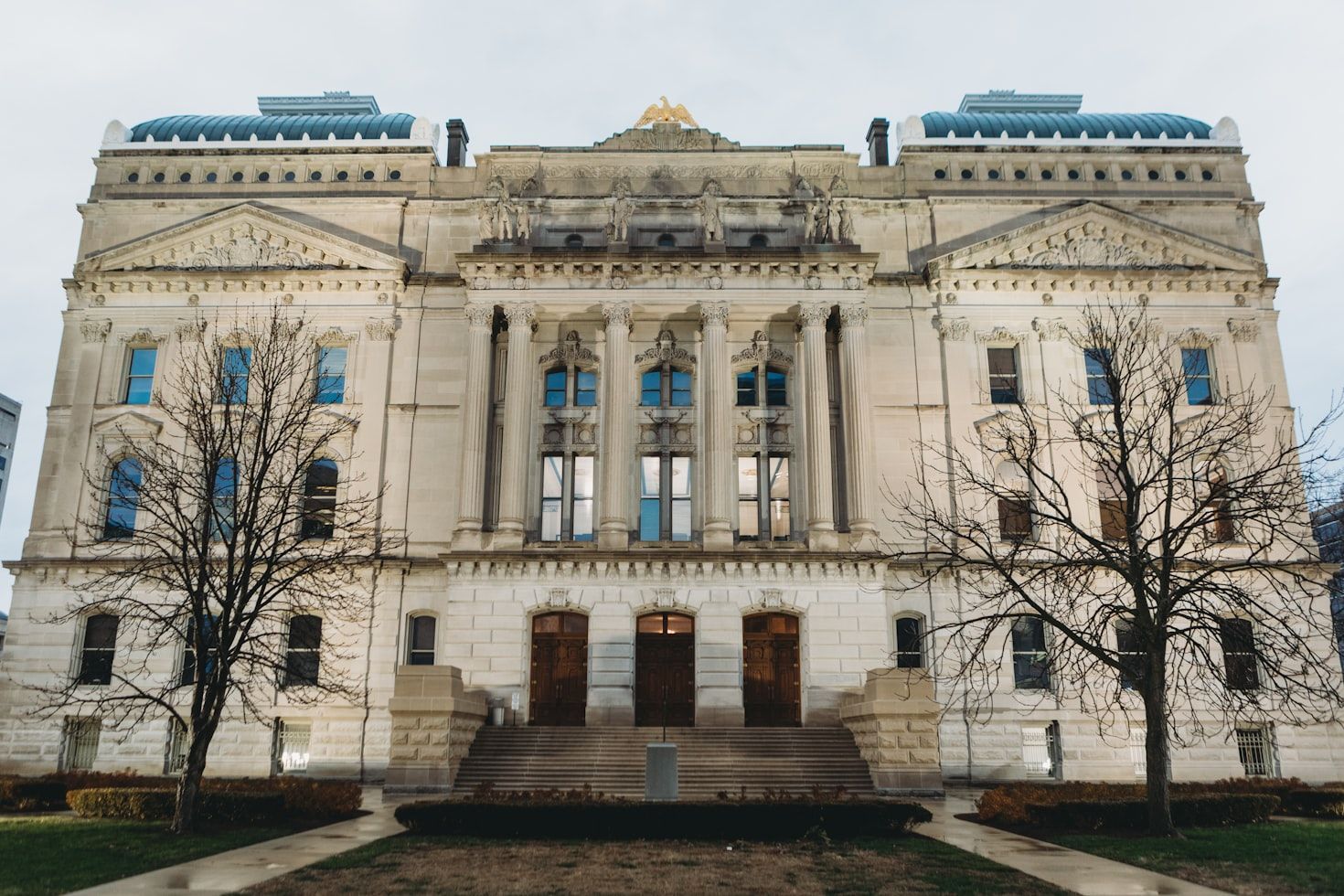
Bismarck to Pershing - Indianapolis

Image: Steven Van Elk

Pershing Avenue in Indianapolis was formerly known as Bismarck Avenue. The name was changed during World War I because Bismarck was closely associated with Imperial Germany, which drew unwanted attention to the street. The new name honored the most renowned U.S. general of the war, General John J. Pershing.

There was no marker or other indication of Pershing Avenue’s former name until the 1990s, when two city councilors pushed for recognition of the original name.

2

125th Street to 125th Street Martin Luther King Jr. Boulevard - New York

Image: Dorian Mongel

In 1984, 125th Street in New York City was co-named Martin Luther King Jr. Boulevard to honor the civil rights leader. 125th Street is one of the most famous streets in Harlem, known for its deep ties to political activism and cultural life, featuring landmarks such as the Apollo Theater.

3

Du Pont Street to Grant Avenue - San Francisco
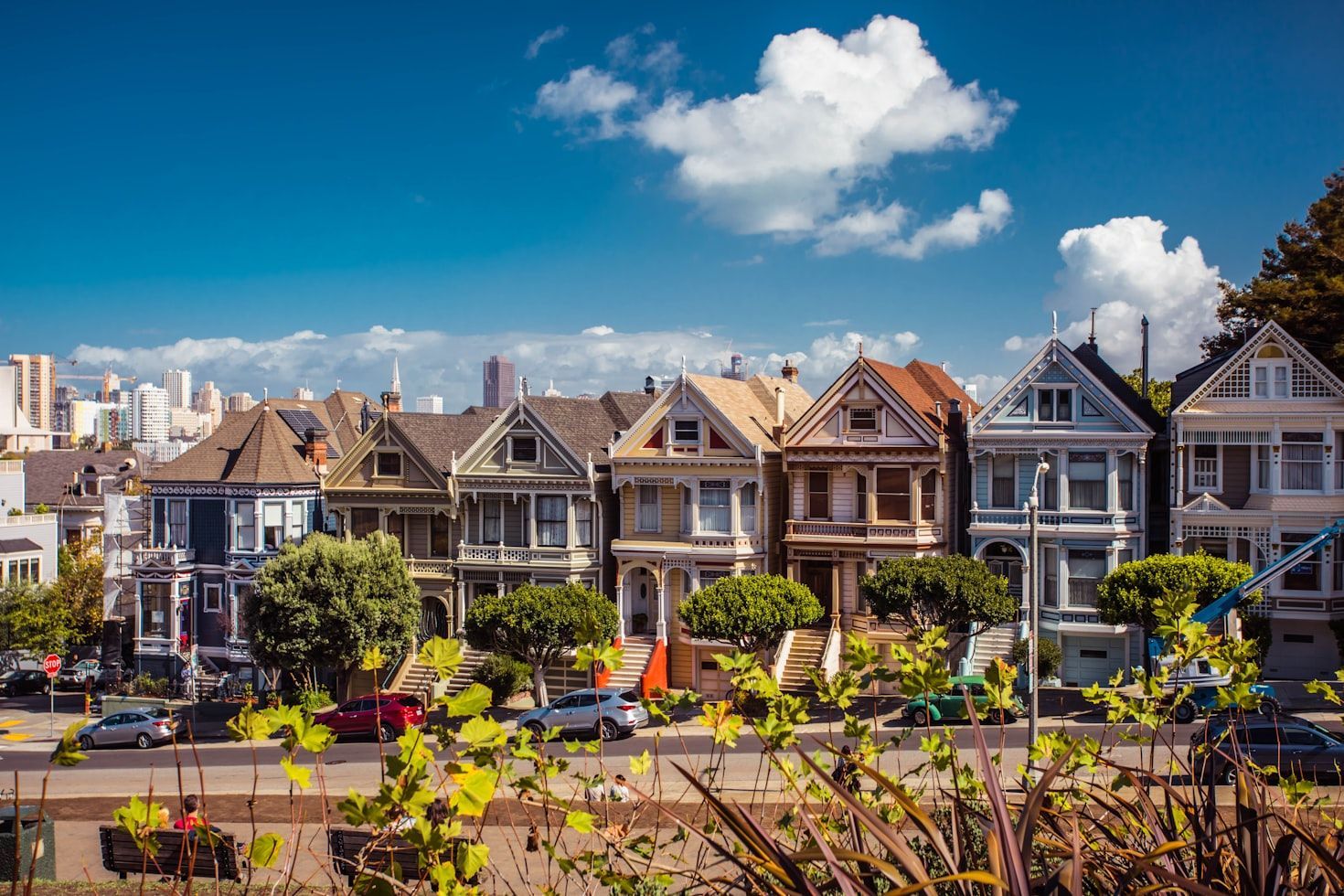
Image: Aaron Kato

Until the 1906 San Francisco earthquake, Grant Avenue was known as Du Pont Street. After the city was rebuilt, the street was widened and renamed in honor of Ulysses S. Grant, the 18th president of the United States. Grant Avenue is now one of the most iconic streets in San Francisco’s Chinatown.

Today, the intersection of Grant Avenue and Bush Street marks the southern entrance to Chinatown. Grant Avenue is still written and said in Chinese as "Du Pon Gai" (Du Pont Street).

4

Monroe Street to Dashiell Hammett Place - San Francisco
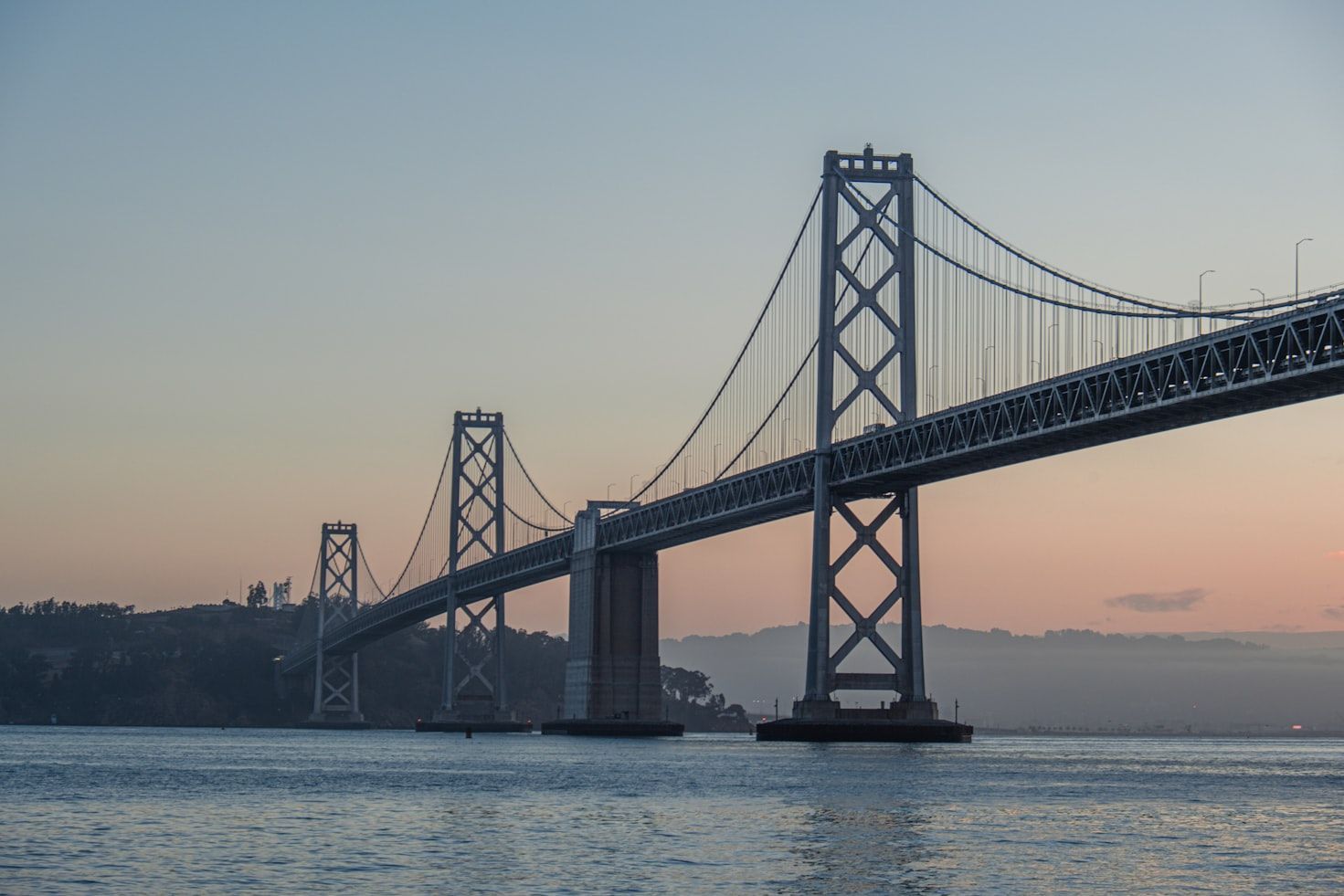
Image: Line Kjær

The second San Francisco entry on our list dates back to 1988, when city officials chose to honor the writer Dashiell Hammett on a street where he had actually lived. The former Monroe Street is a short, one-block road that begins at Pine Street and slopes steeply downhill to Bush Street. Today, the street signs read "Dashiell Hammett Place."

5

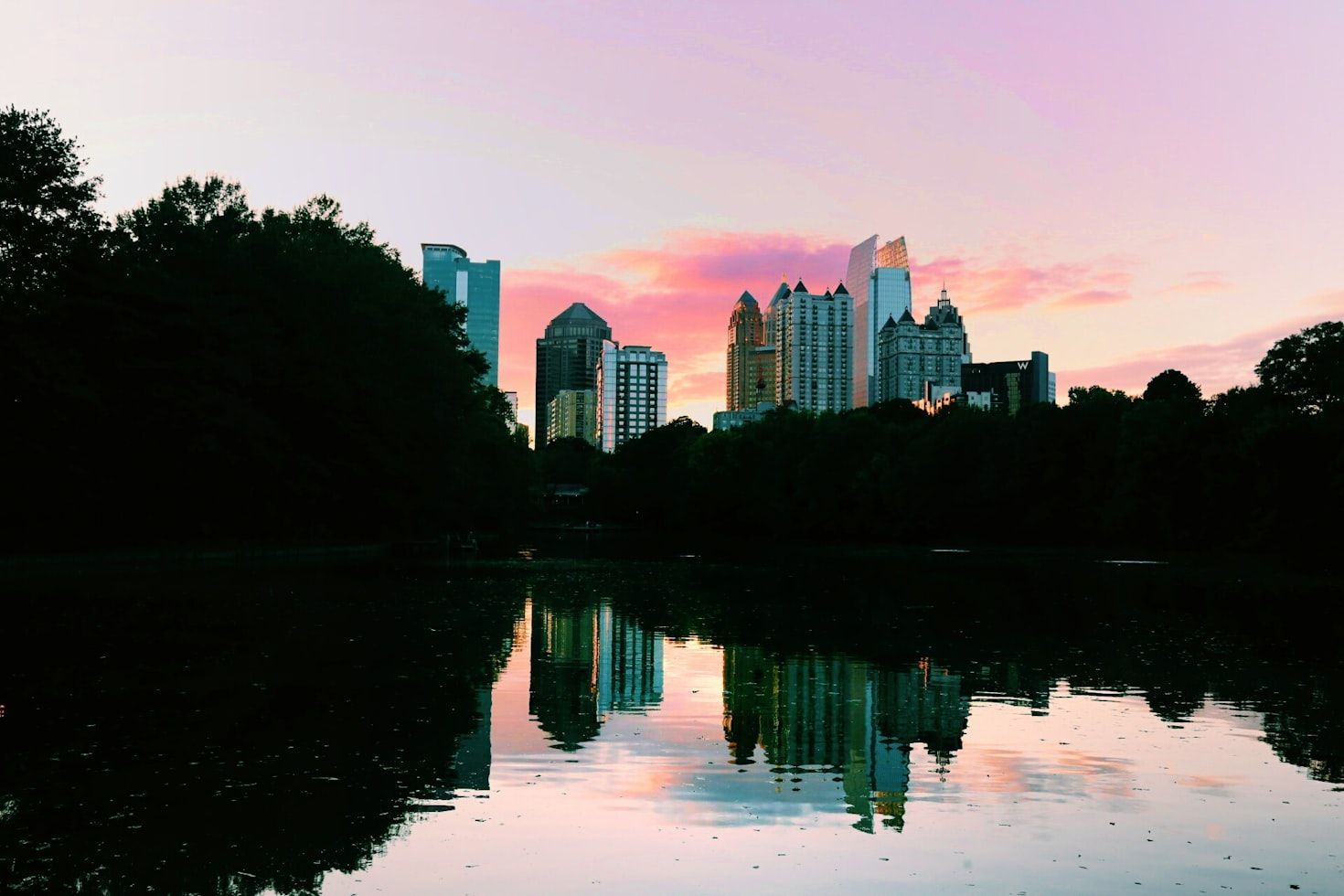
Boulevard to Monroe Drive - Atlanta

Image: Kyle Sudu

Atlanta’s former Boulevard was renamed Monroe Drive in honor of the Monroe Landscaping Company, which enhanced the area with extensive plantings that contributed to its beauty. Apparently, if you do a good job, you might just get a street named after you.

6

Heeren Wegh to Broadway Avenue - New York City
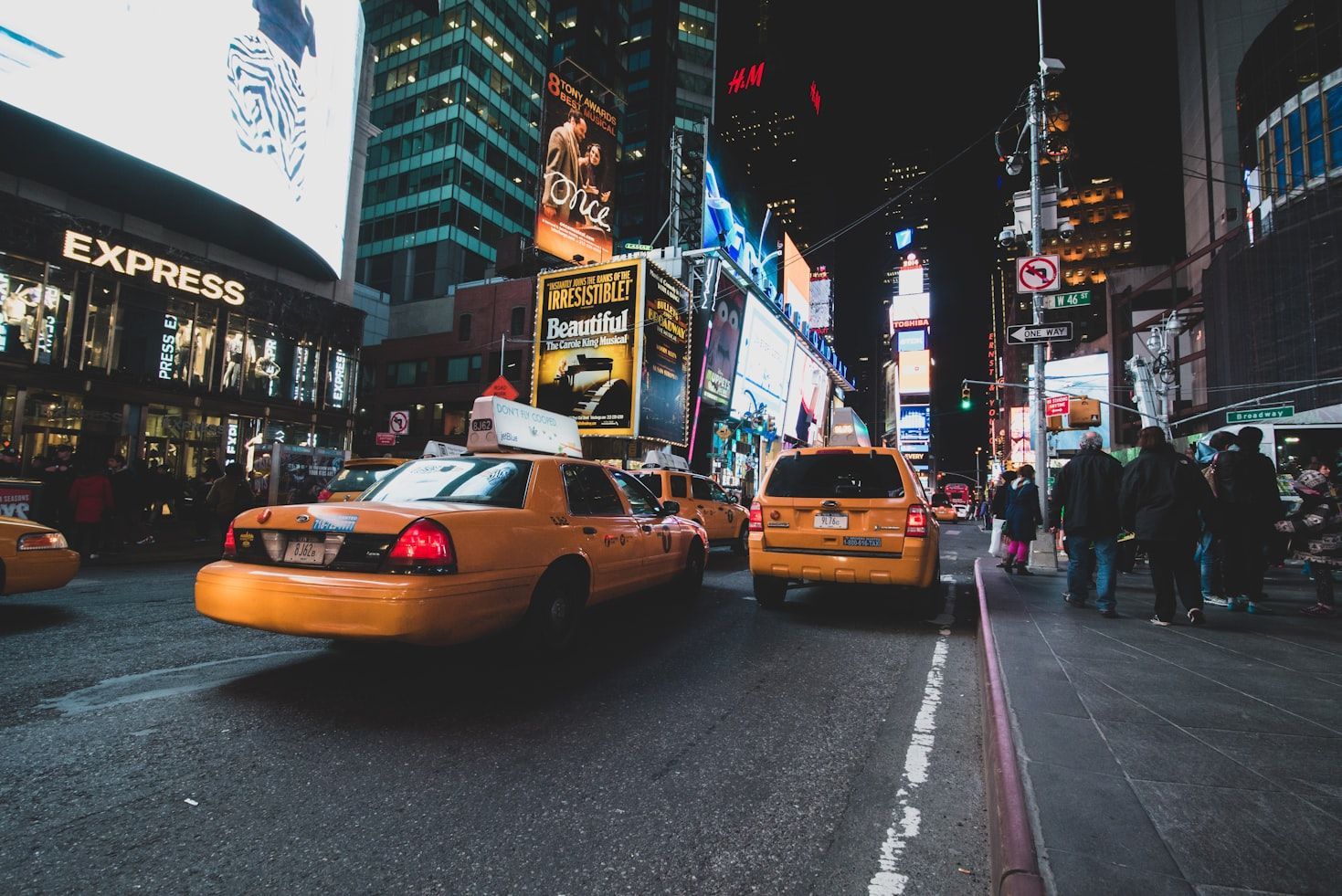
Image: Artem Zhukov

Another New York street on our list is the famous Broadway Avenue, which was originally called Heeren Wegh by the Dutch until the early 1700s. It was renamed Broadway due to its great width compared to other streets in early New York.

7

Lenox Avenue to Malcolm X Boulevard - New York City

Image: Ferdinand Stöhr

New York City has a habit of renaming its streets. In Harlem, Lenox Avenue—originally named after philanthropist James Lenox—was co-named Malcolm X Boulevard in 1987 to honor the prominent civil rights activist.

8

High Street to Market Street - Philadelphia
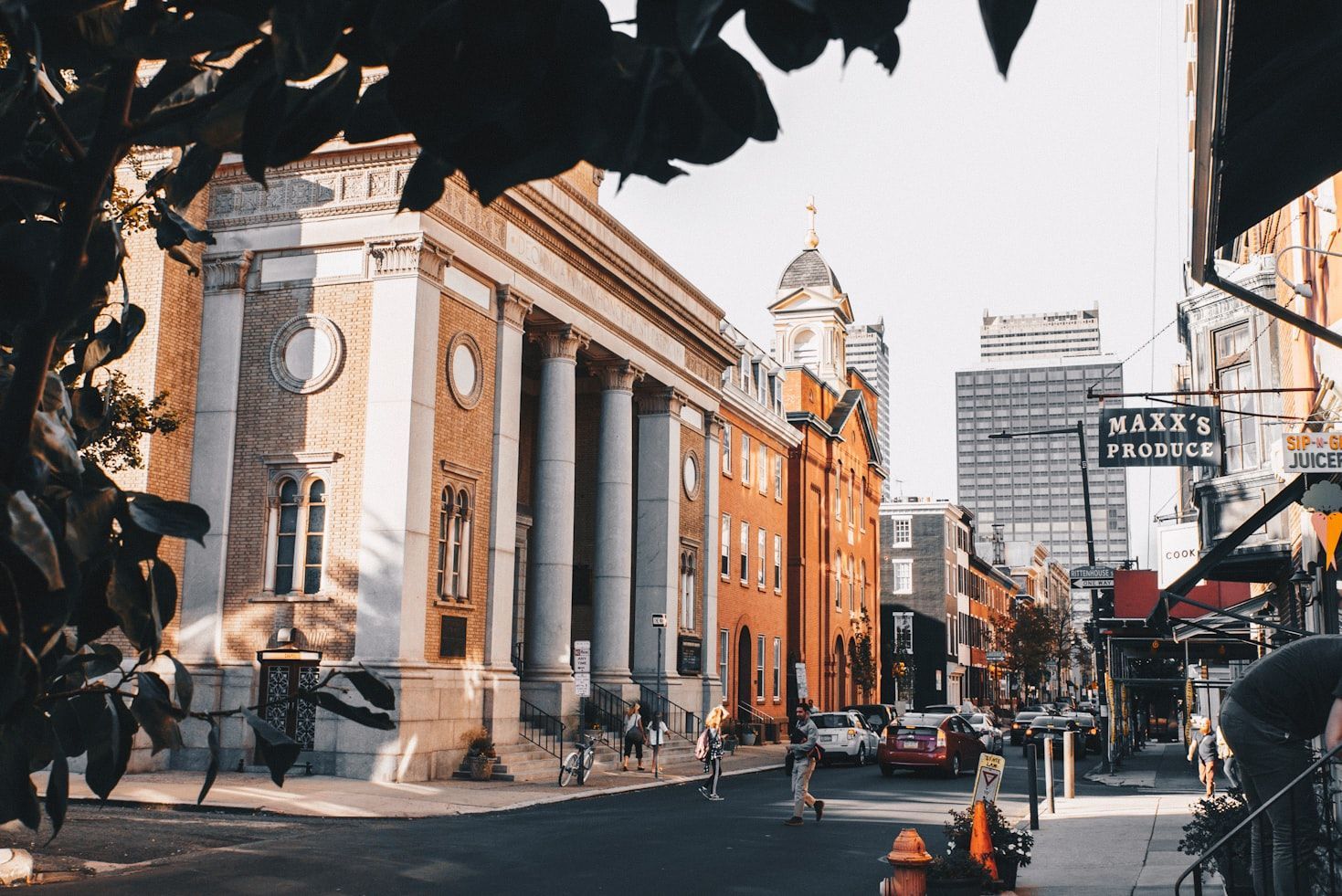
Image: Ethan Hoover

Philadelphia’s Market Street was originally called High Street but was renamed in 1754 because of the many shops and markets located there. This is one example of a common reason for street name changes.

9

Brooklyn Avenue to Cesar E. Chavez Avenue - Los Angeles
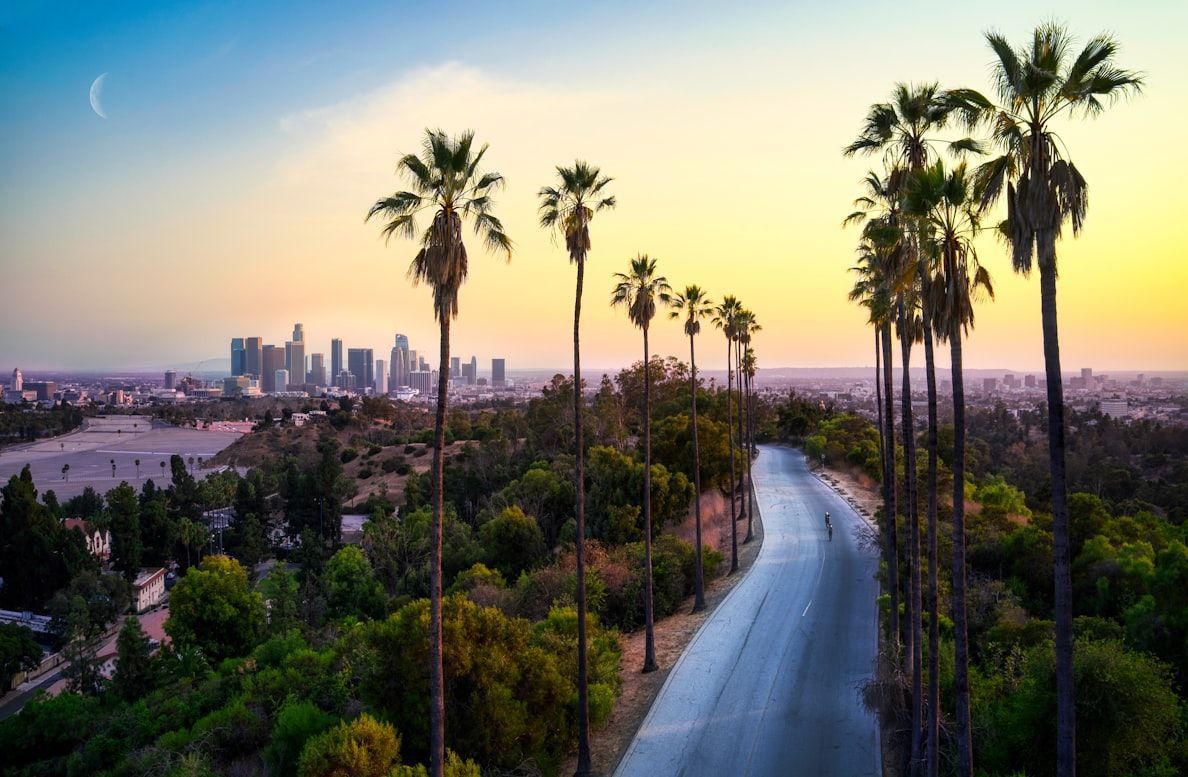
Image: Venti Views

Brooklyn Avenue was a major street in East Los Angeles, historically home to Jewish, Japanese, and later Mexican American communities. Over time, the area became a center for Latino culture and activism.

In 1994, the street was renamed Cesar E. Chavez Avenue to honor the civil rights leader and farmworker advocate. The change reflected Chavez’s deep connection to the Latino community in East L.A.

10

Nyades Street to St. Charles Avenue - New Orleans
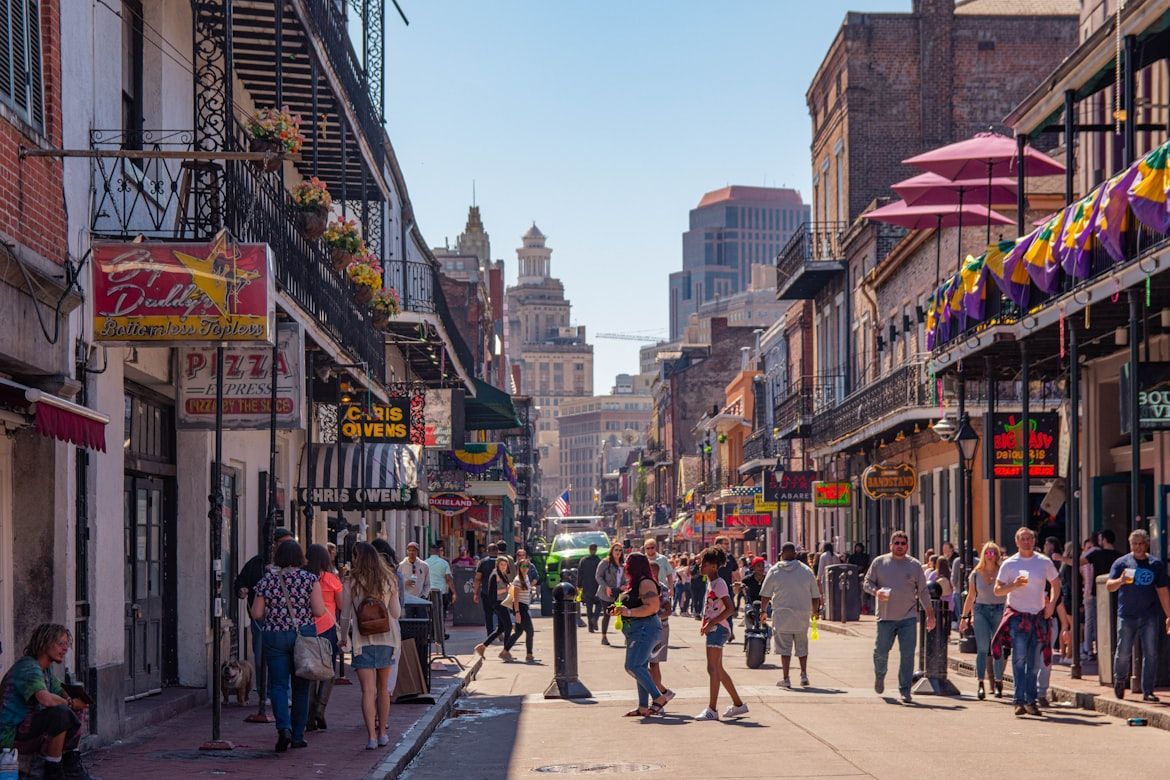
Image: Kristina Volgenau

In New Orleans, St. Charles Avenue wasn’t always known by that name. In the early 1800s, parts of it were called Nyades Street, a name that reflected the city’s blend of French and Spanish influences.

As the city expanded and urban planning took shape, Nyades was renamed St. Charles Avenue, honoring Charles Borromeo, a Catholic saint.


Rich language

Better have your "nest egg"! You'll love these 10 money idioms


Published on May 13, 2026


Image: Fabian Blank

For a lot of people, money is still a taboo topic, but the truth is that it comes up in everyday conversations all the time. For this reason, there's no shortage of money-related sayings, phrases, and idioms. You probably have heard someone talking about their "nest egg," or maybe there was a time when you had to "tighten your belt." If you want to learn the origins and meanings of these 10 fun expressions about money, read on!

1

Burning a hole in your pocket

Image: Geoffrey Crofte

"I got my paycheck today, and it's already burning a hole in my pocket."

We could divide most people into two groups: On one side, those who know how to save, look for discounts, keep track of their finances correctly, and carefully plan every expense. On the other, the "wild ones," those who don't know what they've spent their money on or have a tendency to spend impulsively.

If you feel that money just disappears fast as soon as you get it, you may belong to the second group. In that case, there's a phrase that fits well in that context. When someone says that money "burns a hole in their pocket," they simply mean they can't wait to spend it. And let's be honest; there's nothing like bringing home that shirt you fell in love with at the store, right?

2

Golden handshake

Image: Chris Liverani

"She will leave the company with a generous golden handshake at the end of the year."

For some people, talking about money without beating around the bush can be quite shocking, especially when large sums are involved. That's why language provides us with many metaphors and aphorisms, and one of them is the famous "golden handshake."

If you have been lucky enough to be part of one, you know what we're talking about. This expression emerged in the mid-20th century and became increasingly famous with the advancement of big business. In the corporate world, a "golden handshake" describes an agreement (the "handshake" part) between members of a company, through which one receives a large amount of money (the "golden" involved). It's often used to refer to big severance pay or retirement compensation.

3

Tighten your belt

Image: Seeetz

"After we bought the house, we had to tighten our belts for a period."

While it's true that many of us long for a slim waistline, when it comes to money, "tightening the belt" is not necessarily a good thing. In fact, this expression is used for talking about tough financial times, those moments when you need to cut back on expenses and make some adjustments, even if it means your pants end up a little looser.

It's believed that the idiom became popular in the US during the harsh 1930s due to the difficulties of the Great Depression.

4

Cutting corners

Image: Bere Del Valle

"They cut corners by hiring less staff to save money, which resulted in longer wait times."

While shortcuts can be helpful at times, wise people say that taking the longer path teaches us important lessons and leads to better outcomes.

The expression "cutting corners" emerged in the 19th century to express precisely that: Creating a straight path through corners to make the route shorter and faster. Over time, the phrase has expanded its use to more metaphorical forms and usually contains a negative undertone. You know, taking shortcuts can sometimes end up taking more time and effort.

In the world of finance, it's common to hear that a company decided to cut corners by making less effort or using cheaper materials with the intention of making quick money.

5

Nest egg

Image: Annie Spratt

"Thankfully, he had a nest egg to cover his expenses while he searched for a new job."

Did you know that there was a practice in which a fertilized egg was placed in a hen's nest to encourage it to lay more eggs? But what does this have to do with money?

The expression "nest egg" comes from that practice and refers to a small or moderate amount of money saved for future use. As old as the technique itself, the expression was already in use in the 17th century.

Unlike other phrases on this list that belong to the world of big corporations, this one is often related to personal or household finances. Have you got your nest egg set aside? We bet you do!

6

Gravy train

Image: Jack Anstey

"He didn't talk about his high salary so they wouldn't think he's on the gravy train."

Some people say that only hard-earned money is worthwhile. But here's an expression that indicates precisely the opposite.

When you obtain money easily, without much effort, it's said that you're on the "gravy train." This phrase originated in the United States in the early 20th century, specifically between the 1910s and 1920s, as popular slang among railroad workers. In this context, it was used to describe a run on which there was good pay and little work.

Over time, the idiom spread to other jobs and activities, and today, it's commonly heard in everyday conversation.

7

Go Dutch

Image: Jay Wennington

"The tab is a little high. What do you think about going Dutch?"

Nothing like a good plan with friends! Whether it's a trip, a shopping spree, or dinner in a nice restaurant. And when the bill comes, many prefer to split it, so everyone chips in.

When it's time to split the bill at the end of the dinner, we say we're "going Dutch." It simply means that everyone pays for their part. The expression comes from the idea that Dutch people are often careful with money.

Next time your best friend offers to pick up the whole tab, you can relieve him or her by offering to go Dutch!

8

Break the bank

Image: Tim Evans

"I would love to buy that car, but I don't want to break the bank."

Have you ever had to "break the bank"? We're not talking about committing a crime, but the common expression that refers to spending a large amount of money, often difficult to afford.

When we go overboard and what we have to pay is a bit more than we can afford, we say we've "broken the bank." Scholars believe that the idiom emerged between the 17th and 18th centuries but really took hold in the mid-19th century. It was used in the gambling world when someone won so much money that the casino (the house or the bank) couldn't pay out.

9

Saving for a rainy day

Image: Noah Silliman

"I'd love to go on that trip with you, but I'm saving for a rainy day."

Do you like rain, or do you prefer sunny days? Beyond our personal tastes, rainy days have always been viewed as "gloomy days," commonly associated with sadness or hardship.

When someone says they prefer to "save for a rainy day," they're talking about being careful with money, saving up for tough times when they'll really need those dollars.

Some theories suggest the phrase dates back to 16th-century agricultural societies in Europe. While a little rain was good for the fields, excessive rainfall could ruin the crops, leaving many people without enough food. In those years, similar sayings and proverbs related to the weather were present, and by the 18th century, "saving for a rainy day" was already seen in spoken and written English.

10

Fork over

Image: Erik Mclean

"I had to fork over $400 to fix my roof."

Some expenses are fun, but others aren't so much. When we have to pay for something we'd rather not, we can say we have to "fork over" the cash. Used in informal contexts, to "fork over" simply means to give or hand over money, especially when it's reluctantly.

Initially, it was used to describe handing over all kinds of things, but over time, the meaning associated with money stuck. It's believed that this idiom arose in the 19th century, when "to fork" was used as slang to describe pocket-picking with two or three fingers, resembling the prongs of a fork.

Looking for an extra scoop of literary fun?

Learn more with our Word of the day

wiseacre

/ˈwaɪzˌeɪkər/