SPEAK FLUENT TRAVELER
Can You Say "Lunch" In Spanish? Learn 10 Useful Words For Your Next Trip!
Published on November 18, 2024
 Image: Jon Tyson
Is there anything more exciting than packing your bags and catching that plane to your next destination? Make sure you pack the right clothes for the weather and your essential documents, but don't forget one more thing for your next trip: vocabulary. Spanish is the official language in more than 20 countries around the world. If you want to visit a Latin American destination or the beautiful country of Spain, it's important to know these 10 Spanish travel words and how to use them. Vamos!
Equipaje/Maleta
 Image: American Green Travel
Whenever you travel, you need to pack your clothes and other items for your time away. Whether you prefer just a carry-on or a full set of suitcases, one Spanish word you'll find useful is maleta, which simply means "suitcase."
In the plural, you can use maletas to refer to many suitcases, or equipaje as a collective noun to refer to all of your luggage. For instance, you can say Perdí mi maleta ("I lost my suitcase") or Perdí mi equipaje ("I lost my luggage"). But we hope that doesn't happen to you!
Vuelo/avion
 Image: Suhyeon Choi
And if you pack your bags, you'll probably take a plane. While most airports offer information in several languages, including English, it is always useful to know some local words and phrases to make yourself better understood.
El avión is the Spanish term for "the plane." For example, you might hear an airport worker or a fellow passenger say, El avión hacia México parte a las 6 am ("The plane to Mexico leaves at 6 am"). On the other hand, the word vuelo refers to a specific flight. For example, you might say, No puedo comer contigo el viernes. ¡Tengo un vuelo a Buenos Aires! ("I can't have lunch with you on Friday. I have a flight to Buenos Aires!").
Dónde se encuentra...?/¿Dónde está...?
 Image: Annie Spratt
A big part of any trip is exploring new places, visiting historical sites, or enjoying a walk through beautiful landscapes. But to get to those sites, you need to know where they are. While we have the technology to guide us everywhere today, locals often have helpful tips, shortcuts, or route recommendations that can be of great help.
If you want to ask "Where is...?" in Spanish, start with ¿Dónde se encuentra...? Or ¿Dónde está...? For example, you could refer to a specific landmark asking, ¿Dónde se encuentra el Cristo Redentor? ("Where is Christ the Redeemer?"). Bonus tip: When writing in Spanish, remember to use question marks at both the beginning and end of the question.
Farmacia
 Image: Reproductive Health Supplies Coalition
Just like in any situation, accidents and emergencies can happen, though we hope they don't during your trip. If you need to buy band-aids or any medication, you could ask, ¿Dónde se encuentra la farmacia?
As you might have guessed, farmacia is Spanish for "pharmacy" or "drugstore," the place you'll need if you get sick or hurt.
In addition, at la farmacia, you can get other products like soap, shampoo, or hand sanitizer if you're about to go on an excursion.
¿Cuánto cuesta?/¿Cuál es el precio?
 Image: Artem Beliaikin
Now, let's focus on one of the best parts of traveling: buying things! When shopping in a Spanish-speaking country, it's important to know how to ask for prices.
While many people around the world understand English, it's always nice to make a little effort to communicate with the locals in their language. If you walk into a store and fall in love with an item or find the perfect gift for a friend, you'll need to ask, ¿Cuánto cuesta esto? ("How much is this?"). In case you know the name of the product, you can be more specific by saying ¿Cuánto cuesta esa escultura? ("How much is that sculpture?"). Alternatively, you can ask, ¿Cuál es el precio? ("What's the price?").
Billetera/cartera
 Image: Kostiantyn Li
If shopping is your thing, there is something you can't forget: your wallet. Since it's one of the most important things to have when you're away from home, knowing how to refer to it in other languages is especially useful.
Billetera and cartera -depending on the country- are the two Spanish words for "wallet." For example, you can say, Dame un minuto mientras busco mi billetera/cartera ("Give me a minute while I find my wallet"). You can also use one of the phrases from this list and ask, ¿Dónde está mi billetera/cartera? ("Where is my wallet?"). And if you're referring to a digital wallet, the Spanish term would be billetera virtual or billetera digital.
Tarjeta de crédito/dinero
 Image: Stephen Phillips - Hostreviews.co.uk
If there's anything more important than your wallet, it's what's inside it. You know, money and credit cards are necessary for any trip.
So, in Spanish, the word for "money" is dinero. If you're specifically referring to cash, you can use the term efectivo. For example, Necesito efectivo ("I need some cash").
On the other hand, the Spanish term for "credit card" is quite similar to the English one: Tarjeta de crédito. To sound more natural, you can simply say tarjeta ("card"), just like the locals do. Quisiera pagar con tarjeta de crédito is the Spanish phrase to say, "I'd like to pay with my credit card."
Comida (desayunar, almorzar, cenar)
 Image: Jay Wennington
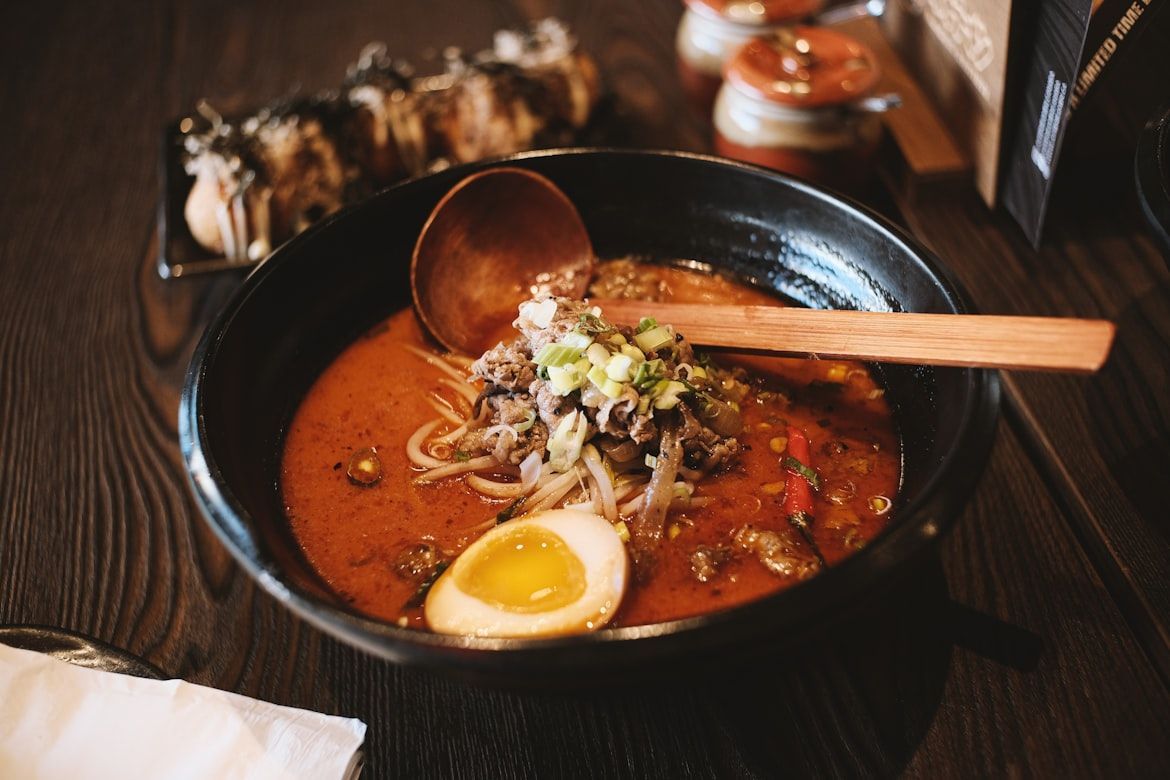
Besides meeting friendly people, visiting historical sites, and buying pretty souvenirs, there is another joy that you'll find on every trip: food. Each destination you visit offers unique local recipes and delicacies. That's why it's important to know how to refer to those dishes.
The generic word for "food" in Spanish is comida. You can say, for example, Necesito algo de comida ("I need some food") or Preparemos la comida ("Let's get the food ready"). On the other hand, if you want to talk about specific meals of the day, Spanish, like English, has different terms for each. Desayuno is "breakfast," almuerzo is "lunch," and cena is "dinner." So, what is your favorite meal of the day?
Habitación
 Image: Vojtech Bruzek
No matter where your travel takes you, there's one thing you can't overlook: a good place to stay.
If you need to say "room" in Spanish, the term you are looking for is habitación. To express, for example, "My room number is 360," you can say, Mi habitación es la número 360.
If you need to ask, "Do you have any rooms available?" you would say, Disculpe, ¿tiene alguna habitación disponible? And if you'd like to request room service politely, you can say, Quisiera servicio a la habitación, por favor.
Museo/galería de arte
 Image: Dannie Jing
One of the main activities for tourists is visiting museums and art galleries. If you are one of those who don't want to miss any work of art, there are two terms that will be very helpful.
Although the Spanish word museo might look similar to the English "museum," it can sound different when pronounced. If you need to ask how to get to a particular museum, you can say, ¿Dónde se encuentra el museo? You can also express, Me encantaría visitar ese museo ("I'd love to visit that museum").
Another similar term is Galería de arte, which basically translates to "Art gallery."