Don’t believe everything you see

Busted! 12 Hollywood myths that are totally fake


Published on September 6, 2025
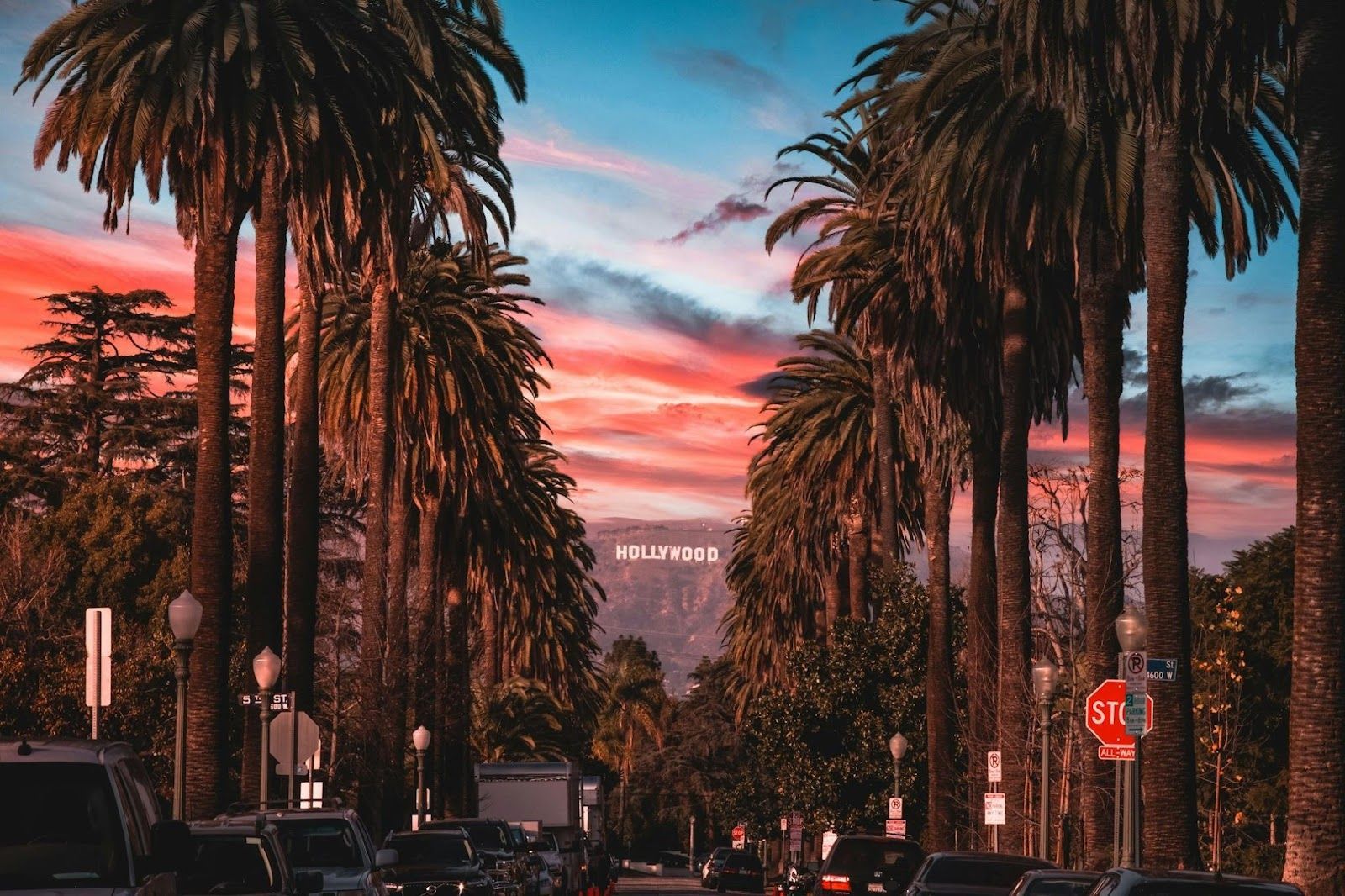

Image: Jake Blucker

Yes, we know it’s hard to believe, but sometimes movies are a little less than truthful. Jokes aside, Hollywood often bends the facts—or completely makes them up—to create the magic we see on the screen. Over time, however, these movie tricks have shaped our perceptions of the world, sometimes without us even realizing it. From cars exploding on impact to silent guns, join us as we set the record straight on some of the most pervasive Hollywood myths.

1

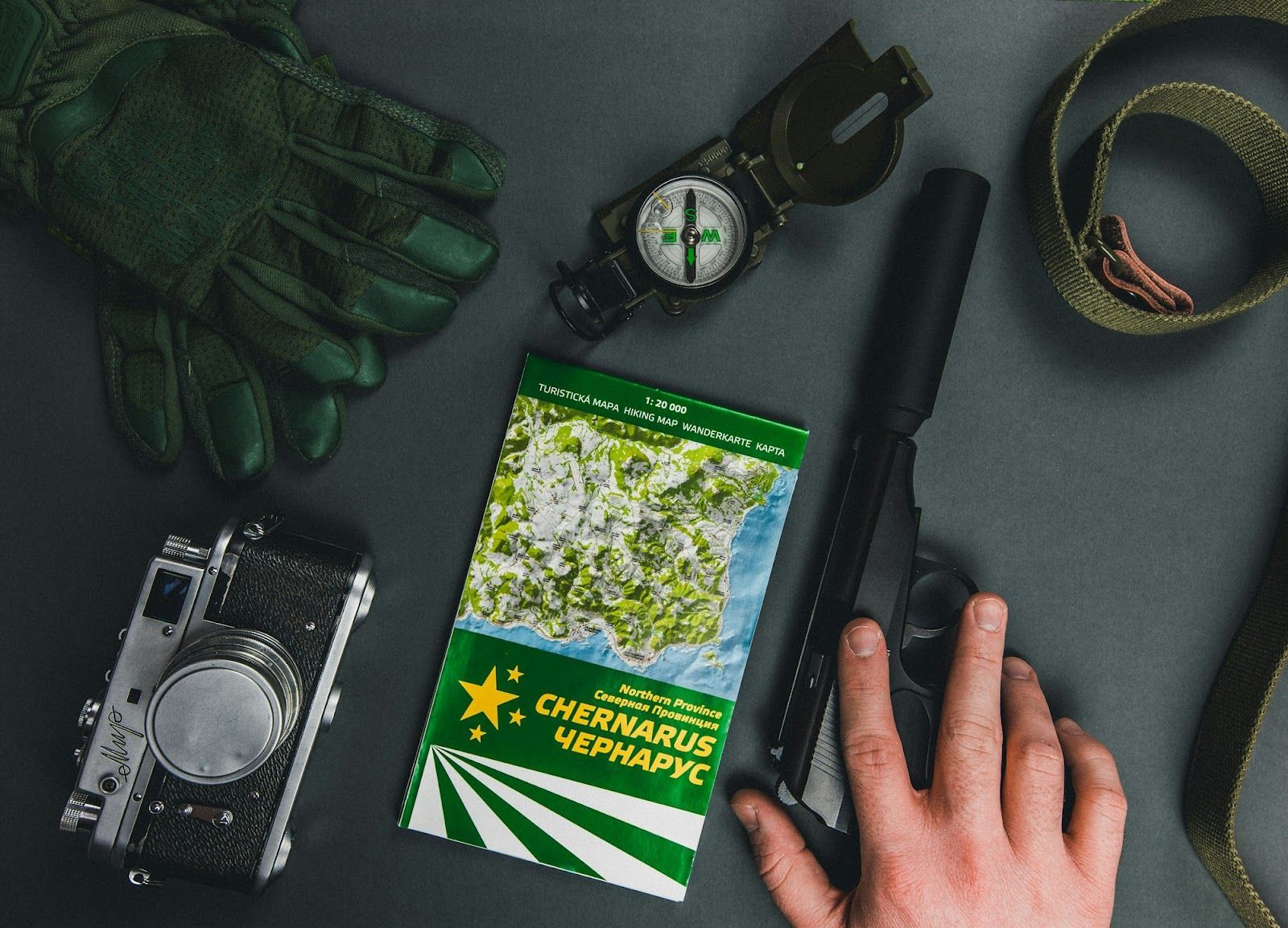
Silencers are silent

Image: Dominik Sostmann

Hollywood silencers reduce gunfire to a whisper, but real suppressors only lower the volume by about 20–35 decibels—still as loud as a jackhammer! Even the most advanced modern suppressors can’t make a gun silent.

2

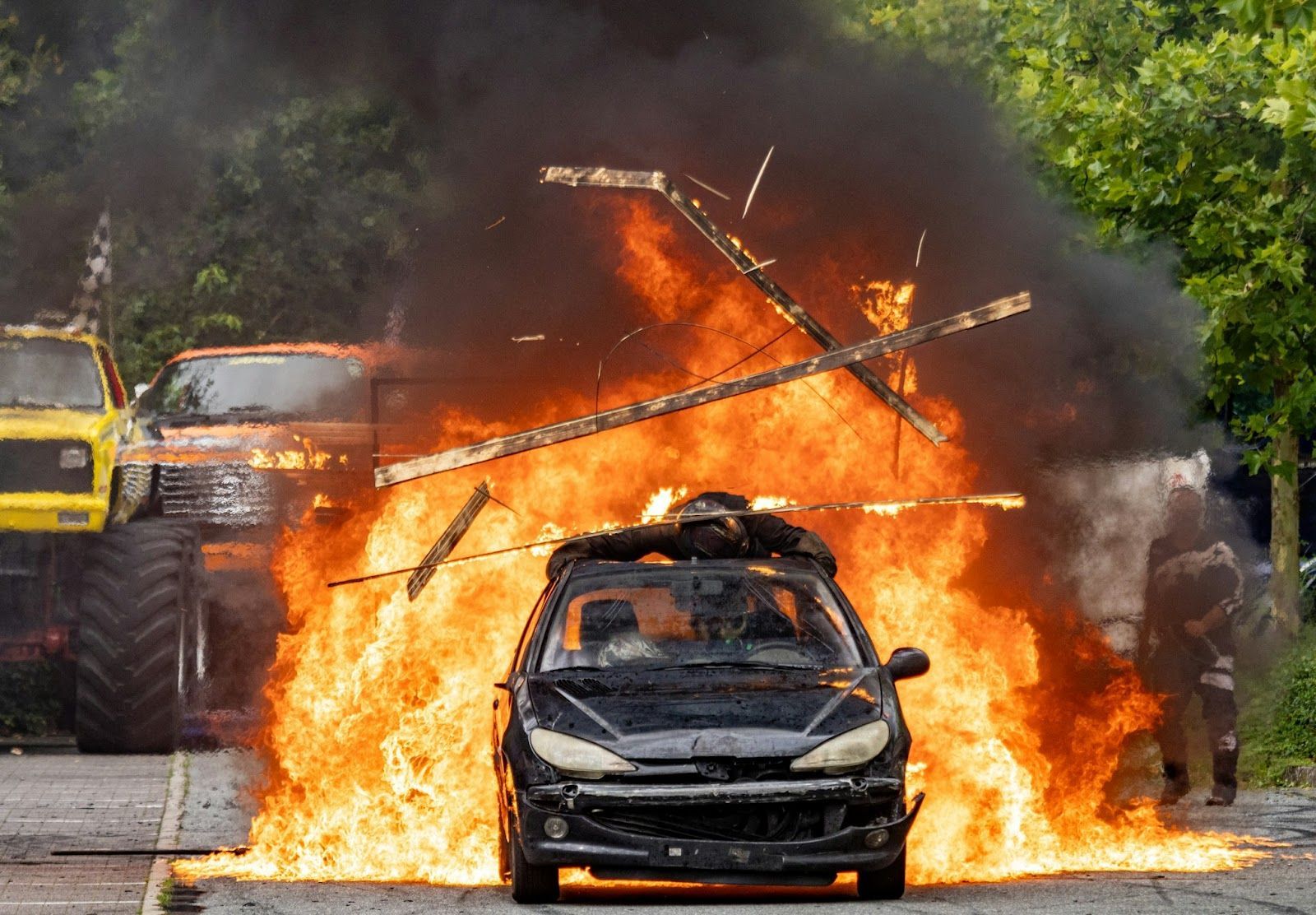
Exploding cars

Image: Marek Studzinski

Cars in movies erupt into massive fireballs, but in reality, car explosions are extremely rare, even in violent crashes. Gasoline burns rather than detonates, meaning it needs very specific conditions to create an explosion.

3

Laser beams are visible

Image: M.M.

Sci-fi films show laser beams cutting through the air, but real lasers are invisible unless particles scatter the light—as when there is dust, fog, or smoke in the atmosphere.

4

Quicksand sucks you under

Image: Chua Bing Quan

Movies depict quicksand as a bottomless death trap, but it’s not nearly that dangerous. Real quicksand is a mix of sand, water, and clay that becomes unstable under pressure. While people can sink up to their waists, the human body is too buoyant to be fully submerged.

5

Defibrillators restart hearts

Image: César Badilla Miranda

In movies, defibrillators bring people back to life, but this is not the case in real life. Defibrillators correct irregular heart rhythms like ventricular fibrillation, not cardiac arrest.

6

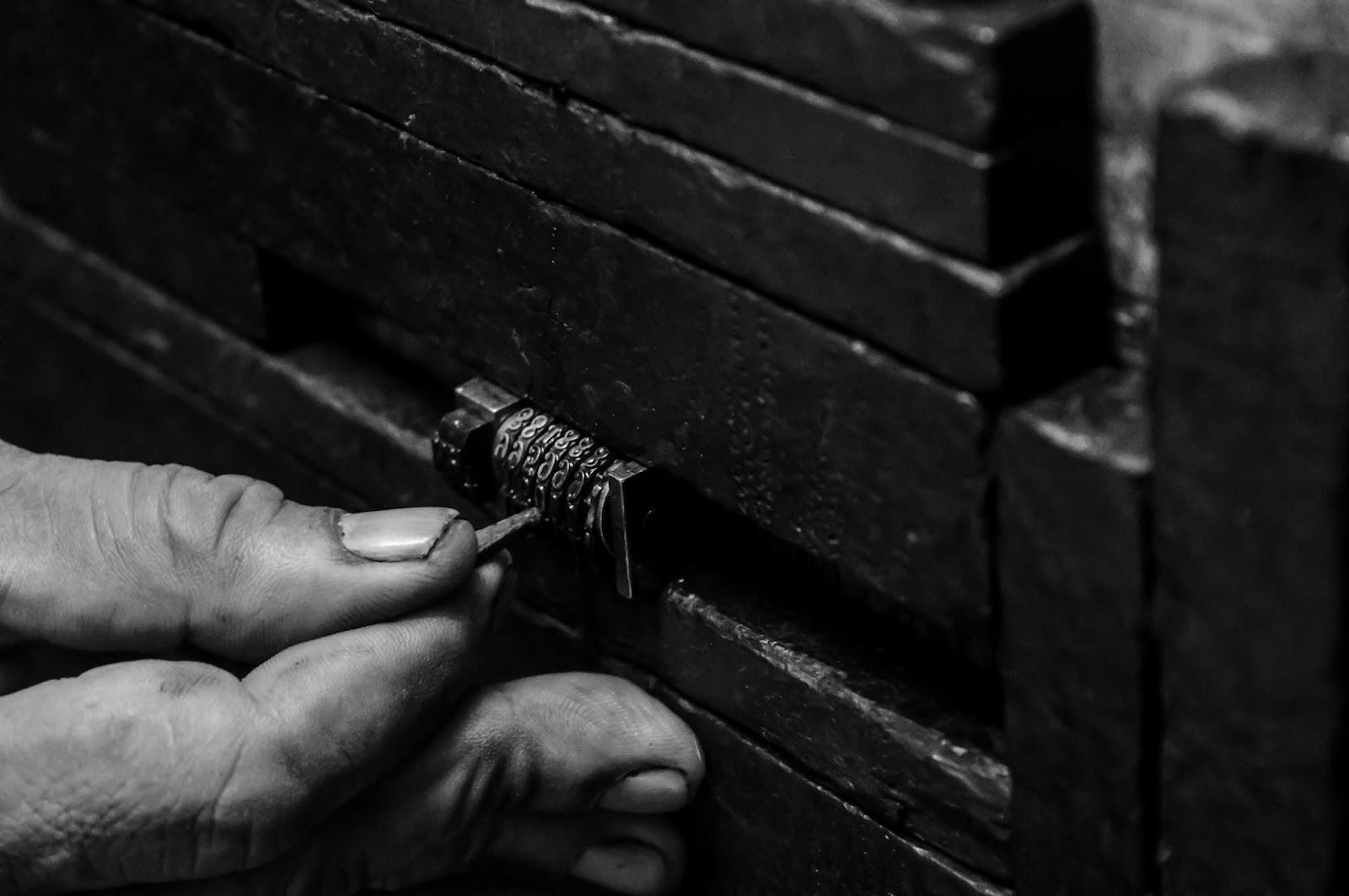
Picking locks in seconds

Image: Ariel

Movies show characters picking locks effortlessly, but real lockpicking is much harder and takes time. Even skilled locksmiths require specialized tools and patience.

7

Chloroform knocks you out instantly

Image: Christin Hume

In movies, chloroform knocks victims unconscious in seconds, but in reality, it takes several minutes. Even then, the person may wake up quickly. It’s not a foolproof knockout drug, and improper use can be fatal.

8

Jumping through windows safely

Image: Eyasu Etsub

Action heroes crash through glass unharmed, but real glass shards cause serious injuries. Movie glass, called "sugar glass," is designed to break easily. Real tempered or laminated glass can cause deep cuts and is much harder to break without tools.

9

Hacking in seconds

Image: Towfiqu barbhuiya

Hollywood hackers break into systems instantly, but real hacking takes time and skill. Movie portrayals of rapid keystrokes and instant access are wildly unrealistic, as real hacking involves a ton of research, coding, and persistence.

10

Guns knock people back

Image: Tsvetoslav Hristov

Characters in movies fly backward when shot, but real gunfire doesn’t generate that force. Newton’s Third Law states that for every action, there’s an equal and opposite reaction. If bullets knocked people down, the shooter would be thrown back with equal force.

11

One-punch knockouts

Image: Dan Burton

Movies show characters dropping unconscious from a single punch, but real fights don’t work that way. A single punch may stun someone, but it’s unlikely to cause instant unconsciousness unless it hits a critical nerve or causes a concussion.

12

Vent crawling is easy

Image: Drew Beamer

Action heroes crawl through air vents with ease, but real vents aren’t built for that. Most air ducts can’t support a person’s weight. They’re made from thin metal and are too small for comfortable movement.


THE HARDEST TIMES

The Great Depression: 10 Weird Facts About America’s Deepest Crisis


Published on September 6, 2025


Image: The New York Public Library

The Great Depression, a period of economic instability that lasted from the early 1930s until the end of the decade, was one of the most challenging times in American history. Kickstarted by the Wall Street Crash of October 1929, the recession hit hard, bankrupting thousands of businesses and leaving no one untouched.

Though well depicted in films and literature, there are still numerous surprising and lesser-known facts that shed light on the resilience and creativity of the Americans who lived through those difficult times. From bizarre dance marathons to bustling criminality and a near-ecological collapse, here are 10 intriguing facts about the Depression Era that you might not have known.

1

Unique Currencies

Image: rc.xyz NFT gallery

Due to the extreme economic volatility, as the banking system collapsed, some towns and communities had to resort to issuing their own currency in order to keep commerce moving. These emergency currencies, often colorful and varied, featured designs from local artists.

They played a critical role in maintaining local economies during the financial crisis, ensuring that people could continue to trade goods and services despite the widespread financial crisis. Today, these unique scrips are collectors' items and a reminder of the creativity and resilience of communities during times of hardship.

2

A Culture on the Road

Image: Museums of History New South Wales

The Great Depression saw a significant increase in the number of people who took to the road, wandering around the country in search of temporary employment. These migrant workers, known as hoboes, developed a cultural network that helped them survive the adverse conditions of the time.

This network included leaving messages for each other. While many of these messages were simple, including just their monikers or road names, a date, and the direction they were headed, there were claims of a more complex secret code. This code allegedly provided specific instructions on where to find food, safe places to sleep, or warnings about hostile areas. Though these claims were likely exaggerated, hoboes did rely on their community of fellow travelers to navigate the treacherous landscape of the Depression.

3

Penny Auctions

Image: Siora Photography

Farmers were among those hit hardest by the economic crisis. When banks foreclosed on farms for unpaid debts and their properties were auctioned, neighbors would conspire to bid pennies on both property and equipment, often using intimidation or physical force if necessary to keep others from bidding competitively. They would then return the farm to the original owners.

This act of defiance and solidarity helped create a strong sense of community during tough times. For many, losing a farm meant losing their livelihood and sustenance, making these efforts crucial for survival.

4

Return to Self-sufficiency

Image: Zoe Schaeffer

Many rural families survived by reverting to subsistence farming, hunting, and foraging. Skills that were once common but declining became essential for survival, aligning with a larger back-to-the-land movement that swept across America during the harder years of the crisis.

City folk believed that returning to the land was the only way to survive and avoid the pitfalls of consumerism that had contributed to widespread poverty. The back-to-the-land ethos provided both a practical solution to immediate economic hardships and a philosophical shift toward valuing independence and community perseverance.

5

The Empty State Building

Image: Mark Asthoff

Not without irony, the largest skyscraper in the world until the 1970s was completed during the Depression. A symbol of ambition and modernity, the Empire State Building stood as a rare sight in a foundering country. Initially, it struggled to find tenants, earning it the nickname "Empty State Building."

However, despite the economic downturn, its construction provided much-needed jobs for thousands of workers. The building of the Empire State Building became a beacon of hope amidst economic despair, proof of American strength and determination to leave the economic crisis behind.

6

An Ecological Disaster

Image: Samantha Sheppard

As if farmers didn’t have enough on their hands with the hardships brought on by economic instability, they also faced an ecological collapse of significant proportions during the Great Depression.

Severe drought and dust storms ravaged farmlands, forcing thousands of families to migrate westward in search of employment and improved living conditions. This ecological catastrophe stemmed from a combination of natural phenomena and human activities, including the destruction of natural topsoil and inadequate measures to prevent wind erosion.

7

The Public Enemy Era

Image: Maxim Hopman

With scarce job opportunities and widespread societal collapse, the Depression saw the rise of many notorious criminals like Bonnie and Clyde, John Dillinger, and Pretty Boy Floyd.

These criminal figures soon captured the public's imagination, becoming folk heroes to some and villains to others.

Though the media often exaggerated their exploits to boost sales, the real backstories of most of these criminals reflect the desperation and feelings of societal abandonment that were prevalent during that time.

8

An Unlikely Sports Boom

Image: Philip Strong

In the midst of economic turmoil, Americans flocked en masse to sports for much-needed relief and affordable entertainment. Popular sports such as baseball, boxing, and athletics experienced a significant surge in both attendance and participation.

Iconic moments, such as Jesse Owens' triumph in the 1936 Olympics, also served as sources of inspiration and ignited a sense of nationwide pride. These events solidified America’s enduring fascination with sports of all kinds, demonstrating their power to uplift spirits and unify communities even during challenging times.

9

Monopoly Mania

Image: Joshua Hoehne

Curiously, the Monopoly board game surged in popularity during the Great Depression. Originally developed in the early 1900s as "The Landlord's Game," Monopoly was commercially released under its modern name in 1935.

It became an instant hit, providing an affordable form of entertainment and a temporary escape from financial woes. In the world of the game, players could dream of economic success, even amid real-world hardships, cementing Monopoly as a staple in American households.

10

Dance Marathons

Image: jurien huggins

Bizarrely, many forms of endurance entertainment became a craze during the Great Depression. One of these peculiar trends was dance marathons, where participants competed to outlast each other on the dance floor, often dancing for days with only short breaks.

Another similar trend was flagpole-sitting, which involved individuals sitting atop flagpoles for extended periods, attracting spectators and media attention. These events often offered participants a chance to earn money and meals, while also drawing large crowds who paid to witness the spectacle unfold.

Looking for an extra scoop of literary fun?

Learn more with our Word of the day

destitute

/ˈdɛstəˌtut/