Animal facts

Did you believe it too? 10 animal “facts” that turned out to be myths


Published on October 3, 2026


Image: Hans Eiskonen

From bulls "hating" red to bats being "blind," we’ve all grown up believing certain things about animals that just aren’t true. Luckily, science has cleared things up, and many of these classic claims have been completely debunked. If you want to discover which ones didn’t pass, keep reading!

1

Bats vision

Image: Clément Falize

You’ve probably heard the expression "blind as a bat." But that saying is actually based on a myth. Bats do have functional eyes, and they can see quite well, even in low light. On top of that, they use echolocation (detecting objects through reflected sound), which helps them navigate with impressive accuracy in complete darkness.

2

Touching a baby bird

Image: Ray Hennessy

If you ever find a baby bird that has fallen from its nest, here’s some good news: you can gently pick it up and place it back. The old myth that a mother bird will abandon her chick if it’s touched by a human has been debunked. The truth is that most birds have a poor sense of smell, so they won’t detect your scent. What can cause a mother bird to leave is excessive noise or human disturbance.

3

Touching a toad

Image: Byron Burns

Have you ever touched a toad? Some people won’t go near them, while others would love to but worry they’ll catch something from their skin. Fortunately for us (and for the toads), that’s just a myth. Toads can’t give humans warts; those come from a virus that toads don’t carry. However, some species do have toxins or bacteria on their skin that can cause irritation, so it’s always a good idea to wash your hands in case you have to handle one.

4

Bulls and red

Image: Thomas M. Evans

For decades, cartoons have taught us never to wave anything red in front of a bull. But science tells a different and surprising story: bulls are actually colorblind to red. What really triggers their reaction isn’t the color, but the fast, sudden movement of the bullfighter’s cape.

5

Goldfish memory

Image: SLNC

You've probably heard the idea that goldfish have a memory span of only three seconds. But despite popular belief, studies show that goldfish can learn to associate certain stimuli with specific responses, linking a sound to feeding time, or recognizing their caregivers. And that kind of learning requires a memory far longer than just three seconds. Let's give more recognition to these beautiful fish!

6

Head lice preferences

Image: Element5 Digital

Head lice can be a headache for school-age kids and their parents. For years, many believed that lice preferred dirty hair or oily scalps; however, that’s not true. But be careful: the opposite isn’t correct either! Lice can climb onto any head, clean or not. In the end, prevention is always your best defense.

7

Sloths' laziness

Image: Javier Mazzeo

Poor sloths! Even their name accuses them of the sin of laziness. But that reputation isn’t entirely fair. While it’s true that these mammals move far less than most animals, it’s not because they’re unwilling or "lazy"; their bodies just work differently. A sloth’s metabolism is roughly 45% slower than that of other animals of their size, which means everything they do takes more time.

8

Wasps temperament

Image: Nicolas DC

Maybe someone once told you, "If you don’t bother them, they won’t bother you." While that’s usually true for honeybees, it’s not the case with wasps. Wasps tend to be far more temperamental, and they’re known to attack or sting even when they haven’t been provoked.

9

Camels Humps

Image: Mohamed Hashif

The scarcity of liquid in the desert has given rise to the belief that camels store water in their humps, but that’s a myth. Actually, their humps are filled with fat. Why fat? Well, that reserve can be converted into energy and even small amounts of water, helping these large animals endure long walks in the desert without food or hydration.

10

Ostrich heads

Image: MARIOLA GROBELSKA

If you've ever seen an ostrich bury its head when frightened, it was probably a cartoon. This widespread myth likely comes from the way these birds care for their nests. Ostriches dig shallow holes for their eggs, and they lower their heads to turn the eggs or check on their young, but they never bury their heads in the ground.



Did you know any of these?

Lima 9 Quebec! Discover NATO phonetics and their purpose


Published on October 3, 2026


Image: Jonathan Farber

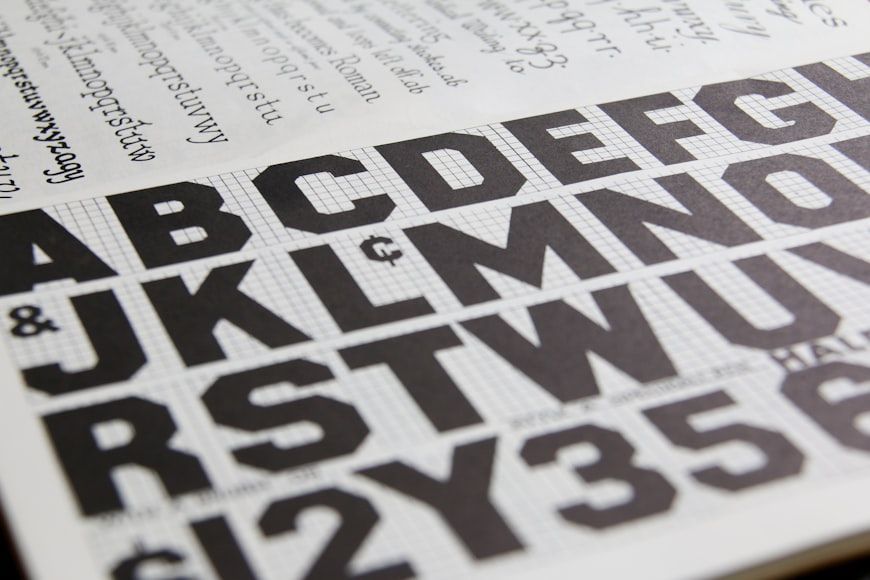
While most people have never heard of the NATO phonetic alphabet, they have likely encountered it in use, at least in movies and television. If you can recall a scene where a pilot says something like "Alpha," "Bravo," and "Charlie" over the radio, then you have heard the NATO phonetic alphabet at work. It is a system designed to ensure letters are clearly understood, even over crackly or noisy connections. It's been around since the 1950s, but its roots go back even further. Take a look at some interesting and cool facts about it!

1

What it is

Image: Sergey Svechnikov

Simply put, a spelling alphabet helps clarify letters and numbers in messages, since many of them sound alike—like B and P, or M and N.

This is especially useful when static or interference affects radio or phone communication. For example, "DH98" would be said as "Delta-Hotel-Niner-Ait" to avoid confusion.

2

The current alphabet

Image: Jason Dent

The following is the complete current NATO phonetic alphabet: Alfa, Bravo, Charlie, Delta, Echo, Foxtrot, Golf, Hotel, India, Juliett, Kilo, Lima, Mike, November, Oscar, Papa, Quebec, Romeo, Sierra, Tango, Uniform, Victor, Whiskey, X-ray, Yankee, and Zulu.

Each word starts with the letter that it represents, and the words were selected to be easily understood by speakers of many different languages.

3

Not every word made the cut

Image: Steve Johnson

The original International Civil Aviation Organization (ICAO) alphabet, the predecessor to the NATO phonetic alphabet, was officially adopted on November 1, 1951, and became effective for civil aviation on April 1, 1952.

However, issues soon arose. Words like Delta and Extra, or Nectar and Victor, sometimes caused confusion, especially in poor radio conditions.

4

Live words only

Image: Christina @ wocintechchat.com

To be included in the NATO phonetic alphabet, a word had to be a "live," or commonly used, word in English, French, and Spanish—the three working languages of the ICAO, which developed the system before NATO adopted it.

This rule helped ensure that the words were easily recognized and understood across different cultures and languages, improving international communication and reducing confusion.

5

Ease of pronunciation

Image: NOAA

The ICAO required each word to be easy to pronounce and recognize by speakers of many different languages.

This helped ensure clear communication between pilots and air traffic controllers worldwide, reducing the risk of misunderstandings.

6

Good radio transmission

Image: Museums Victoria

Another criterion for inclusion in the NATO phonetic alphabet was that a word had to be clearly transmissible over the radio and easy to understand.

This helped minimize confusion caused by static, poor signals, or accents, making communication in aviation safer and more reliable.

7

Similar spelling

Image: Glen Carrie

Each word in the NATO phonetic alphabet had to begin with the letter it represented and be easily recognizable across several major languages, including English, French, and Spanish.

This made the alphabet easier to learn and understand internationally, ensuring consistency and clarity in communication.

8

No objectionable meanings

Image: Andre Hunter

Words in the NATO phonetic alphabet had to be free of any offensive or inappropriate meanings in any of the major languages.

This helped ensure that the words could be used safely and respectfully across different cultures and regions without causing misunderstandings or offense.

9

"X-ray" to "Xray"

Image: Cara Shelton

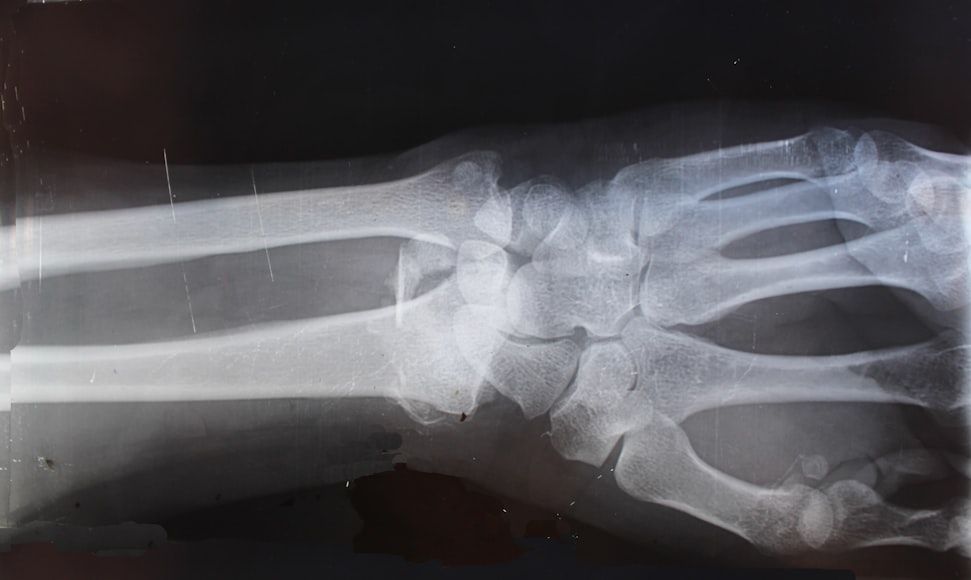
NATO changed the spelling of "X-ray" to "Xray" early on to make sure it was pronounced as a single word.

The ease of pronunciation goes hand in hand with another crucial aspect: there can be no other meaning interpretations.

10

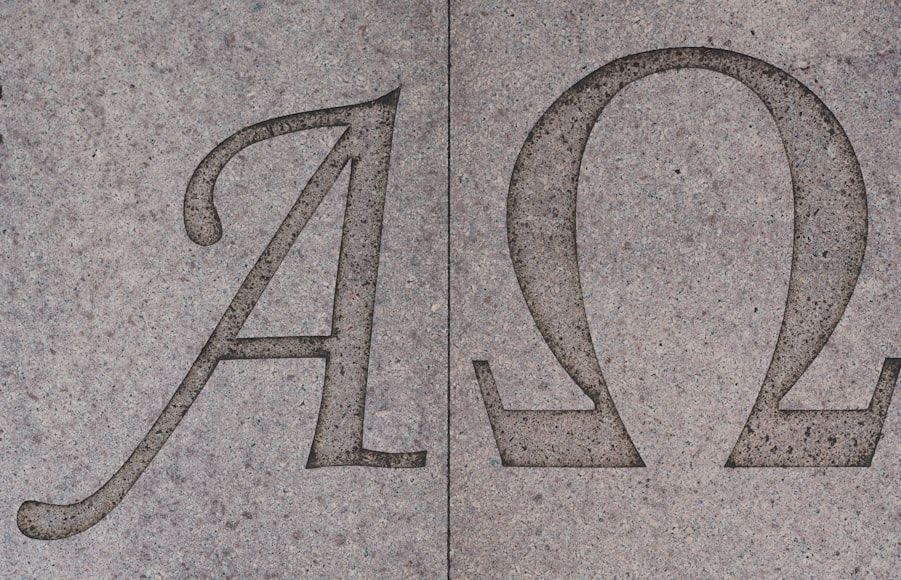
Alfa for Alpha

Image: Declan Sun

Two words in the NATO phonetic alphabet use non-standard English spellings: "Alfa" and "Juliett."

"Alfa" avoids the "ph" to ensure correct pronunciation by non-English speakers. "Juliett" includes a second "t" so French speakers don't mistakenly drop the final sound.

Looking for an extra scoop of literary fun?

Learn more with our Word of the day

devious

/ˈdiviəs/