Color me intrigued

Before the pantone: 10 color shades with old names


Published on March 14, 2026
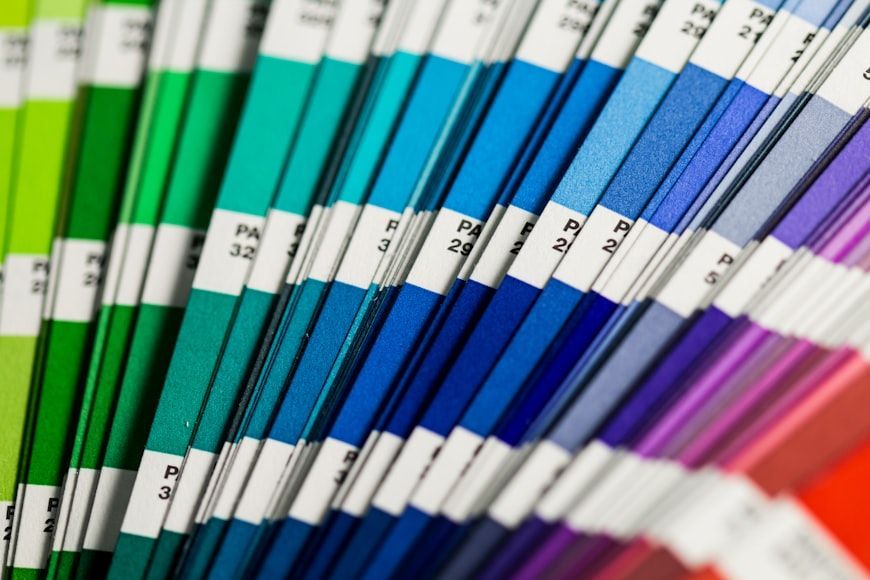

Image: Christina Rumpf

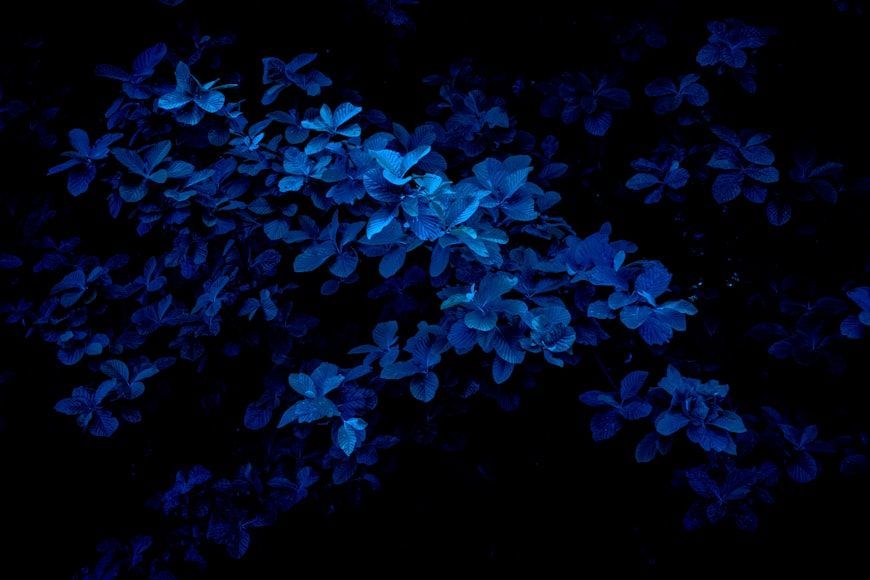
Colors come in a multitude of shades, most of them with a very specific name. Some of these names are a reference to a common object of that color —for example, ruby, maize, or lavender— while others, much more modern, are just a product of marketing, popular use, or just imagination —such as razzle dazzle rose, school bus yellow, or French blue. But some specific shade names have a story that goes back centuries, across different cultures and traditions. Here are ten color shades and the history behind their name.

1

Vermilion

Image: Shirley Xu

This vibrant red-orange shade takes its name from an ancient pigment, highly toxic, made from cinnabar, a form of mercury. Its name comes from the Old French vermeillon, derived from vermiculus, a diminutive of the Latin vermis (‘worm’). What did this toxic pigment have to do with worms? An insect called Kermes vermilio was used to make a natural dye in a similar shade, but much more common than cinnabar, so its name became popular and was used for all similar red-orange shades.

2

Tawny

Image: Brianna R.

Described as a shade that goes from light-brown to brownish-orange, tawny is associated with tanned leather, not only in color but in the origin of its name. Celts used tannum or crushed oak bark to treat animal hides and produce leather. Though Latin, this word made its way into Old French as tauné, ‘tan leather colored’, and then into English.

3

Ultramarine

Image: Fabrizio Conti

With a name that alludes to the sea, the origin of this deep blue shade seems to be quite straightforward, except it isn’t. Ultramarine blue takes its name from the Ultramarine pigment, made from grinding lapis lazuli stone. This pigment, as costly as gold, was imported from Afghanistan by Venetian merchants, who called it (azzurro) oltramarino or ‘(blue) from beyond the sea’.

4

Ecru

Image: Gaelle Marcel

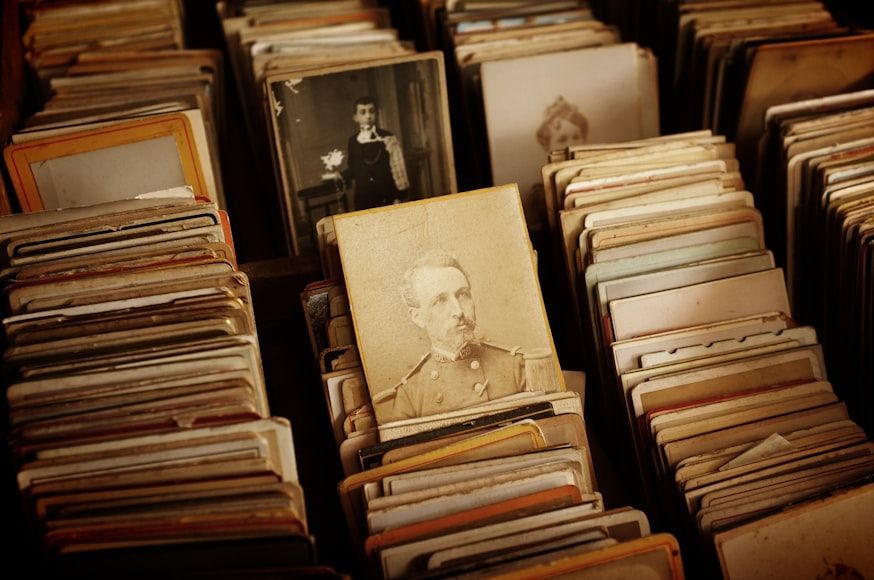
Now described as cream or grayish yellow, ecru was initially used to describe the color of unbleached linen. Before bleached into a creamy white color, linen would retain the color of the dried flax fibers used to weave it. The French word écru, meaning ‘raw’ or ‘unbleached’, initially served as a mere descriptor of the fabric's state, but was eventually associated with its color.

5

Verdigris

Image: Freddy G

To no one’s surprise, the name of this blueish-green shade comes from French. But although its French equivalent, vert-de-gris, means ‘green of gray’, there is no gray in its origin. There are two possible origins for this name: the first one is vert d'aigre or ‘green made with vinegar’, because a pigment of this name was made using copper and vinegar. The second one ties this shade to art objects imported from Greece, which gave way to the name vert-de-Grèce, ‘green of Greece’.

6

Indigo

Image: Kseniya Lapteva

Indigo is used to describe a variety of blue shades, from the dark blue in the rainbow to various blue hues that can be achieved using indigo dye. Originally, the term indigo, from the Latin indicum (‘Indian’), was specifically used for a pigment made from the Indigofera plant and exported from India. Later on, the term became synonymous with the various blue shades resulting from that dye.

7

Sepia

Image: Mr Cup / Fabien Barral

Nowadays, we automatically associate the color sepia with old photographs, but did you know its name and hue come from a fish? In ancient Greece and Rome, the ink of the sepia cuttlefish was used for writing, and it remained a commonly used drawing ink up until the early 19th century, when it started being used for watercolors and oil paints.

8

Auburn

Image: Олег Мороз

This one is tricky. As a color, auburn is a shade of brown, though it is often used to describe a specific type of red hair that has a mixture of red and brown tones. The term auburn, however, has nothing to do with red nor with brown. It comes from the French alborne, derived from the Latin alburnus or ‘off-white’, and it was used for blond people. How did it come to mean reddish-brown? Auburn and brown sounded similar.

9

Purpura

Image: Luiza Carvalho

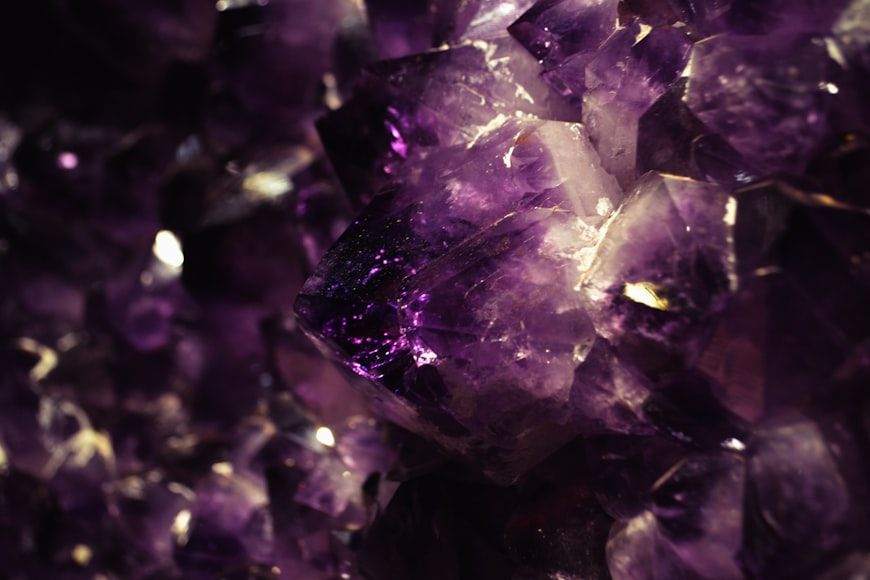
Technically, there is no color named purpura in modern English, but there used to be. Made from crushed sea snails, the purpura dye was extremely expensive, and it became associated with royalty. Originally called porphura by the Greeks, the word was latinized as purpura, and was later adopted into English as purpul, from where we get the modern ‘purple’. So, while purpura is the original purple, it is nowadays called Tyrian or royal purple to avoid confusion.

10

Jasper

Image: Josh Boaz

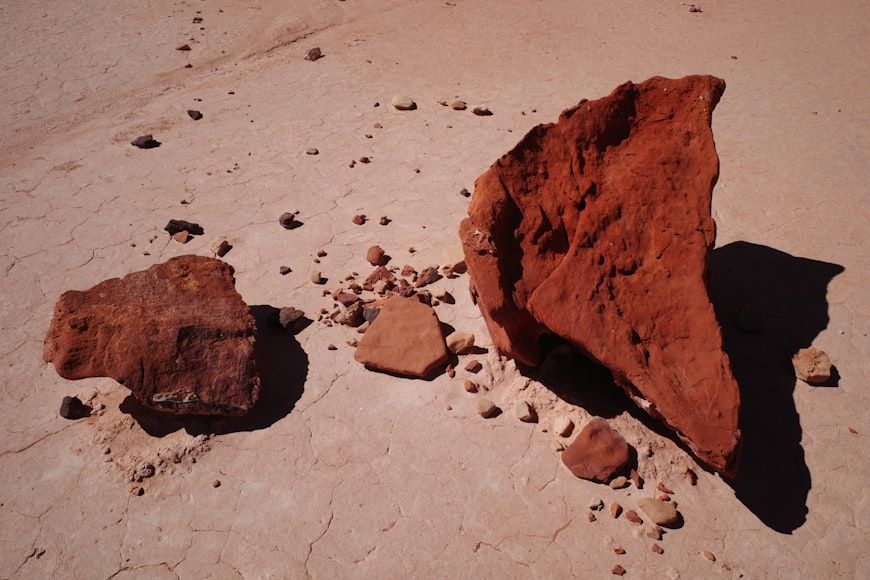
This reddish-orange shade gets its name from the jasper, a semiprecious quartz known for having a pattern. The name ‘jasper’ comes from the Greek iaspis, meaning ‘spotted or speckled stone’. While there are multiple colors of jasper stones, the most common one is red, so the name of the stone became synonymous with that shade.



Timeless words

From clay tokens to mind-to-text: 14 writing-tech milestones


Published on March 14, 2026


Image: Joanna Kosinska

Writing has come a long way since the days of clay tokens and etched stone tablets. What started as simple marks to track trade has evolved into a tool for storytelling, record-keeping, and instant messaging. Along the way, alphabets, paper, printing presses, typewriters, and touchscreens have all helped to shape the way we communicate. Take a look at 14 cultural and technological milestones that brought us to where we are today.

1

Clay tokens

Image: Ryan Du

While individual traces and symbols can be found in earlier cultures, the Sumerians were probably the first civilization to "officially" establish a system that laid the foundation for what we know today as written communication.

Between 8000 and 3500 BCE, clay tokens representing units of goods were used primarily for accounting purposes.

2

Pictographic signs

Image: YH Zhou

Between 3500 and 3000 BC, the Sumerians replaced the earlier three-dimensional tokens with two-dimensional pictographic signs.

Like the tokens that came before, this early pictographic script was still used exclusively for accounting purposes—pictographic writing recorded lists of commodities, labor, taxes, and trade.

3

Phonetic signs

Image: Qi Xin

Between the years 3000 and 1500 BC, the Sumerians introduced phonetic signs and used them to transcribe the names of individuals. This marked a turning point when writing began to emulate spoken language and, as a result, became applicable to all fields of human knowledge.

It expanded from accounting and administration into law, literature, religion, and science.

4

Alphabet

Image: John Jennings

The fourth major evolution in writing came with the invention of what we now recognize as the alphabet. This early version consisted of about two dozen letters, each representing a single spoken sound.

The alphabet perfected the representation of speech. Following ideography, logography, and syllabaries, it marked a further segmentation of meaning into smaller units, enabling the communication of more specific and abstract concepts.

5

Papyrus

Image: tommao wang

First known to be used in Ancient Egypt, papyrus is a material similar to thick paper that served as a writing surface, far easier to transport than stone or even clay tablets. It was made from the pith of the papyrus plant, a wetland sedge abundant in the Nile Delta.

For thousands of years, papyrus was rolled into scrolls for storage. Later in its history, however, it began to be compiled into codices, a format not unlike the modern book.

6

Parchment

Image: engin akyurt

In Europe, papyrus was gradually overtaken by parchment due to the latter’s greater durability and strength. Like papyrus, parchment could be produced relatively cheaply, scrolled easily, and transported from points of origin, but unlike papyrus, parchment did not crumble with age and could be reused.

These advantages made parchment the preferred writing medium in both the ancient and medieval worlds. Additionally, because both sides of a parchment sheet could be written on, the development of the modern book became possible.

7

Paper

Image: Ivan Gromov

Paper, as we know it today, started its days in Ancient China, where court officials recorded for the first time that plant and animal fibers—such as mulberry bark or bamboo—could be processed to produce this new writing medium. From China, the technology spread across Asia, then to the Arab world, and finally to Europe.

8

Stylus

Image: Esther Wechsler

The Greeks and Romans modified the stylus from a tool used to mark clay tablets into one that could hold ink and apply it to other surfaces. Reeds were initially used for this purpose, and eventually, it was discovered that bird feathers could also hold ink, making the quill the preferred writing instrument for many centuries.

9

Pencil

Image: Thought Catalog

The wooden pencil was an innovative improvement over the stylus because it did not require liquid ink to work. It was also cleaner to use and could be erased.

Early pencils were potentially hazardous since they contained lead, which was not encased in wood, exposing users to lead poisoning. By the 18th century, pencil makers developed a safer manufacturing process that combined powdered graphite with clay, which was then baked, formed into sticks, cut, and glued into wooden casings.

10

Printing press

Image: Hannes Wolf

The ability to spread written communication on a massive scale became a reality when Johannes Gutenberg invented the movable type printing press in Germany around 1440.

Primarily used for producing texts, the invention and global spread of the printing press was one of the most influential events of the second millennium. A single press could produce up to 3,600 pages per workday, compared to about forty pages by hand printing and just a few by hand copying.

11

Typewriter

Image: Patrick Fore

The first commercial typewriters were introduced in the late 19th century and quickly became indispensable tools for nearly all writing, except for personal handwritten correspondence.

The QWERTY keyboard layout, developed for typewriters in the 1870s, remains the de facto standard for English-language computer keyboards used today.

12

Word processors

Image: Ted Balmer

The age of computers gradually phased out typewriters by introducing the ability to rewrite and modify text in any way imaginable, in real time. Since then, word processors have become the standard software used worldwide for creating and editing text in a digital environment.

13

Voice-to-text

Image: Brett Jordan

Speech recognition software, also known as voice-to-text, has allowed us to"write" with our voices by dictating into our smartphones whatever we need to record, much like personal secretaries used to do decades ago.

14

Mind-to-text

Image: srihari kapu

Researchers are investigating methods to generate written text by "reading" a person’s brain activity. This technology could prove useful for, among other things, helping individuals with physical disabilities communicate more effectively. A breakthrough that could bring science fiction closer to reality!

Looking for an extra scoop of literary fun?

Learn more with our Word of the day

destitute

/ˈdɛstəˌtut/