Color me intrigued
Before the pantone: 10 color shades with old names
Published on March 14, 2026

Colors come in a multitude of shades, most of them with a very specific name. Some of these names are a reference to a common object of that color —for example, ruby, maize, or lavender— while others, much more modern, are just a product of marketing, popular use, or just imagination —such as razzle dazzle rose, school bus yellow, or French blue. But some specific shade names have a story that goes back centuries, across different cultures and traditions. Here are ten color shades and the history behind their name.
Vermilion
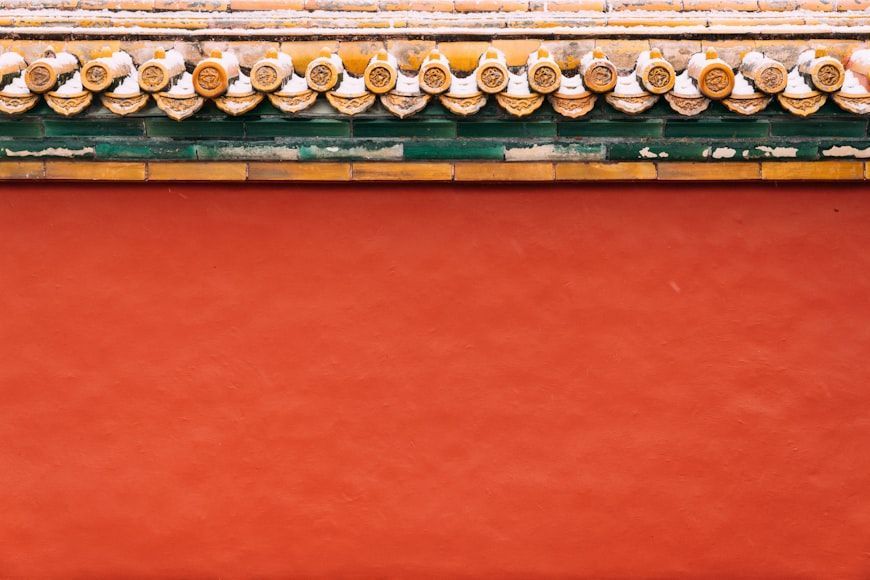
This vibrant red-orange shade takes its name from an ancient pigment, highly toxic, made from cinnabar, a form of mercury. Its name comes from the Old French vermeillon, derived from vermiculus, a diminutive of the Latin vermis (‘worm’). What did this toxic pigment have to do with worms? An insect called Kermes vermilio was used to make a natural dye in a similar shade, but much more common than cinnabar, so its name became popular and was used for all similar red-orange shades.
Tawny

Described as a shade that goes from light-brown to brownish-orange, tawny is associated with tanned leather, not only in color but in the origin of its name. Celts used tannum or crushed oak bark to treat animal hides and produce leather. Though Latin, this word made its way into Old French as tauné, ‘tan leather colored’, and then into English.
Ultramarine
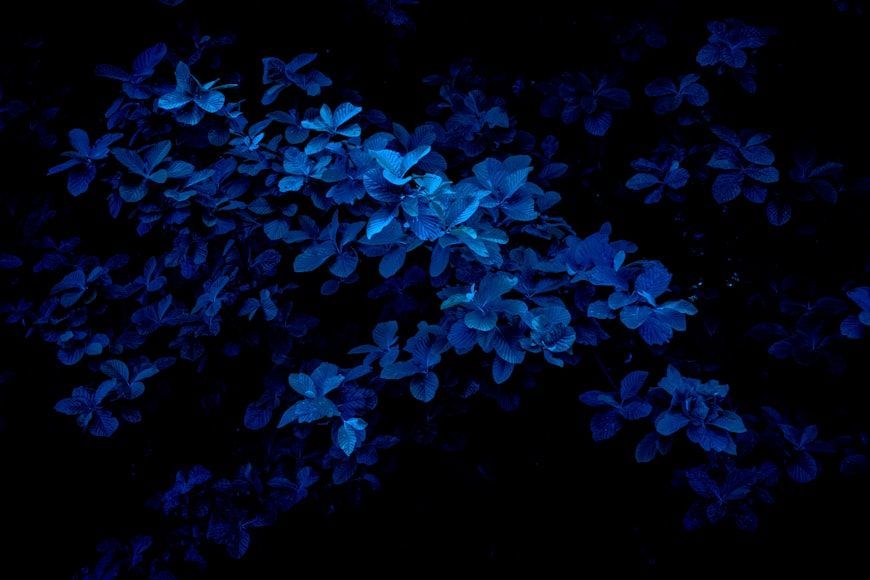
With a name that alludes to the sea, the origin of this deep blue shade seems to be quite straightforward, except it isn’t. Ultramarine blue takes its name from the Ultramarine pigment, made from grinding lapis lazuli stone. This pigment, as costly as gold, was imported from Afghanistan by Venetian merchants, who called it (azzurro) oltramarino or ‘(blue) from beyond the sea’.
Ecru

Now described as cream or grayish yellow, ecru was initially used to describe the color of unbleached linen. Before bleached into a creamy white color, linen would retain the color of the dried flax fibers used to weave it. The French word écru, meaning ‘raw’ or ‘unbleached’, initially served as a mere descriptor of the fabric's state, but was eventually associated with its color.
Verdigris

To no one’s surprise, the name of this blueish-green shade comes from French. But although its French equivalent, vert-de-gris, means ‘green of gray’, there is no gray in its origin. There are two possible origins for this name: the first one is vert d'aigre or ‘green made with vinegar’, because a pigment of this name was made using copper and vinegar. The second one ties this shade to art objects imported from Greece, which gave way to the name vert-de-Grèce, ‘green of Greece’.
Indigo

Indigo is used to describe a variety of blue shades, from the dark blue in the rainbow to various blue hues that can be achieved using indigo dye. Originally, the term indigo, from the Latin indicum (‘Indian’), was specifically used for a pigment made from the Indigofera plant and exported from India. Later on, the term became synonymous with the various blue shades resulting from that dye.
Sepia

Nowadays, we automatically associate the color sepia with old photographs, but did you know its name and hue come from a fish? In ancient Greece and Rome, the ink of the sepia cuttlefish was used for writing, and it remained a commonly used drawing ink up until the early 19th century, when it started being used for watercolors and oil paints.
Auburn
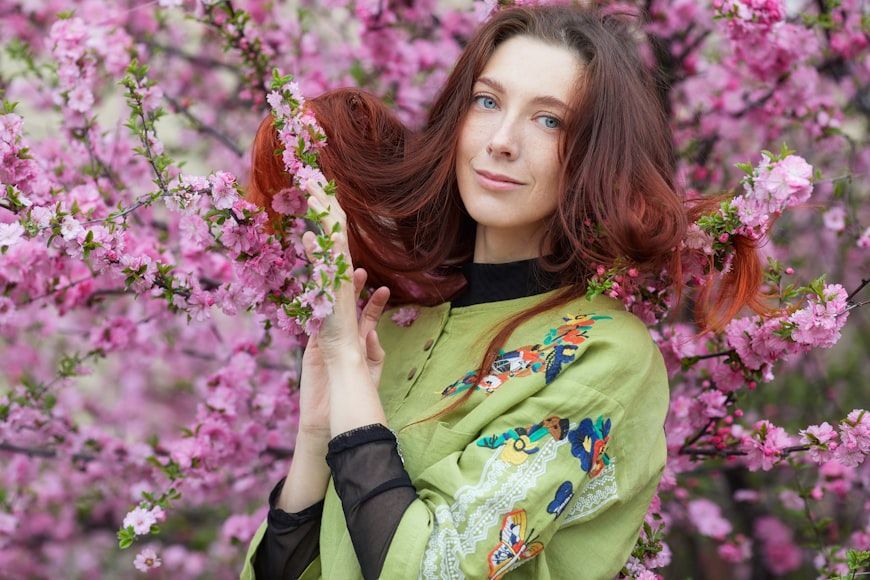
This one is tricky. As a color, auburn is a shade of brown, though it is often used to describe a specific type of red hair that has a mixture of red and brown tones. The term auburn, however, has nothing to do with red nor with brown. It comes from the French alborne, derived from the Latin alburnus or ‘off-white’, and it was used for blond people. How did it come to mean reddish-brown? Auburn and brown sounded similar.
Purpura
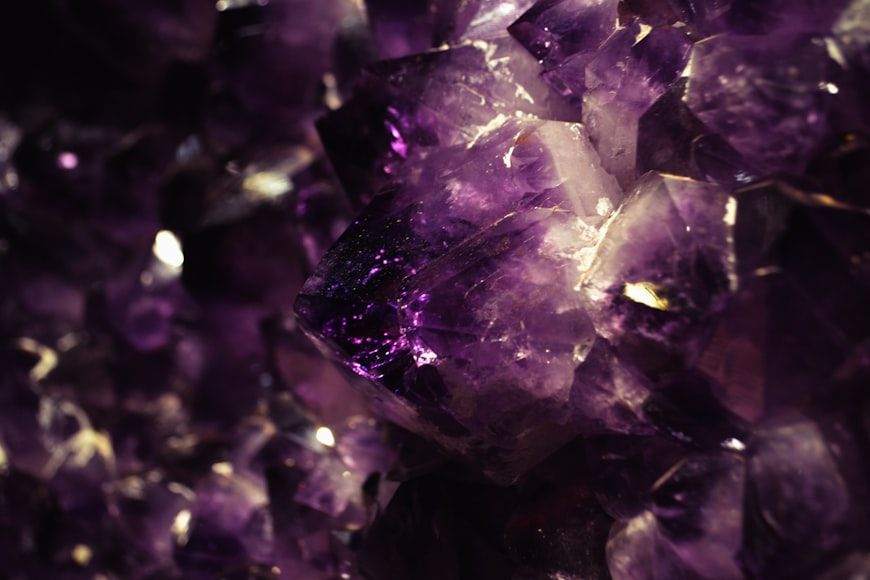
Technically, there is no color named purpura in modern English, but there used to be. Made from crushed sea snails, the purpura dye was extremely expensive, and it became associated with royalty. Originally called porphura by the Greeks, the word was latinized as purpura, and was later adopted into English as purpul, from where we get the modern ‘purple’. So, while purpura is the original purple, it is nowadays called Tyrian or royal purple to avoid confusion.
Jasper
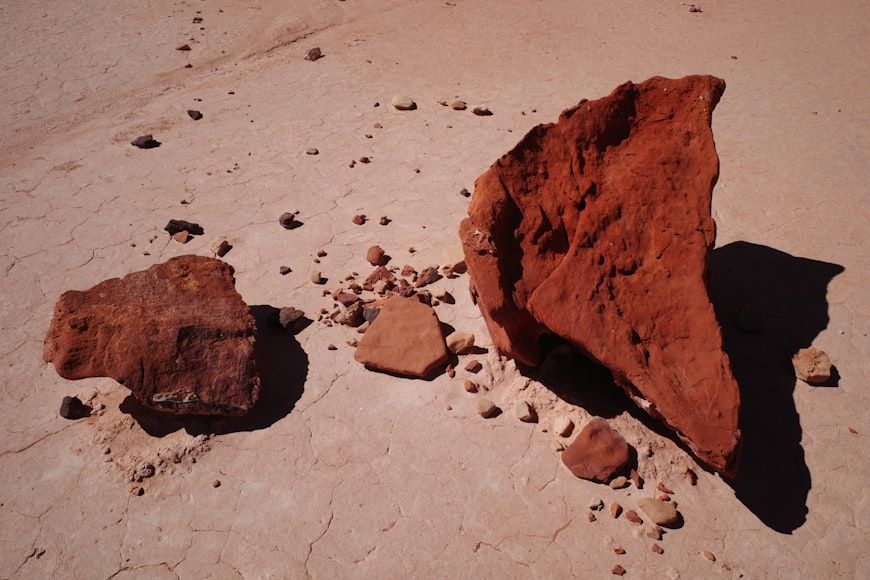
This reddish-orange shade gets its name from the jasper, a semiprecious quartz known for having a pattern. The name ‘jasper’ comes from the Greek iaspis, meaning ‘spotted or speckled stone’. While there are multiple colors of jasper stones, the most common one is red, so the name of the stone became synonymous with that shade.