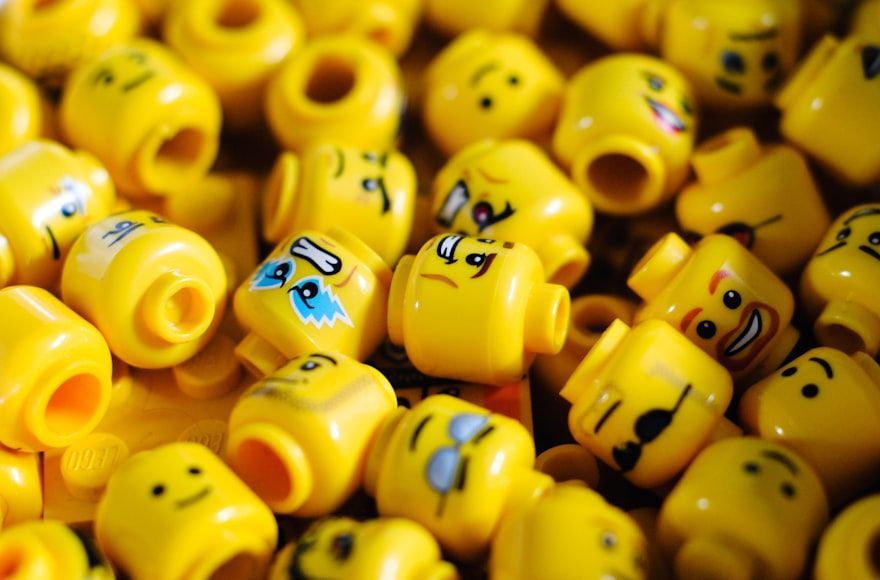
Which one did you use?

Before emojis, these symbols were everywhere. Do you remember them?


Published on November 26, 2025
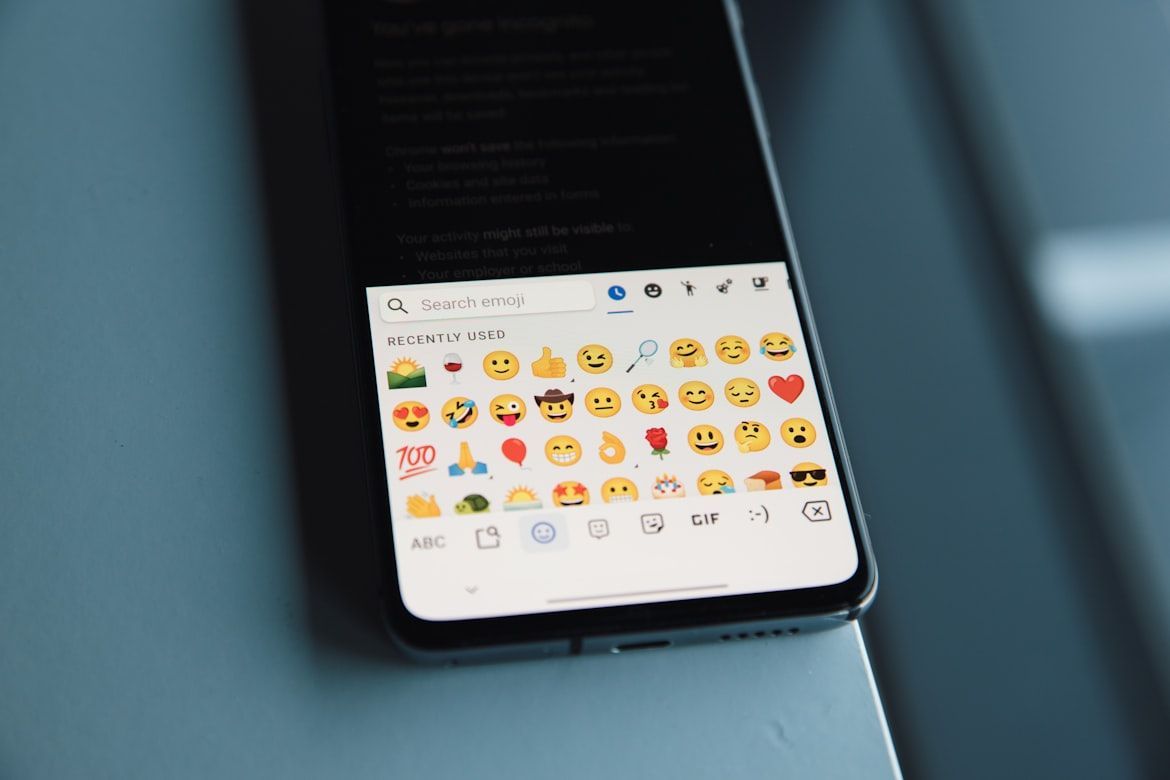

Image: Emojisprout emojisprout.com

Before emojis became as ubiquitous as they are on our screens, people still found clever ways to express emotions in their texts and emails. Using only punctuation marks, letters, and numbers, they created little faces and symbols to laugh, wink, cry, or even roll their eyes. Let’s take a look back at 12 of the most popular ones that were used before emojis existed.

1

:) Smile

Image: Count Chris

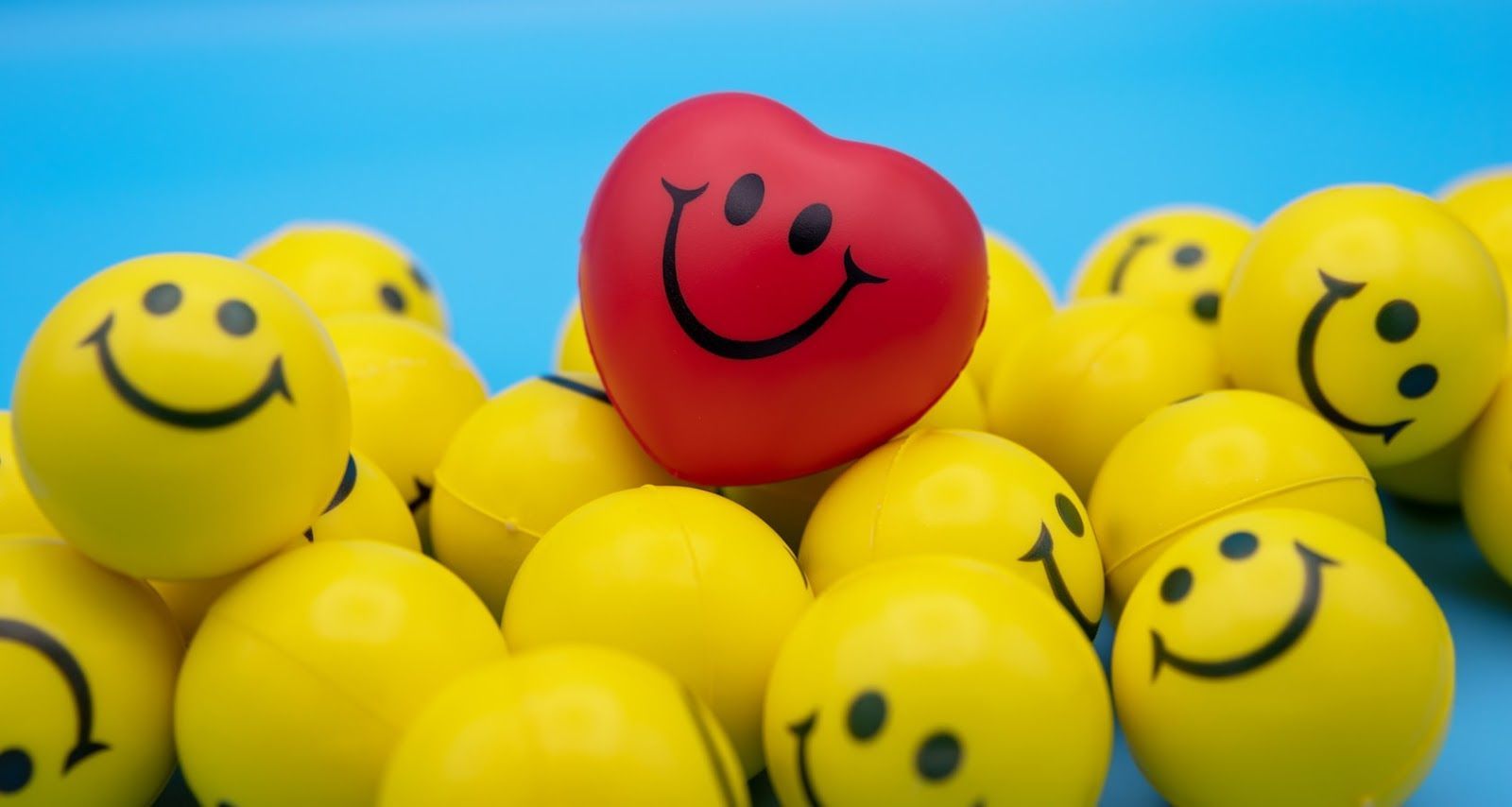
Let’s begin with the most classic one—the smile. This was one of the earliest and most universal ways to express happiness online. Made with just a colon and a parenthesis, it was quick, simple, and instantly recognizable.

Before emojis, typing ":)" was a go-to way to show happiness and friendliness in a message. It worked everywhere: emails, chats, and message boards.

2

:( Frown

Image: Joshua Hoehne

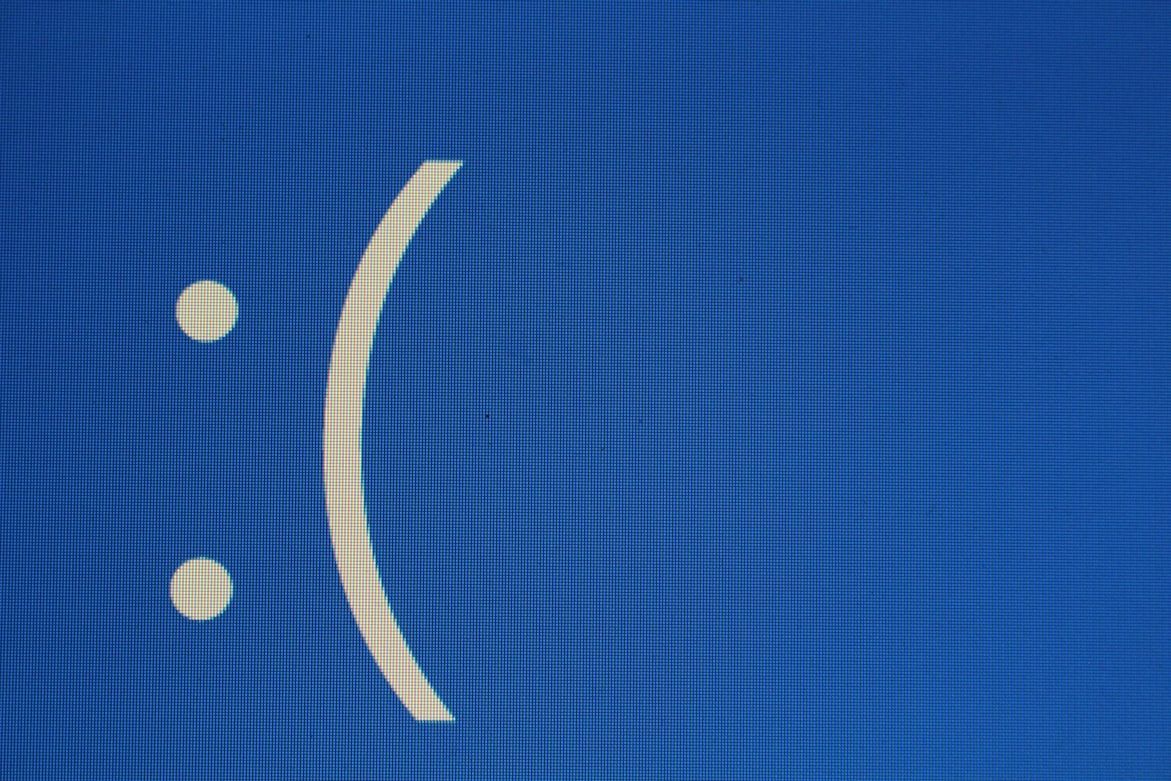
The frown was one of the most common text symbols for showing disappointment or sadness. With only two characters, it simply flipped the cheeriness of the smiley into a downturned mood.

It appeared in countless emails and texts, letting the other person know you weren’t feeling great—or that the news you were sharing wasn’t, either.

3

;-) Playful wink

Image: Dima Yakushin

Adding a semicolon and dash turned a regular smile into a playful wink. It was perfect for signaling humor, teasing, or letting someone know that a message shouldn’t be taken too seriously.

In the days before GIFs, a winky face kept the tone light and helped prevent misunderstandings in written conversations.

4

:-D Big grin

Image: Javier Miranda

A colon, dash, and capital D created a wide grin that expressed big laughter or pure excitement in a way a simple smile couldn’t match.

People used it in friendly chats, jokes, or when reacting to good news—anytime a regular smile just wasn’t enough.

5

:'( Crying

Image: LOGAN WEAVER | @LGNWVR

The crying face combined a frown with an apostrophe for a teardrop, making it perfect for expressing sadness or sympathy.

Whether used to show genuine grief or playful exaggeration, it added an emotional punch to a simple text message or email.

6

:-P Tongue sticking out

Image: Harrison Chang

A colon, dash, and capital P made a face sticking out its tongue. It was cheeky, silly, and perfect for showing that something was meant as a joke.

It often followed playful teasing or sarcastic remarks, making sure the message came across as fun rather than rude.

7

<3 Heart

Image: Count Chris

A less-than sign and the number 3 created a sideways heart, symbolizing love, affection, or appreciation. It became one of the most widely used pre-emoji symbols.

People added it to messages for friends, partners, or any situation where they wanted to express love or affection.

8

OO Shock or surprise

Image: Planet Volumes

This wide-eyed look used capital O’s for eyes and an underscore for the mouth, showing shock, surprise, or disbelief.

It was a favorite in online chats whenever something unexpected or outrageous happened.

9

^^ Happy, blushing face

Image: Domingo Alvarez E

This symbol, which came from Japanese kaomoji culture, showed a cheerful, blushing expression, with carets for smiling eyes and an underscore for the mouth.

It carried a soft, cute tone and often appeared in friendly or supportive conversations.

10

(><) Frustration or pain

Image: Nik

This expression showed frustration, pain, or embarrassment. The greater-than and less-than signs formed squinting eyes, with an underscore for the mouth.

It was a versatile way to convey everything from mild annoyance to mock agony in messages.


IN THE BEGINNING

8 Of The Best Incipits Of All-Time Literature


Published on November 26, 2025


Image: Chris Lawton

Embarking on a literary journey is akin to stepping into a parallel universe. The first few lines of a book, known as the incipit, serve as a gateway into an author's world, setting the tone for the entire narrative. If you happen to be browsing through a bookstore, these powerful first words might actually sell the book faster than any back cover blurb can.

From captivating openings to iconic first sentences, these incipits have left an indelible mark on literature. Join us as we explore some of the best incipits of all time, each a masterclass in the art of literary enticement.

1

"Call me Ishmael."

Image: Ray Harrington

Book: Moby-Dick by Herman Melville (1851)

In the vast ocean of literature, few incipits are as instantly recognizable as the opening line of Moby-Dick. Melville's choice of a first-person, informal address invites readers to forge a personal connection with the narrator, Ishmael. This simple yet enigmatic introduction sets the stage for the epic voyage that unfolds.

2

"It was the best of times, it was the worst of times…"

Image: Constant Loubier

Book: A Tale of Two Cities by Charles Dickens (1859)

Dickens' masterful dichotomy in the opening of A Tale of Two Cities captures the essence of the turbulent historical backdrop against which the novel is set. This iconic incipit not only mirrors the societal upheavals of the French Revolution but also foreshadows the contrasting fates that await the characters.

3

"All happy families are alike; each unhappy family is unhappy in its own way."

Image: Jaunt and Joy

Book: Anna Karenina by Leo Tolstoy (1878)

Tolstoy's incipit in Anna Karenina acts as a profound reflection on the diversity of human suffering. Contrasting the consistency of happiness with the individual qualities of pain and misfortunes, the author encapsulates the intricate web of conflicting emotions that are explored in the novel.

4

"In the beginning, God created the heavens and the earth."

Image: Calvin Craig

Book: Book of Genesis (debated authorship and date)

Arguably, the opening line of the Book of Genesis is one of the most influential incipits in human history. Its apparent simplicity holds deep significance, marking the dawn of many different religious interpretations and inspiring countless literary and artistic works. Regardless of one's beliefs, this incipit's impact on literature, philosophy, and art cannot be overstated, making it an essential inclusion in our list.

5

"It is a truth universally acknowledged, that a single man in possession of a good fortune, must be in want of a wife."

Image: Y Park

Book: Pride and Prejudice by Jane Austen (1813)

Austen's brilliance shines in the opening line of her most celebrated novel of manners, which playfully satirizes societal expectations regarding marriage and wealth. It immediately immerses readers in the world of manners, relationships, and class differences of the early 19th century.

6

"The past is a foreign country: they do things differently there."

Image: Peter Herrmann

Book: The Go-Between by L.P. Hartley (1953)

Hartley's incipit in his novel The Go-Between is like a piercing arrow that forces us to reflect on the very nature of time and memory. The opening line hints at the novel's exploration of nostalgia, regret, and the consequences of revisiting the past through the eyes of a naive character, just like a foreigner might see a new country.

7

"It was a bright cold day in April, and the clocks were striking thirteen."

Image: Parker Coffman

Book: 1984 by George Orwell (1949)

1984's chilling opening line immediately transports readers to a dystopian world where even something as mundane as a clock can give an impossible hour, signaling that something is deeply wrong. The novel’s protagonist, Winston Smith, sets out from that point on to navigate an unsettling and oppressive world where everything - and everyone - is in plain view, yet the truth is always hidden.

8

"It was a pleasure to burn."

Image: Yaoqi

Book: Fahrenheit 451 by Ray Bradbury (1953)

To end this list, a personal favorite. The provocative opening line of Bradbury's masterful novel ignites the imagination immediately. Before learning what is being burned—that is, books—readers are already immersed in the psychological perspective of the protagonist, a fireman who does not fight fires but rather causes them. An incisive commentary on censorship, knowledge, and conformity begins with this fiery and memorable incipit, inviting readers into a thought-provoking exploration of intellectual freedom.

Looking for an extra scoop of literary fun?

Learn more with our Word of the day

nihilism

/ˈnaɪəˌlɪzəm/