Battle-born everyday words

Before Elvis wore them, sideburns marked soldiers on the battlefield


Published on September 19, 2026
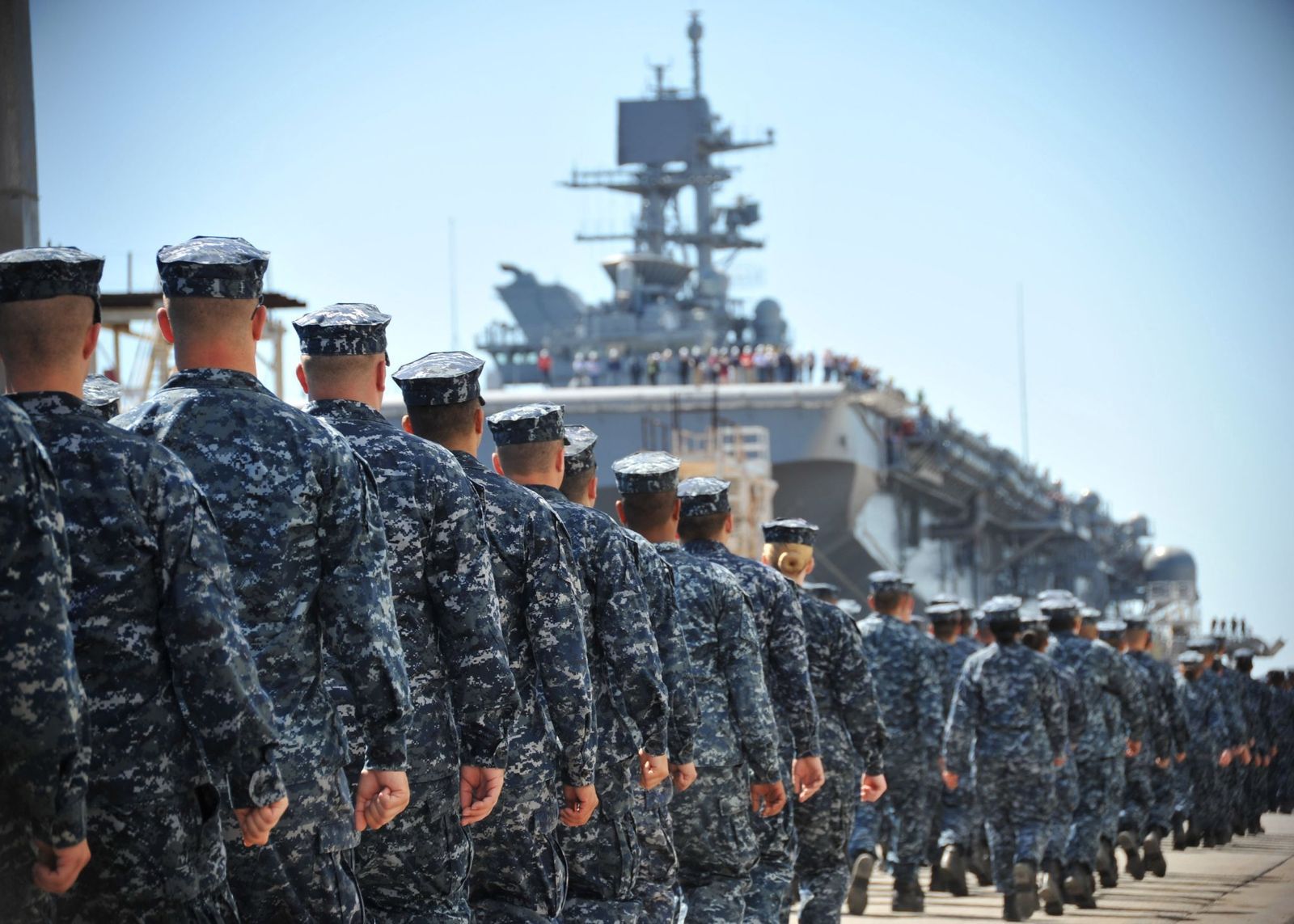

Image: Rawpixel.com

Health breakthroughs (like modern trauma care) and everyday tech (like the microwave oven) came straight out of wartime research labs. But there's a quieter legacy nobody talks about: language. Military vocabulary quietly slipped into ordinary conversation. Take the trench coat, invented for officers freezing in WWI trenches, now just a stylish coat you grab on a rainy day. Or SNAFU, once army slang for total chaos, is now what you call it when your printer jams for the third time. Here are 10 examples you've probably used without realizing where they came from.

1

Trench coat

Image: Kiselev Andrey Valerevich

Born in WWI, the trench coat was designed for British and French officers standing in muddy, waterlogged trenches: durable, belted, and weatherproof. After the war, civilians loved the practical look and adopted it for city life.

By the mid-20th century, it became a fashion icon, thanks to detective movies and spies. Today, you probably own one just to survive rainstorms.

2

Sideburns

Image: catwalker

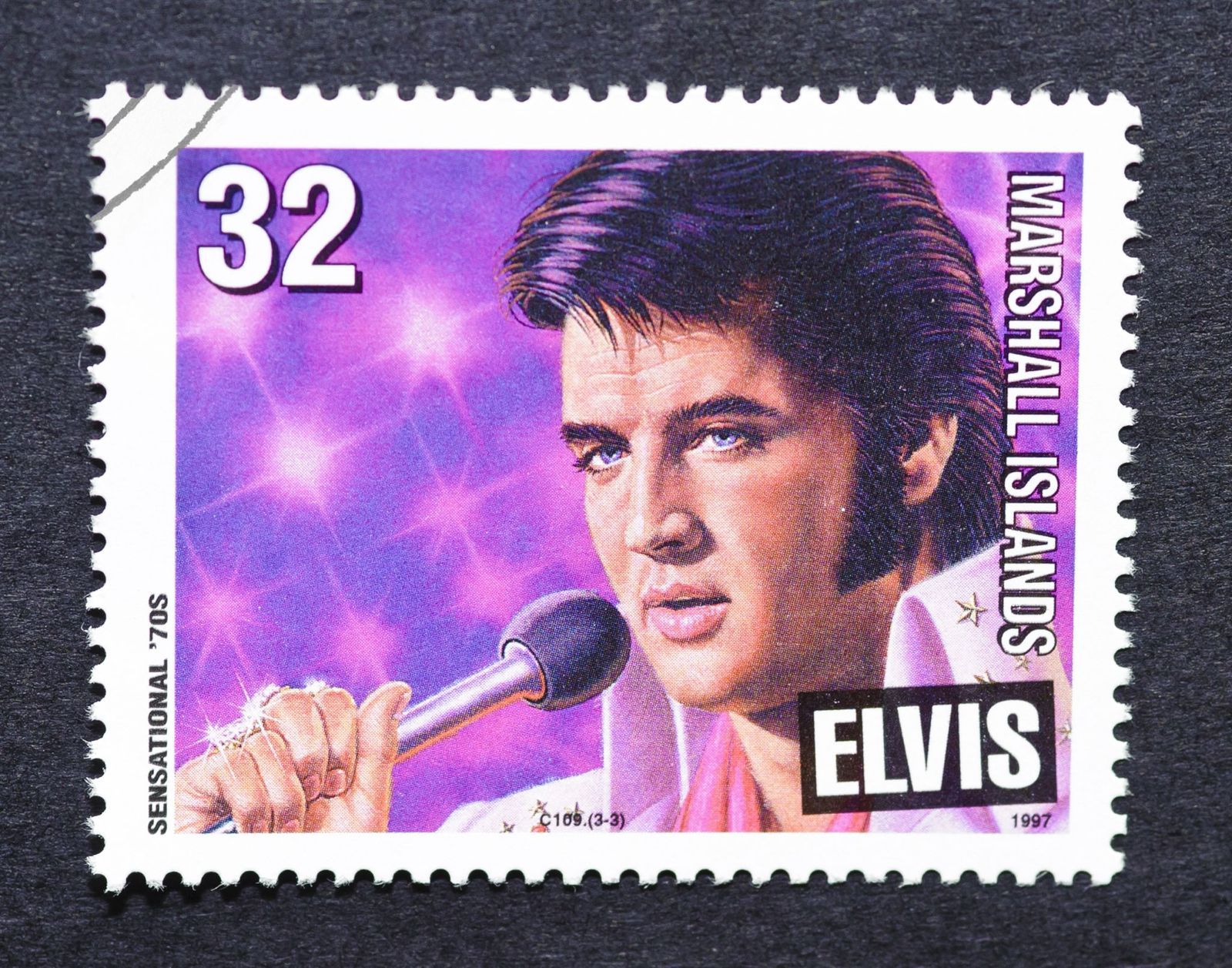
Named after Civil War general Ambrose Burnside, who sported a bold strip of facial hair connecting to his mustache, this style became famous through news coverage of the war. Civilians liked the look and kept it going long after the fighting ended.

It's now just a grooming term, no history lesson required. Elvis wore them; your barber trims them.

3

Blockbuster

Image: Barry Mountford

This one started as a literal WWII bomb, powerful enough to level an entire city block. Grim stuff. But Hollywood, always looking for a punchy word, borrowed it in the 1950s to describe a movie so big it "blew away" everything else at the box office.

Now it just means your favorite summer movie made a ton of money.

4

SNAFU

Image: Betofoto

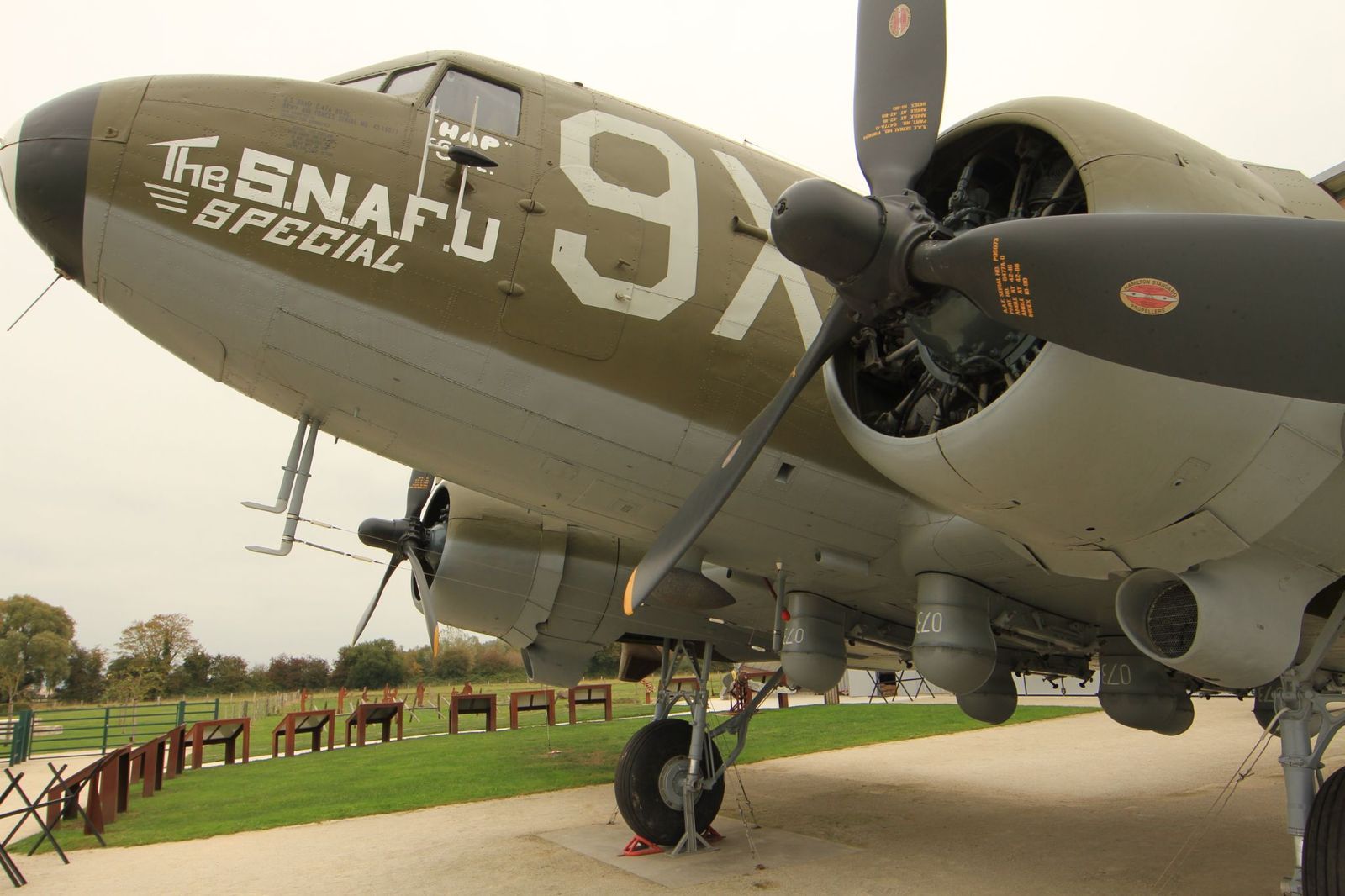
American soldiers in WWII coined this one as a sarcastic acronym meaning things were a complete, chaotic mess: SNAFU stands for "situation normal: all fed up,". Troops used it constantly to laugh off disasters. Civilians picked it up after the war, and now it just means any everyday screw-up.

Your flight got cancelled, and your luggage vanished? That's a classic SNAFU; no soldiers required.

5

Flak

Image: Karolis Kavolelis

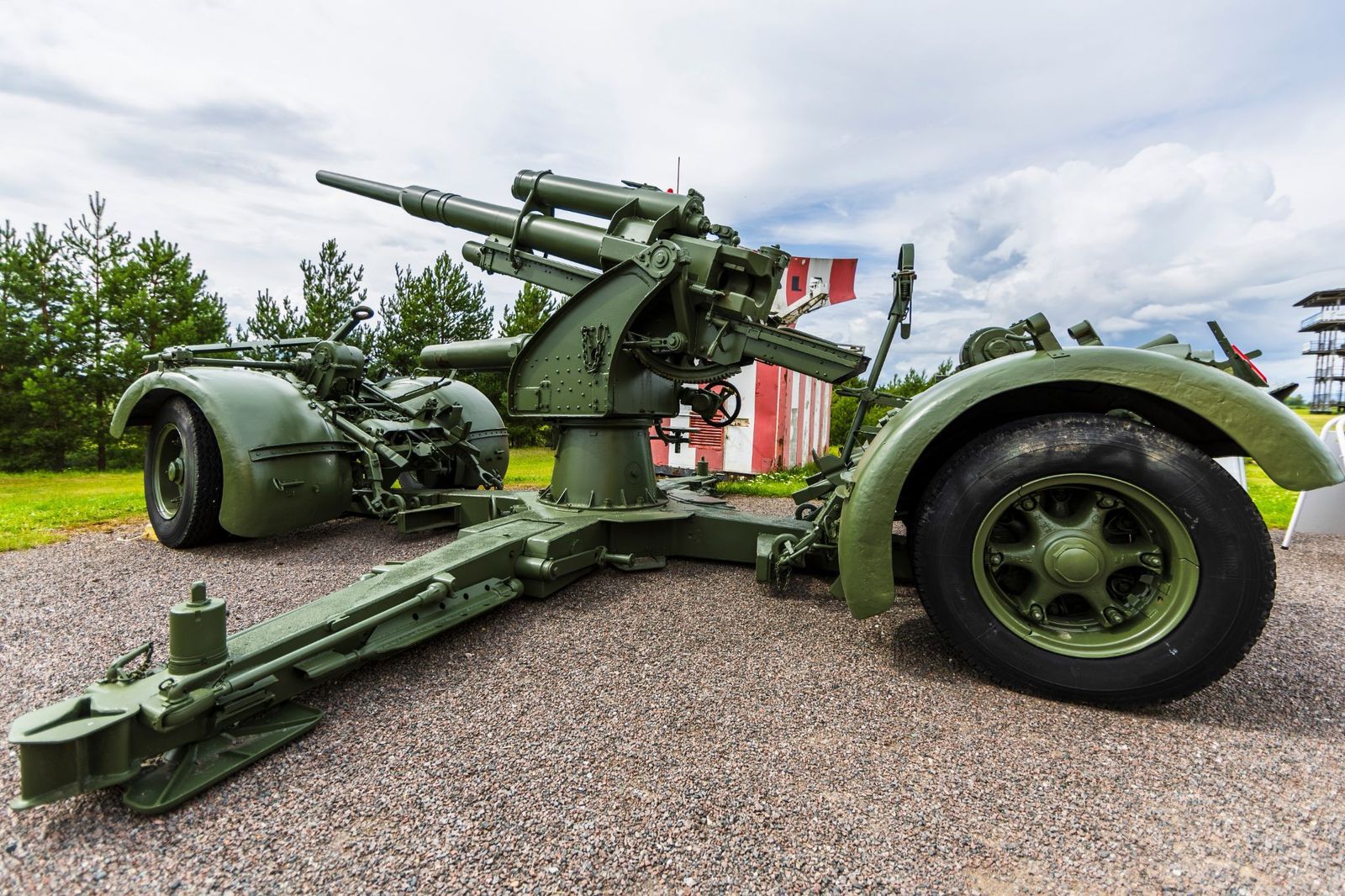
"Flak" came from the German word Fliegerabwehrkanone, literally "aircraft-defense cannon", and was used to describe the exploding shells fired at enemy planes during WWII. Pilots dreaded flying through it. Over time, people borrowed the image of getting hit from all directions to describe verbal attacks.

Now if you tell your spouse you forgot the anniversary dinner reservation, you're bracing for some serious flak.

6

Bunker

Image: geogif

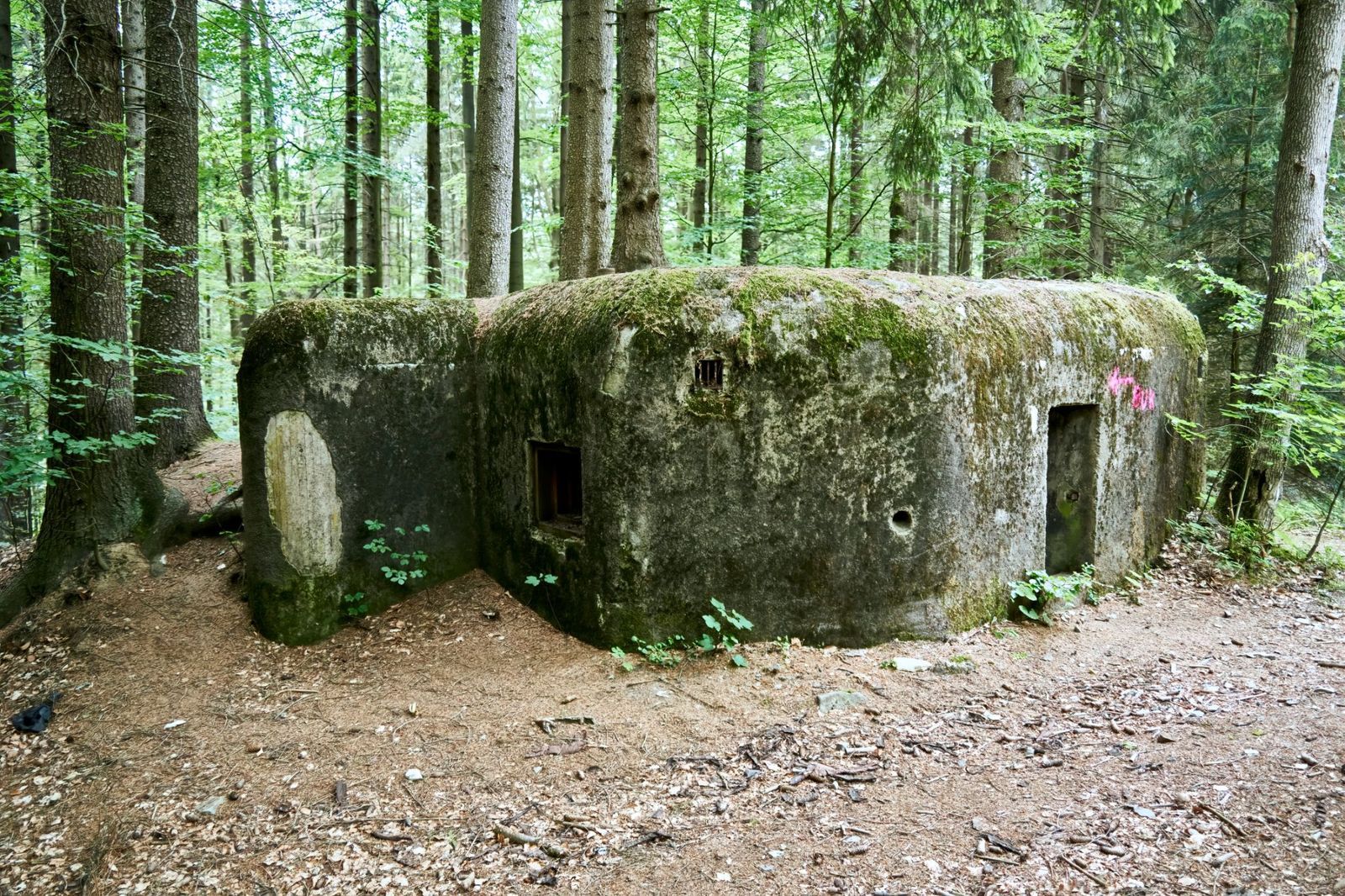
Originally a fortified shelter built to protect soldiers from bombing and shelling, the bunker was pure wartime survival architecture. After the wars, the word stuck around for anything reinforced and defensive-feeling.

These days, it describes storm shelters, wine cellars, even a golfer's sand trap. If your neighbor built a concrete room under his garage for tornado season, he's got a bunker.

7

Camouflage

Image: Kiri Photography

The military borrowed this word from French artists, who'd studied how animals blend into their surroundings to avoid predators. Armies applied the same idea to conceal tanks, uniforms, and equipment from enemy eyes during WWI. Civilians eventually embraced the pattern as a fashion statement, and the word itself came to mean any kind of blending in or hiding.

Wearing a camo jacket to the grocery store, or "camouflaging" a bad haircut with a hat: either way, you're covering something up.

8

Brainwashing

Image: Chizhevskaya Ekaterina

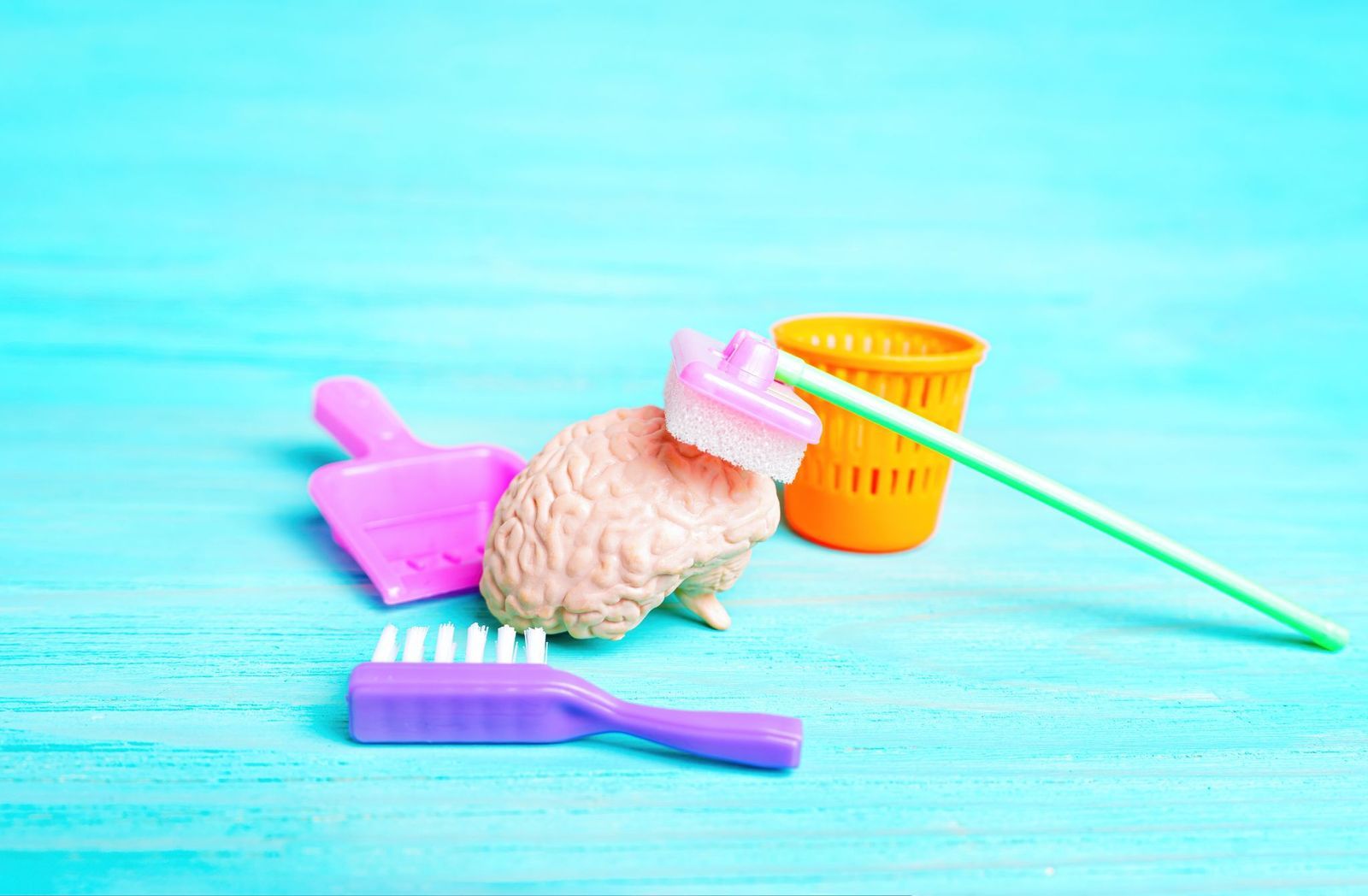
This unsettling term emerged during the Korean War, describing coercive tactics used on prisoners to change their beliefs. It sounded straight out of science fiction at the time. Now it's used far more casually, for anything from pushy advertising to a friend's obsession with a diet fad.

9

No man's land

Image: Zoltan Sandula

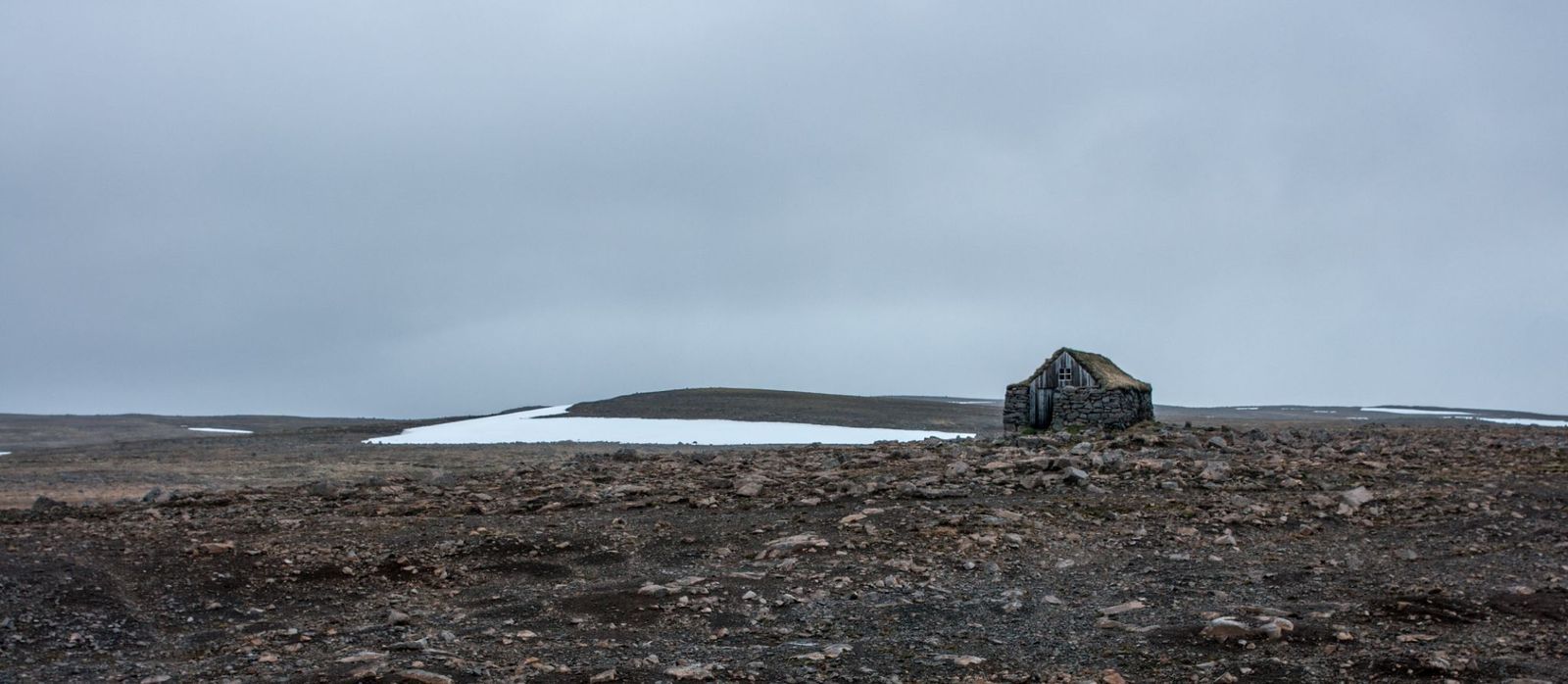
Centuries old, this phrase originally described unclaimed or disputed territory, then gained new meaning during WWI as the deadly strip between opposing trenches, a place nobody dared cross. Today it simply means any confusing, undefined space.

10

Radar

Image: DenisProduction.com

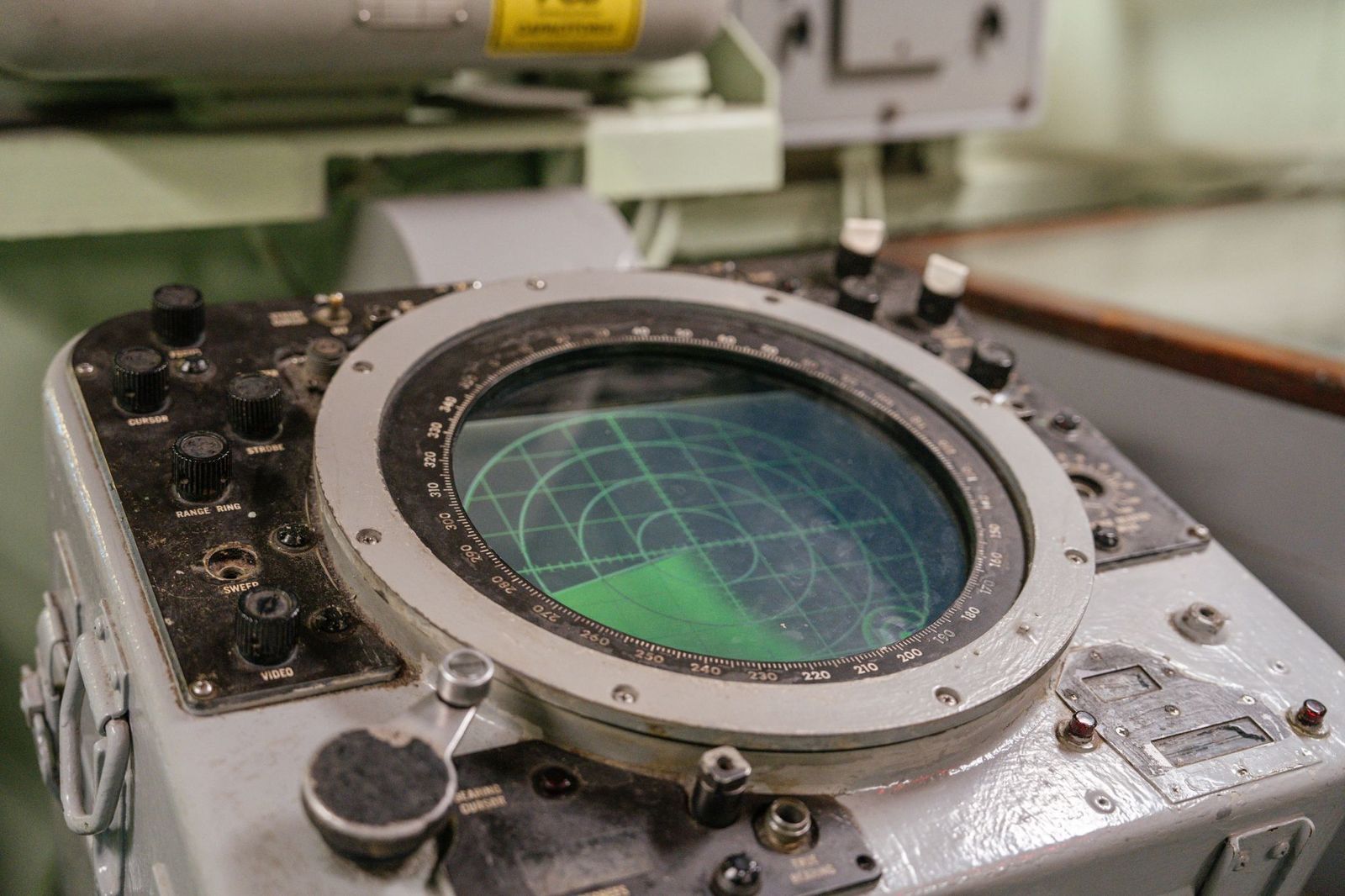
Developed in secret during WWII to detect approaching enemy planes and ships, radar was cutting-edge, classified technology. After the war, it became public knowledge and its name drifted into daily speech. Now, if something catches your attention, it's "on your radar", and if it sneaks past you, it flies "under the radar."


MERGING MEANING

Wordbuilding: 10 portmanteaus that fly under the radar


Published on September 19, 2026


Image: Matthew Smith

First of all, what exactly is a portmanteau? Portmanteaus, also known as blend words, are formed by combining both the sounds and meanings of two or more words. More often than not, portmanteaus are intentionally created to introduce new ideas or concepts into the English language in a natural and intuitive way. Some blend in so seamlessly that we might even forget they're made from two other words! From "smog" to "motel" or even "brunch," portmanteaus are everywhere. Dive with us into the strange and surprising world of word blends.

1

Smog

Image: Marcin Jozwiak

A combination of "smoke" and "fog," the term "smog" was coined in London during the early 20th century to describe the dense, fog-like air pollution resulting from industrial smoke mixing with atmospheric moisture. This phenomenon became particularly severe during the winter months, as cold, damp conditions trapped pollutants close to the ground.

The Great Smog of 1952 in London, a tragic event that caused thousands of deaths, cemented the concept into popular language and served as a wake-up call about the risks of heavily polluted air in modern cities.

2

Helicopter

Image: Cristian Grecu

Although many English speakers assume that "helicopter" is composed of "heli-" and "-copter," leading to terms like "helipad" and "quadcopter," it is actually a portmanteau of the Greek words "helix" (spiral) and "pteron" (wing).

While the first practical helicopters did not become widespread until World War II, the concept is much older, and the term itself was coined by French inventor Gustave de Ponton d'Amécourt in 1861. He created a small steam-powered prototype that followed the same aerodynamic principles used in contemporary helicopter designs.

3

Internet

Image: Leon Seibert

Curiously, the word saw some use before the advent of computing, and it was used as early as 1849, to describe something interconnected or interwoven, most likely fabrics. Today, the terms "Internet" and "World Wide Web" are often used interchangeably, though they do not mean the same thing.

The World Wide Web, or the Web, is actually just one of a large number of Internet services that currently exist, alongside others like email and file-sharing.

4

Pixel

Image: rivage

In case you’ve been living under a rock for the last fifty years, pixels are the tiny dots that form the images you see on screens, making up the building blocks of digital displays. Each pixel represents a single point of color, and together, pixels create the complete image on a screen.

Although "pixel" might seem like a tiny word for an even tinier concept, did you know that it actually combines two words? The term is short for "picture element," with the word "pix" being derived from "picture" and "el" from "element."

5

Motel

Image: Randy Laybourne

"Motel" combines "motor" and "hotel" to describe a type of roadside lodging designed specifically for motorists. But even if you already knew that—admittedly, it is fairly obvious—did you know the name actually originated from a specific hotel? The now-defunct Milestone Mo-Tel, located in San Luis Obispo, California, built in 1925, was the first to coin the term. In fact, it was later renamed the "Motel Inn."

This type of roadside lodging became very popular as modern highway systems developed throughout the 20th century, peaking around the 1960s. Today, motels have largely been displaced by chain hotels near highway interchanges. However, for those feeling nostalgic, some motels have been preserved as historic sites, offering a glimpse into mid-century travel culture.

6

Chortle

Image: Mark Daynes

"Chortle," a blend of "chuckle" and "snort," has a surprisingly literary origin. The word was coined by Lewis Carroll in his 1871 novel Through the Looking-Glass, to describe a laugh that perfectly combines the elements of chuckling and snorting.

Carroll was quite fond of portmanteaus, and in fact, he actually coined the term "portmanteau" itself to describe these blend words—which may or may not be a portmanteau itself, depending on who you ask. The word originally referred to a suitcase that opened on a hinge into two equal parts, which Carroll used as a metaphor for words that blend two meanings into one.

7

Ginormous

Image: Jez Timms

"Ginormous" merges "gigantic" and "enormous" to describe something that is exceptionally large. The term, which emerged during World War II as slang among British soldiers, gained popularity in part due to its exaggerated and humorous tone.

While one might argue that it's an unusual portmanteau, given that both words carry nearly identical meanings, the combination creates a reinforcing effect that emphasizes the absurdity of the size it describes. Eventually, the widespread use of "ginormous" led to its formal recognition in dictionaries, becoming an accepted part of standard English vocabulary.

8

Podcast

Image: Firmbee.com

A portmanteau of "iPod" and "broadcast," the word "Podcast" was coined in the early 2000s, as digital audio content began to gain traction. While the term was initially limited to media produced for Apple’s iPod, the term evolved beyond its original context to refer to any type of spoken content, regardless of the device used for listening.

Podcasts peaked in popularity during the pandemic, and have since become a major platform for delivering spoken content, from news to entertainment, to global audiences.

9

Email

Image: Stephen Phillips - Hostreviews.co.uk

Another obvious example, "email" is a blend of "electronic" and "mail," yet we often become so accustomed to the word that we forget its original meaning. Developed in the 1970s, email revolutionized communication, marking a significant shift away from traditional postal services.

By the 1980s and 1990s, email use had spread across businesses, government, universities, and defense industries. With the rise of webmail and email clients in the mid-1990s, it quickly extended to the general public. By the 2000s, email had achieved ubiquitous status, becoming a primary mode of communication worldwide.

10

Brunch

Image: micheile henderson

"Brunch" is a blend of "breakfast" and "lunch," first appearing in Britain in the late 19th century as a mid-morning Sunday meal or hunt breakfast. It was introduced as a more relaxed dining option that bridges the gap between breakfast and lunch, often enjoyed on weekends or holidays.

At the time, the concept reflected a shift toward more leisurely dining experiences. Over the years, brunch has become a cultural phenomenon, with dedicated menus and establishments catering to the growing popularity of this mid-morning meal. It traditionally offers a variety of foods and beverages suited to both breakfast and lunch preferences, making it a versatile dining option.

Looking for an extra scoop of literary fun?

Learn more with our Word of the day

rash

/ræʃ/