Battle-born everyday words

Before Elvis wore them, sideburns marked soldiers on the battlefield


Published on September 19, 2026

Image: Rawpixel.com

Health breakthroughs (like modern trauma care) and everyday tech (like the microwave oven) came straight out of wartime research labs. But there's a quieter legacy nobody talks about: language. Military vocabulary quietly slipped into ordinary conversation. Take the trench coat, invented for officers freezing in WWI trenches, now just a stylish coat you grab on a rainy day. Or SNAFU, once army slang for total chaos, is now what you call it when your printer jams for the third time. Here are 10 examples you've probably used without realizing where they came from.

1

Trench coat

Image: Kiselev Andrey Valerevich

Born in WWI, the trench coat was designed for British and French officers standing in muddy, waterlogged trenches: durable, belted, and weatherproof. After the war, civilians loved the practical look and adopted it for city life.

By the mid-20th century, it became a fashion icon, thanks to detective movies and spies. Today, you probably own one just to survive rainstorms.

2

Sideburns

Image: catwalker

Named after Civil War general Ambrose Burnside, who sported a bold strip of facial hair connecting to his mustache, this style became famous through news coverage of the war. Civilians liked the look and kept it going long after the fighting ended.

It's now just a grooming term, no history lesson required. Elvis wore them; your barber trims them.

3

Blockbuster

Image: Barry Mountford

This one started as a literal WWII bomb, powerful enough to level an entire city block. Grim stuff. But Hollywood, always looking for a punchy word, borrowed it in the 1950s to describe a movie so big it "blew away" everything else at the box office.

Now it just means your favorite summer movie made a ton of money.

4

SNAFU

Image: Betofoto

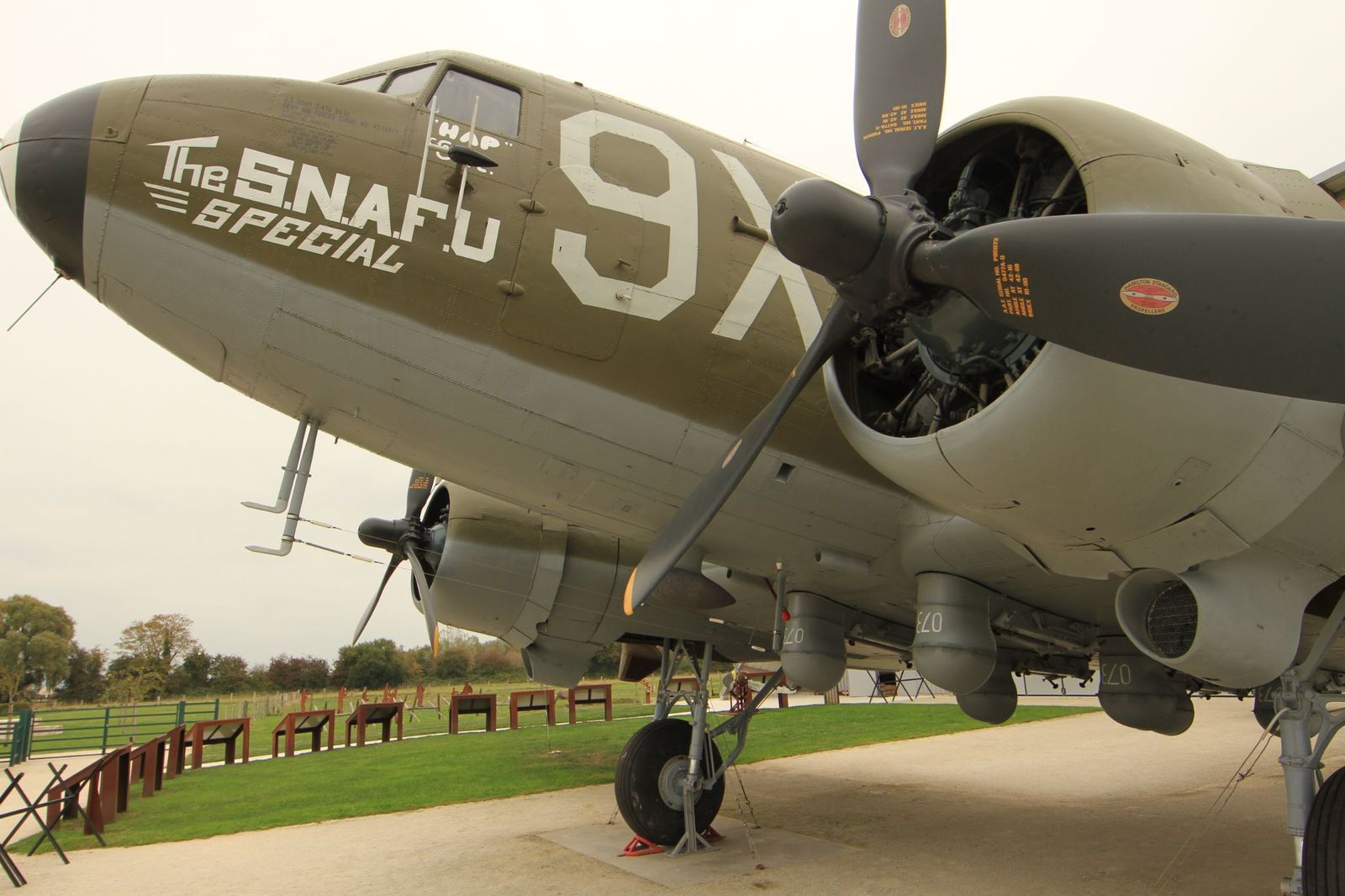
American soldiers in WWII coined this one as a sarcastic acronym meaning things were a complete, chaotic mess: SNAFU stands for "situation normal: all fed up,". Troops used it constantly to laugh off disasters. Civilians picked it up after the war, and now it just means any everyday screw-up.

Your flight got cancelled, and your luggage vanished? That's a classic SNAFU; no soldiers required.

5

Flak

Image: Karolis Kavolelis

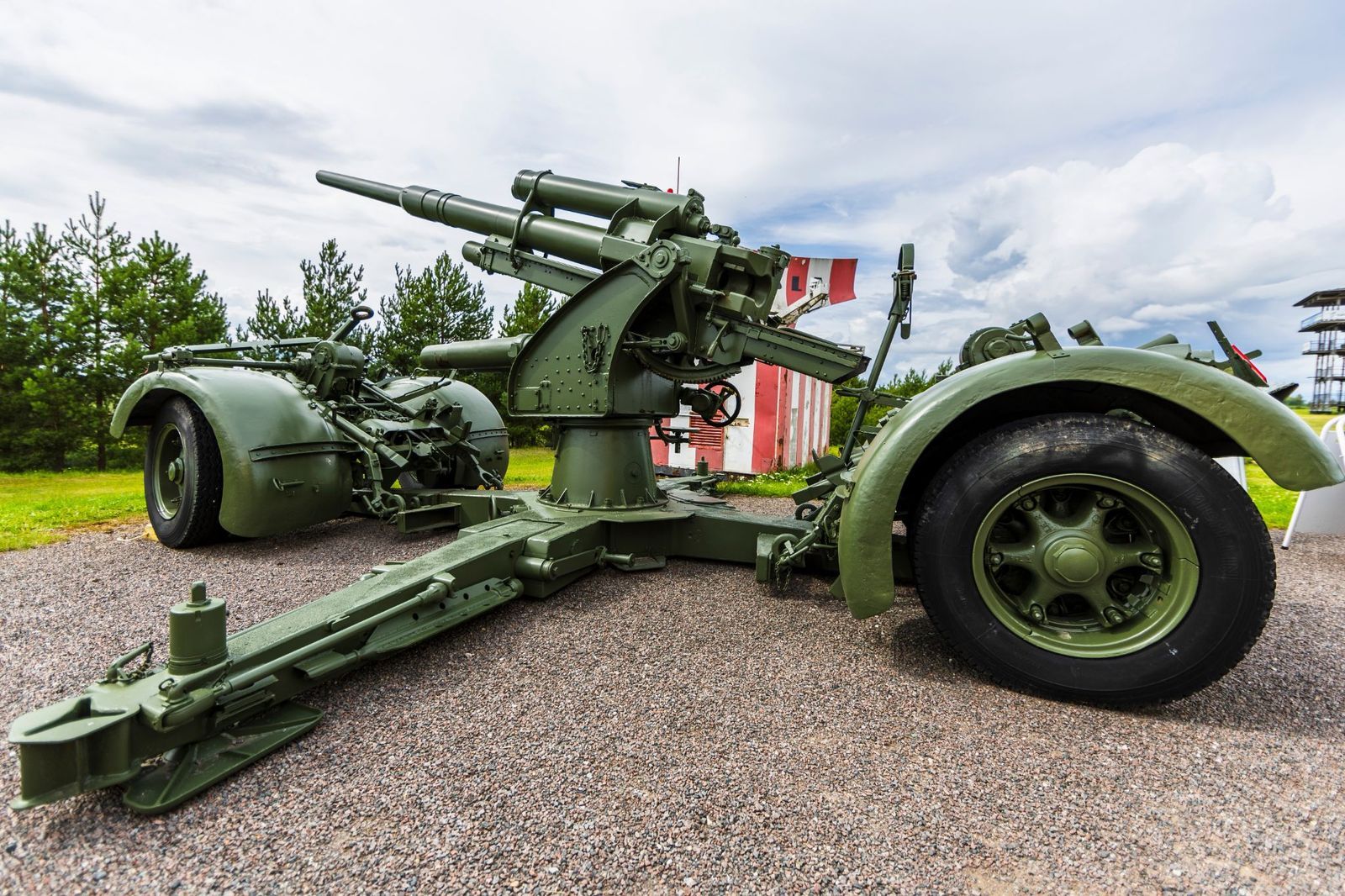
"Flak" came from the German word Fliegerabwehrkanone, literally "aircraft-defense cannon", and was used to describe the exploding shells fired at enemy planes during WWII. Pilots dreaded flying through it. Over time, people borrowed the image of getting hit from all directions to describe verbal attacks.

Now if you tell your spouse you forgot the anniversary dinner reservation, you're bracing for some serious flak.

6

Bunker

Image: geogif

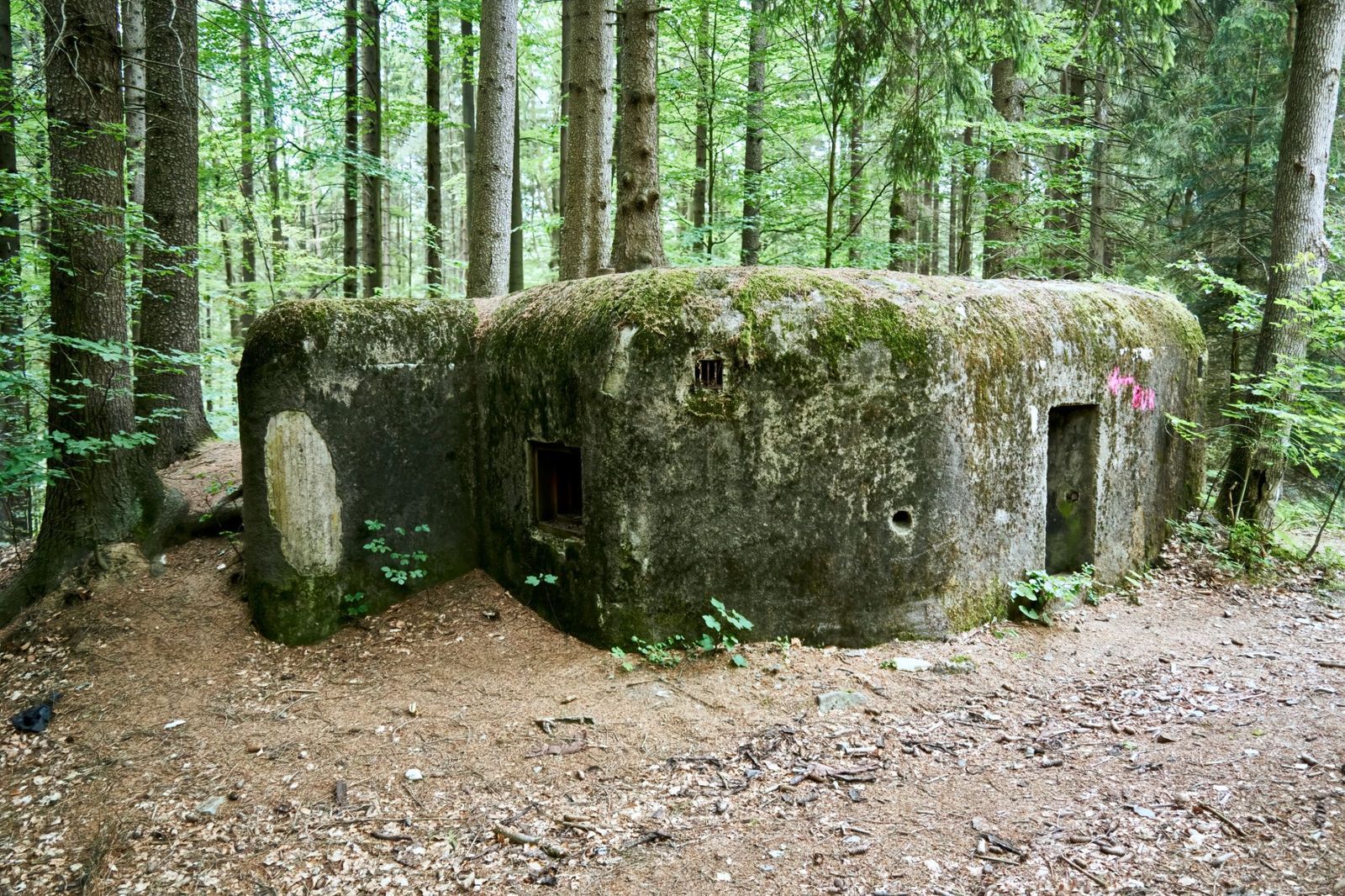
Originally a fortified shelter built to protect soldiers from bombing and shelling, the bunker was pure wartime survival architecture. After the wars, the word stuck around for anything reinforced and defensive-feeling.

These days, it describes storm shelters, wine cellars, even a golfer's sand trap. If your neighbor built a concrete room under his garage for tornado season, he's got a bunker.

7

Camouflage

Image: Kiri Photography

The military borrowed this word from French artists, who'd studied how animals blend into their surroundings to avoid predators. Armies applied the same idea to conceal tanks, uniforms, and equipment from enemy eyes during WWI. Civilians eventually embraced the pattern as a fashion statement, and the word itself came to mean any kind of blending in or hiding.

Wearing a camo jacket to the grocery store, or "camouflaging" a bad haircut with a hat: either way, you're covering something up.

8

Brainwashing

Image: Chizhevskaya Ekaterina

This unsettling term emerged during the Korean War, describing coercive tactics used on prisoners to change their beliefs. It sounded straight out of science fiction at the time. Now it's used far more casually, for anything from pushy advertising to a friend's obsession with a diet fad.

9

No man's land

Image: Zoltan Sandula

Centuries old, this phrase originally described unclaimed or disputed territory, then gained new meaning during WWI as the deadly strip between opposing trenches, a place nobody dared cross. Today it simply means any confusing, undefined space.

10

Radar

Image: DenisProduction.com

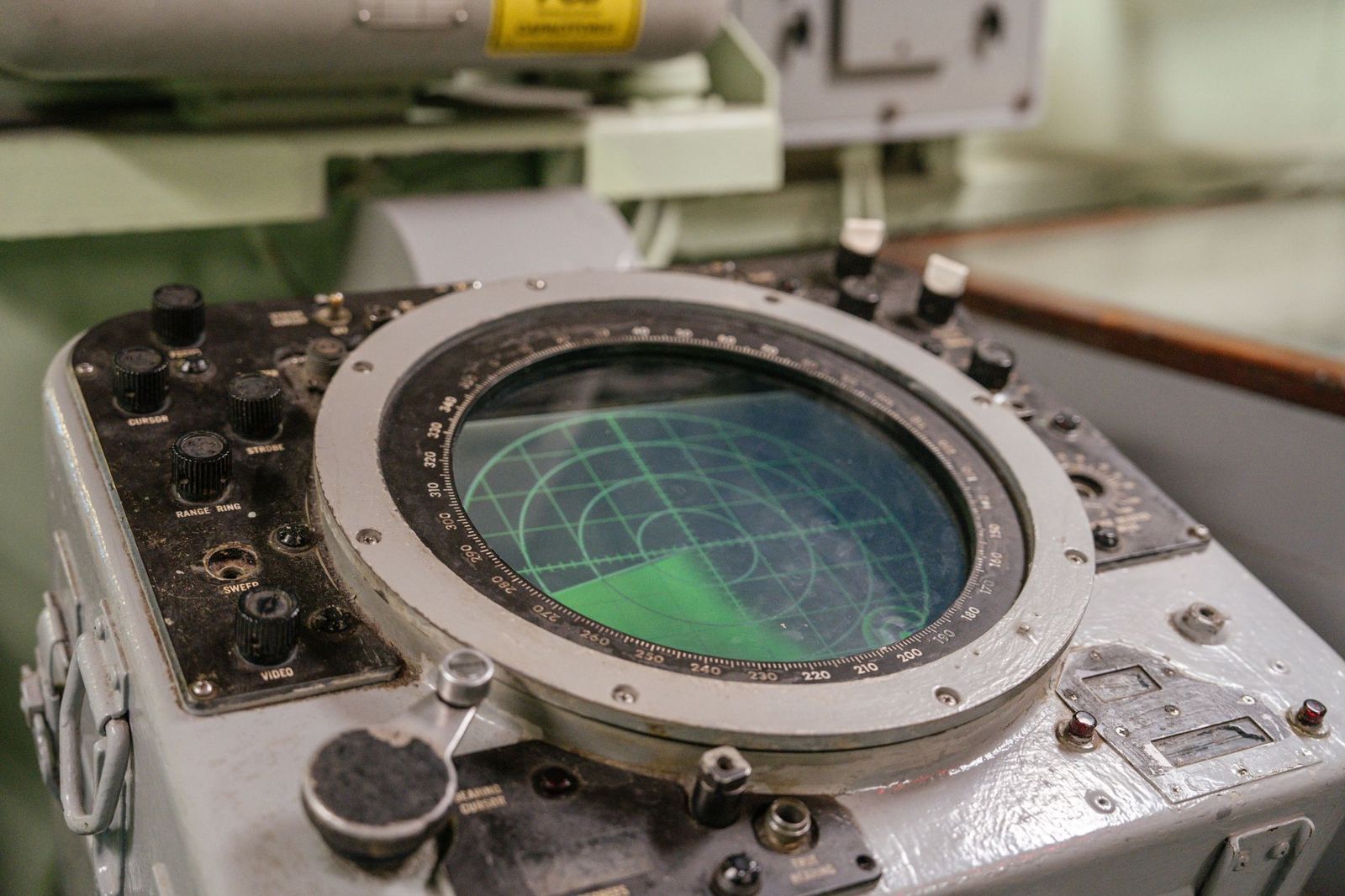
Developed in secret during WWII to detect approaching enemy planes and ships, radar was cutting-edge, classified technology. After the war, it became public knowledge and its name drifted into daily speech. Now, if something catches your attention, it's "on your radar", and if it sneaks past you, it flies "under the radar."


Against all odds

Indomitable will: 10 crazy survival stories that will blow your mind


Published on September 19, 2026


Image: alexey turenkov

Every so often, we wonder how we’d respond if faced with the direst of circumstances—fighting tooth and nail through unimaginable dangers to survive. But beyond our wildest dreams, some individuals have demonstrated that the will to live can overcome even the most insurmountable odds. From a plane crash in the Andes mountains to being swept up by a tornado, these 10 stories of endurance, courage, and unbelievable luck shed light on the inherent grit of the human spirit.

1

The Andes miracle

Image: redcharlie

In 1972, a Uruguayan rugby team's plane crashed in the Andes mountains after the pilot made a critical navigation error. Of the 45 passengers aboard, 29 survived the initial impact. Stranded at nearly 11,500 feet without any means of communication, they endured brutal conditions for over two months. With starvation setting in, they made the harrowing decision to eat the frozen remains of their deceased companions.

When it became clear that no rescue was imminent, two of the survivors embarked on a desperate trek through the treacherous mountains. With no training or proper gear, they braved incredibly difficult terrain for ten days before encountering a local shepherd who alerted authorities. By the time the ordeal ended, only 16 survivors remained. Their incredible story quickly captured international attention and remains a powerful testament to human perseverance and the will to survive against all odds.

2

Desert mechanic

Image: Patrick Hendry

In 1993, during a solo trip through Morocco, French electrician Emile Leray found himself stranded deep in the Sahara desert after his Citroën 2CV broke down from hitting a rock. With only enough food and water for ten days and no help in sight, Leray ingeniously dismantled his car and repurposed the parts to construct a makeshift motorcycle.

To shield himself from the relentless sun and frequent sandstorms, Leray used the car’s body as a shelter. After twelve days, with only half a liter of water remaining, he successfully escaped and rode towards the nearest village. Though his remarkable feat received little media coverage at the time, Leray earned the nickname "the extreme mechanic" for his extraordinary ingenuity and survival skills.

3

Arctic heroine

Image: Museums Victoria

Ada Blackjack was a Iñupiat woman who joined an ill-fated expedition to Wrangel Island in 1921 as a cook and seamstress. The expedition aimed to settle the island and claim it for the Canadian government (though at the time the territory technically belonged to Russia), and was organized with the backing of Vilhjalmur Stefansson, a renowned Arctic explorer. Blackjack was meant to join other four young explorers on the dangerous journey.

However, the expedition was severely underprepared for the harsh Arctic conditions. As rations dwindled and the team failed to hunt enough game to sustain themselves, the situation grew dire. One of the young men succumbed to scurvy, while the other three got lost in a desperate attempt to seek help, leaving Ada completely alone in the Arctic—with only the expedition's cat for company. She survived for eight months in the extreme cold, teaching herself to hunt foxes and sew parkas from reindeer skins. She was finally rescued on August 19, 1923, and was hailed as a real-life female Robinson Crusoe for her remarkable survival skills.

4

Lost at sea

Image: Sam Williams

In 1981, Steven Callahan set sail from Cornwall aboard his self-built sailboat, Napoleon Solo, bound for Antigua as part of a solo sailing race. However, disaster struck during a night storm when his boat collided with an unknown hard object, causing it to take on water rapidly. With little time to think, Callahan desperately inflated his life raft and had to dive several times into the sinking vessel to retrieve essential survival gear.

Drifting westward with the trade winds for 76 harrowing days, Callahan faced all sorts of challenges aboard his raft, including shark encounters, raft punctures, and the mental strain of isolation. He mastered the use of solar stills to distill seawater and relied on fish, barnacles, and seabirds for sustenance. Despite activating his emergency beacon and signaling passing ships with a flare gun, his presence went unnoticed. Finally, near the island of Marie Galante, fishermen spotted him, drawn by the birds hovering above the raft, attracted by the small ecosystem that had developed around it. After his rescue, Callahan dedicated himself to designing improved life rafts, drawing from his extraordinary experience at sea.

5

The Amazon nightmare

Image: Kristina Delp

On Christmas Eve 1971, just a day after her graduation, 17-year-old Juliane Koepcke boarded LANSA Flight 508 with her mother, heading to the biological research station in the Amazon rainforest where both her parents worked. During the flight, the airplane was struck by lightning, causing it to fall apart mid-air.

Still strapped to her seat, she plummeted 10,000 feet into the dense jungle and survived the fall with only minor injuries. Alone in the rainforest, she endured 11 days of hardship, following a river's course until she stumbled upon a lumberjack camp. There, she was rescued and eventually airlifted to safety. Despite the tragedy, Koepcke returned to the Panguana research station and continued her work, later becoming a renowned zoologist.

6

Trapped in an Air Bubble

Image: Vlad Tchompalov

In 2013, Harrison Okene, a Nigerian cook, was working aboard the Jascon-4, a tugboat assisting an oil tanker 20 miles off the coast of Nigeria when it suddenly capsized due to rough seas. The vessel quickly filled with water and sank to the seafloor, about 100 feet below the surface. Okene, who was in the bathroom at the time, miraculously found himself trapped in a small air pocket within the sunken ship, surrounded by darkness and freezing water.

For nearly three days, Okene survived in the pitch-black cabin, enduring the cold and the terrifying uncertainty of whether rescue would come. With no food and only a can of Coca-Cola to sustain him, he clung to hope. On the third day, divers surveying the wreck for recovery operations were shocked to hear his hammering against the hull. They discovered Okene alive, and he was safely rescued after being placed in a decompression chamber. Despite his harrowing experience, Okene later became a professional diver, working on underwater installations and repairs for oil and gas facilities—a remarkable twist for someone who had once been so close to death beneath the sea.

7

Falling from the Sky

Image: Bao Menglong

Serbian flight attendant Vesna Vulović holds the world record for surviving the highest fall without a parachute. In 1972, after her plane exploded mid-air, she fell over 33,000 feet to the ground. Miraculously, her fall was cushioned by a snowy mountainside. She was later discovered alive alongside the wreckage by a local villager who tended her until rescuers arrived.

Despite sustaining severe injuries, including a fractured skull and broken legs, Vulović survived the ordeal but had total amnesia of the incident for a month afterward. Remarkably, she recovered almost fully, though she lived with a limp for the rest of her life. Vulović later attributed her astonishing survival and recovery to her "Serbian stubbornness" and a childhood diet rich in "chocolate, spinach, and fish oil."

8

The real Lord of the Flies

Image: Oliver Sjöström

In 1965, six Tongan schoolboys were shipwrecked on a deserted island in the South Pacific for 15 months. The boys, all pupils at a strict Catholic boarding school, were bored out of their minds, and one day decided they had had enough. A plan to escape to Fiji, or perhaps even to New Zealand, formed in their minds. They stole a fisherman’s boat, and finally set out to sea, only to be caught in a storm.

Being inexperienced sailors, they quickly became adrift when the sails were shredded and the rudder broke. After eight days with no food and water, they spotted a small island on the horizon, where they promptly set camp. Unlike the fictional Lord of the Flies, however, these boys cooperated to survive. They set up a communal system, created a garden, and built shelter until they were rescued by a passing fisherman.

9

The Titanic baker

Image: Gower Brown

Charles Joughin, the chief baker aboard the Titanic, survived the 1912 disaster by staying remarkably calm—and by getting drunk. Yes, you read that right. With a lifetime of experience at sea, Joughin was assigned a spot on one of the lifeboats but refused to board, giving his place to other crew members.

After all the lifeboats had been lowered, Joughin returned to his quarters and had a few whiskeys. As the ship continued to sink, he threw around 50 deck chairs overboard to serve as flotation devices. Unfazed, he walked to the ship's highest point and waited for it to submerge, making him the last survivor to leave the Titanic. Incredibly, he spent several hours in the freezing Atlantic before being rescued. It's speculated that the alcohol helped him stave off the effects of cold and fear, enabling his incredible survival.

10

The Tornado survivor

Image: Greg Johnson

Matt Suter was 19 years old when a tornado in Missouri picked him up and carried him 1,307 feet before dropping him in a field. Amazingly, he survived with only minor injuries. Suter recalls hearing a deafening roar as the tornado approached the mobile home where he was staying with his grandmother. Suddenly, the tornado struck with full force, collapsing the walls and blowing open the doors and windows.

Just before being sucked outside, a lamp struck him on the head, knocking him unconscious. When he came to, he found himself lying in a field, wearing only his underwear, badly scratched and bruised but otherwise unharmed. Suter’s survival is considered miraculous by tornado researchers, and he currently holds the record for the longest distance traveled by a person in a tornado.

Looking for an extra scoop of literary fun?

Learn more with our Word of the day

devoid

/dəˈvɔɪd/