Crossed meanings
Be careful! These 12 words with double meaning might get you in trouble
Published on April 6, 2026
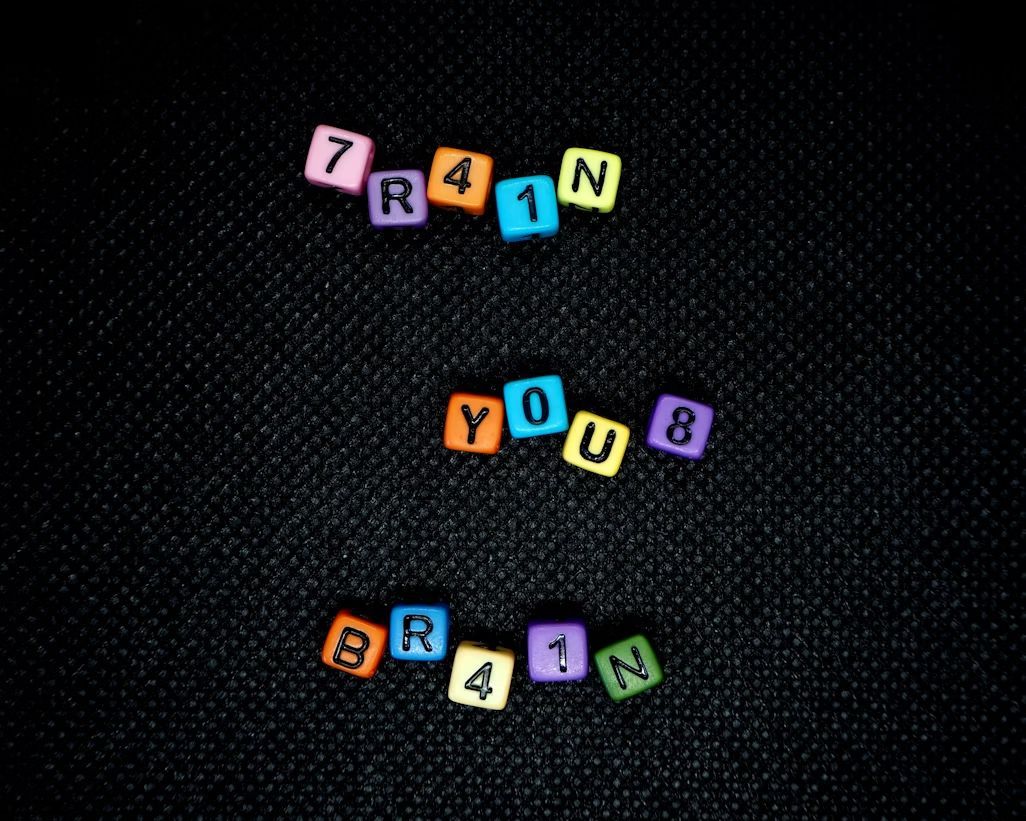
English is full of surprises, especially the kind that makes you read twice. You’ve probably said or read a word one way your whole life, only to find out it’s got a sneaky second meaning (or even a totally different pronunciation). These words, called homographs, look the same on paper but have two or more meanings. Some even change how they are pronounced depending on what they’re doing in a sentence. Here are 12 classic examples that are sure to amuse, confuse, and maybe even make you question everything you thought you knew.
Lead the way… or poison the water?

Here’s one that trips people up in both speech and spelling. "Lead" (rhyming with "reed") means to guide someone or something, like when you lead a group on a walk. But spelled the same, "lead" (rhyming with "red") is a heavy metal once used in pipes and paint.
Same letters, completely different use. One makes you feel like a confident icon, the other is banned from gas and drinking water.
Tear up your paper… or from emotion

Have you ever cried watching an old movie and then torn up a tissue in frustration? Then, you touched on both of these homographs.
"Tear" (like "tare") means to rip something apart, which is pretty straightforward. But "tear" (like "teer") is also what falls from your eyes when emotions run high. The two meanings couldn’t be more different; one is physical destruction, the other is an emotional outpouring.
Bass: catch of the day or booming sound

Picture this: you’re fishing and catch a bass, then head home and crank up the bass on your stereo. Same word, wildly different scenes.
One refers to a popular fish, often fried and served with hushpuppies. The other is all about that low-end thump in music that rattles your windows. Oddly enough, they’re pronounced completely differently: "base" for the sound, "bass" (like "class") for the fish.
Wind in your hair, or winding up a toy

English really takes a turn with "wind." When you feel the wind blowing through your hair, it’s that breezy force of nature. But when you wind your old alarm clock or a jack-in-the-box, you’re giving it a spin.
In this case, the pronunciation changes, and so does the meaning, but only one gets leaves stuck in your teeth.
Bow for the queen, or tie it in your hair

Few words are as fashionably confusing as "bow." Take a bow on stage after a performance, or tie a bow on a birthday present. In one case, you’re bending forward graciously; in the other, you’re accessorizing.
It’s worth noting there's a third "bow," as in the curved weapon that shoots arrows, just to keep you on your toes.
Row your boat… Or cause a row

In America, "row" often brings up images of gently paddling down a stream, singing songs, and enjoying nature. In Britain, however, a "row" (rhymes with "cow") is a noisy argument, like the kind couples have in rom-coms. Add to that the line of chairs in a movie theater or a "row" of houses, and now you’ve got three meanings from one tidy little word. How’s that for polysemy?
A minute to spare, or a minute crack

Talk about small surprises: "minute" (as in time) is what you watch tick away. But "minute" (rhyming with "my newt") means something tiny, like a minute crack in your favorite mug.
You’d never guess they’re related, but both come from Latin roots about measurement.
Desert the desert? We could never

You wouldn't want to desert your friend in the desert, but English seems fine with doing just that. "Desert" (DEH-zurt) is a dry, sandy place full of cacti and tumbleweeds. But "desert" (dih-ZURT) means to abandon someone.
It’s a real twist when the same word covers both literal emptiness and emotional betrayal. It also explains why spellcheck can’t always save you.
Refuse to touch the refuse? Smart call
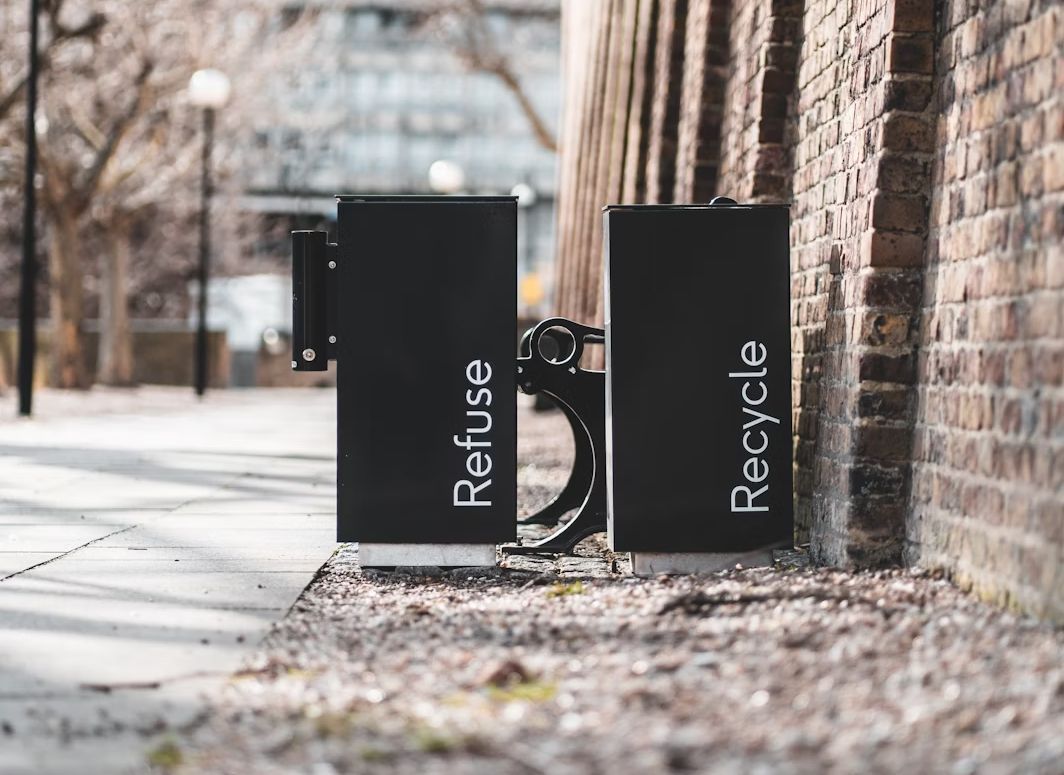
You might refuse to take out the refuse, and honestly, who can blame you? "Refuse" (reh-FYOOZ) means to decline something, like offers of leftovers or unsolicited advice. "Refuse" (REH-fyoos) is the garbage you’re probably avoiding.
It’s the kind of word pair that hides in plain sight; in any case, both might lead to stinky situations.
Present a present and look impressive

There’s something magical about a word that can give a gift and deliver a speech. "Present" as a noun is something you give wrapped with a bow and possibly a gift receipt. "Present" as a verb, and with the accent on the last syllable, means to introduce or showcase something, like an award or a slideshow.
The meanings actually share a root: both involve offering something. But one gets applause, the other gets unwrapped.
Produce some produce, please

A grocery-store homograph; when you produce something, you’re creating that thing. But when you shop for produce (accent on the first syllable), you’re looking for fresh fruits and veggies.
Both meanings involve growth, but one is from a creative mind, the other from soil and sunshine.
Contract confusion: Sign it or catch it?

Be careful with this one: you can sign a CON-tract… or con-TRACT the flu. The first one, a noun, is a legal document you agree to. The second one, a verb, means to shrink or to catch something unpleasant, like having a virus or a muscle cramp. Again, pronunciation changes, but spelling is the same. So whether you’re dealing with paperwork or pathogens, just know this word has range. And maybe wash your hands either way.


