The human body

Bathtubs of snot? The "gross but true" guide to human anatomy


Published on January 15, 2026

Credit: Tima Miroshnichenko

From the tiny, unseen creatures residing on your eyelashes to the incredible volume of mucus your nose produces annually, the inner workings of our anatomy are packed with crazy facts that sound like science fiction. Prepare to have your mind blown as we discover 10 of the most astounding, hard-to-believe truths about our very own body. Get ready to never again look at your saliva, bones, or even your earwax in the same way!

1

Eyes

Credit: César Couto

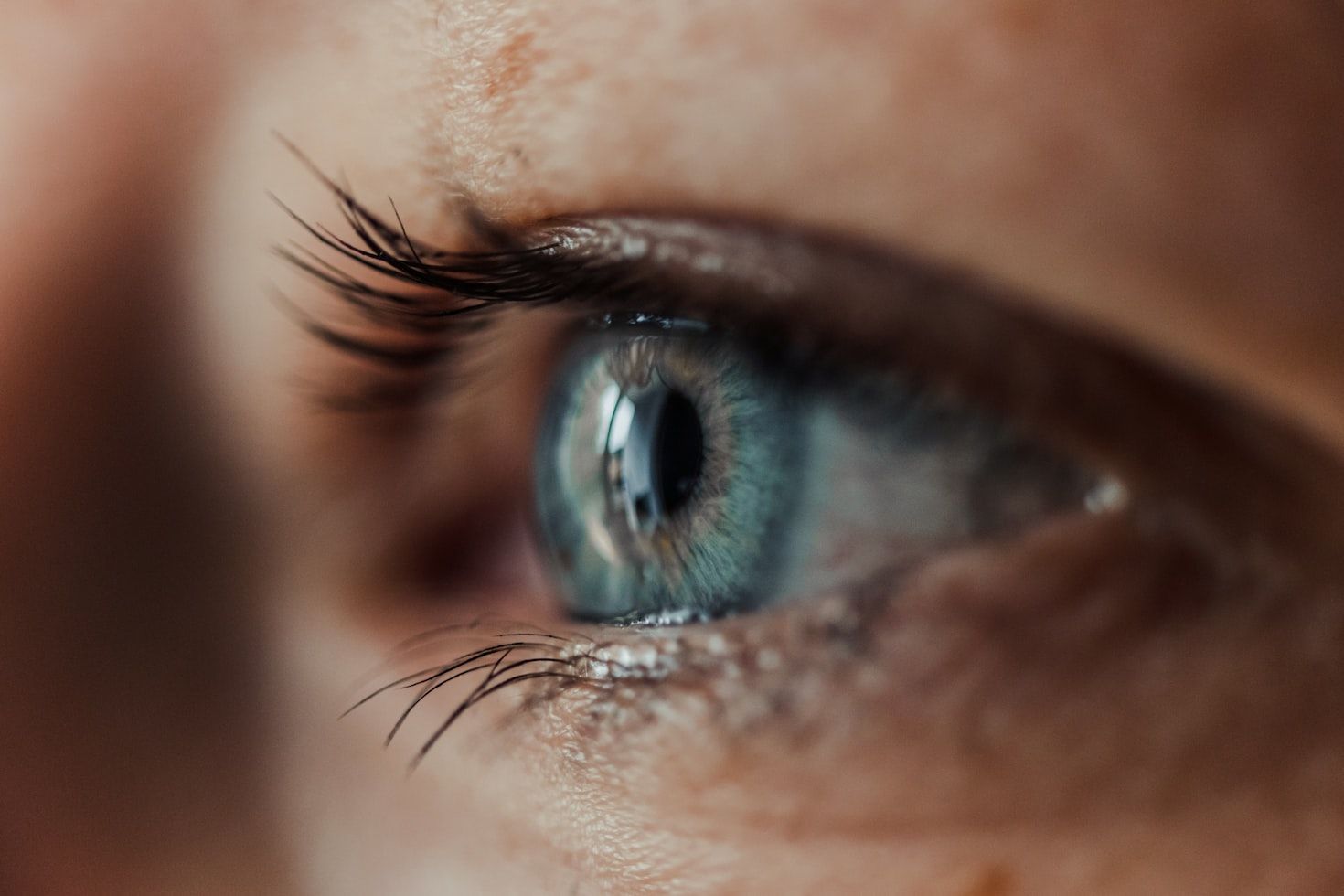
Did you know that about 50% of people have tiny creatures living on their eyelashes? These eyelash mites are about a third of a millimetre long. They can sometimes cause allergic reactions, but most people never find out they’ve got them. We bet you're calling your ophthalmologist for a consult right now!

2

Ears

Credit: Franco Antonio Giovanella

Earwax is produced by your body to protect the lining of your ear canal by trapping dirt and repelling water. But what will probably baffle you is that by the time it reaches the outer ear, the wax has been inside your ear for about a month. No wonder it tastes so disgusting!

3

Nose

Credit: Andrea Piacquadio

You usually only notice snot when you’re making too much of it, that is, when you are sick. But can you guess how much mucus an average person produces in a year? The answer will shock you: about 100 gallons, enough to fill two bathtubs! While the sticky goo is rather unpleasant, you wouldn’t want to go without it. Mucus creates a layer of protection between you and the outside world, so thank God it’s there.

4

Mouth

Credit: FUHMariaM

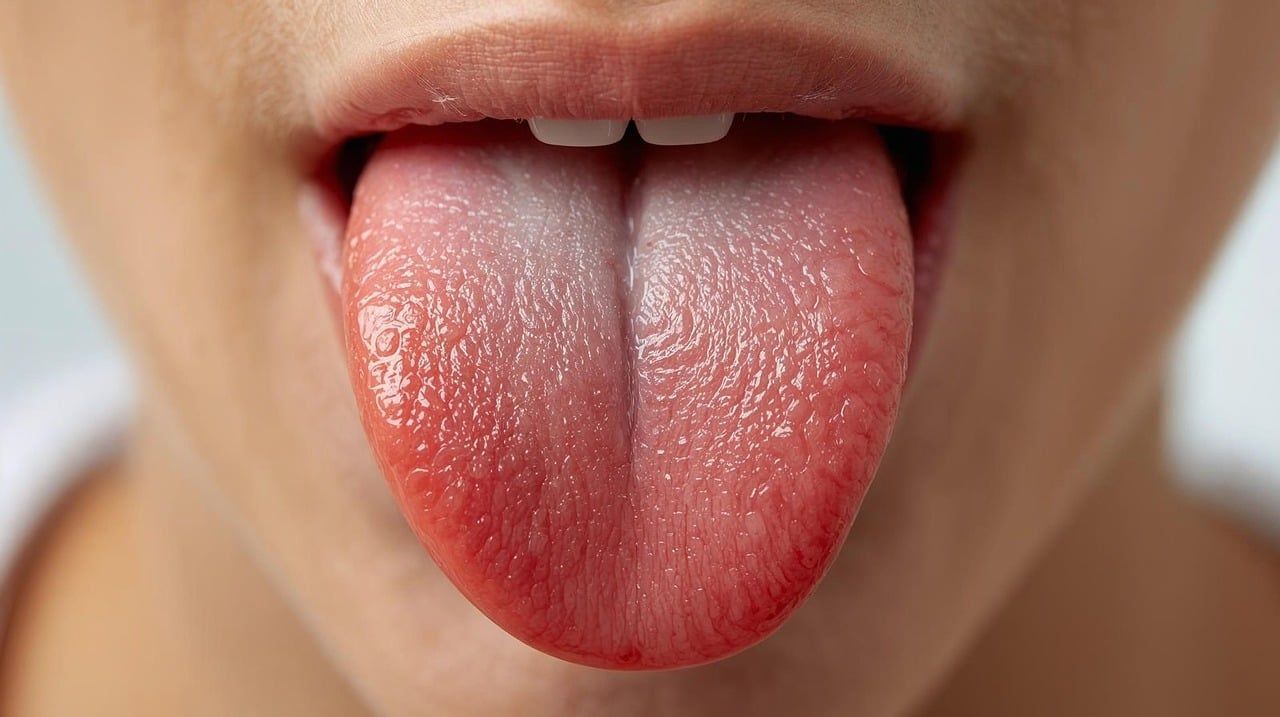
And what about your saliva? How many bathtubs do you think you can fill with your year's supply? Saliva helps break down and swallow food, fights bacteria, and neutralizes acid, among many benefits. So, if it is that good for you, it’s no surprise your mouth produces tons of it. In fact, it makes between 250 and 730 quarts a year, equivalent to filling a small swimming pool over a lifetime.

5

Brain

Credit: BUDDHI Kumar SHRESTHA

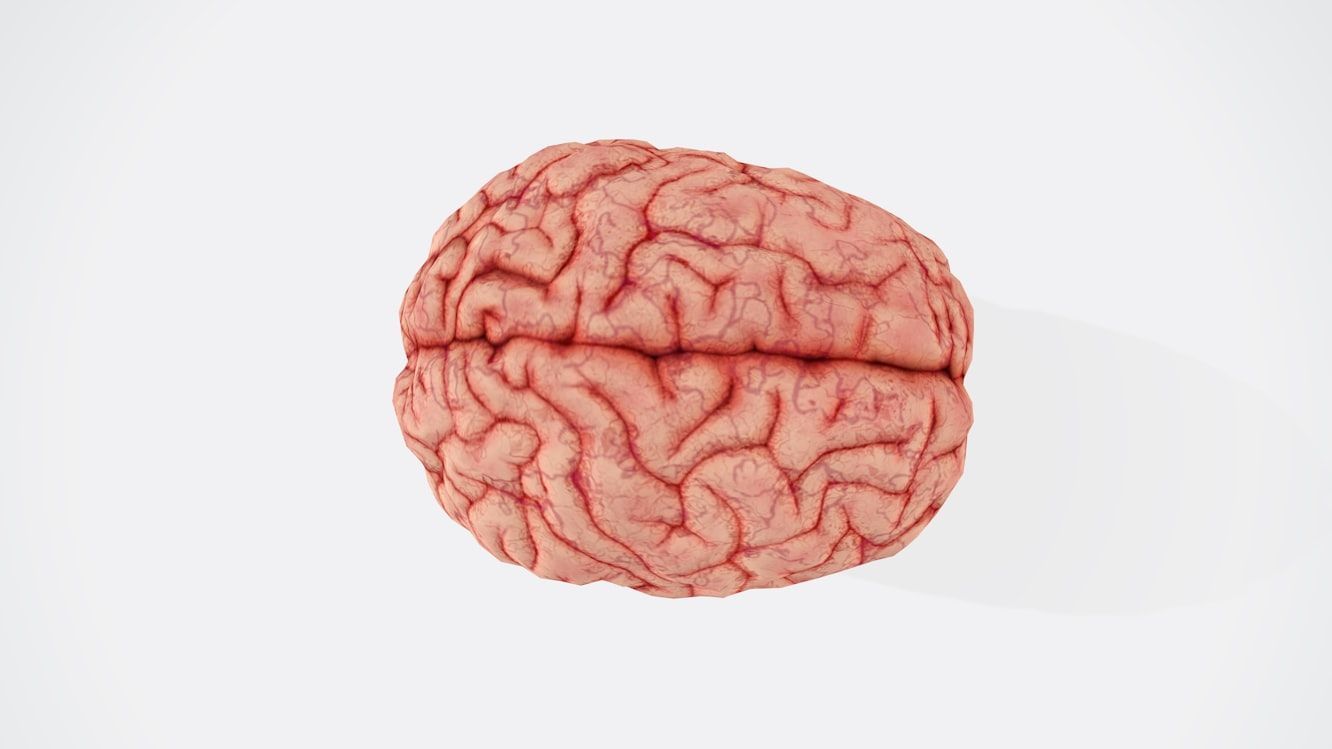
That pink squidgy blob inside your head is stuffed with facts, memories, and dreams. Your brain is constantly crackling with tiny pulses of electricity, performing ten quadrillion calculations per second. They’re brilliantly complicated machines that scientists are only just beginning to understand. One thing is for sure: an average person has 1460 dreams in a year, about four dreams every night, or to put it another way, around the same as the number of miles from Denver to Nashville.

6

Nerves

Credit: camilo jimenez

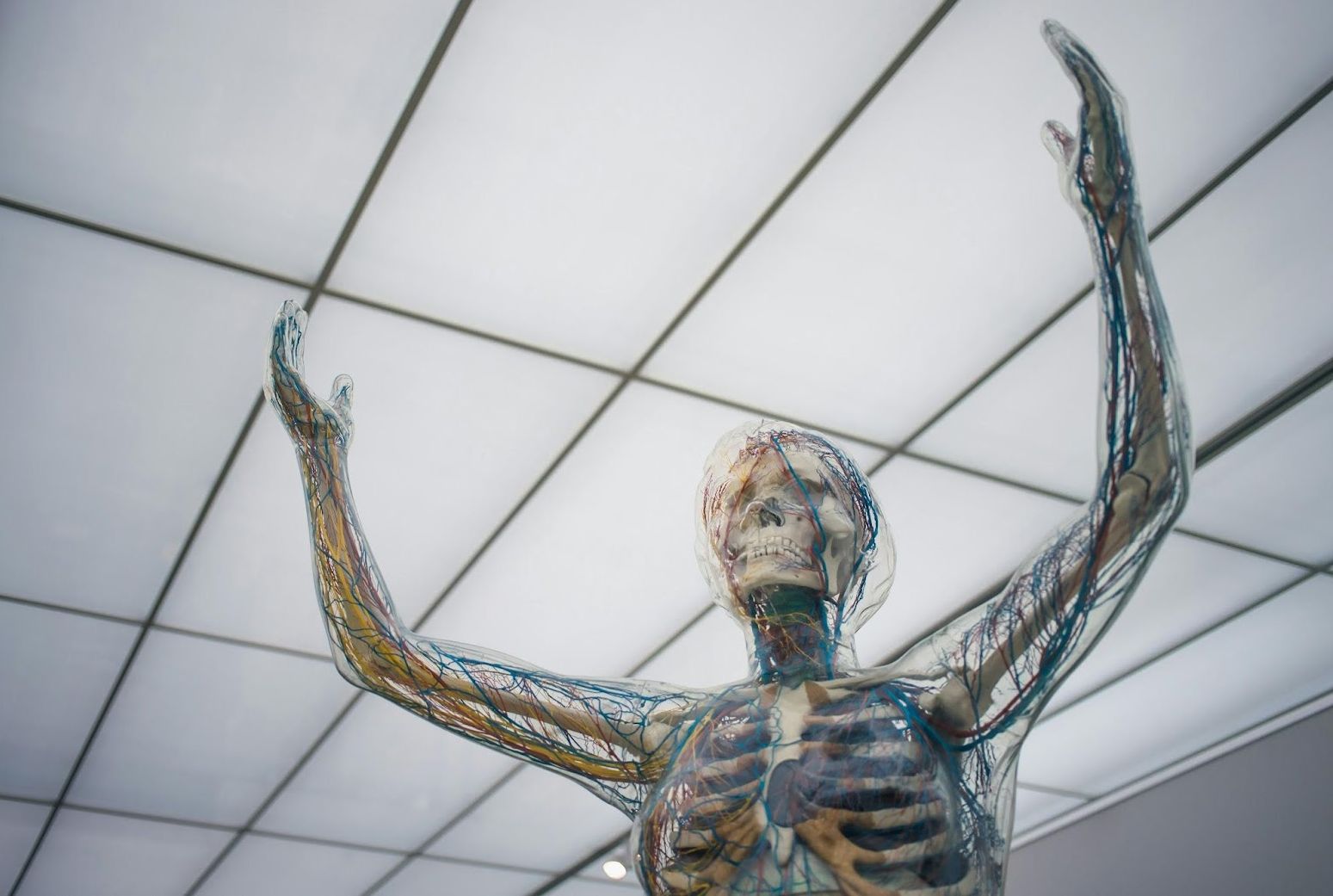
Clever as your brain is, it wouldn’t be able to do much without the network of nerves that link it to the rest of your body. Nerves bring information from your senses to your brain and deliver orders from your brain to the other organs. As you can imagine, if we were to measure that amazing network, we would end up with a lot. In fact, every person has a whopping 44 miles of nerves running through their skin. Can you imagine?

7

Skin

Credit: Ximena Mora

The outer layer of your skin is called the epidermis and consists of dead cells that provide protection from dirt and germs. What you probably didn’t know is that your body is constantly losing and replacing these cells. Also, your dead skin cells sometimes absorb water and swell. This is the reason the ends of your fingers go wrinkly in the bath. But don’t worry, the entire surface of your skin is replaced every month.

Want to play some more? How much do you think the average adult’s skin weighs? Just under 7 pounds, or as we like to say, the same as three pineapples!

8

Hair

Credit: Ashton Bingham

Human hair feels soft, but it’s one of the strongest fibres on the planet. The number of hairs on your head ranges from around 9,000 to 140,000, depending on what sort of hair you have.

Everyone loses about 50 to 100 hairs every day, but this process can speed up in men as they get older. Hair generally grows about half an inch a month, or 6 inches a year. Yet, if you don’t cut it regularly, it will most likely stop growing when it’s about 5 feet long.

9

Bones

Credit: cottonbro studio

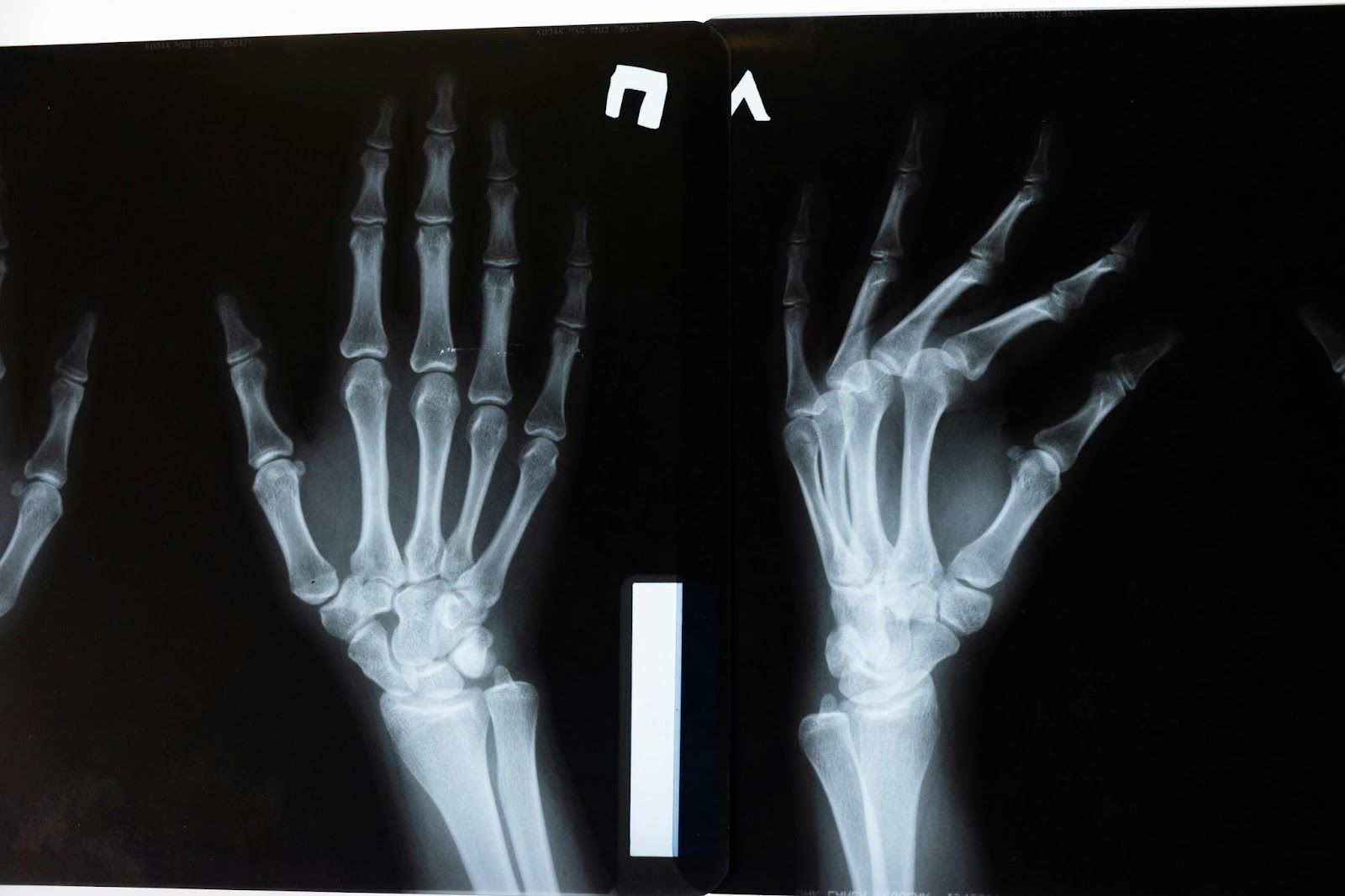
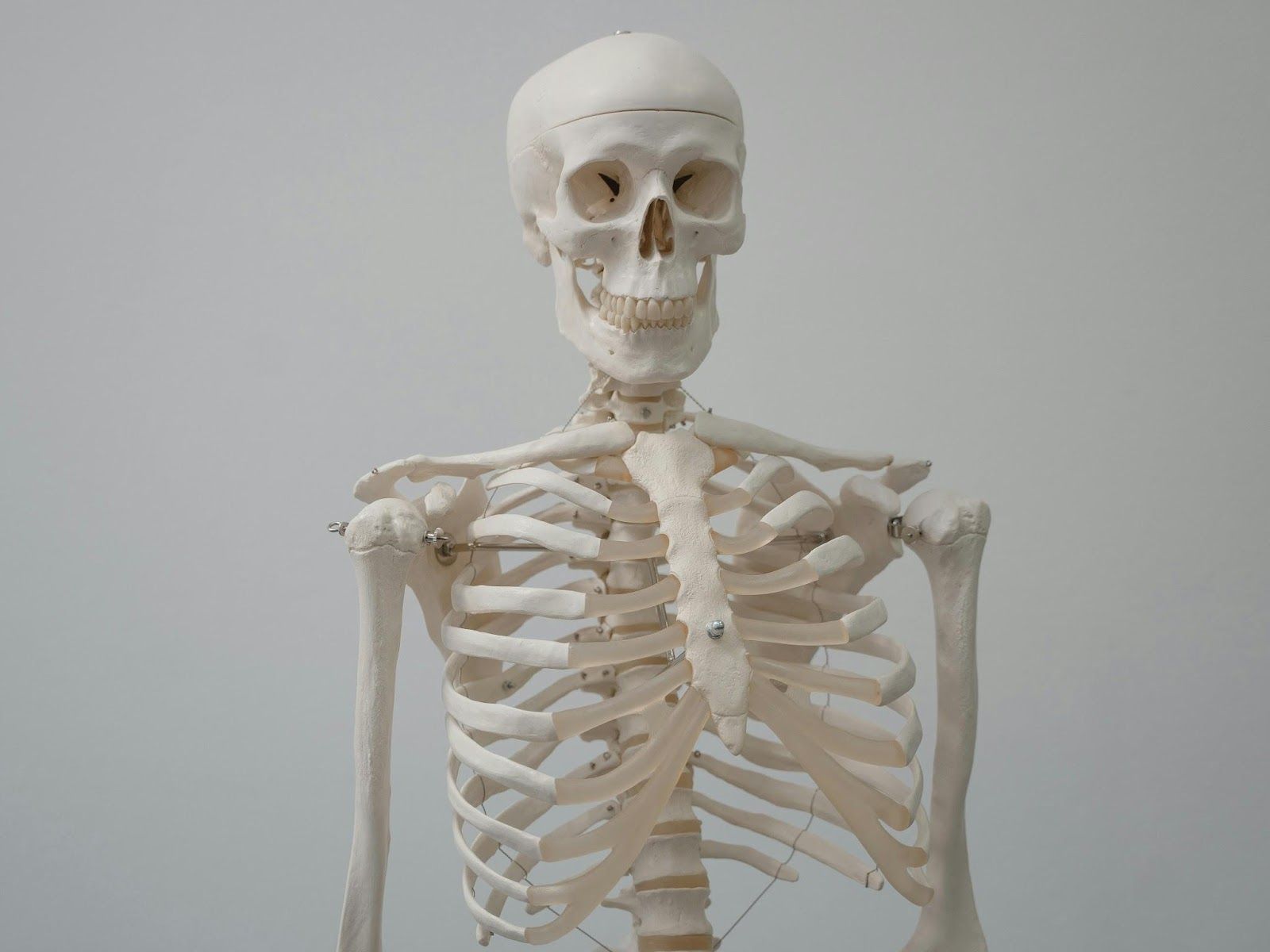
This fact is not for skeptics: the average adult’s skeleton weighs the same as one car tyre. In fact, our skeleton only makes up about 15 per cent of our overall body weight. So, next time someone tells you that big bones is the reason for them being overweight, be suspicious.

Another fun fact? Your collarbone is the last of your bones to stop growing when you become an adult. Called the clavicle, it doesn’t stop growing until you’re about twenty-five.

10

Muscles

Credit: The Lazy Artist Gallery

Human muscles, on the other hand, make up about 40% of your body weight, and there are more than 600 of them. Yet, you use just 200 when you take a step, and almost all of them when you throw a ball.

The biggest muscle in your body is the _gluteus maximus_—a.k.a your bum. The smallest is in your ear, the stapedius, just about forty thousandths of an inch. The jaw muscle is the strongest by force, and the eye muscles are the busiest—10,000 movements an hour when reading! Our favorite muscle, though? The heart, of course!
Who knew?

How did they know? 11 unbelievable cases of writers predicting the future


Published on January 15, 2026


Credit: Michael Dziedzic

Do modern inventions ever remind you of things you’ve read in old books? Do you ever find yourself pointing and saying, "Just like The Jetsons!" or "The Simpsons predicted this!"? Sometimes, real life ends up imitating art, even centuries later. Let’s explore 11 cases where writers anticipated the future, ranging from logical to downright eerie.

1

The sinking of the Titanic

Credit: K. Mitch Hodge

Did you know that a novel from 1898 predicted the Titanic disaster with an eerie degree of precision? Fourteen years before the real event, there was... the Titan.

Morgan Robertson published Futility, later retitled The Wreck of the Titan. It told the story of a massive British ocean liner called the Titan, described as unsinkable. The ship struck an iceberg in the North Atlantic, carried too few lifeboats, and sank in April, all details that mirror the Titanic tragedy.

2

Screens in the form of tablets

Credit: Arthur Lambillotte

Isaac Asimov imagined the iPad, more or less, back in 1964. In an essay for The New York Times, the sci-fi legend described what life might look like in 2014. Among his predictions was that people would use a "compact screen" to read books, watch videos, and communicate with others, all without ever leaving their homes.

Asimov essentially foresaw smart electronic tablets and even hinted at remote work and distance learning decades before they became reality.

3

Walt Disney Co. purchasing Fox

Credit: Steve DiMatteo

In a 1998 episode of The Simpsons ("When You Dish Upon a Star"), Homer crashes into a Hollywood meeting and we briefly see a sign that reads: "20th Century Fox — a division of Walt Disney Co."

At the time, this was a playful nod to Disney’s ever-growing empire. But in 2019, it became real: Disney acquired 21st Century Fox for $71.3 billion.

4

Spaceships launched from Florida

Credit: SpaceX

In his 1865 novel From the Earth to the Moon, Jules Verne got more than one detail right, including which U.S. state would one day launch spaceships.

Verne imagined a three-man crew in a projectile fired from Florida (near modern-day Cape Canaveral) that splashed down in the Pacific Ocean. Yes, just like Apollo 11, more than a hundred years later. That’s a remarkably accurate prediction for a piece of fiction written during the Civil War era!

5

Video calls and conferences

Credit: Gabriel Benois

Do you remember seeing people communicate through large flat screens in The Jetsons and laughing at it as an exaggerated gag about the future? Well, who’s laughing now?

In Hanna-Barbera’s 1962 show, the characters used "televiewers" to chat across long distances, surprisingly similar to how we use Zoom or FaceTime today. Other works, like E.M. Forster’s The Machine Stops (1909), had predicted remote video communication even earlier, but The Jetsons cemented the concept visually in pop culture.

6

In vitro fertilization

Credit: bady abbas

IVF was predicted as far back as 1924, 54 years before the first "test-tube baby" was born.

British biologist J.B.S. Haldane imagined a world of artificial reproduction. In his essay Daedalus; or, Science and the Future, he coined the term "ectogenesis" to describe babies being grown outside the womb.

7

AI as a widespread therapy

Credit: Emiliano Vittoriosi

In Steel Beach (1992), sci-fi author John Varley envisioned a future where artificial intelligence provided therapy. In his story, the Central Computer actively counsels people, offers psychological evaluations, and responds to emotional needs.

At a time when AI was still seen as a cold, mechanical concept, Varley’s story offered a surprisingly human twist. Today, studies show that many people using AI chatbots turn to them for emotional support and counseling.

8

The concept of robots (while installing the name)

Credit: Possessed Photography

The word "robot" entered the English language in 1920 through a Czech play titled R.U.R. (Rossum’s Universal Robots) by Karel Čapek. These "robots" weren’t mechanical machines but biological workers created to serve humans. The name came from the Czech word robota, meaning "forced labor." A century later, the term has clearly stuck.

9

Artificial (slightly scary) intelligence

Credit: Mateo Avila Chinchilla

In 2001: A Space Odyssey (1968), Arthur C. Clarke introduced HAL 9000, an AI so advanced it could carry out conversations, read lips, and make decisions. But Clarke’s futuristic vision also included video calls, flat-screen tablets, and casual digital multitasking, all decades before such technology existed.

HAL’s breakdown was fiction, but Clarke accurately foresaw how machines would gradually take over our attention.

10

Lab-grown meat

Credit: Olivier Amyot

In 1880, Mary E. Bradley published her book Mizora: A Prophecy. Maybe not all of the details in her all-female utopia were prophetic, but she did get one thing right: artificially grown meat. In her world, food wasn’t farmed but created through chemical processes in laboratories.

It sounded outlandish at the time, but today some food companies are doing exactly that. Bradley’s vision came long before environmentalism or animal rights were mainstream. Somehow, in a story about feminism and science, she also imagined what we might now call the vegan burger.

11

The commercial use of credit cards

Credit: Stephen Phillips - Hostreviews.co.uk

Credit cards might seem like a very modern invention, but they were anticipated in an 1888 novel. Looking Backward, by Edward Bellamy, imagined a future in the year 2000 where everyone received a card loaded with "credit" from the government. People used this card to access goods from massive communal warehouses—similar to what we today would call department stores.

Looking for an extra scoop of literary fun?

Learn more with our Word of the day

headstrong

/ˈhɛdˌstrɔŋ/