Fantasy worlds
From Oz to Wonderland: 10 of the strangest worlds authors ever dreamed up
Published on March 27, 2026
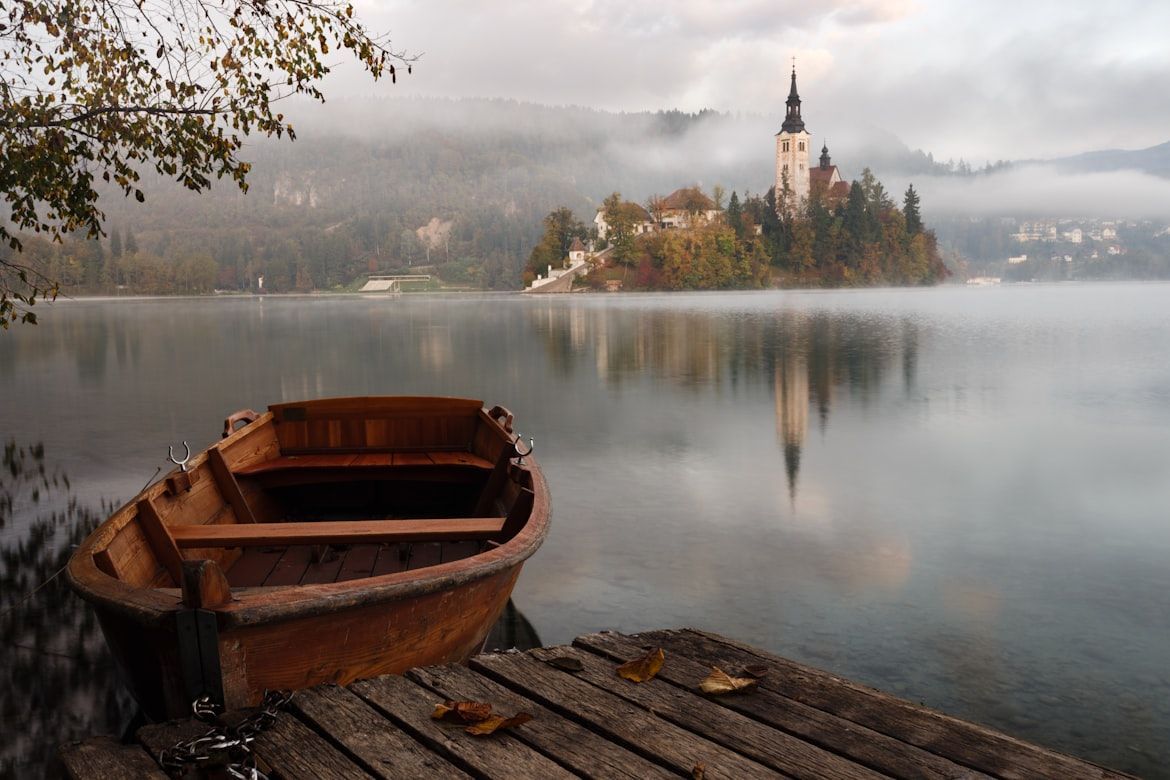 Image: Artem Sapegin
Fiction has given us worlds beyond comprehension—realms where logic collapses, physics defies expectation, and imagination reigns supreme. From cities in the sky to entire worlds beneath our own, some of these fictional places have captivated us since their creation. Join us on a fantastical journey through some of the quirkiest and most head-scratching of these imagined worlds.
Wonderland
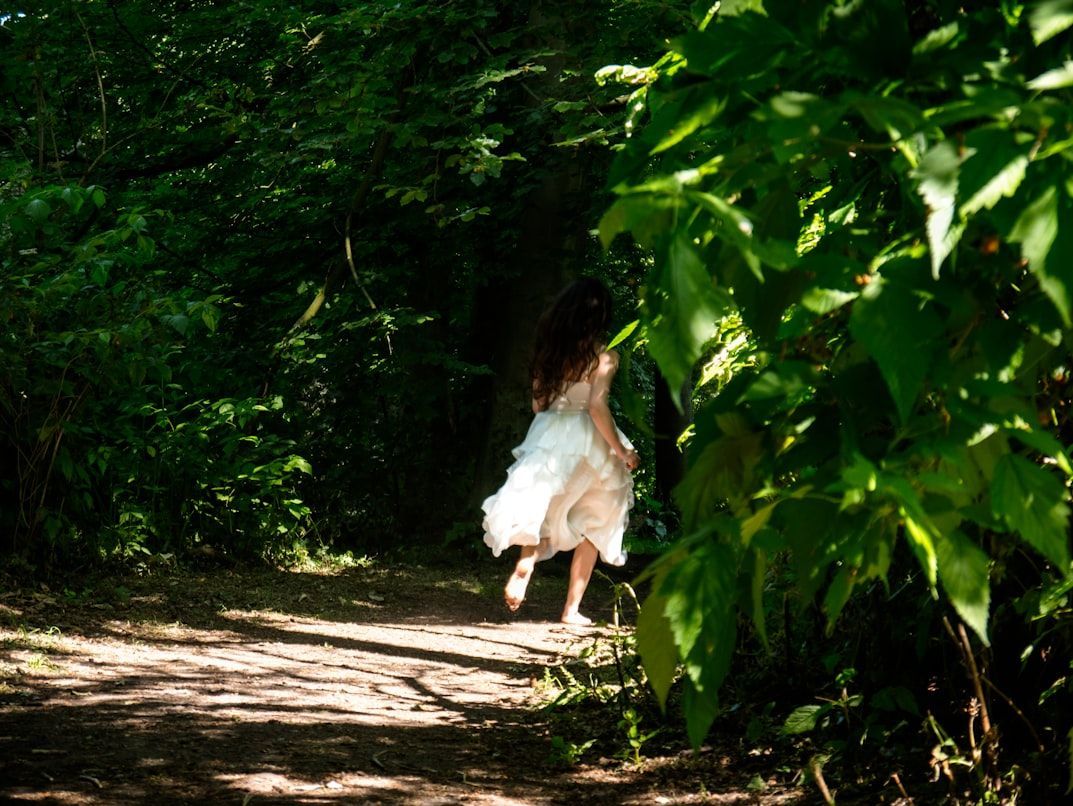 Image: Alex Muromtsev
Lewis Carroll’s 1865 Alice’s Adventures in Wonderland conjured a world where words, rules, and even size lose all meaning. Time halts at tea parties, cats vanish mid-sentence, and logic itself becomes nonsense.
Carroll, a mathematician and Oxford don, infused what at first glance seems like just a children’s story with riddles, puns, and complex paradoxes. The book’s wordplay critiques Victorian social norms while subtly introducing mathematical and logical concepts.
The Land of Oz
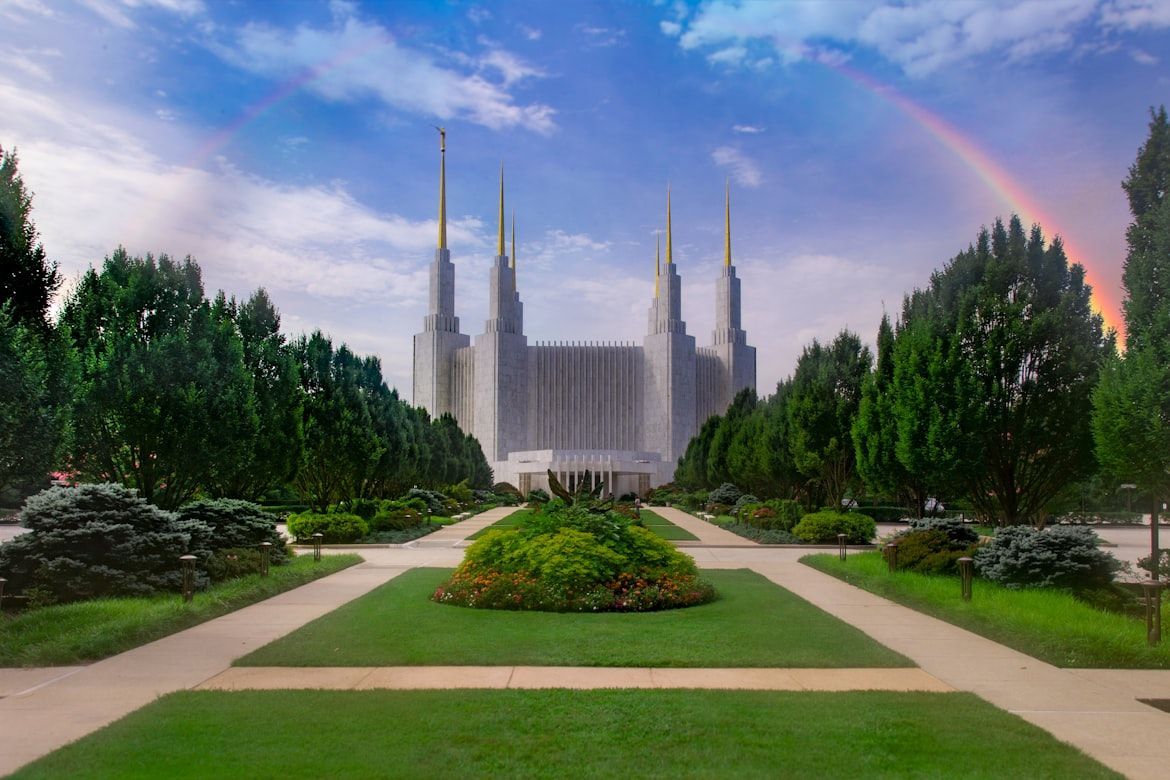 Image: ActionVance
A technicolor realm of talking animals, magical shoes, and wicked witches, L. Frank Baum’s 1900 classic The Wonderful Wizard of Oz reshaped children’s literature forever. Baum’s storytelling introduced a vivid fantasy world filled with unique characters, whimsical landscapes, and moral lessons that appealed to both children and adults.
Characters like the Tin Man and the Cowardly Lion have become iconic figures in American popular culture for generations. The 1939 MGM film starring Judy Garland cemented the book’s imagery, leaving an enduring influence on film, theater, and the broader cultural imagination.
Neverland
 Image: Andrew Sharples
An island where no one grows up and pirates battle endlessly, J.M. Barrie’s Peter Pan debuted in 1904 and quickly became a lasting symbol of escapism. Barrie first introduced the character in a 1902 play before expanding the story into his 1911 novel, embedding themes of adventure, imagination, and the tension between childhood and adulthood.
Psychologists and literary scholars often reference Neverland as an allegory for arrested development, representing the desire to remain permanently in a state of innocence and freedom.
Narnia
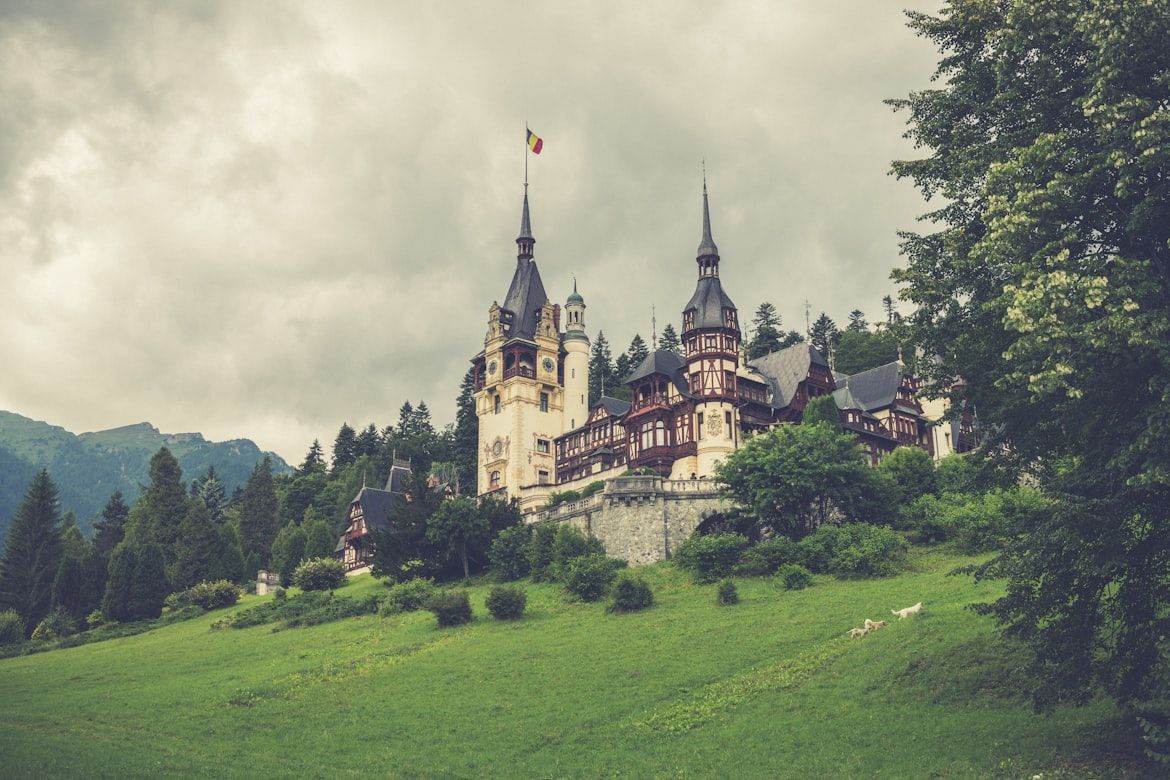 Image: Hari Nandakumar
A wardrobe that opens to another world, talking lions, and epic battles of good versus evil—C.S. Lewis’s The Chronicles of Narnia (first published in 1950) created a richly imagined fantasy universe.
Drawing on Christian allegory, classical mythology, and his own experiences in World War I, Lewis crafted seven novels that explore courage, faith, and moral growth through fantastical adventures. The series has had a profound cultural impact, inspiring stage adaptations, radio dramas, films, and countless illustrated editions.
Laputa
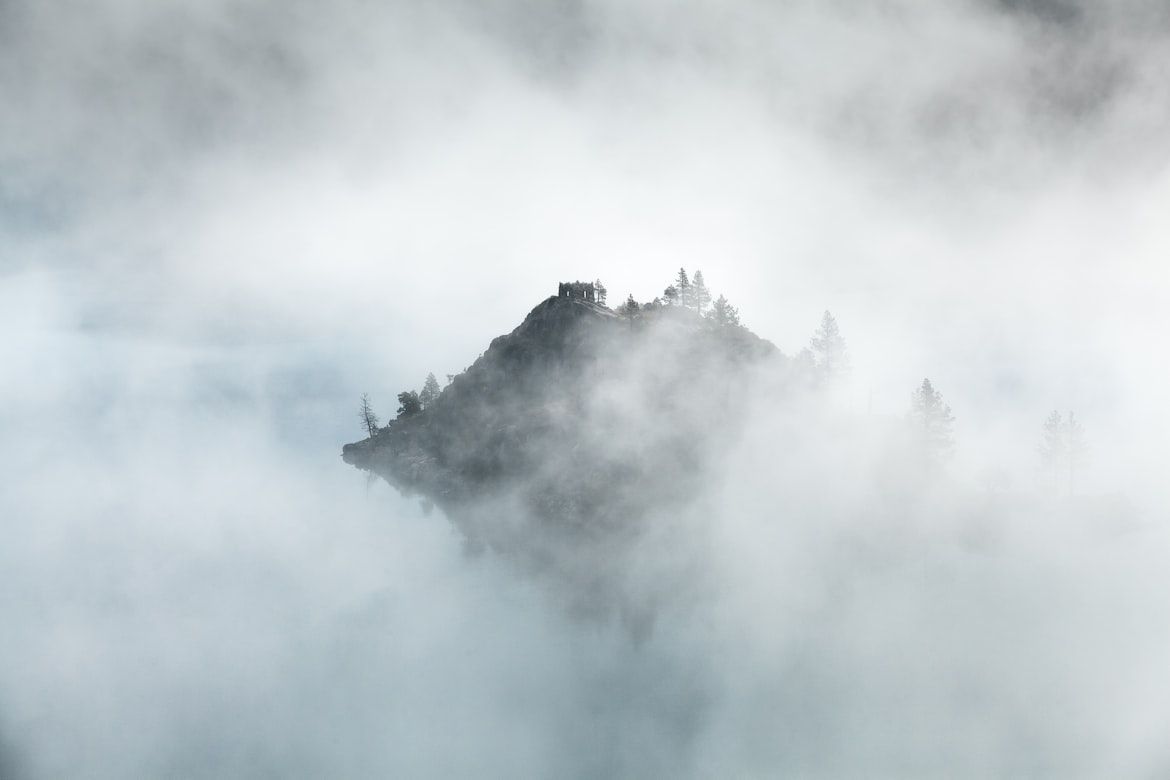 Image: Etienne Desclides
A floating island of science, invention, and eccentric rulers, Laputa appears in Jonathan Swift’s 1726 Gulliver’s Travels. The island hovers in the sky, controlled by magnets, and is inhabited by scholars obsessed with abstract mathematics, music, and astronomy—often to the detriment of practical life below.
Swift, a master of satire, used Laputa to lampoon the scientific and political elite of his time, highlighting their detachment from practical, everyday concerns. Its striking imagery has also had a lasting impact on the depiction of futuristic societies and utopian civilizations.
The Shire
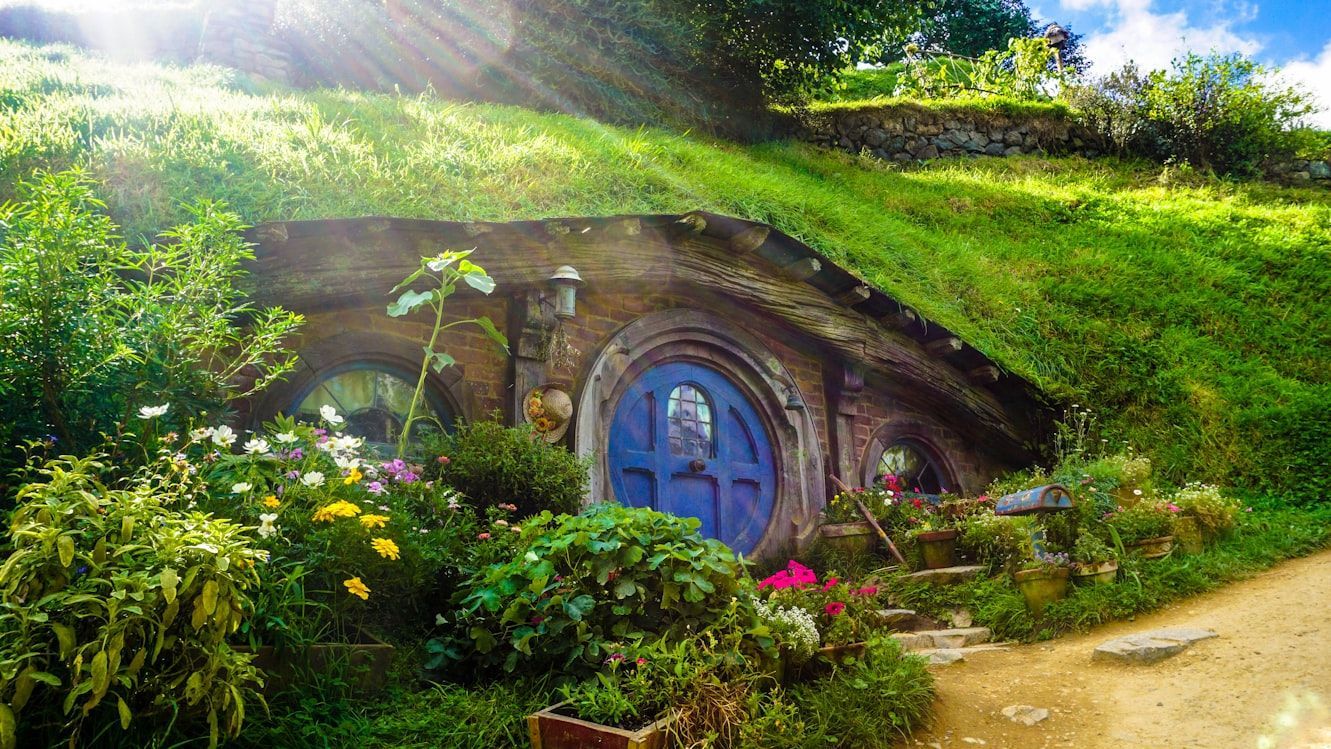 Image: Andres Iga
Rolling hills, cozy hobbit holes, and a peaceful, pastoral life—J.R.R. Tolkien’s Shire, introduced in The Hobbit (1937) and The Lord of the Rings (1954–55), embodies an idyllic, pre-industrial England beneath the veneer of a fantasy world.
Tolkien, a scholar of languages and mythology, infused the Shire with intricate customs, poetry, and festivals, aiming to create a mythology for England that he felt was missing—one that celebrated simplicity, community, and harmony with nature.
The Lost World
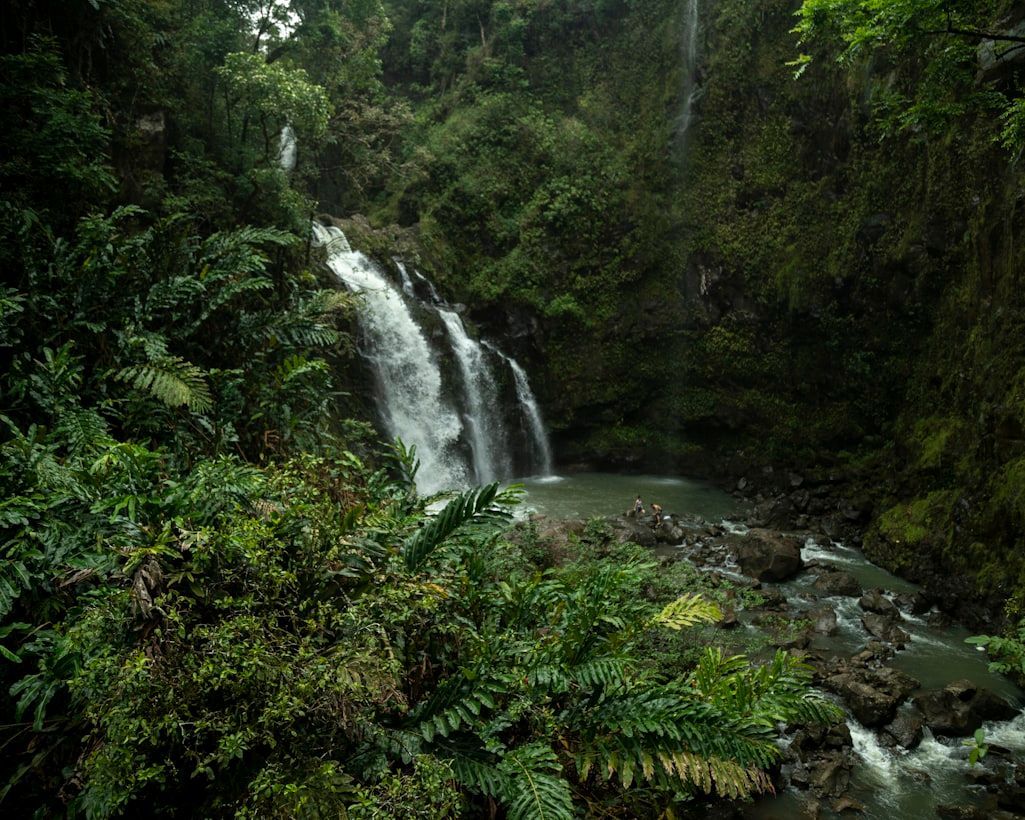 Image: Derek Owens
A hidden plateau where dinosaurs and prehistoric creatures survive, Arthur Conan Doyle’s 1912 novel The Lost World introduced readers to a thrilling world untouched by time. Doyle’s story follows Professor Challenger and his expedition as they encounter giant reptiles, ape-men, and other wonders on a remote South American plateau, blending adventure with early paleontological speculation.
Doyle was likely inspired by Mount Roraima, a flat-topped plateau in South America’s Guiana Highlands. Its sheer cliffs, isolated ecosystem, and mysterious cloud-covered summit provided a tangible model for the novel’s prehistoric world.
Atlantis
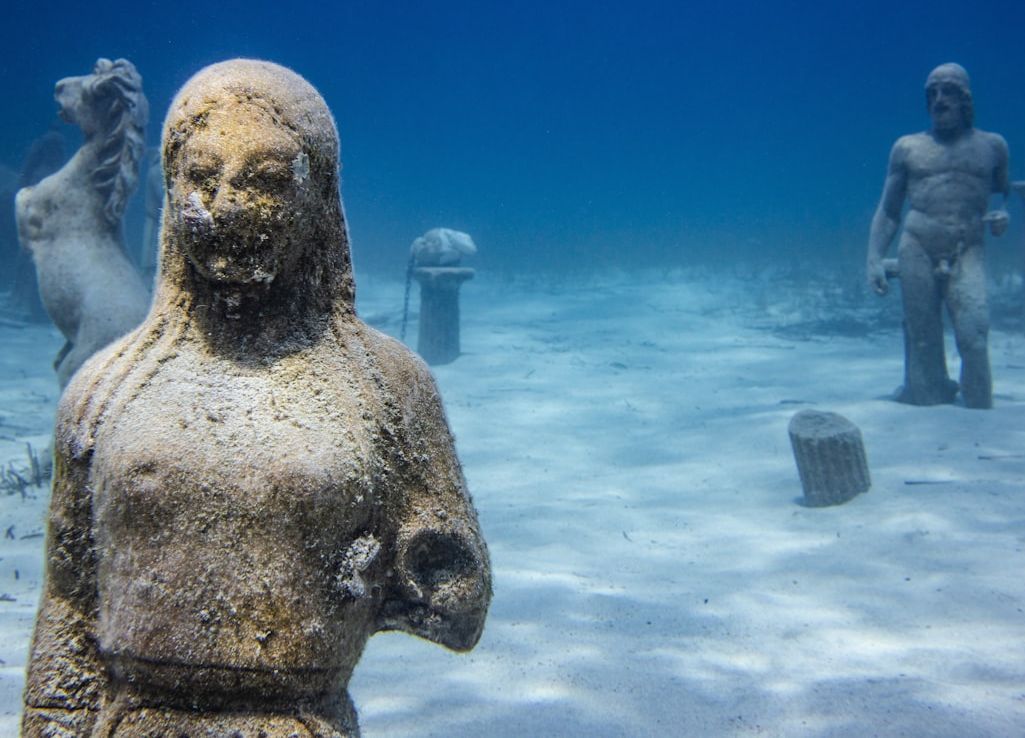 Image: Mikhail Preobrazhenskiy
A legendary sunken city, Atlantis was first described by Plato in his dialogues around 360 BCE. According to Plato, Atlantis was a powerful and advanced civilization that sank beneath the ocean in a single day and night of catastrophic events, serving as a cautionary tale about hubris and moral decline.
Despite its origin as a philosophical example, many scholars believe Atlantis was inspired by the real-life Minoan civilization on Crete. The Minoans were an advanced maritime society whose cities, such as Knossos, were eventually devastated by natural disasters, including the volcanic eruption of Thera (Santorini) and subsequent tsunamis.
Pellucidar
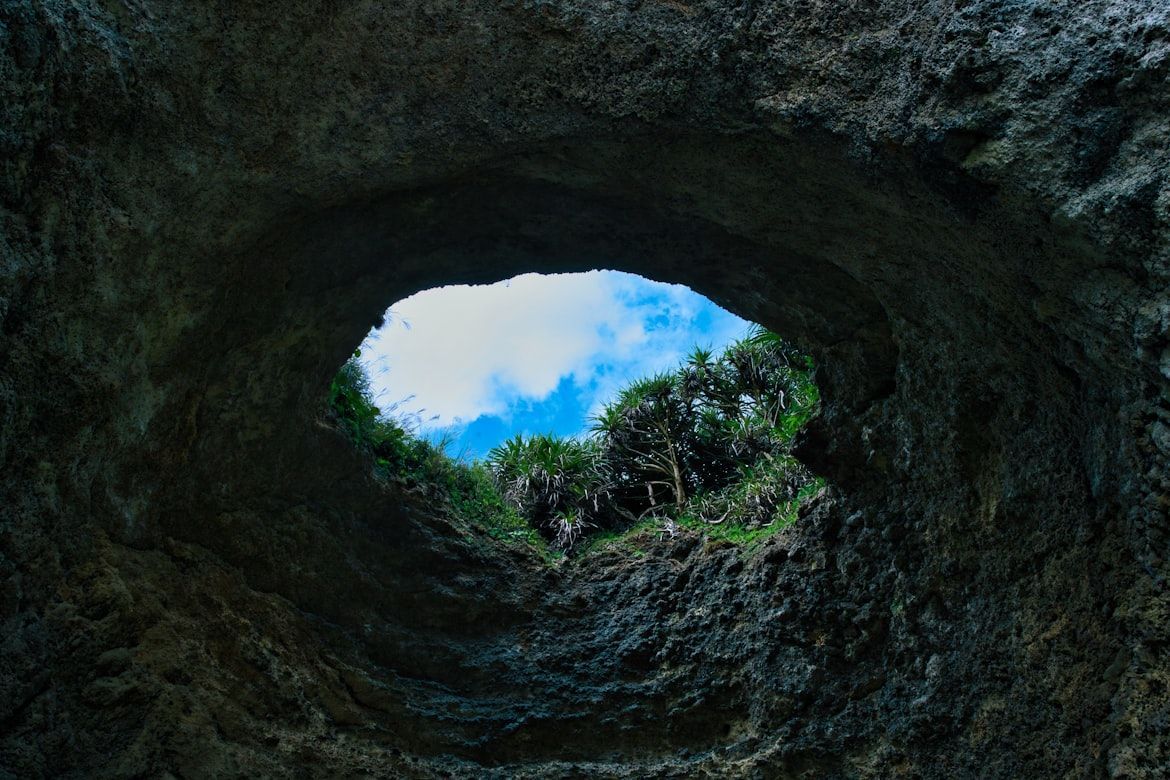 Image: Yoshihiro
A hollow Earth filled with prehistoric creatures and lost civilizations, Edgar Rice Burroughs’s Pellucidar (1914) imagines a world at the center of the planet, lit by an eternal inner sun. The series follows David Innes and his adventures among tribes of humans, dinosaurs, and other strange beings, blending swashbuckling action with imaginative geography.
Burroughs drew inspiration from the era’s fascination with unexplored frontiers and the Hollow Earth theories popular in the 19th century. Pellucidar has influenced later science fiction and adventure literature, inspiring works that explore hidden worlds and isolated ecosystems.
Brigadoon
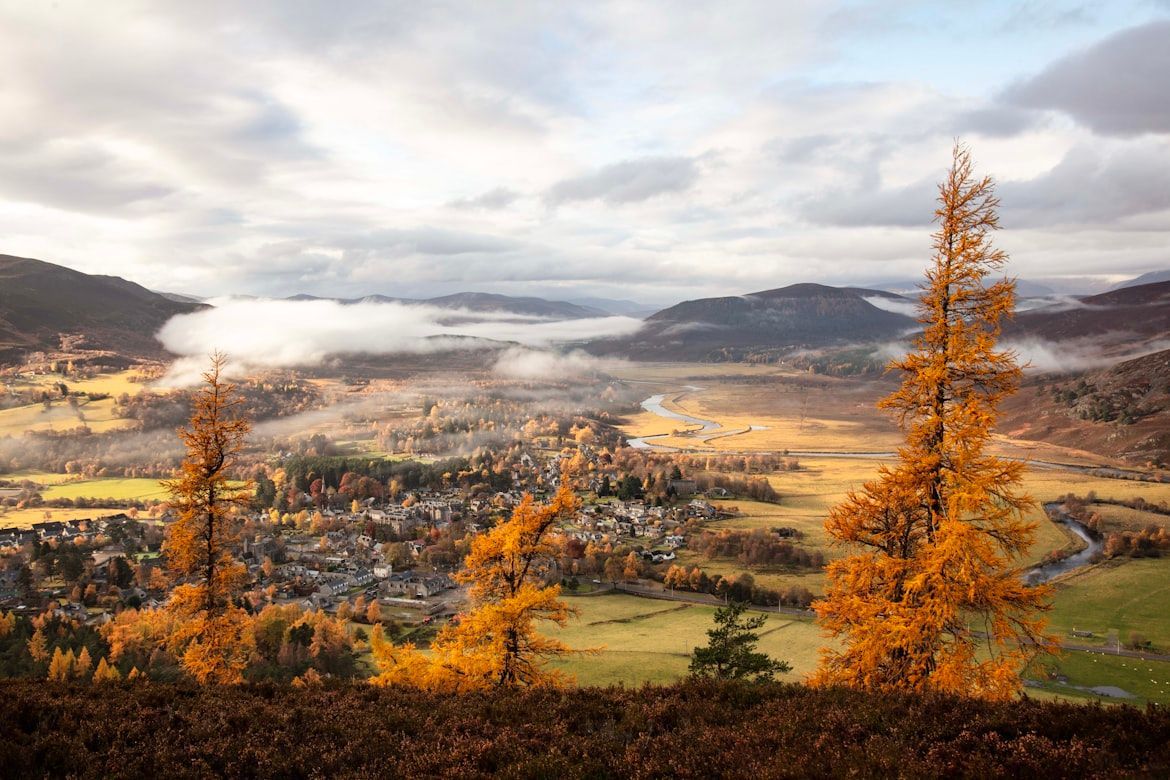 Image: martin bennie
A mysterious Scottish village that appears for only one day every hundred years, the legend of Brigadoon draws on deep-rooted folklore from the Scottish Highlands. The tale likely originates from myths of fairy-haunted glens and hidden villages, where magic protected communities from outsiders and the passage of time.
Such stories often emphasized the danger and allure of the supernatural, reflecting local beliefs about enchanted landscapes and the thin boundary between the human and fairy worlds.


