Are your words as "vulgar" as you think? 10 shocking etymological origins


Published on May 16, 2026


Image: Melike B

Etymology—the study of word origins—reveals that the terms we use daily often started with meanings that were drastically different, sometimes even comical or celestial. When we look into the lineage of our vocabulary, we find traces of Viking warriors, Greek myths, and even the breaking of river ice. Continue reading to discover 10 words with fascinating origin stories.

1

Galaxy

Image: Guillermo Ferla

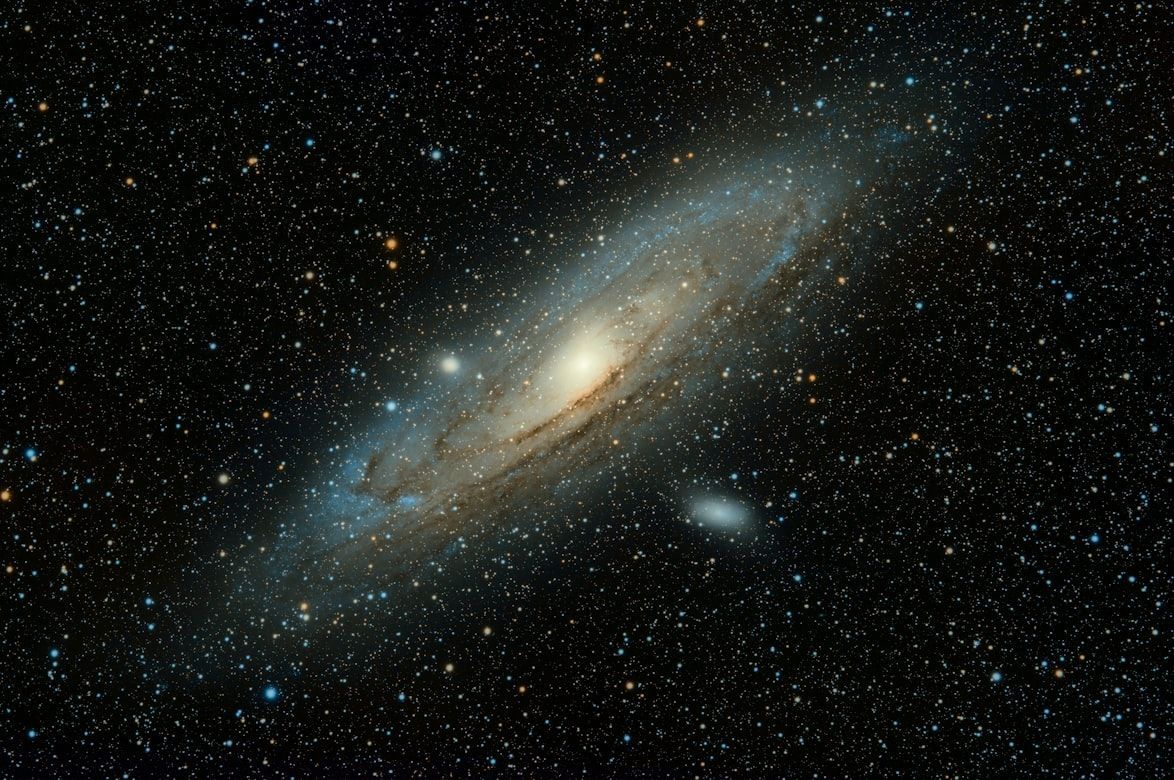
When we think of a galaxy, we imagine vast, swirling clusters of billions of stars across the vacuum of space. However, the origin of the word is much more domestic. The term comes from the Greek galaxias, which is derived from gala, meaning "milk".

This linguistic connection stems from Greek mythology. According to legend, the Milky Way was created when the goddess Hera was nursing the infant Heracles. When she pulled away, a spray of milk streaked across the sky. To the ancient Greeks, the glowing band of light in the night sky was literally the "milky circle". While we now know that galaxies are composed of stars and gas, our scientific terminology remains rooted in an ancient story of a mother and her child.

2

Marmalade

Image: Nadin Trosh

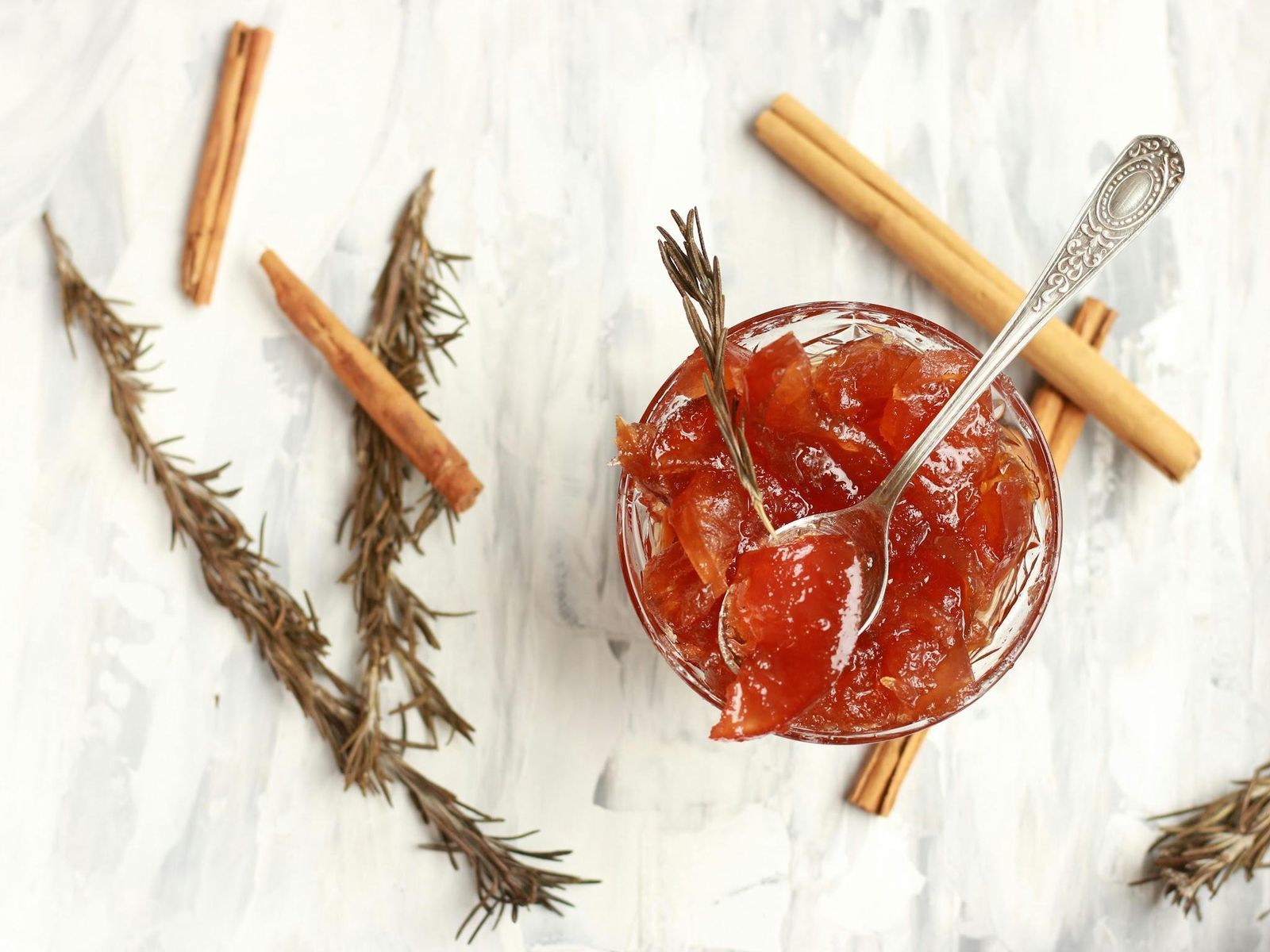
While most of us associate marmalade with a bitter orange preserve enjoyed at breakfast, the word’s history has nothing to do with citrus. It comes from the Portuguese word marmelada, which was a preserve made from marmelo, the word for "quince".

In the 15th and 16th centuries, quince paste was a thick, solid confection often imported into England. As the centuries passed and international trade expanded, bitter Seville oranges replaced quinces as the primary ingredient in these preserves.

3

Berserk

Image: Fernando Cortés

To go "berserk" is to lose all control, acting with a wild, frenzied energy. The origin of this word is found in the terrifying Viking warriors of Old Norse lore. The term berserkr is a compound of ber- (meaning "bear") and serkr (meaning "shirt" or "garment").

These "berserkers" were legendary fighters who entered battle in a state of trance-like fury, wearing bear skins rather than armor. Some historians believe their frenzy was induced by hallucinogenic mushrooms or heavy drinking, but the result was a warrior so fierce they were said to be immune to fire and iron. Today, the word has transitioned from a specific type of Norse soldier to a general description of chaos.

4

Weird

Image: Cecilia Miraldi

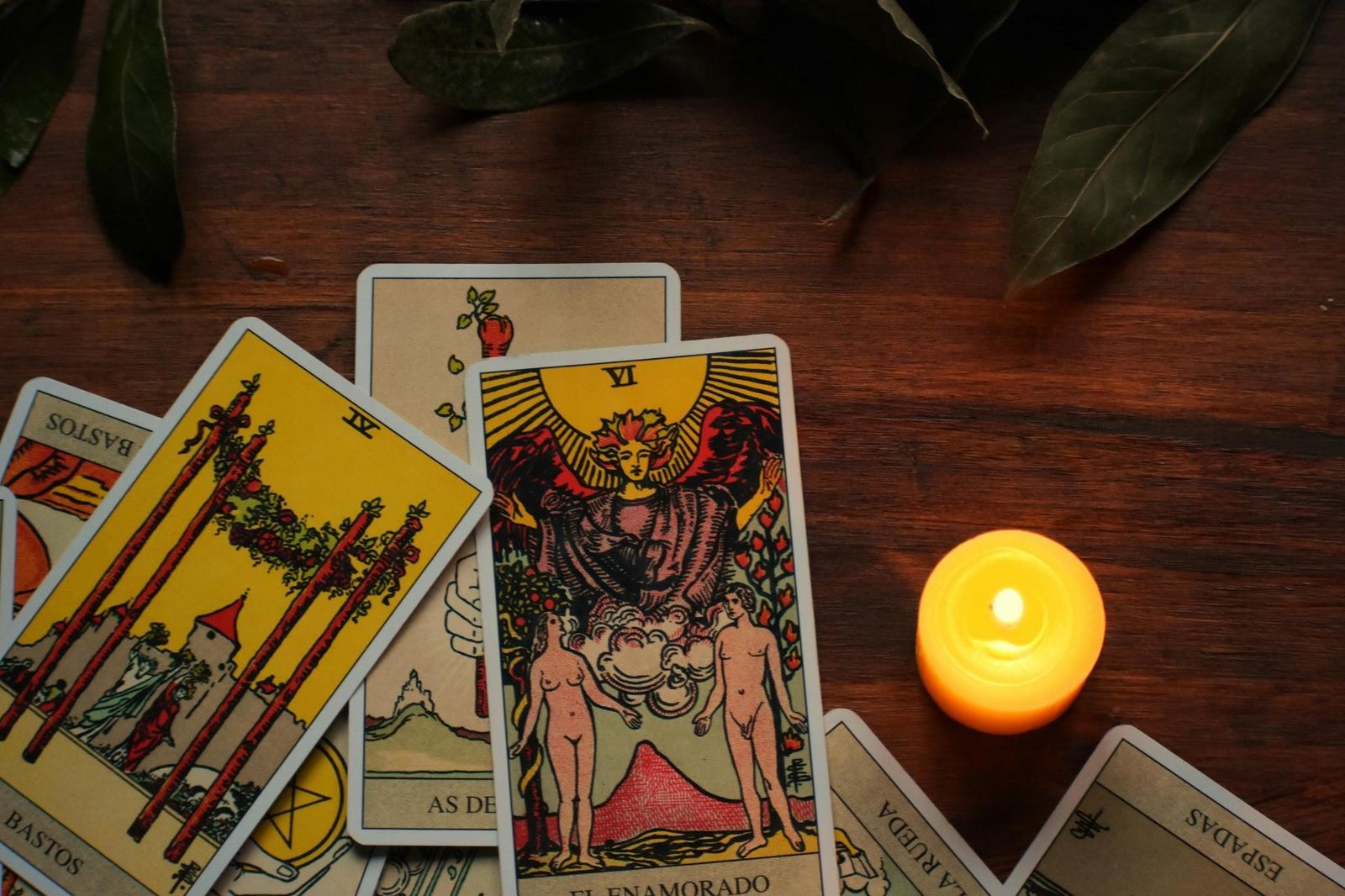
In modern English, weird simply means strange or freaky. But in Old English, the word wyrd meant "fate" or "destiny". That is to say, it was a noun, not an adjective. A person’s wyrd was the unchangeable path laid out for them by the universe.

The shift toward the modern meaning of "strange" was largely influenced by William Shakespeare. In Macbeth, he introduced the "Weird Sisters", three witches who could see and manipulate the threads of fate. Because these characters were supernatural and unsettling, audiences began to associate the word "weird" with the uncanny and the bizarre.

5

Explode

Image: cottonbro studio

If a bomb explodes, it bursts with violent force. However, the word’s Latin ancestor, explodere, had a much more vocal meaning: "to clap out". In the world of ancient Roman theater, explodere meant to drive an actor off the stage by clapping, hissing, or shouting.

For centuries, "explode" referred to the rejection or driving out of an idea or a person through noise. It wasn’t until the 17th and 18th centuries, with the advancement of gunpowder and physics, that the word began to describe a physical, violent burst of pressure.

6

Vulgar

Image: Ryoji Iwata

Today, if someone is described as "vulgar", it usually means they are crude, offensive, or lacking in manners. But originally, the Latin vulgaris, from vulgus, the "common people", simply meant "common" or "ordinary".

For a long time, the "vulgar tongue" was simply the local language as opposed to the prestigious Latin used by the church and scholars. Over time, however, the word took on a snobbish, class-based connotation. The elite began to view anything common as inferior and unrefined, leading to the modern definition where "vulgar" is a synonym for "distasteful".

7

Arctic

Image: Hans-Jurgen Mager

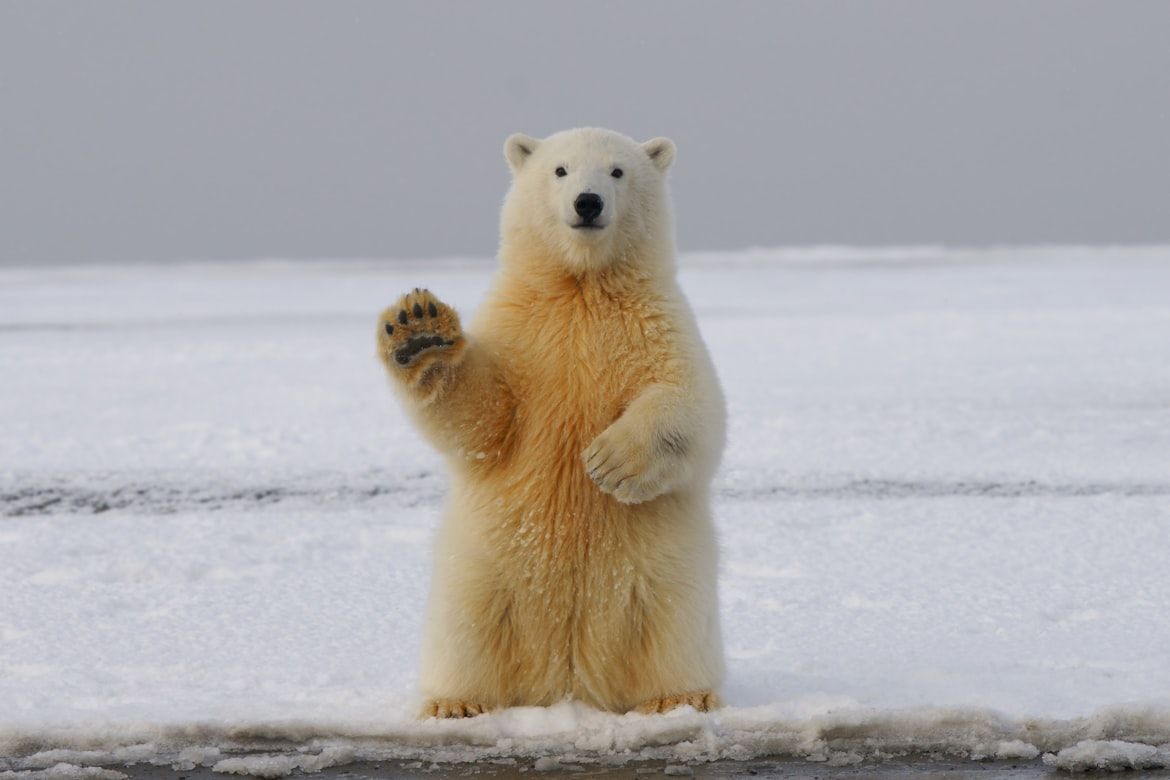
One might assume that "Arctic" is an indigenous word for the frozen north, but actually, it’s Greek in origin. Arktos is the Greek word for "bear". Yet, the region is not named for the polar bears that lived there, but for the constellations that hang above it.

In the northern sky, the constellation Ursa Major, the Great Bear, is an important landmark. To the ancient Greeks, the Arctic was simply the land under the Bear. Interestingly, the name for the southern pole, Antarctica, literally means "opposite the bear".

8

Camouflage

Image: James Wainscoat

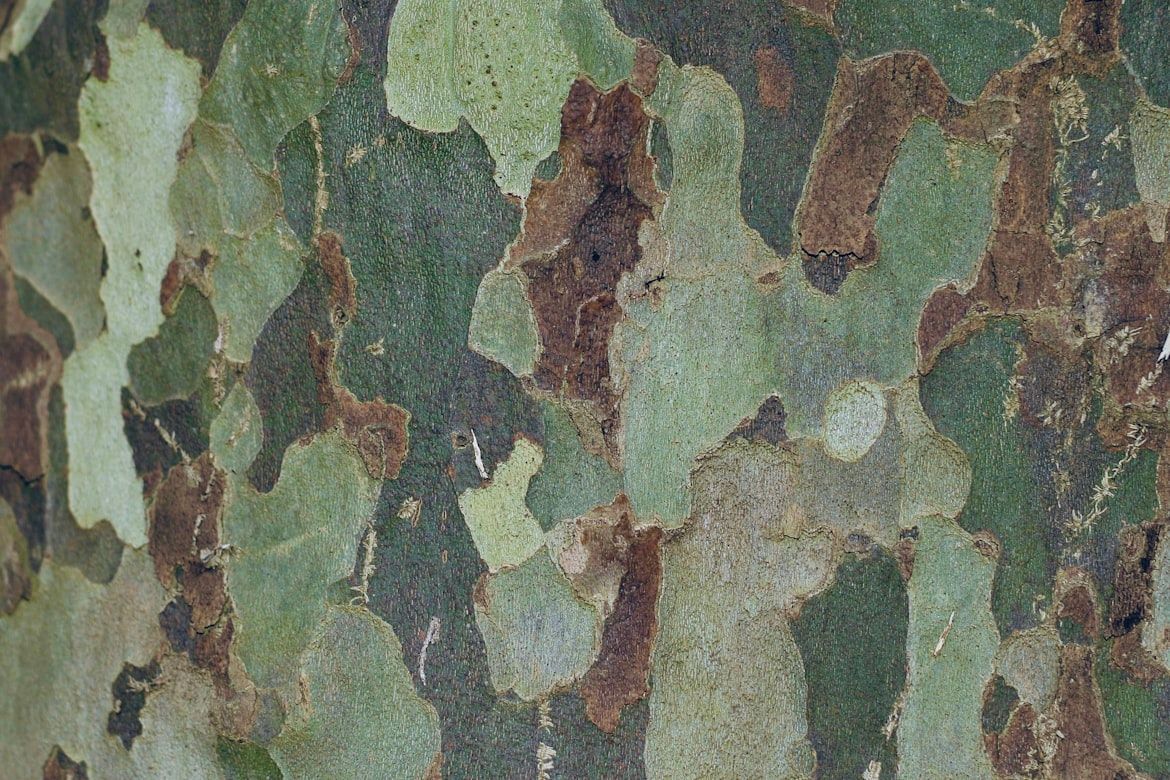
"Camouflage" is a relatively young word in the English language, entering common usage during World War I. It comes from the French camoufler, which was slang for "to disguise". In turn, some etymologists link it to camouflet, a term for a puff of smoke blown into someone’s face to distract them.

Before it was a military tactic used to hide tanks and soldiers, camouflage was a term used by thieves and actors to describe the art of changing one’s appearance. The war transformed it into a technical endeavor involving artists and biologists to create patterns that could deceive the enemy’s eye.

9

Flu

Image: Andrea Piacquadio

When we come down with the "flu", we rarely think about astrology. However, the word is a shortened form of influenza, which is Italian for "influence". In medieval times, people believed that outbreaks of disease were caused by the "influence" of the stars and planets.

Later, the term was refined to influenza del freddo, "influence of the cold". Eventually, the English language dropped the astrological baggage and the "cold" reference, leaving us with a punchy, three-letter word for a respiratory virus.

10

Debacle

Image: Arkadiusz Gąsiorowski

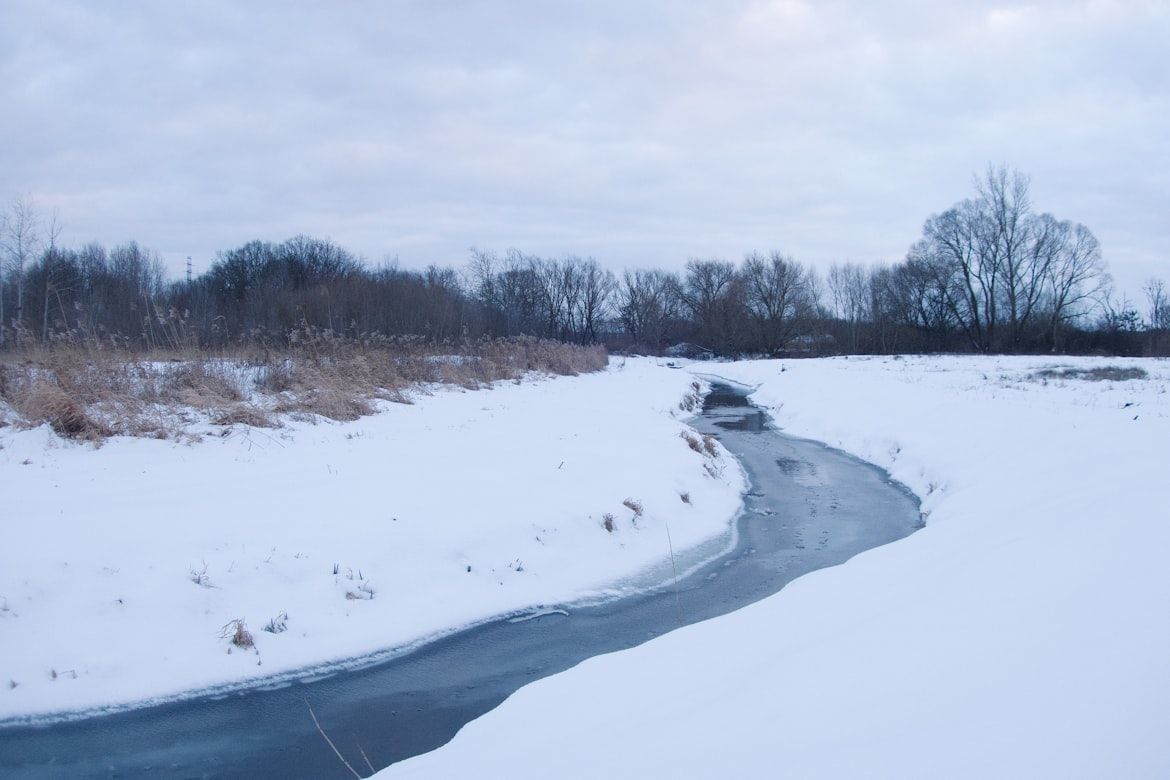
A "debacle" is a sudden, disastrous failure or a total collapse. The word’s history is rooted in the natural world. It comes from the French débâcle, which originally referred to the breaking up of ice in a river.

When a frozen river began to thaw, the ice would crack and rush downstream in a chaotic, unstoppable flood. This literal breaking loose was a violent and messy event. By the 19th century, people began using the term metaphorically to describe any situation where things fall apart quickly and uncontrollably.
IN GOOD SPIRITS

Do You Know The Origin Of These 10 Alcoholic Beverages?


Published on May 16, 2026


Image: Adam Wilson

You probably know many alcoholic beverages that you enjoy drinking alone or combined in different cocktails, but do you know where their names come from? From whiskey and gin to rum and absinthe, the origins of spirits have fascinating stories to tell. Are you ready to explore them? You will surely learn some curious facts to share at your next party!

1

Whiskey

Image: emkanicepic

Whiskey is one of the most consumed alcoholic beverages in the world. It is produced by distilling malt fermented with cereals such as wheat, barley, corn, and rye, and the resulting spirit is subsequently aged in white oak barrels.

In the Middle Ages, alcoholic beverages were classified into two main groups: "aqua ardens" (burning water) and "aqua vitae" (water of life). Whiskey falls into the category of "aqua vitae." The Latin term was translated into Middle Irish as usque beatha, which in turn derived into usquebaugh, pronounced: "wiskyba," giving rise to "whisky" (Scotland) and "whiskey" (Ireland and the United States).

2

Brandy

Image: Timothé Durand

The word brandy is an abbreviation of brandywine, an English term dating from the early 17th century. It comes from the Dutch brandewijn, meaning "burnt wine" or "burning wine," referring to the distillation process.

Brandy is made from the distillate of wine or fermented fruit pulp, primarily grape skins. There are different types of brandy. Perhaps one of the best known is cognac, a high-quality wine distillate, named after the city in France where it is produced.

3

Gin

Image: John Fornander

Gin is a distilled drink made from juniper berries, among other ingredients. The term gin is an abbreviation of the Old English word genever, which in turn derives from the Dutch jenever and the French genièvre. Moreover, all these words trace back to the Latin word for juniper, juniperus.

This drink emerged among European monks during the Middle Ages as a medicinal liquor. Then, in the 17th century, gin gained popularity in England and transitioned into the modern drink we know and love. Nowadays, gin is used to prepare different cocktails, including Tom Collins, Negroni, and the popular Gin & Tonic.

4

Rum

Image: C D-X

The first references to this drink date back to the mid-17th century in Barbados, a small Caribbean island with sugar plantations that was under British rule for several centuries. When rum began to be produced on a large scale in the colonies, the English imported it to Europe and popularized it throughout the continent.

There are many theories about the origin of the word rum. The most accepted one suggests that it comes from the English slang word rumbullion which means "great tumult." This term might have originated in the Devonshire area on the southwest coast of England. From rumbullion, it became known as rum in English, rhum in French, and ron in Spanish.

5

Vodka

Image: Deeliver

Vodka is an emblematic drink of Eastern European countries and is used to prepare a multitude of cocktails, including the Martini Vesper, Moscow Mule, White Russian, Cosmopolitan, and Bloody Mary, among others. The word vodka comes from the Russian word voda, which means "water." The ending -ka makes it diminutive, translating to "little water."

Vodka is a distillate that comes from the fermentation of potatoes, wheat, barley, grapes, beets, or any plant rich in starch. Originally, the aim was to obtain a simple, alcoholic liquid composed of ethanol and water, with no pretensions in terms of aroma or flavor. It also needed to have a high alcohol content to cope with the harsh Russian winters. Traditionally it has a graduation around 40º, although there are vodkas that reach 80º and up to 96º. It is hard to believe that it’s simply called water!

6

Bourbon

Image: Ryan Parker

This distillate made mainly from corn, was first introduced in the United States in the 18th century. The first known producer was Reverend Elijah Craig, a Baptist minister. Legend has it that the clergyman established the first distillery in Fayette County, Kentucky, with the help of a Southern farmer who provided surplus corn from his harvest.

Although it was born in Fayette, this variety of whiskey was named after another nearby county, Bourbon County, where the spirit began to be produced on a large scale. The names of both Kentucky counties have their origin in the same historical figure: Gilbert du Motier, the Marquis de Lafayette, a French aristocrat related to the House of Bourbon.

7

Vermouth

Image: Giorgio Trovato

The word vermouth comes from the German word wermut, which means "wormwood," one of the main herbs used to make this beverage. This fortified wine, flavored with different botanicals (flowers, herbs, roots, and spices), has been used since ancient times for medicinal purposes. However, the modern version we know today was first introduced in Turin, Italy, in the 18th century.

In the 19th century, vermouth became a global trend thanks to the rise of bars and cocktails, as it was —and still is— an essential ingredient to prepare classic drinks such as Martinis, Negronis, and Manhattans.

8

Tequila

Image: Deeliver

Tequila is, without a doubt, a staple of Mexican culture and a famous drink around the world. In ancient times, it was considered a gift from the gods. Today it’s served as an aperitif or combined with other beverages and ingredients to prepare cocktails.

This spirit is produced from the distillation of fermented juice obtained from the heart of a plant known as "blue agave." Its name comes from the Nahuatl word Tekilan, which means "place of the workers."

9

Absinthe

Image: alandiaspirits

This popular anise-flavored spirit, made from wormwood oil and other herbs, has a high alcohol concentration. With a bitter taste, absinthe’s color is usually pale green. Its name derives from the Latin absinthium, which in turn comes from the Greek apsínthion, meaning "wormwood."

The use of wormwood to make alcoholic beverages dates back to the 1st century, but it was not until the end of the 18th century, in French-speaking Switzerland, that the drink we know today was created. At the end of the 19th century, absinthe, often called "Green Fairy," was the most popular spirit in Europe, enjoyed by all social classes, especially artists and bohemians. However, years later its consumption was limited because it could cause hallucinations, which gave birth to the term absinthism.

10

Pisco

Image: eKokki

Peru and Chile, neighboring South American countries, share many things: the Andes mountain range, common ancestors, customs, and, notably, the debate over the origin of pisco. The true birthplace of this spirit has long been questioned, with both countries claiming it as their own. What we do know is that the name pisco may derive from the Quechua word Pisku, meaning "bird."

Peruvian and Chilean pisco are different varieties but have in common that they are grape distillations, made similarly to brandy and cognac. Despite the ongoing controversy, no one should miss trying a good pisco sour!

Looking for an extra scoop of literary fun?

Learn more with our Word of the day

fluctuate

/ˈfləktʃəˌweɪt/