Evolution of terms

Don't we all know someone who still calls jeans "dungarees"?


Published on March 3, 2026


Would you know what to give a person if they asked you to pass them the "clicker"? And would you say that you know how to safely handle a "range"? Some objects we see every day had very different names in their early days. So we’ve made a list of nostalgic terms that we stopped using over time. See if you know them all!

1

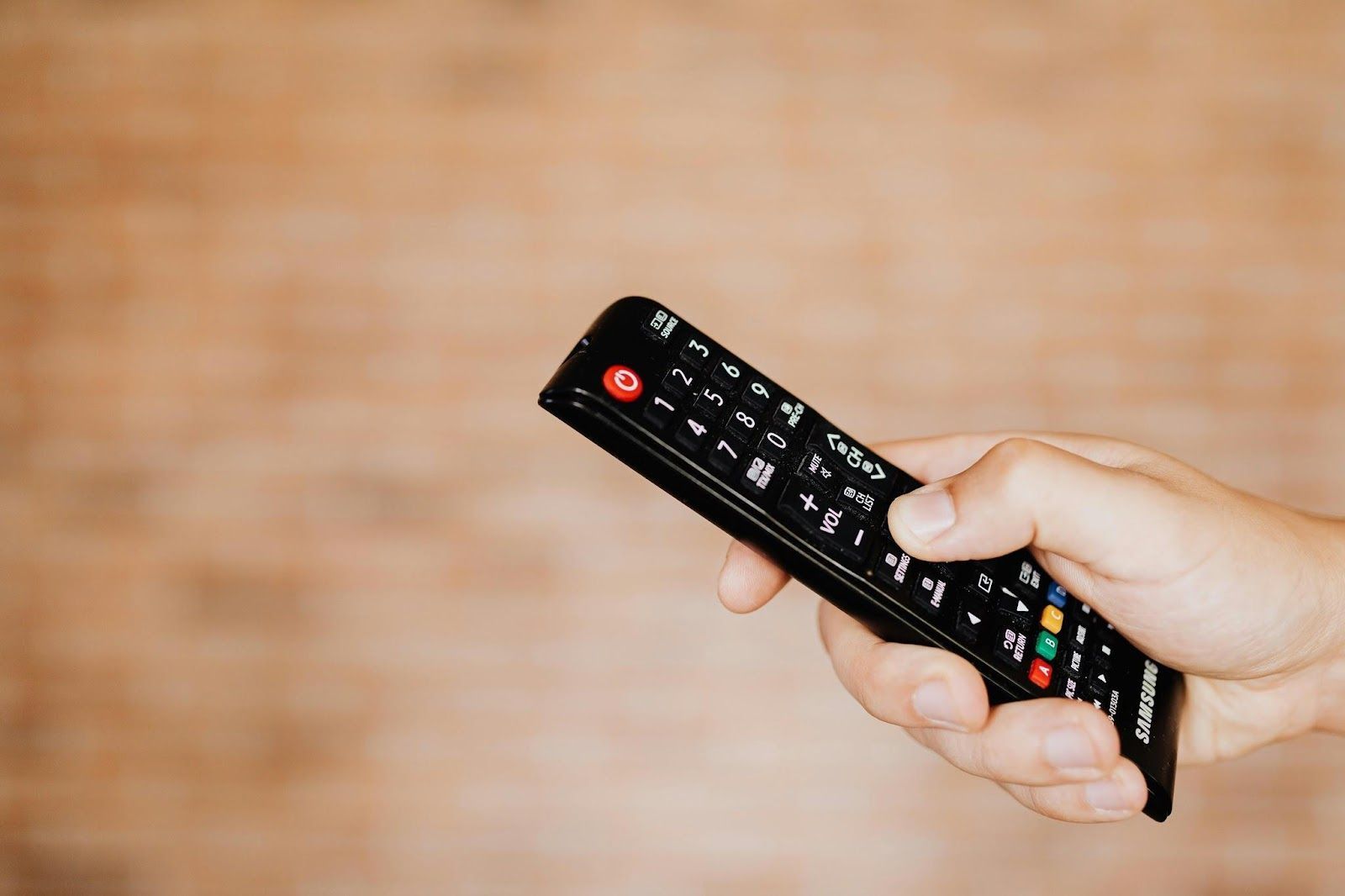
Clicker

Image: Photo By: Kaboompics.com

Why would you call a remote control a clicker? Simple: because of the sound it made when used. The original versions weren’t even electronic; instead, some used mechanical hammers that emitted a high-pitched click to signal the TV and control it remotely.

2

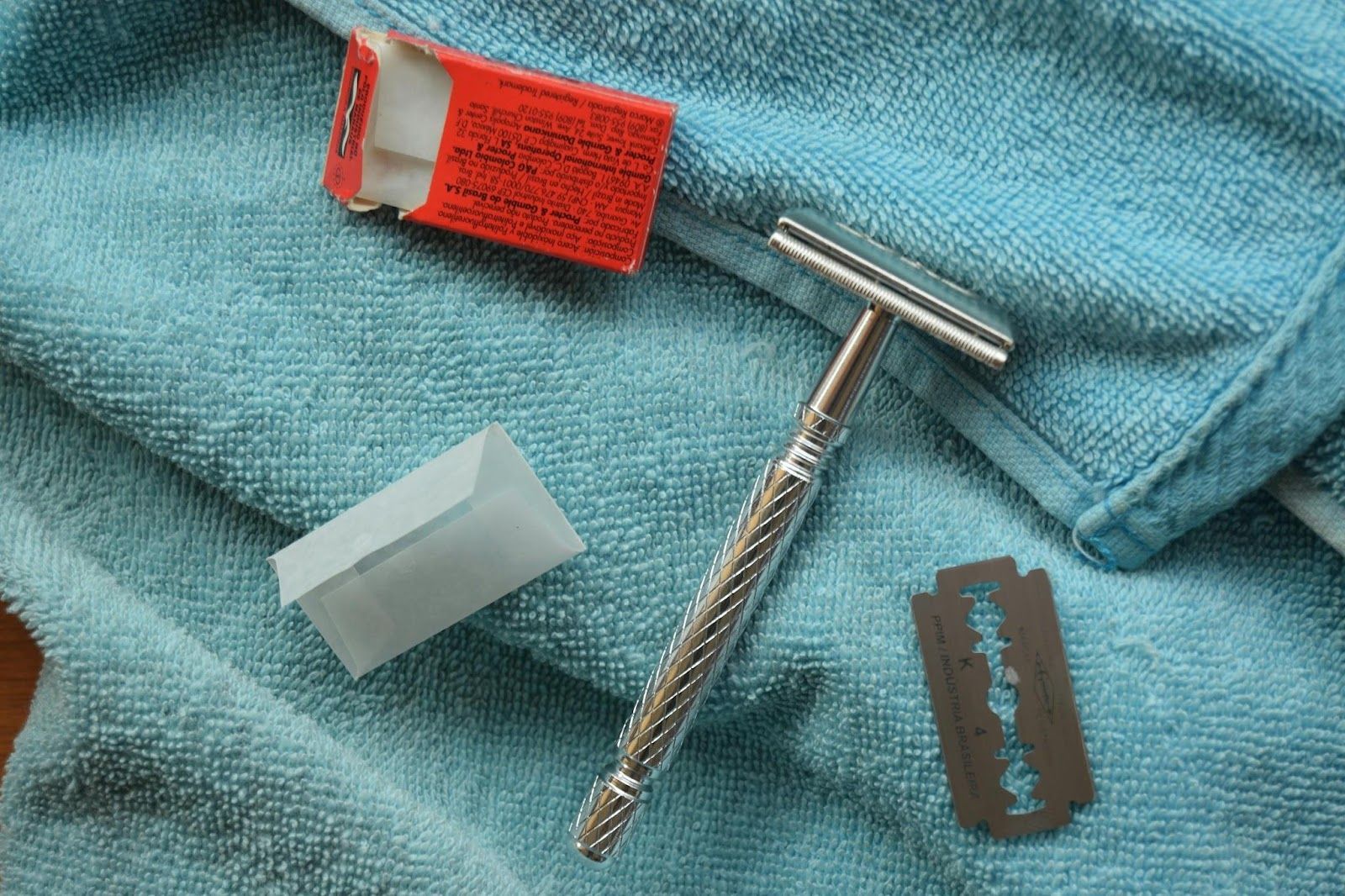
Safety razor

Image: Antonio Arcila

Before the devices we know today, shaving was a delicate art performed with straight blades. These were known as cut-throat razors, for obvious reasons.

Later, popularized by King C. Gillette in the early 1900s, the safety razor featured a protective guard to prevent deep cuts and made shaving safer for home use. Today, we just call them "razors" or call them by their brand.

3

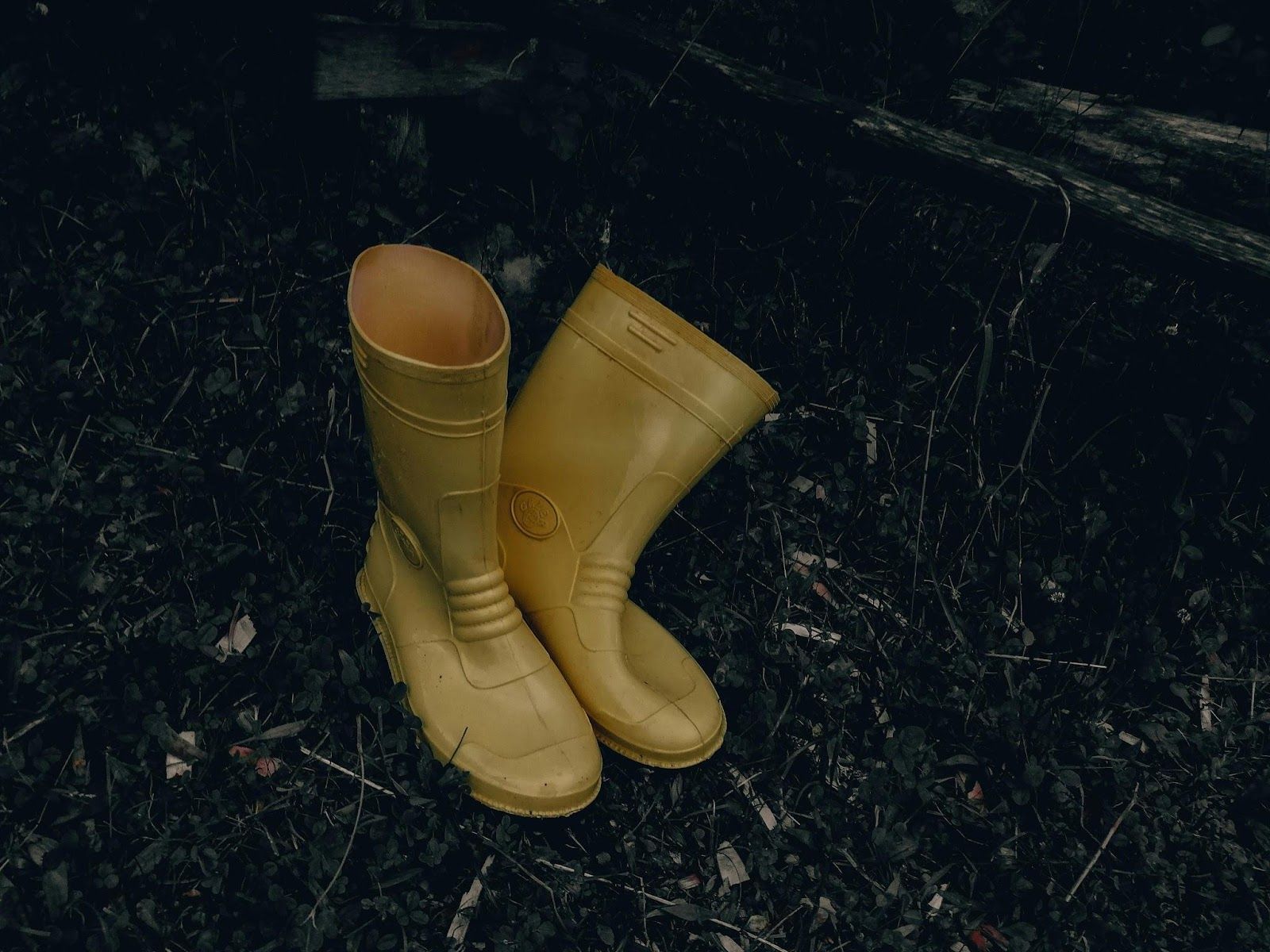
Galoshes

Image: Mavera Photography

Did your grandparents ever tell you to "put on your galoshes"? During the 19th century, the term referred to rubber overshoes worn to protect regular shoes from rain and mud. As waterproof rubber footwear (what we now call rain boots) became more widespread, many people began using galoshes to refer to those as well.

4

Icebox

Image: Athena Sandrini

Old refrigerators where people cooled their perishables were known as iceboxes. They looked like wooden cabinets with metal linings inside, and contained large blocks of ice, which were delivered regularly by icemen. The ice sat in a compartment at the top, keeping food cool as it slowly melted, with runoff collected in a tray underneath.

As with galoshes, the term icebox continued to be used even after electric refrigerators became the norm.

5

Dungarees

Image: Castorly Stock

Long before denim and jeans became the go-to terms, these work pants were often called dungarees. The name was less a nod to style or cut than to durability and purpose.

The term comes from Dongri, a dockside village near Mumbai, India, where a coarse, durable cotton fabric was produced and exported by the British in the 17th century. When the blue, strong fabric we know as "denim" became widespread, it made sense to call these garments the same way rugged pants had always been called.

6

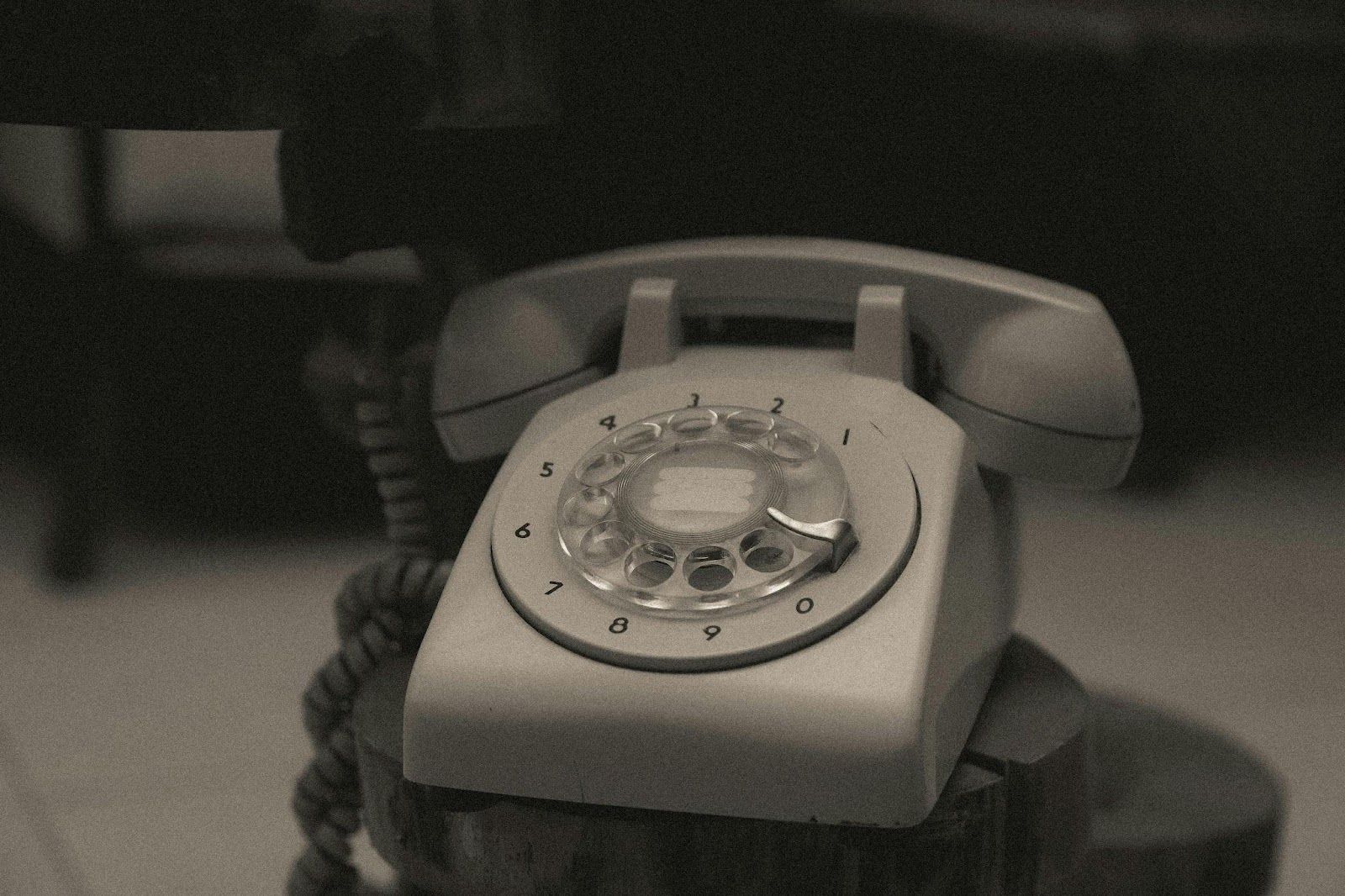
Telephone

Image: fotokirisci

You might be thinking, "Don’t we still use that word?" Of course we do. But there was a time when very few homes on the block had the technology to receive phone calls at all.

During the late 20th century, as portable telephones became widespread, a new term was required to refer to the phones with physical cables connected to underground networks. Thus, the word landline emerged to differentiate them from mobile phones.

7

Spectacles

Image: Benouali Nora

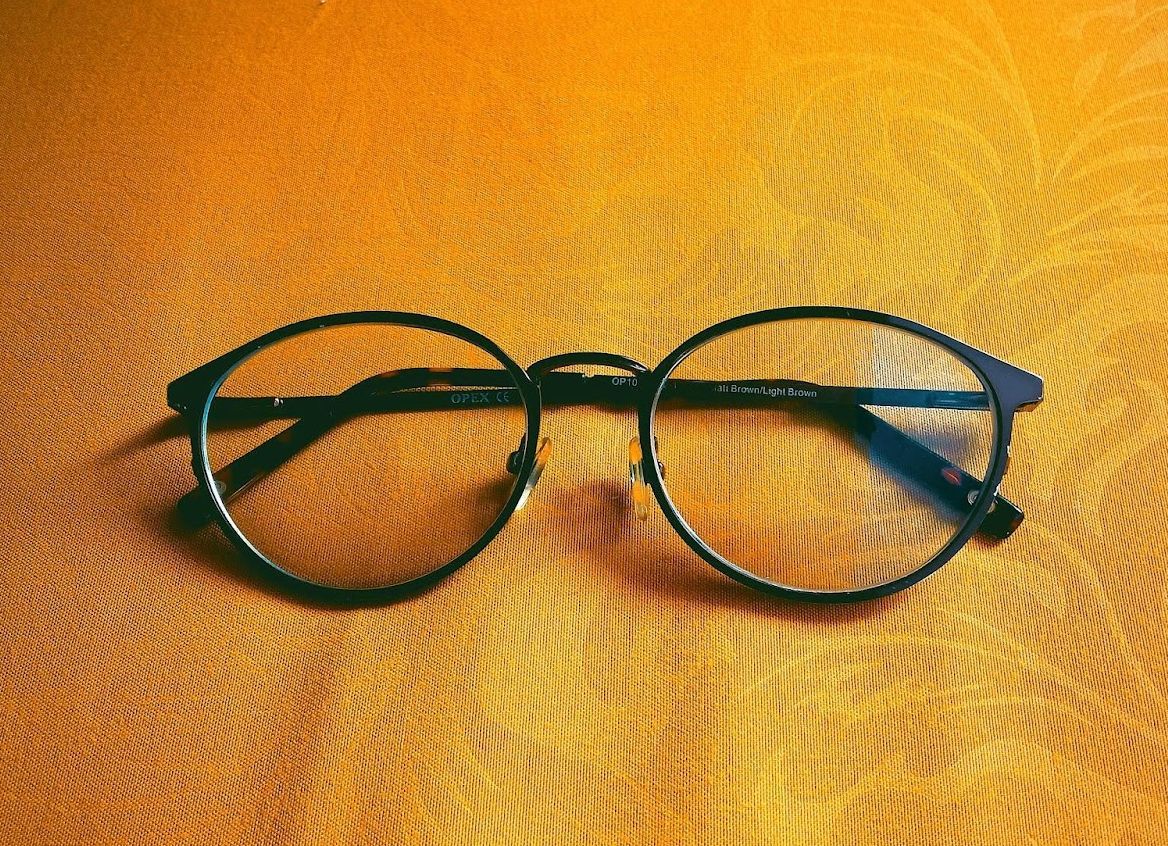
"Spectacles" might sound quaint today, but for a long time, it was the standard word for a vision-correcting device. Early lenses were handheld and were introduced in Europe in the late 13th century!

The switch to the term glasses began in the 20th century, as optical glass became the standard lens material, and gained popularity largely through colloquial shortening.

8

Turntable

Image: William Chen

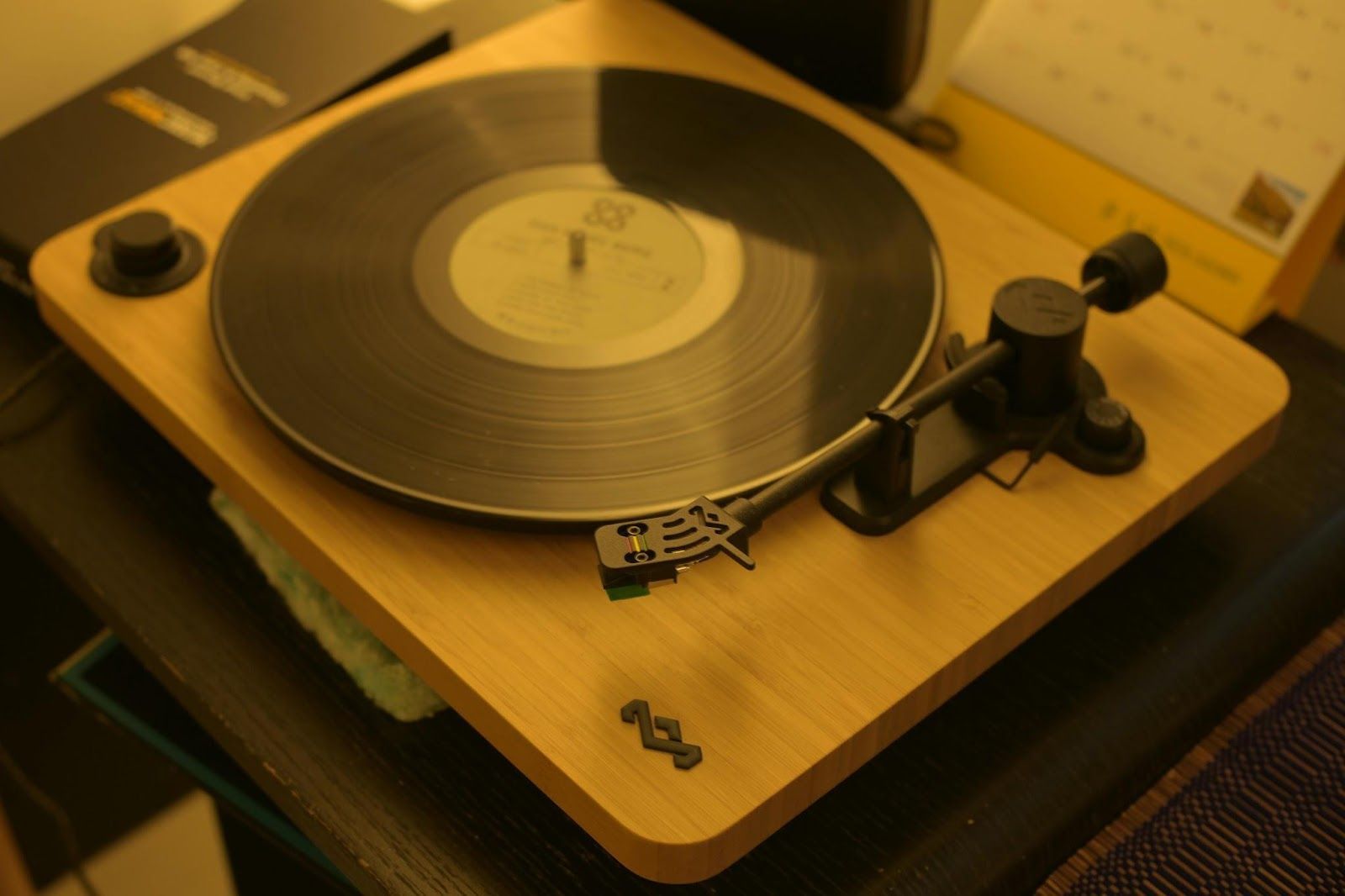
Before Spotify playlists and digital shuffles, music lovers gathered around a turntable spinning at the center of the room. This was the common term for the rotating platform used to play vinyl records. Today, as vinyl has made an unexpected comeback, the term is often replaced in casual speech by record player.

9

Keyboard

Image: Ron Lach

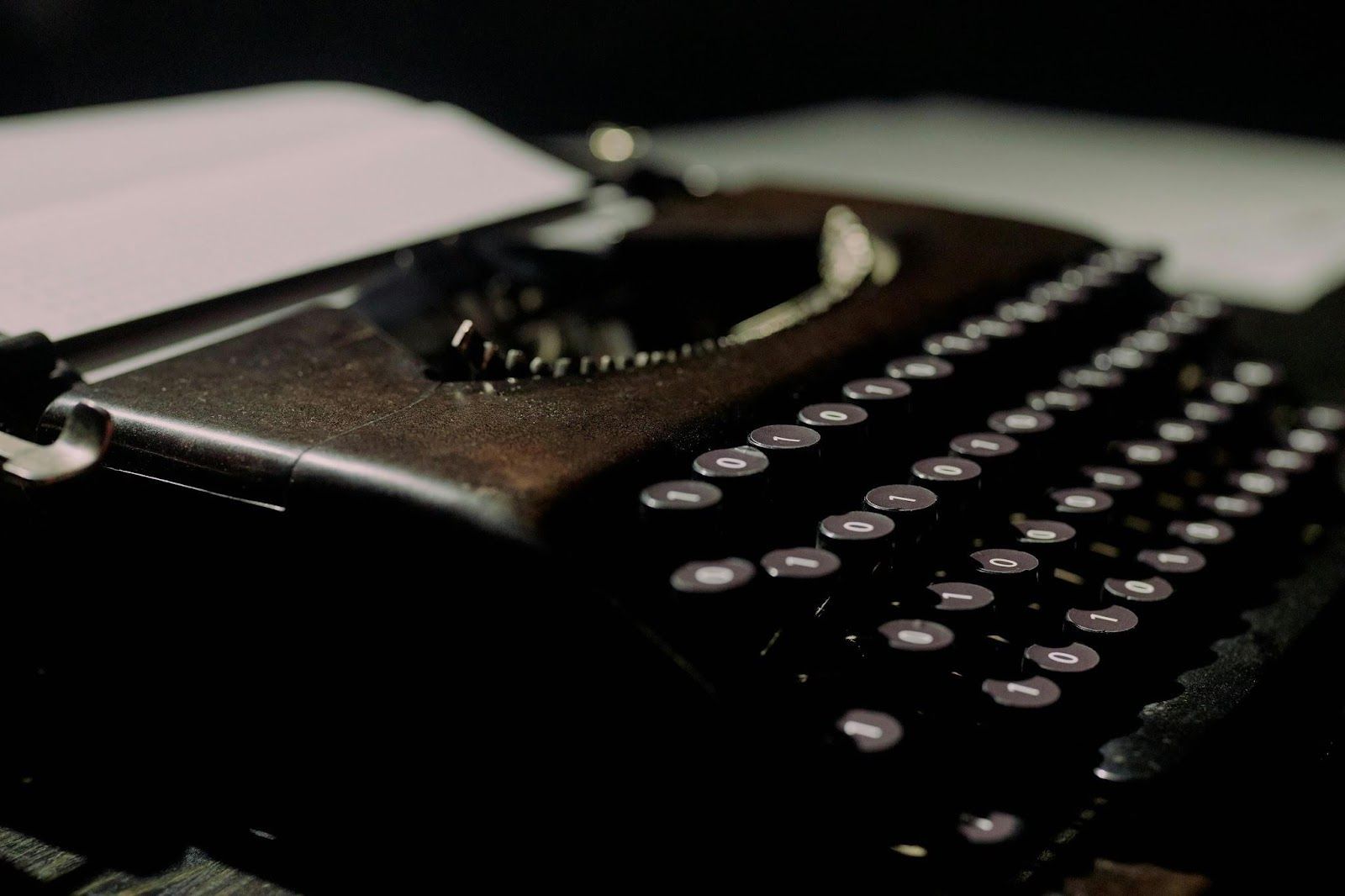
This is another word we still use frequently, though its meaning has shifted over time. When typewriters were a must in every office, people often referred to the entire machine simply as **the keyboard**—a classic example of synecdoche.

Of course, the term keyboard was carried over from typewriters, and now we use it to refer mostly to the QWERTY set of keys.

10

Range

Image: Kalia Chan

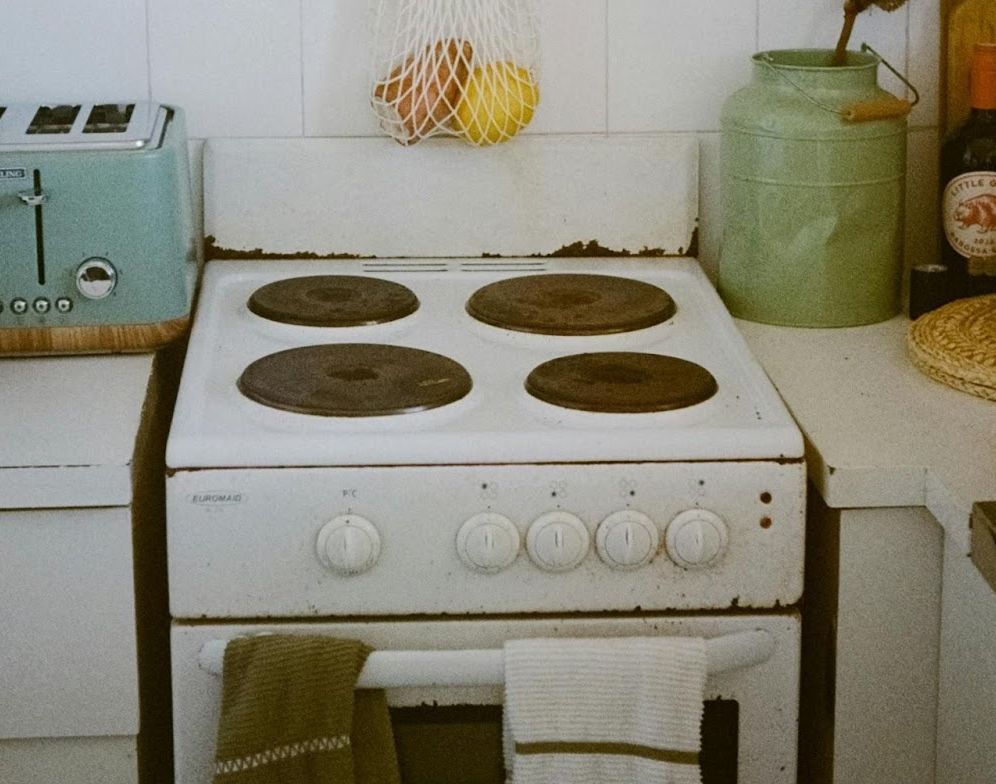
Range was once the common term for a large cooking appliance with multiple burners and compartments—in other words, a long, horizontal cooking surface that could "range" across different heat zones.

As gas and electric stoves became more compact and widely accessible in the 20th century, stove increasingly replaced range in everyday speech.

11

Wireless

Image: Eu Aragoneses

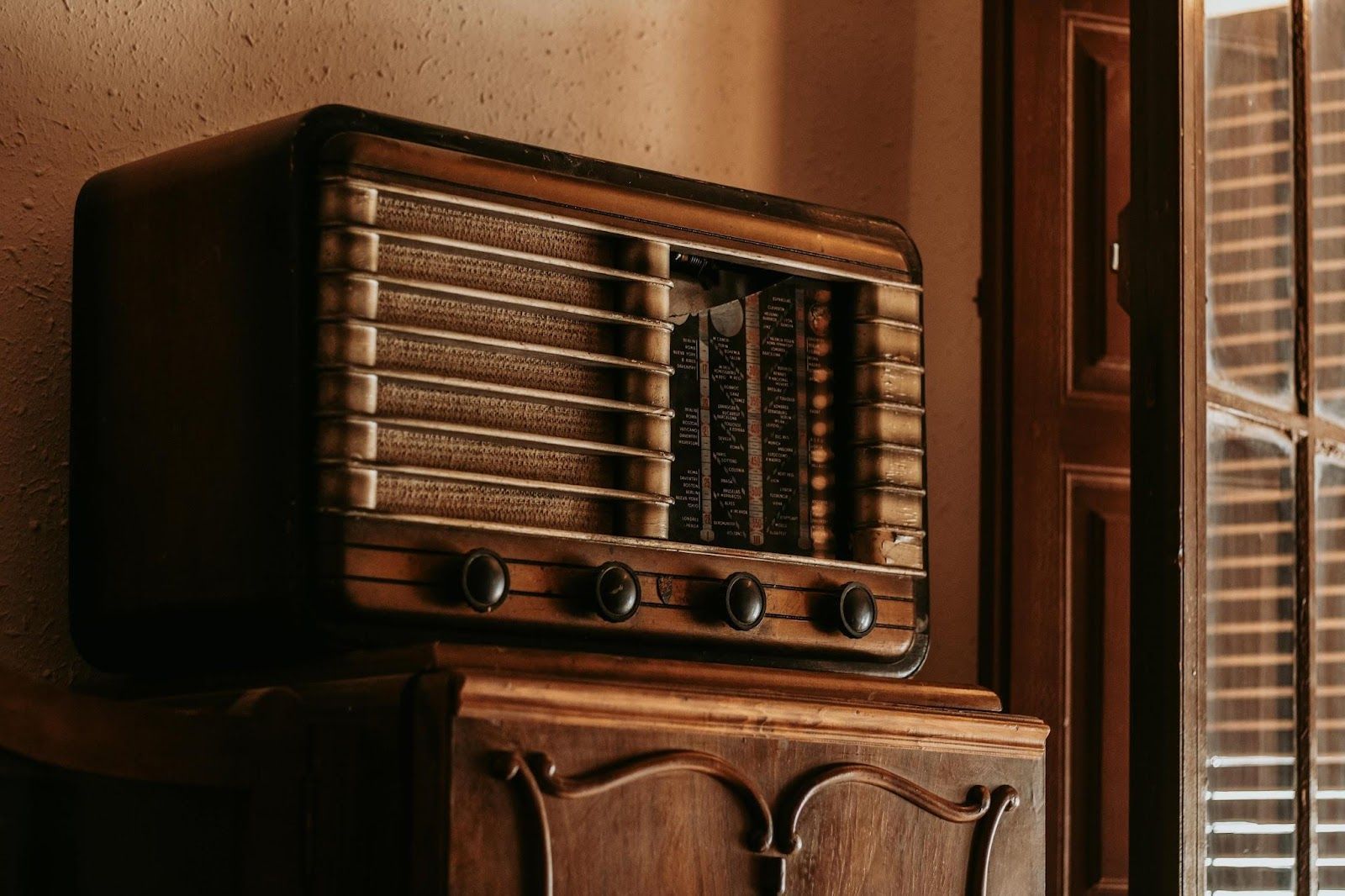
Today, the word wireless brings to mind Wi-Fi or Bluetooth-connected headphones. But many technologies were "wireless" long before that. Early radio, in fact, was commonly referred to as wireless.

In the late 19th and early 20th centuries, radio was known as wireless telegraphy because it allowed messages to be transmitted without physical wires. The term gradually faded as the technology evolved, and radio became the standard term by the 1930s.

Words that marked eras

Have you ever unfriended someone? 10 words that were "Words of the Year"


Published on March 3, 2026


Image: Sathesh D

Fifty years ago, you would have been met with blank stares if you had used words like "unfriend" or "doomscrolling." When you read a list of the selected Words of the Year from the last two decades, you get a comprehensive snapshot of the main worldwide preoccupations of our time. Whether driven by technology, fashion, popular hobbies, or social media use, these words have become ingrained in the lexicon of dozens of countries. Let’s explore ten of the most interesting terms that prestigious English dictionaries have selected as "Words of the Year" in this century.

1

Unfriend

Image: Pixabay

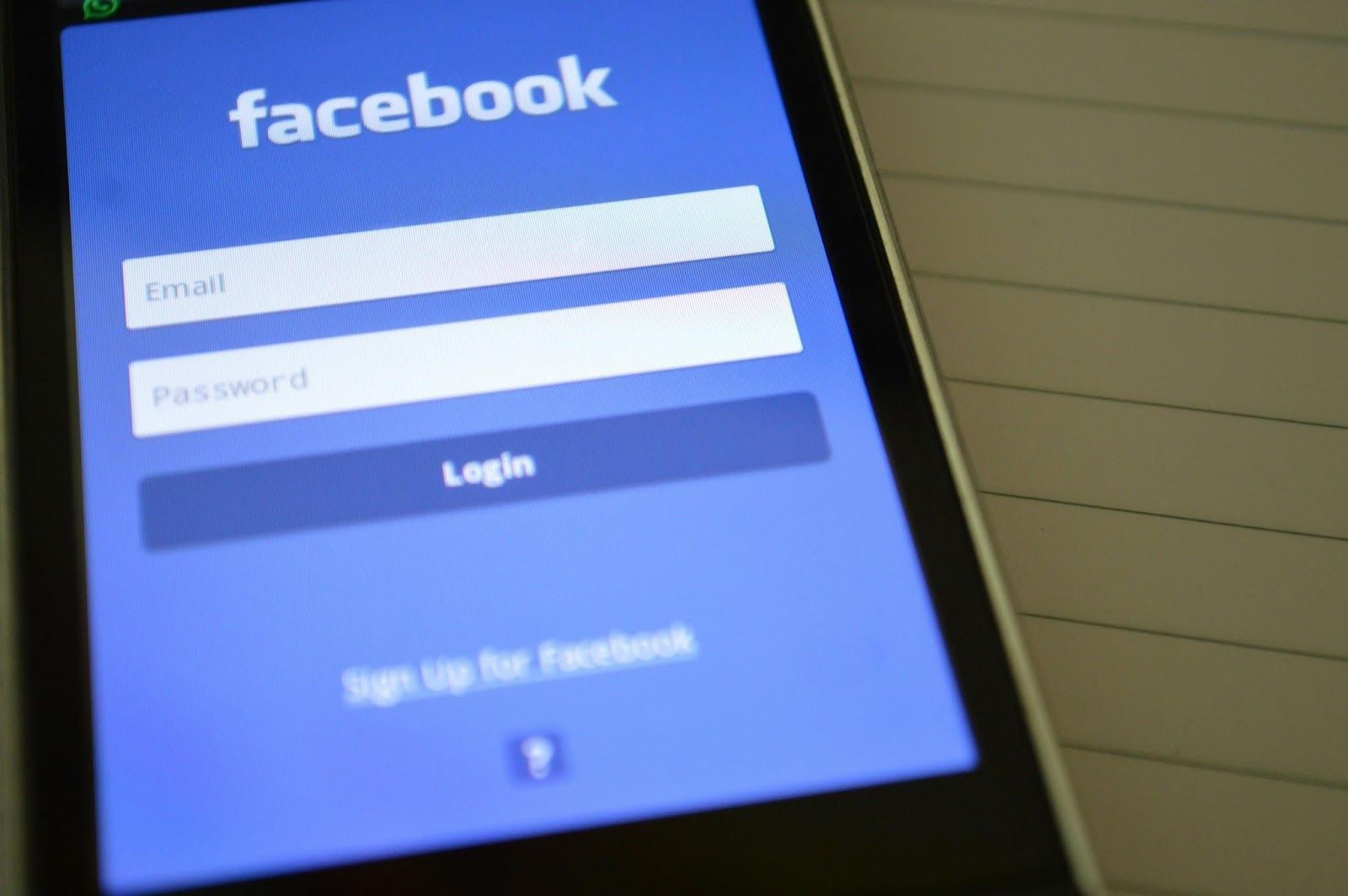
In 2006, when Facebook was launched to the general public, the era of social media craze began. Teenagers as well as adults from all over the world slowly started joining the site with the blue logo to create their own accounts and reconnect with long-lost friends and acquaintances. By 2009, however, many people were regretting this.

The Oxford Dictionary’s Word of the Year for 2009 was "unfriend." The term symbolized a new type of online relationship dynamic that social media was enabling. Oxford considered that the verb had the potential for longevity in a world where millions were making and breaking digital bonds every day. Although it is not as relevant today as it was 15 years ago, similar terms like "unfollow" are still common currency.

2

Selfie

Image: Dario Fernandez Ruz

Although self-portraits have existed for as long as photography itself, the invention of devices with front-facing cameras allowed people to carefully review images before capturing them. For the first time ever, it became very easy to take many flattering photos of oneself.

The earliest known use of the word "selfie" appeared in the 2000s. It is a playful diminutive (hypocorism) of the term "self-portrait photograph" that first caught on in Australian slang and later spread worldwide. In 2013, following the boom of sites like Instagram, Oxford Dictionaries named "selfie" the Word of the Year, explaining that its use in the English language had grown by around 17,000% in 12 months. The popularity of the word has become such that nowadays, front-facing cameras in smartphones are often called "selfie cameras."

3

Geek

Image: ThisisEngineering

This word was originally a slur. It derives from the German word geck, which means "fool" or "freak." For centuries, it was used pejoratively in that spirit, mainly to refer to carnival performers. However, by the time Collins Dictionary named it Word of the Year in 2013, its definition had changed. It had come to refer to a person enthusiastic about or knowledgeable in a particular field.

The editors at Collins explained that this word was chosen to signal how an old insult could evolve to have a positive connotation for experts worthy of admiration. After all, since the early 2010s, the word had been reserved for technologically oriented savvies who have been leading the way with this century’s inventions.

4

Photobombing

Image: Diana Parkhouse

Photobombing is the act of appearing in the background of a picture and distracting from the main subjects, whether intentionally or not. For several months in 2014, one photo of several celebrities simultaneously photobombing a selfie broke the record for shares on Twitter at the time, which helped turn the word into a mainstream concept.

Collins Dictionary named it the 2014 Word of the Year. However, it is believed that, much like selfies, photobombs have existed for a long time. A picture taken in 1853 in Wales already showed two ladies sitting for a portrait while a third, captured in blurrier detail, poked her head out from behind them.

5

Face-With-Tears-of-Joy Emoji

Image: Ann H

Yes, the 2015 Word of the Year was controversial: it was an emoji. Technically, emojis are "pictographs"—graphical symbols that resemble the objects they represent. In 2015, the Oxford Dictionary decided that the smiley face with tears of joy was representative both of laughter and of ironic preoccupation. This emoji was the second most used worldwide, behind only the red heart emoji.

The creation of these icons, however, dates back to the 1990s in Japan. They were developed to enhance the expressiveness of electronic messages through the use of logograms. Emoji is a Japanese word that combines e, meaning "picture," and moji, meaning "character."

6

Binge-watch

Image: John-Mark Smith

The digital content-streaming platforms introduced over the last 20 years have allowed people to develop a very modern hobby: binge-watching. Most often applied to TV series, the term refers to marathons of consuming two or more episodes of a show, usually in a self-indulgent way. The term can also apply to watching movie series or online videos in the same manner.

Though the expression has modern connotations, it has been used to describe fanatical consumption of TV content since the 1950s. Collins Dictionary named it the Word of the Year for 2015 after observing its usage rise by 200%, mostly applied to people who watched the TV series House of Cards or Breaking Bad in surprisingly short periods.

7

Upcycling

Image: Silvia Trigo

To recycle means to remake a material into its original form; for example, making a bottle out of a bottle. But to "upcycle" means to give a new purpose to an already used product; for example, using a bottle as a flower vase. The trend of finding new uses for old or discardable items surged in the 2010s, and the Cambridge Dictionary noticed an increase in its popularity in 2019.

The term was coined in a 1994 ecology article suggesting that instead of "recycling" waste products, a more helpful practice would be to "upcycle" them—that is, to give them a second, more useful life. In this case, the institution held an open poll where the audience could vote for their favorite Word of the Year. "Upcycle" was chosen because of its significance in the efforts against waste pollution.

8

Doomscrolling

Image: Charlotte May

Designers of modern portable devices succeeded in modeling display screens as if they were endless scrolls. This format may have facilitated reading on vertical screens, but it also encouraged an addictive habit of non-stop media consumption referred to as "doomscrolling."

The Macquarie Dictionary, the dictionary of Australian English, named this word the 2020 Word of the Year for its rapid rise in usage during that period. Several English dictionaries have since incorporated it as a recognized word. "Doom" refers negatively to the overwhelming sense of despair or captivity caused by excessive internet use. "Doomsurfing" is another version of the term with a similar meaning..

9

Gaslighting

Image: Brett Sayles

Gas Light was a 1938 play by British playwright Patrick Hamilton. In it, a man slowly drove his wife into mental instability by confusing her and lying about verifiable facts, such as whether the gas lights were fully lit or not. Psychologists later adopted the term to describe abusive manipulation through deception, and the concept became mainstream within a few years.

Merriam-Webster’s Dictionary named "gaslighting" the Word of the Year after searches for the word rose by 1,740% in 2022. It was noted, however, that the term’s use had expanded to describe media and technology accused of "gaslighting" audiences by publishing misleading information.

10

Rizz

Image: Andrea Piacquadio

The term "rizz" became online slang after a popular video creator and his friends started using it to refer to a person with an attractive attitude. The widespread understanding was that the word was a shortened form of "charisma," or a synonym for having charm. Kai Cenat, the American creator who popularized the term, said he didn’t intend it as a synonym for "charisma," but the word took on a life of its own after becoming a trending expression online.

Oxford Dictionary named "rizz" the Word of the Year for 2023, a term that won against close contenders like "Swiftie," "prompt," and "de-influencing," all of which had been widely popular across English media in 2022.

Looking for an extra scoop of literary fun?

Learn more with our Word of the day

permeate

/ˈpərmiˌeɪt/