Buffaloes have no wings
Are hot dogs made with real dogs? These 12 foods have deceitful names
Published on December 30, 2025
 Credit: Kawin Harasai
Comedian Jerry Seinfeld said, in one of his standup routines, that there is no chicken in the sea—and he was right. Some foods have names that don’t quite tell the truth. They might hint at ingredients they don’t contain, places they’ve never been, or shapes they don’t actually take. Here are 12 examples where the menu description doesn’t match the bite.
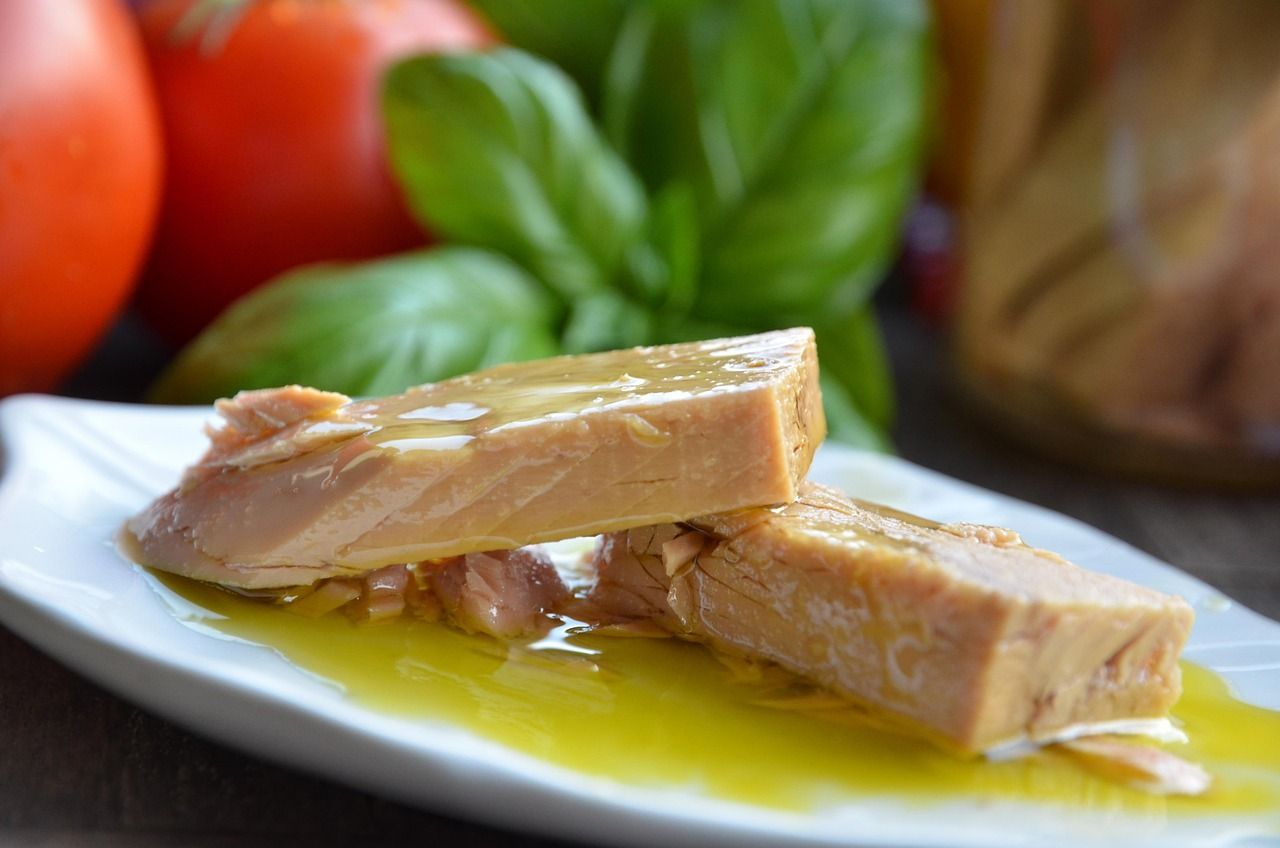
Chicken of the sea
 Credit: Angela Bailey
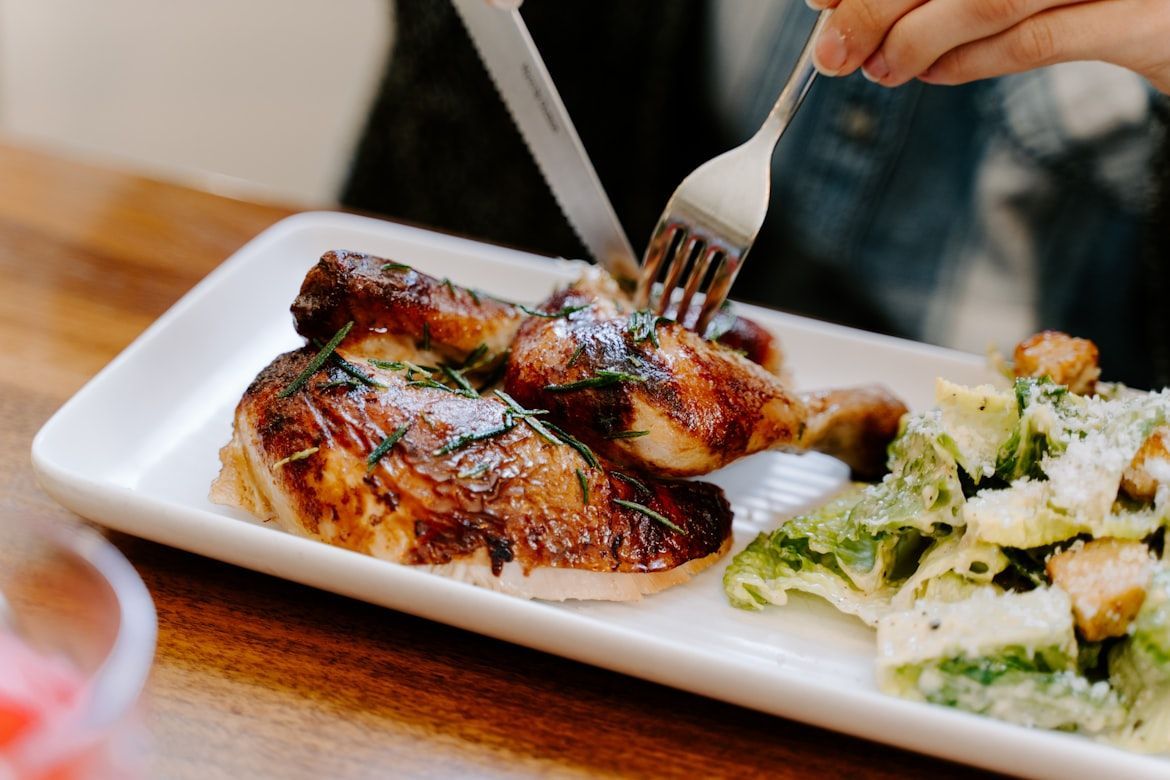
The name might conjure an image of a seafaring hen, but this well-known brand is all about tuna. The "chicken" part simply refers to its mild flavor.
Marketed as an affordable, accessible protein, the label’s poultry-inspired twist has fooled many. In reality, it’s firmly in the fish family.
Sweetbreads
 Credit: Andrik Langfield
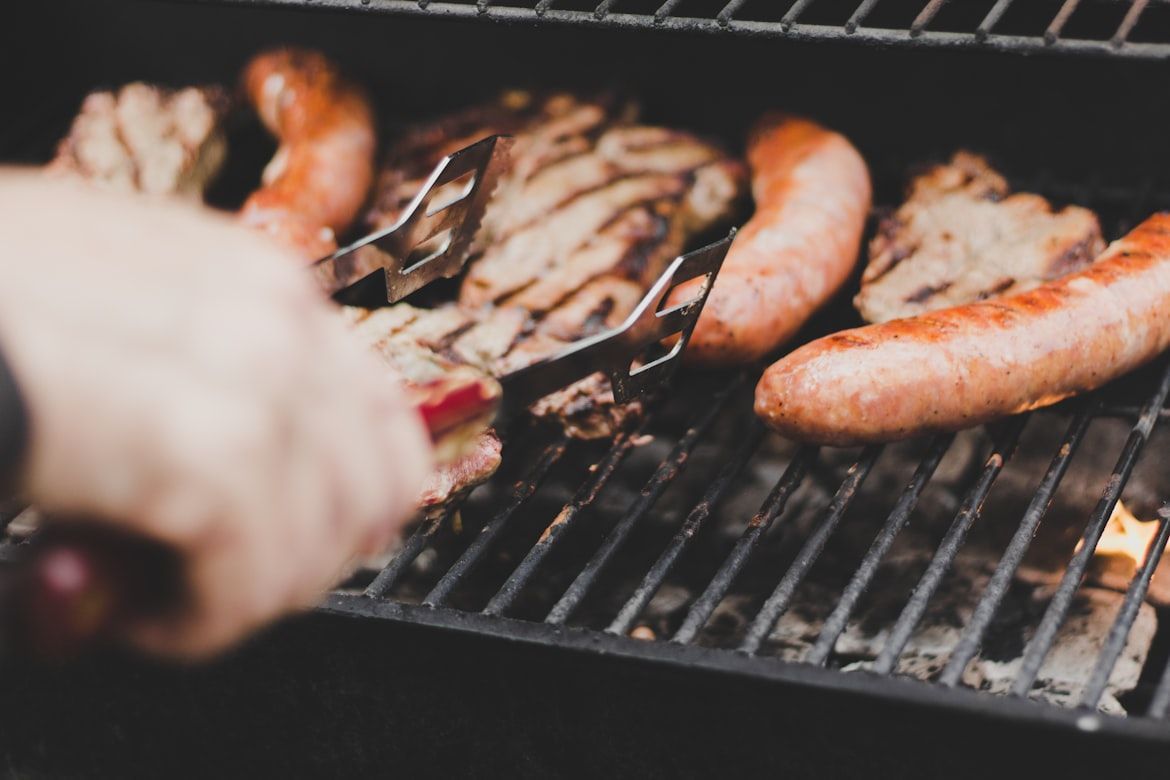
Sweetbreads might sound like a dessert, but they’re cuts of organ meat, usually the thymus or pancreas of calves or lambs.
Despite the misleading name, these delicacies are prized in gourmet cooking for their mild flavor and tender texture, not for any sweetness or breadiness.
Rocky Mountain oysters
 Credit: Sargent Seal
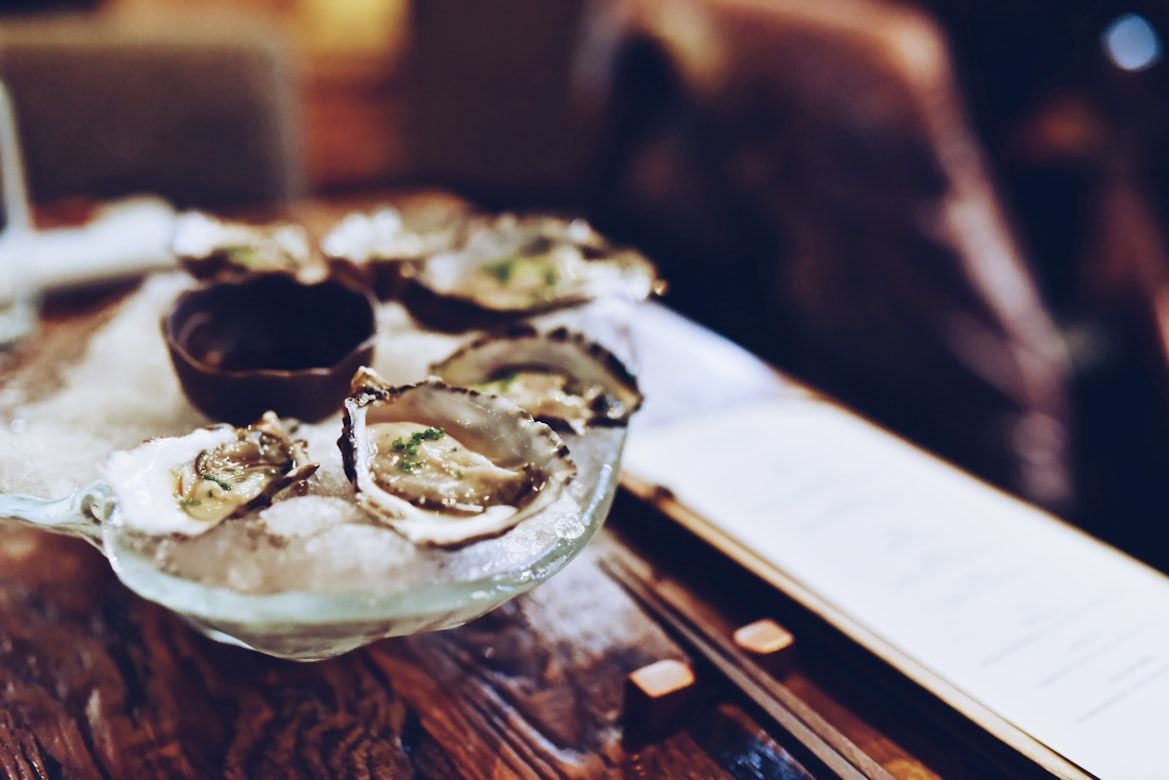
Perhaps there was a time when the Rocky Mountains were under the sea and oysters could be found there, but that is no longer the case. There is no seafood here. These so-called oysters are actually bull testicles, a specialty in certain parts of North America.
Often breaded and fried, they are served as a novelty dish at festivals and ranch gatherings, catching the unsuspecting diner off guard.
Buffalo wings
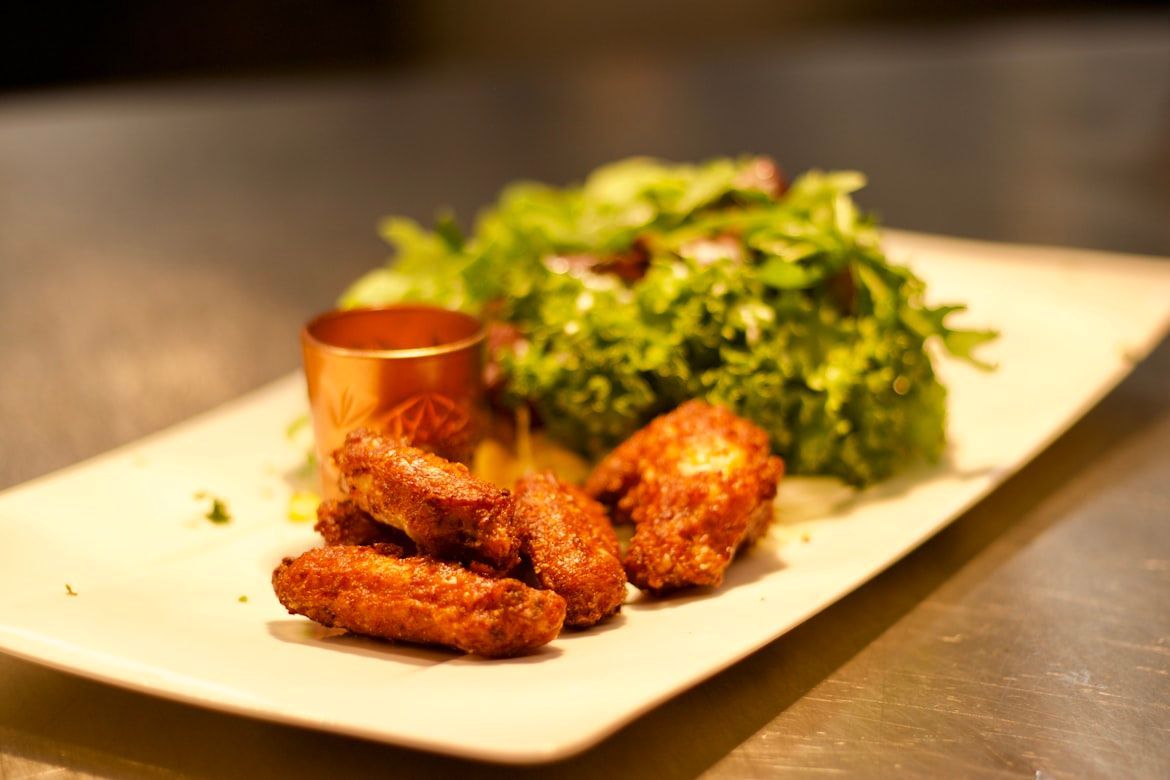 Credit: Alexander Faé
It should come as no surprise that buffalo wings have nothing to do with buffalo meat; they’re chicken wings deep-fried and coated in spicy sauce.
The name comes from Buffalo, New York, where the dish was first created in the 1960s, not from any grazing plains animal.
Head cheese
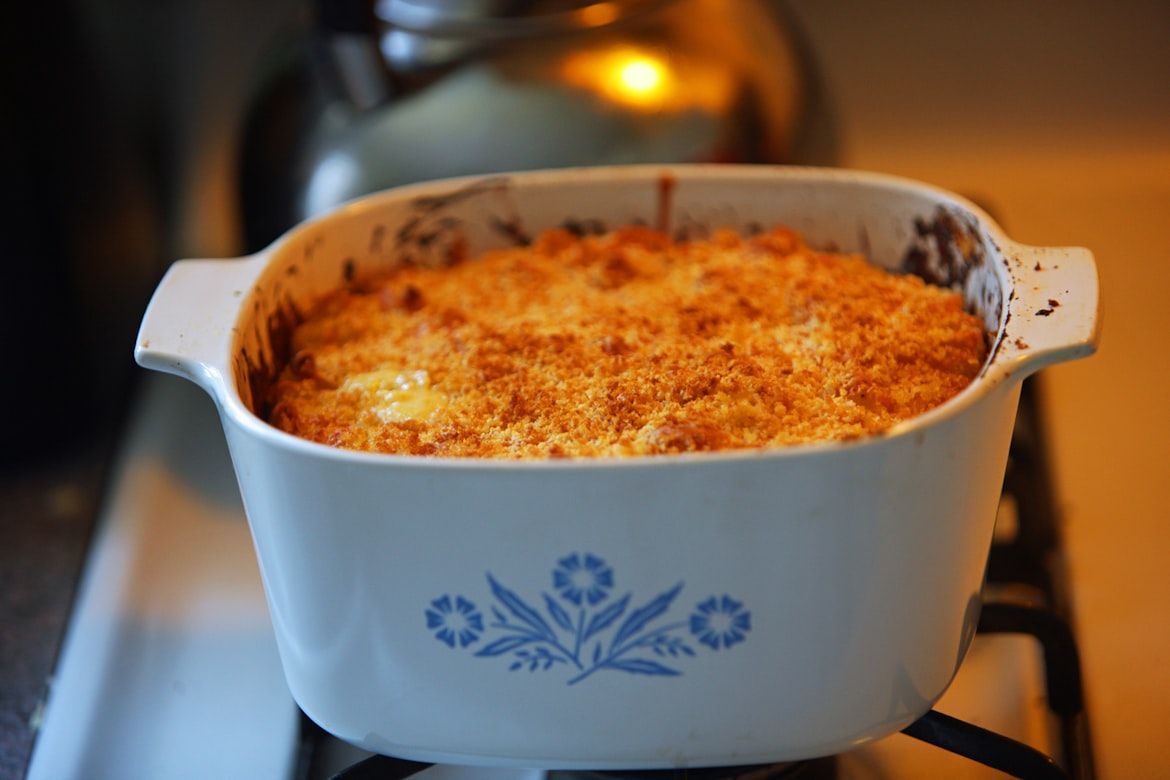 Credit: David Trinks
Another name that makes no sense at all, head cheese contains no cheese. It’s a meat terrine made from parts of a pig’s head.
Seasoned and set in its own gelatin, it’s a traditional cold cut in many European cuisines.
Mock turtle soup
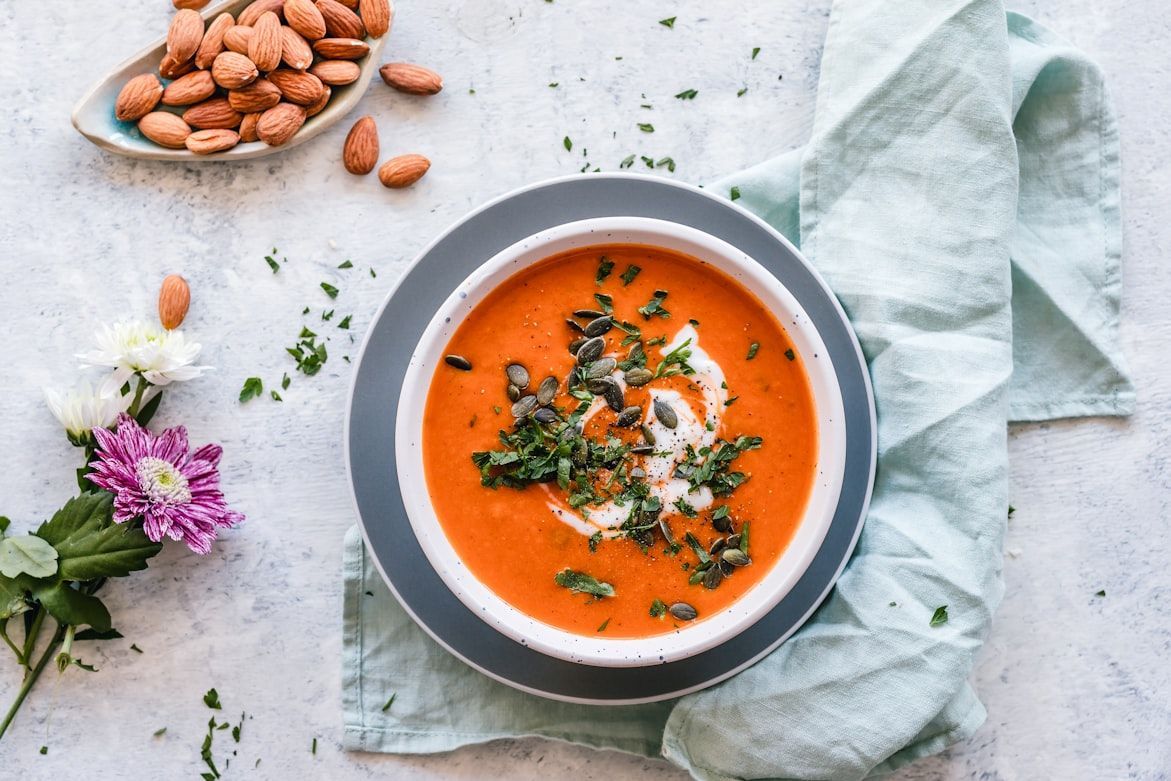 Credit: Ella Olsson
The name of this soup gives us a hint of its deceiving nature. It was created to mimic the flavor of green turtle soup, a luxury dish of the 18th and 19th centuries.
Instead of turtle, it uses a calf’s head or other meats, producing a rich broth without requiring the real reptile.
Boston cream pie
 Credit: Dex Ezekiel
Though called a pie, this dessert is actually a cake, with layers of sponge, custard filling, and chocolate glaze.
Its "pie" title dates back to a time when pies and cakes were baked in the same types of pans and the terms were used more loosely.
Grape-Nuts
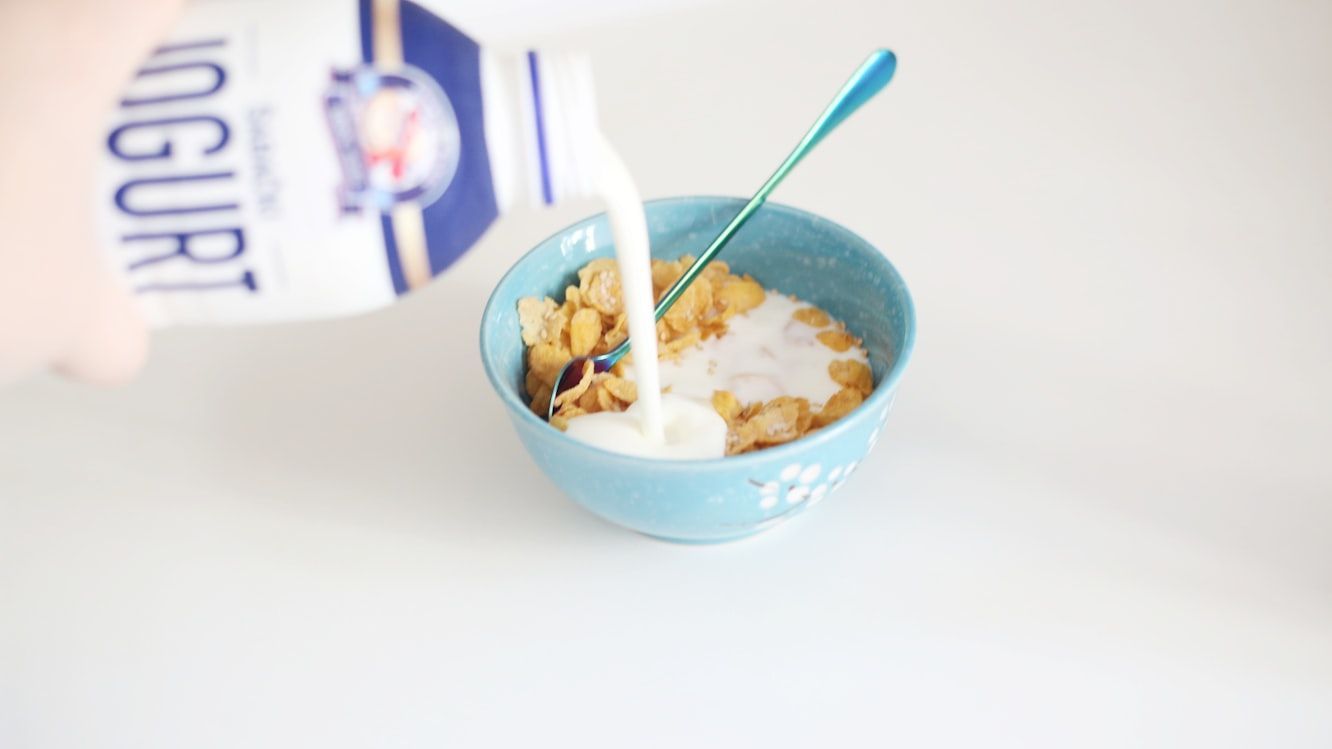 Credit: Andrijana Bozic
Despite its name, you won’t find grapes or nuts in Grape-Nuts; the cereal is made from wheat and barley.
Its name likely refers to the naturally occurring sugars formed during baking and the nutty flavor of its crunchy nuggets.
Hot dogs
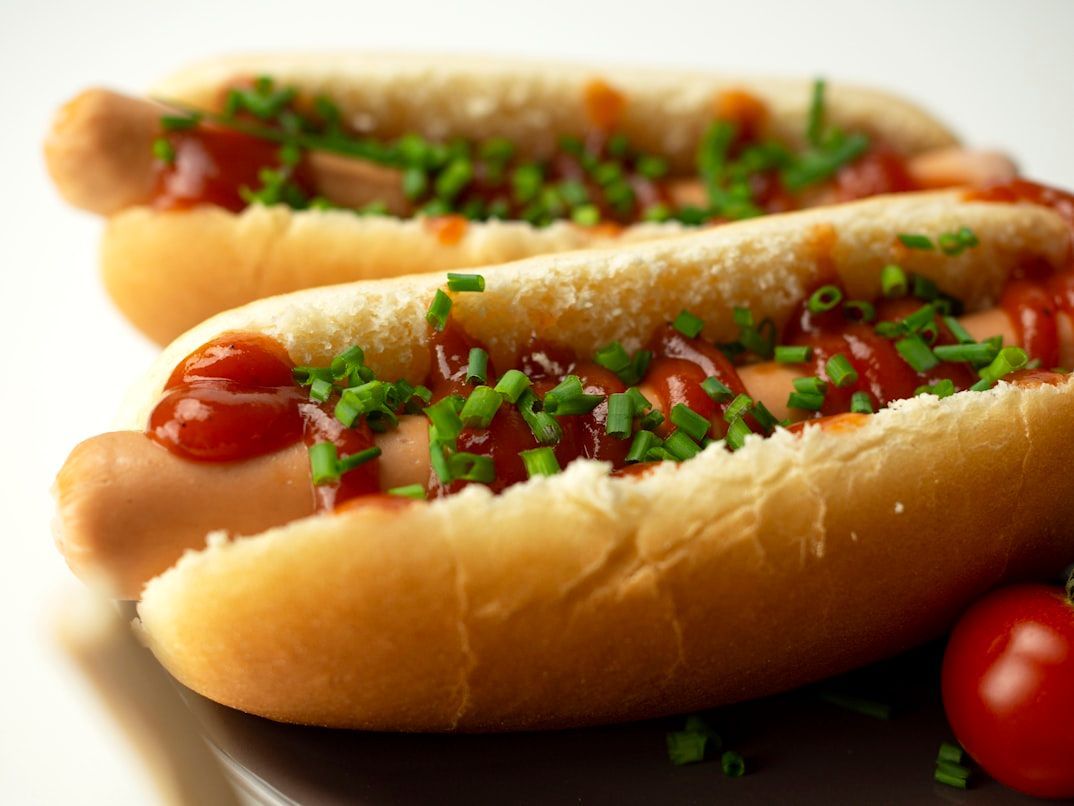 Credit: Mateusz Feliksik
As far as we know, hot dogs contain no canine meat, just a blend of beef, pork, or poultry in a sausage casing.
The name’s origins are debated, but the term became popular in the early 20th century through ballpark vendors and cartoons.
French fries
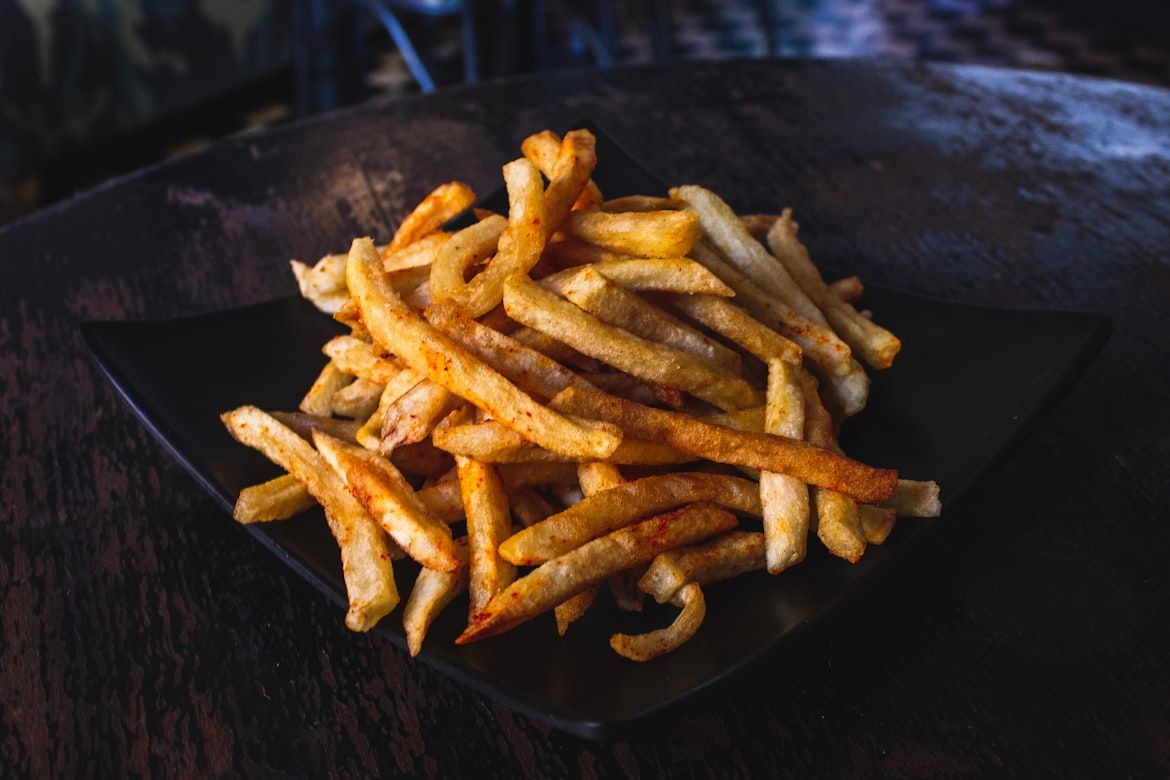 Credit: Louis Hansel
French fries may not be French at all, as many historians credit Belgium with their invention.
The "French" in the name may refer to the style of cutting the potatoes into thin strips before frying, or to the fact that Allied soldiers who first encountered these delicious treats heard the Belgians speaking French.
Bombay duck
 Credit: Matthew McBrayer
This fancifully named food isn’t duck but a type of fish found in the waters around Mumbai, India.
Dried and salted, it has a strong aroma and is considered a delicacy in certain regional cuisines.
Peanut butter
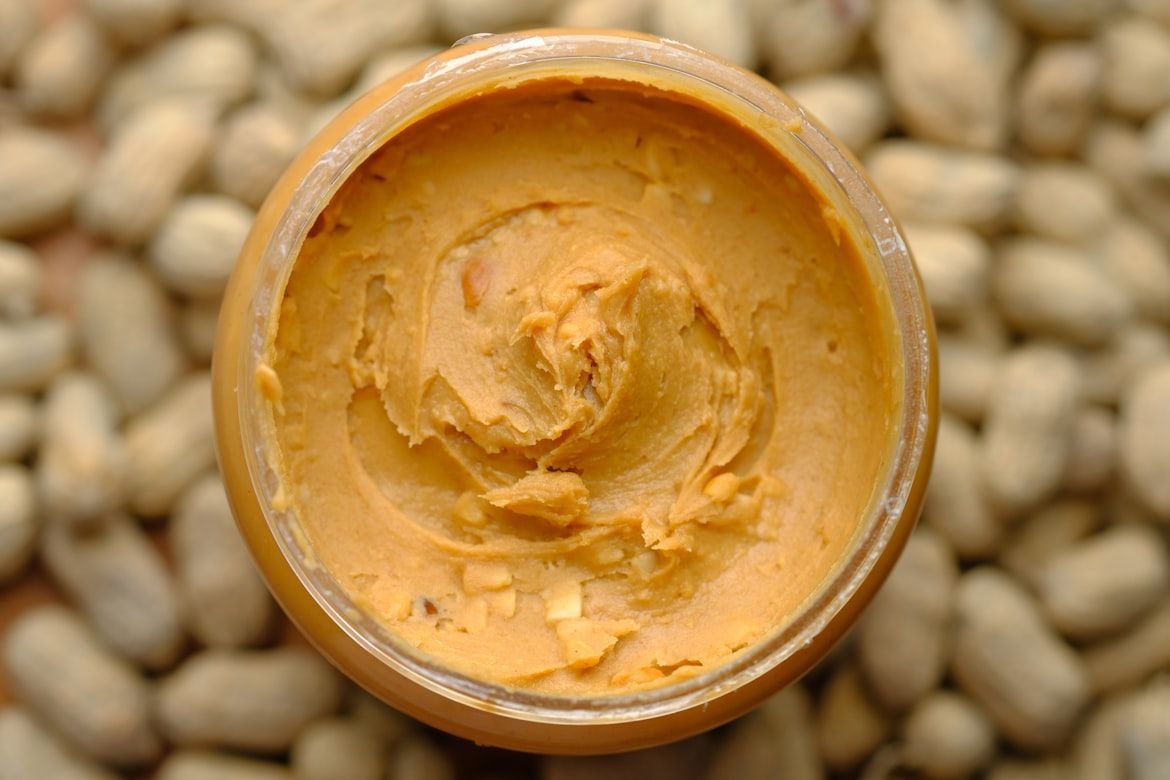 Credit: Towfiqu barbhuiya
Our final entry goes to another famous food. Despite its name, peanut butter contains no dairy butter; it’s simply roasted peanuts ground into a paste.
The "butter" label refers to its smooth, spreadable consistency, not to any relation to milk or cream.