It’s not legally called that
Are Parmesan and Parmigiano Reggiano the same thing?
Published on October 20, 2026

Champagne, Parmesan, Dijon-–these are all names that instantly make us think about specific products, but have we actually tried them? Maybe, if the products in question came from specific parts of France or Italy. Many names we use for common things are actually geographical markers or protected designations of origin (PDO) —meaning that they can only be used for products elaborated in a specific part of the world— or fall under a similar legal label. Here are some PDOs that we use constantly, and some so common that they have become generic.
Champagne
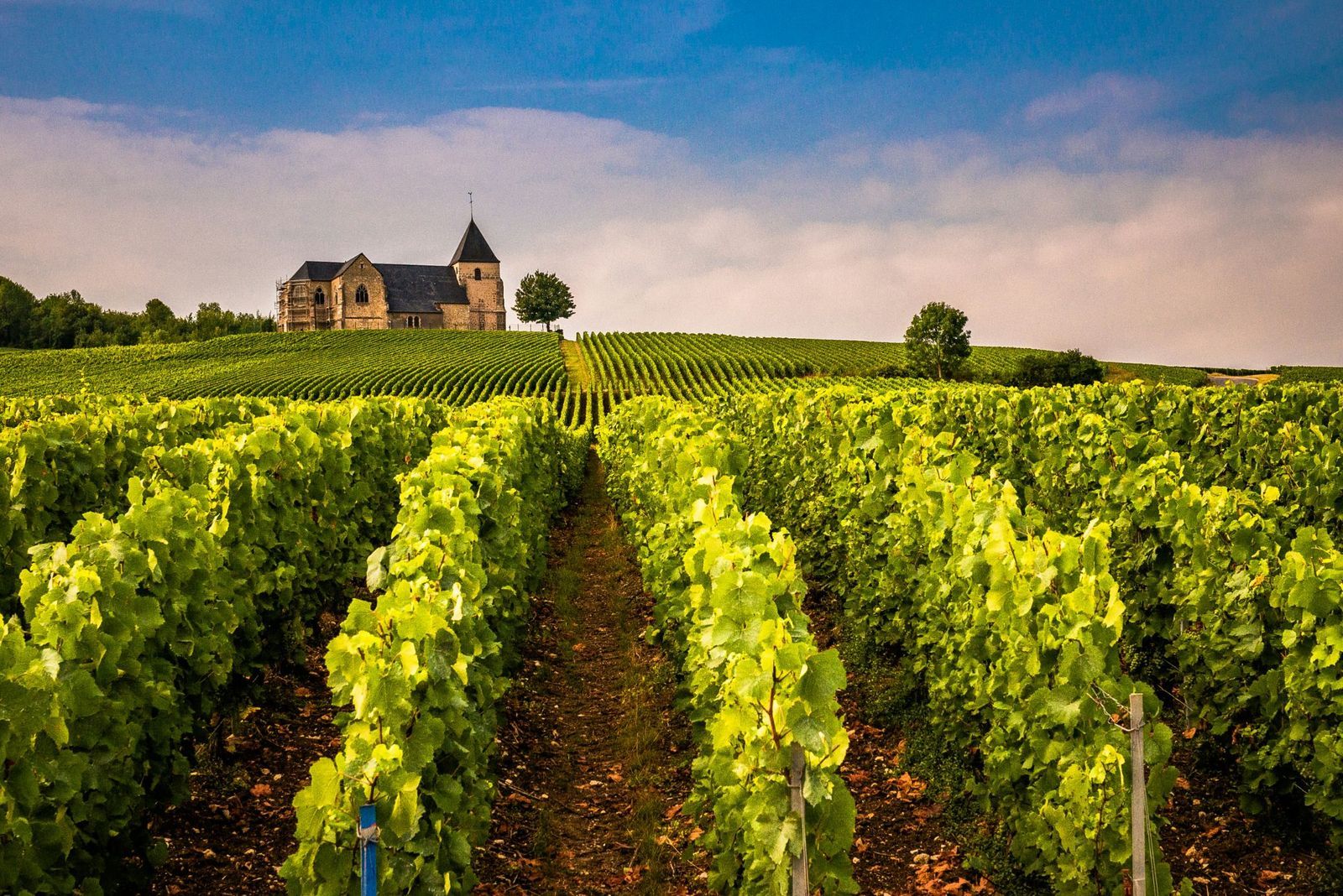
One of the most famous examples of a Protected Designation of Origin, the name Champagne refers to a series of sparkling wines from the Champagne wine region of France, with several varieties determined by sweetness, aging time, and grape blend. The "Champagne" designation is recognized and protected in more than 130 countries, where similar products from other regions are sold as "sparkling wine".
(Eau de) Cologne
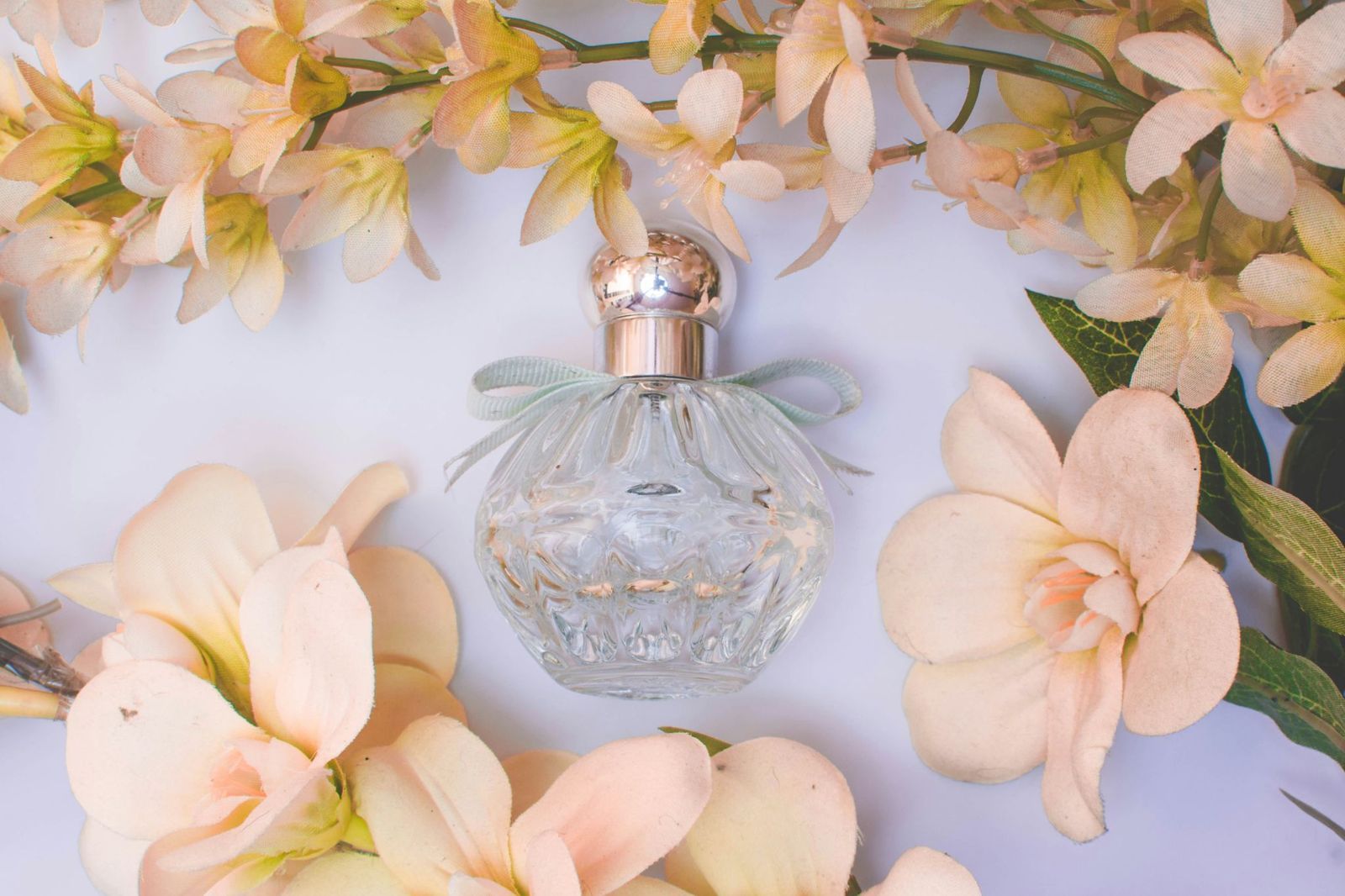
The original Eau de Cologne, or Kölnisch Wasser, was never a legally recognized PDO, but the name served as a geographical marker in the beginning. Developed in the German city of Cologne, it differed from the French eau de parfum because it had a much lower concentration of fragrance oils. Over time, the popularity of the product, much more affordable than perfumes thanks to the lower amount of oil used, resulted in the name losing its geographical association and becoming a generic term for less concentrated fragrances. In English, in particular, the term "cologne" is commonly associated with fragrances catered toward men.
Parmesan
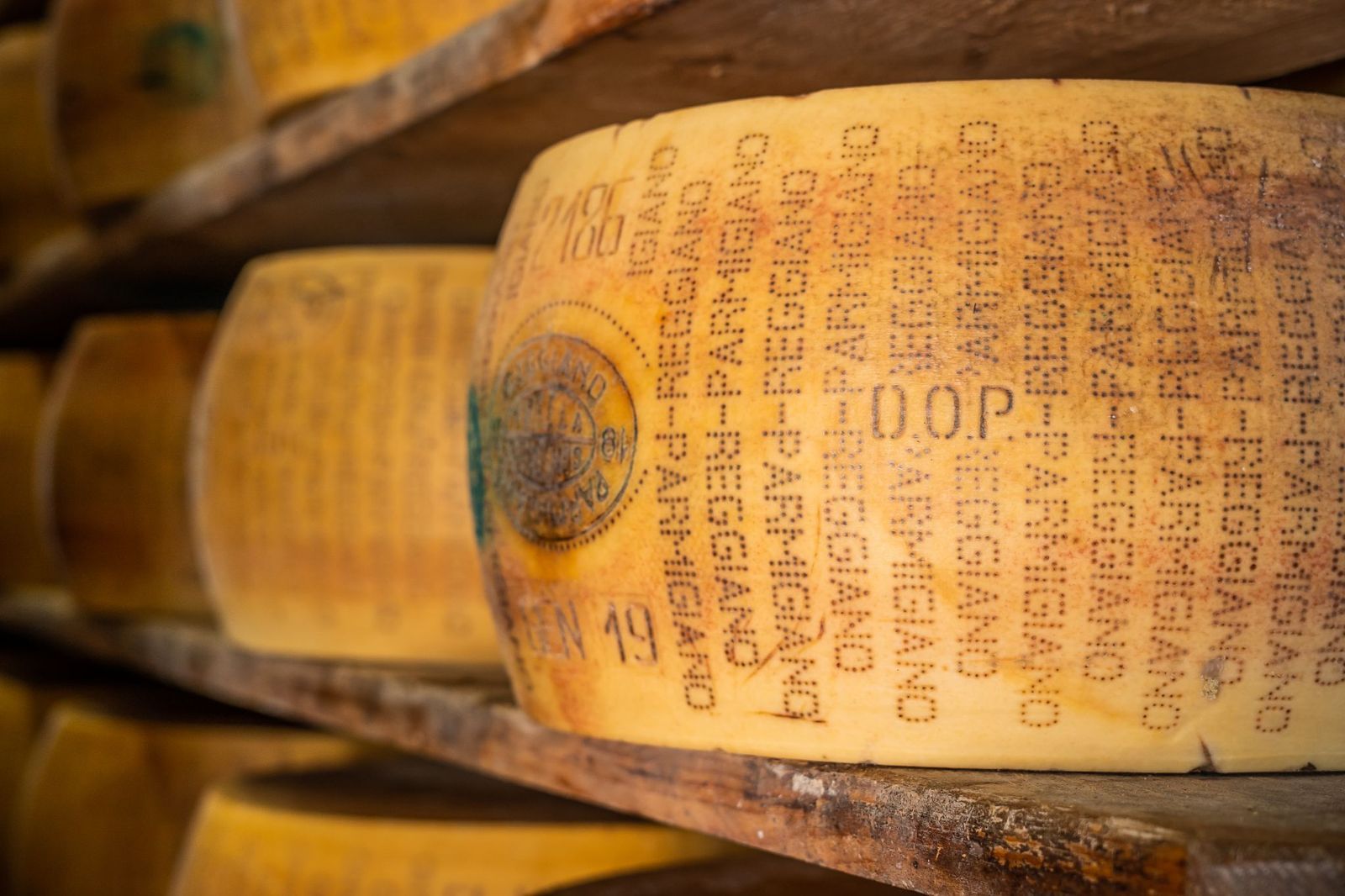
You might be used to the name "parmesan" for a specific type of cheese, but that is just the anglicized version of Parmigiano Reggiano, an Italian hard cheese produced in the Emilia-Romagna and Lombardia regions. Named after the city of Parma and the Reggio Emilia province, Parmigiano Reggiano cheese is often hailed as the "king of cheeses", and it’s so valued that some Italian banks accept it as collateral for loans. While under European law both "Parmigiano Reggiano" and "Parmesan" are PDOs, outside that area the legal protections apply only to the Italian name, which allows similar products to be sold under the name "Parmesan".
Dijon Mustard
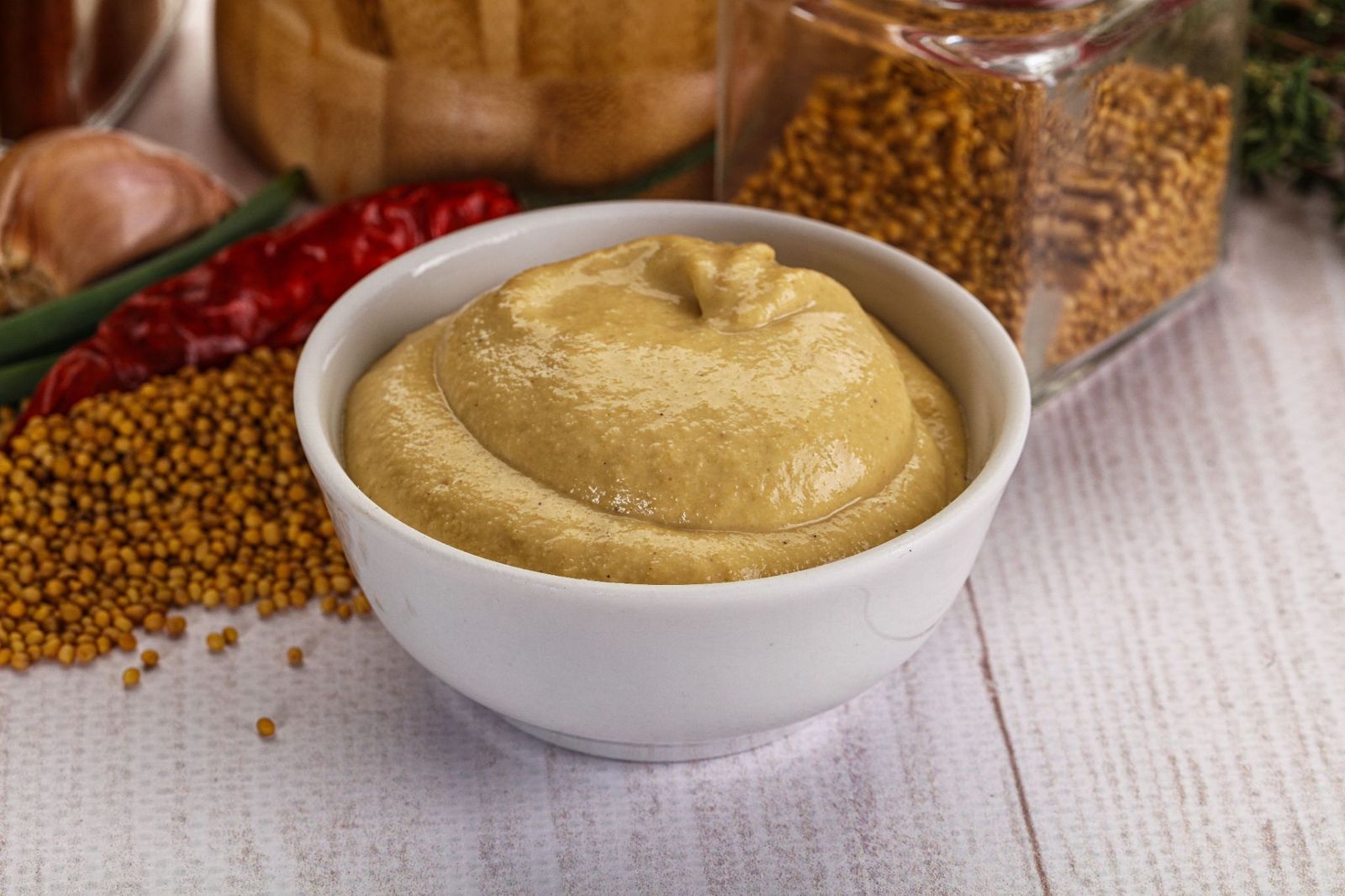
Much stronger and pungent than American mustard, Dijon mustard is sometimes an acquired taste, but still widely popular. Named after the city of Dijon in Burgundy, France, its name never became a PDO, which allows manufacturers all around the world to produce and sell "Dijon mustard", provided that they follow the traditional recipe and preparation. There is, however, a Dijon mustard that is legally protected. The Moutarde de Bourgogne, or Burgundy Mustard, is a Dijon variety that is only made in the Burgundy region, with specific local ingredients.
Scotch
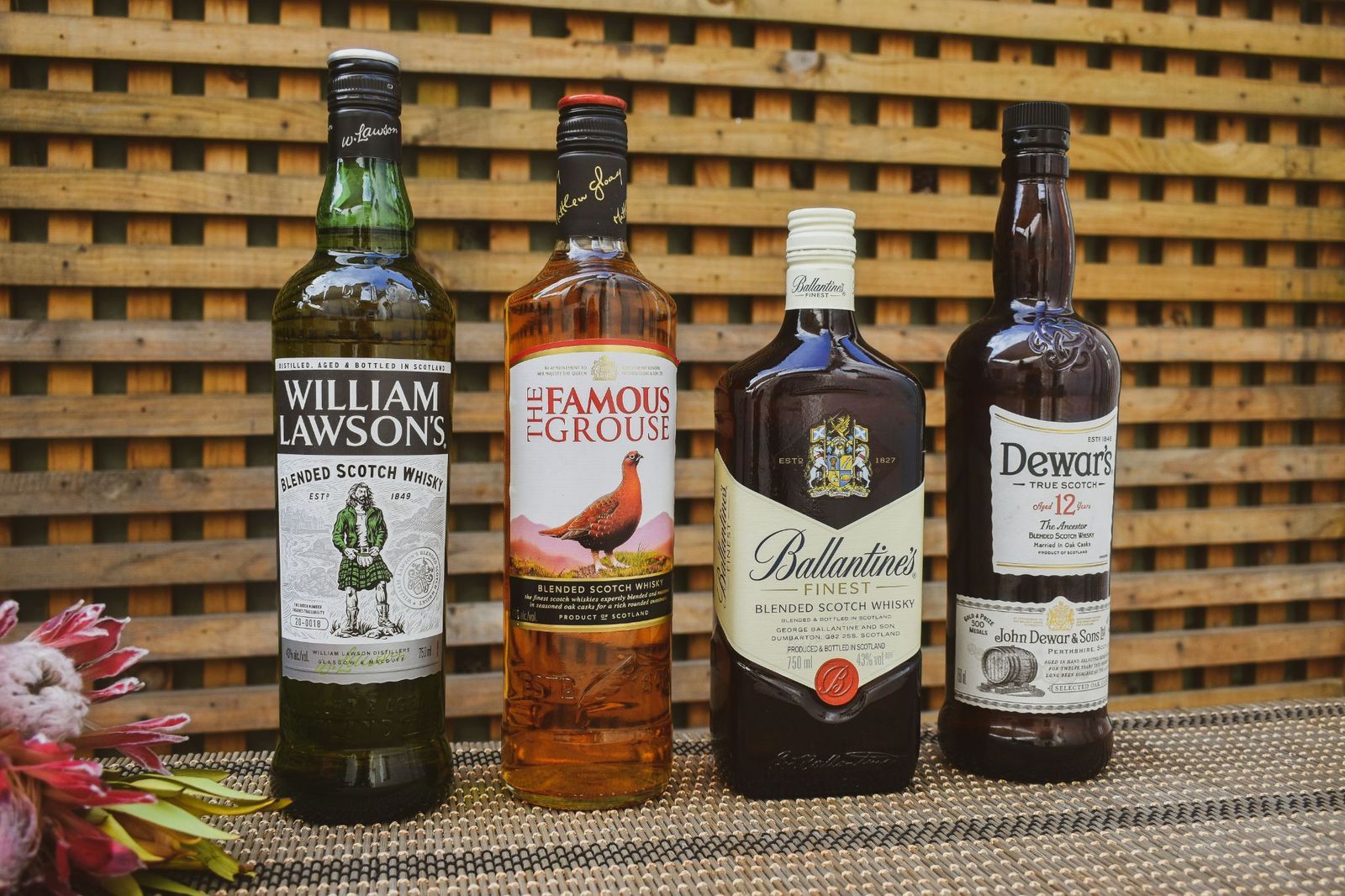
Have you ever wondered what the difference was between whisky and scotch? All scotch is whisky, but not all whiskies are scotch. Whisky is an umbrella term for a distilled spirit made from fermented grain mash, and applies to products from all over the world (although products from Ireland and the U.S. are traditionally called "whiskey"). On the other hand, Scotch refers to whisky made from malt, barley, or a combination of the two, produced and aged in Scotland following certain guidelines. The PDO category doesn’t always apply to distilled spirits, so Scotch whisky falls under the Geographical Indication (GI) category instead.
Feta
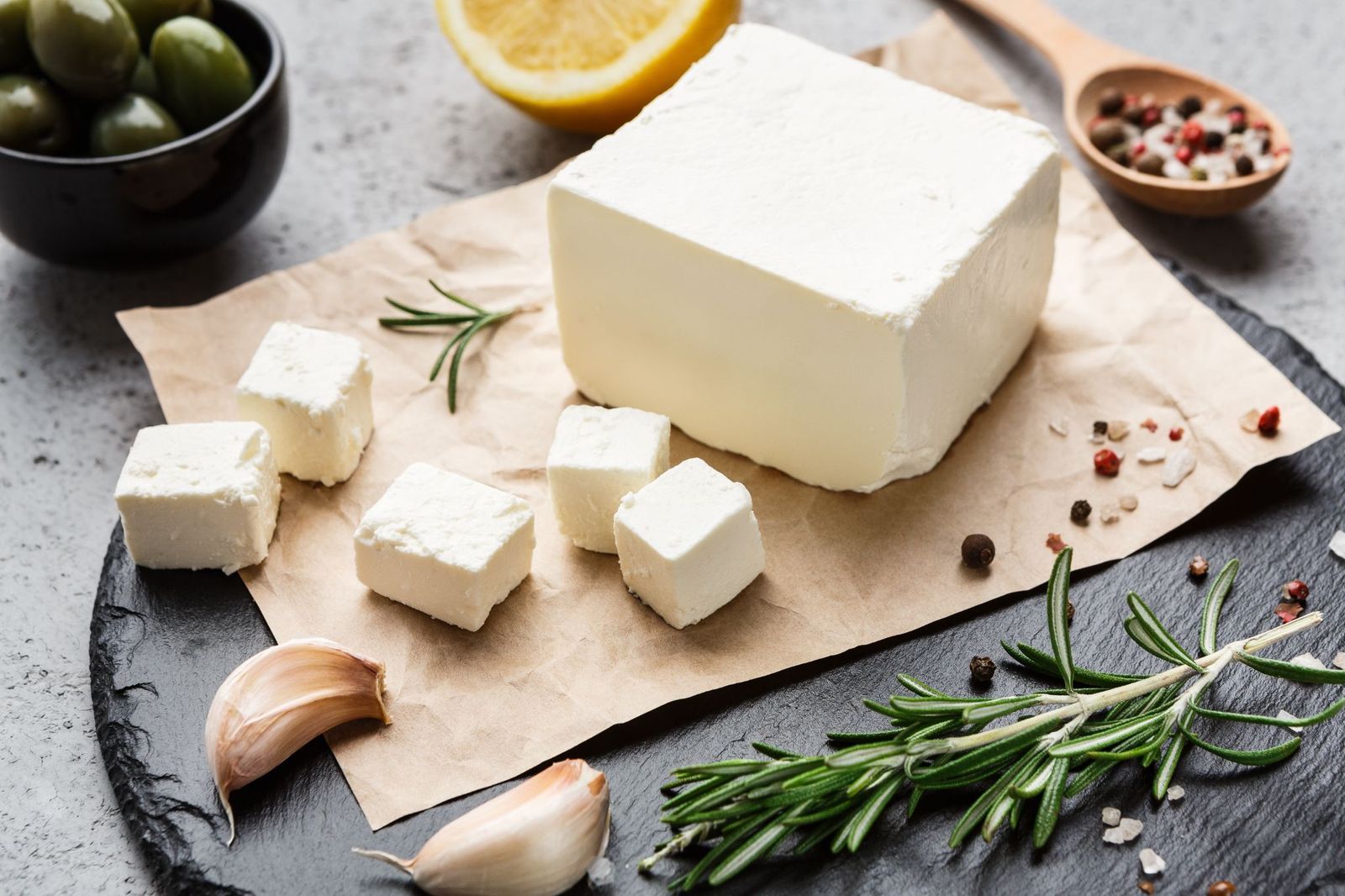
One of the most famous Greek ingredients, feta cheese is instantly recognizable for its crumbly texture and salty brine. Made from sheep’s milk (sometimes combined with goat’s milk), "Feta" has, since 2002, been strictly reserved for cheese of this style manufactured in mainland Greece and the Lesbos prefecture, but this restriction applies only to the European Union. Elsewhere, similar cheeses from different regions are produced and sold as "Feta" cheese.
Kalamata olives
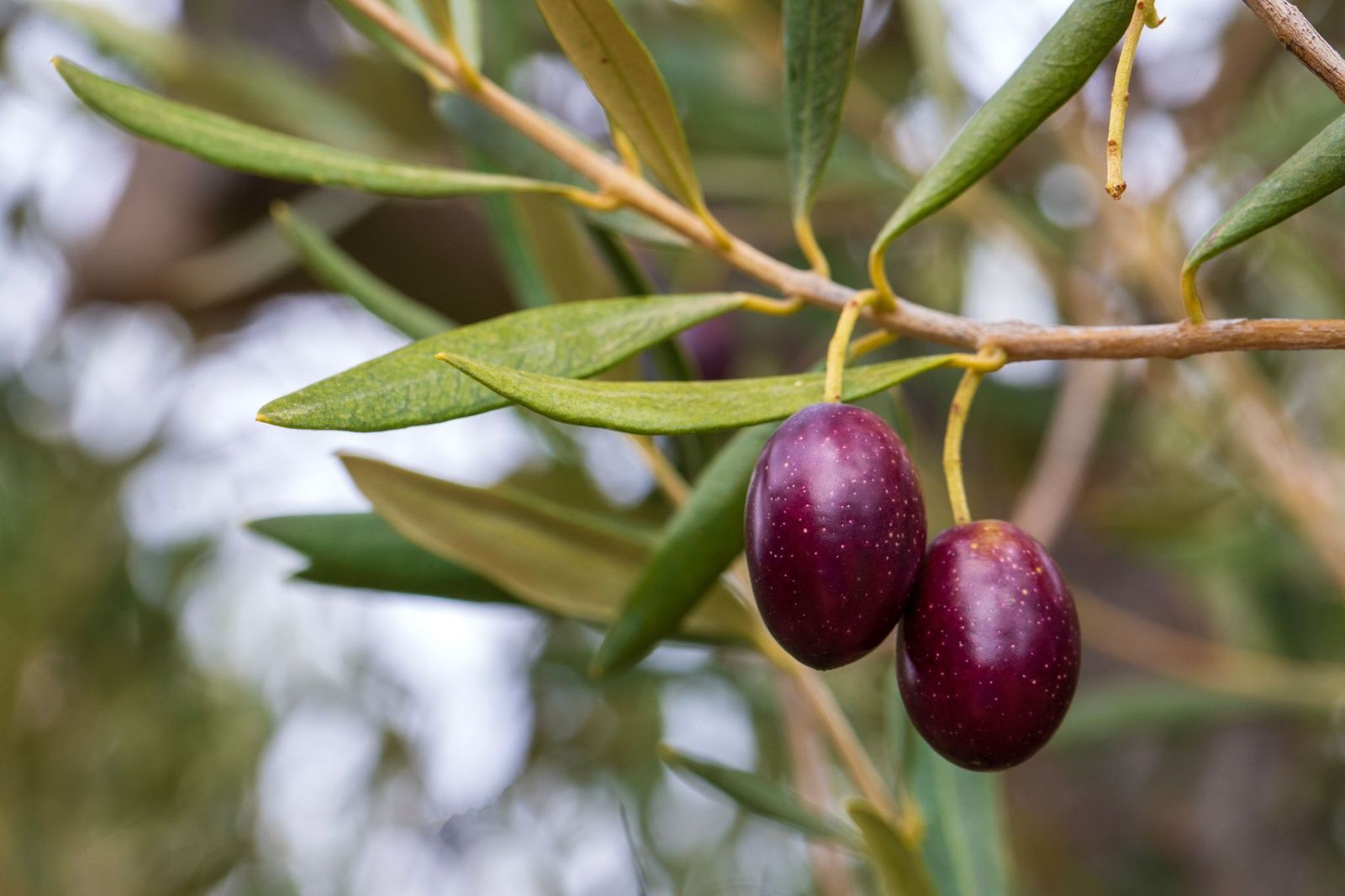
Are these olives called "Kalamata" because they are from Kalamata in the Messenia region of Greece or because they are of the Kalamata variety? Well, both. The Kalamata variety originated in Kalamata, hence the name, but this creates some confusion when it comes to legal designations. Within the European Union, "Kalamata" is a PDO not for olives, but for olive oil made with this variety, which has to be grown, harvested, and processed within the Messenia region. When it comes to olives sold as "Kalamata," though, the term is not protected, as the Kalamata variety is grown all over the world.
Panama hat

It might come as a surprise that "Panama hat" is a PDO, but what might be even more surprising is that it strictly refers to hats made in Ecuador, not in Panama. Also known as an Ecuadorian hat, a Jipijapa hat, or a toquilla straw hat, these lightweight, brimmed straw hats are traditionally handmade with the leaves of a local palm, and different Ecuadorian regions have unique styles, which are also legally protected. Why is it known as a "Panama" hat? These hats were initially commercialized in Panama and were popular among workers in the Panama Canal. When asked about the origin of their hats, they usually answered "Panama", unaware of its Ecuadorian origins.
Cashmere

What is Cashmere? Depends on who you ask. As a proper name, it is the anglicized version of Kashmir, a region in the Himalayas. It is also the name of a goat breed, present across Central Asia (Kashmir included). Additionally, cashmere wool is obtained from cashmere goats, but also from other related breeds from Central and East Asia, and even some places in Europe and Australia. As a product, cashmere wool is not a PDO, but to be truly considered worthy of the name, it has to be harvested from a cashmere goat or a related breed and not be mixed with other fibers.
Tequila
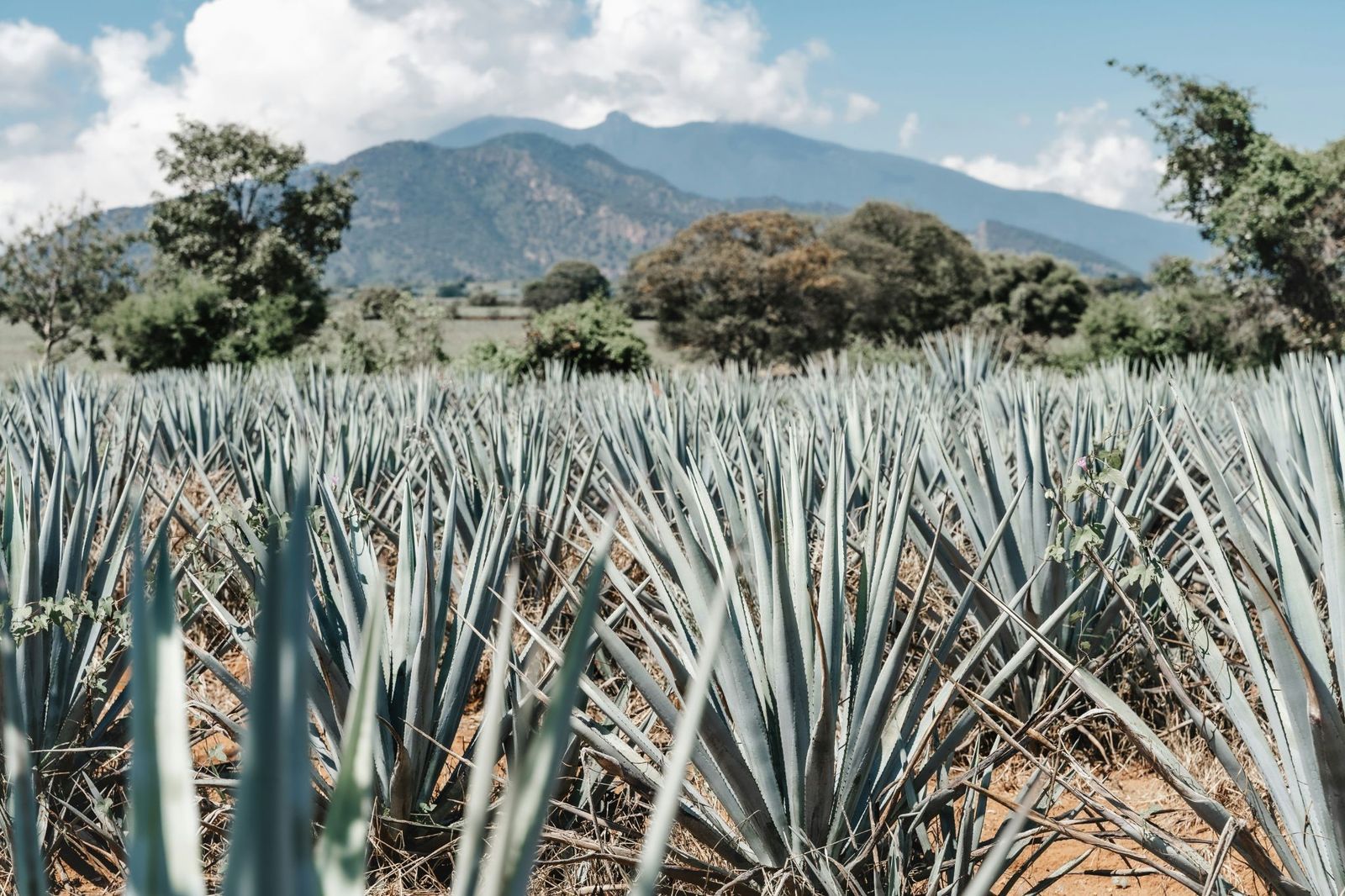
Tequila is extremely popular in the U.S., but did you know that it can only be sold as "Tequila" if it’s produced in the Mexican state of Jalisco or in specific municipalities in the states of Guanajuato, Michoacan, Nayarit, or Tamaulipas? It also needs to be made with blue agave and contain 51% agave sugars or more. Heavily protected and regulated under Mexican law, "Tequila" is also a recognized designation in more than 40 countries. Any similar product made elsewhere, or with different ingredients or composition, cannot be legally called tequila, and should be commercialized as an "agave spirit".


