Looking for a good architect?
10 ancient buildings that have resisted time
Published on June 11, 2026
All around the world, we can find examples of the architectural wonders created by ancient civilizations, but many of these have reached our days as ruins. Many, but not all. Some have resisted the wear and tear of time so well —be it because they were maintained or due to their excellent construction— that they are not only standing, but they are functional and in use today. What are they being used for? Let’s find out!
Pantheon
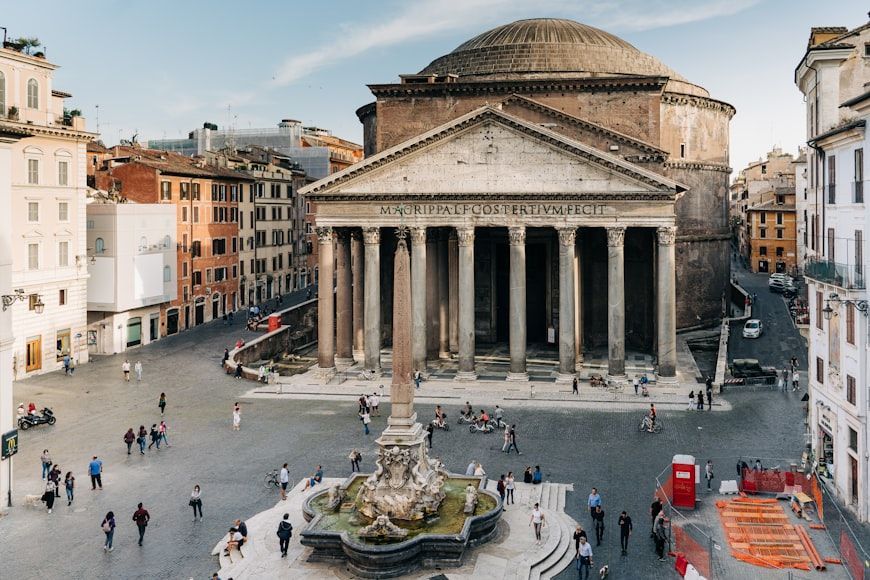
The original Pantheon had been commissioned by General Marcus Vipsanius Agrippa during the reign of Augustus and built on the site of an older temple. Destroyed in a fire, the current building was built in the 2nd century under Emperor Hadrian’s orders and has been, since the 7th century, a Catholic temple dedicated to the Virgin Mary and the Martyrs.
What makes this building so impressive? The round building has the world's largest and oldest unreinforced concrete dome, excellently preserved. The dome, built in one piece and with a central opening as the only light source for the building, has served as a blueprint for many other buildings. Besides being regularly used as a church, it is also the resting place of two Italian monarchs.
St. Catherine's Monastery
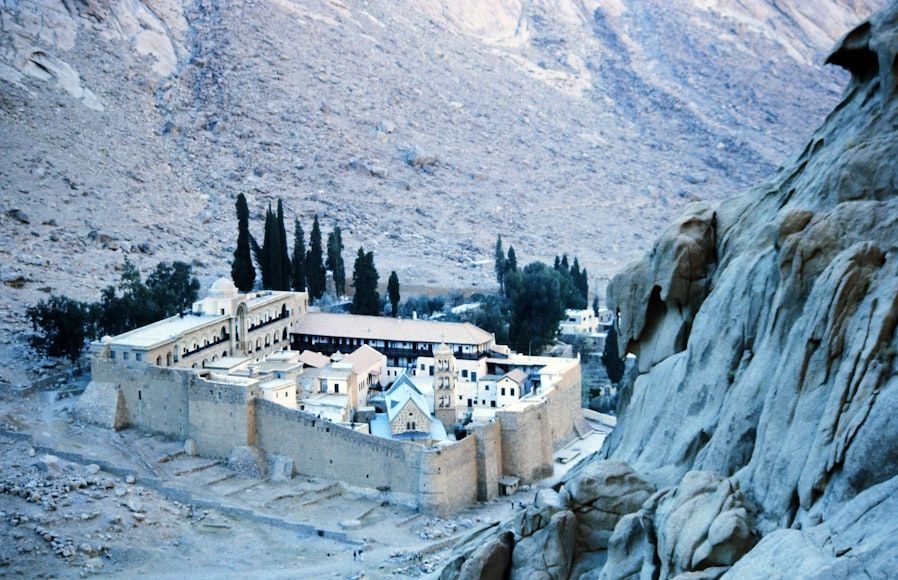
Located at the foot of Mount Sinai, St. Catherine’s Monastery is the oldest continuously inhabited Christian monastery. It was built between 548 and 565 under the orders of the Byzantine Emperor Justinian I. The important relics enclosed in it—mainly, the remains of St. Catherine of Alexandria, and the burning bush seen by Moses—have made the place an important pilgrimage site for many believers.
Built around the already existing Chapel of the Burning Bush and the Well of Moses, the fortified complex includes a 6th-century basilica, a bell tower with a bell donated by a russian zar, a mosque, a library, a museum, and a sulfur spring. The basilica encloses the prior church, and it is one of the oldest surviving Christian buildings in the world.
Maison Carrée
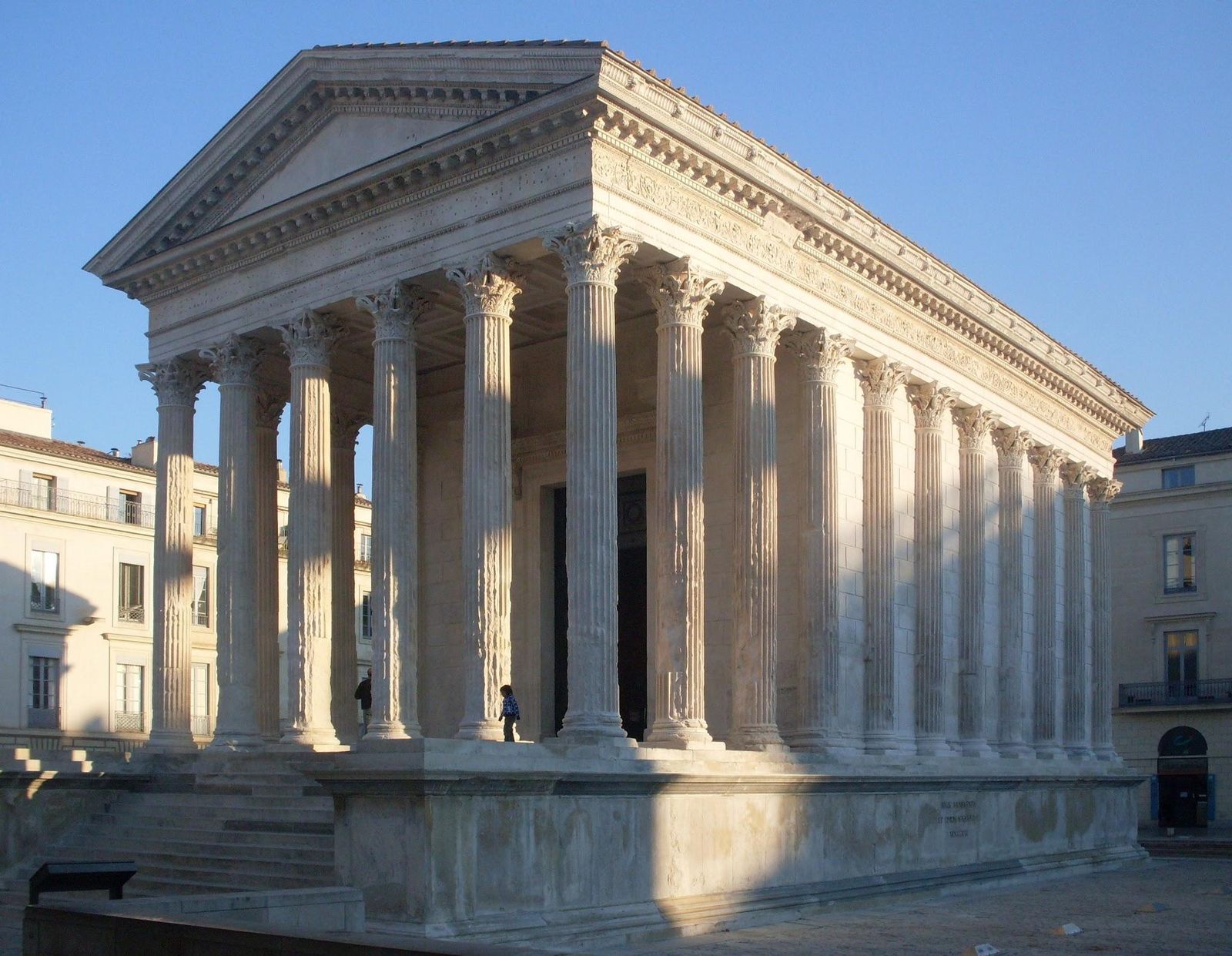
Dating back to the 1st century AD, the Maison Carrée (meaning ‘square house’) was built as a temple for the imperial cult in the French city of Nîmes. It has been used as a temple, a church, a royal residence, a museum, a government building, and even as a stable. Nowadays, it is used as a museum.
The building presents similarities with other Roman temples of Tuscan style, but follows the Corinthian order. The portico and its columns are richly decorated with vines and leaves, and the entire building is situated on a high podium, giving it a towering presence over the area. The Maison Carrée has served as inspiration for many neoclassical buildings, the most famous being Virginia’s State Capitol, designed by Thomas Jefferson.
Mundeshwari Temple
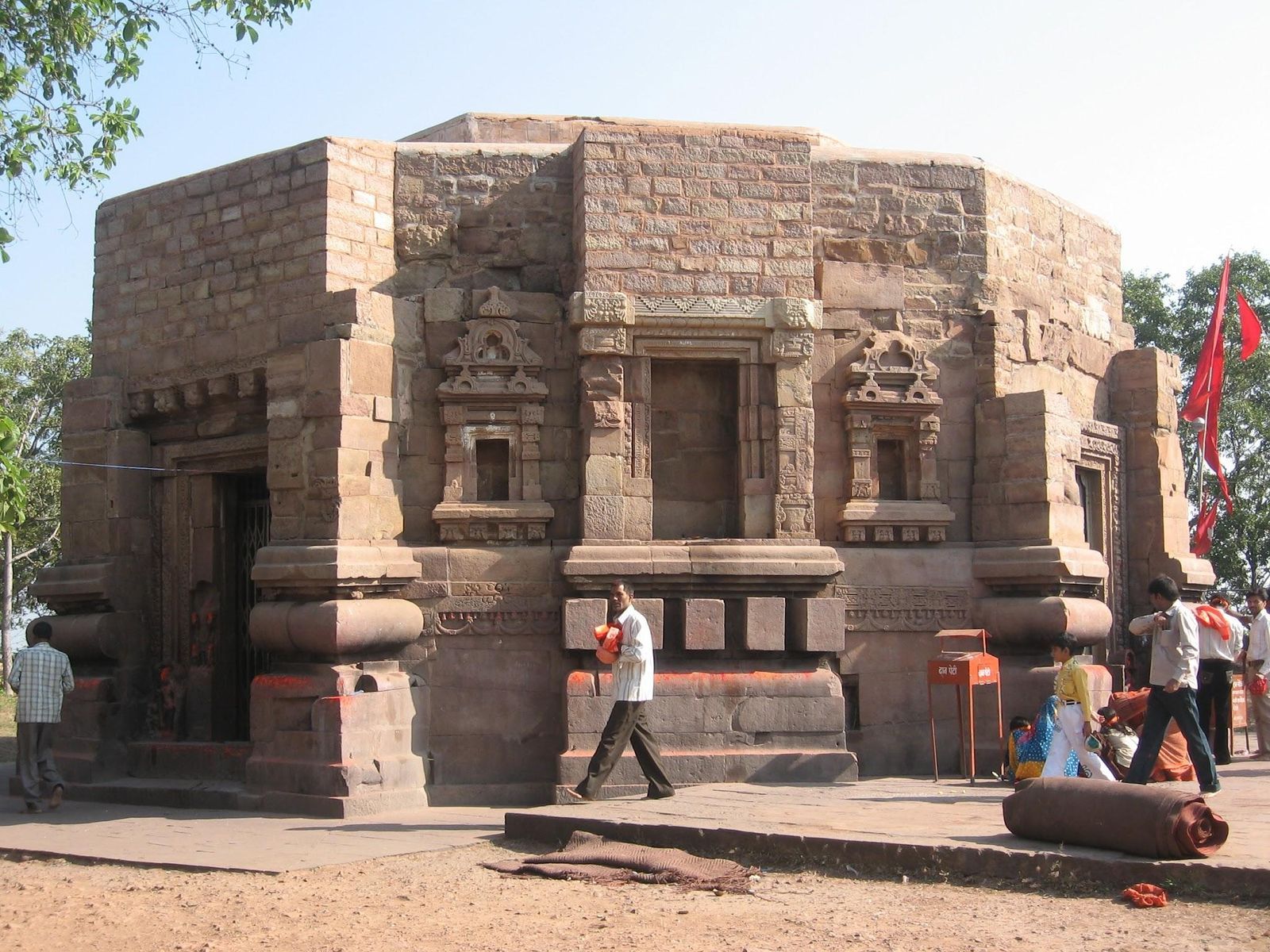
How old is this Hindu temple dedicated to Shiva and Shakti? Well, it depends on who you ask. Locals claim that it was built during the 1st century, but most of its elements date to the 6th century, so it might have been rebuilt or modernized.
No matter the date, the Mundeshwari Temple is one of the oldest continuously working Hindu temples in the world. It has an octagonal floor plan, not common in this kind of building, and its walls are intricately carved. Up to this day, it is still a major pilgrimage site for Hindus across the world.
Hagia Sophia
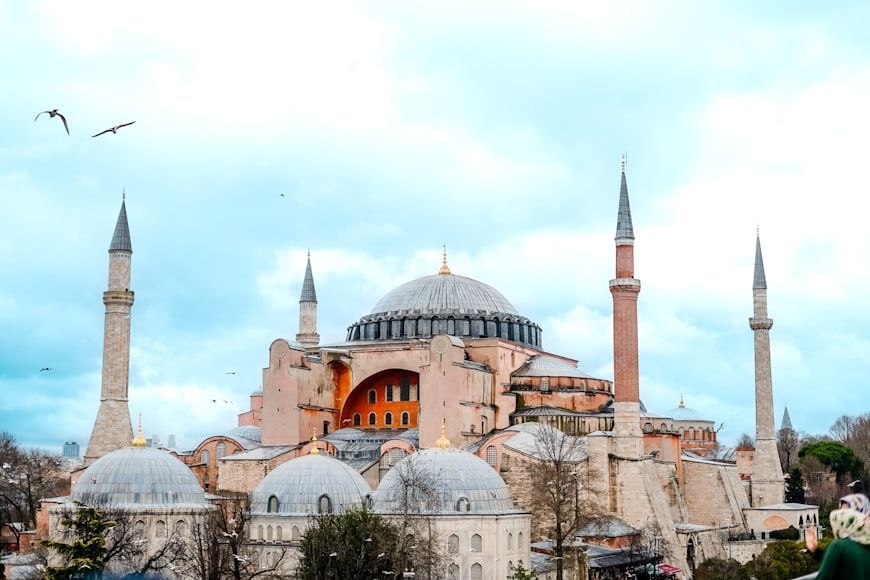
A cathedral, a mosque, a museum, and a mosque once again. Built in 360 AD, destroyed in a fire, and rebuilt in 537 AD as the main Byzantine cathedral, Hagia Sophia (meaning ‘Holy Wisdom’) is a testament to old Constantinople, and it was intended to be the biggest church in the world.
After the Ottoman conquest, its conversion into a mosque involved the addition of minarets and other architectural elements. Many mosaics and paintings, forbidden in Islamic tradition, were covered with plaster, although they have been restored during the 20th century and given fabric coverings that protect them and hide them from view.
Ruwanwelisaya Stupa
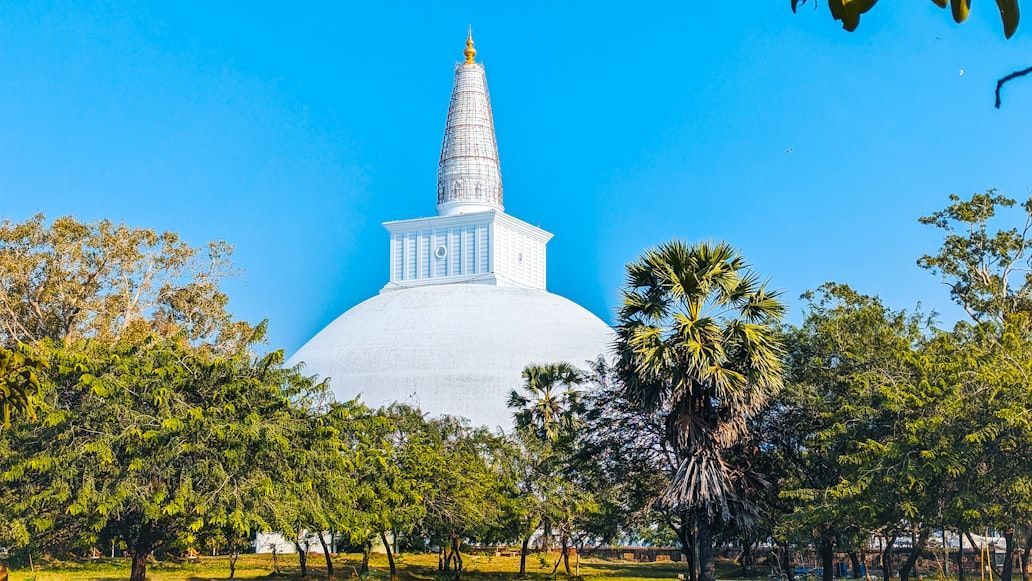
This stupa—a Buddhist building containing relics—is located in Sri Lanka, and it is said to contain body relics of the historic Buddha, making it a major pilgrimage site for Buddhists everywhere. Built in the 2nd century by King Dutugemunu after the unification of Sri Lanka, it is nearly as tall as the Great Pyramid of Giza.
The stupa has suffered numerous attacks during its history, and in the 19th century, it was completely covered by wilderness. Renovation efforts started in the early 20th century, and it is now a point of pride for Sri Lankans.
Horyu-ji
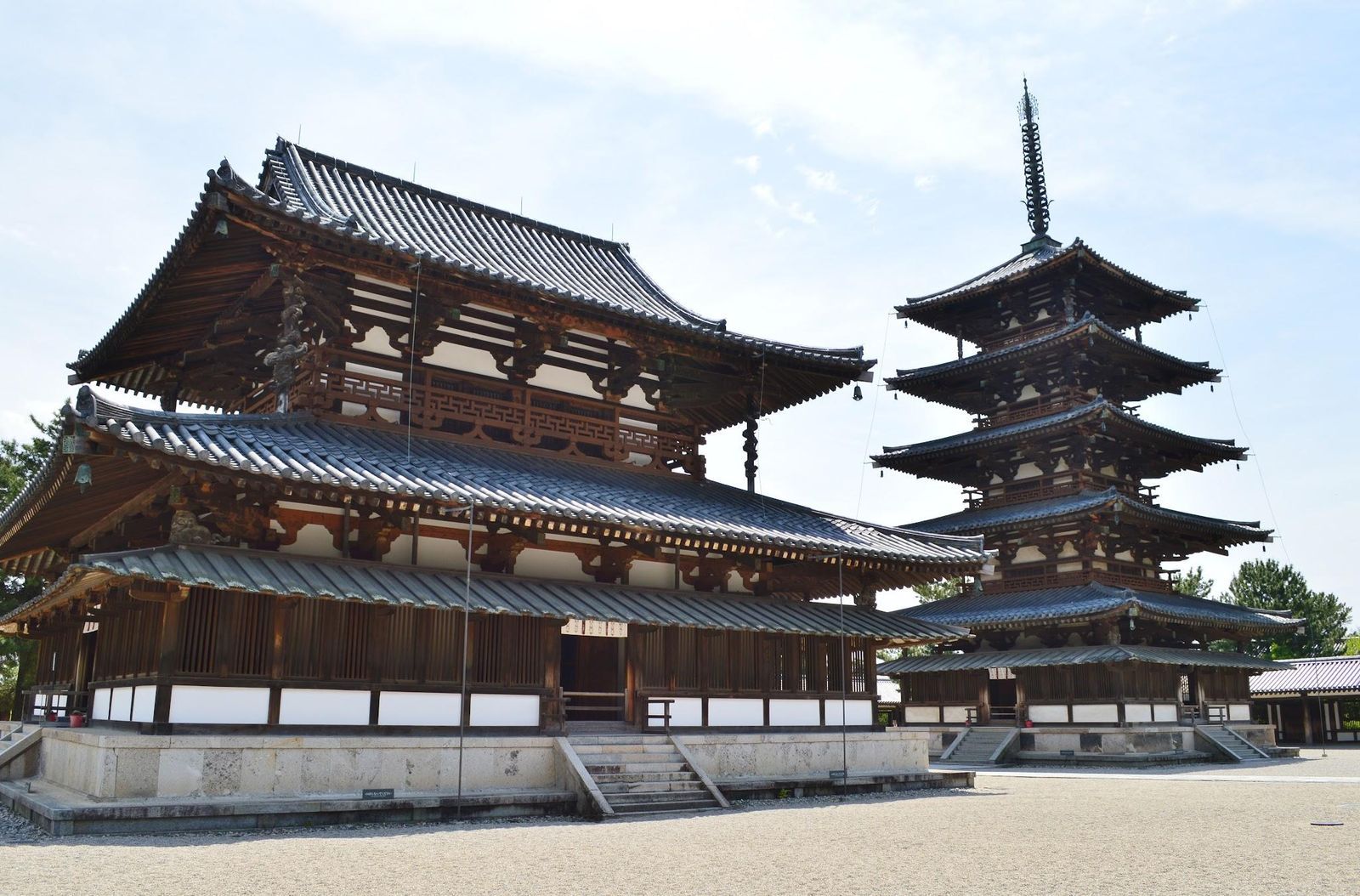
Founded in 607, this complex stands out from others on this list for one simple reason: it is made out of wood. One of the main Buddhist temples in Japan, it was completely burned down and was rebuilt in the year 670, and its main five-store pagoda is considered one of the oldest wooden buildings in the world. In 1949, another fire caused grave damage, but it was luckily contained.
Built around the time Buddhism was introduced in Japan, the complex showcases architectural influences from Korea and China, fused with unique Japanese elements. During World War II, big sections of the complex were dismantled and hidden, but the area was ultimately spared from attacks.
Tower of Hercules
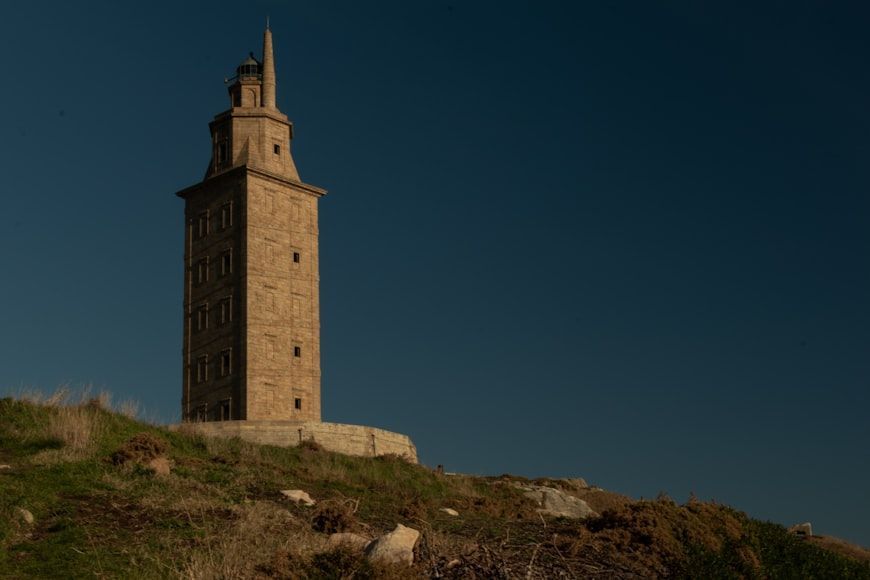
Dating to the late 1st Century AD, the tower of Hercules is the oldest Roman lighthouse still standing. Built under Emperor Trajan, it was originally called Farum Brigantium or Lighthouse of Brigantia after a nearby Roman settlement in Galicia, Spain. Its current name comes from a mix of Classical and Celtic myths, according to which Hercules fought and defeated a giant and built a tower over his buried head, the same tower from which ancient Celts discovered Ireland and sailed towards it.
The building has been in continuous use since its construction, not only as a lighthouse, but also as a fortress and a lookout point. As a testament to its cultural importance, the Tower of Hercules is depicted in the Galician coat of arms, alongside the head and bones of the defeated giant.
Casa Blanca
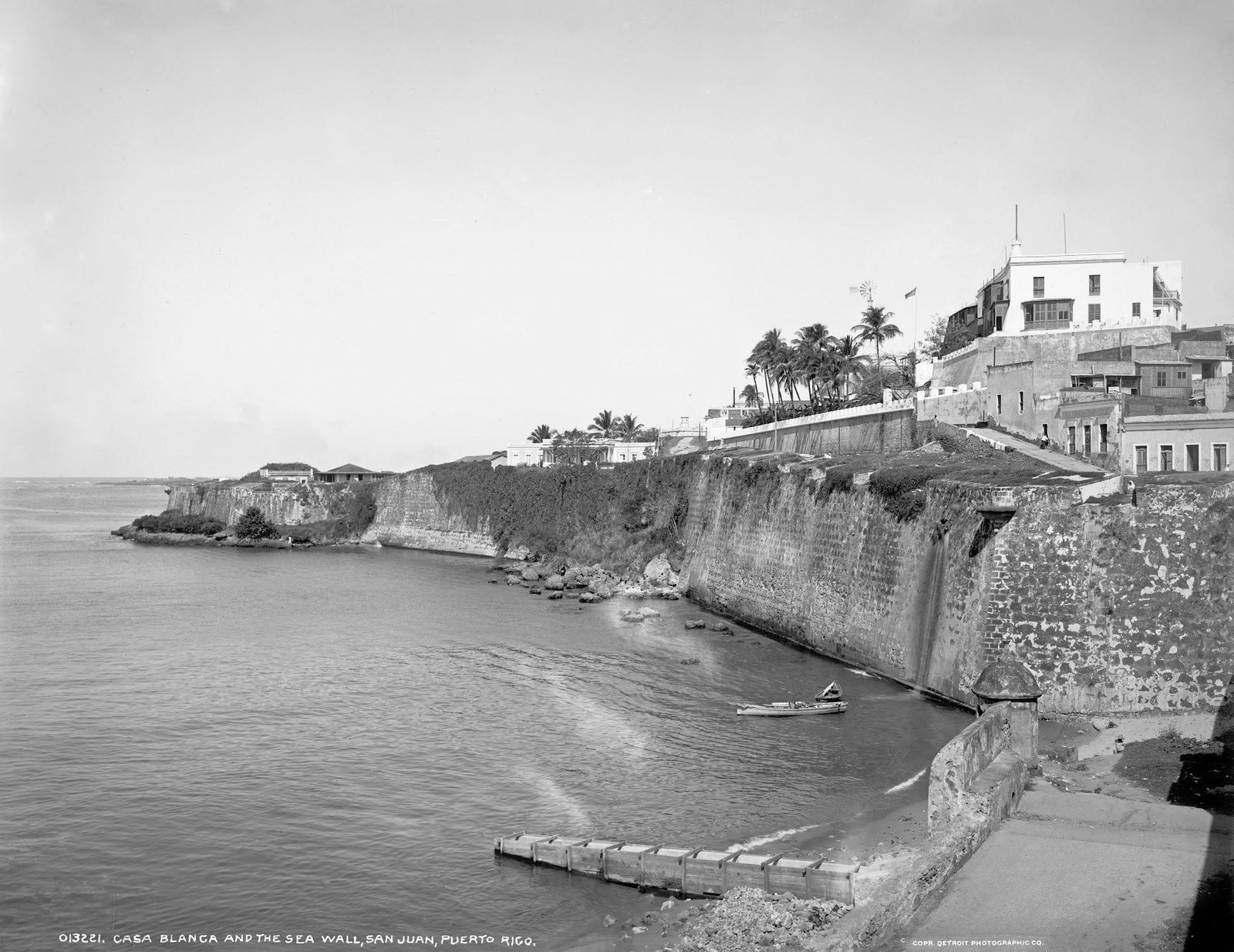
One of the oldest buildings in the U.S. territory, San Juan’s Casa Blanca was built as the residence of the first Spanish governor of Puerto Rico in 1521. Originally made out of wood, it was rebuilt in stone after a fire and was used as a fortress during conflicts.
Serving as the governor’s residence for more than two centuries—until La Fortaleza was built—it was then used for military purposes and later left in disuse in the 20th century. After renovations, it is nowadays a museum and a testament to the Puerto Rican colonial period.
Arena of Verona
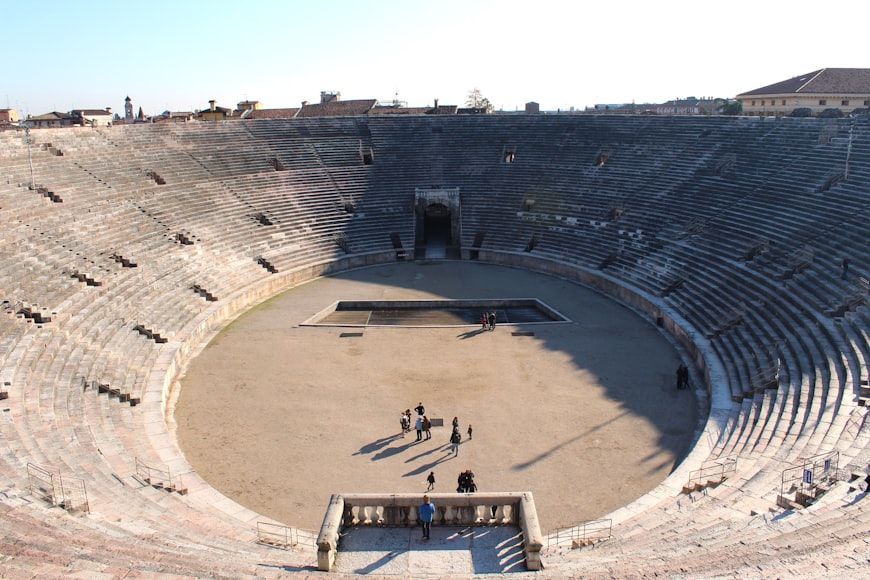
When we think about Roman arenas, we are likely to remember the Colosseum. However, there are older arenas that are still in use and have better resisted the passage of time. The Arena of Verona is one example. Built around 30 AD with a capacity for 30,000 people, it was temporarily abandoned after the fall of the Empire, but was used again during medieval times.
The exterior part of the building was partially destroyed by an earthquake in the 12th century, and some sections were demolished to make way for new buildings, but laws to protect it were established during the Renaissance period. Nowadays, the arena serves as a venue for opera, concerts, and other musical performances.