We still don’t know

An immortal jellyfish? 10 spooky and unanswered questions about the sea


Published on March 8, 2026
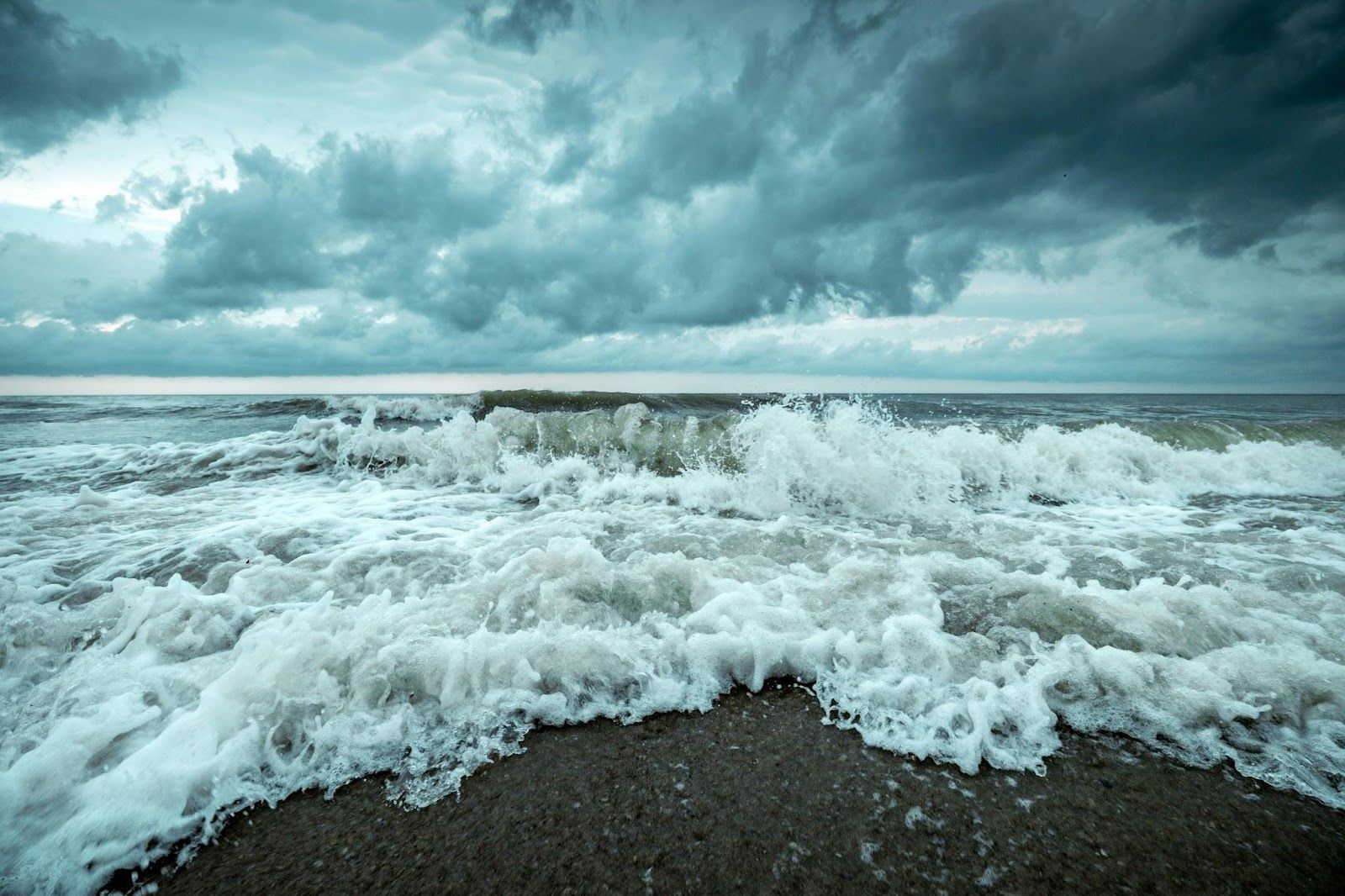

Image: Yevhen Buzuk

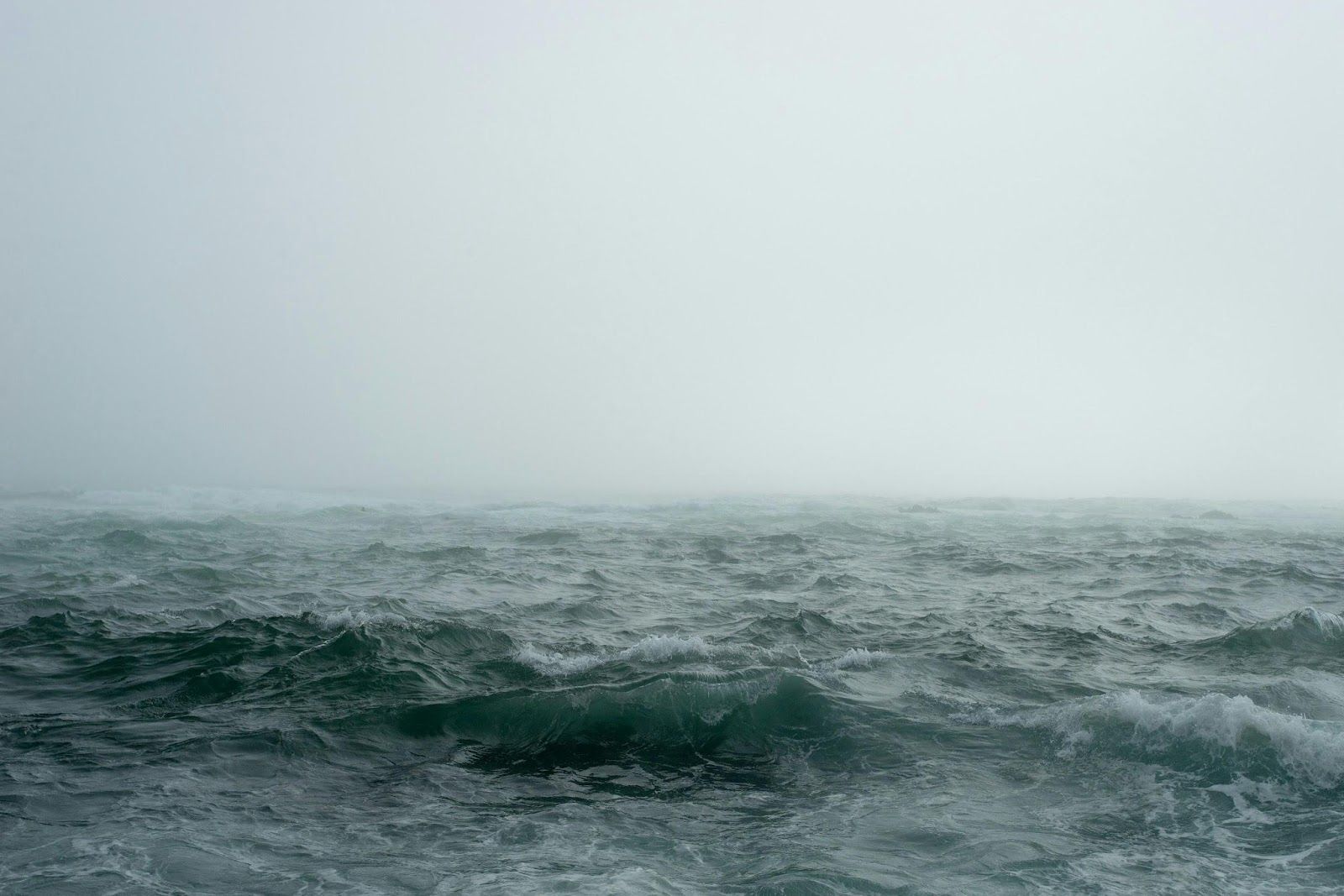
Some people are scared of the ocean. Can you blame them? Though waters cover 70% of our planet, scientists are still scratching their heads about certain unanswered questions. How long can blue whales actually live? What substance makes some waters glow eerily white at night? And what’s with the self-rejuvenating, immortal jellyfish? These are some of the mysteries we’ll explore in this article!

1

The Mary Celeste, seemingly a ghost ship
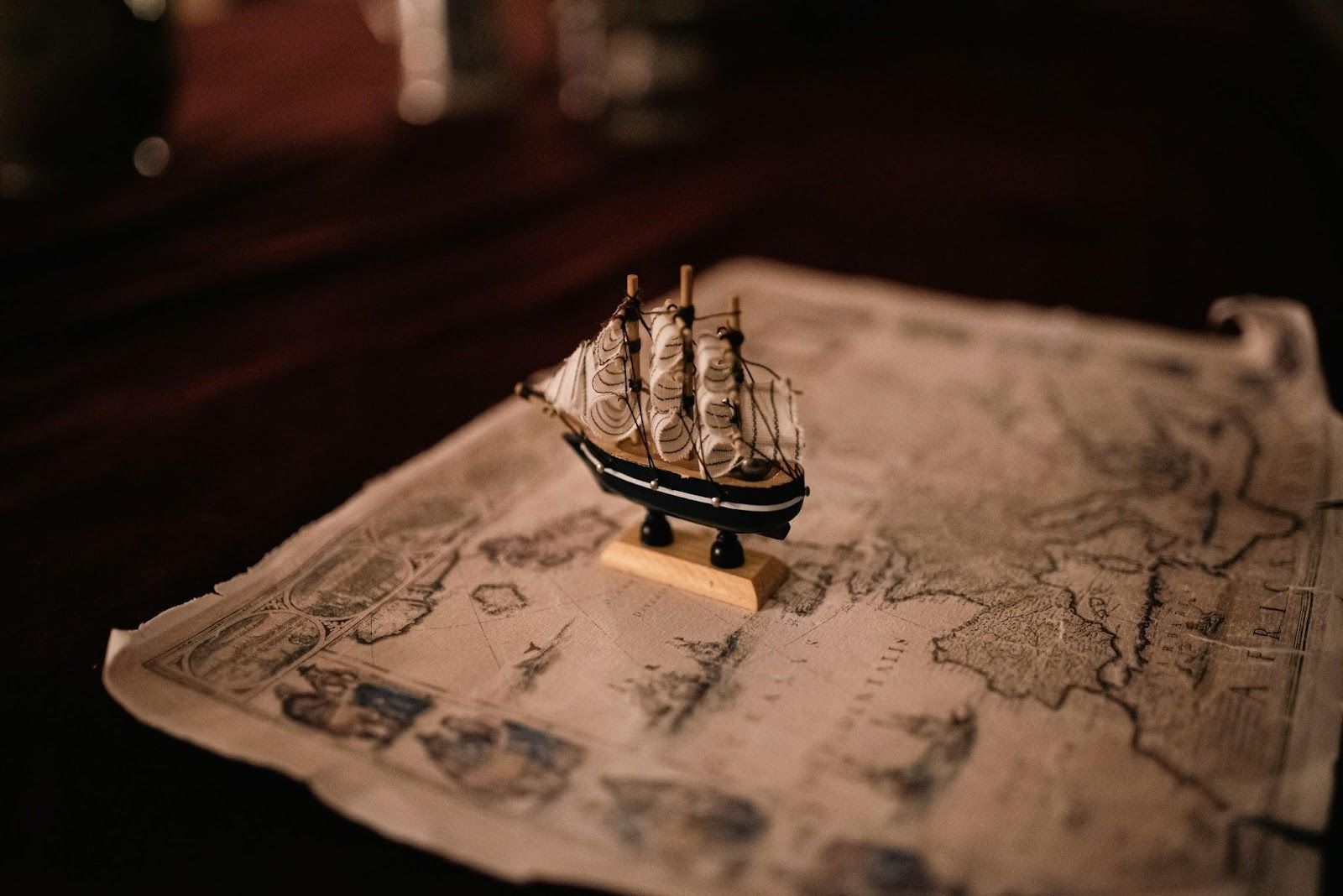
Image: Gabriele Proietti Mattia

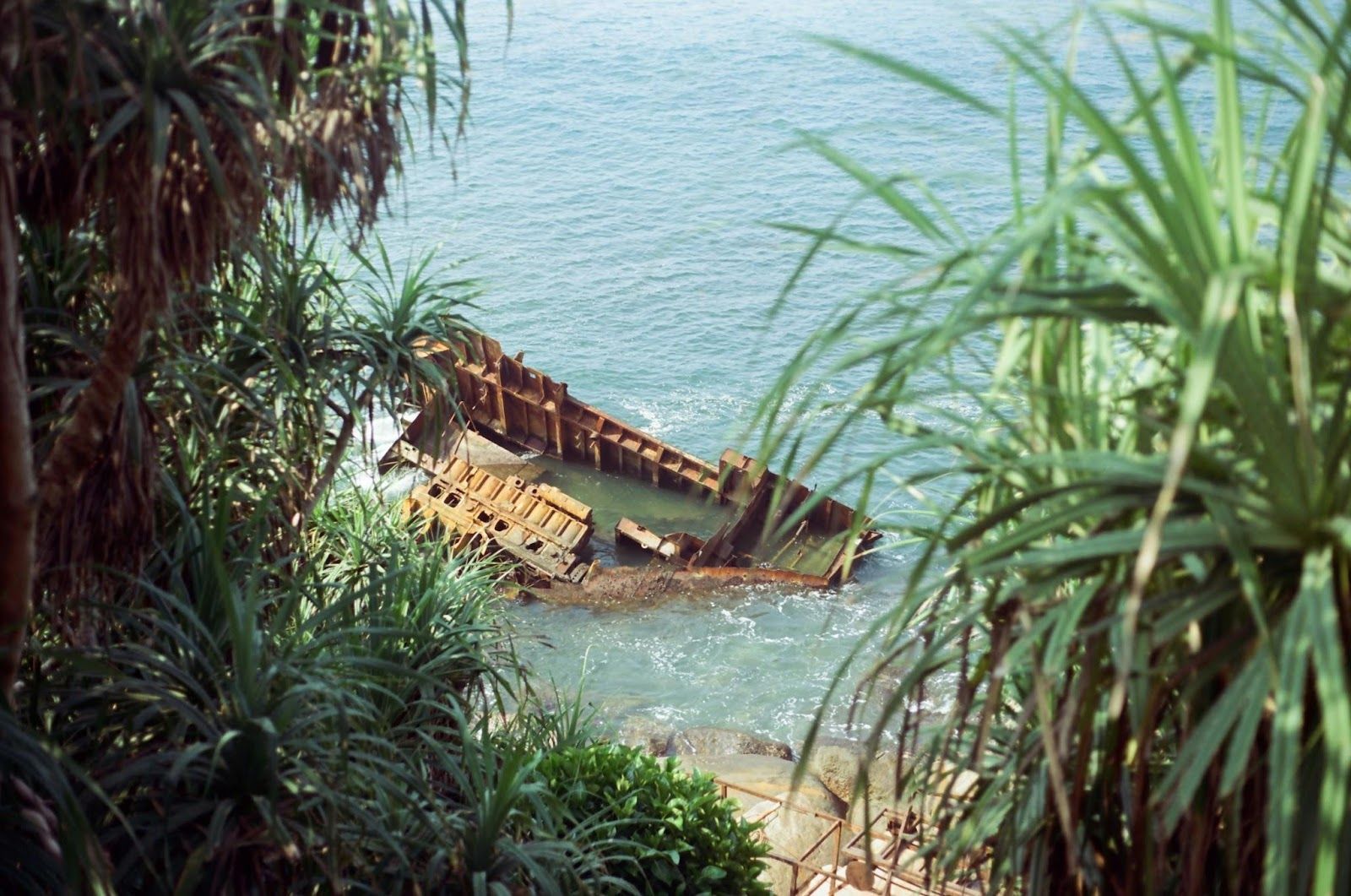
Found abandoned in 1872 with sails set, cargo intact, and dinner still on the table, the Mary Celeste is the poster child for maritime enigmas. The whole crew vanished without a trace and was never heard of again.

Mutiny? Rogue wave? Alcohol fumes? Giant squid? No theory fully fits. It's a fascinating tale that has been the subject of documentaries, theatre plays, novels, and movies.

2

The Milky Sea phenomenon

Image: Salah Regouane

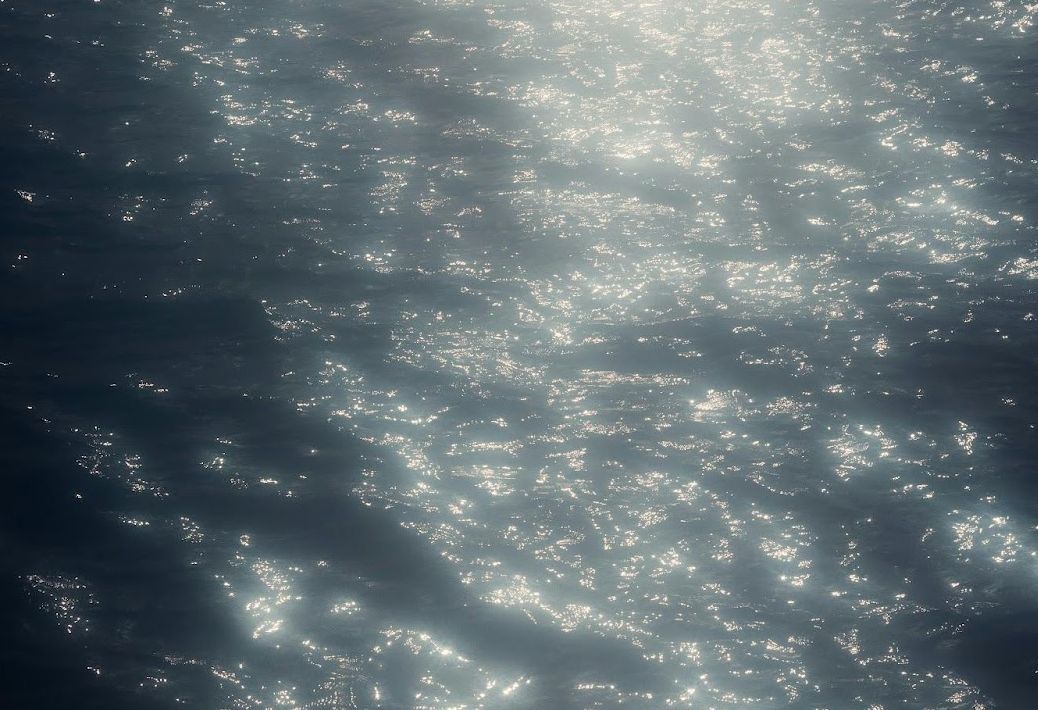
For centuries, sailors have reported seeing entire portions of the ocean surface glowing white at night, like a ghostly reflection.

An explanation could be massive blooms of bioluminescent bacteria, but no one knows how they coordinate light across such huge distances or why the phenomenon lasts for hours. Even with satellite detections, it remains one of the ocean’s eeriest light shows.

3

The fabled giant squid

Image: K. Mitch Hodge

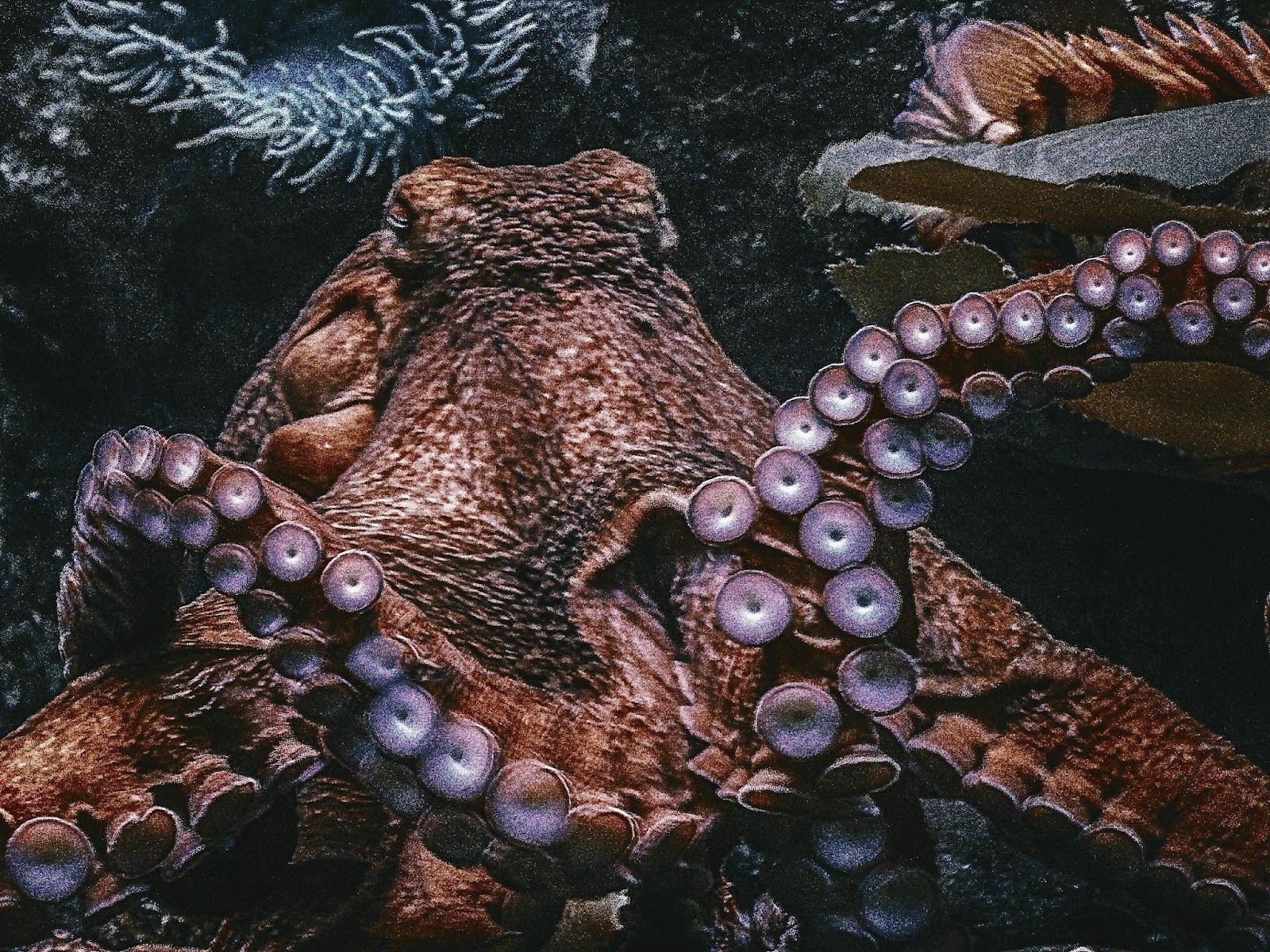
Tales of a giant squid have been alive for centuries, but it was only in 2004 that humanity was able to photograph this fabled creature. In that year, a Japanese team captured a live one on camera in its natural habitat and finally proved that the creature behind centuries of sea-monster legends was very real.

And yet, we still know shockingly little about its life cycle, breeding habits, or how something that big stays so well hidden.

4

We don’t know nearly enough about blue whales
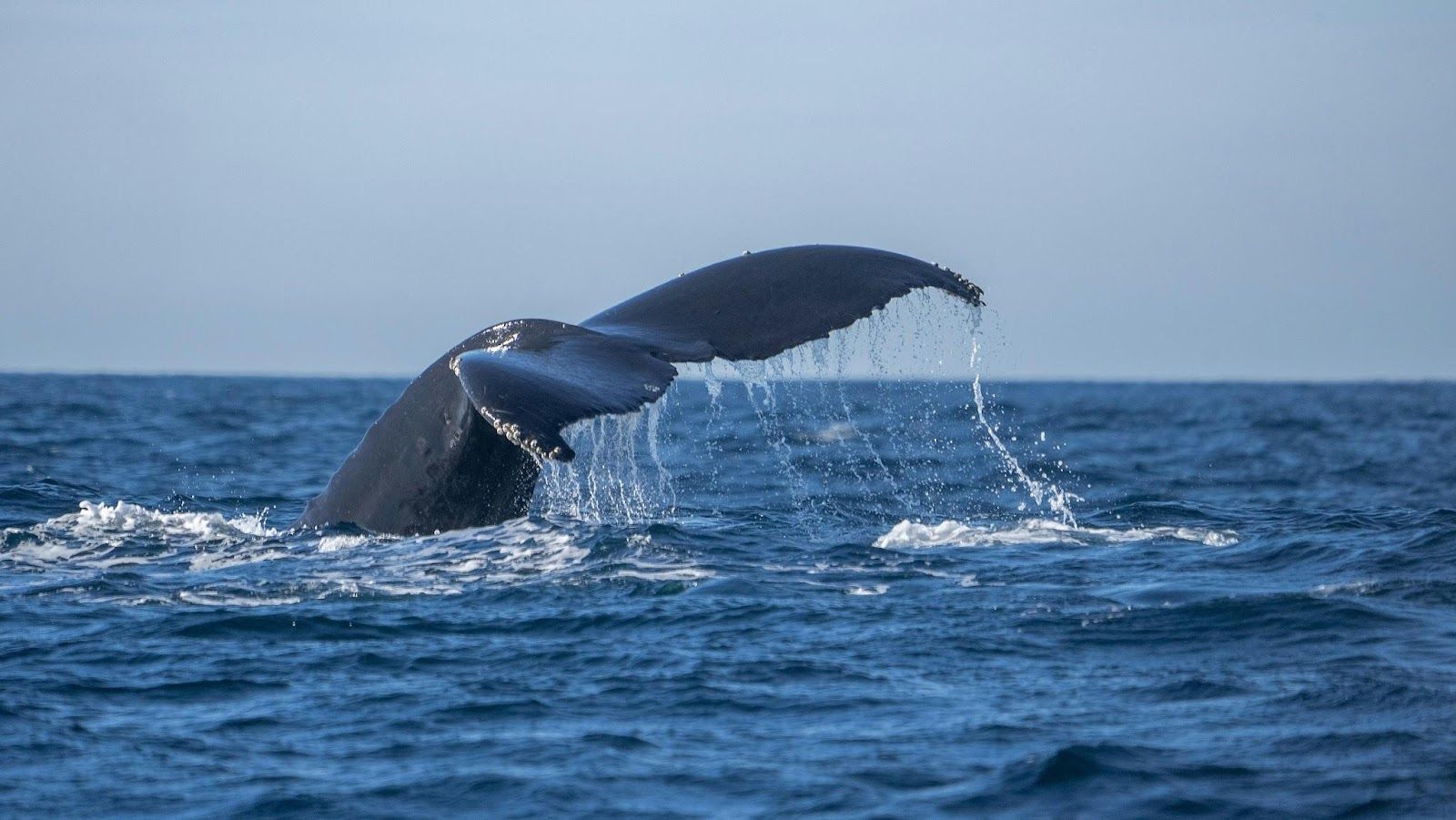
Image: mana5280

You’d think the largest creature ever to exist would be the easiest to study. Nope. We still struggle to track migration patterns, understand their communication system, or explain the full recovery timeline after they were nearly hunted to extinction.

5

How does the "immortal" jellyfish rejuvenate?
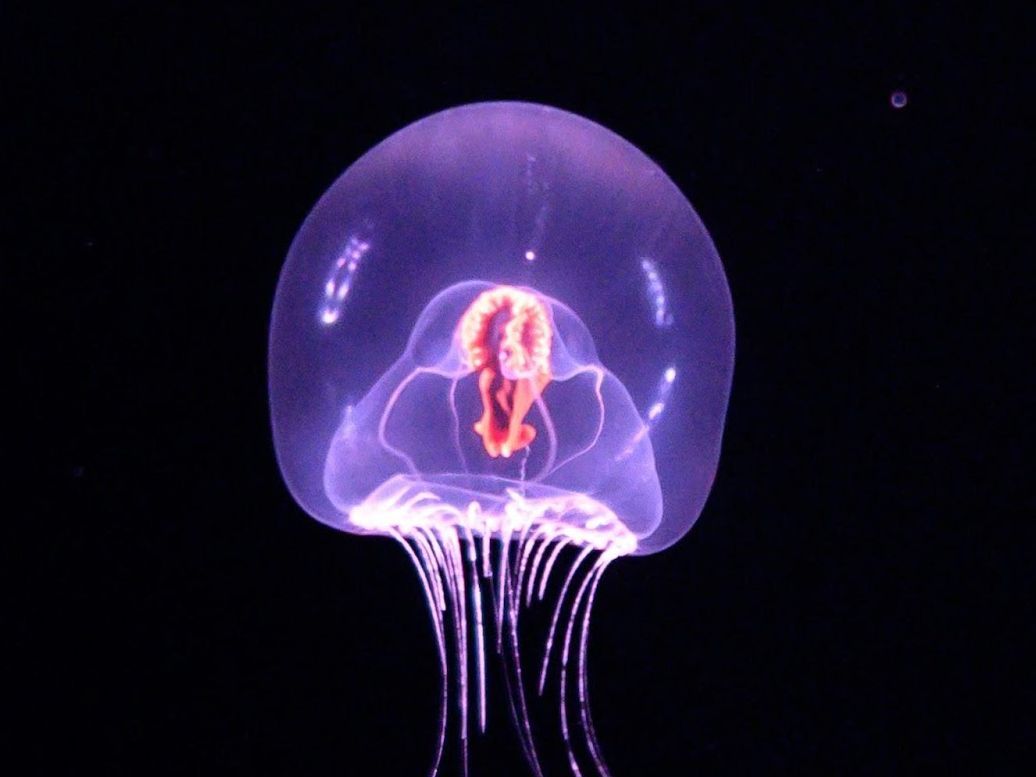
Image: Zetong Li

Turritopsis dohrnii cheats death by reverting its adult cells back to a juvenile state when stressed. It’s like if a human under pressure suddenly turned back into a toddler.

This regeneration process is wildly complex and not fully understood, and scientists hope that cracking its secret might reveal insights into aging itself.

6

The Bermuda Triangle, in general

Image: Oleksandr Voloshchenko

The stretch between Florida, Bermuda, and Puerto Rico has inspired endless theories. Unexplained disappearances, bizarre compass behavior, and strange weather patterns have contributed to building the legend.

Scientific explanations abound, from methane hydrates to violent storms, but the Triangle’s mythic aura refuses to die.

7

The Mariana Trench, deeper than Everest is tall
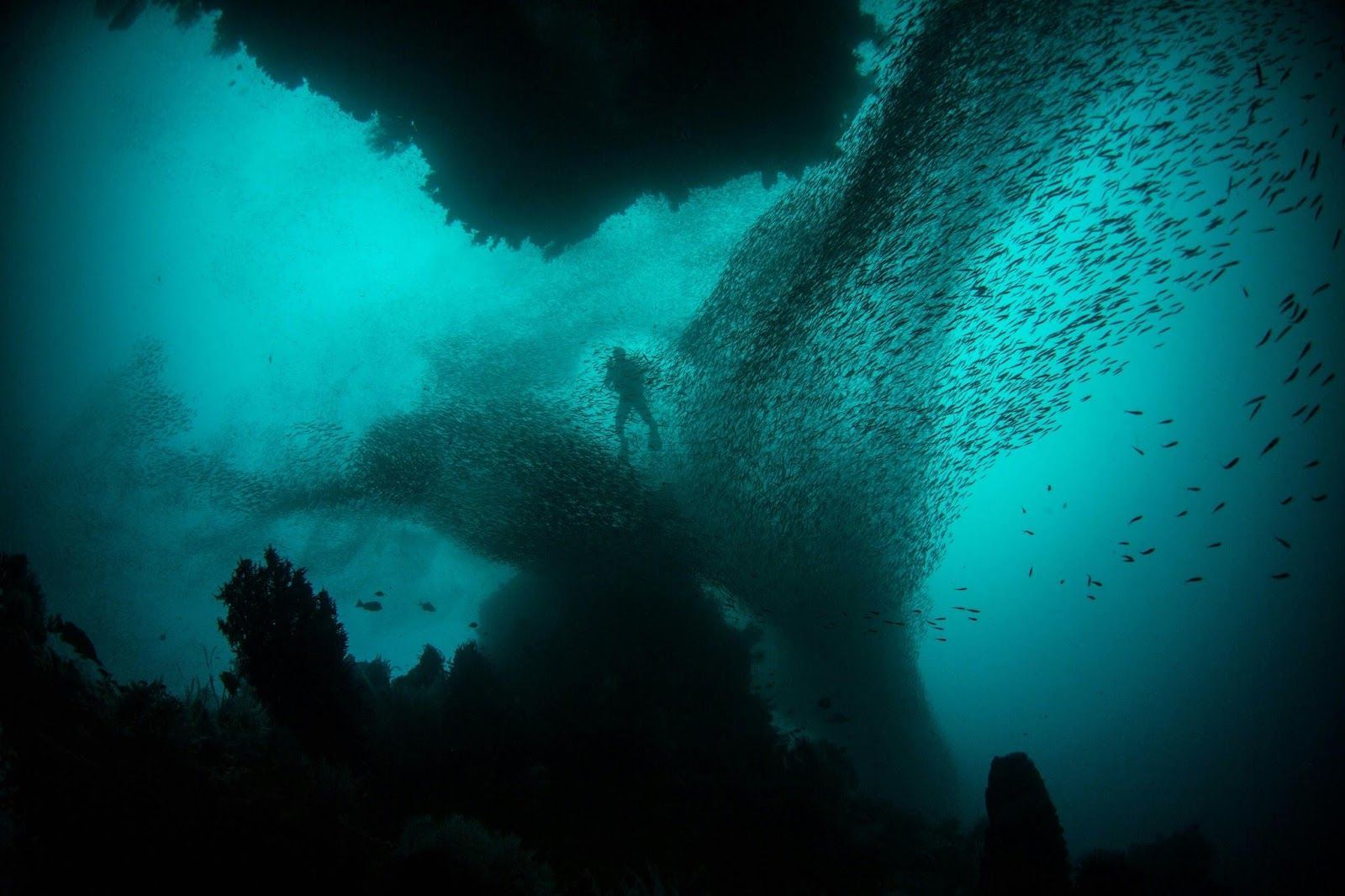
Image: Alex Rose

The Challenger Deep, the trench’s lowest point, plunges almost 7 miles. Only a handful of people have ever explored its bottom, including filmmaker James Cameron in 2012.

What lives down there? What geological processes unfold under such pressure? Every new expedition reveals creatures that look like they belong in fever dreams.

8

Was the Yonaguni Monument man-made?

Image: Michael Worden

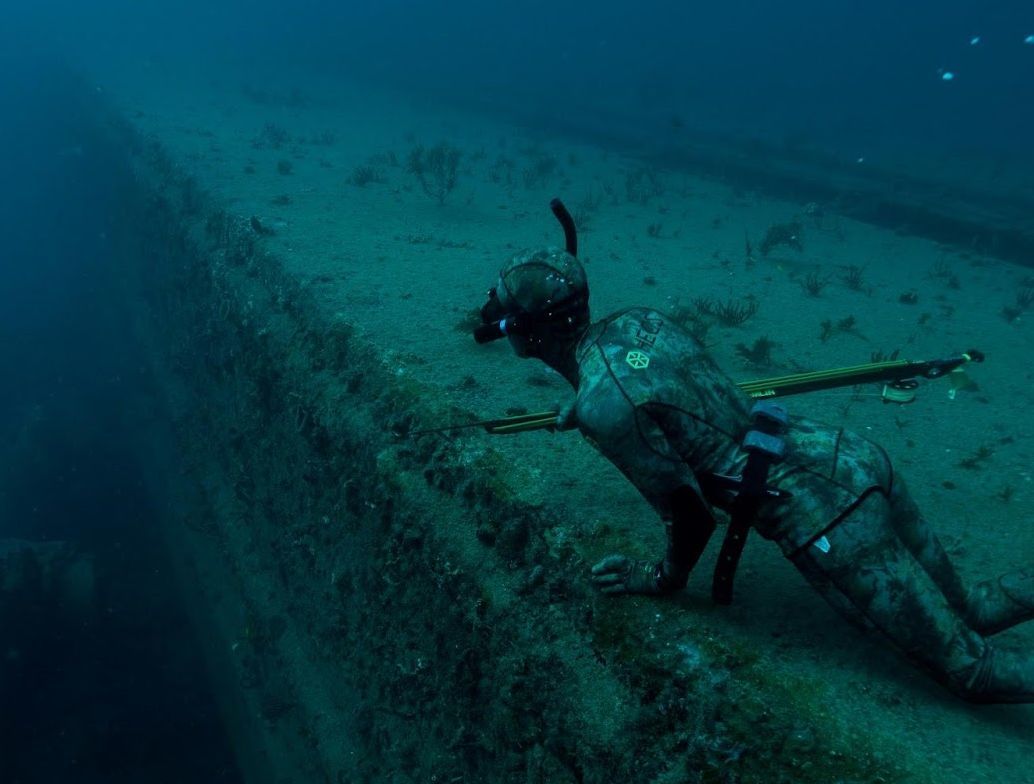
Off the coast of Japan lies a submerged stone structure with terraces, pillars, and sharp geometries that seem carved… Unless they were shaped by strange phenomena of nature.

Some believe it’s the remains of an ancient city, sunken after an earthquake; others argue it’s purely geological. Today, it’s a riddle lying quietly under turquoise waters.

9

The fate of the USS Cyclops

Image: JOHN TOWNER

In 1918, a massive US Navy collier vanished without a distress call while crossing the Caribbean. More than 300 people disappeared with it, the single largest non-combat loss of life in U.S. Navy history.

No wreckage has ever been found. Storm? Structural failure? Something stranger? The sea has kept its mouth shut.

10

We know more about the surface of Mars than the deep-sea floor
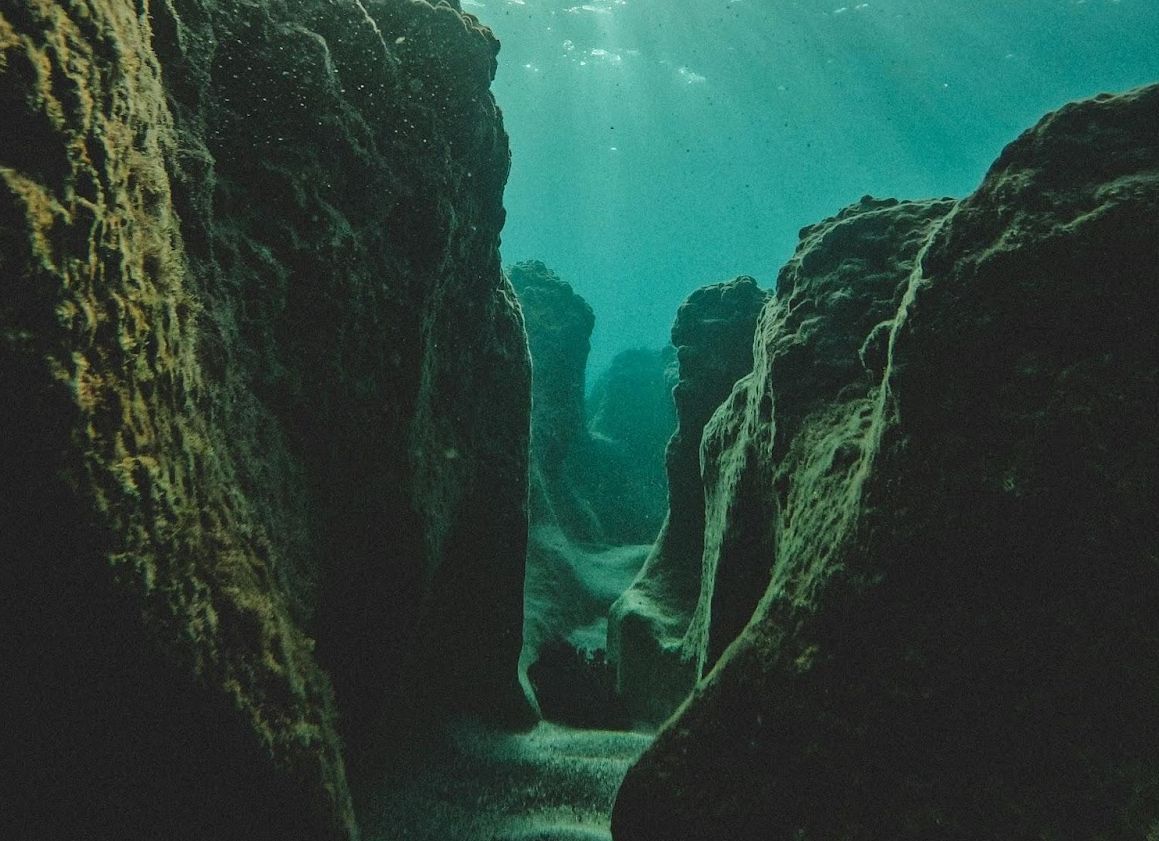
Image: Daniel Newman

This line gets repeated a lot because it’s shockingly true. With sonar mapping still incomplete and most of the ocean floor left untouched by human eyes, researchers say we’ve charted only about a quarter of it in detail.

Mars, by contrast, has been mapped in full thanks to satellites. The ultimate plot twist is that we might understand another planet better than our own.


FLY AWAY WITH US

Let’s Take It To The Skies With These 10 Iconic American Aviators!


Published on March 8, 2026


Image: Lacie Slezak

To be able to fly has always been a shared dream of all of mankind. The very first humans must have longingly stared at the great blue sky with only one wish in their mind: to freely soar like a bird. And while a few daydreamers (ourselves included) still wait for the day we can sprout wings and fly on our own, the truth is that anyone alive in this day and age is now able to traverse the skies thanks to one of the most essential inventions of the 20th century: the airplane.

A really long time has passed from the Wright brothers’ first flight to the modern and comfortable airplanes we take today. Aviation history is filled with the tales of brave and unparalleled pilots who dared to reach new, previously unknown heights. So, we have decided to celebrate the accomplishments of 10 iconic American pilots with this article.

1

Amelia Earhart

Image: Tomas Martinez

We’ll begin with someone who is probably America’s most iconic pilot. Born and raised in the city of Atchison, Kansas, Amelia Earhart always had the adventurous spirit that would make her the first female pilot to cross the Atlantic. Alongside her sister Pidge, Amelia would often go around exploring her neighborhood, embarking on outdoor adventures that included climbing trees, riding sleds downhill, and collecting bugs.

Amelia found her love for flying in her 20s, during an exhibition flight held in the Canadian National Exhibition in Toronto. According to biographers, a pilot dived at Earhart in an attempt to scare her, but Amelia held her ground, amazed by the power of that little red airplane. It is no wonder that Amelia would later nickname her iconic red plane her "Little Red Bus."

2

Charles Lindbergh & Anne Morrow Lindbergh

Image: Simon Fitall

Charles Lindbergh and his "Spirit of St. Louis" need no introduction: Lindberg’s nonstop flight from New York to Paris in 1927 marked a decisive turning point in the history of aviation. However, many of Lindberg’s accomplishments could have never been realized without the help of his wife and co-pilot Anne.

In 1929, the same year the couple married, Anne followed her husband’s steps and made her first solo flight. A year later, she became the first American woman to be granted a first-class glider pilot's license. Throughout the 30s, the Lindberghs explored and charted air routes, and became the first to fly from Africa to South America.

3

Chuck Yeager

Image: Y S

The early history of aviation truly moved in huge leaps: Only 63 years separate the Wright brothers' first flight to Neil Armstrong stepping on the moon. In between these two milestones, one conducted by American pilot Chuck Yeager in 1947 stands out: it was the very first time an airplane was able to break the sound barrier.

The tale of how Yeager was able to accomplish this feat is one filled with difficulties. A 24-year-old pilot at the time, he was selected to test the high-speed capabilities of a new experimental plane. While this alone was a very dangerous task, Yeager broke two ribs a few nights before the accident but failed to report it out of fear of being kicked out of the experiment. On the day of the test, Yeager was in so much pain that he had to close the plane’s hatch with a broom handle. Nevertheless, the test was a resounding success, and Chuck Yeager became the first pilot to break the sound barrier on October 14, 1947.

4

Bessie Coleman

Image: Daniel Eledut

Known for her daring and dangerous air shows, Bessie Coleman earned many nicknames throughout her short life, like "Brave Bessie" and "Queen Bess". What’s more, Bessie is remembered to this date not only as a trailblazing pilot but also as a great source of inspiration to the African-American and Native American communities. At age 29, Coleman became the very first African-American and Native American woman to hold a pilot’s license.

Coleman learned to fly in Paris, where she took her pilot exam from the Fédération Aéronautique Internationale. In 1921, she flew back to the United States on her own plane and became a media sensation overnight. Coleman sadly passed away from a plane malfunction during an airshow, at the age of 34. Nevertheless, her name and daredevil spirit are forever inscribed in the pages of aviation history.

5

Edward O'Hare

Image: Gary Wann

In 1942, naval aviator Edward O'Hare became the first American WW2 Naval ace pilot, after he single-handedly attacked a squadron of nine enemy bombers. Despite having limited ammunition, O’Hare was able to take down five enemy airplanes, earning him the Medal of Honor.

After this feat, O’Hare briefly served as a flight instructor before returning to combat in 1943. During an engagement with enemy planes, his airplane was shot down and was never found. In 1949, the city of Chicago decided to rename its airport to the "Chicago O'Hare International Airport", a name it still has to this very day.

6

Howard Hughes

Image: david hili

Besides being a business magnate, an aerospace engineer, a philanthropist, and a film producer, Howard Hughes was also an outstanding pilot. He set many world records during his lifetime, particularly air speed records, and won both the prestigious Harmon and Collier Trophies for his aviation exploits.

One of Hughes’ most remembered contributions to aviation history is his H-4 Hercules plane, also known as the "Spruce Goose." The Hercules is to this day the largest flying aircraft ever built, although it only made a single test flight in 1947.

7

Harriet Quimby

Image: Tomas Martinez

Just like Howard Hughes, American pilot Harriet Quimby was also known for her contributions to journalism and screenwriting. However, in 1911 Quimby achieved an incredible milestone for both aviation and gender equality: At the age of 36 years, she became the first American woman to receive her pilot’s license.

In 1900, the Quimby family moved to San Francisco, where Harriet began writing for several newspapers like the "San Francisco Chronicle." While attending an air show in Elmont, New York in 1910, she became interested in aviation, and a year later, she was granted a pilot’s license. One year after that, in 1912, Harriet Quimby became the first woman to successfully fly across the English Channel.

8

Susan Oliver

Image: Rafael Garcin

American actress Susan Oliver has a long list of film and television roles spanning a career of thirty years: Most notably, she appears in the pilot episode of the quintessential science-fiction show, "Star Trek". However, Oliver’s other great love was flying. Her most prominent feat in this area was an odyssey that took her to Canada, Greenland, Iceland, and Denmark, becoming the fourth woman to fly a single-engined aircraft solo across the Atlantic Ocean.

Perhaps most importantly, Oliver’s aviation career is a story of overcoming fears: In 1959, she experienced a near-fatal accident that caused her to avoid flying, even if it meant losing job offers. However, thanks to the persistent encouragement of a friend, she became interested in personal airplanes and gained her private pilot certificate in 1966.

9

Steve Fossett

Image: Aaron Burden

Let’s step away from airplanes for just one entry, and focus on another impressive yet slightly different record-breaking aviator. In 2002, American pilot and businessman Steve Fossett made the first non-stop solo flight around the world, in any kind of aircraft. What’s even more remarkable is the type of vehicle Fossett chose for this endeavor: a 10-story high hot air balloon called "Spirit of Freedom."

Fossett’s adventure saw him leave Northam, Australia on June 19, 2002, and return 13 days later to Queensland. The flight was not without perils: The only component that survived the landing was the balloon’s capsule, currently displayed in the Smithsonian Institution in Washington, D.C.

10

The Wright brothers

Image: History in HD

We’ll end this article at the very beginning of the history of aviation. In 1903, the town of Kitty Hawk, North Carolina became the landscape of an event that would change the world forever: brothers Wilbur and Orville made the very first controlled and engine-fueled flight on a heavier-than-air aircraft.

What’s curious about this milestone in aviation history is how short it was. After winning the right for the first flight in a coin toss, Orville took the "Wright Flyer" to the air for a 12-second maiden voyage, reaching a height of 120 feet at a speed of only 6.8 miles per hour. Regardless, the brothers (and soon, the whole world) knew how much of a titanic achievement this short flight was, and luckily recorded it on an iconic photograph now featured on the North Carolina state quarter.

Looking for an extra scoop of literary fun?

Learn more with our Word of the day

alter

/ˈɔltər/