We still don’t know
An immortal jellyfish? 10 spooky and unanswered questions about the sea
Published on March 8, 2026
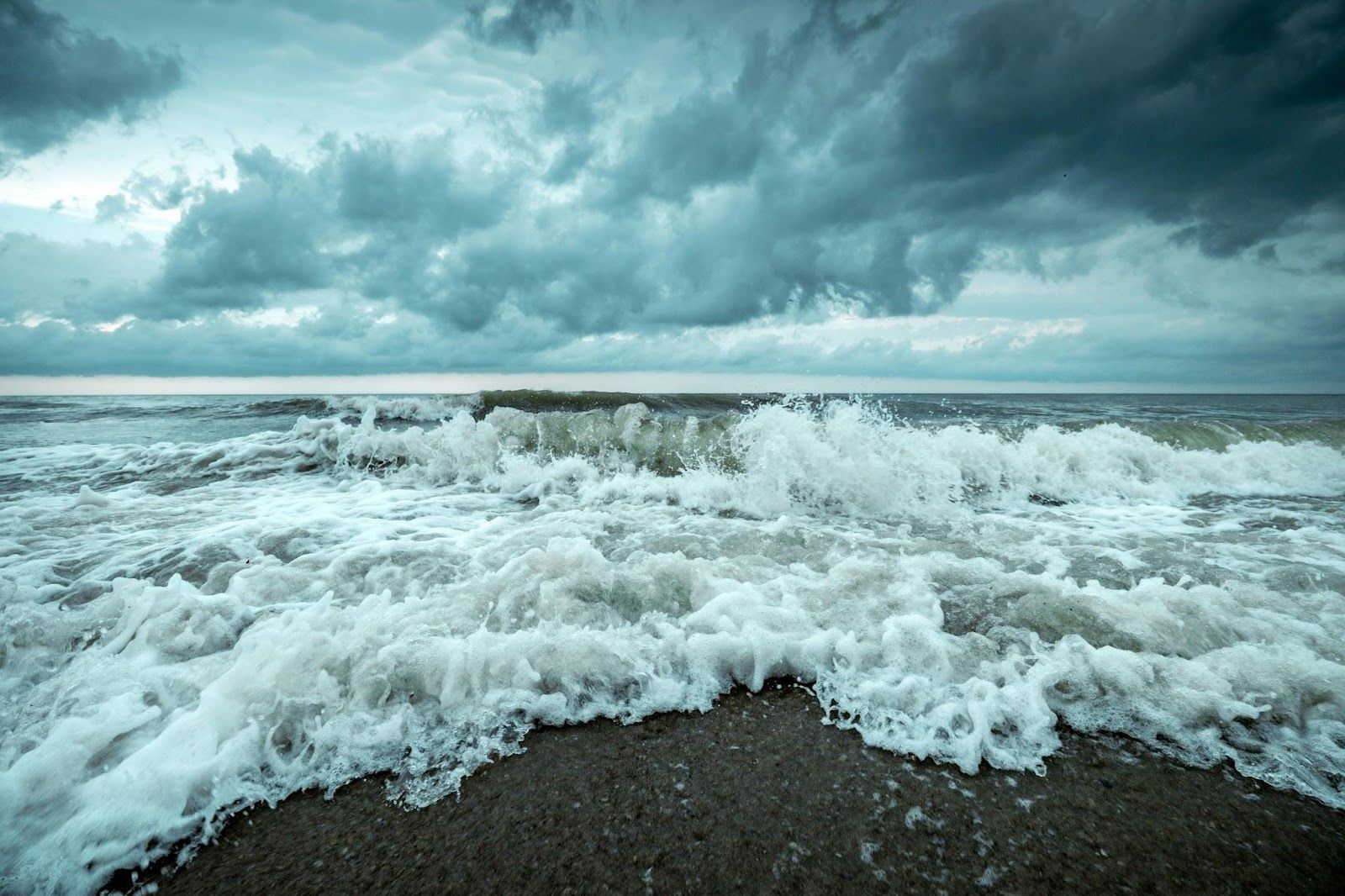
Some people are scared of the ocean. Can you blame them? Though waters cover 70% of our planet, scientists are still scratching their heads about certain unanswered questions. How long can blue whales actually live? What substance makes some waters glow eerily white at night? And what’s with the self-rejuvenating, immortal jellyfish? These are some of the mysteries we’ll explore in this article!
The Mary Celeste, seemingly a ghost ship
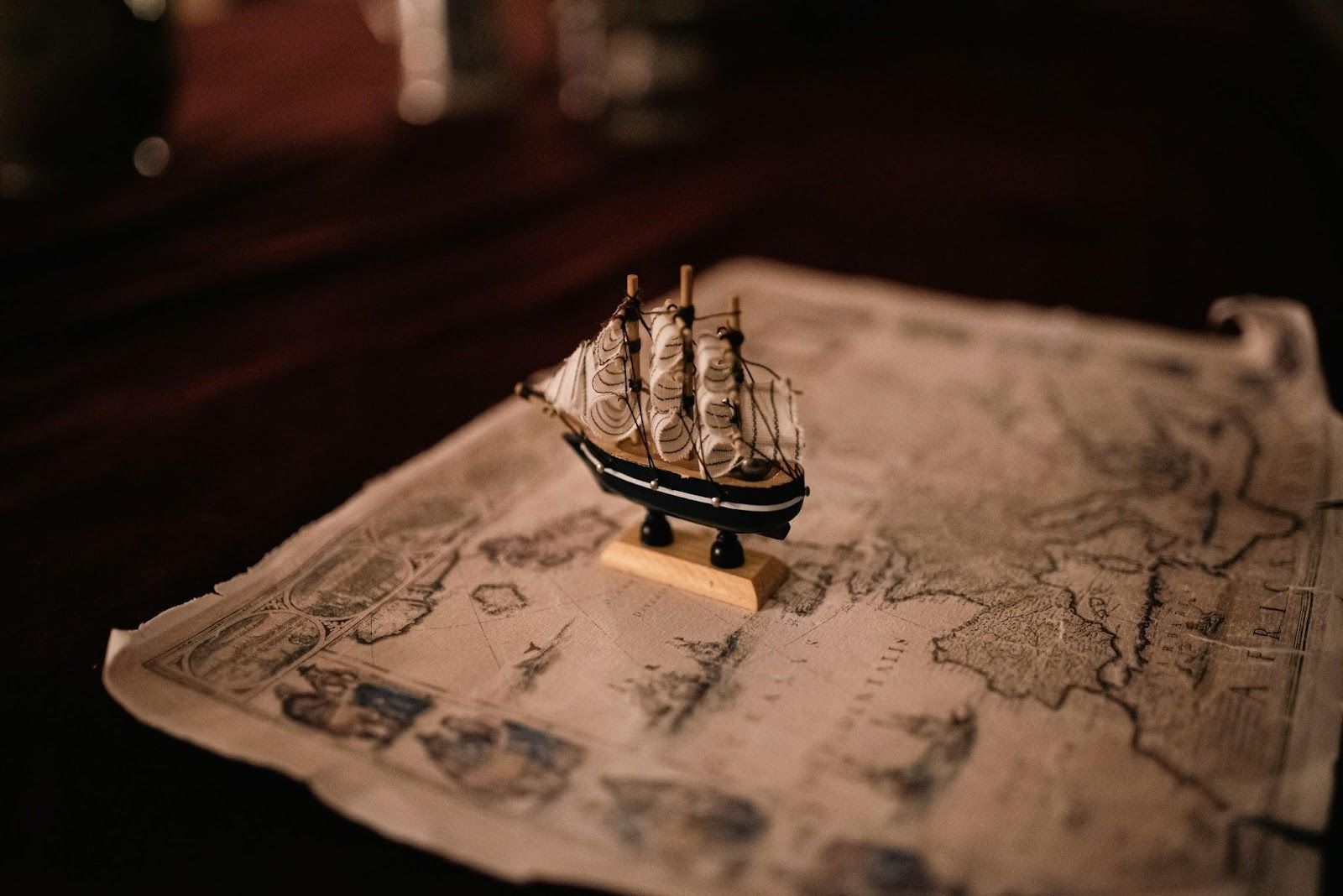
Found abandoned in 1872 with sails set, cargo intact, and dinner still on the table, the Mary Celeste is the poster child for maritime enigmas. The whole crew vanished without a trace and was never heard of again.
Mutiny? Rogue wave? Alcohol fumes? Giant squid? No theory fully fits. It's a fascinating tale that has been the subject of documentaries, theatre plays, novels, and movies.
The Milky Sea phenomenon
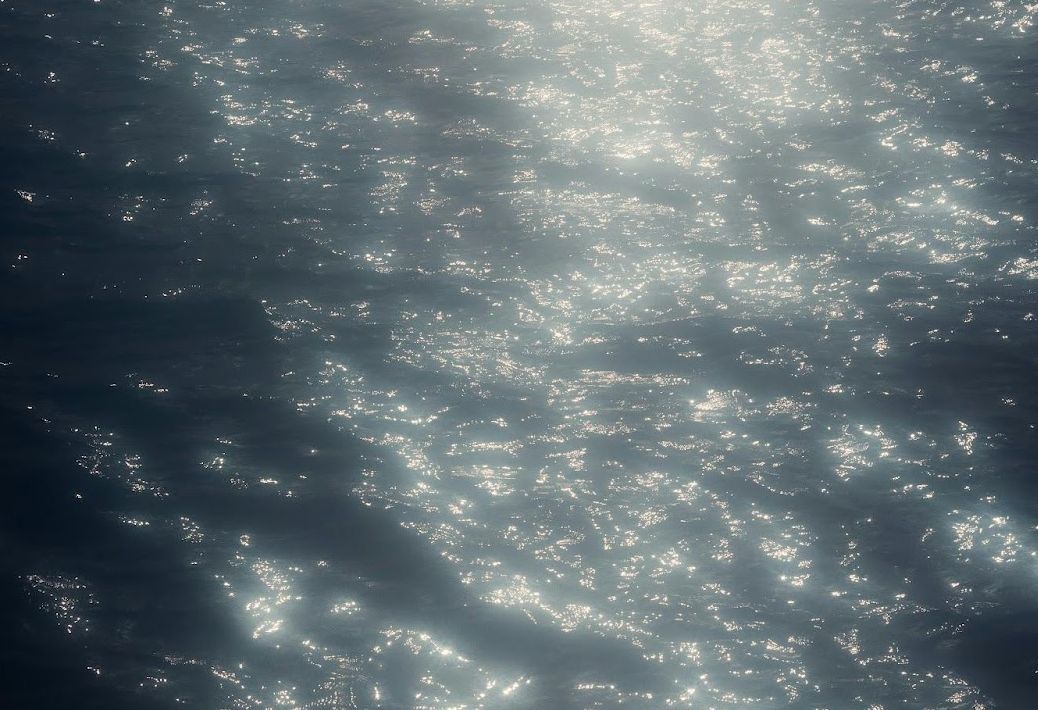
For centuries, sailors have reported seeing entire portions of the ocean surface glowing white at night, like a ghostly reflection.
An explanation could be massive blooms of bioluminescent bacteria, but no one knows how they coordinate light across such huge distances or why the phenomenon lasts for hours. Even with satellite detections, it remains one of the ocean’s eeriest light shows.
The fabled giant squid
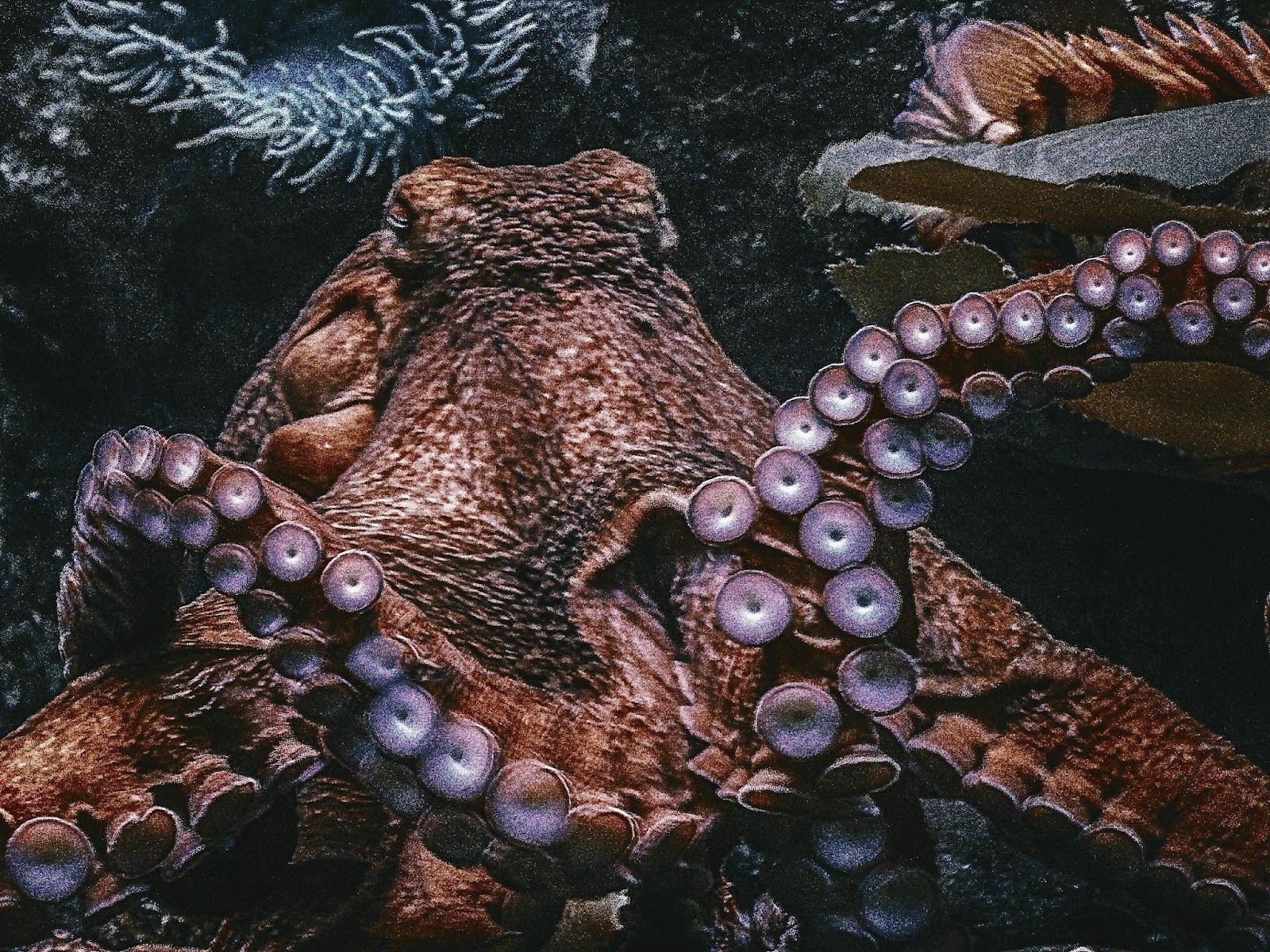
Tales of a giant squid have been alive for centuries, but it was only in 2004 that humanity was able to photograph this fabled creature. In that year, a Japanese team captured a live one on camera in its natural habitat and finally proved that the creature behind centuries of sea-monster legends was very real.
And yet, we still know shockingly little about its life cycle, breeding habits, or how something that big stays so well hidden.
We don’t know nearly enough about blue whales
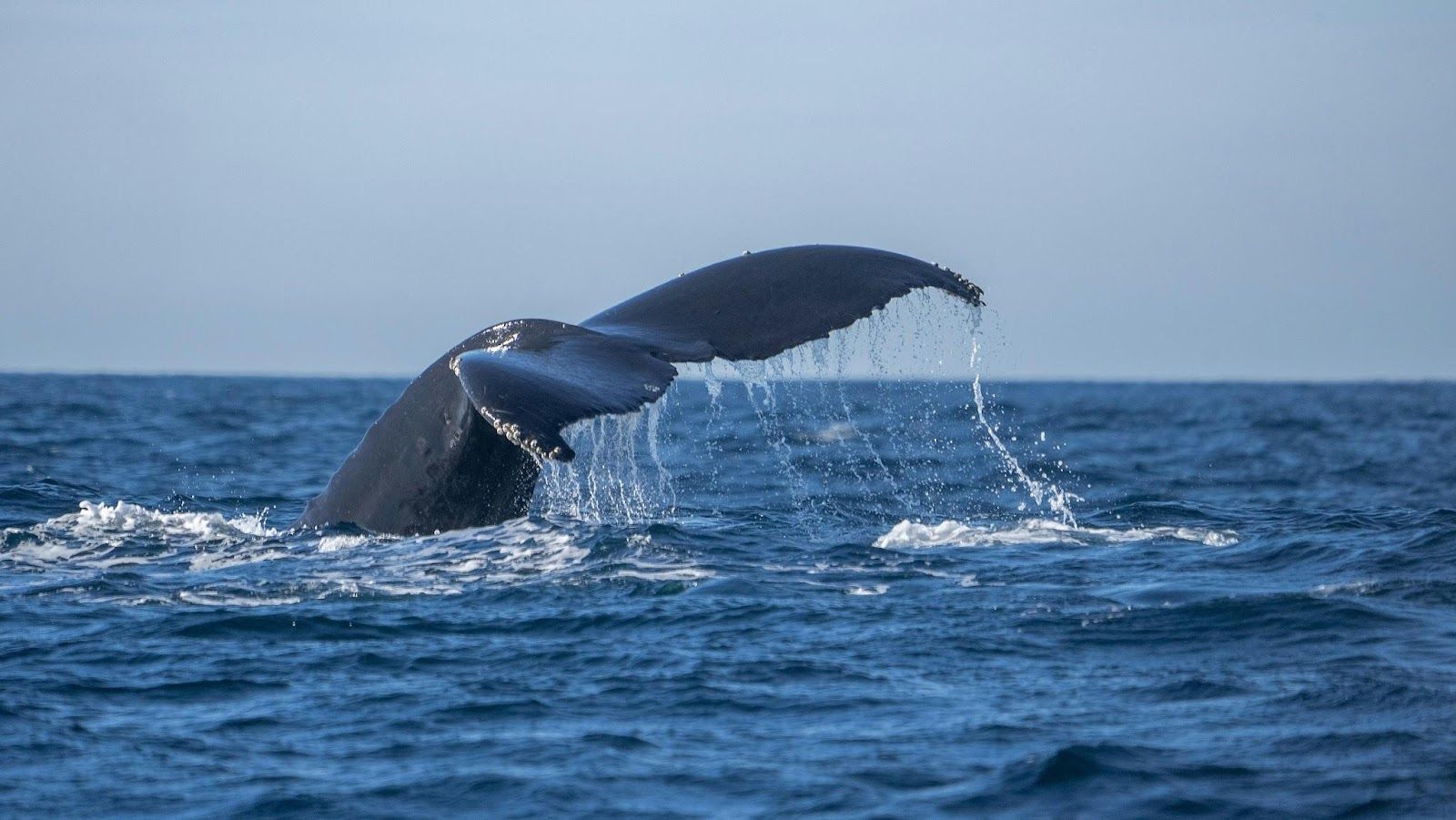
You’d think the largest creature ever to exist would be the easiest to study. Nope. We still struggle to track migration patterns, understand their communication system, or explain the full recovery timeline after they were nearly hunted to extinction.
How does the "immortal" jellyfish rejuvenate?
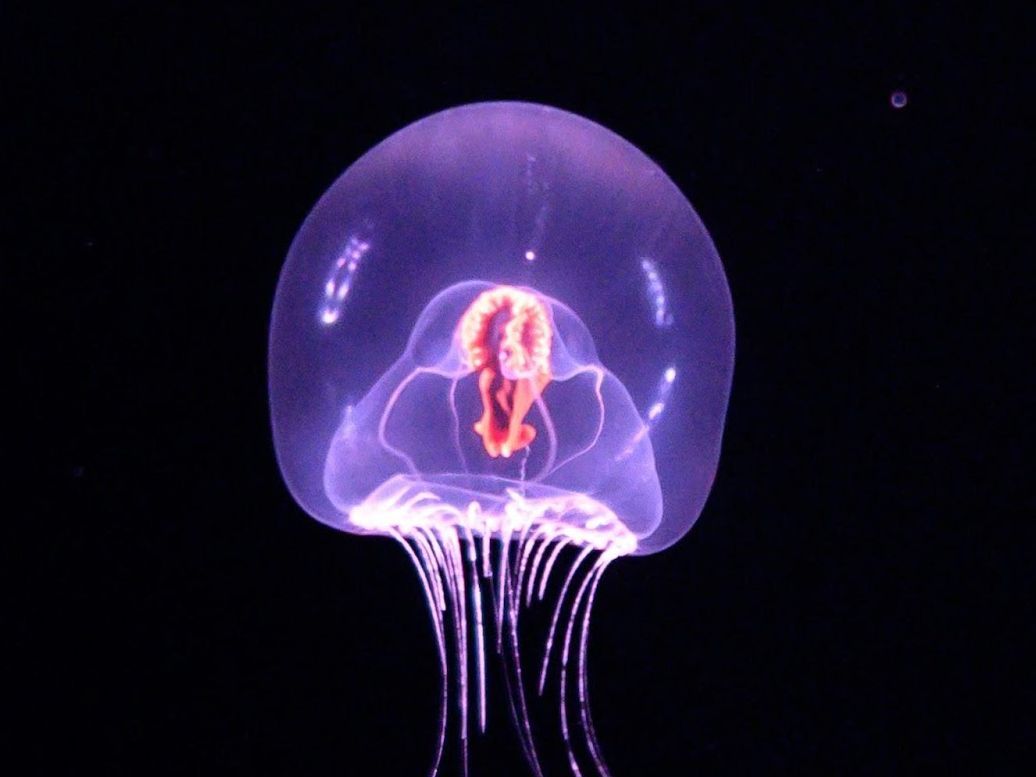
Turritopsis dohrnii cheats death by reverting its adult cells back to a juvenile state when stressed. It’s like if a human under pressure suddenly turned back into a toddler.
This regeneration process is wildly complex and not fully understood, and scientists hope that cracking its secret might reveal insights into aging itself.
The Bermuda Triangle, in general
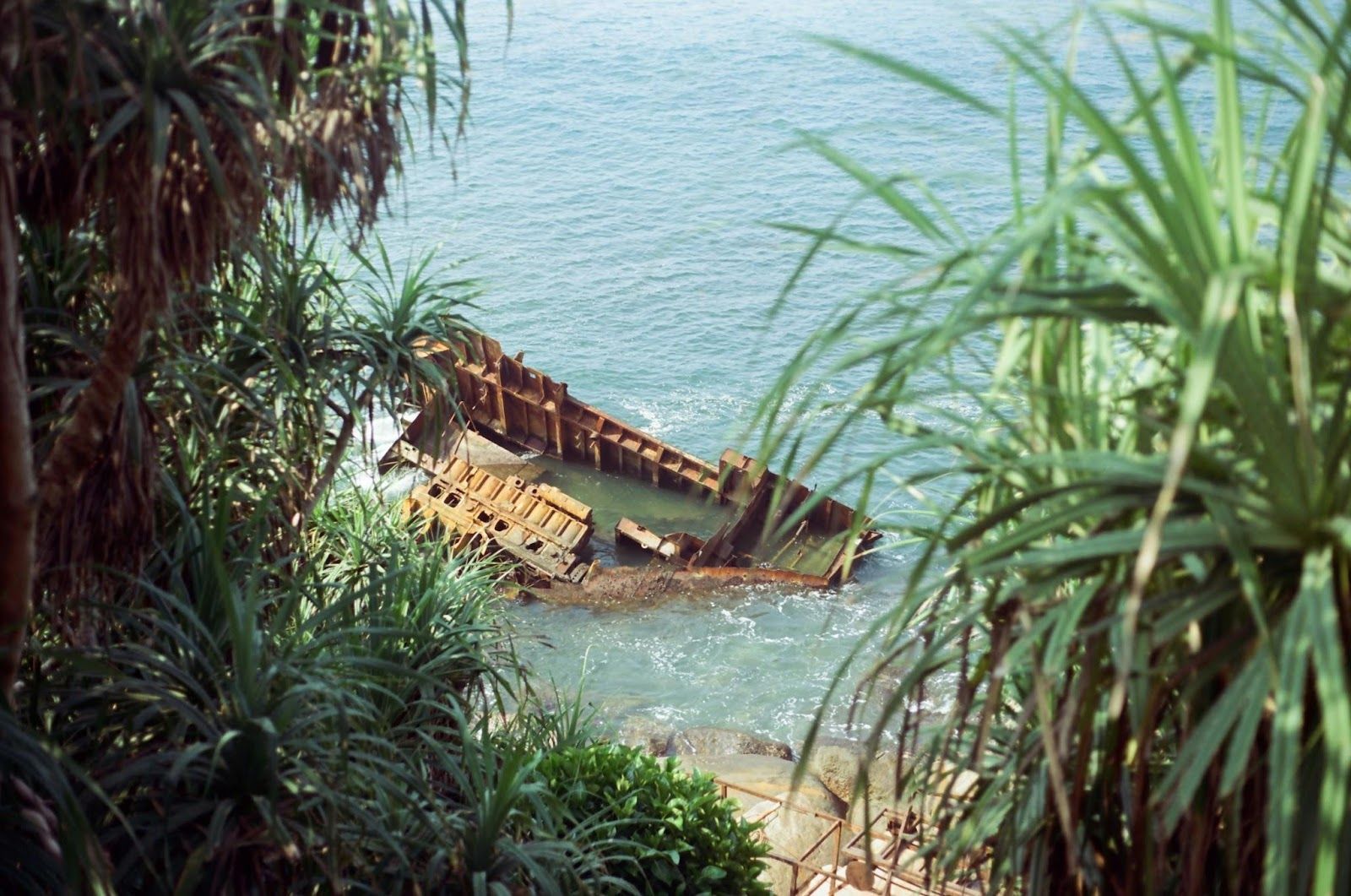
The stretch between Florida, Bermuda, and Puerto Rico has inspired endless theories. Unexplained disappearances, bizarre compass behavior, and strange weather patterns have contributed to building the legend.
Scientific explanations abound, from methane hydrates to violent storms, but the Triangle’s mythic aura refuses to die.
The Mariana Trench, deeper than Everest is tall
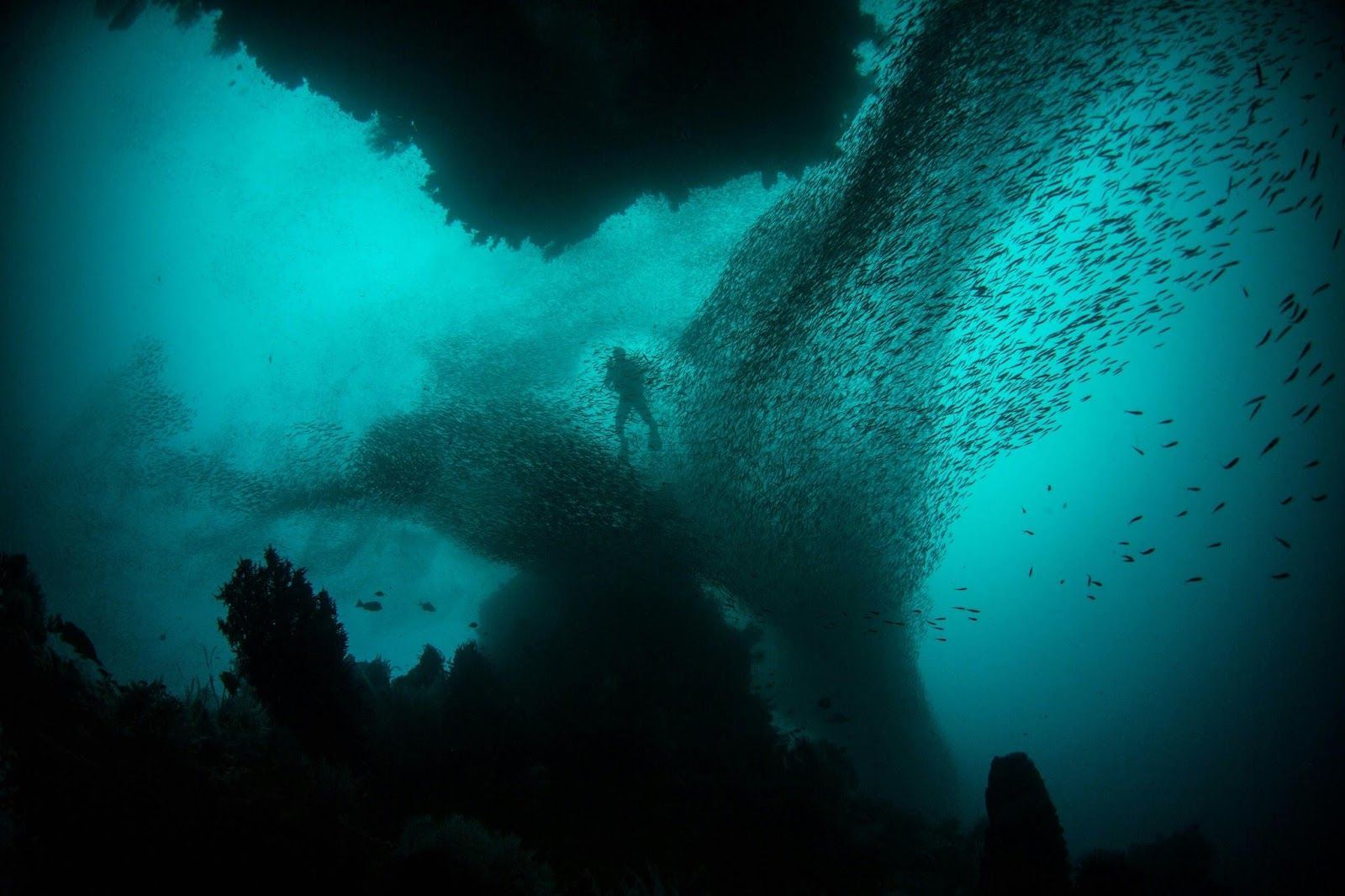
The Challenger Deep, the trench’s lowest point, plunges almost 7 miles. Only a handful of people have ever explored its bottom, including filmmaker James Cameron in 2012.
What lives down there? What geological processes unfold under such pressure? Every new expedition reveals creatures that look like they belong in fever dreams.
Was the Yonaguni Monument man-made?
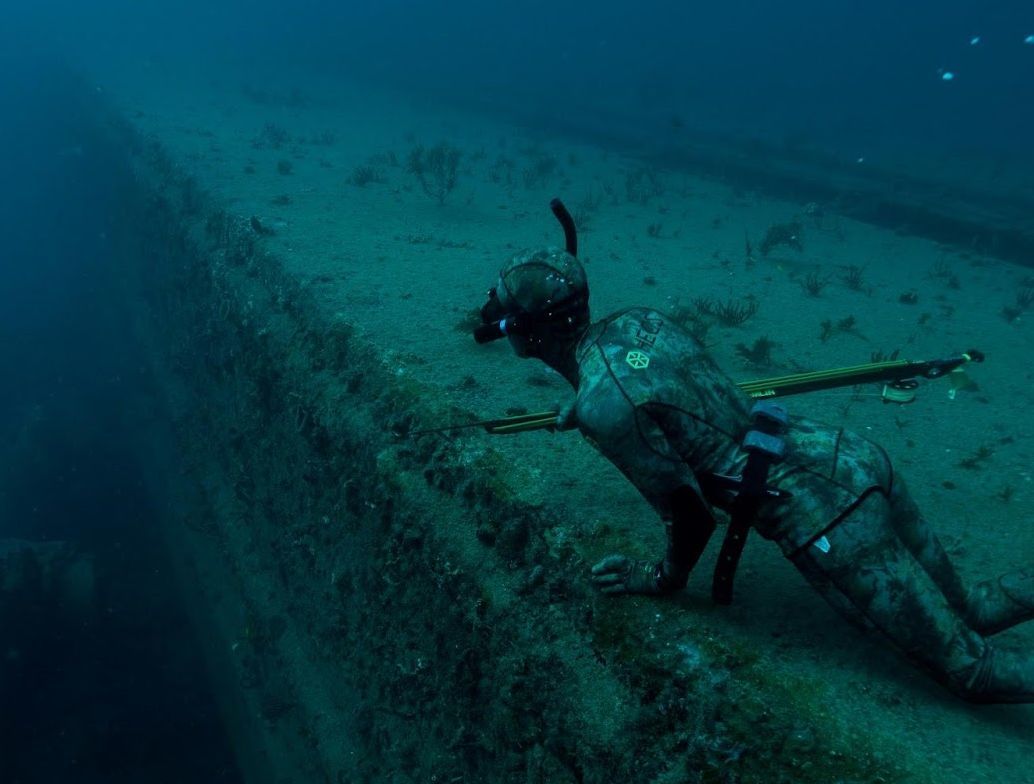
Off the coast of Japan lies a submerged stone structure with terraces, pillars, and sharp geometries that seem carved… Unless they were shaped by strange phenomena of nature.
Some believe it’s the remains of an ancient city, sunken after an earthquake; others argue it’s purely geological. Today, it’s a riddle lying quietly under turquoise waters.
The fate of the USS Cyclops
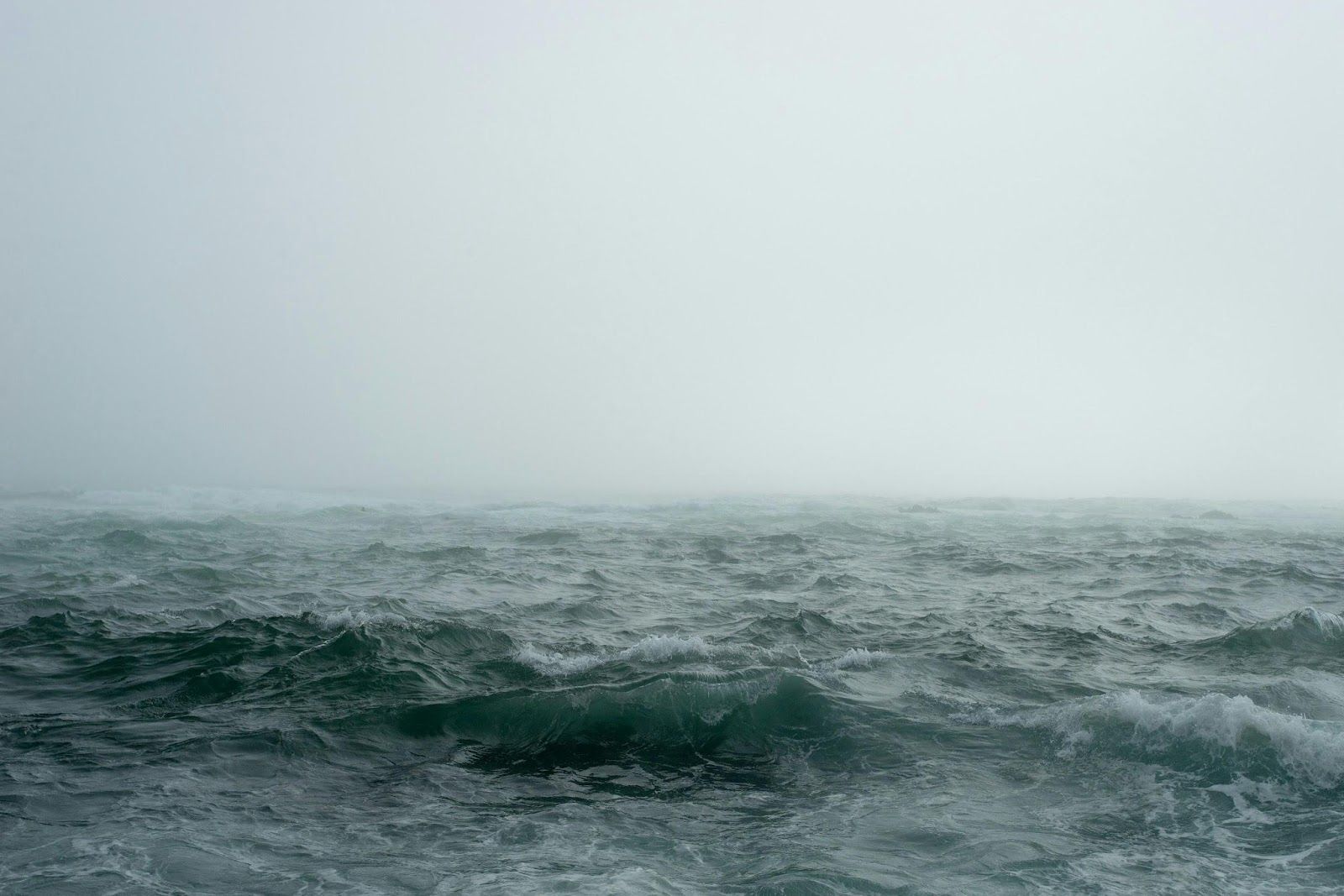
In 1918, a massive US Navy collier vanished without a distress call while crossing the Caribbean. More than 300 people disappeared with it, the single largest non-combat loss of life in U.S. Navy history.
No wreckage has ever been found. Storm? Structural failure? Something stranger? The sea has kept its mouth shut.
We know more about the surface of Mars than the deep-sea floor
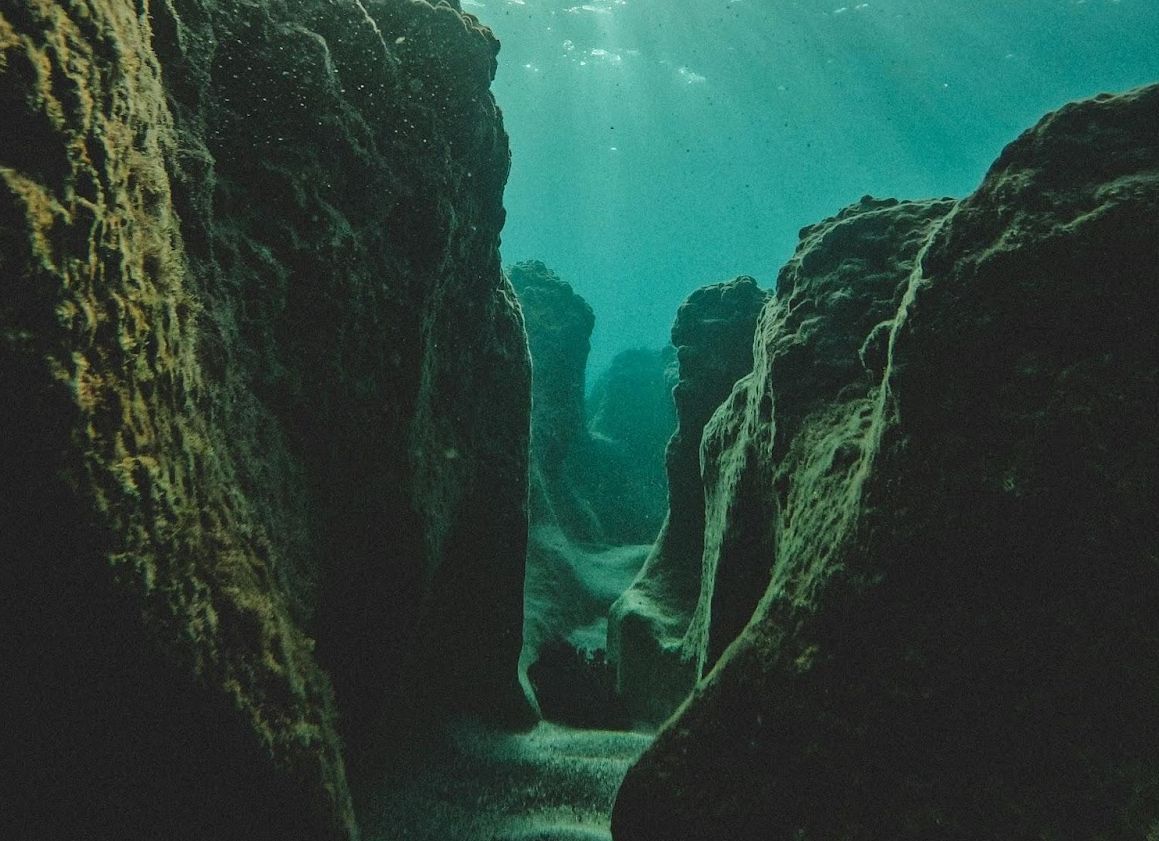
This line gets repeated a lot because it’s shockingly true. With sonar mapping still incomplete and most of the ocean floor left untouched by human eyes, researchers say we’ve charted only about a quarter of it in detail.
Mars, by contrast, has been mapped in full thanks to satellites. The ultimate plot twist is that we might understand another planet better than our own.


