THIS ARTICLE AIN’T NO HARDTACK

An Educated Sailor’s Lingo: 10 Old Whaling Terms Explained


Published on December 4, 2024
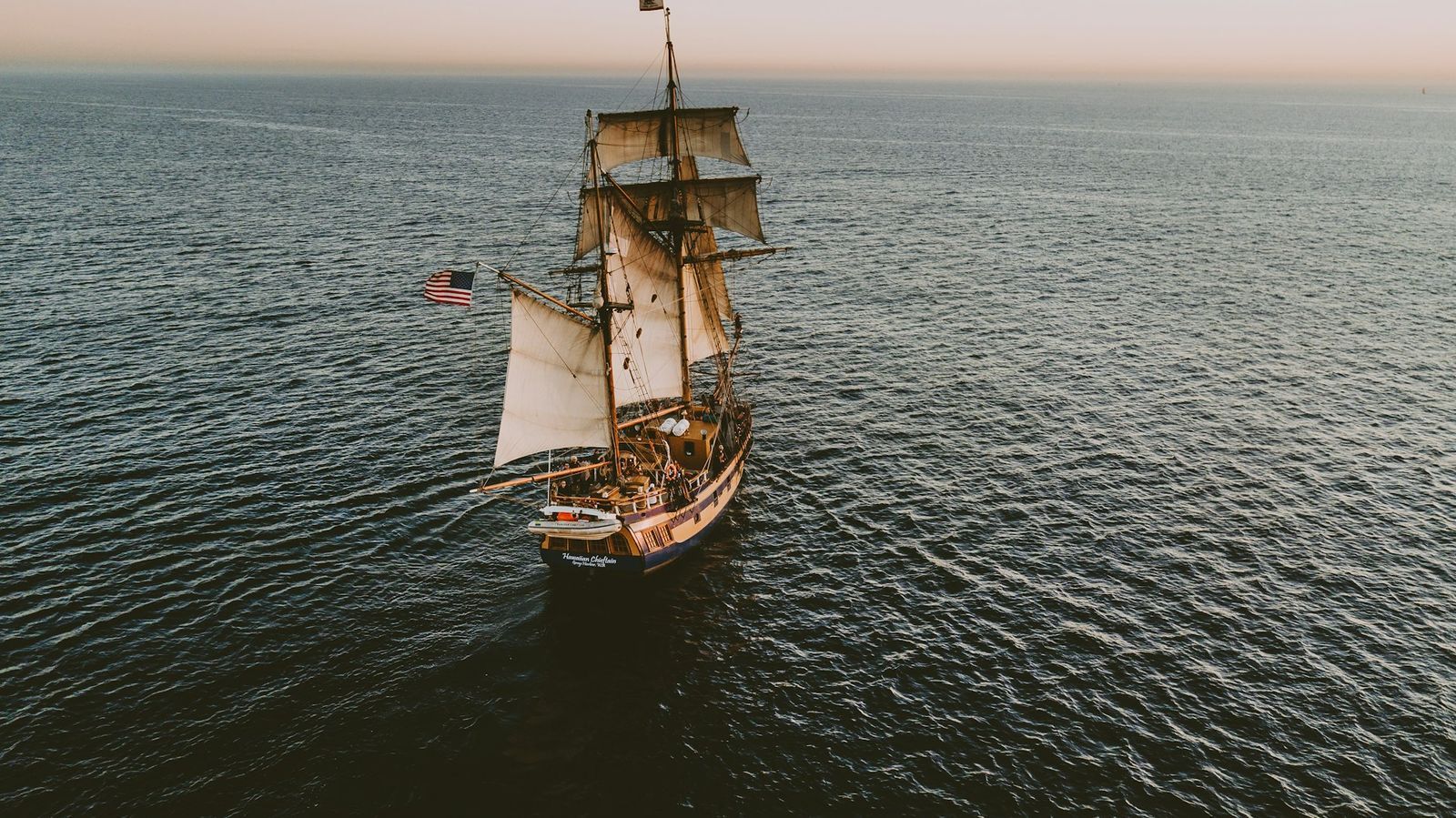

Image: Austin Neill

Even though every profession has its own lingo, few are as colorful as the nautical ones. Maybe it has to do with the sea breeze or the adventurous nature of the people who dared to spend a long time at sea at a time when neither medicine nor safety were very advanced. In any case, the sea has always been a treasure trove of specific terms, and the ancient whaling profession had quite a few idioms of its own. In the following list, we embark on a voyage across ten of these terms. So, scroll on and learn a thing or two, sailor!

1

Green Hand

Image: Museums Victoria

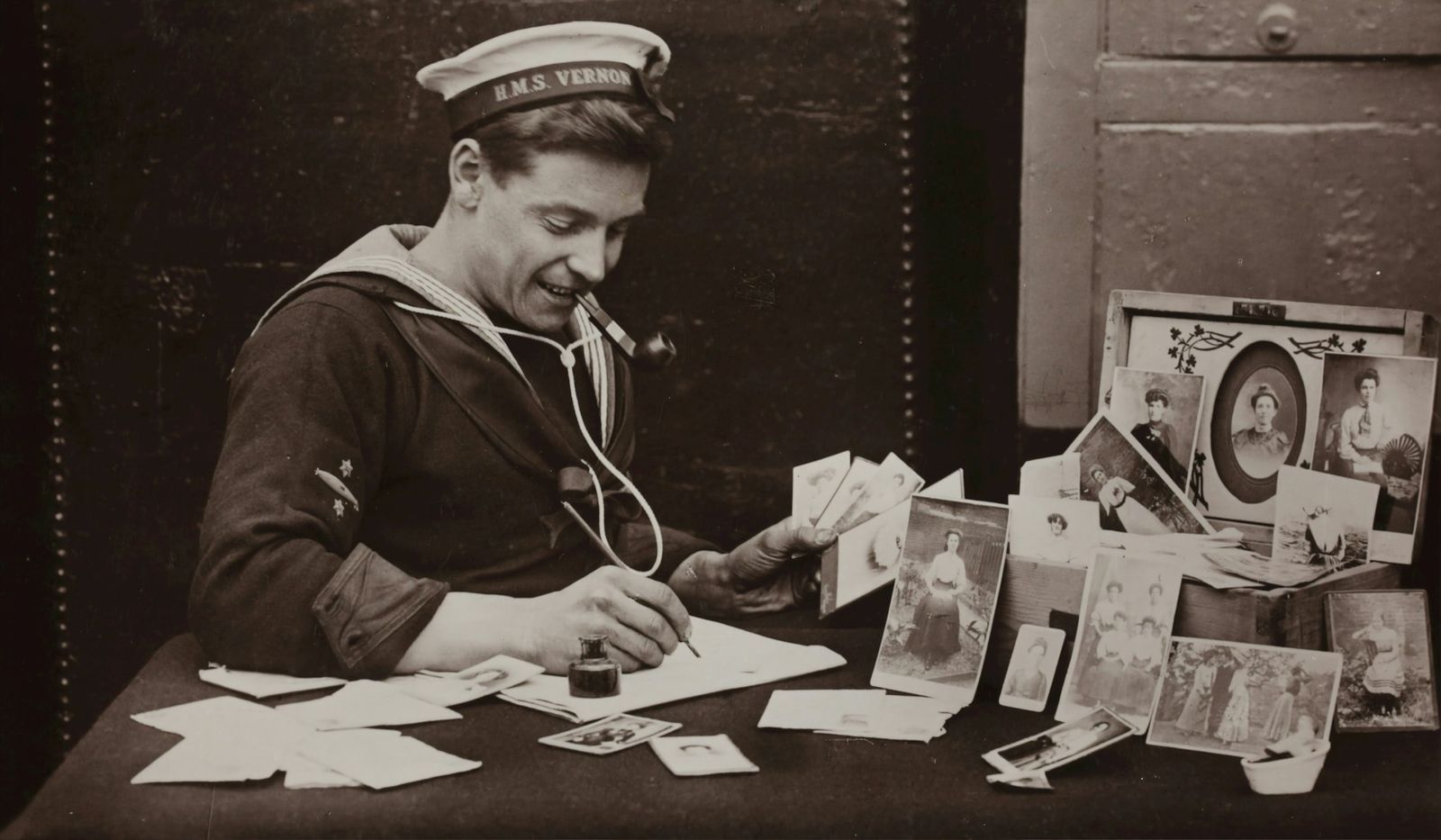
Everybody has to start somewhere, and that includes whaling ships. A green hand was the term used to describe an inexperienced crew member of a 19th-century whaler on his first voyage, who would typically have the smallest "lay", or share, in the profits.

Green hands would usually take care of the simplest chores, like moping the decks, cleaning, and doing the things that the rest of the crew didn’t want to do.

2

Boatswain

Image: Maël BALLAND

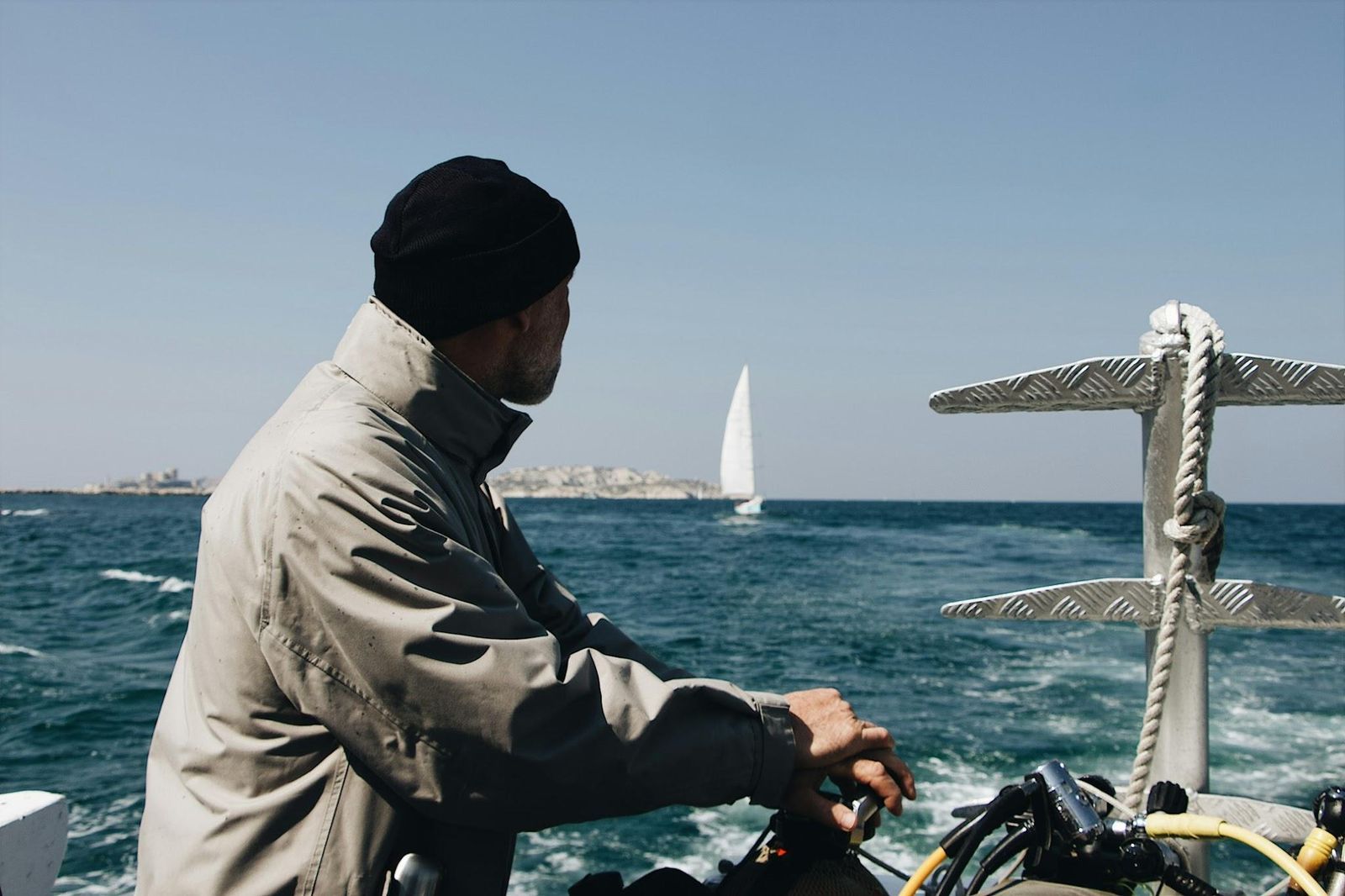
A very different ranking position, compared to the green hands, was the boatswain, also known as a deck boss or a qualified member of the deck department. This person was the most senior rate of the deck department and was responsible for the components of a ship's hull.

The boatswain supervised the other ship's deck department members, and typically was not a watchstander, except on vessels with small crews. Additional duties varied depending on the ship, crew, and circumstances.

3

Scrimshaw

Image: Vivek Kumar

"Scrimshaw" is the name given to carvings done in bone or ivory, typically created by whalers, and engraved on the byproducts of whales, such as bones or cartilage. It is most commonly made out of the bones and teeth of sperm whales, because of their size.

This art form recreates elaborate engravings of pictures and lettering on the surface of the bone or tooth, with the engraving highlighted using a pigment. Scrimshaw probably began on whaling ships in the late 18th century and survived until the ban on commercial whaling.

4

Crow’s Nest

Image: Tanner Mardis

As the name implies, a "Crow’s Nest" is something that is high. Originally, it was a barrel lashed at the highest section of the mainmast where a man was stationed to look for whales or ice.

On ships, this position ensured the widest field of view for lookouts to spot approaching hazards, other ships, or land by using the naked eye or optical devices such as telescopes or binoculars.

5

Gam

Image: The Australian National Maritime Museum

A "gam" was a social visit between whaling vessels, whalers, or the crew. It was coined in the 1840s and generally means pulling alongside another whaling vessel and "hopping" aboard to enjoy a social meeting.

Gamming was a way of taking a break from the monotony of the sea, seeing different faces, enjoying a pint of grog, some music, relaxing for a while, and helping boost the crew’s morale for all the ships involved

6

Hardtack

Image: Muhammed A. Mustapha

Back in the days when electricity and refrigeration were not around, food conservation was a complex endeavor, especially onboard ships that sailed for years on end. "Hardtack" is a type of dense cracker made from flour, water, and sometimes salt.

Being inexpensive and long-lasting, it was used for sustenance in the absence of perishable foods, commonly during long sea voyages, land migrations, and military campaigns.

7

Hove Down

Image: WEB AGENCY

Whaling vessels were sturdy ships, capable of enduring the hardships of long voyages, and easily fixable, even far away from their home port. The word "hove" is the past tense of "heave", which in a nautical context means to move into a certain direction, position, or situation.

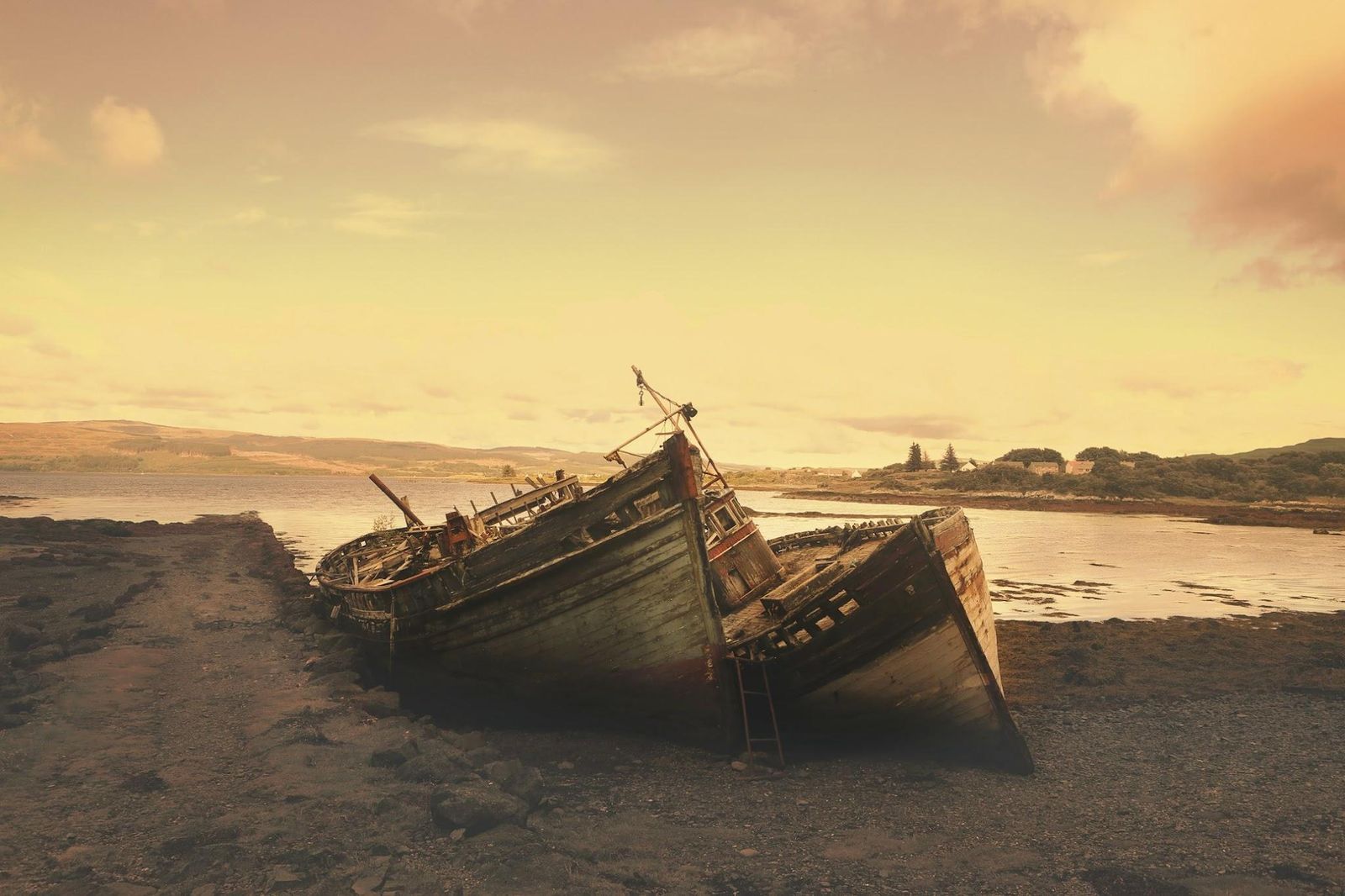
A vessel that is hove down is intentionally laid or tipped onto its side for repair, painting, or cleaning.

8

Cape-Horner

Image: Dimitry B

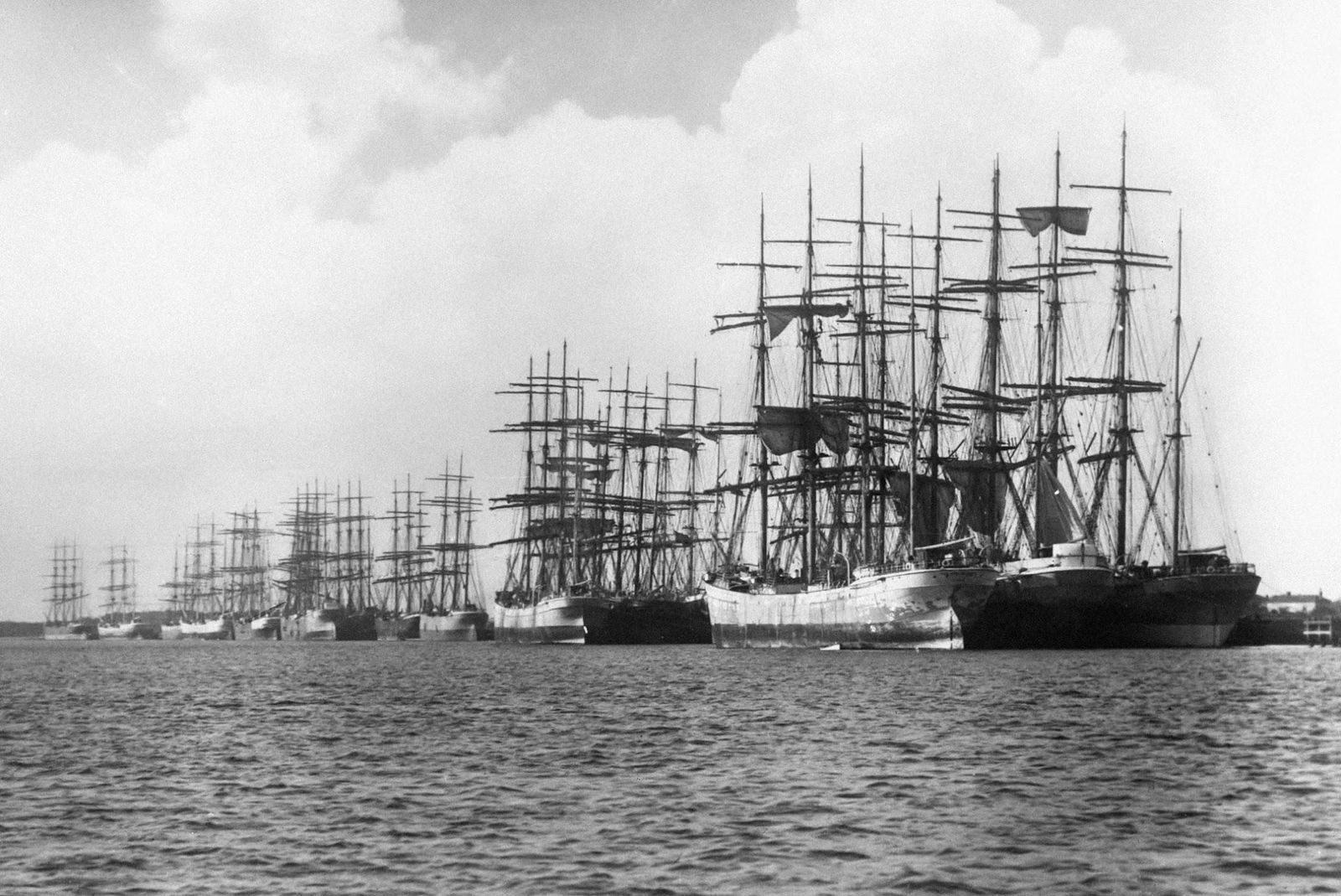
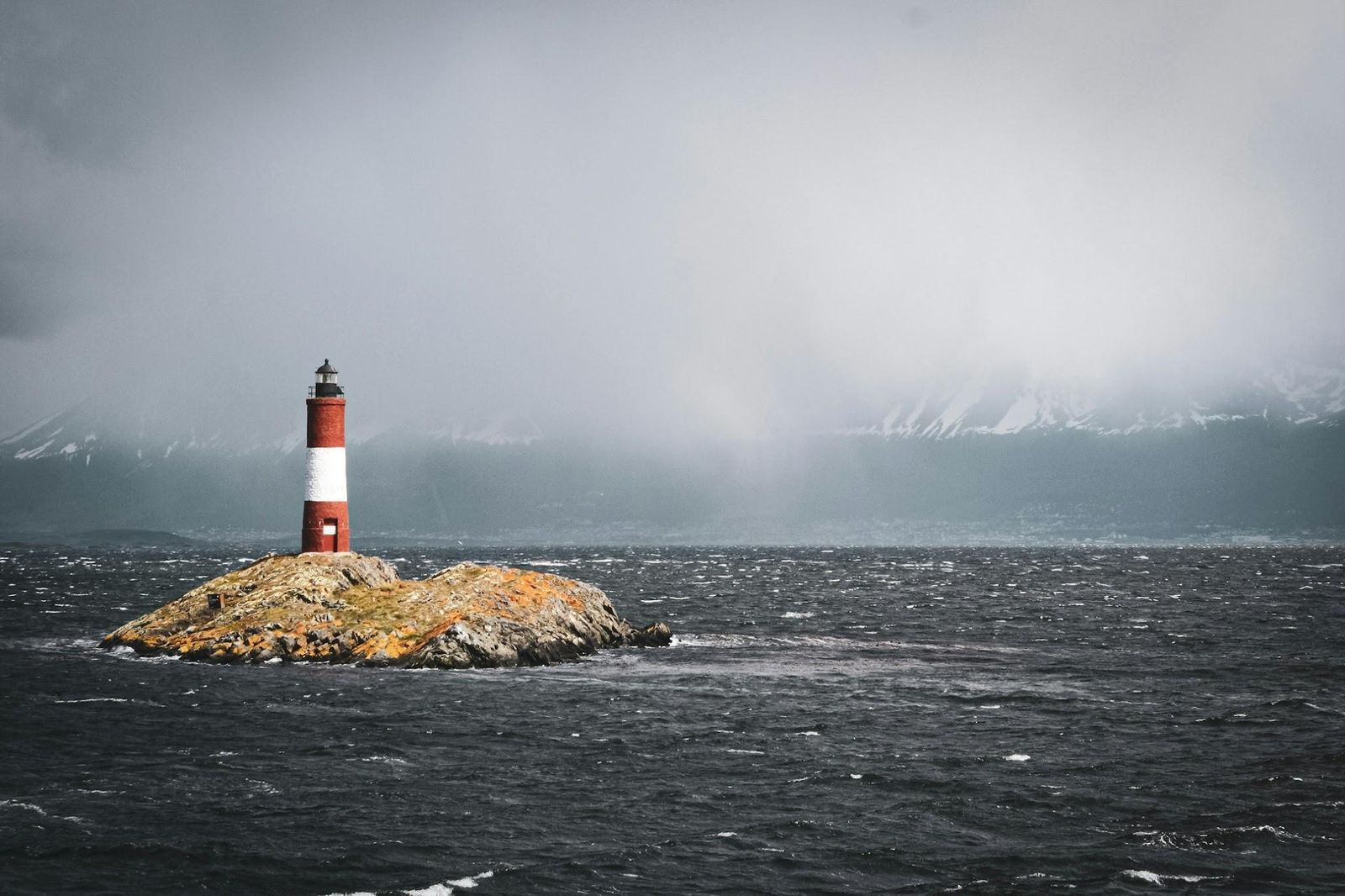
Even to this day, the Cape Horn is a feared place for sailors due to its terrible weather and conditions that have brought disgrace upon many ships. Back in the whaling days, this route was a common passage required to access the Pacific whaling grounds for whalers coming from Nantucket and New Bedford.

A large, square-rigged ship built to withstand the rigors of a Cape Horn passage was known as a Cape Horner.

9

Schooner

Image: TasfotoNL

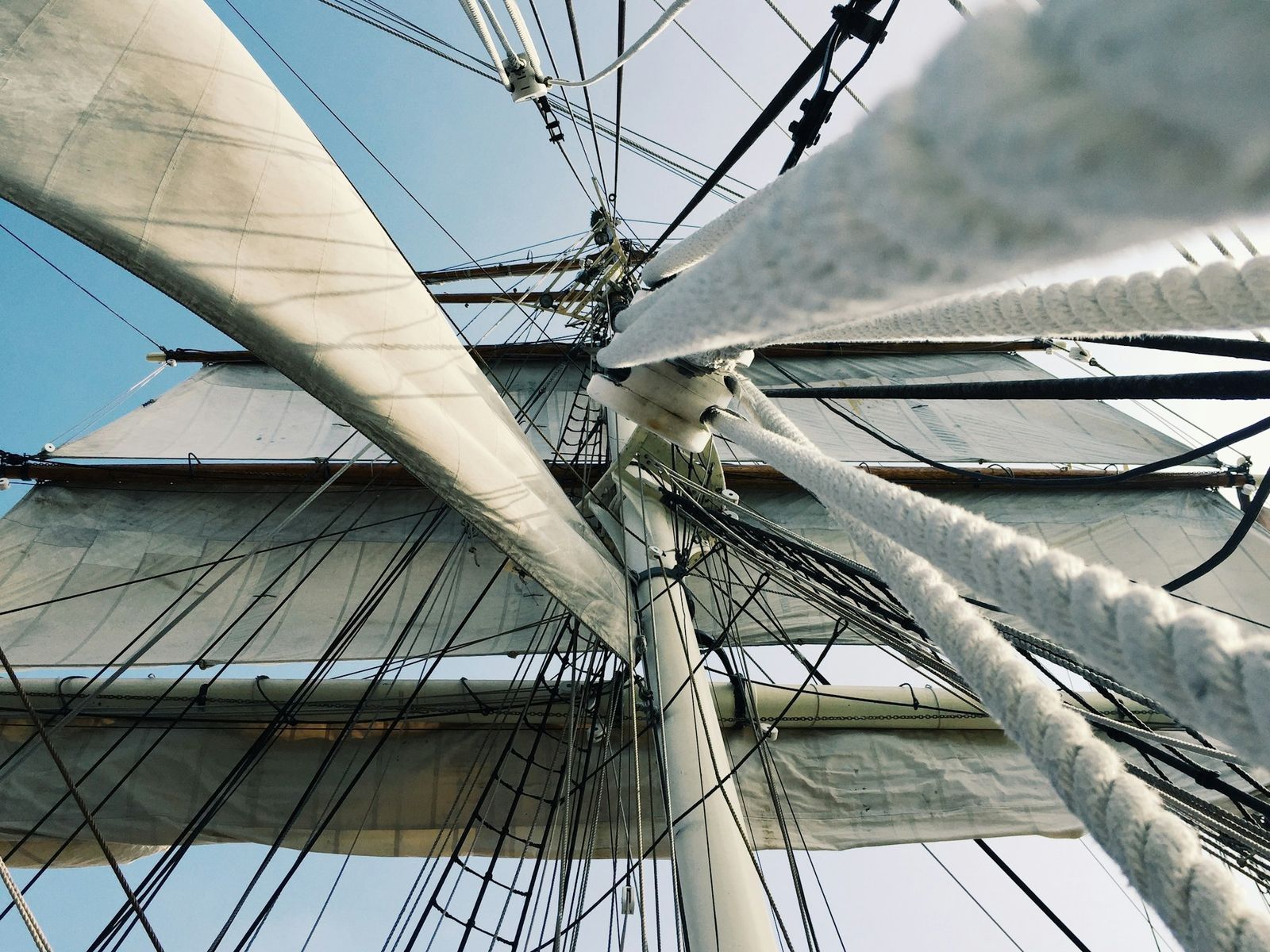
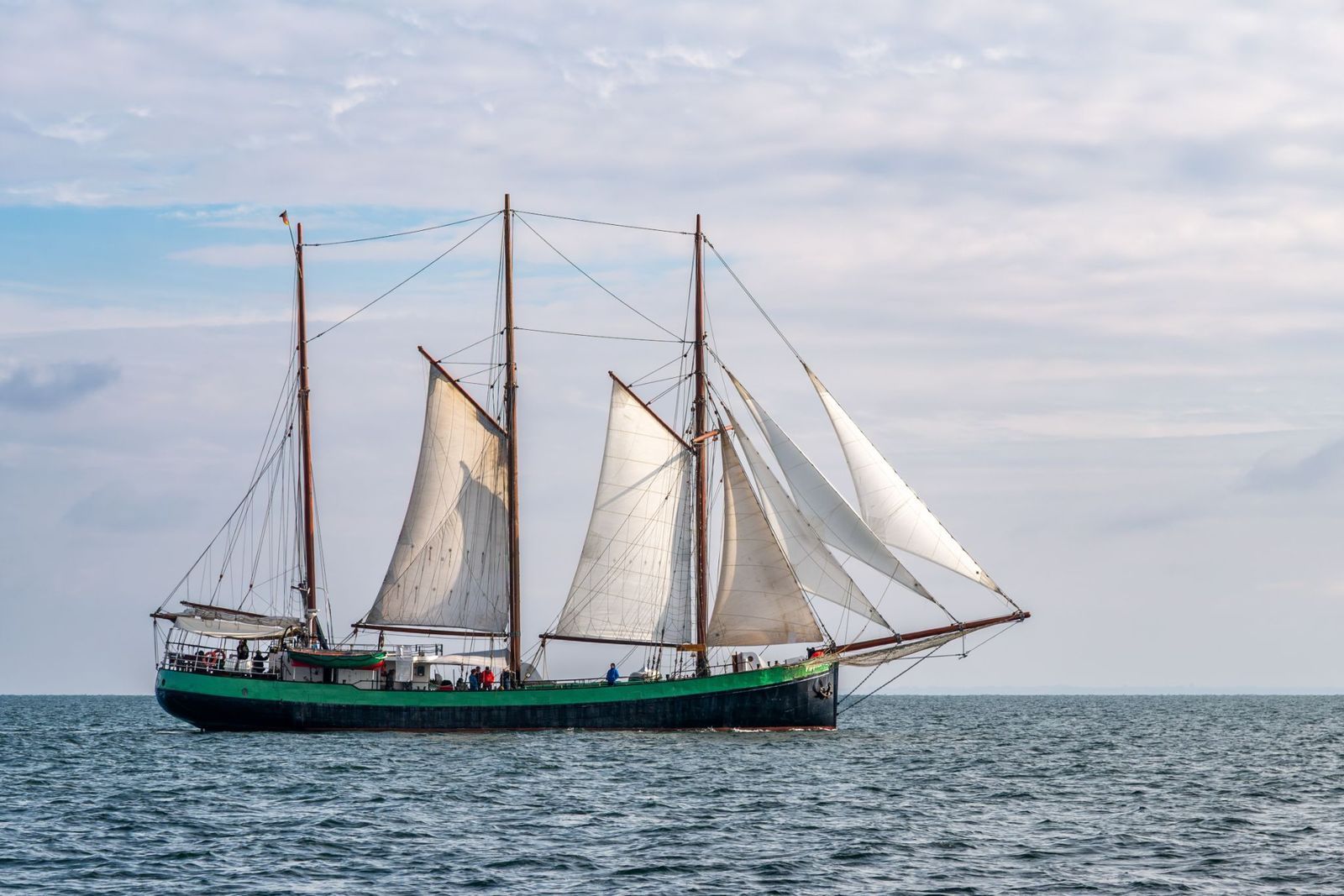
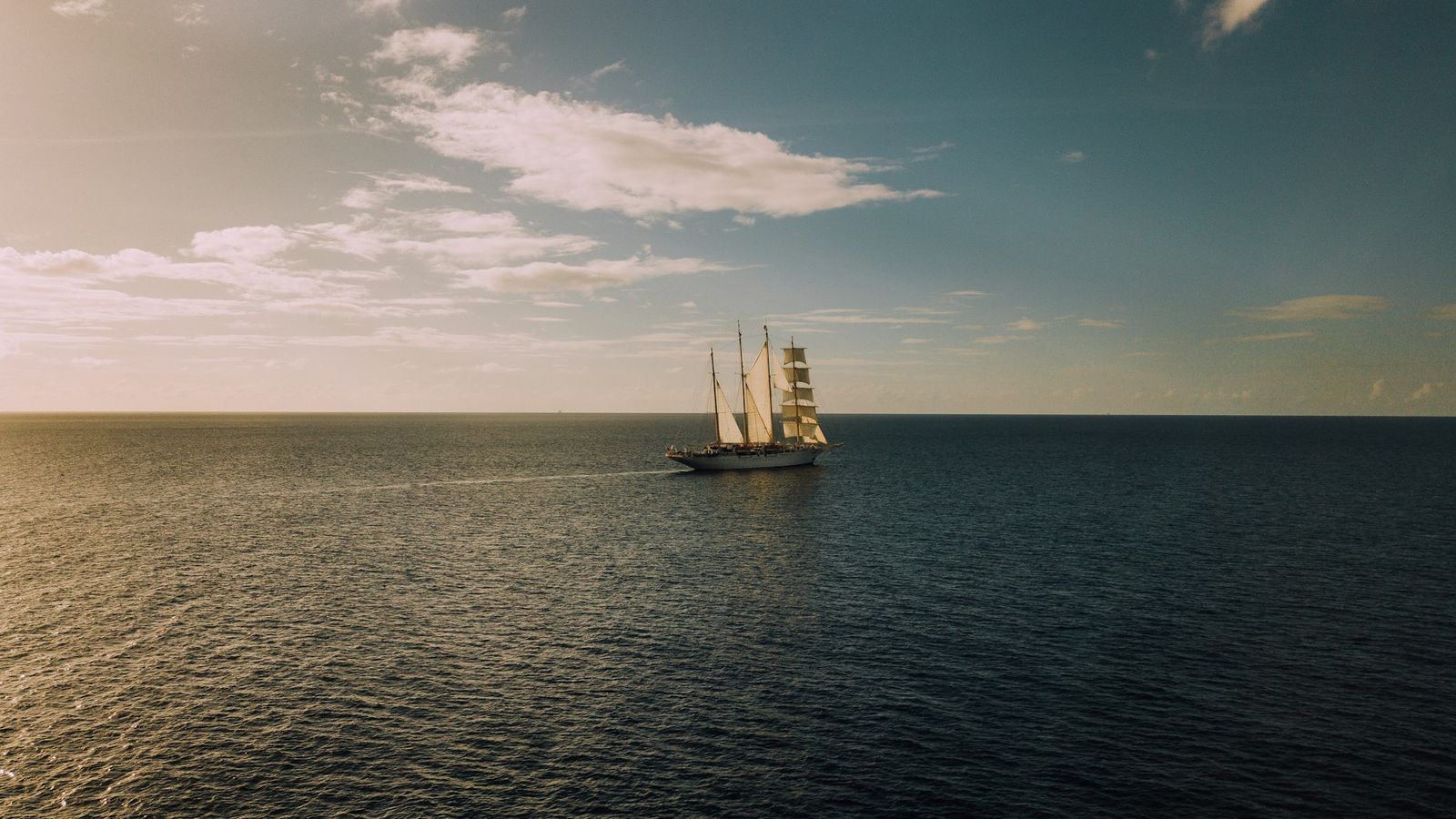
A "schooner" is a type of sailing vessel defined by its rig: fore-and-aft rigged on all of two or more masts and, in the case of a two-masted schooner, the foremast generally being shorter than the mainmast. This type of ship was commonly used as a whaling ship.

A topsail schooner also has a square topsail on the foremast, to which may be added a topgallant.

10

Lookout

Image: Drew Darby

Having mentioned the crow’s nest in a previous entry, we can complete the description and this whole list with the role that is most usually connected to such a high place on the ship. The lookout is the person at the ship’s crow’s nest, or also bridge, who maintains a continuous watch of the sea to report the sighting of whales or any kind of hazard that can be an obstacle in the navigation and cause harm to the ship.


Book lovers unite

Books... The stories we love and some facts you didn't know!


Published on December 4, 2024


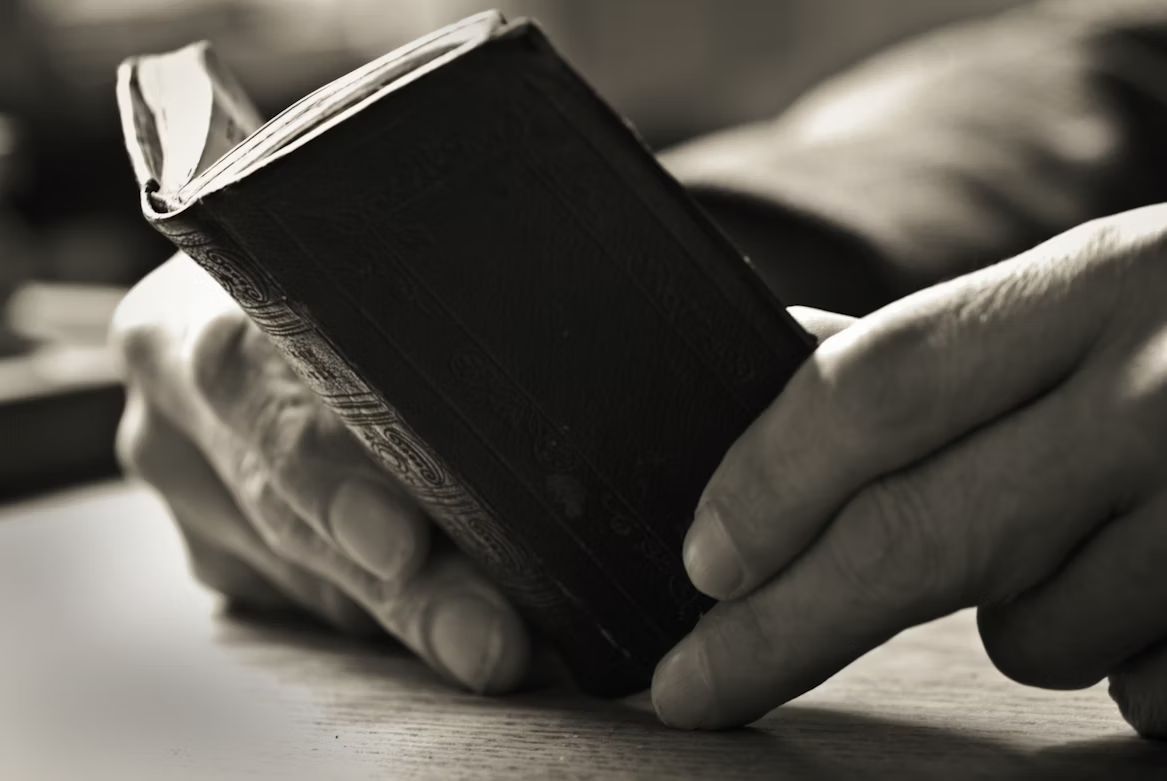
Image: Alexandra Fuller

There’s no denying it: Few pleasures compare to curling up on a rainy day with a cup of hot cocoa and a good book, don’t you think? But behind the book you’re holding, there are many stories to be told. For example, do you know how big the largest private collection is? Or have you ever put a name to that fear of running out of books to read? Well, in this article, we’ve gathered 13 book-related facts that will make you love books even more!

1

Abibliophobia: The fear every book lover can relate to

Image: HamZa NOUASRIA

Have you ever panicked at the very thought of finishing your current book with no backup ready? That’s abibliophobia, the fear of running out of something to read.

Of course, it’s not officially recognized by doctors, but we bet every bookworm knows the terror of a suddenly empty bookshelf. Thank goodness for e-readers, libraries, and bookstores to keep the anxiety at bay!

2

Teeny Ted: The world’s tiniest tome

Image: Nathan Wright

Say hello to Teeny Ted from Turnip Town, the world’s smallest book, measuring a microscopic 70 by 100 micrometers. That’s smaller than a grain of sand! Created in 2007 using nanotechnology, it even has its own ISBN number.

This book holds the Guinness World Record for the smallest reproduction of a printed book. But don’t expect to read it unless you’ve got a high-powered microscope. Imagine telling someone, "Oh, I’ve just finished a quick read," and pulling out this pint-sized masterpiece!

3

Theodore Roosevelt: The speed reader-in-chief

Image: Library of Congress

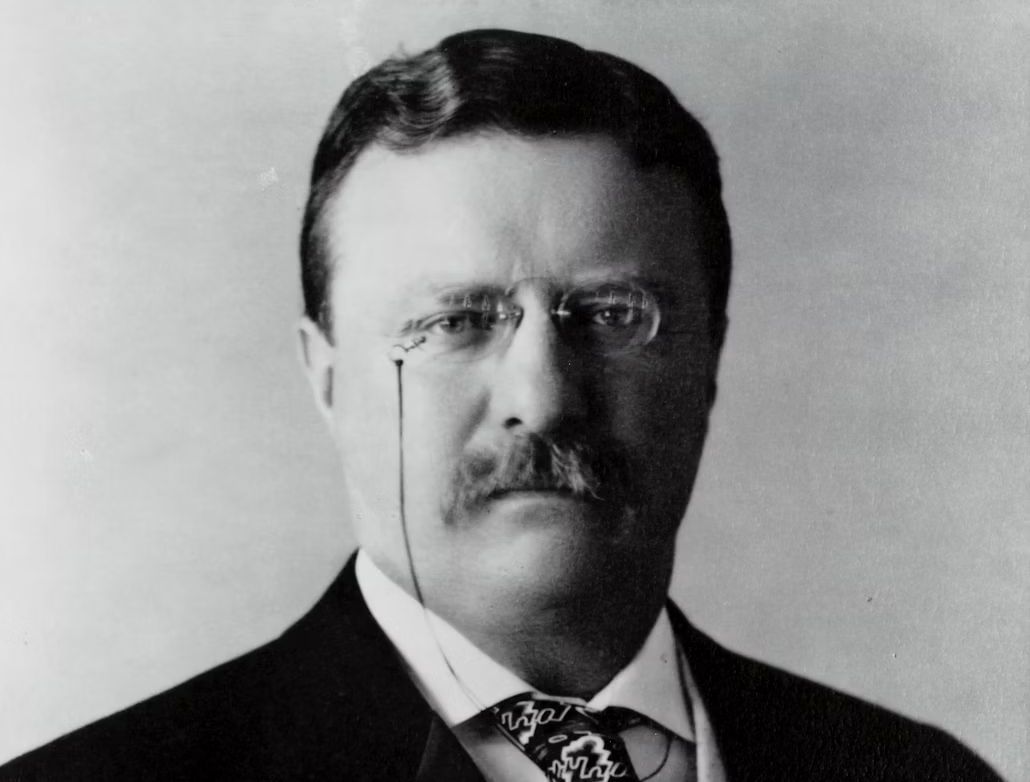
Talk about ambition: Teddy Roosevelt, the 26th President of the United States, reportedly read one book every single day. And when his schedule allowed, he’d tackle two!

Whether it was history, poetry, or adventure novels, Roosevelt devoured books. It’s inspiring, sure, but let’s be honest, most of us struggle to get through one a week. Chapeau to you, Teddy, but you’re on your own on this one!

4

1.5 million books: A collection to envy

Image: JOSHUA COLEMAN

Book lover John Q. Benham takes the term "well-read" to a whole new level with his private collection of 1.5 million books.

This Guinness World Record holder from Indiana has so many books that he’s had to store them in his garage, a two-story building, and even outdoors. Imagine trying to find your favorite title in that maze!

5

Tsundoku: Guilty as charged

Image: Nick Hillier

If you’ve ever bought a book, placed it on a shelf, and left it there unread, you’re guilty of tsundoku. This Japanese term describes the all-too-relatable habit of collecting books faster than you can read them.

We’re not book-shaming anyone, we do that too. It’s not about neglect, it’s about the thrill of owning stories just waiting to be explored. And a bit of abibliophobia, right?

6

Victor Hugo’s 805-word marathon sentence

Image: Agustin Biagi Vincenti

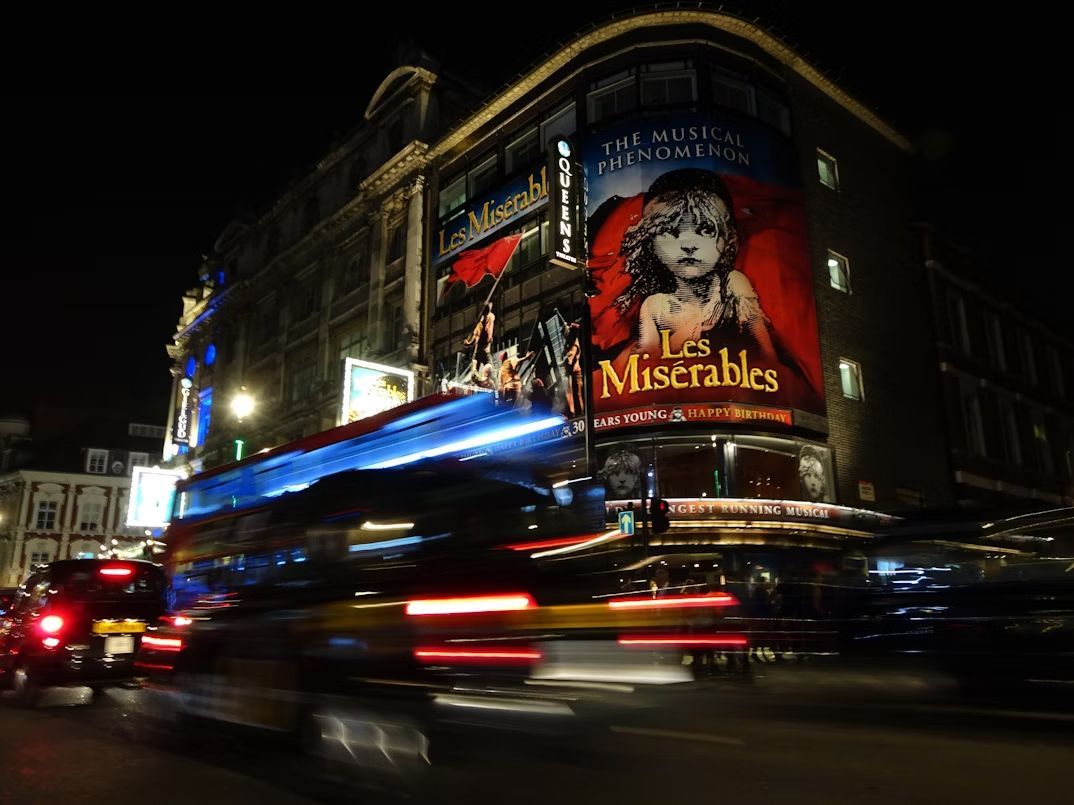
Victor Hugo didn’t just write novels, he wrote endurance challenges. Do you know the classic Les Misérables? Well, it contains a single sentence that’s 805 words long! In case you’re trying to picture what that looks like, that’s longer than some short stories!

While it might test your patience (and your lung capacity if you tried to read it aloud, for sure), it’s a testament to Hugo’s genius. Who needs cardio when they could just practice reading this one out loud?

7

One tree, 50 books: The math of paperbacks

Image: Hitoshi Suzuki

Did you know that a single tree can produce up to 50 books? It’s kind of a bittersweet fact because while trees are precious, so are the stories printed on their pages.

Thankfully, e-books and recycled paper are helping make publishing more eco-friendly. In any case, it’s a good thing that it only takes one tree to produce that many books. Yes, you can go hug your favorite hard-cover, but thank the tree that made it too!

8

The Codex Leicester: The $30 million masterpiece

Image: Zoya Loonohod

Leonardo da Vinci’s Codex Leicester isn’t just a book, it’s quite literally a treasure. This handwritten journal, filled with da Vinci’s scientific musings, was bought by Bill Gates in 1994 for $30.8 million!

Adjusted for inflation, it’s now worth over $62 million. You can already imagine the safety measures around it. Gates occasionally lends it out for exhibitions. Nobody can blame him, even billionaires love to show off their book collections.

9

Read your way to a healthier brain

Image: Jilbert Ebrahimi

If you’re not a big reader and want to find some motivation to read more, here’s a great reason to dive into a good book: Studies have shown that regular reading can reduce your risk of Alzheimer’s by 2.5 times.

Keeping your brain active with novels, biographies, or even crossword puzzles helps build cognitive reserves. So, next time someone calls you a bookworm, take it as a compliment and just tell them this is your health plan!

10

Bibliosmia: The sweet smell of stories

Image: Jasmine Coro

This one is for the true bookworms out there. If you’ve ever cracked open an old book and taken a deep whiff, you’ve experienced bibliosmia, the love of that distinctive "old book smell."

It’s caused by the breakdown of chemicals in the paper and ink, releasing an aroma that’s part nostalgia, part heaven. If you ask us, libraries should bottle this scent! Who needs perfume when you can smell like a first-edition classic?

11

A million new books every year

Image: Annie Spratt

Think your to-be-read pile is overwhelming? Over 900,000 new books are published every year worldwide, and that’s a conservative estimate.

China leads the charge, followed by the U.S. and the UK. Whether it’s thrillers, memoirs, or cookbooks, there’s truly something for everyone being published as you read this article. But keeping up with even a fraction of these releases? That’s a challenge only the most dedicated book lovers would dare take on. Call for Roosevelt!

12

Sydney’s book balancing bonanza

Image: Siora Photography

Book-related Guinness records are extraordinary. Here’s one more: In 2012, Sydney, Australia, set the world record for the most people balancing books on their heads. How many? 998, to be exact.

It was part of a festival promoting literacy, and participants of all ages joined in. And in case you were wondering what they did with those books, they were donated to an orphanage in Kenya. Amazing, don’t you think?

13

Johannes Gutenberg: The father of the printing press

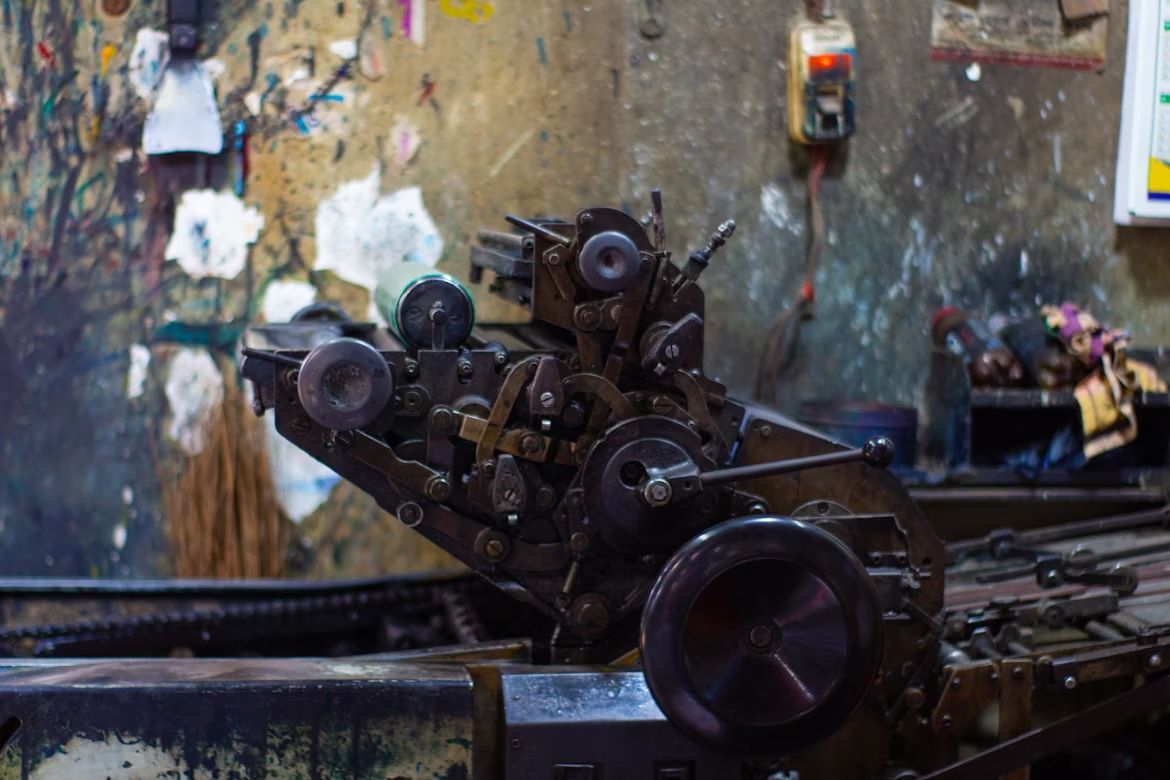
Image: Refat Ul Islam

Before Johannes Gutenberg’s groundbreaking invention in 1440, books were painstakingly copied by hand. Exhausting, right?

His printing press revolutionized the way words were shared, making books faster and cheaper to produce. It’s no exaggeration to say Gutenberg paved the way for modern publishing—and for our beloved libraries and bookstores. From the bottom of our hearts, thank you, Johnny!

Looking for an extra scoop of literary fun?

Learn more with our Word of the day

irrevocable

/ˌɪ(r)ˈrɛvəkəb(ə)l/