Happy translation accidents

"Algorithm" was a person? These words were born from misheard terms


Published on March 5, 2026
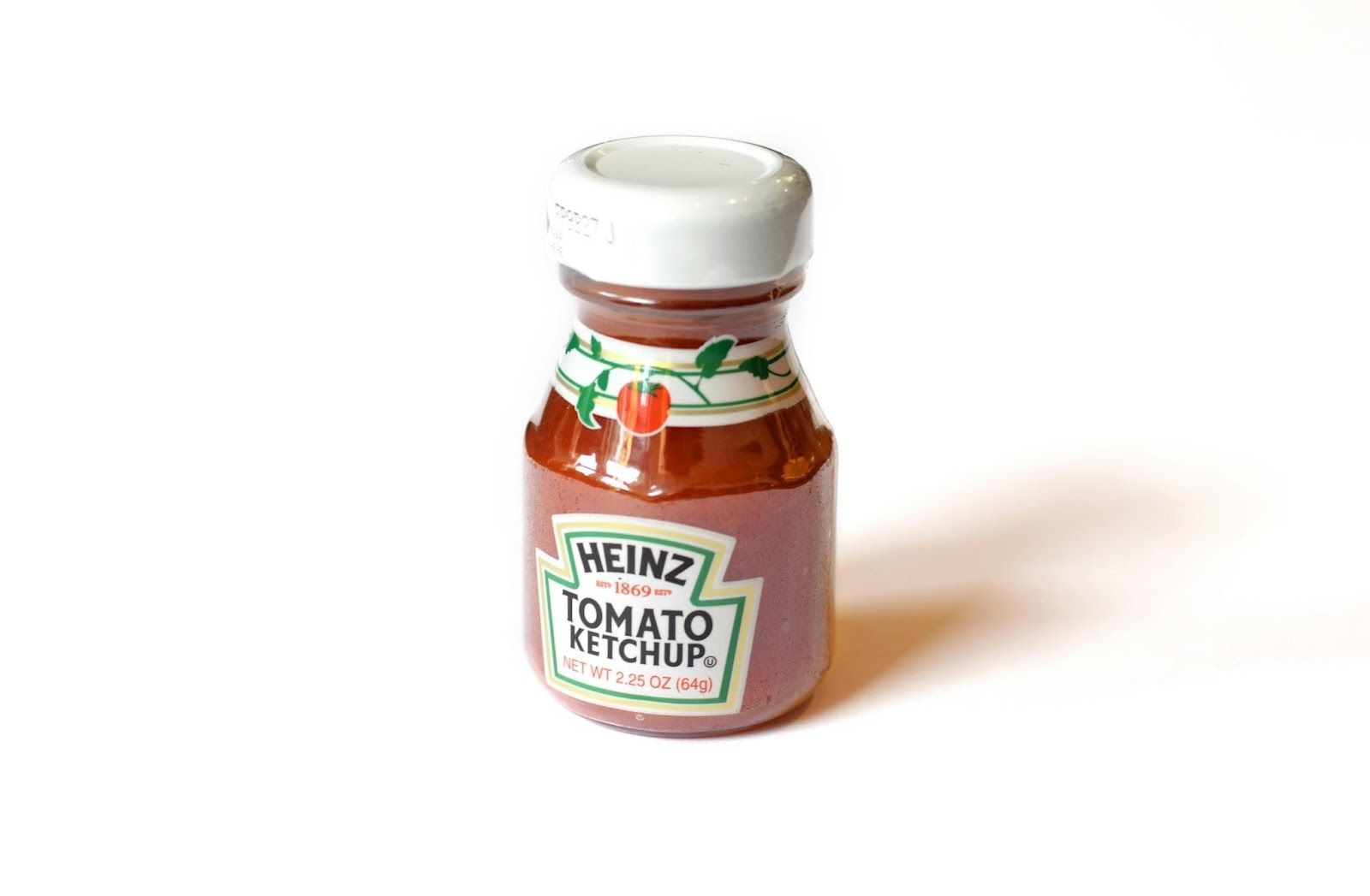

Image: Matt Popovich

Some words entered the English language with a twist. Originally uttered in Chinese, Quechua, Latin, and many more languages, the terms were misheard, reshaped, and incorporated into local versions. These quirky accidents reveal how human ears left their mark on the words we still use every day. Let’s look at the list!

1

Alligator

Image: Shelly Collins

When Spanish explorers in the New World encountered the reptile, they called it el lagarto, meaning "the lizard."

English settlers misheard the phrase, folding the article "el" into the word itself, resulting in "alligator."

2

Algorithm

Image: Markus Spiske

A popular term nowadays! The English "algorithm" traces back to the Persian mathematician al-Khwārizmī (Algoritmi), whose works reached Europe in Latin translation.

The name was misread and reinterpreted as if it were a common noun. Over time, scholars began to use "algorism" for arithmetic rules, later morphing into algorithm.

3

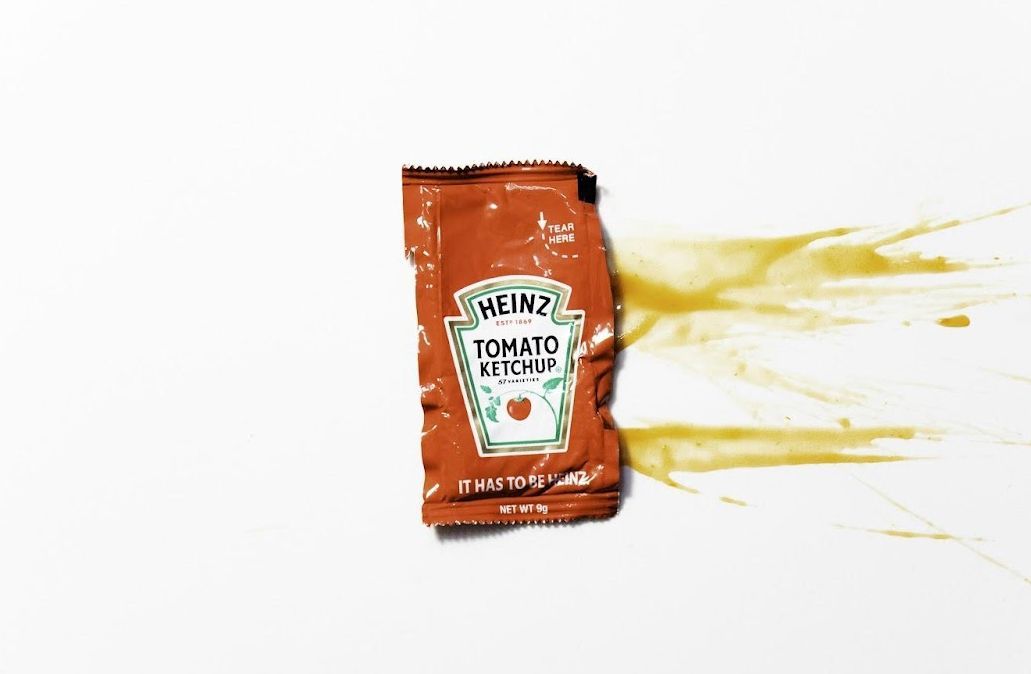
Ketchup

Image: Madison Oren

Far from having been born in English-speaking lands, ketchup has roots in the Hokkien Chinese word kê-tsiap, a fermented fish sauce.

The term traveled through trade routes to Malay and then into English, where it was misheard and reshaped. Early English "catchup" and "ketchup" referred to various savory sauces, not tomatoes at all. Only later did the tomato version dominate in America.

4

Tornado

Image: Greg Johnson

Another example of misheard Spanish terms! When observing storms at sea, Spanish sailors would use the words tronada (thunderstorm) or tornar (to turn). Of course, English speakers blended and misheard these terms, producing it "tornado."

Over time, the English version stuck, even though it was never a "correct" borrowing to refer to the spinning phenomenon.

5

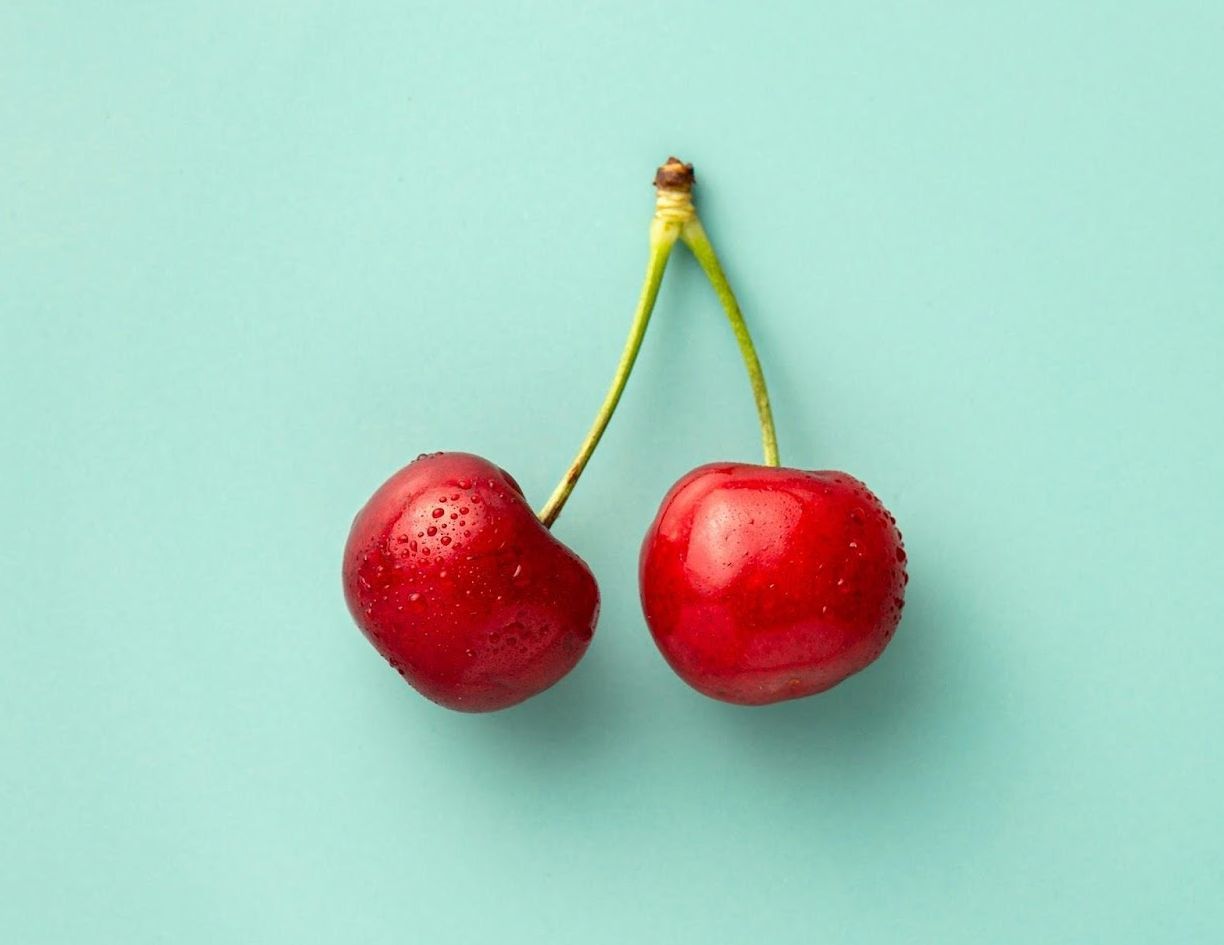
Cherry

Image: Mae Mu

Cherry arrived in English from Old Northern French cherise, which itself came from Latin cerasum. The original word already had an "s" at the end, but when English speakers heard cherise, they thought it was plural.

They chopped it down into "cherry" for the singular, creating a new form by mistake.

6

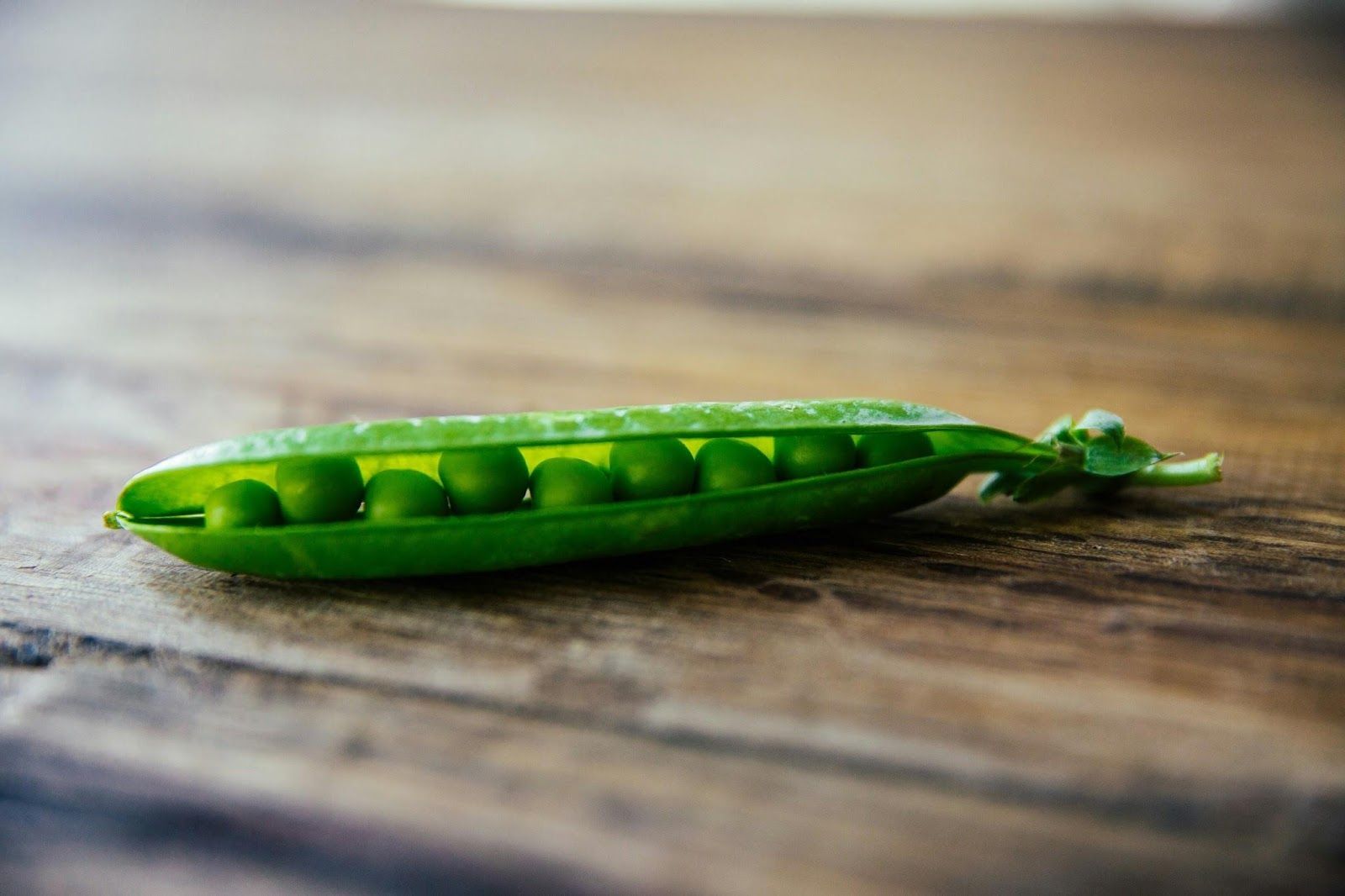
Pea

Image: Rachael Gorjestani

In a similar way, we created the word "pea." Originally, English borrowed the word "pease" for the vegetable, taken from Latin pisum through French. Pease was a mass noun, like "rice," but English speakers mistook the final s for a plural.

To "correct" it, they created a new singular form: pea.

7

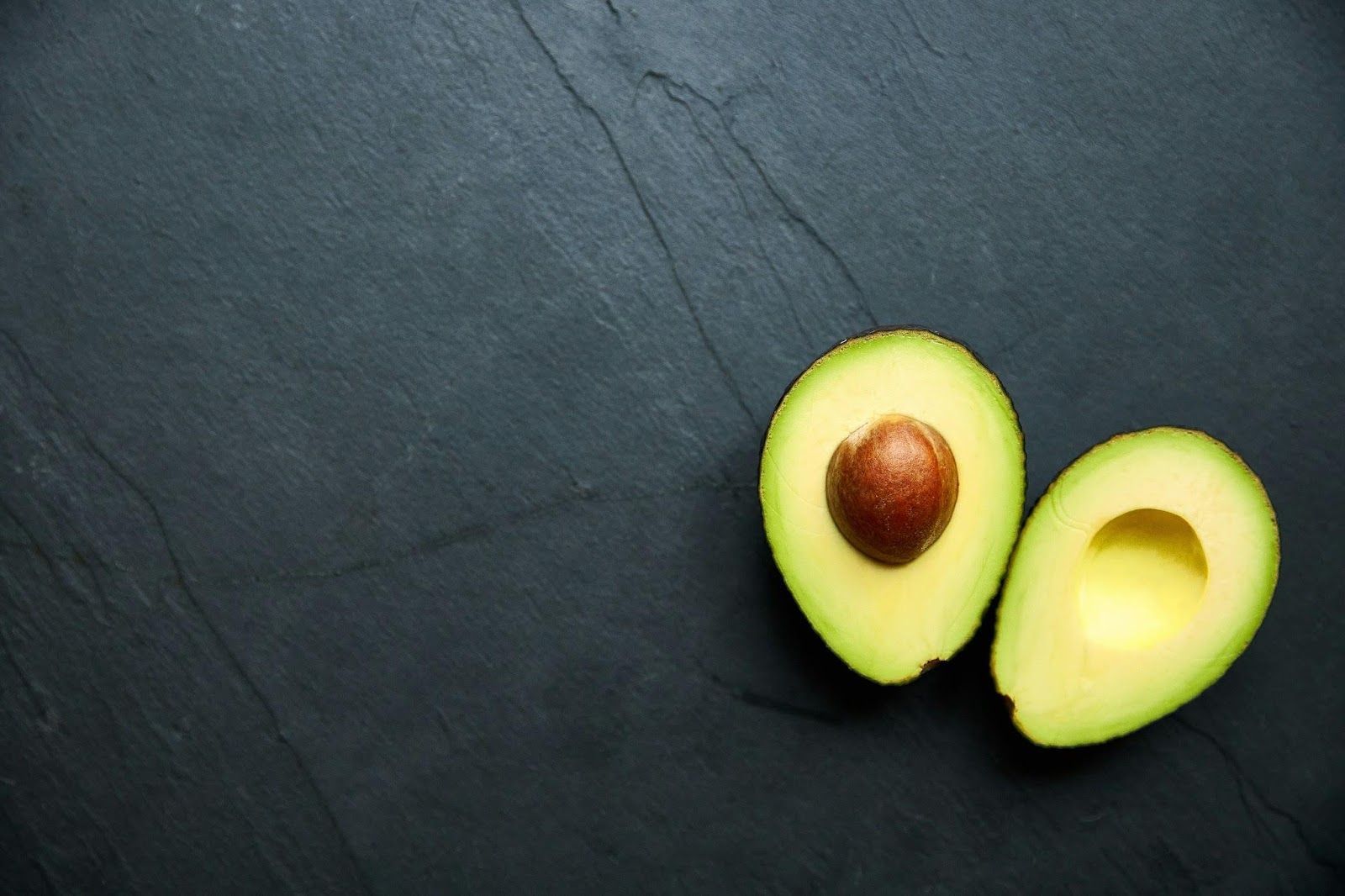
Avocado

Image: Dirk Ribbler

Avocado began with the Nahuatl word ahuacatl, which meant both "avocado" and "testicle," a nod to the fruit’s shape. Spanish speakers turned it into aguacate, which English ears later misheard and mangled into… avocado.

8

Jerky

Image: Alex Bayev

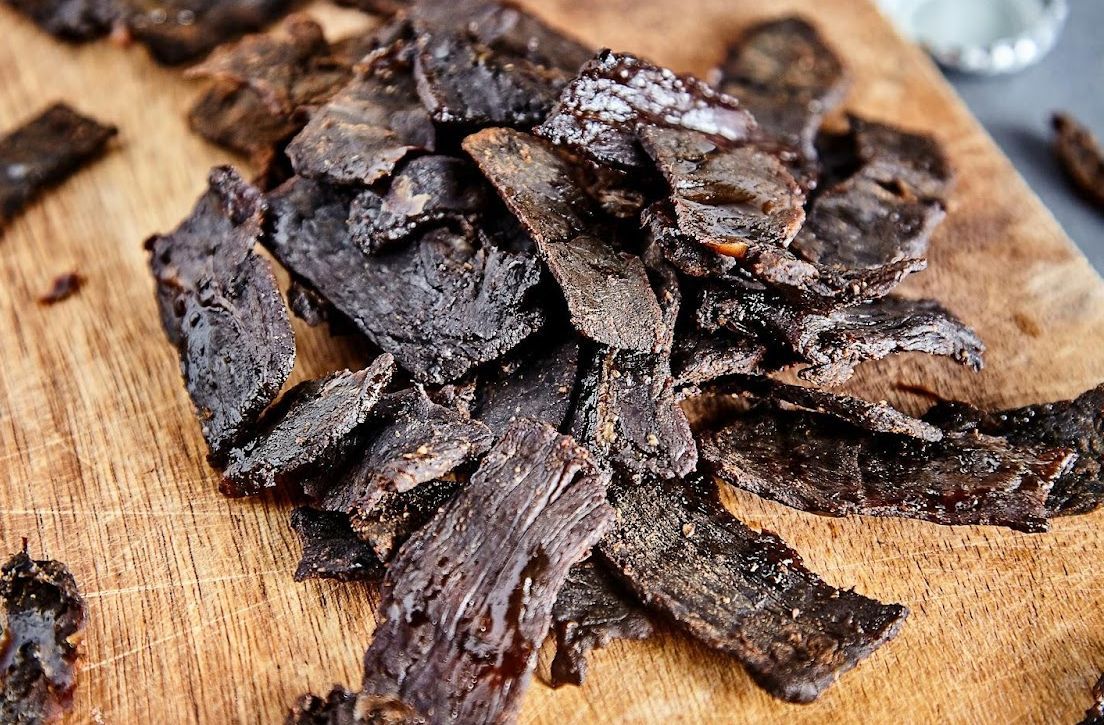
Jerky comes from the Quechua word ch’arki, meaning dried, salted meat. Spanish colonizers carried it into their language as charqui, which then reached English explorers and settlers, who made it into their own language.

9

Junk

Image: Pawel Czerwinski

The word "junk" began in English as a nautical borrowing. Portuguese and Dutch sailors used junco or jong from Malay, referring to a large Asian ship.

English speakers misheard and simplified the term into "junk." Eventually, "junk" broadened to mean old rope scraps, and then worthless odds and ends.

10

Hickory

Image: Yulia Ilina

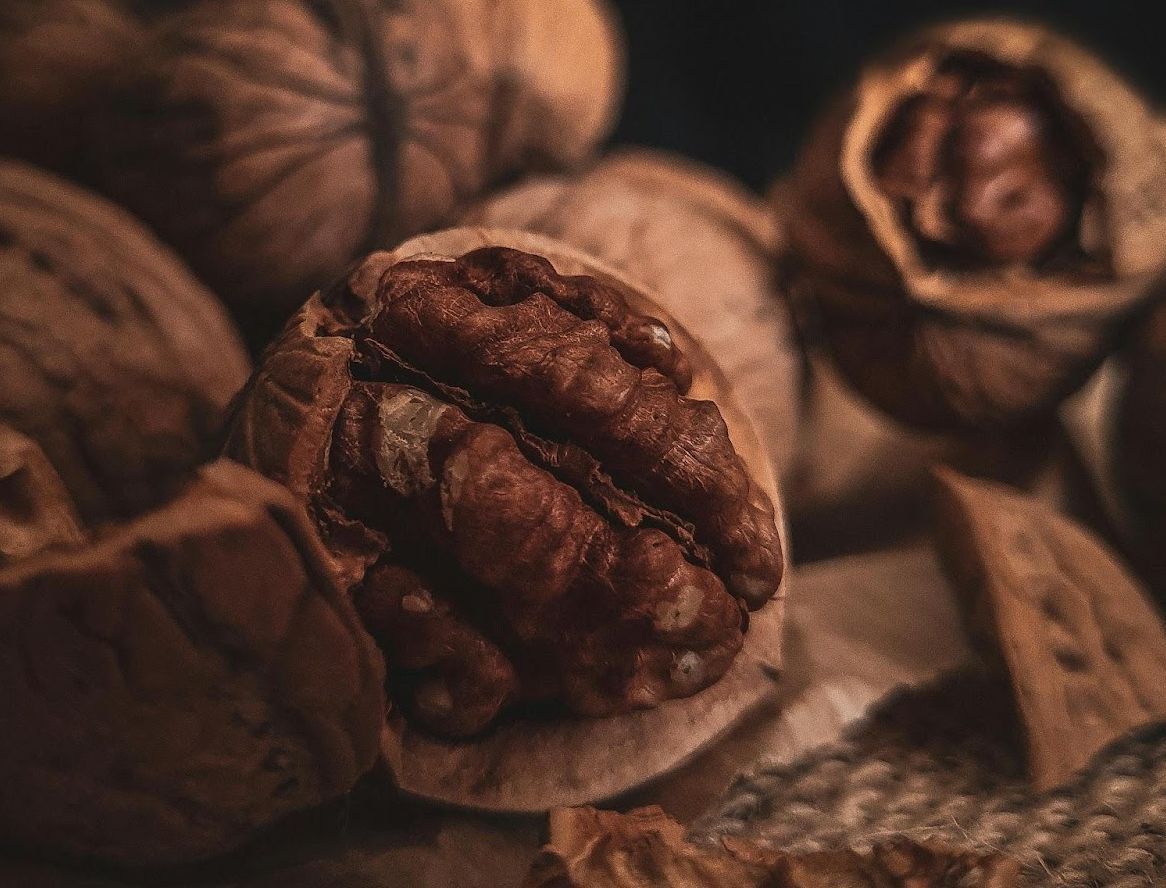
Hickory traces back to the Algonquian word pawcohiccora. It described a nut-based drink made from pounding hickory nuts, but English settlers found the long native word difficult to pronounce.

They clipped it down to "hiccora" and eventually "hickory."

11

Ammunition

Image: Neil Kami

The word "ammunition" is a reshaped version of the French la munition (military supplies). Much like the case for "alligator," this is an example of a word that took the leading article too seriously.

Early English speakers misheard the French article "la" as part of the word itself. This turned munition into ammunition, a form that then gained a life of its own in English.


FOOD SLANG FROM AL DENTE TO ZITI

12 Culinary Terms to Show Off to Your Foodie Friends


Published on March 5, 2026


Image: Kelsey Chance

Whether you really know your way around a kitchen or you are simply a food enthusiast, you probably recognize and even use a few words that belong to the realm of the kitchen, the foodies, or perhaps the high cuisine.

From the ubiquitous to the obscure, the following list compiles a few of these terms and idioms, their origins and meanings, for your perusal. So, go ahead and read. Perhaps you'll even learn something to impress an annoying food snob uncle or the high-brow sommelier of your local wine bar.

1

Al Dente

Image: Bozhin Karaivanov

In the lexicon of food enthusiasts, the phrase al dente reigns supreme. In its original Italian, it means "to the tooth" describing pasta cooked to a firm, slightly resistant texture. In the modern foodie world, achieving the perfect al dente is considered an art.

Al dente pasta showcases the chef's mastery over timing and precision. It's a departure from the overcooked, mushy noodles, with foodies embracing the authentic bite and texture that al dente brings to the table.

2

Artisanal

Image: Luca Lago

In today's culinary landscape, the term "artisanal" has become a hallmark of quality and craftsmanship. Derived from the word "artisan" which refers to a skilled craftsperson, artisanal signifies a return to traditional, handcrafted methods.

Whether it's beer, bread, cheese, chocolate, or coffee, consumers seek out artisanal options for a more intimate connection to the food they consume. Unlike mass-produced items, artisanal goods often involve small-batch production, emphasizing quality over quantity.

3

Chiffonade

Image: Wikimedia Commons

Derived from the French word chiffon, meaning "rag" or "cloth" this technique involves finely shredding or cutting greens and herbs into delicate ribbons. While originally applied to herbs like basil, mint, or sage, the concept has expanded in the contemporary food world.

Chiffonade offers a visually appealing way to incorporate herbs into dishes. Beyond aesthetics, the method enhances the flavor profile by ensuring each bite carries a bit of the herb’s essence.

4

Confit

Image: Manek Singh

The term "confit" brings a sense of indulgence and culinary mastery. It originates from the French verb "confire," which means to preserve meats slowly cooked in their own fat. Today, the term has evolved beyond its preservation roots, becoming a hallmark of refined flavors in the modern foodie world. Confit techniques extend beyond meats, encompassing fruits, vegetables, and even garlic.

As the foodie movement evolves, confit remains a symbol of the pursuit of exquisite tastes in every gastronomic endeavor.

5

Braising

Image: Amanda Lim

The term "braising" describes the art of transforming tough cuts into tender masterpieces. This slow-cooking method involves searing meat and then simmering it in a flavorful liquid. Braising has become a staple technique in the modern foodie's repertoire, offering a perfect balance of convenience and culinary excellence.

The beauty of braising lies in its ability to turn humble ingredients into culinary triumphs. Often overlooked tough meats become succulent and infused with the deep, savory notes of the braising liquid. This method not only tenderizes but also intensifies flavors, resulting in amazing dishes.

6

Amuse-bouche

Image: Rob Wicks

While French in origin, it can be translated to "mouth amuser": those bite-sized appetizers that serve as a prelude to a culinary journey, awakening the palate with unexpected flavors and textures.

Chefs experiment with diverse ingredients, drawing inspiration from seasonal produce, global cuisines, and avant-garde techniques. From foams to edible flowers, the amuse-bouche has become a canvas for culinary artistry, reflecting the dynamic nature of contemporary gastronomy.

7

Roux

Image: Wikimedia Commons

Yet once again, originating from French cuisine, roux is a simple mixture of flour and fat, often butter, cooked to varying degrees of color. While its roots lie in classic French sauces, the contemporary foodie world has embraced roux as a versatile and indispensable culinary tool.

Roux plays an all-important role in thickening sauces and stews. Its ability to transform liquids into velvety, rich textures, elevates dishes from ordinary to extraordinary. Modern chefs and home cooks alike appreciate the complex flavor and depth that roux imparts to their creations.

8

Mise en place

Image: Rudy Issa

Translating to "everything in its place," this culinary philosophy emphasizes meticulous preparation and organization before cooking. Beyond a practical approach, mise en place has become a mantra for the contemporary foodie, symbolizing a mindful and systematic approach to the culinary journey.

Mise en place is more than just chopping vegetables and measuring ingredients, it embodies a mindset. Chefs and home cooks alike appreciate the discipline it instills, generating a smooth and enjoyable cooking experience. This methodical preparation not only enhances efficiency but also allows for greater creativity and focus on the artistry of the kitchen.

9

Tartare

Image: Liuda Brogiene

Originally associated with raw minced meat, typically beef, modern cooks have embraced the "tartare" concept, expanding it to include variations like fish, vegetables, and even fruits.

Tartare signifies a departure from traditional cooking methods, emphasizing the purity and quality of ingredients. The modern food enthusiast appreciates the raw, unadulterated flavors showcased in a well-prepared tartare. From tuna tartare to avocado tartare, this dish has become a canvas for inventive combinations, celebrating diverse textures and tastes.

10

Demi-glace

Image: Wikimedia Commons

It is no wonder why so many of the words in this list have a French origin. After all, that noble country is home to a great deal of culinary inventions that transcended its borders and have since become universal.

Demi-glace is a culinary alchemy that elevates dishes with its deep, savory essence. This reduction serves as a foundation for sauces, gravies, and braises, imparting a complexity that transforms ordinary meals into extraordinary culinary experiences.

11

En papillote

Image: Hyeonyoung Yang

This cooking technique involves sealing ingredients in parchment paper or foil, creating a pocket that steams and infuses flavors. Beyond its classic roots, "en papillote" has become a favorite among modern foodies, celebrated for its ability to produce moist, flavorful dishes with minimal effort.

This method not only enhances the taste but also preserves the nutritional value of ingredients, making it a go-to choice for health-conscious cooks. The sealed package allows for gentle cooking, resulting in dishes that are not only delicious but also vibrant and nutrient-rich. A win-win foodie invention, so to speak.

12

Ziti

Image: Wikimedia Commons

One of the few non-French terms in this list, ziti will bring memories of The Sopranos to some and memories of home comfort food to others.

Ziti is a versatile and beloved pasta shape among food enthusiasts. Originally hailing from Southern Italy, ziti's tubular form, often with ridges to capture sauces, has made it a favorite in contemporary kitchens. Its hollow, cylindrical shape pairs well with a variety of sauces, from traditional marinara to inventive, contemporary concoctions.

Looking for an extra scoop of literary fun?

Learn more with our Word of the day

contented

/kənˈtɛn(t)əd/