Happy translation accidents
"Algorithm" was a person? These words were born from misheard terms
Published on March 5, 2026
 Image: Matt Popovich
Some words entered the English language with a twist. Originally uttered in Chinese, Quechua, Latin, and many more languages, the terms were misheard, reshaped, and incorporated into local versions. These quirky accidents reveal how human ears left their mark on the words we still use every day. Let’s look at the list!
Alligator
 Image: Shelly Collins
When Spanish explorers in the New World encountered the reptile, they called it el lagarto, meaning "the lizard."
English settlers misheard the phrase, folding the article "el" into the word itself, resulting in "alligator."
Algorithm
 Image: Markus Spiske
A popular term nowadays! The English "algorithm" traces back to the Persian mathematician al-Khwārizmī (Algoritmi), whose works reached Europe in Latin translation.
The name was misread and reinterpreted as if it were a common noun. Over time, scholars began to use "algorism" for arithmetic rules, later morphing into algorithm.
Ketchup
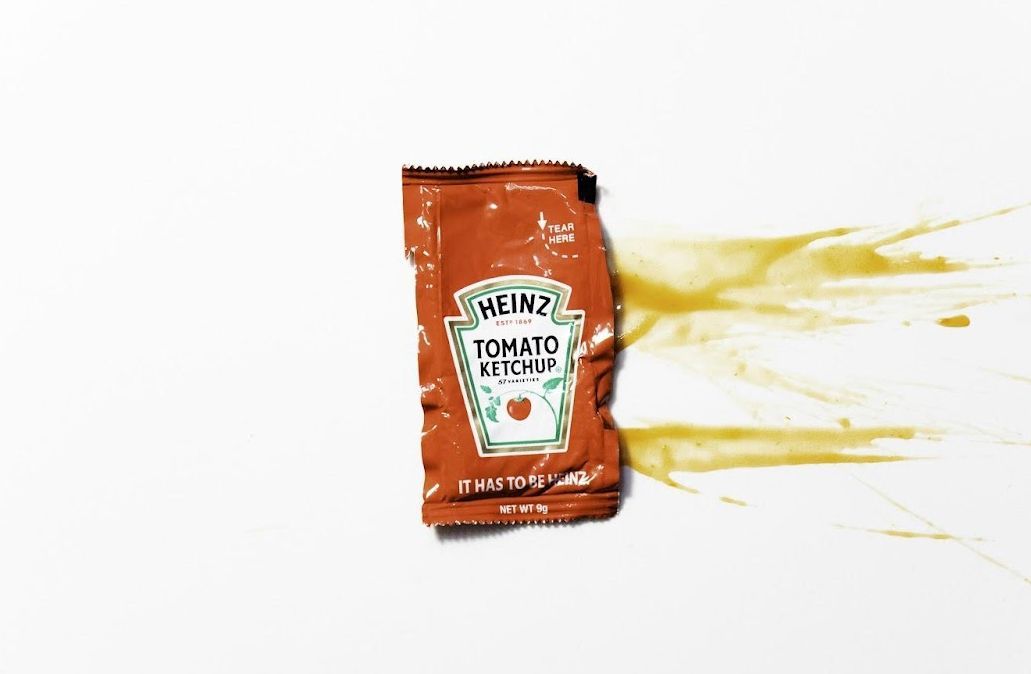 Image: Madison Oren
Far from having been born in English-speaking lands, ketchup has roots in the Hokkien Chinese word kê-tsiap, a fermented fish sauce.
The term traveled through trade routes to Malay and then into English, where it was misheard and reshaped. Early English "catchup" and "ketchup" referred to various savory sauces, not tomatoes at all. Only later did the tomato version dominate in America.
Tornado
 Image: Greg Johnson
Another example of misheard Spanish terms! When observing storms at sea, Spanish sailors would use the words tronada (thunderstorm) or tornar (to turn). Of course, English speakers blended and misheard these terms, producing it "tornado."
Over time, the English version stuck, even though it was never a "correct" borrowing to refer to the spinning phenomenon.
Cherry
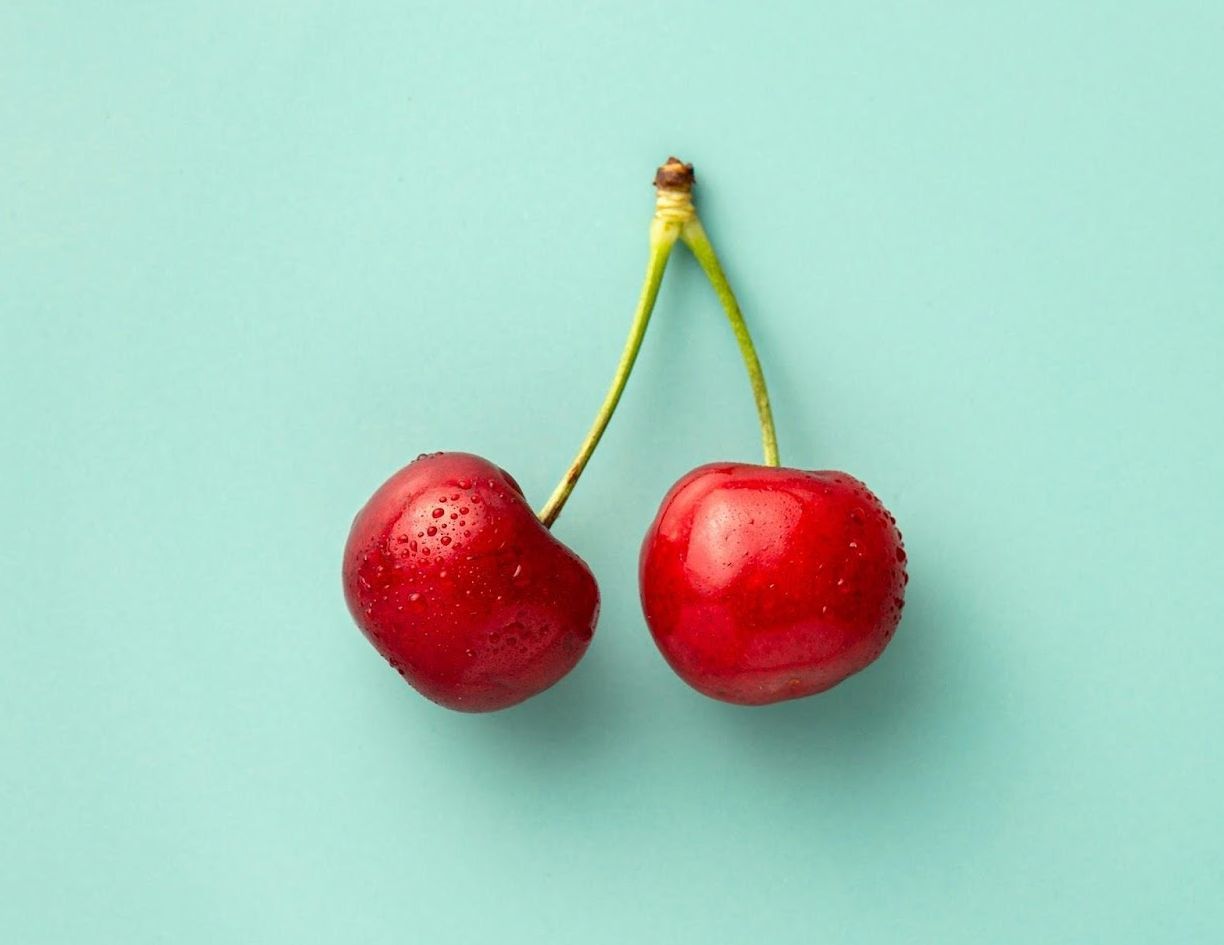 Image: Mae Mu
Cherry arrived in English from Old Northern French cherise, which itself came from Latin cerasum. The original word already had an "s" at the end, but when English speakers heard cherise, they thought it was plural.
They chopped it down into "cherry" for the singular, creating a new form by mistake.
Pea
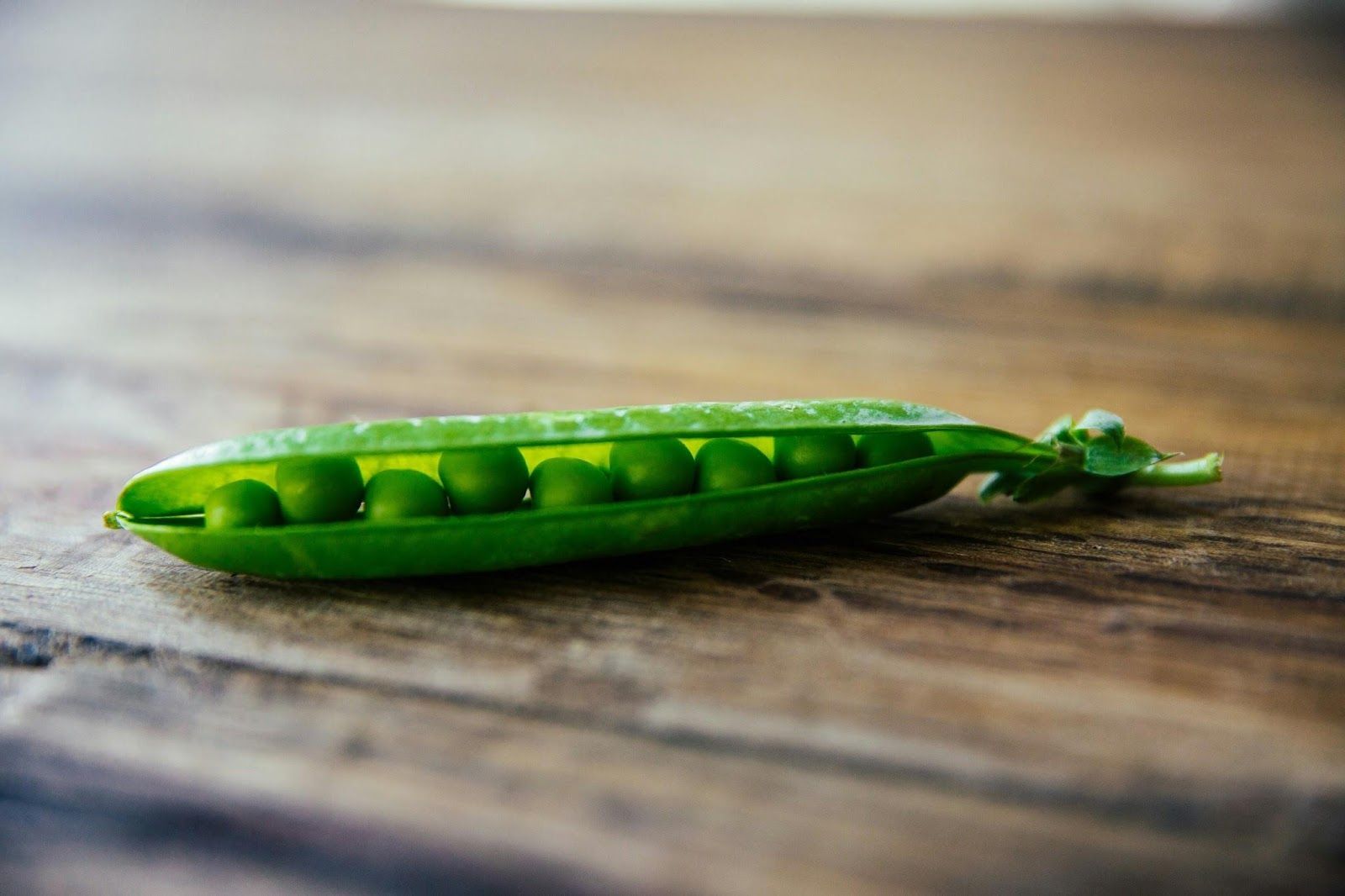 Image: Rachael Gorjestani
In a similar way, we created the word "pea." Originally, English borrowed the word "pease" for the vegetable, taken from Latin pisum through French. Pease was a mass noun, like "rice," but English speakers mistook the final s for a plural.
To "correct" it, they created a new singular form: pea.
Avocado
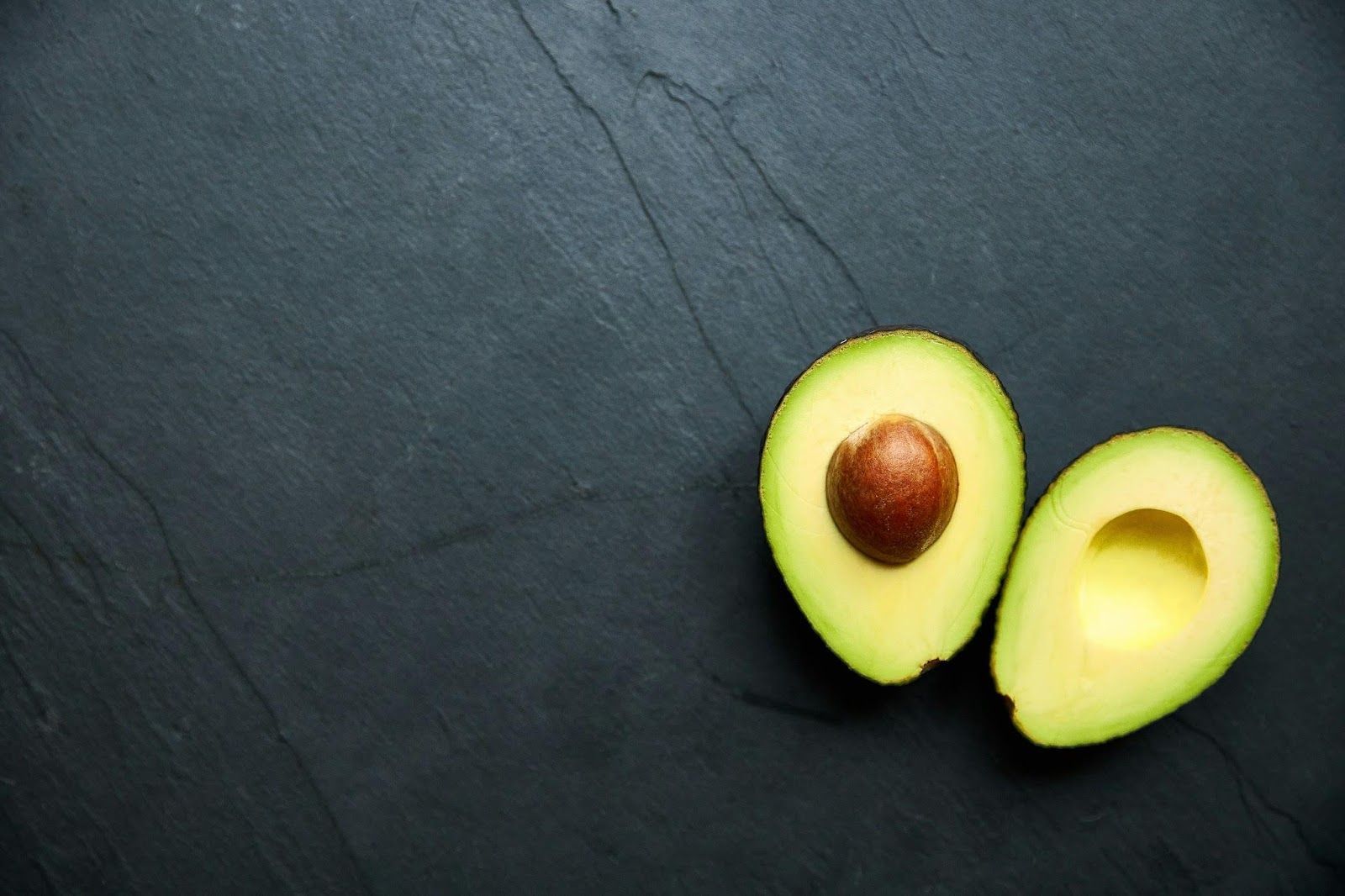 Image: Dirk Ribbler
Avocado began with the Nahuatl word ahuacatl, which meant both "avocado" and "testicle," a nod to the fruit’s shape. Spanish speakers turned it into aguacate, which English ears later misheard and mangled into… avocado.
Jerky
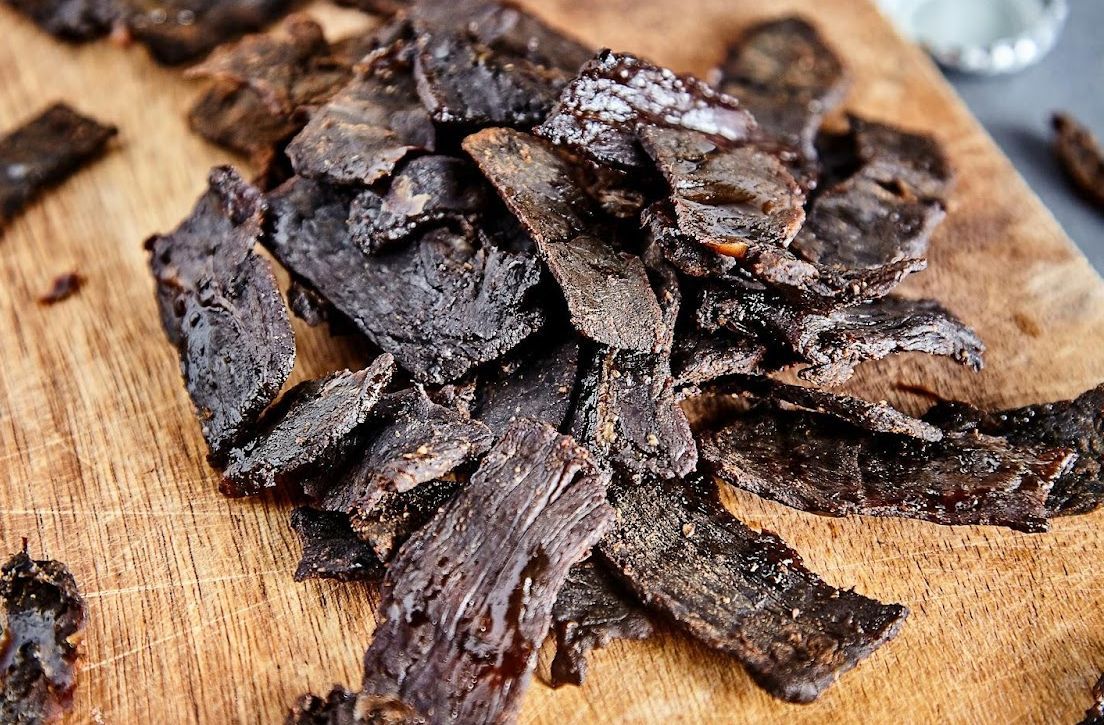 Image: Alex Bayev
Jerky comes from the Quechua word ch’arki, meaning dried, salted meat. Spanish colonizers carried it into their language as charqui, which then reached English explorers and settlers, who made it into their own language.
Junk
 Image: Pawel Czerwinski
The word "junk" began in English as a nautical borrowing. Portuguese and Dutch sailors used junco or jong from Malay, referring to a large Asian ship.
English speakers misheard and simplified the term into "junk." Eventually, "junk" broadened to mean old rope scraps, and then worthless odds and ends.
Hickory
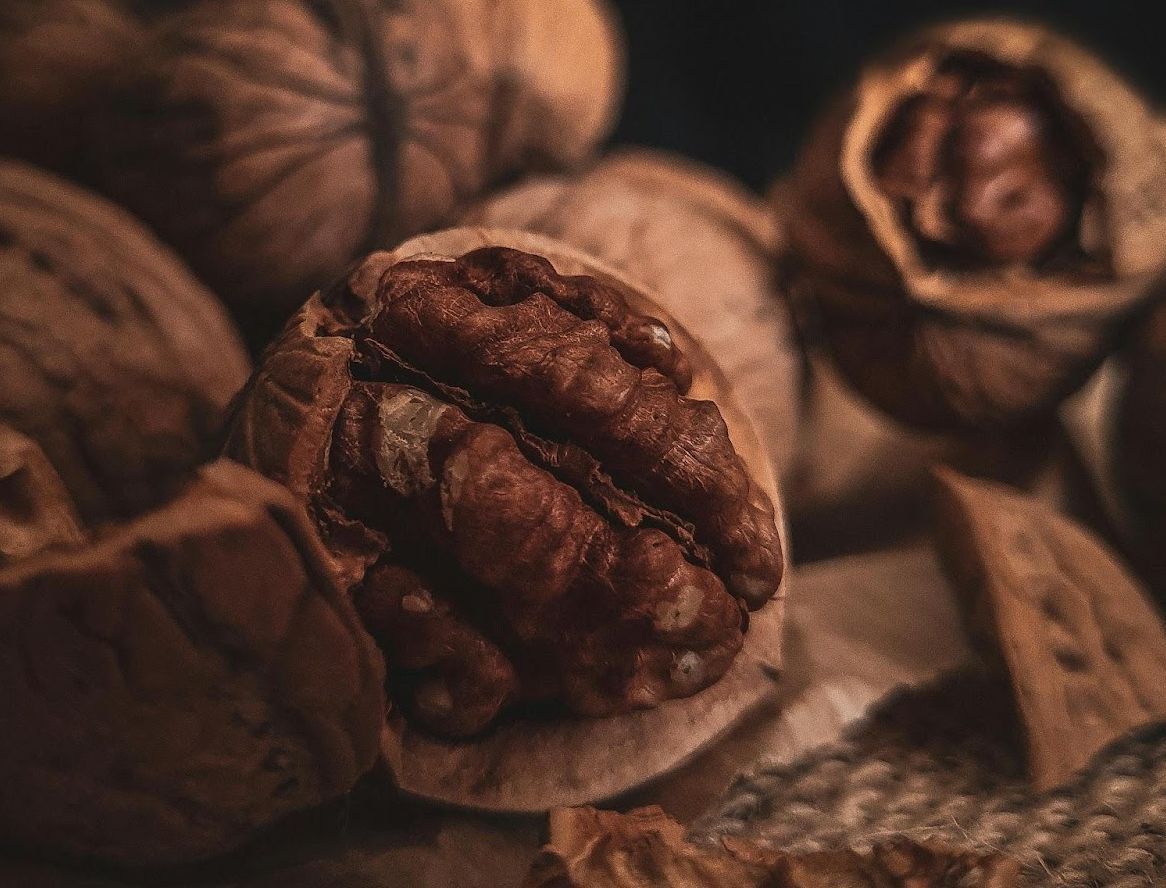 Image: Yulia Ilina
Hickory traces back to the Algonquian word pawcohiccora. It described a nut-based drink made from pounding hickory nuts, but English settlers found the long native word difficult to pronounce.
They clipped it down to "hiccora" and eventually "hickory."
Ammunition
 Image: Neil Kami
The word "ammunition" is a reshaped version of the French la munition (military supplies). Much like the case for "alligator," this is an example of a word that took the leading article too seriously.
Early English speakers misheard the French article "la" as part of the word itself. This turned munition into ammunition, a form that then gained a life of its own in English.


