Get a cup of Joe!

After this, you'll never look at your morning coffee the same way again!


Published on March 4, 2026
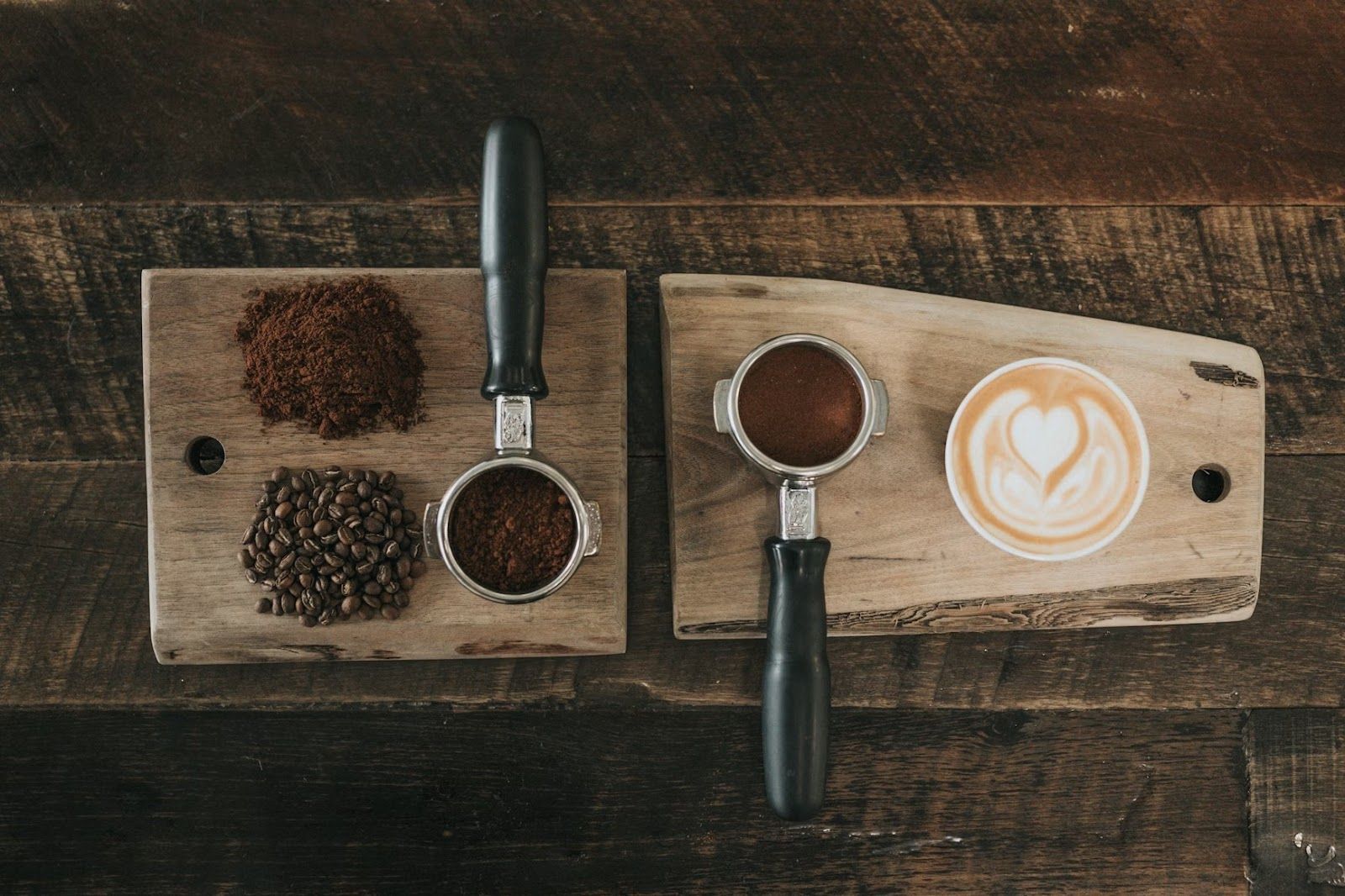

Image: Nathan Dumlao

We all love a good cup of coffee, but how much do you really know about it? From legendary goat herders to coffee brewed in animal intestines (yes, that’s real), coffee has one of the oddest backstories out there. If you're sipping your morning brew right now, hold on tight because these fun, crazy facts might just surprise you.

1

Goats were the first coffee drinkers

Image: Jorge Salvador

Long before baristas and espresso machines, it was goats who discovered coffee… well, sort of. Legend says an Ethiopian herder noticed his goats dancing around after munching on some bright red berries. Curious, he tried them himself and felt more energetic. That "goat energy" was the world’s first caffeine buzz.

2

Coffee was once the devil’s drink

Image: Emre

In the 1500s, some religious leaders in Europe weren’t too thrilled about coffee. They called it "the bitter invention of Satan." But things turned around when Pope Clement VIII took a sip, liked it, and gave it his official blessing. After that, coffee got the green light—and never looked back.

3

England tried to ban coffee shops

Image: Clem Onojeghuo

In 1675, King Charles II thought coffeehouses were troublemakers' headquarters. He banned them, fearing they were stirring up rebellion. The public wasn’t having it. After just 11 days, the ban was lifted. Coffee drinkers: 1. The king: 0.

4

The first webcam watched a coffee pot

Image: Leon Bublitz

Forget cats and sunsets, the very first webcam ever invented was aimed at a coffee pot. In 1991, scientists at the University of Cambridge set it up so they could check whether there was fresh coffee without getting up. If you’ve ever hovered by the coffee maker waiting for it to brew, you can relate.

5

Beethoven was a coffee control freak

Image: nousnou iwasaki

Composer Ludwig van Beethoven didn’t just write symphonies; he also approached coffee brewing with scientific precision. He reportedly insisted on using exactly 60 coffee beans per cup. No more, no less. It’s unclear how he counted them, but one thing’s certain: he took his caffeine seriously.

6

Coffee houses sparked paranoia

Image: Petr Sevcovic

Back in the day, coffeehouses weren’t just places for casual conversation. They were buzzing with ideas, politics, and a fair amount of gossip. Authorities thought all that discussion could lead to unrest. As it turned out, people just needed a place to vent and sip.

7

The strongest coffee on earth isn’t for the faint of heart

Image: Mikesh Kaos

Have you ever heard of Black Insomnia? It’s not a punk band, it’s a coffee with an extremely high amount of caffeine per cup. Some servings contain over 700 milligrams of caffeine! That’s more than three regular coffees combined. If your heart flutters after one cup, this brew is probably not for you.

8

A coffee cup big enough for a swimming pool
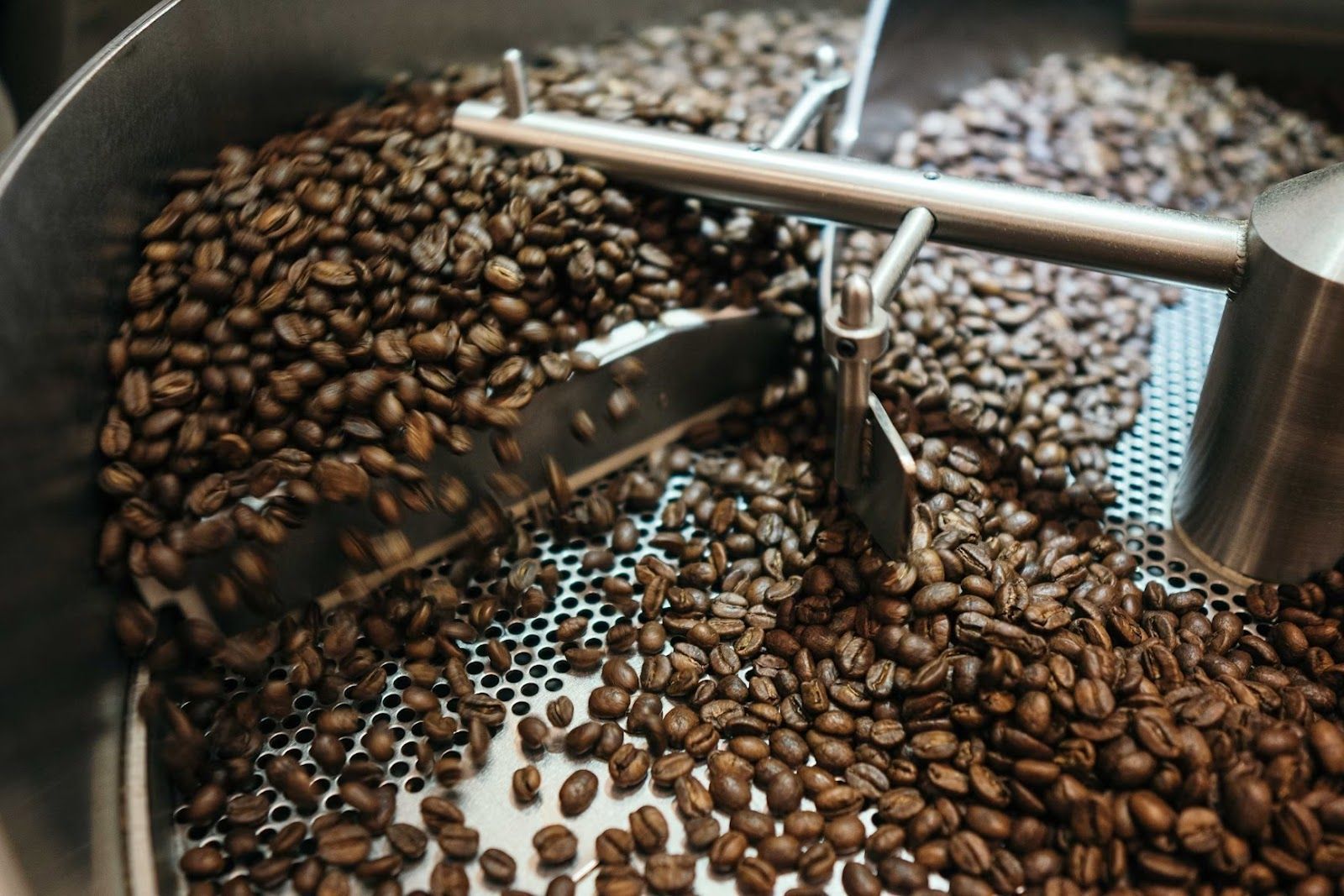
Image: Battlecreek Coffee Roasters

In 2019, coffee lovers in South Korea brewed the world’s largest cup of coffee—more than 3,700 gallons. It reportedly took around 1,000 people to help drink it. No comment on how many bathroom breaks were needed afterward.

9

"Cup of Joe" has military roots

Image: Lexi Anderson

Have you ever wondered why we call it a "cup of Joe"? It’s likely thanks to Josephus Daniels, the US Secretary of the Navy, who banned booze on naval ships in 1914. With alcohol off-limits, sailors turned to coffee instead, and the nickname stuck.

10

The first coffee shop opened over 500 years ago
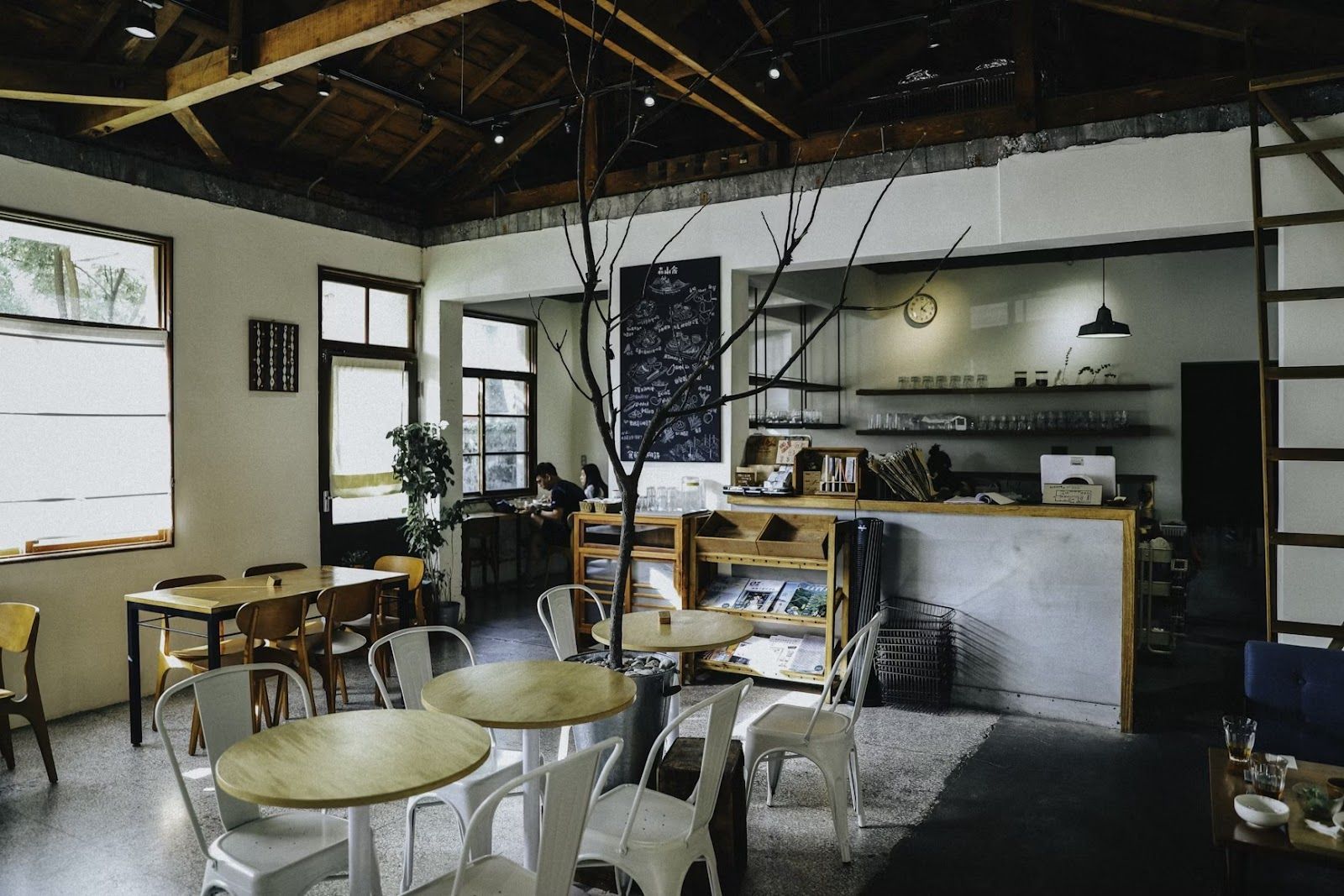
Image: Anledry Cobos

The world’s first official coffeehouse popped up in 15th-century Constantinople (modern-day Istanbul). It wasn’t just a place to grab a drink; it was a hub for news, chess games, and lively debate. The modern café owes a lot to these early trailblazers.

11

Instant coffee is older than you think
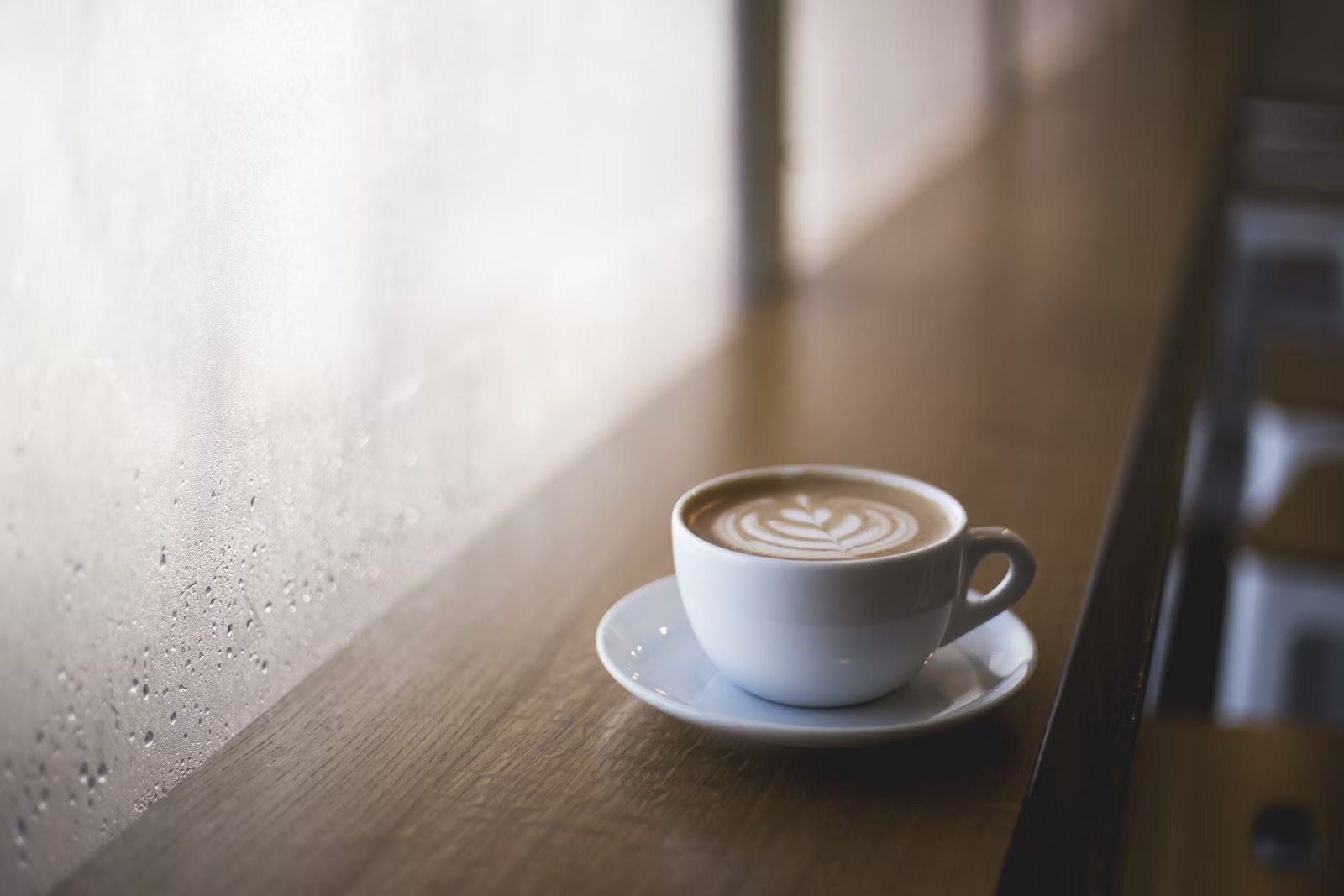
Image: Kari Shea

Instant coffee may scream "1970s convenience," but it actually dates back to 1901. A Japanese chemist named Satori Kato created an early version of it, though it didn’t become a hit until the 1930s, when Nestlé got involved. Fast, easy, and just right for a quick cup.

12

The flat white started a friendly feud

Image: Dorien Monnens

Who invented the flat white, a creamy espresso favorite, Australia or New Zealand? Both countries claim it. The answer is still up for debate, but either way, the drink is a staple at coffee shops everywhere. No referee has stepped in yet.

13

Cappuccino and monks? Yep!

Image: Jez Timms

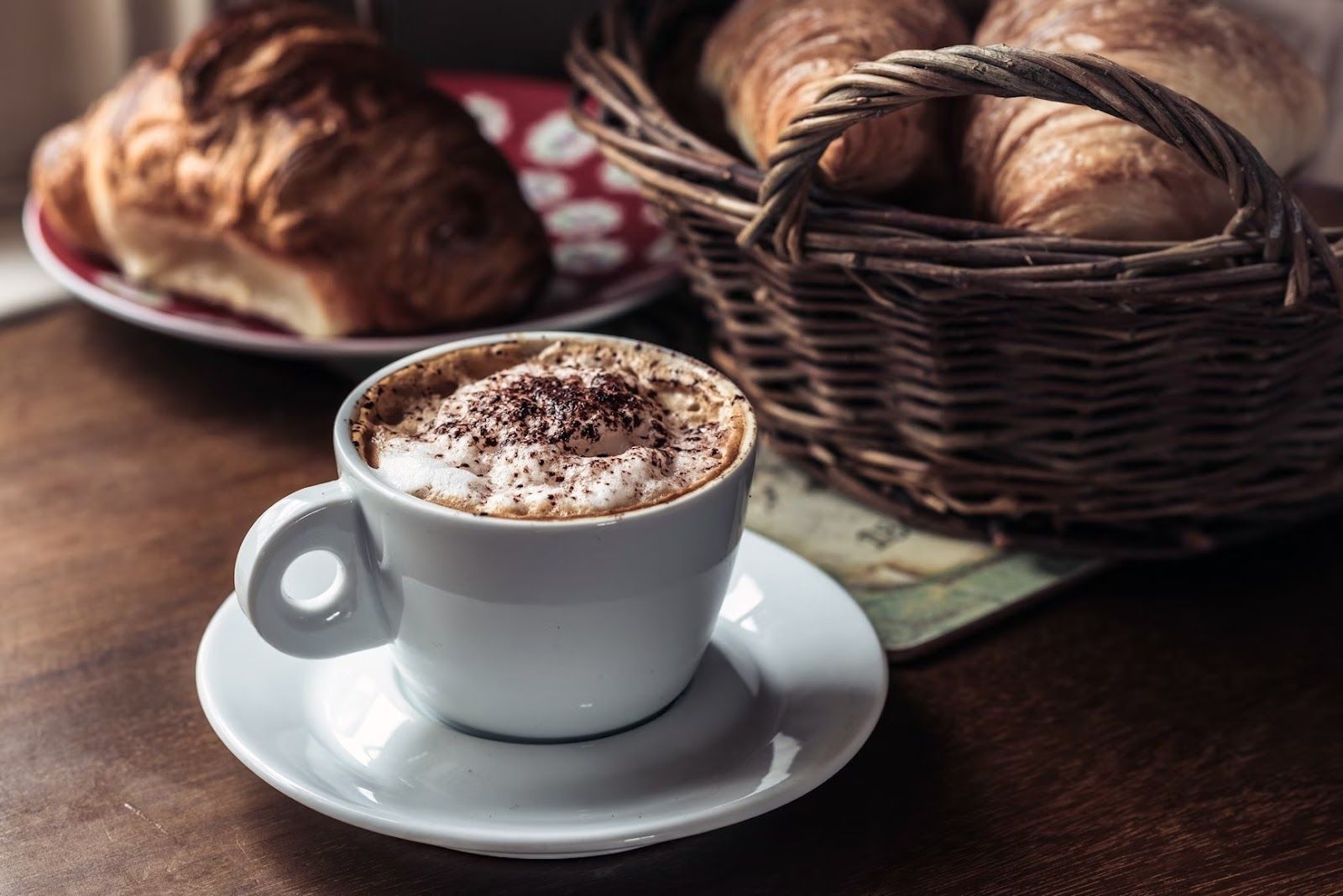
The word "cappuccino" is inspired by the Capuchin monks of Italy, whose robes were a similar warm brown hue. Their name lives on every time someone orders a foamy espresso with milk.


Inventions from another planet!

Invisalign was invented by NASA? Find that out and more here!


Published on March 4, 2026


Image: Jametlene Reskp

NASA may be all about exploring space, but they have also improved life on Earth, did you know that? For example, the sneakers you use to go for a run every week, that’s NASA’s work. The agency’s innovations have made their way into our everyday routines in surprising ways. Even if you’ve never dreamed of being an astronaut, you’re probably using NASA-inspired tech right now! Let’s go through some everyday items that wouldn’t exist without those geniuses at NASA.

1

Memory foam

Image: Ty Carlson

Do you know how your mattress molds to your body? Don’t you just love it? That’s memory foam, baby! Developed by NASA to protect astronauts during takeoff, this squishy wonder found its way into mattresses, pillows, and even bras!

It’s pressure-relieving, comfy, and perfect for sweet dreams. In short, thank you NASA! We owe you all of our good sleep nights!

2

Digital camera

Image: Niko C

NASA didn’t invent the selfie, but they sure made it possible! Back in the 1990s, their scientists developed digital imaging sensors to snap pictures of planets and stars. These sensors became the foundation for your phone’s camera, DSLRs, and even GoPros.

It was only a matter of time until this technology was developed to make picture-perfect memories for ourselves, right?

3

GPS

Image: Brecht Denil

Ever been saved by Google Maps? We know you have, we’ve all been there! You can thank NASA for helping you find the way back.

In the 1990s, they perfected precision GPS software to correct navigation errors. This technology helps you avoid wrong turns, but it also assists ships, planes, and even tractors. Getting lost is so last century!

4

LED bulbs

Image: Patrick Tomasso

Your favorite energy-saving light bulbs? Yep, NASA had a hand in that too! They studied how light impacts astronauts’ sleep cycles and created LEDs to mimic natural daylight or cozy nighttime hues.

Now, your home lighting can help you feel more alert in the morning or relaxed at bedtime. If you want to know what the vibe up there is, turn your light bulb on!

5

Baby formula

Image: Lucy Wolski

Here’s a NASA win for these cute, little humans! While developing food for astronauts, researchers discovered omega-3 fatty acids. You may not know this, but they are vital for brain and eye development.

Today, over 90% of infant formulas include this breakthrough ingredient. Even babies benefit from NASA’s genius!

6

The dustbuster

Image: Giorgio Trovato

Have you got one of those cordless handheld vacuums you can use for quick cleanups? No surprise over here, but they came straight from outta space!

NASA partnered with Black & Decker to develop tools for collecting moon samples. The result? The iconic Dustbuster! Now we use it for picking up cookie crumbles, but if anyone asks, you can say you’re using technology inspired by moon missions.

7

Scratch-resistant glasses

Image: Claudio Schwarz

Do you toss your glasses into your bag without a case? Thank NASA that they’re still scratch-free! Originally designed to protect astronaut helmets, this tough coating made its way to glasses, sunglasses, and safety goggles.

We don’t know about you, but we know a few nearsighted that are eternally grateful for this one!

8

Cochlear implants

Image: Anthony Camerlo

NASA didn’t just look to the stars, and visually impaired people are not the only ones who benefited! They also helped people hear them. Specifically a hearing-impaired astronaut, Adam Kissiah Jr.

In the late 1970s, this NASA engineer worked on improving the design behind cochlear implants, which turn sound into digital signals for the brain. This life-changing invention has restored hearing for millions.

9

Space blankets

Image: Chad Madden

Have you ever noticed those shiny emergency blankets? NASA developed them in 1973 to protect the spacecraft from sunlight.

Today, they’re lifesavers for hikers, campers, and disaster relief. Compact and heat-reflective, they’re a must-have in any survival kit.

10

Plant and air purifiers

Image: Mor Shani

NASA discovered that plants release ethylene gas in closed environments like space stations, which can cause spoilage. To fix it, they developed an ethylene scrubber.

Today, this tech is used in grocery stores to keep produce fresh and in homes to purify the air. Who knew astronauts and houseplants had so much in common?

11

Food safety standards

Image: Rachel Park

In some cases, NASA didn’t work alone. Take food safety standards, for example. They worked with Pillsbury to create food safety protocols for space missions. These guidelines set the gold standard for food storage, which ensured longer shelf lives and less contamination.

Every time you snack on freeze-dried fruit or camp food, you’re experiencing NASA’s tasty legacy. Bon appétit, space-style of course!

12

Invisible braces

Image: Candid

Braces don’t have to be clunky anymore, thanks to NASA. Their work with clear ceramics for space equipment inspired the materials used in invisible braces like Invisalign.

Now you can straighten your teeth without looking like a teenager again. NASA’s tech doesn’t just fix rockets, it fixes smiles too. Is there anything they can’t do?

13

Speedo swimsuits

Image: Sarah Labuda

Some things were not invented to solve an outer space problem, but the resources they have helped a lot!

For example in 2008, NASA helped Speedo design the LZR Racer swimsuit by testing materials in their wind tunnels. The result? A swimsuit so sleek that Olympic swimmers shattered records wearing it.

14

Sneaker cushioning

Image: CHUTTERSNAP

Ever felt like your sneakers had a little bounce? Well, that’s actually NASA’s doing! They developed shock-absorbing materials for astronauts’ boots, which later inspired the cushioned soles in today’s athletic shoes.

Every time you take a comfortable step, you’re walking on spacial tech.

15

Radiant insulation

Image: Erik Mclean

Radiant barrier insulation, which was actually first created to regulate temperatures in spacecraft, found a home on Earth in 2004.

Applied to attics and walls, it can keep your home cooler in summer and warmer in winter. Thanks to NASA, staying comfy indoors is easier and cheaper than ever!

Looking for an extra scoop of literary fun?

Learn more with our Word of the day

contented

/kənˈtɛn(t)əd/