Danger decoded
A virus with a 90 percent fatality rate and other shocking truths
Published on August 8, 2026

Most people have heard of viruses like Ebola or dengue, but few know how these got their names, where they first appeared, or whether science has found ways to stop them. One virus has claimed up to 90 percent of those infected, while another may be hiding closer to home than expected. These are the deadliest viruses in the world, and what you need to know about them.
Marburg virus

Marburg virus is not very well-known, but it is probably one of the deadliest viruses identified. Despite its reputation and its 90% fatality rate, it’s extremely rare.
Marburg was first recognized in 1968 after laboratory workers in the German cities of Marburg and Frankfurt, along with Belgrade in what was then Yugoslavia, became seriously ill while handling African green monkeys for medical research. The virus, named after the city where investigators first identified the outbreak, causes a severe form of hemorrhagic fever that leads to sudden illness, intense weakness, and bleeding inside and out. The fatality rate can reach 90 percent, and there’s still no widely approved cure, although supportive hospital care greatly improves survival, and several vaccines remain in clinical testing.
Ebola

Many people first learned about Ebola through dramatic news reports in the 1990s, and again during the Large West African outbreak a decade ago. However, the virus had been discovered in 1976, during simultaneous outbreaks in what are now the Democratic Republic of Congo and South Sudan.
The virus was named after the Ebola River, in an attempt by researchers to spare residents from lifelong stigma. Researchers believe fruit bats serve as the virus’s natural host, with occasional transmission to humans through infected wildlife before spreading between people. Outbreaks often start in remote areas, then move outward when people travel for work or health care. There are several species, but the Zaire strain has caused the deadliest outbreaks. Today, there’s no universal cure, but an effective vaccine protects against the Zaire strain, and antiviral treatments have significantly improved survival when patients receive care quickly.
Hantavirus

Cleaning out an old garage or shed is a common thing for many; however, few realize it can carry an unexpected risk. Hantavirus refers to a family of viruses that naturally infect rodents and can spread to people when dust contaminated with rodent droppings becomes airborne.
The disease first drew worldwide attention following the Korean War in the early 1950s, when soldiers developed Korean Hemorrhagic Fever. The virus, isolated and discovered as "Ebola" by doctor Ho Wang Lee in the 1970s, was named after South Korea’s Hantan River, where many of those cases occurred. In the U.S., a deadly outbreak in the Four Corners region during 1993 introduced Americans to Hantavirus Pulmonary Syndrome. There’s no currently approved vaccine or specific cure, making prevention through rodent control and careful cleaning the best defense.
Bird flu virus

Every few years, headlines warn about bird flu, and with good reason. Bird flu, or avian influenza, is one of the strains of influenza, and some of them can be deadly. H5N1, the best-known strain, has a high fatality rate, yet it rarely infects people.
Even if the first reports of the virus date back to 1878, the first human infections occurred in Hong Kong in 1977, when animal-to-human transmission led to 18 human infections and six deaths. Although H5N1 has a high fatality rate among infected people, human infections remain rare because they usually require close contact with sick poultry. Scientists named the strain using the virus’s H and N surface proteins, a system used for all influenza viruses. Several vaccines have been developed for emergency cases, and antiviral medication can reduce the severity of the illness if given early.
Lassa virus

Most people never think twice about a mouse running through a barn or pantry, but in parts of West Africa, rodents can spread a disease that has challenged doctors for decades.
The Lassa virus was first identified in 1969 after two missionary nurses died from a mysterious illness in the town of Lassa, Nigeria, which gave the virus its name. Scientists later discovered that the multimammate rat is its natural host, shedding the virus in urine and droppings that can contaminate food and household surfaces. In some cases, the infection can cause mild symptoms or none at all, while others progress to severe fever and organ damage. Several vaccines are being tested, but none are yet licensed. Doctors often use an antiviral drug called ribavirin in severe cases, especially when the treatment begins early.
Junin virus

A simple fever during harvest season might not sound alarming, but in parts of Argentina, it has long been treated with extra caution. Junin virus, named after the city where it was first discovered in 1958, causes Argentine hemorrhagic fever.
Scientists traced the first outbreaks among agricultural workers exposed to infected field mice, and while early symptoms may resemble the flu, the illness can later cause severe damage, neurological problems, and dangerously low blood pressure. Researchers made remarkable progress by developing an effective vaccine called Candid #1, which has dramatically reduced cases in high-risk areas. Early treatment with immune plasma from recovered patients has also improved survival.
Crimea-Congo fever
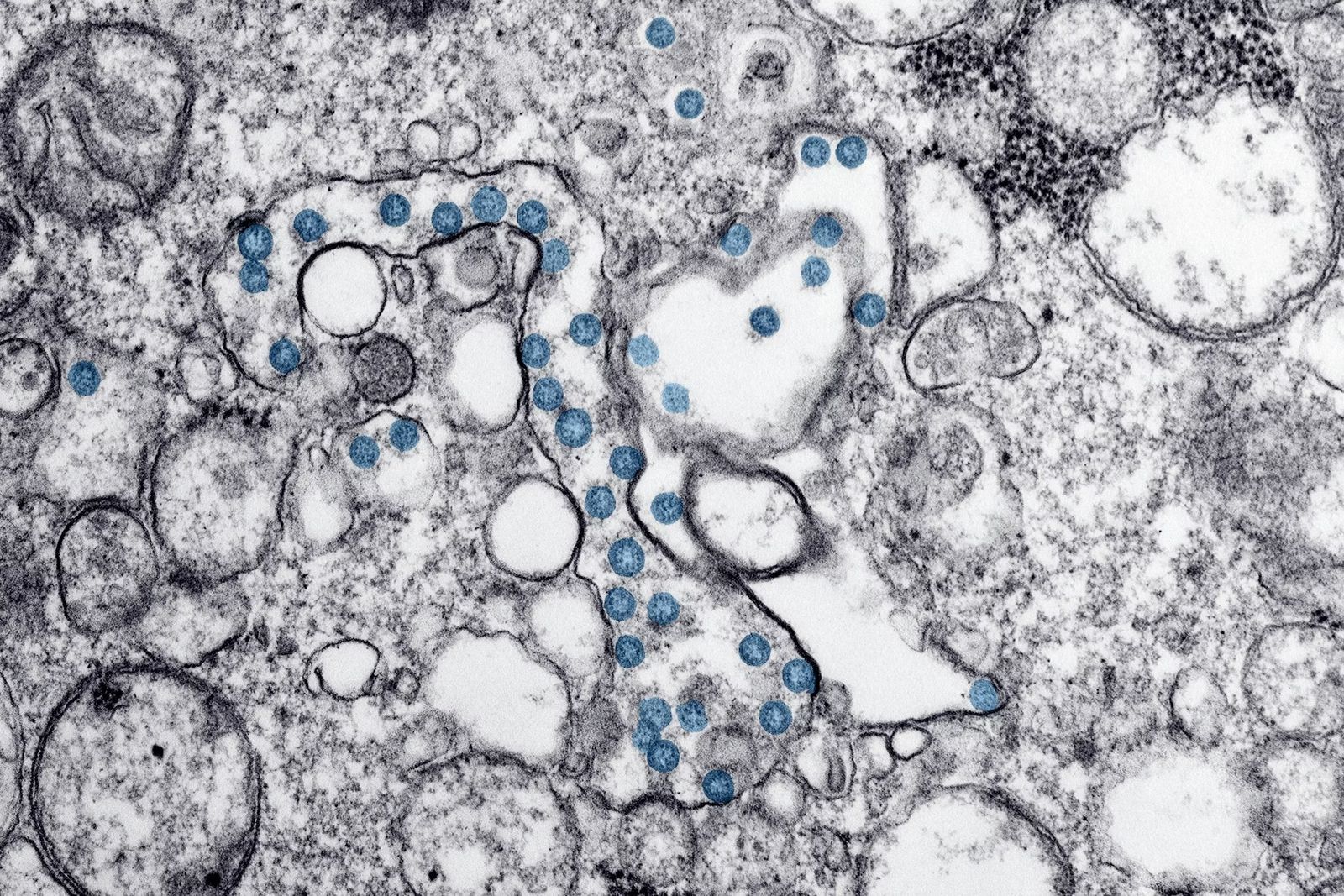
A tick bite is usually nothing to worry about, but in some parts of the world, it can carry a virus that demands immediate medical attention.
Crimea-Congo hemorrhagic fever was first described in soldiers and farmers in Crimea in 1944. Years later, scientists discovered that the same virus had been identified in the Congo, leading to the combined name still used today. The disease spreads mainly through Hyalomma ticks or contact with infected animal blood, making farmers, vets, and slaughterhouse workers especially vulnerable. Symptoms often begin with fever and muscle ache before progressing to bleeding in severe cases. No licensed vaccine is widely available, and treatment relies mainly on supportive hospital care while researchers continue searching for better therapies.
Machupo virus

The remote grasslands of Bolivia may seem an unlikely place for a dangerous virus to emerge, yet that is exactly what happened in the early 1960s.
Machupo virus was discovered after an outbreak of Bolivian hemorrhagic fever near the Machupo River in the Beni Department of Bolivia. Dr. Karl Johnson found that a native field mouse serves as the virus's natural reservoir, allowing it to circulate in rural communities. Named after the river, the virus causes high fever, weakness, and bleeding that can become life-threatening without prompt care. Person-to-person transmission has also been documented, making outbreaks especially challenging to contain. Considering there’s no approved vaccine, supportive treatment and careful infection control have proved the best defense against this deadly virus.
Kyasanur Forest Disease

For people who enjoy hiking or spending time outdoors, tick bites are always worth avoiding. In the forests of Karnataka, India, they can occasionally spread Kyasanur Forest Disease, named after the place and first identified in 1957, after monkeys began dying in the region.
It is carried mainly by ticks, while monkeys act as important warning signs because outbreaks among them often appear before human cases. Those infected usually experience high fever, severe headaches, muscle pain, and, in some cases, bleeding complications. India has developed a vaccine for people living in high-risk areas, although repeated booster doses are needed, and avoiding tick bites remains the most effective protection.
Dengue fever
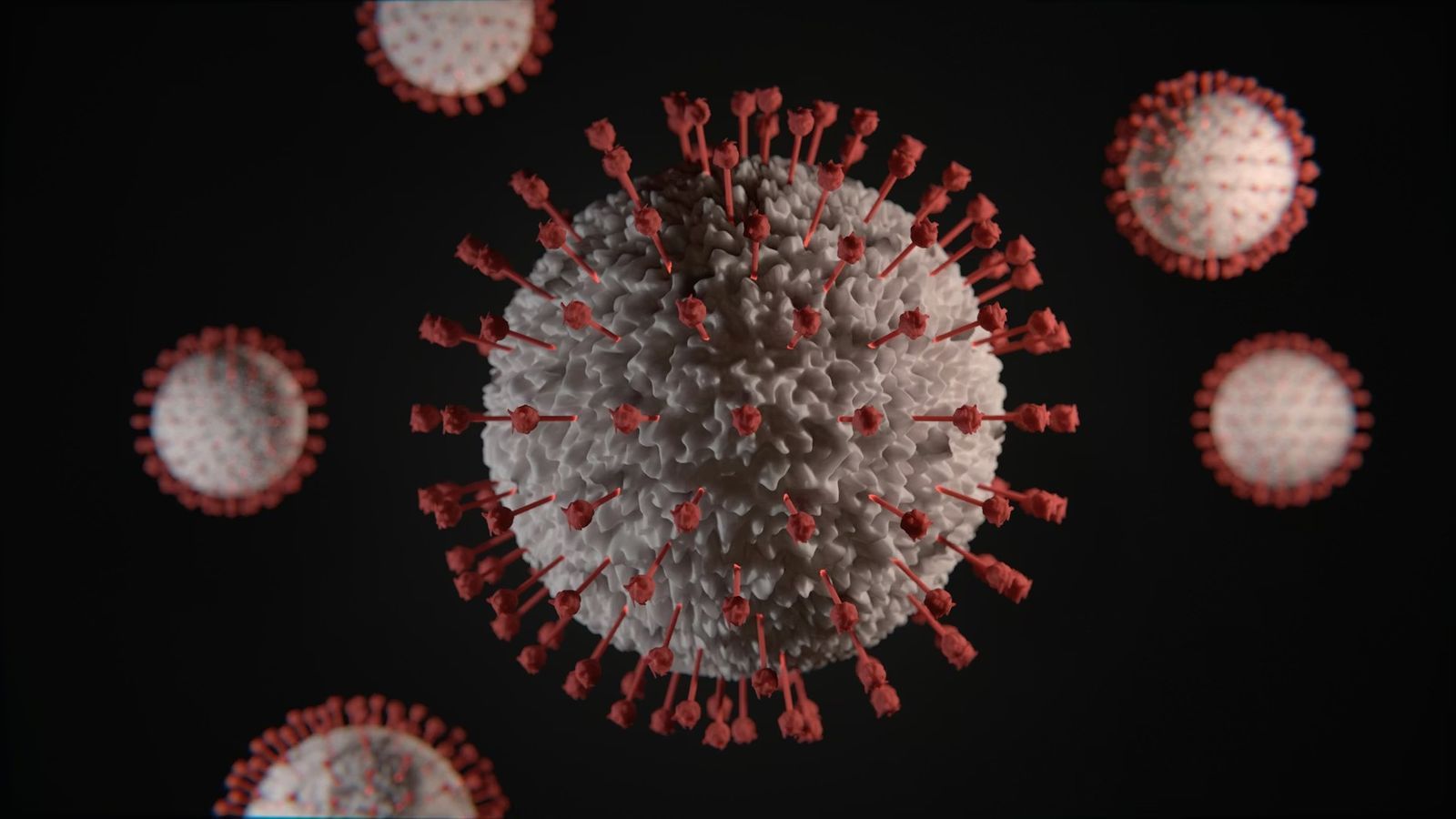
Going on a holiday to tropical places usually includes getting vaccinated against dengue fever on the checklist. While the disease has been recognized for centuries, the name’s origin remains a mystery. It’s believed to come from a Swahili expression describing the sudden, cramp-like pain caused by the illness.
In the 1940s, the virus itself was recognized as a mosquito-borne infection that was becoming a growing global concern. Today, dengue is found across much of Latin America, Southeast Asia, and other tropical regions where billions of people live at risk. Most patients recover after several uncomfortable days of fever, rash, and severe joint pain. Vaccines are now available in certain countries for specific groups of people, while mosquito control and insect repellent remain the best protection.


