The word journey
Ever had that “I’ve been here before” feeling? Déjà vu
Published on September 23, 2026

Just like a bride is traditionally given something "borrowed" on her wedding day, our everyday speech is full of words borrowed from other languages. We use them to describe everything from that café you love to the strange feeling that you’ve experienced something before, and even those irritating mosquitoes. Get ready for some big surprises as we uncover 10 words that have slipped into our vocabulary from other languages.
Shampoo (Hindi)

Here is a word that describes something we all use very often (or at least we hope so): "shampoo," which comes from the Hindi word chāmpo, which means "press" or "massage."
Originally, in 18th-century India, chāmpo referred to the practice of massaging the head and body, often with oils. British travelers encountered the practice in India and brought the word back to Britain in the 18th century. In English, its meaning gradually shifted from massage to the washing of the hair. Talk about a transformation.
Mosquito (Spanish)

"Zzzzzzzzzzzz"- the sound that can turn a peaceful night into an exercise in frustration. The term to describe this annoying fellow, mosquito, entered the English language from Spanish in the 16th century, meaning "little fly."It comes from Spanish mosca, meaning "fly," with the diminutive ending -ito, meaning "little."
Put them together, and you get a surprisingly cute name for one of nature’s most irritating creatures, making it a very tiny word for such a big annoyance.
Café (French)
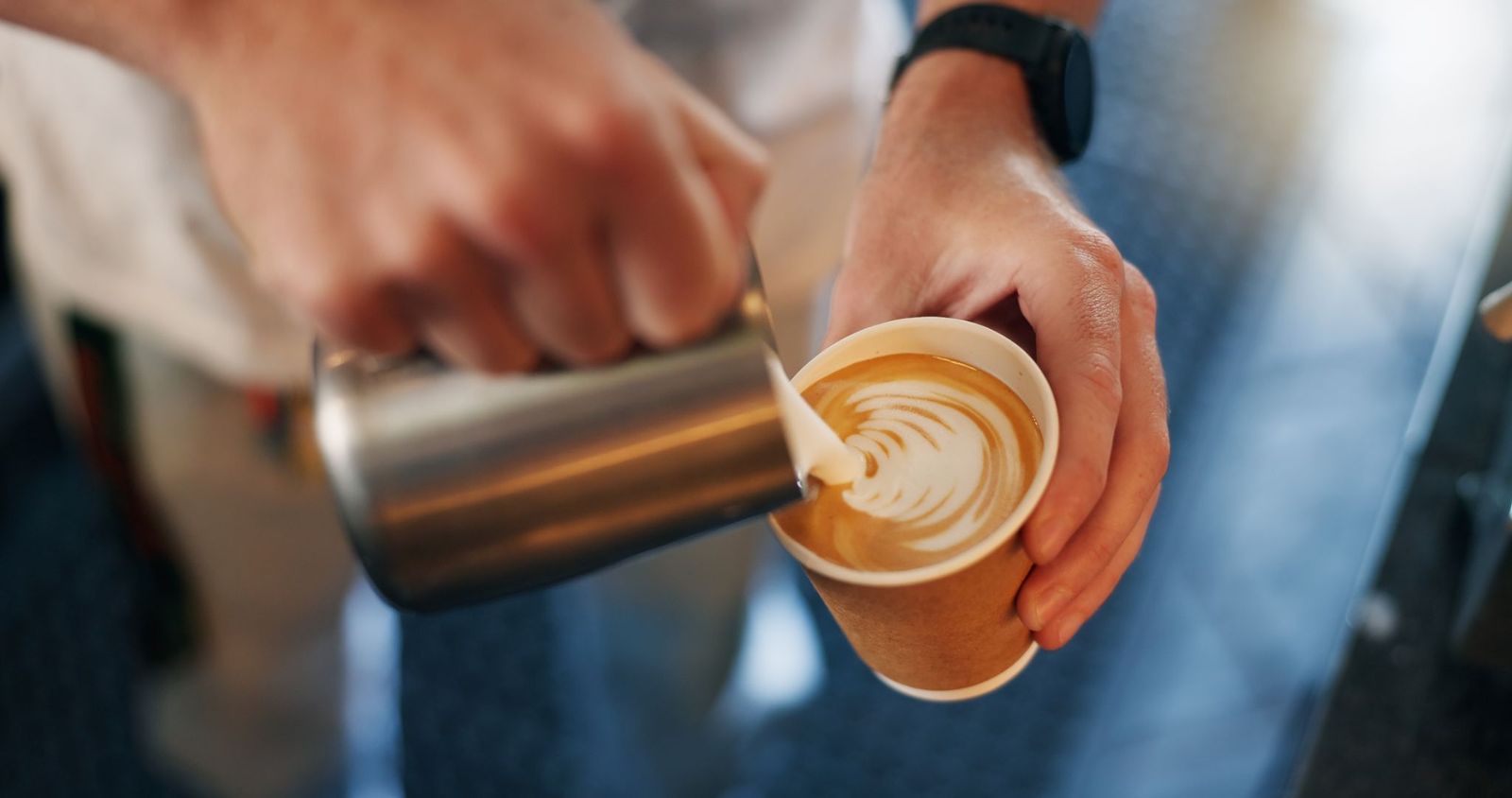
Take another sip of your coffee before continuing your reading. The word café may look unmistakably French, but its linguistic journey is much longer. The French borrowed café to mean both coffee and the place where it is served. They got it from the Italian caffè, which was borrowed from Ottoman Turkish kahve. That word ultimately traces back to Arabic qahwa, a word associated with coffee and possibly with an older term for wine or another stimulating drink.
Eventually, café came to refer not only to the drink but also to the places where people gathered to enjoy it. Today, it can mean a coffee shop, a small restaurant, or simply a place to sit, sip, and watch the world go by. Without a doubt, this seems to be a very sexy word everyone wants to say, no matter the location or the moment in time.
Bungalow (Hindi)

Do you like where you live? How would you describe it? If your idea of the perfect home includes one story, plenty of fresh air, and perhaps a welcoming porch, you already know the word: bungalow. The word comes from Hindi bangla, meaning "Bengalese," referring to a house built in the style of Bengal.
The term was used in Anglo-Indian English by the late 17th century to describe low, often thatched one-story houses with verandas. Eventually, both the word and the architectural style traveled far beyond India. All the way from Bengal straight to your backyard.
Déjà Vu (French)

It’s a bizarre feeling; there’s no doubt about that, but chances are you’ve experienced it: that uncanny sensation that what is happening right now has somehow happened before. Déjà vu is a French loanword that literally translates to "already seen." It describes the feeling that a present situation is strangely familiar, even though you know you haven’t experienced it before.
The expression entered English around 1903, after becoming established in French discussions of the strange sensation. Today, it remains one of those wonderfully useful expressions for a feeling that is difficult to explain in just a few English words. Have you ever had that feeling at all?
Piano (Italian)
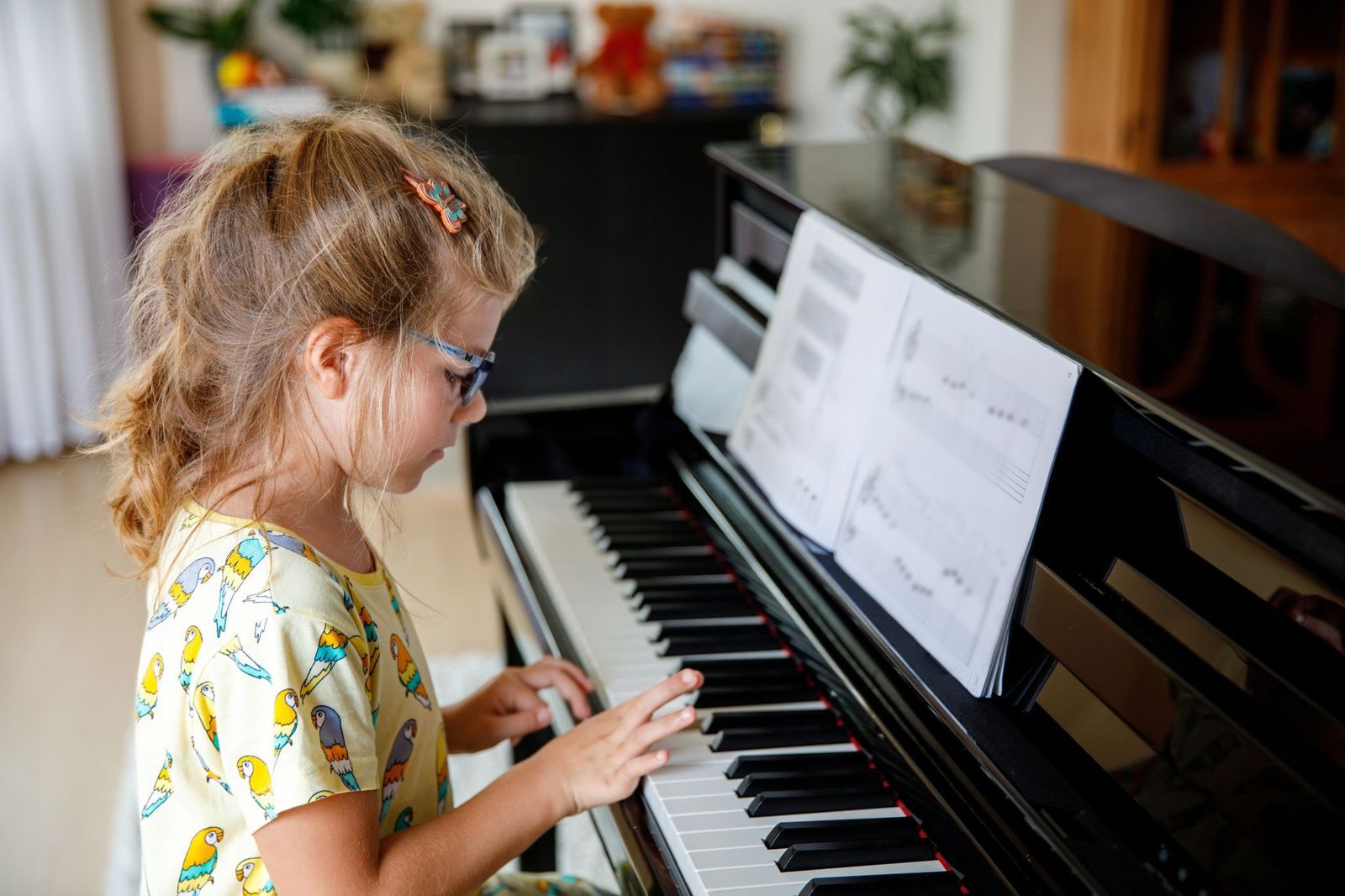
If you like surprises, you’re in for a good one. This word has opposing meanings intertwined in its origin. The word piano comes from the Italian word pianoforte, which roughly means "soft-loud": piano means soft, while forte means loud.
The instrument was originally named gravicembalo col piano e forte by Bartolomeo Cristofori, who developed the instrument around 1700. Unlike earlier keyboard instruments, it allowed players to control the volume by varying how hard they struck the keys. The name eventually became simply piano. A name born from two opposing sounds: soft and loud.
Safari (Swahili)

Swahili might sound like a very distant language, but you definitely know the Lion King song "Hakuna Matata," and yes, you guessed it, it comes from Swahili (and it means "no worries"). The word "safari" also comes from Swahili, and it means "journey" or "trip." It ultimately comes from the Arabic safar, meaning "journey" or "travel."
English eventually adopted safari as a word for an expedition, especially one involving travel through Africa, and today, we most often associate it with wildlife viewing. Not every safari involves a lion (unless you want it to).
Gusto (Italian)

We all know Italians are famous for bringing a certain flair to food, music, art, and life. And one Italian word captures that spirit beautifully: gusto. Gusto is borrowed from Italian gusto, meaning "taste," and English uses it to describe enthusiastic enjoyment, energy, or relish. An example of how to use it could be: "She sang the song with great gusto."
The Italian word ultimately comes from Latin gustus, meaning "a tasting," making it a little word with a lot of enthusiasm.
Karaoke (Japanese)

Karaoke nights definitely aren’t for the faint-hearted, but for those of you brave enough to sing your heart out in front of friends and strangers, let's look at how we came to say it. The word karaoke literally translates from Japanese as "empty orchestra."
Here is the surprising part: the Japanese word itself contains a shortened form of the English word "orchestra." Kara means "empty," while oke comes from ōkesutora, the Japanese adaptation of "orchestra." This makes karaoke a fascinating example of wasei-eigo, which are Japanese words or expressions created using English elements. English later borrowed the finished word right back. It seems like English went to Japan and came back again singing.
Tsunami (Japanese)
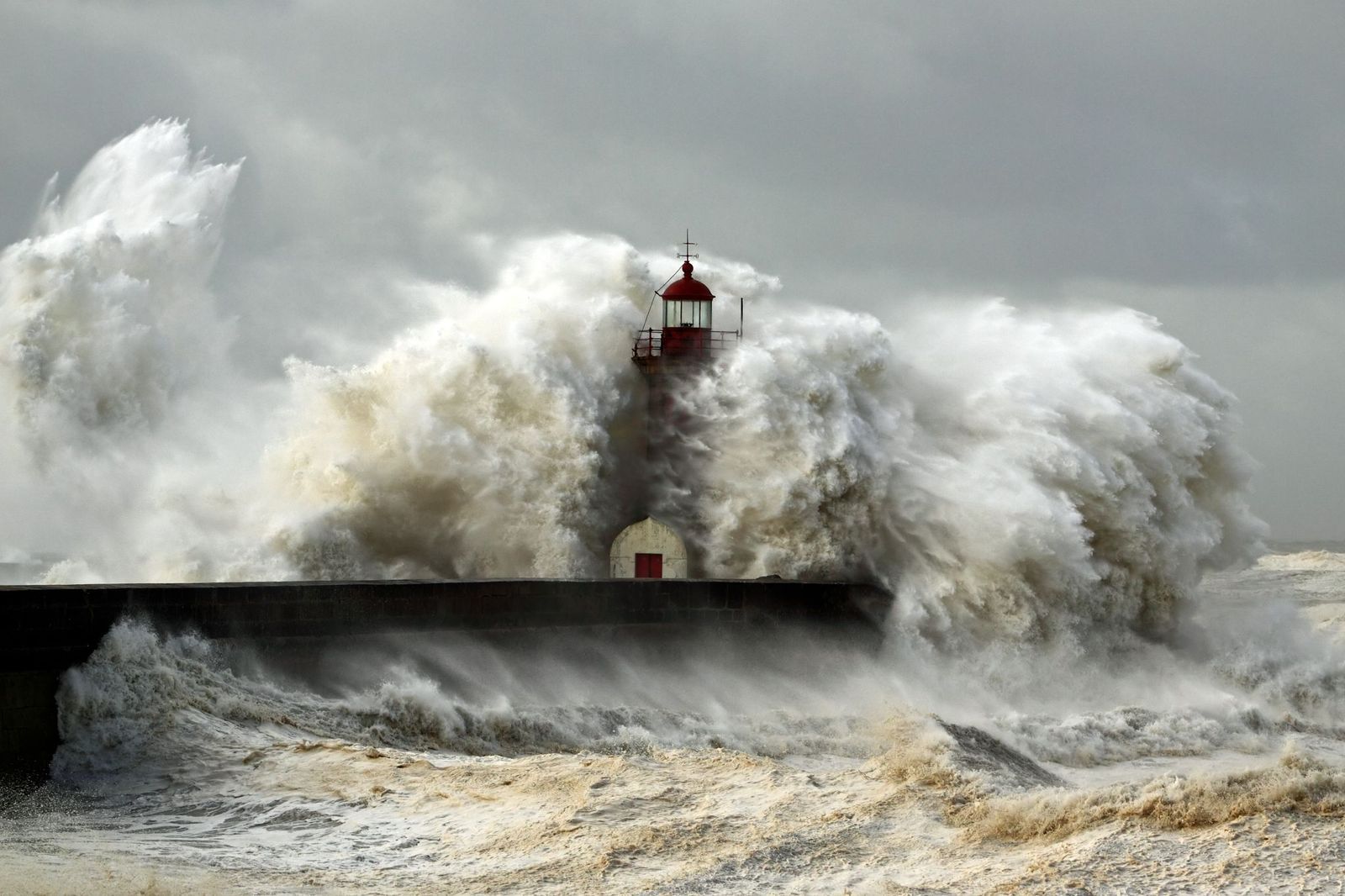
The word tsunami comes from the Japanese words tsu (meaning harbor) and nami (meaning wave). In other words (since we are talking about words), it literally means "harbor wave." It reflects how these waves can have devastating effects when they reach coastal areas and harbors.
The term first appeared in English texts around September 1896 in National Geographic Magazine to describe a devastating wave striking Japan. Curiously, English speakers usually drop the initial "t" sound, pronouncing it sunami instead of the strict Japanese tsunami, because English does not naturally start words with a "ts" sound.