Terms of venery
A parliament of owls is serious business: 10 animal collective nouns
Published on December 26, 2025
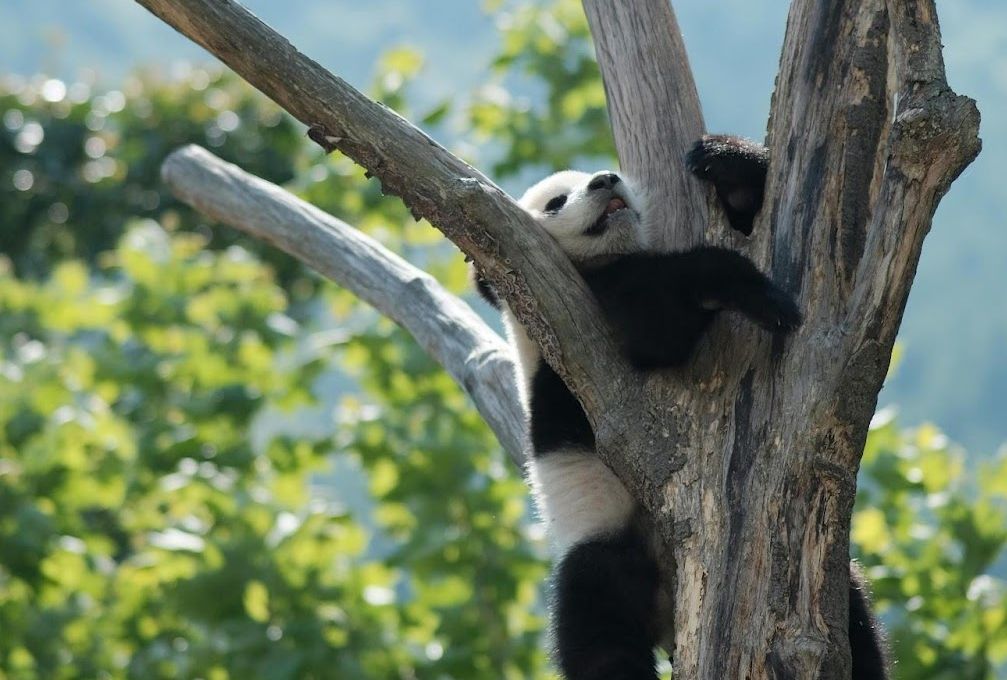 Image: Junchen Zhou
Have you ever, while taking a nightly stroll, found yourself in front of a "parliament"? You might have, if there are owls where you live. Or maybe you laughed at an "embarrassment" video online, lovingly filmed by giant panda caretakers. These strange, arguably poetic names assigned to groups of different types of animals are called "terms of venery," and they have long puzzled and fascinated people. What about a herd of wildebeest that inspired the name "confusion"? Let’s look at the stories behind these names and try to decide our favorite.
Parliament
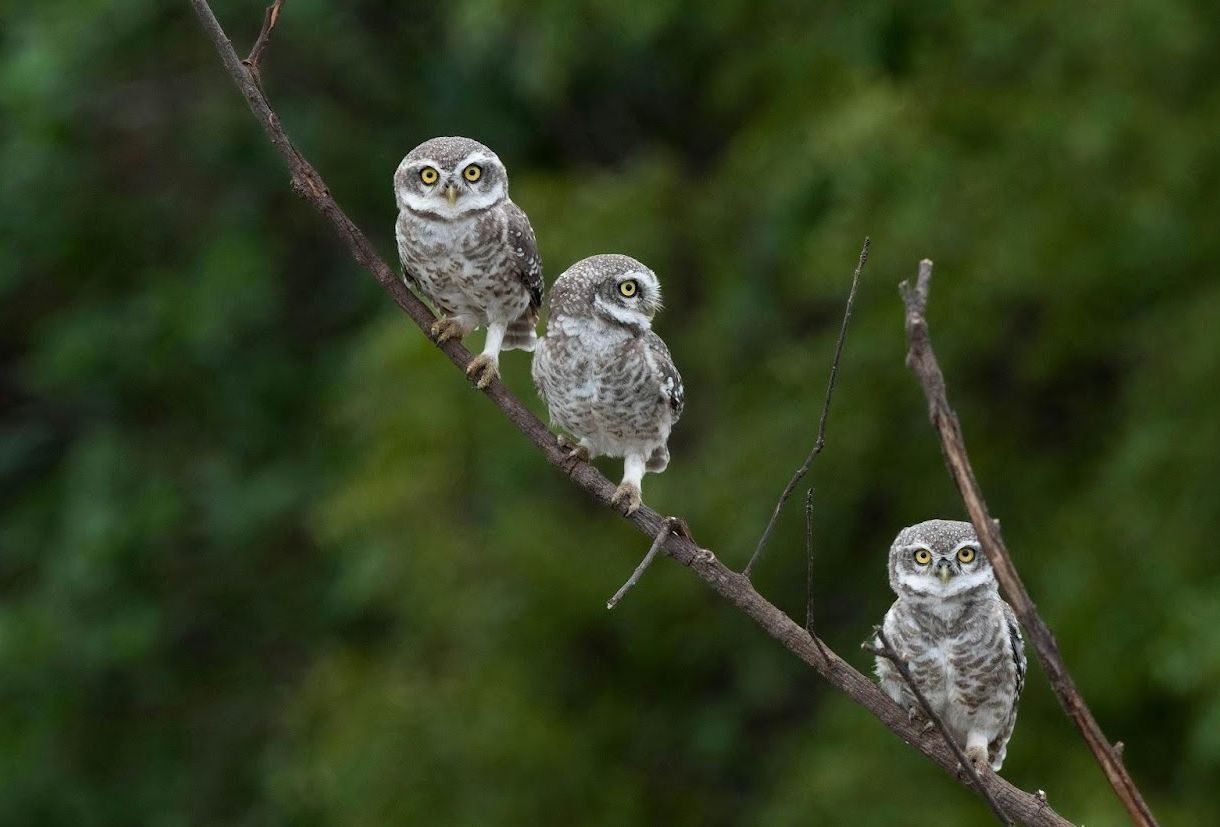 Image: Roshan Dadhe
Maybe it was their silent flight or their ability to see at night that led the Ancient Greeks to associate owls with wisdom. In their myths, these solemn nocturnal creatures were the symbol of Athena, the goddess of wisdom and reason. That bond never went away, and hundreds of years ago, texts started, jokingly and poetically, referring to groups of owls as "parliaments."
What’s worse, owls rarely congregate in large flocks—in general, they are solitary hunters. That’s why their gatherings can feel like eerie, secretive councils.
When they do get together, they can also be called a "hooting," referring to their peculiar call, or a "stare." This one is not surprising—can you imagine 10 pairs of big, unblinking owl eyes fixed on your own?
Confusion
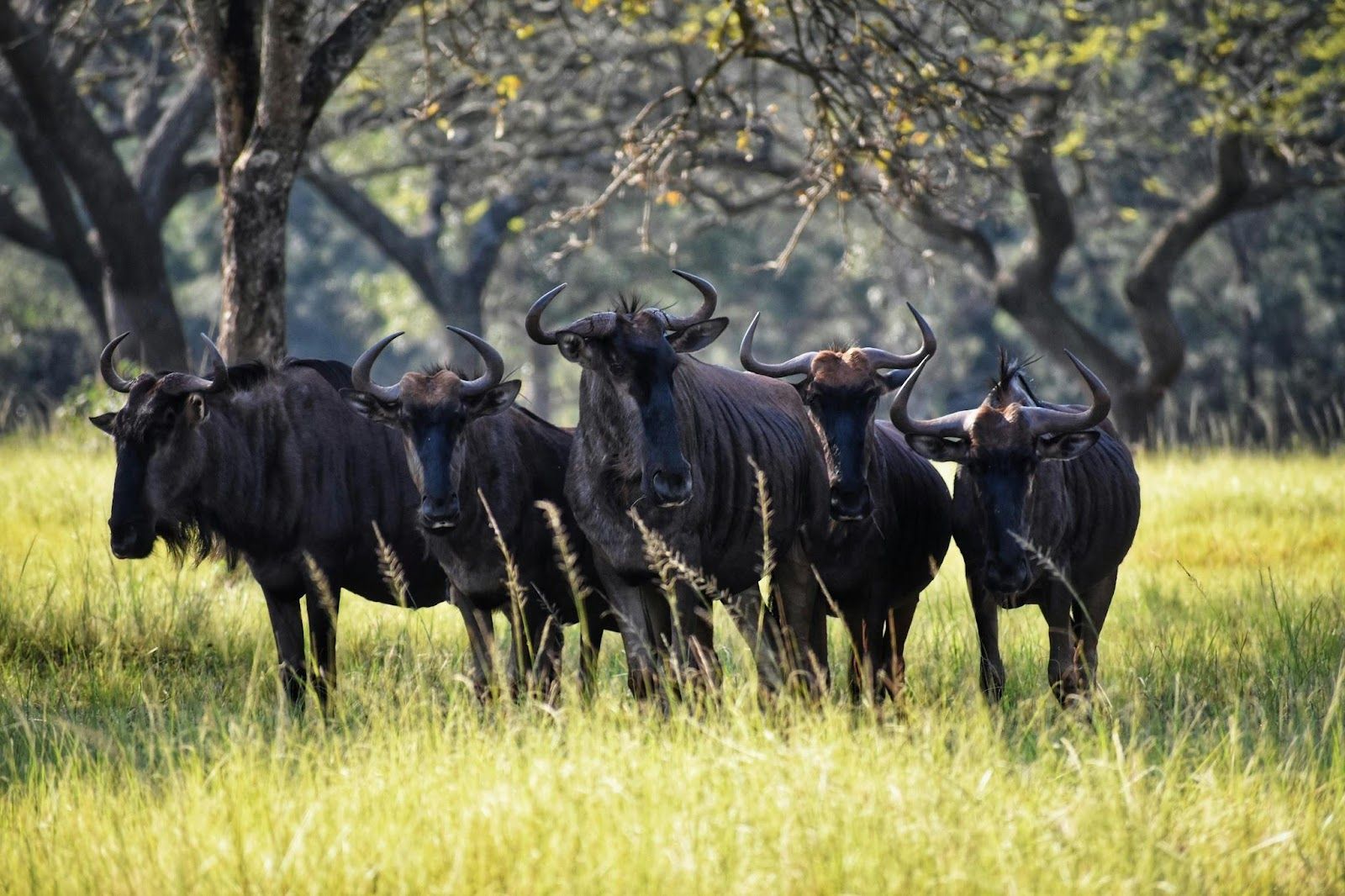 Image: Danne
What are the wildebeest confused about? Arguably, migration. These mammals from Eastern Africa are known for their erratic movements during their annual treks. They have been observed changing their group direction abruptly and unpredictably, puzzling humans and predators alike.
Their unpredictability has earned them this funny term of venery, but clearly, wildebeest know what they are doing. Each year, they travel between 500 and 1,000 miles to avoid the dry season, and their migration is admired as a spectacular event to witness in the Serengeti-Mara ecosystem.
Murder
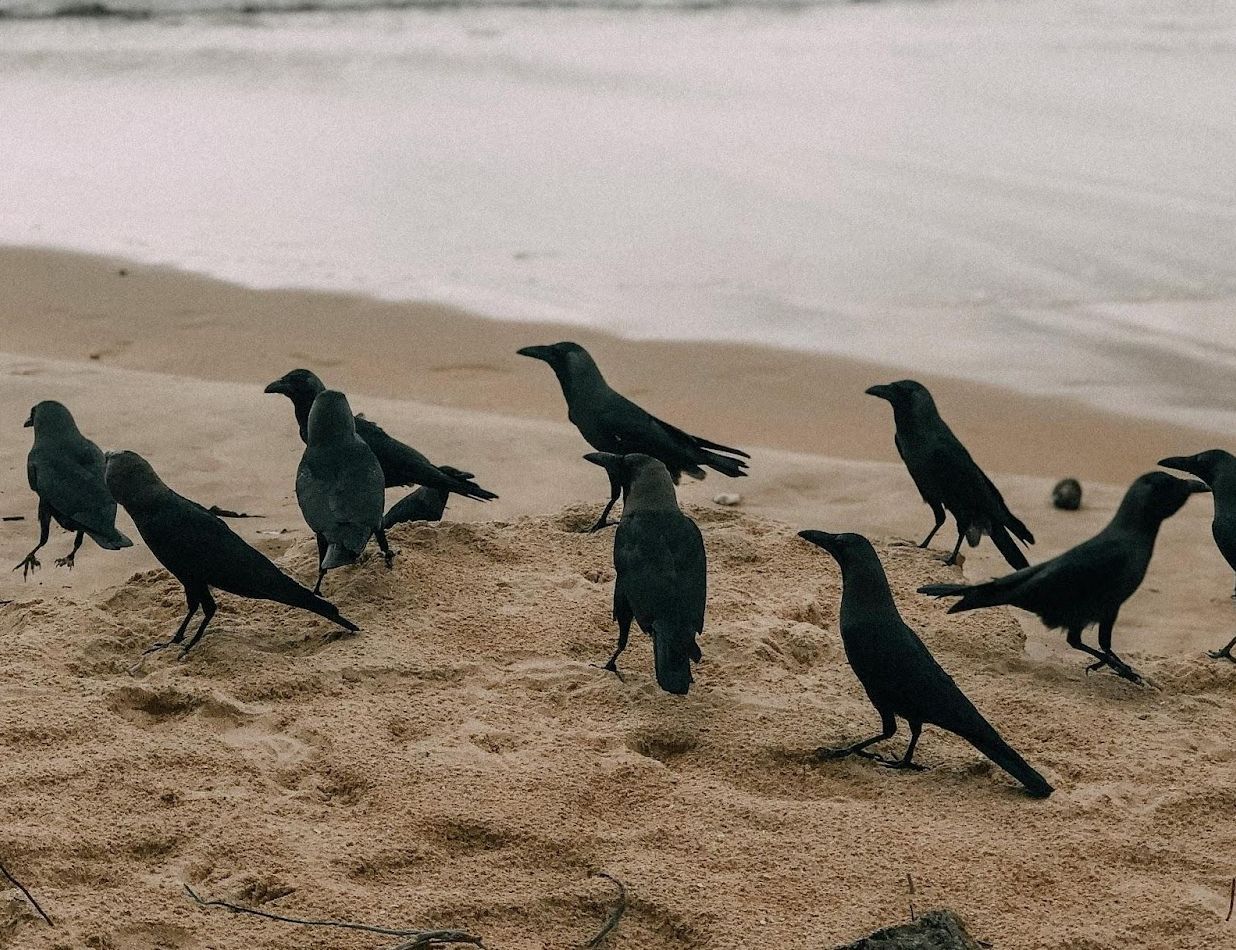 Image: Alexander Savchuk
The association between crows and bad omens is not a 20th-century cinema invention. The term "murder of crows" has been in use since at least the 15th century, backed by superstitions and folklore.
Their black feathers and scavenging habits earned them a bad reputation. They were often spotted near battlefields and cemeteries, which reinforced their association with death.
It is believed that their gatherings began being called "murders" in medieval England. Nowadays, however, we know that crows are friendlier than their reputation suggests—they have been known to defend each other against predators and even bring gifts to humans who feed them.
Cauldron
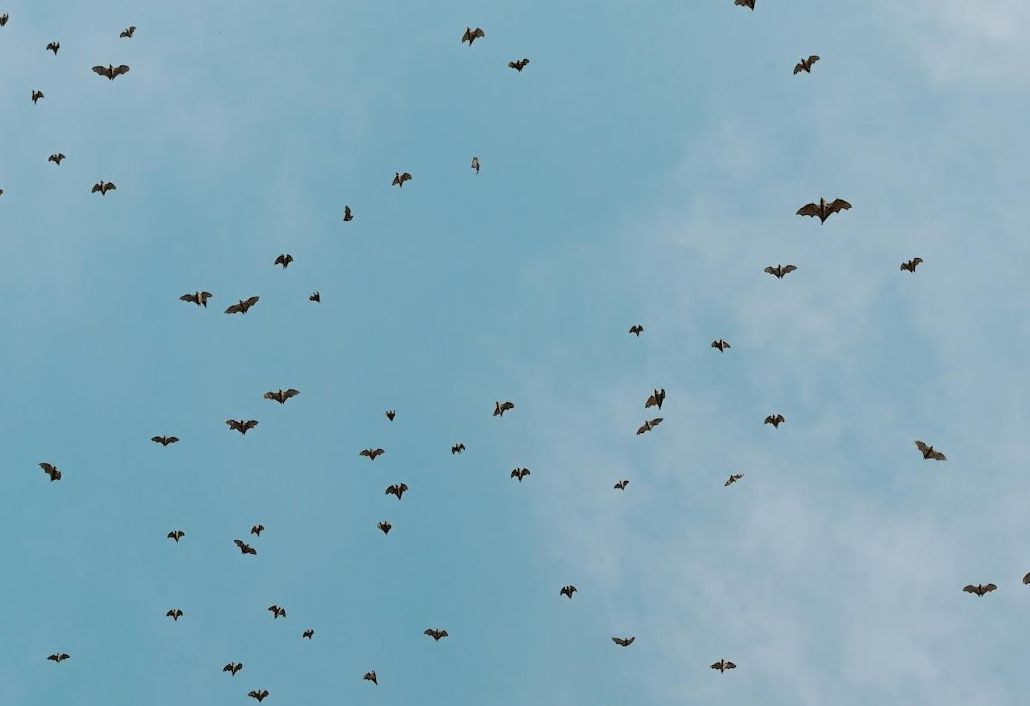 Image: Serrah Galos
The poetic term "cauldron" is reserved for large groups of bats flying in concentrated patterns around a particular area. It refers to the swirling formations they create when they swarm. It also fits perfectly with their association with Halloween. Of course, the term was assigned to them for their association with nocturnal mystery.
Other terms used for groups of bats include "colony," "cloud," "swarm," "flight," and "camp." The most common scientific term is "colony," because they tend to roost together in caves or trees. Also, just so you know, baby bats are called "pups."
Congregation
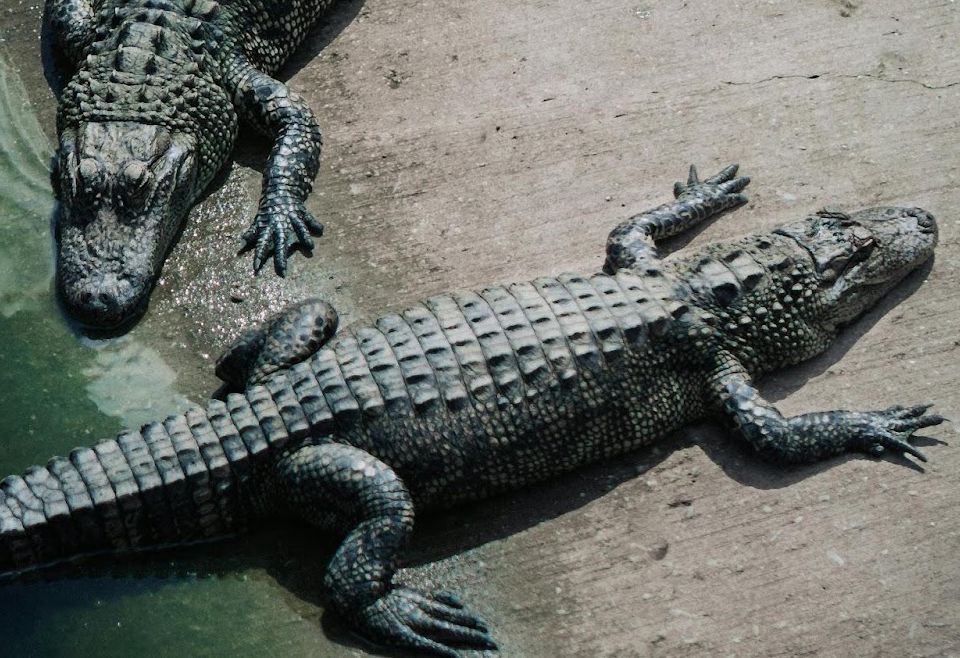 Image: Amber Kipp
Why would alligators congregate? Their collective term "congregation" was given because they would gather under very specific circumstances. They are usually solitary creatures, but they come together in larger groups during mating seasons, when resources like food or basking space are limited, or when water bodies shrink.
They aren’t social animals, which means they aren’t there to make friends—they gather purely for practical needs and survival. Aside from "congregation," a group of alligators can also be called a "float" when they are gliding through water, or a "bask" when they are sunbathing on land.
Pandemonium
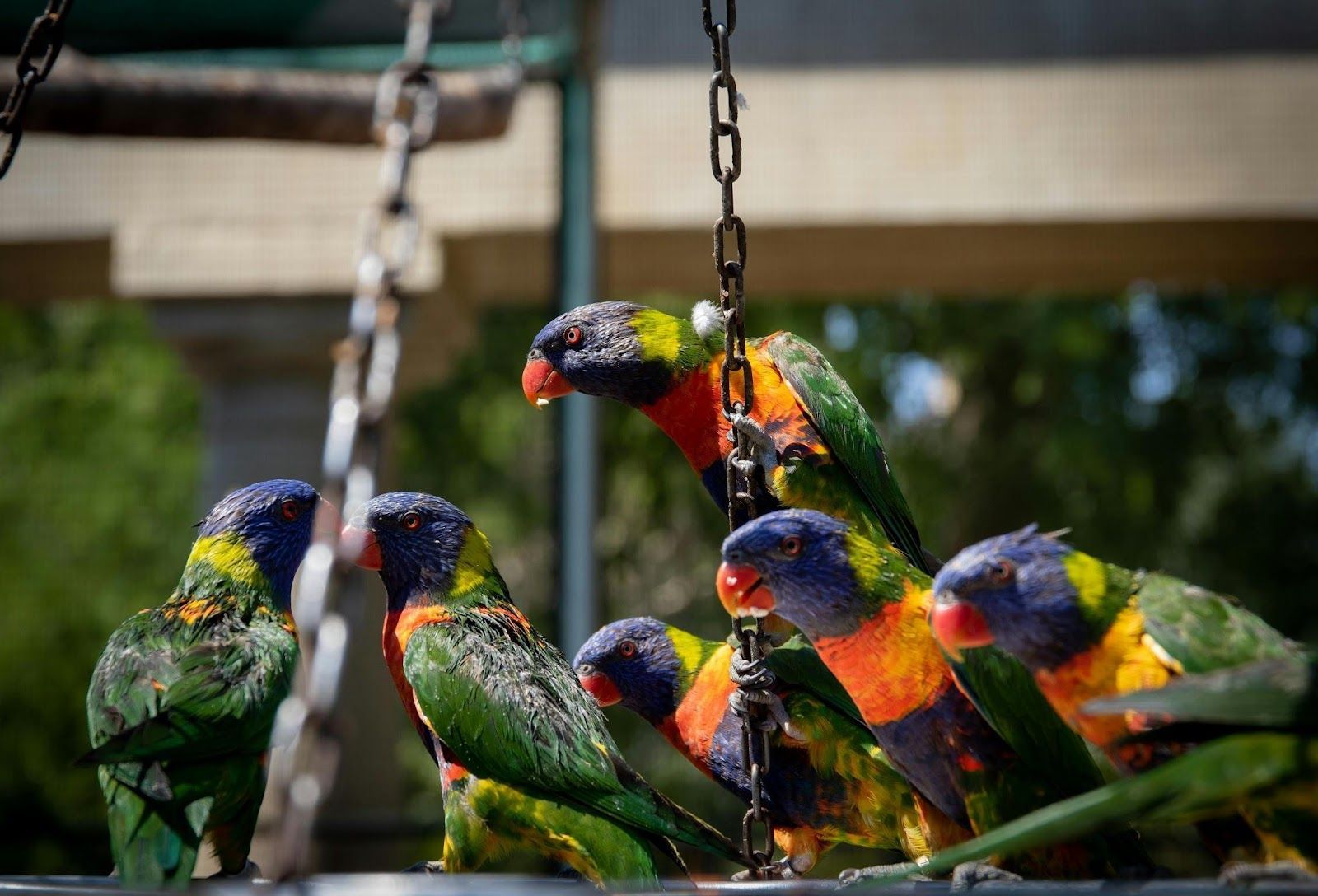 Image: Magda Ehlers
If you’ve ever had the fortune of sitting or walking under a tree full of parrots, you might guess why that group is called a "pandemonium." Their chaotic, loud, and sometimes annoying uproar earned them this term of venery, which compares them to hell.
Pandæmonium was a word coined by writer John Milton in his 17th-century work Paradise Lost to refer to the capital of Hell where all demons resided. In Greek, pan means "all" and daimonion means "lesser god." That is exactly the term that was chosen to refer to an intolerable group of parrots, clever and beautiful as the creatures may be.
Fever
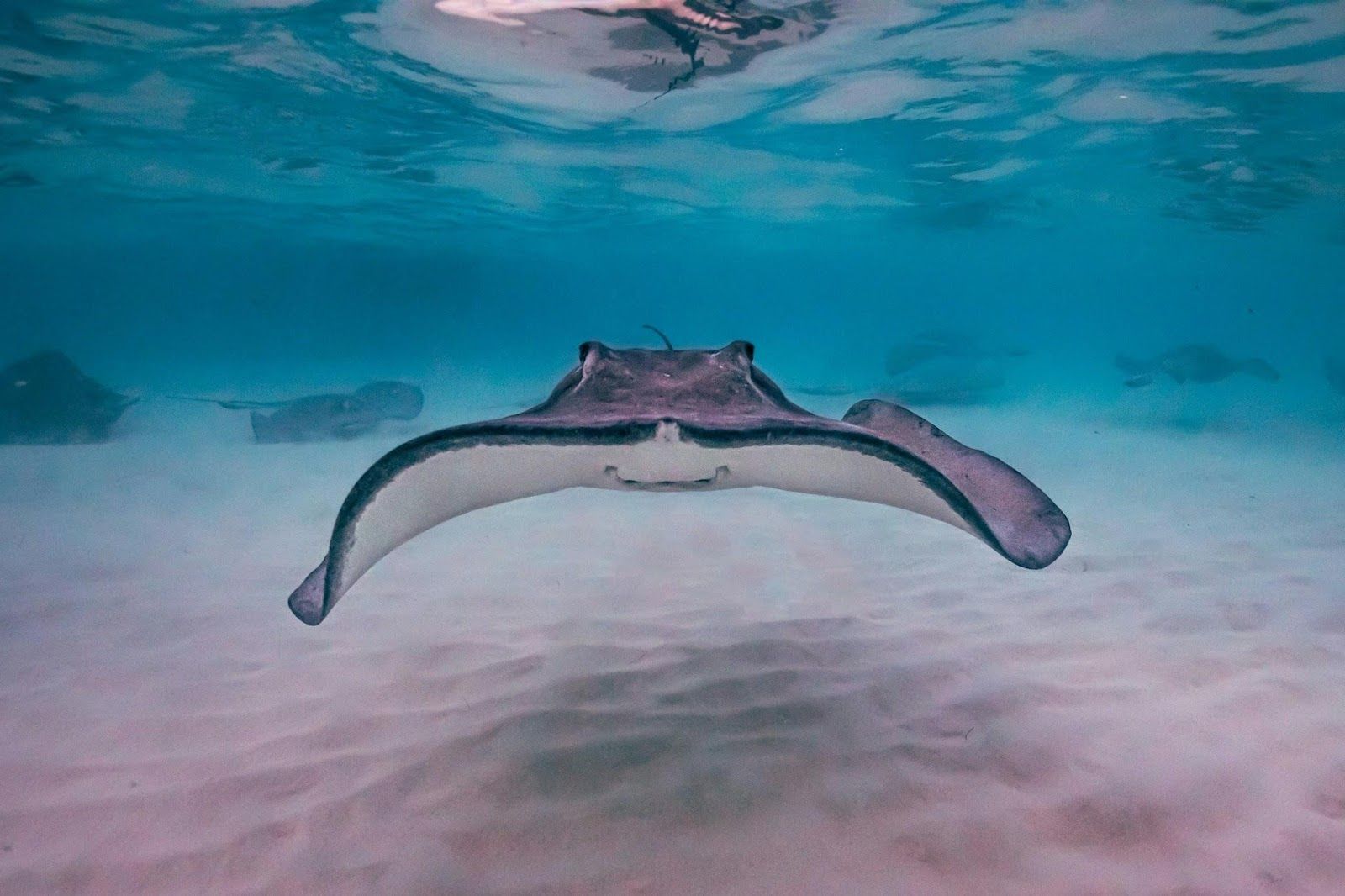 Image: Kinø
Stingrays can gather by the thousands during migrations, and most of us can only imagine that subaquatic image. When they navigate currents together, they can resemble what we know above water as bird formations.
This graceful, coordinated frenzy of stingrays was poetically called a "fever." The term comes from Old English, which referred to quick or restless movement. Because they are fish, their groups can also be called a "school" or a "shoal." These terms themselves derive from the Dutch word schole which means a troop or a crowd.
Conspiracy
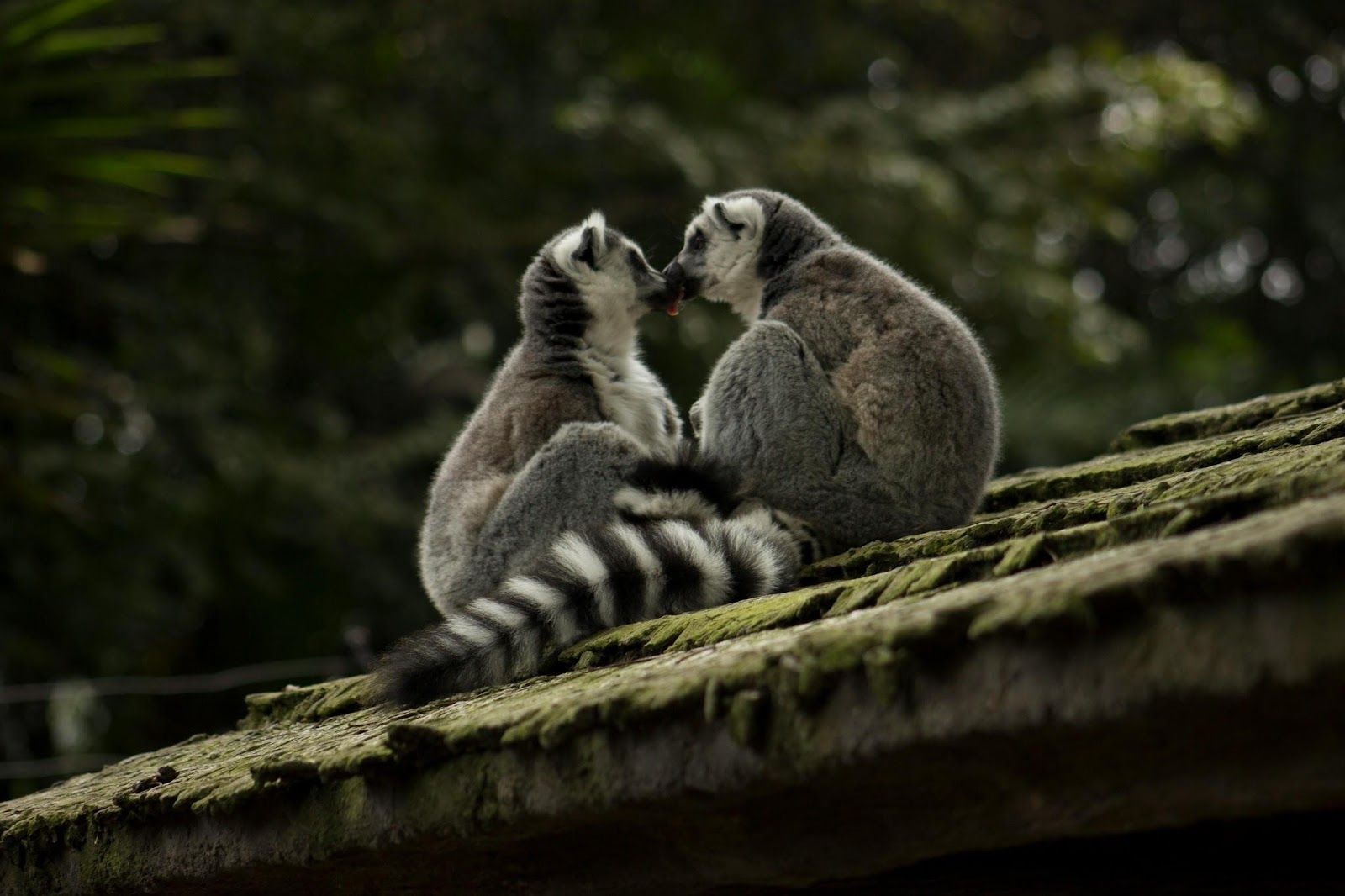 Image: Cristina Andrea Alvarez Cruz
Lemurs—especially species like ring-tailed lemurs—are known for their keen, inquisitive nature, with speed and size perfect for squeezing into whichever scene they choose. This mischievous, coordinated behavior has earned them the collective noun "conspiracy."
Unlike owls or alligators, lemurs are highly social animals. They are also very communicative, using rituals, scents, and calls to convey meaning to each other. That’s another reason humans have imagined they are up to secret plots. Their groups can also be referred to as a "troop" or a "cluster."
Pride
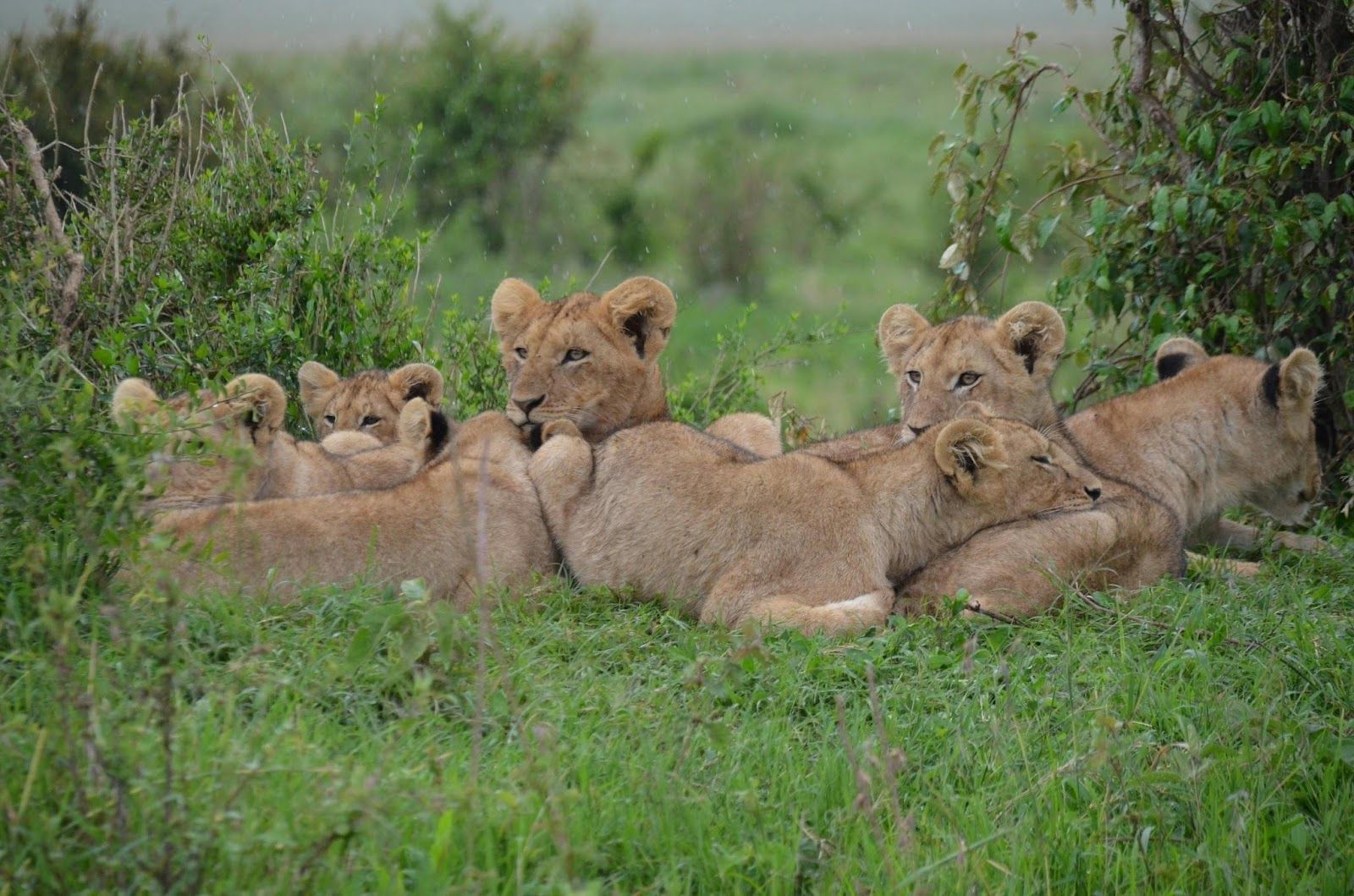 Image: Irina Anastasiu
Of all the species in the animal kingdom, lions have always enjoyed the best branding. Their manes, strength, and elegance have earned them a cultural association with royalty since the Middle Ages. While "pride" is the most common and culturally significant term, groups of lions are also referred to as "saults" or "troops" in older texts.
A lion’s pride typically runs like a family, with females and their offspring being led by a few males in the group. Prides usually consist of between 10 and 30 members and roam a territory defended by males, while females serve as the primary hunters.
Gaggle
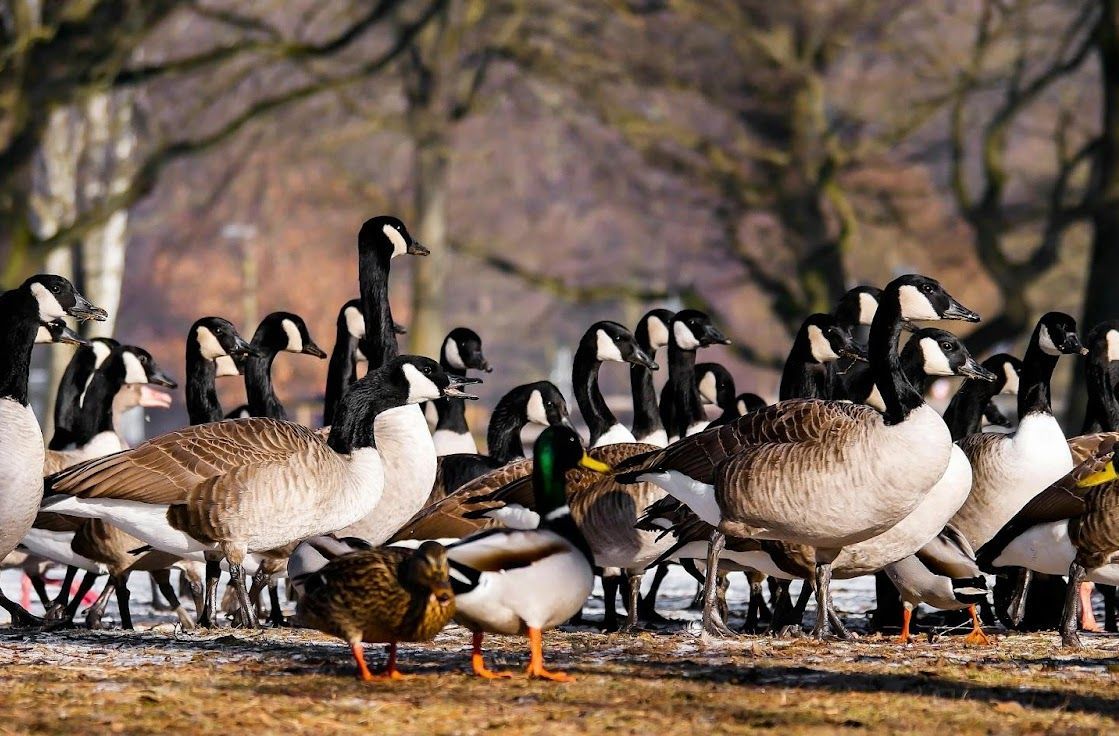 Image: Pixabay
Geese might look majestic when flying in V-shaped formations, but they can also be a messy lot when chattering on land. When flying, they are called a "skein," "team," or "wedge" (referring to their V-shape). On land, however, their disorganized honking and flapping earned them the term "gaggle."
Like many of these terms, "gaggle" was most likely assigned by Medieval huntsmen, echoing the honking "gagel" sound they made as a group. As admirable as their flying formation and social dynamics are, geese can be very loud and even violent with their feet on the ground.
Embarrassment
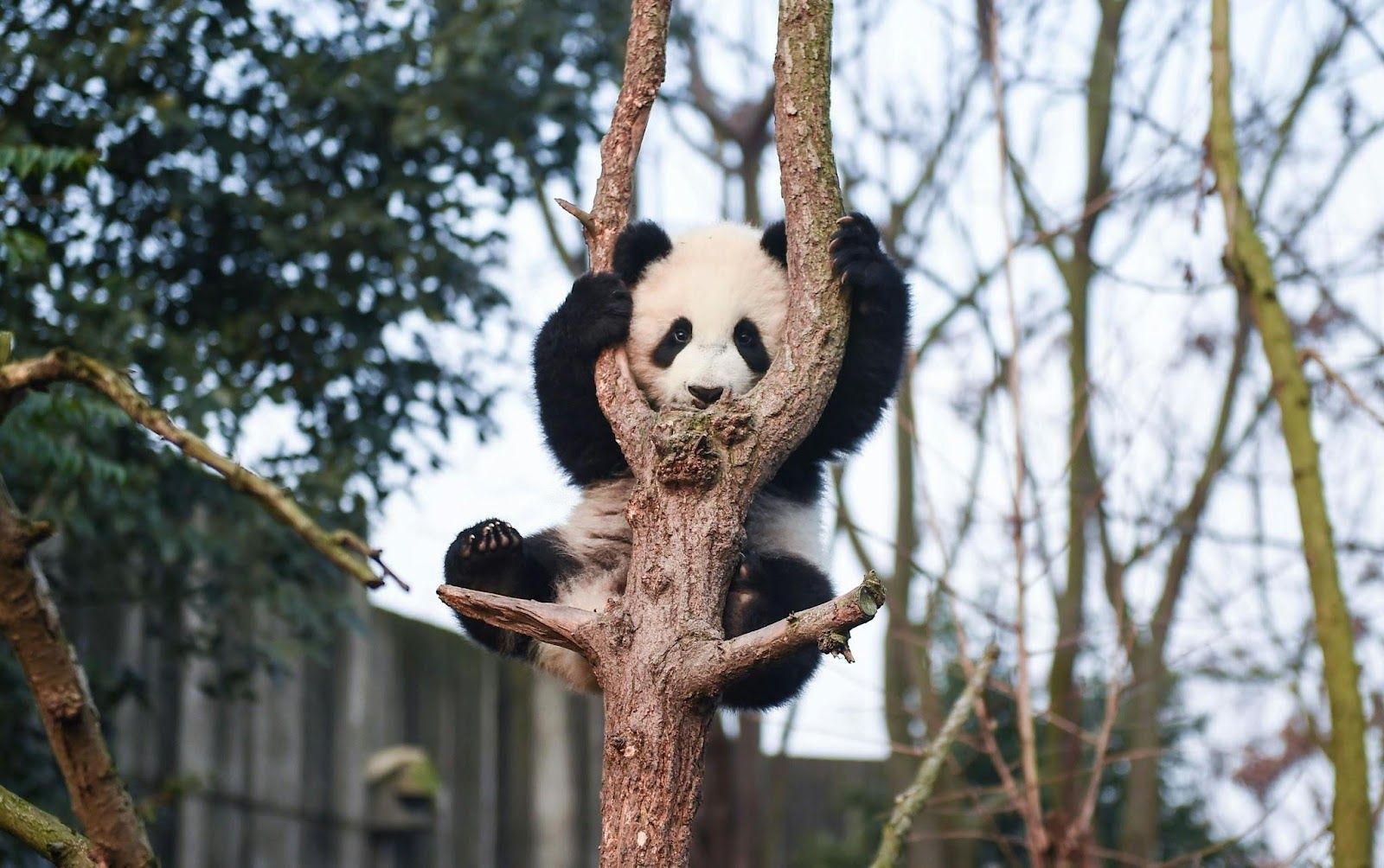 Image: Greece-China News
Giant pandas are legendarily clumsy. These bamboo lovers are known for their slow movements, goofy tumbles, and a tendency to get themselves into absurd situations—like getting stuck upside down or rolling down hills.
The word "embarrassment" comes from the French word embarras, which means "obstacle" or "hindrance." But the term was likely not adopted for strictly etymological or biological reasons. Instead, it meant to transmit the essence of what 19th-century, English-speaking hunters and naturalists observed when they traveled to China to study and collect pandas. Groups of pandas can also be known as "bamboos" or "cupboards"—the last term remains a still-debated mystery.