No, Atlantis is not on this list
A country named after a drowned dog? 10 countries’ names explained
Published on October 19, 2025
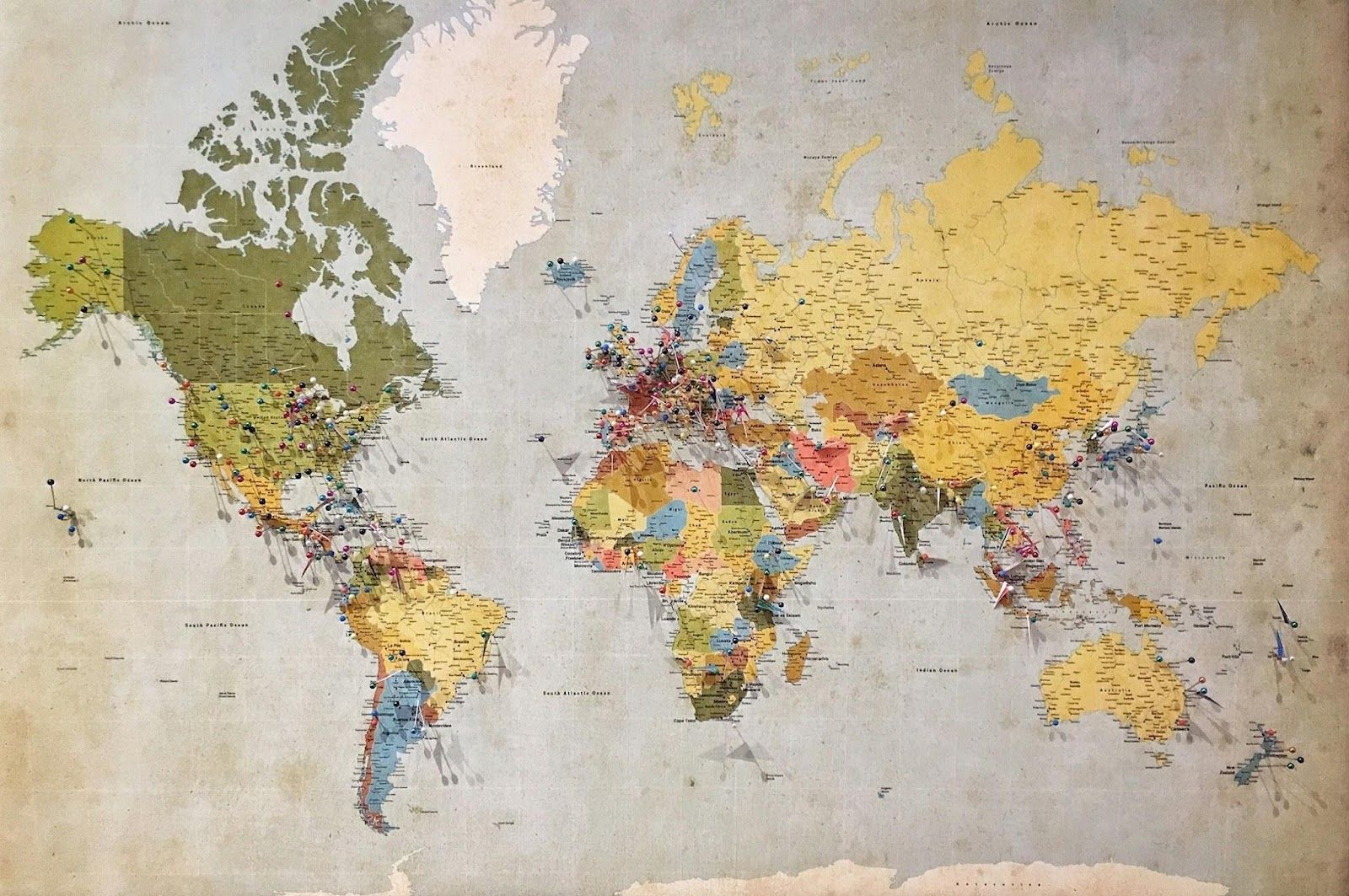 Image: Andrew Stutesman
Some things are never questioned simply because they’ve always been that way. But even countries have origins—and so do their names. Some names are quite straightforward from the beginning: The United States of America is exactly that—a union of states in America. But others, like Brazil or India, are not quite as simple. Scroll on to learn about the origin of ten countries’ names. You might just pick up a cool little fact to share with your friends.
Canada
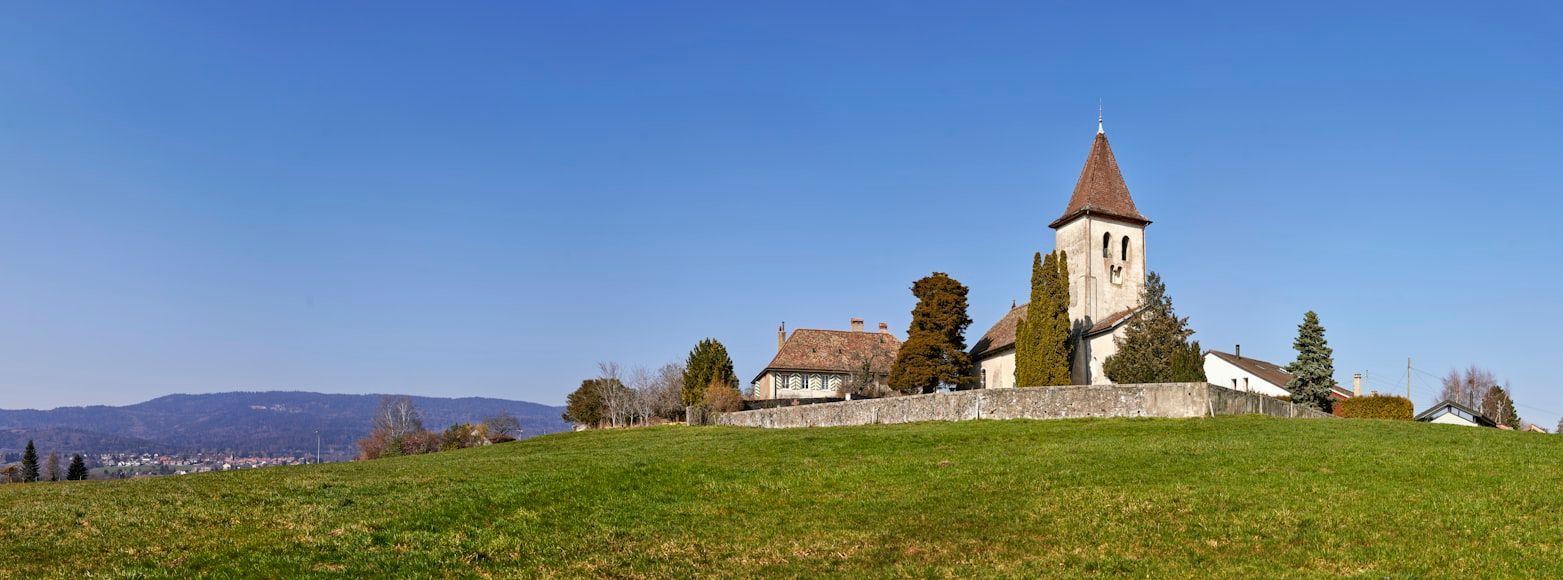 Image: Xavier von Erlach
It might seem curious that a country so vast is named after a small settlement—but it is. The name Canada likely comes from the Huron-Iroquois word kanata, meaning "village" or "settlement." The first official use of Canada as a name came in 1791, when the Province of Quebec was divided into the colonies of Upper Canada and Lower Canada. In 1841, the two colonies were united under a single name: the Province of Canada.
Then, on July 1, 1867, the provinces of Canada, Nova Scotia, and New Brunswick joined to form "one Dominion under the name of Canada."
Argentina
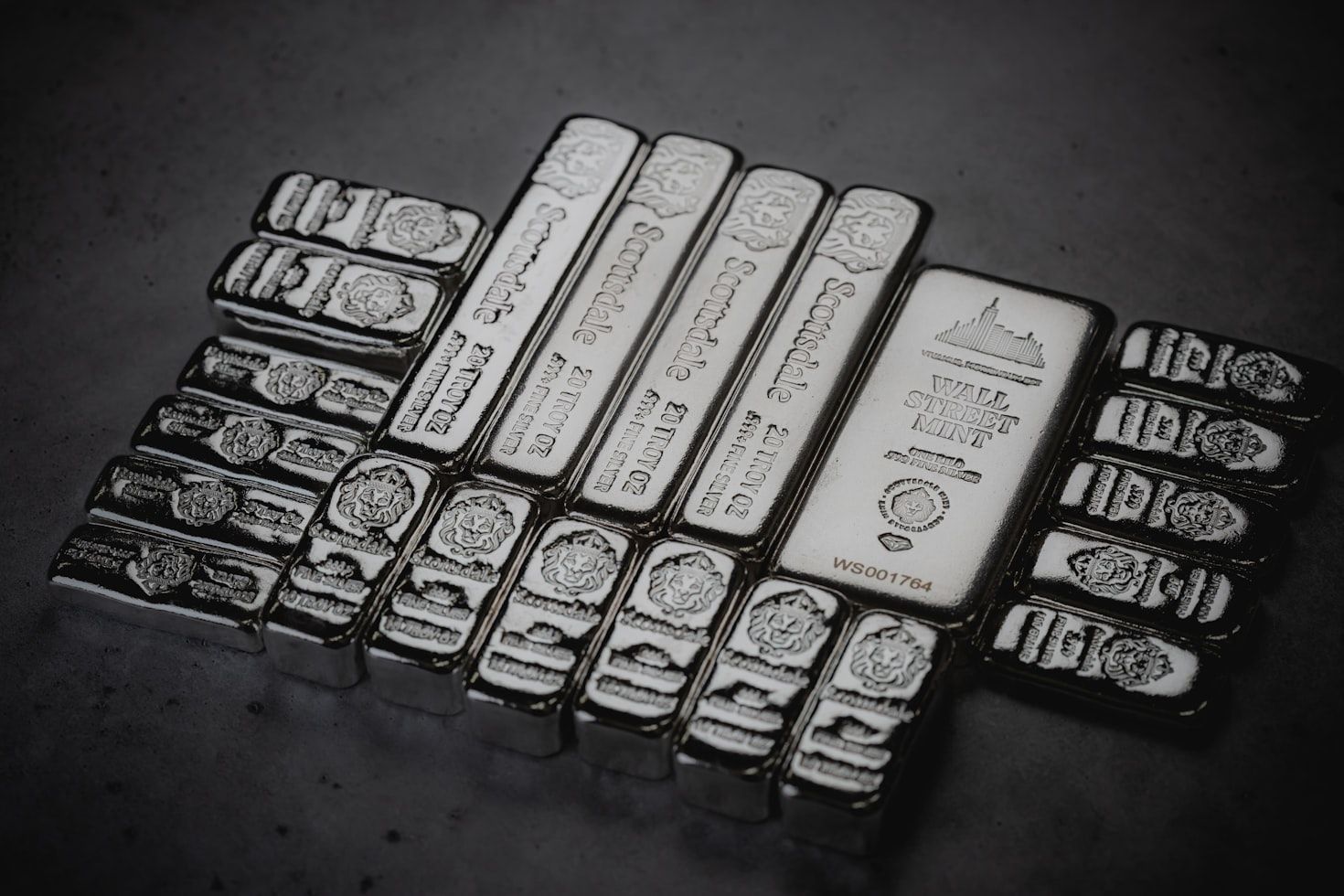 Image: Scottsdale Mint
This South American country’s name first appeared on a Venetian map in 1536. Argentina means "(made) of silver" or "silver-colored" in Italian, derived from the Latin argentum, meaning silver. The name was originally associated with the legend of the "Silver Mountains," which was widespread among the first European explorers of the La Plata Basin.
In 1860, a presidential decree officially established the country’s name as the Argentine Republic, and that year’s constitutional amendment recognized all names used since 1810 as legally valid.
Spain
 Image: Fidel Fernando
A close connection with rabbits is probably not the first thing that comes to mind when you hear the word Spain. But that connection plays a role in the origin of the country’s name. The earliest version, Hispania, is believed to have come from the Phoenician word i-spn-ya, which the Romans interpreted as "land of rabbits" or "region rich in rabbits."
Other theories suggest that Hispania may derive from a Punic word meaning "land of metals" or from an Iberian or Basque root referring to the region's geography, but rabbits is the widely popular theory.
Norway
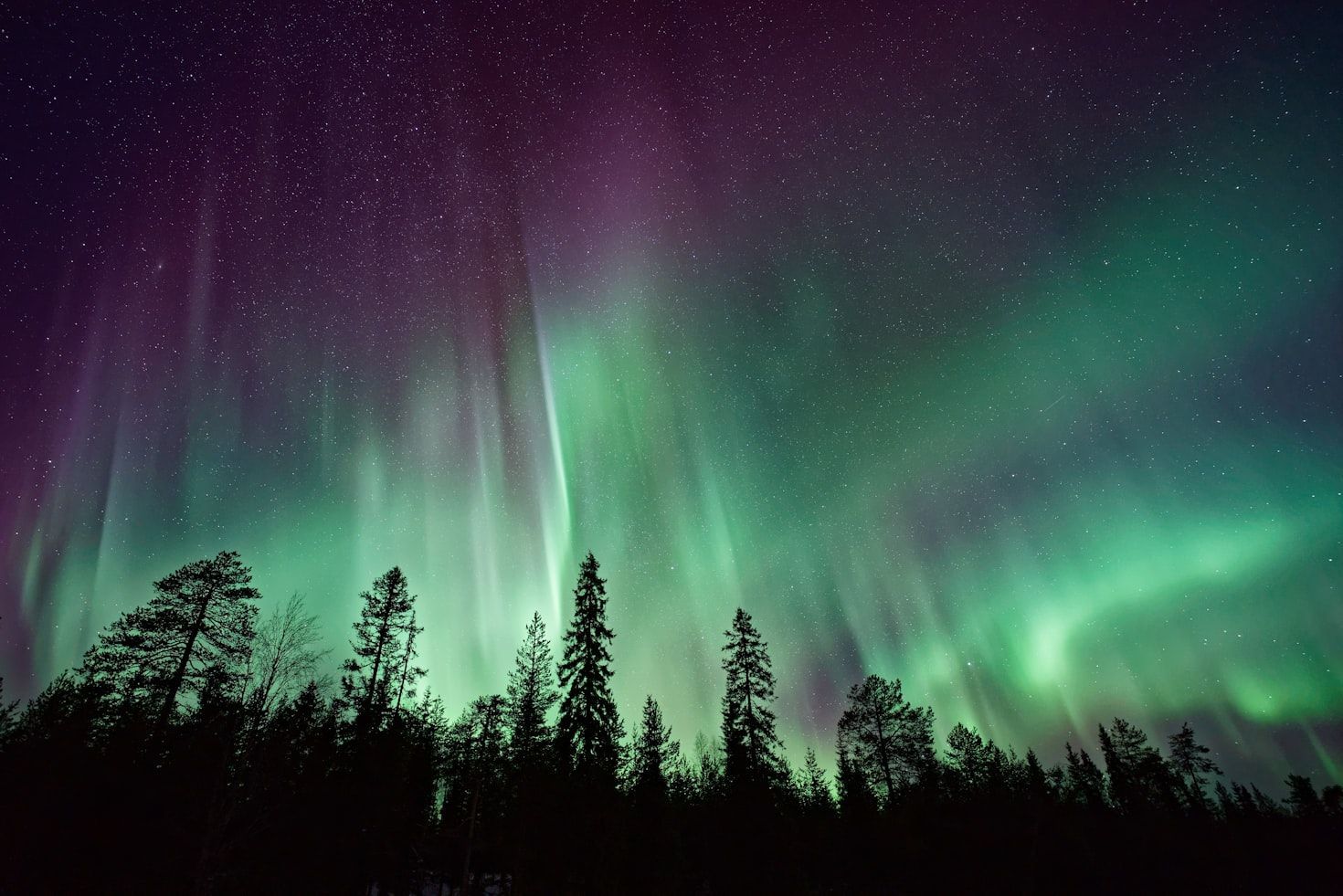 Image: Vincent Guth
Norway’s name origin makes sense—it comes from the Old English word Norþweg, first mentioned around 880, meaning "northern way" or "way leading to the north." This is how the Anglo-Saxons referred to the Atlantic coast of what is now Norway. The same idea aligns with the leading theory about the origin of the country’s name in the Norwegian language.
India
 Image: Nathan Anderson
The name India is derived from a corruption of the word Sindhu, the ancient name of the Indus River. Neighboring peoples, particularly the Persians, pronounced the "s" as "h" and referred to the land as Hindu. The Greeks later adapted this to Indos, which led to the Latin India.
The name India was known in Old English, but under French influence, it was sometimes replaced by Ynde or Inde. The form Indie appears in the first edition of the King James Bible and the works of William Shakespeare, both from the late phase of Early Modern English.
Australia
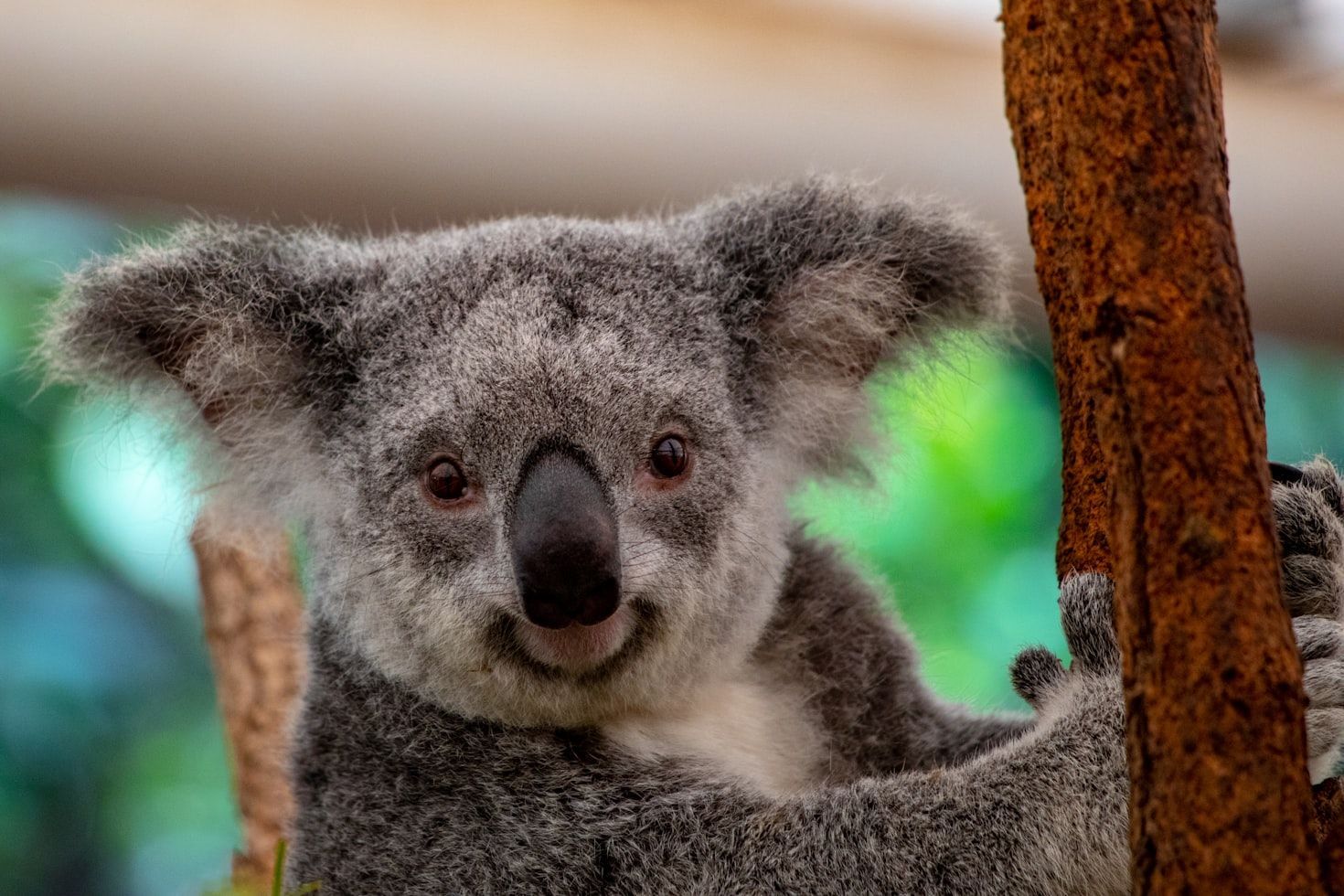 Image: Bob Walker
Quite fittingly, the name Australia is derived from the Latin australis, meaning "southern," and specifically from the hypothetical _Terra Australis_—a "southern land" postulated in pre-modern geography.
The name was popularized by the explorer Matthew Flinders in 1804, and it has been in official use since 1817, replacing New Holland, an English translation of the Dutch name first given in 1643 to the continent.
Cameroon
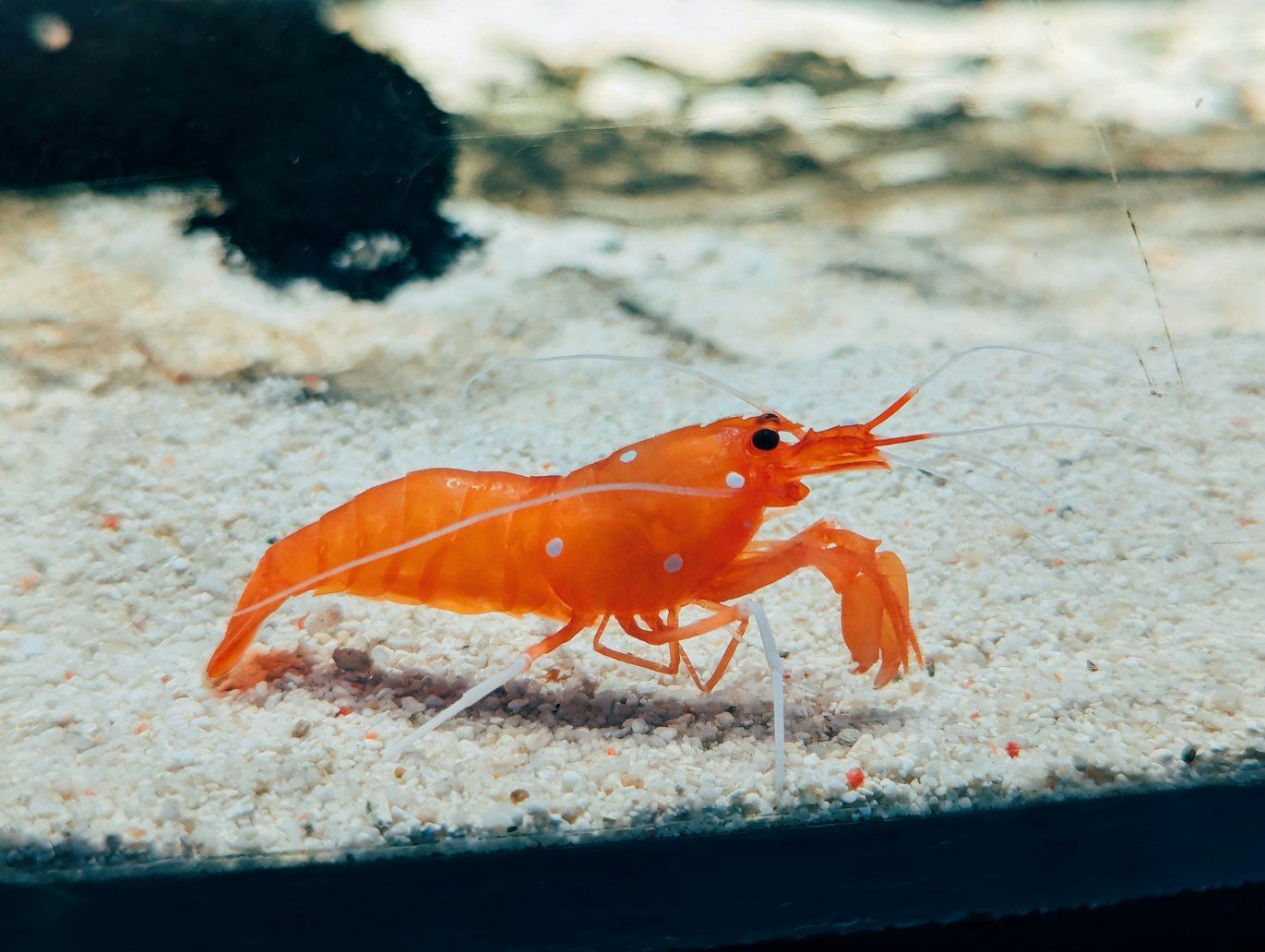 Image: note thanun
The name of this Central African republic comes from the name given by the Portuguese to the Wouri River, which they called Rio dos Camarões, meaning "river of shrimps" or "shrimp river," in reference to the once-abundant Cameroon ghost shrimp. Today, the country’s name in Portuguese remains Camarões.
Brazil
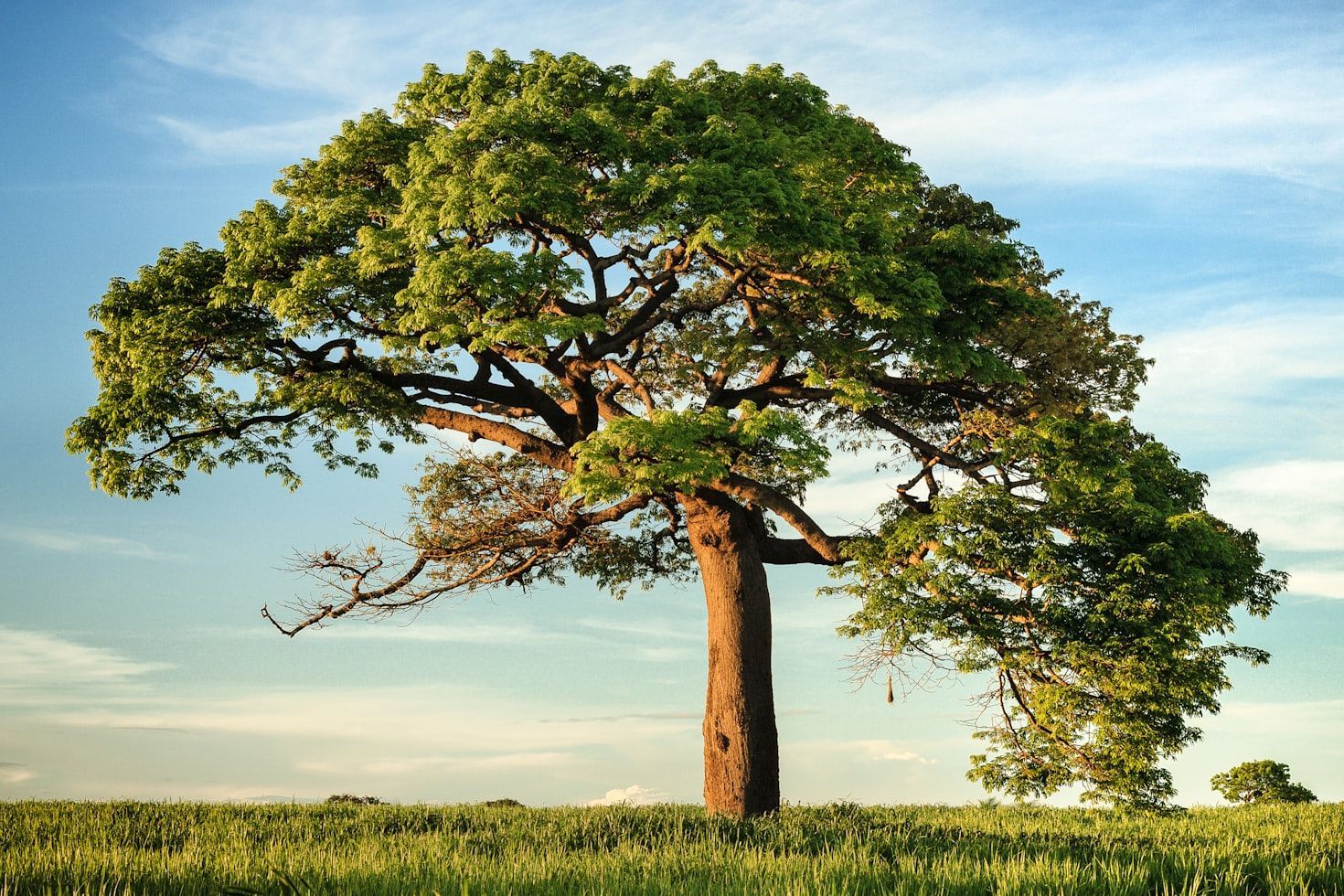 Image: niko photos
This beautiful country takes its name from the pau-brasil tree, which was once plentiful in its coastal forests. Pau is a colloquial Portuguese word for "wood" or "tree," and brasil comes from brasa, meaning "ember"—a reference to the tree’s reddish sap, once used for dyeing cloth. Today, the wood of the pau-brasil is prized for making cello and violin bows.
Greenland
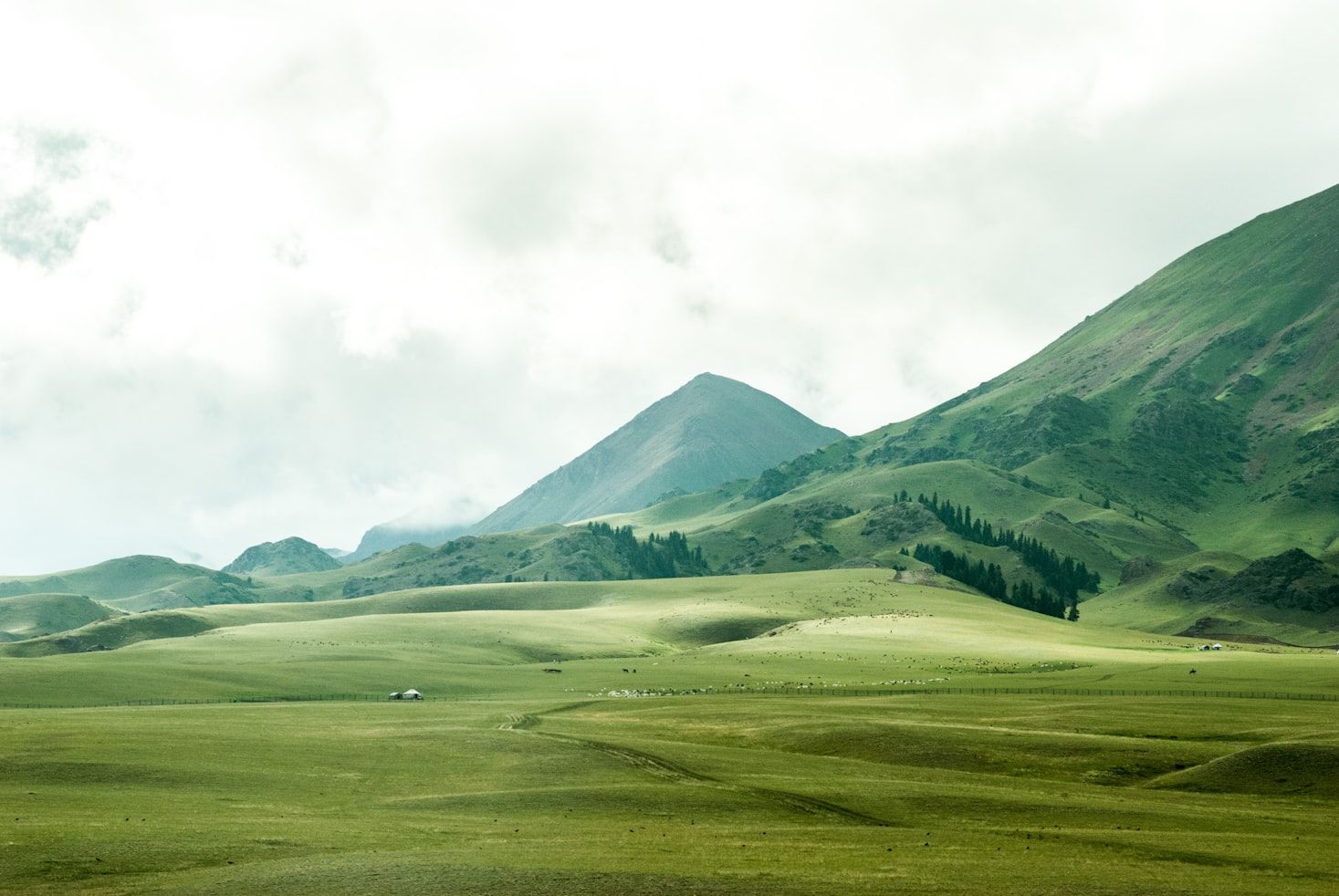 Image: Jeremy Cai
Someone who has never seen a picture of Greenland could be forgiven for thinking the country is covered in green, lush pastures—after all, the name implies just that. So how did this ice-covered island come to be called Greenland? It got its name from the Norwegian adventurer Erik Thorvaldsson, better known as Erik the Red, in 985 A.D.
The popular explanation is that the name was a kind of public relations strategy to encourage settlement. However, ice core and mollusk shell data indicate that between 800 and 1300 A.D., the island’s temperatures were considerably warmer than they are today—so perhaps Erik was simply reacting to a greener landscape that has long since vanished.
Moldova
 Image: Ariana Prestes
Moldavia was a historic principality along the Danube River, ruled successively by the Ottomans, the Russians, and the Romanians before becoming the Moldavian Soviet Socialist Republic after World War II. After the dissolution of the Soviet Union in 1991, it adopted the name Moldova, after the Moldova River.
Local lore attributes the name to a Transylvanian prince whose favorite hunting dog, Molda, drowned in the river. While this makes for a charming origin story, the name more likely derives from a Proto-Indo-European root, melh, meaning "dark," or from the Gothic word mulda, meaning "dust."