Dutch Baby, anyone?

A Dutch Baby is not made with babies. Then, why is it called that way?


Published on June 28, 2026


Image: Pixel-Shot

English is full of food names that sound completely straightforward. There is not much mystery about what a stuffed tomato or a grilled chicken is. But that is not always the case. Some names refer to ingredients that disappeared centuries ago. Others are jokes that somehow became official names. Take a look at these 10 food names that seem to describe a completely different product from the one they represent.

1

Mincemeat

Image: OlgaBombologna

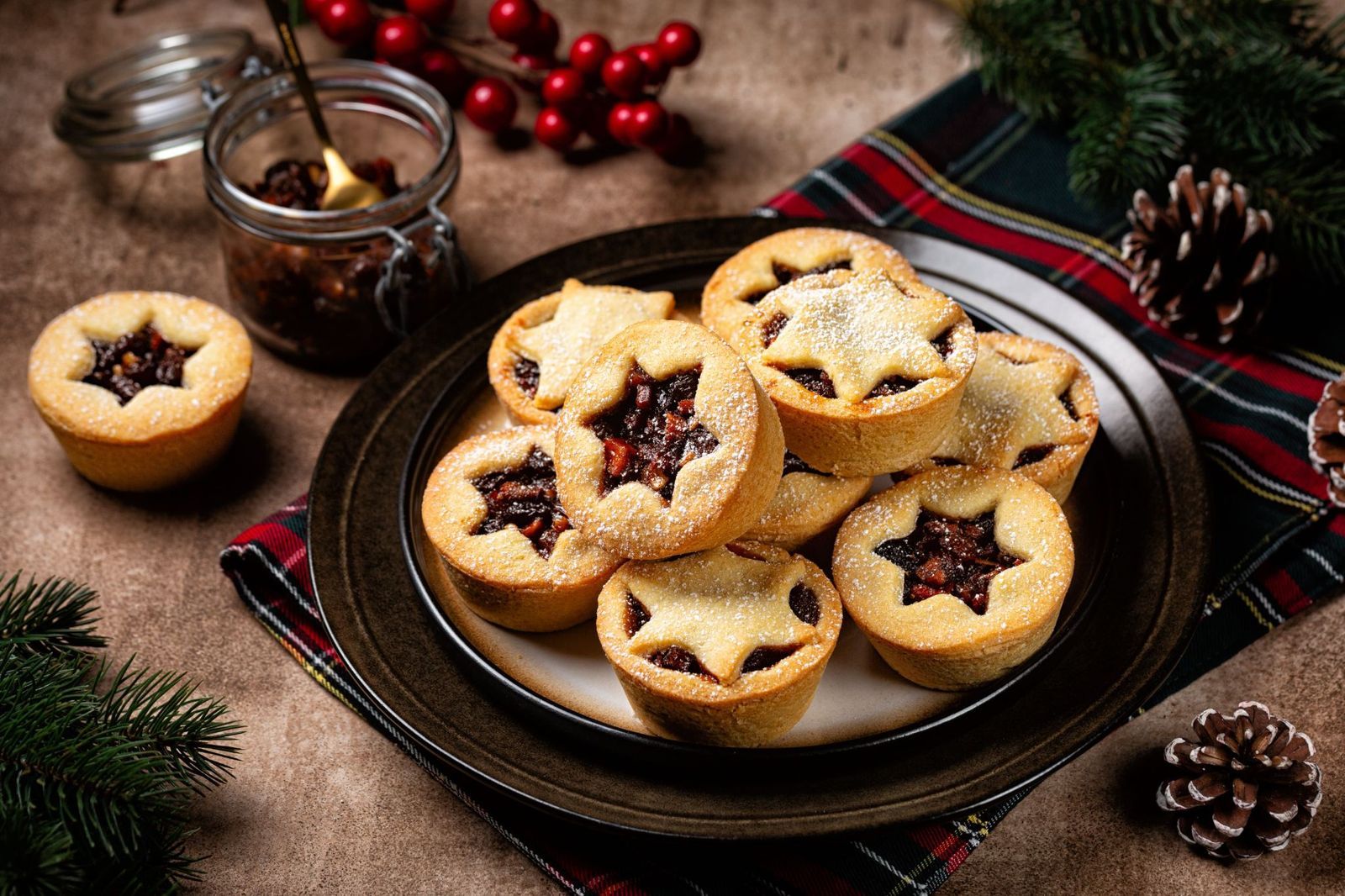
If you’ve never tasted mincemeat, you might assume it contains finely chopped meat. Historically, that assumption would have been correct. Medieval English cooks mixed minced beef, mutton, or venison with dried fruits, spices, and sugar to create rich pies.

Over time, the meat gradually vanished from most recipes. Modern mincemeat is usually made from raisins, currants, apples, citrus peel, spices, and sometimes even brandy. Despite containing little or no meat today, the name survived.

2

Sweetbread

Image: redzen2

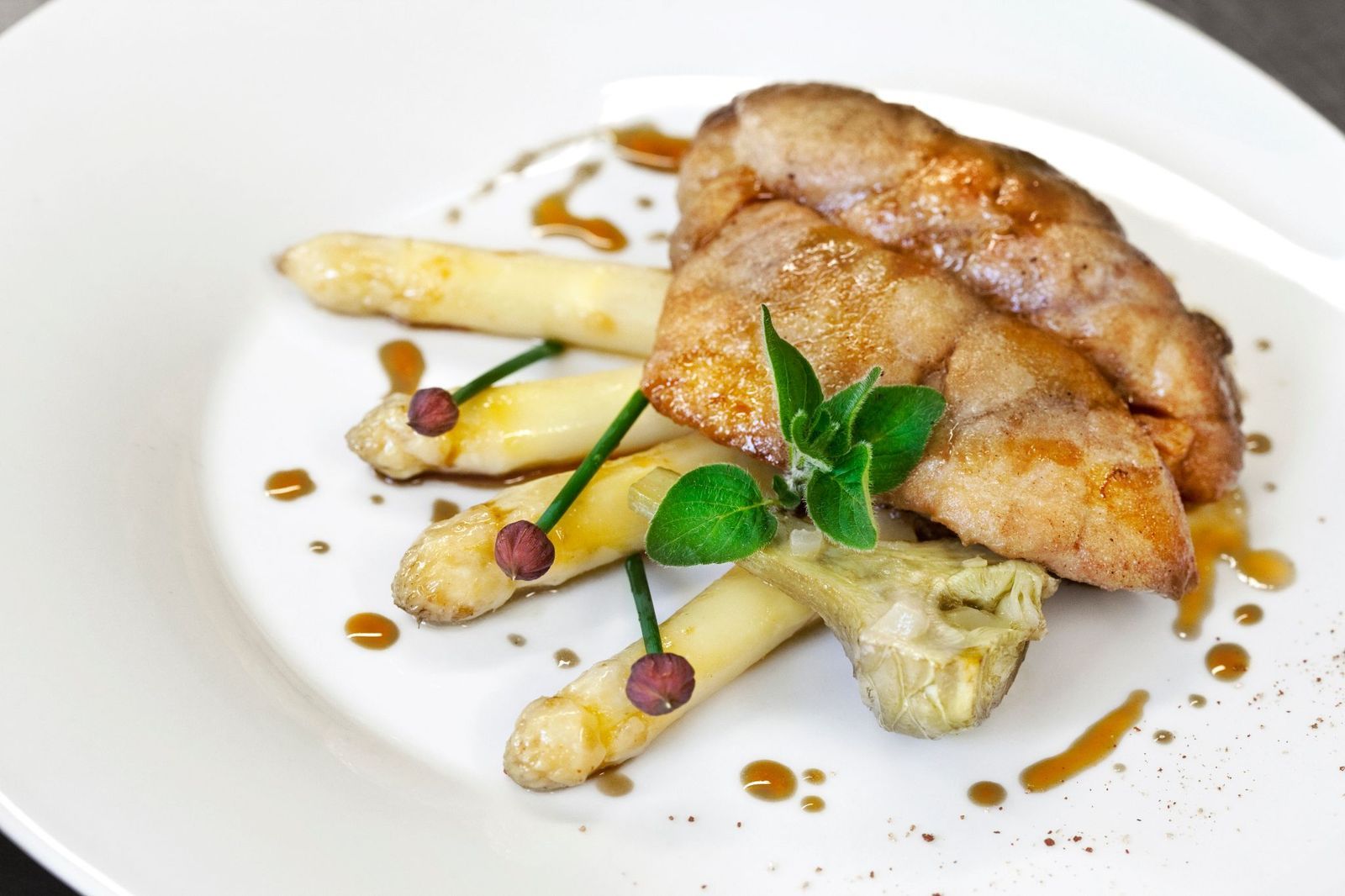
Sweetbread sounds like a bakery item, perhaps a sugary loaf or a pastry. In reality, it is neither sweet nor bread. The term refers to the thymus gland or pancreas of a young calf or lamb.

Sweetbreads have long been prized in French and European cuisine for their delicate texture and mild flavor. Food historians are not entirely sure where the name originated, but it has appeared in English culinary records for centuries. It remains one of the most misleading names in the culinary world.

3

Black pudding

Image: Nima Naseri

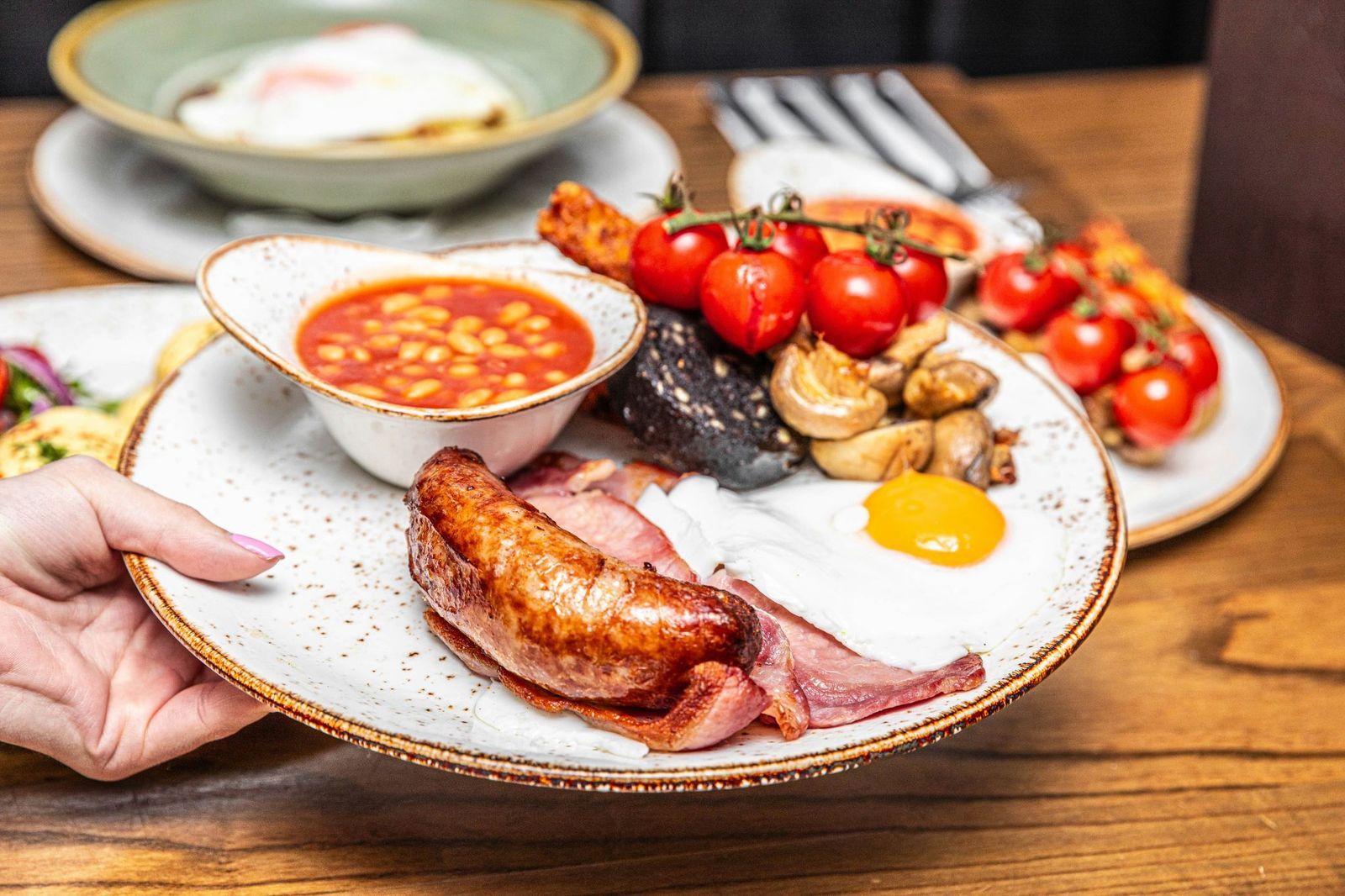
Many Americans hear the word "pudding" and think of dessert. Black pudding is something entirely different. It is a type of blood sausage traditionally made from pork blood, fat, and oats or barley.

The dish has been eaten throughout Britain and Ireland for hundreds of years and remains a classic component of a traditional full breakfast. The word "pudding" once had a much broader sense than it does today, which helps explain why a sausage ended up with that name.

4

Welsh Rabbit

Image: Foodgraphy39

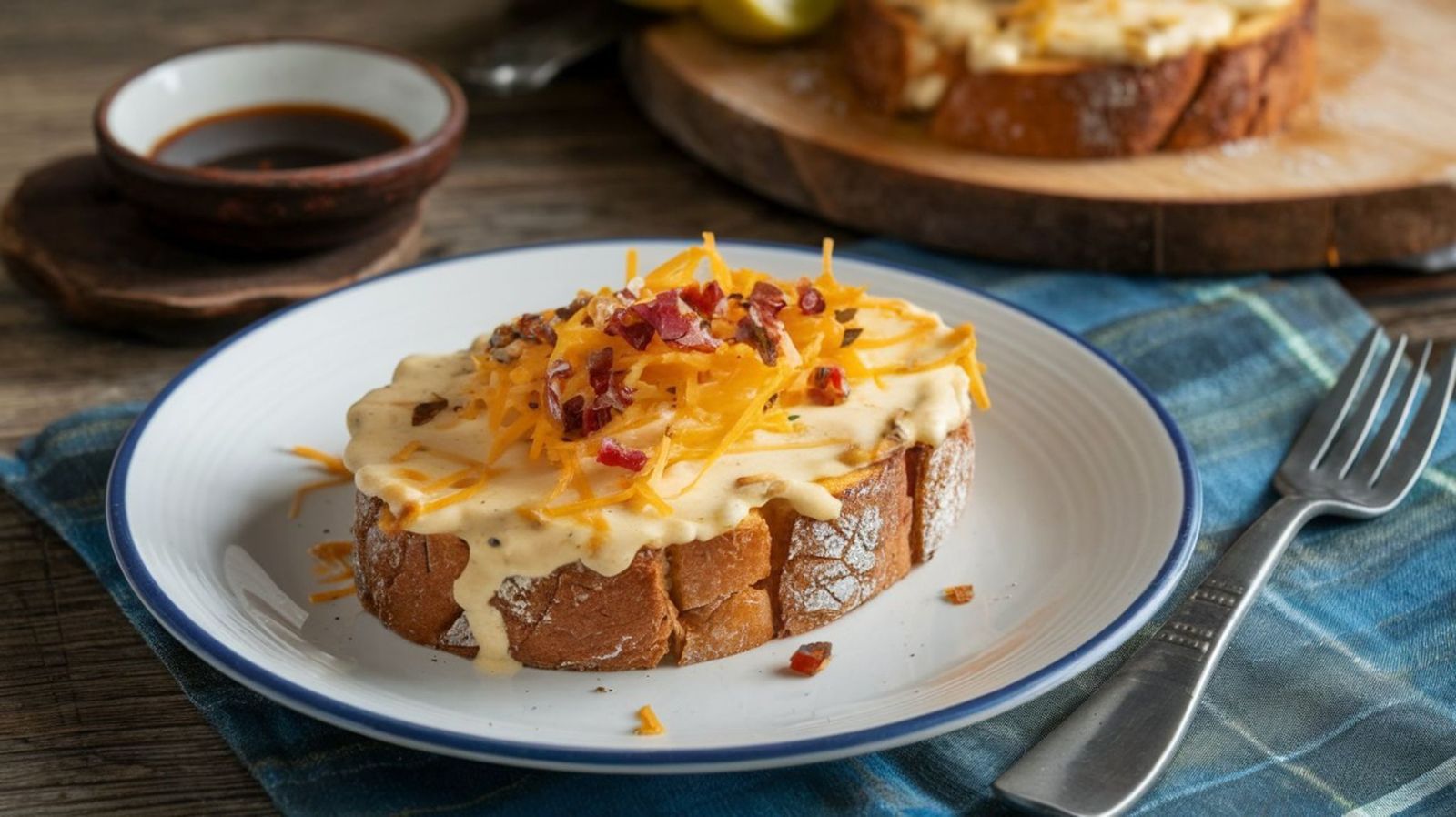
A person ordering Welsh Rabbit for the first time might reasonably expect rabbit meat. Instead, the dish consists of toasted bread topped with a savory sauce made from melted cheese, often flavored with mustard or ale.

The name appeared in print by the early eighteenth century. At some point, people began calling it "Welsh Rarebit," possibly because diners were confused by the complete absence of rabbit. Despite the newer name, many historians consider Welsh Rabbit the original and more authentic term.

5

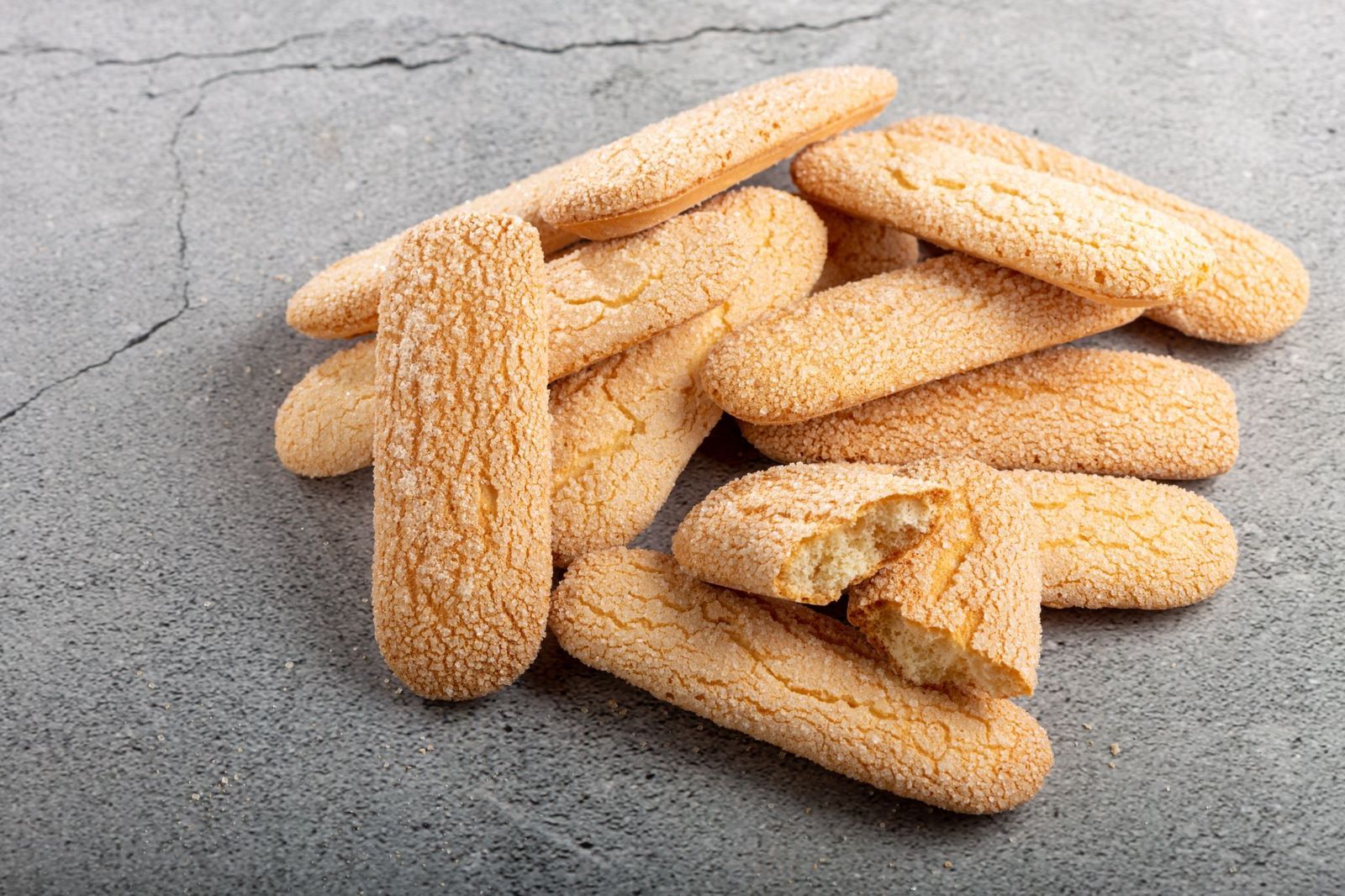
Ladyfingers

Image: WS-Studio

Ladyfingers are delicate sponge biscuits often used in desserts such as tiramisu and charlotte cakes. Their elegant name has nothing to do with a person and everything to do with appearance.

The cookies originated in the Duchy of Savoy, a region that once stretched across parts of modern France and Italy. Their long, slender shape was thought to resemble graceful fingers, giving rise to the name.

6

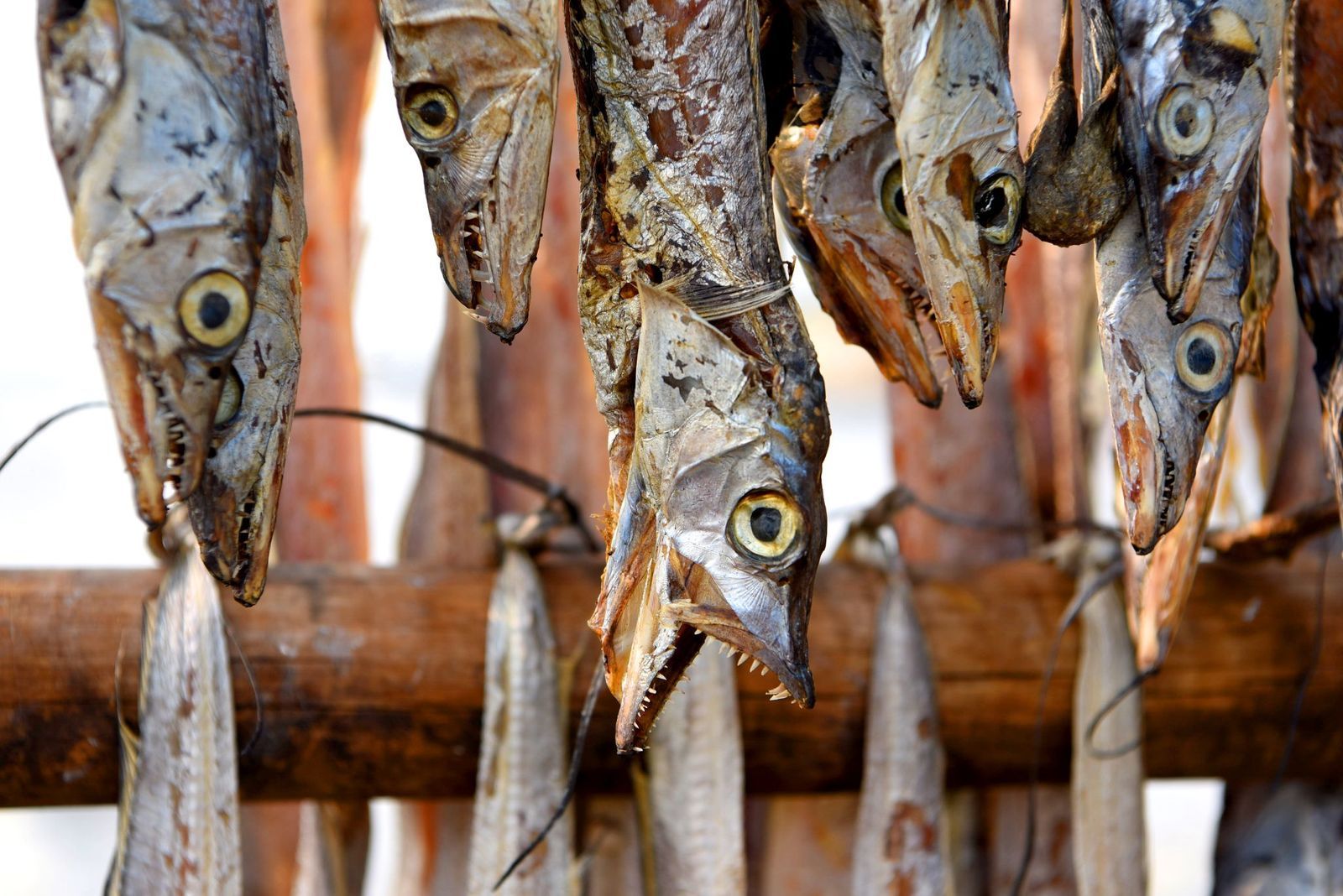
Bombay duck

Image: Akella Srinivas Ramalingaswami

Bombay duck sounds like a poultry dish from India. But it is actually a fish. Specifically, it is Harpadon nehereus, a species commonly found in the waters of the Arabian Sea.

The fish is especially associated with Mumbai, formerly known as Bombay. One popular explanation traces the name to the old "Bombay Daak" mail train, which reportedly carried the strongly scented dried fish across India.

7

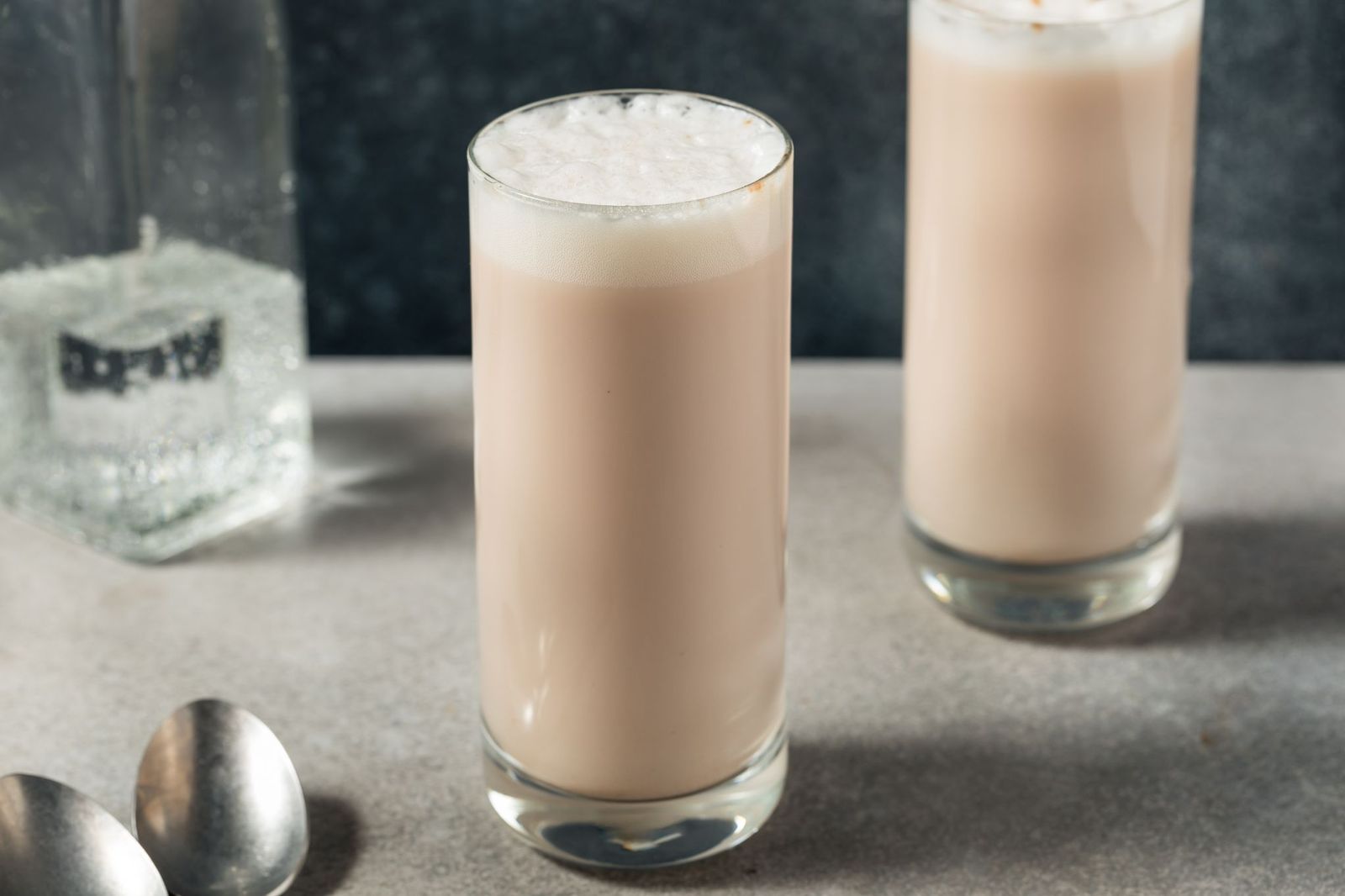
Egg cream

Image: Brent Hofacker

The classic New York egg cream contains neither eggs nor cream. Traditionally, it is made with milk, chocolate syrup, and carbonated water, creating a frothy drink that became famous in Brooklyn and Manhattan.

The beverage emerged in immigrant neighborhoods during the late nineteenth and early twentieth centuries.

8

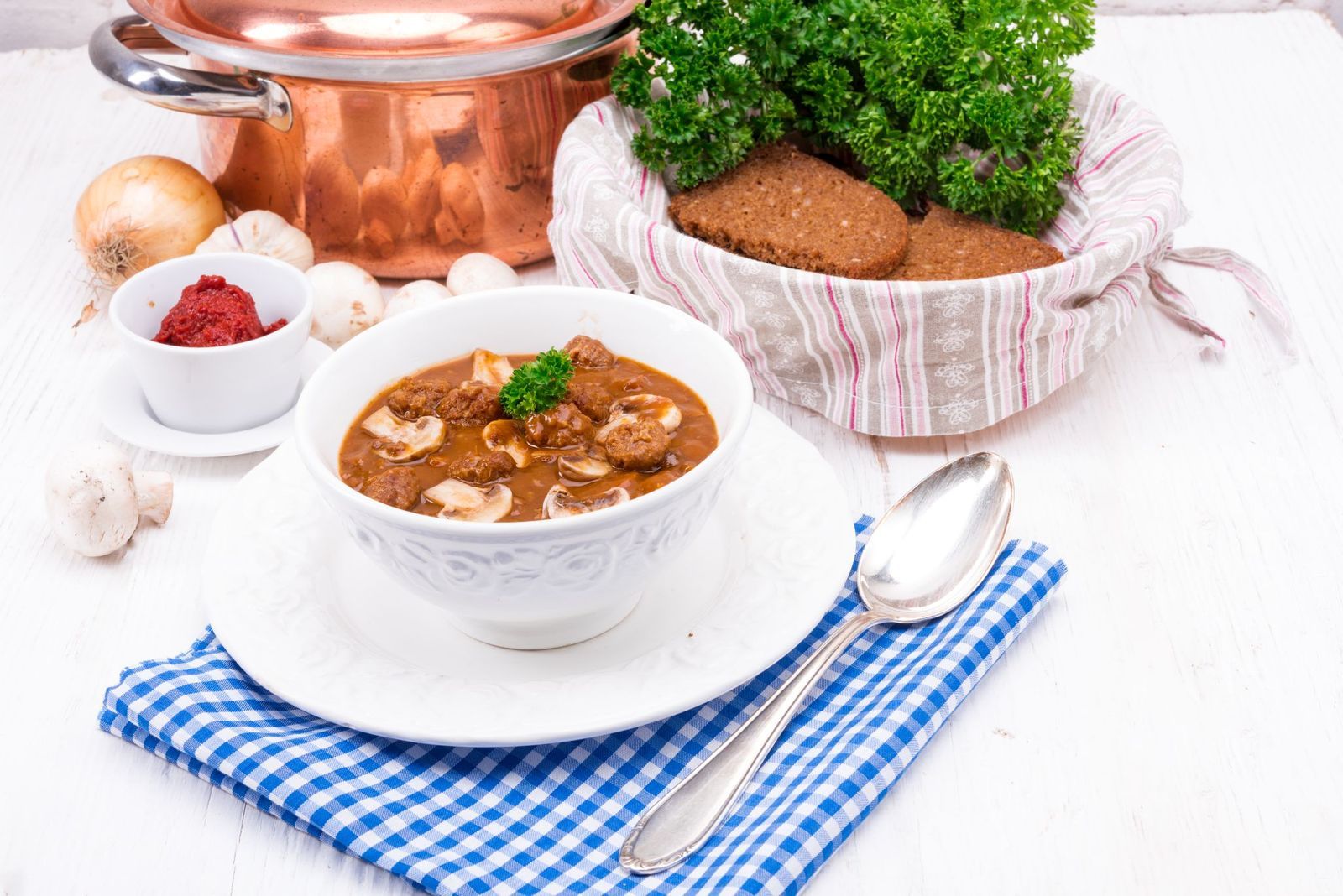
Mock turtle soup

Image: Dar1930

During the eighteenth century, turtle soup became a fashionable dish among wealthy diners in Britain. Real turtle meat, however, was expensive and difficult to obtain. Enter Mock Turtle Soup.

Cooks developed a less costly alternative using a calf’s head and other ingredients to imitate the flavor and texture of turtle soup. The imitation became so well known that Lewis Carroll included a Mock Turtle character in Alice’s Adventures in Wonderland in 1865, helping preserve the name in popular culture.

9

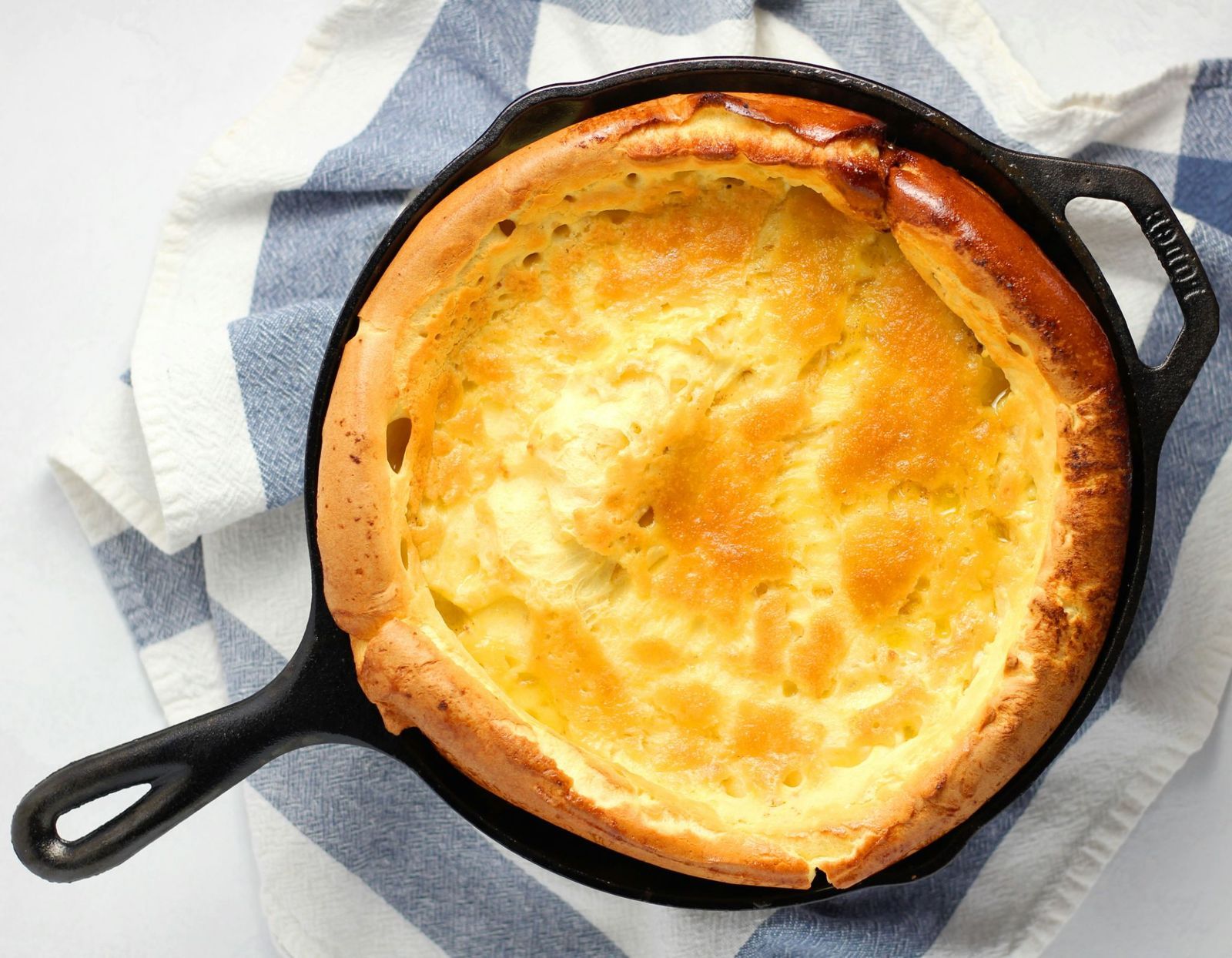
Dutch baby

Image: sheri silver

A Dutch Baby is a large baked pancake that puffs dramatically in the oven before settling into a bowl-like shape. Despite its name, it’s not Dutch.

Most food historians trace the dish to German pancake traditions. The name likely emerged from a misunderstanding of the word Deutsch, meaning German. The recipe became especially popular in the U.S. during the early twentieth century.

10

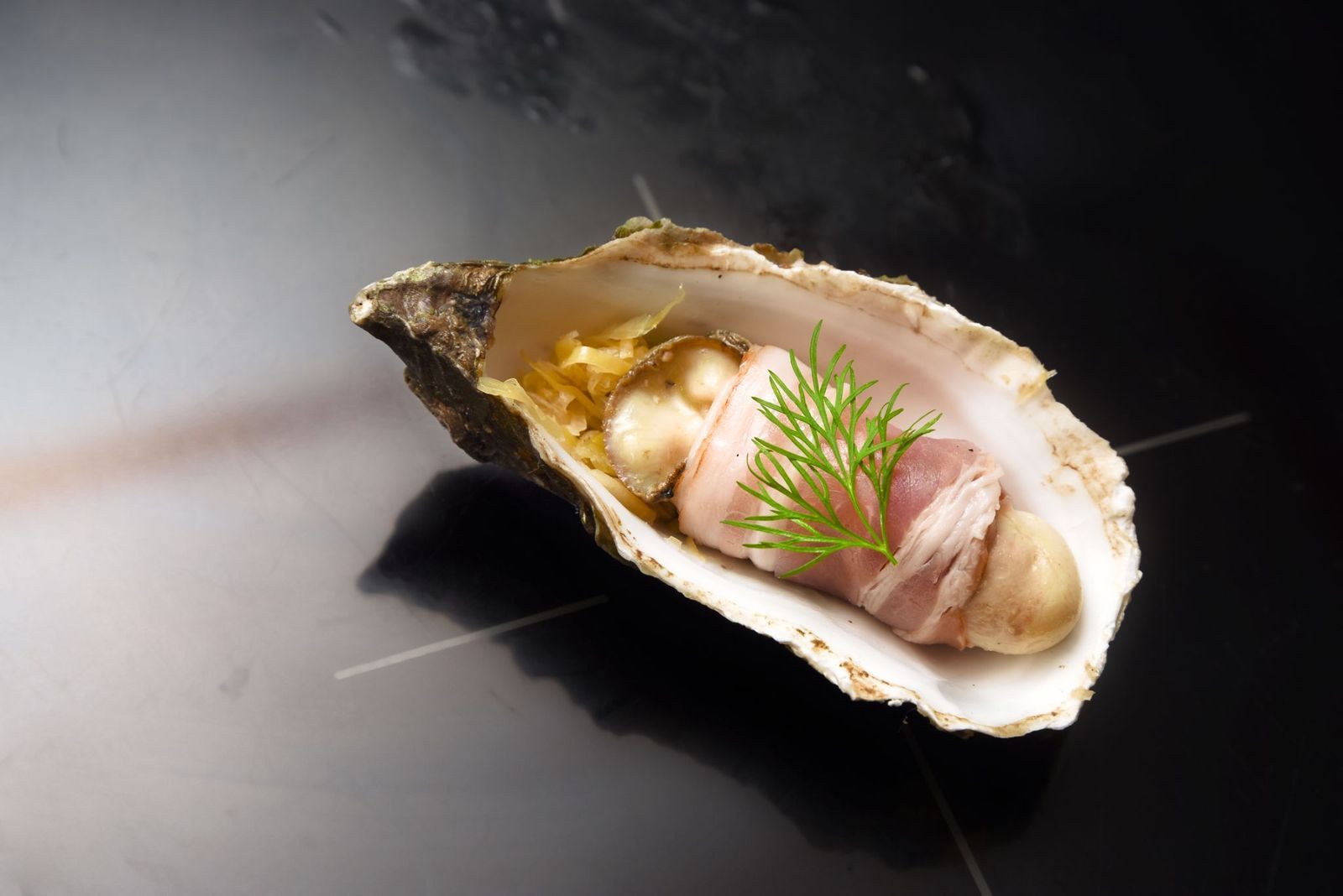
Angels of horseback

Image: Maren Winter

No angels or horses were harmed in the making of this classic British appetizer. The dish consists of oysters wrapped in bacon and then grilled or broiled until crisp.

Angels on Horseback became popular during the Victorian era and was often served at formal dinners. It even has a culinary counterpart called Devils on Horseback, which typically substitutes dried fruit such as prunes for the oysters.

Stock up on short words

Did you know you can use these words in Scrabble? Unusual 3-letter words


Published on June 28, 2026


Image: Freysteinn G. Jonsson

Need a few tricks up your sleeve for playing Scrabble? It’s not always the long words that will impress the other players: Sometimes it’s the surprisingly short combination of letters that none of them knew. Have you ever heard of unassuming three-letter words like "cwm" or "zax"? Those aren’t typos! Let’s explore some of the most obscure –yet perfectly valid– three-letter words.

1

Cwm

Image: shezan sharif

Before you ask: it’s pronounced "koom". If you run out of vowels in your Scrabble set, this might save you. It refers to a deep, steep-walled valley, often carved by glaciers.

The term comes from Welsh, where it simply means "valley." Many places in Wales proudly bear the name, such as Cwmbran, a town in South Wales, or Cwmtwrch, a village with a name that translates to "Valley of the Wild Boar."

2

Zax

Image: Vlada Karpovich

A "zax" is a tool used for cutting or trimming roof slates with precision. The word shares linguistic roots with seax, an Old English word for a short sword or knife.

Plus, in Scrabble, the mighty "Z" (10 points!) paired with "A" (1 point) and "X" (8 points) makes this one of the highest-scoring three-letter words you can play!

3

Voe

Image: Remedy

No, it’s not a mythical sea creature. "Voe" refers to a small bay or narrow creek that extends inland from the sea. These sheltered inlets are particularly found in Scotland, where they provided safe harbor for fishermen and sailors for centuries.

Some of these sailors were Vikings who once ruled the territory, and who called these bays with the Old Norse word vágr (bay or inlet.)

4

Yob

Image: engin akyurt

If you ever see a rowdy, loudmouthed troublemaker being kicked out of a bar in Britain, you might hear someone call them a "yob."

Here’s the funny part: There’s no Old English etymology involved. It’s just "boy" spelled backwards (a bit of Cockney slang trickery).

5

Pyx

Image: Jay Kettle-Williams

A very specific noun, but a valid one. A "pyx" is the container used in churches to hold consecrated bread.

The term comes from Latin pyxis, meaning "small box," which in turn derives from the Greek pyxos, a type of boxwood tree. Those three letters combined would earn you at least 15 points!

6

Vug

Image: Content Pixie

Have you ever seen the interior of a rock lined with dazzling, beautiful crystals? You might have been looking at a vug.

It’s a small cavity inside a rock that often exposes these pockets of hidden treasures, like quartz, amethyst, or more exotic gems. The word vug comes from the Cornish language, where vooga meant "cave" or "hollow."

7

Oka

Image: Alexander Maasch

Sure, playing "OK" is useful, but have you tried "Oka"? It’s a type of cheese from Canada, and also a historical unit of weight used in Turkey.

The cheese is named after the village of Oka in Quebec, where Trappist monks started making it in the late 19th century.

8

Gox

Image: Denes Kozma

Gox might sound like the name of some sci-fi character. But it’s just a short abbreviation to refer to "gaseous oxygen."

"O₂" is the more common way to represent it, but "gox" is sometimes used by those in scientific and industrial contexts.

9

Xis

Image: Felipe Pérez Lamana

To be fair, you could pluralize any two-letter word by adding an S. "Xis" (the plural of the 14th Greek letter Ξ ξ) is no exception.

Just so you know, "xi" is not the translation of our "X," as you might think. What we call an "X," the Greek would call a "chi."

10

Ait

Image: Lawrence Hookham

"Ait" is mostly used in Britain to describe little landmasses that pop up in waterways, like those dotting the Thames.

The word (sometimes spelled eyot) comes from Old English iegoth, meaning "small island." Though it’s not common in everyday speech, you’ll still find it in place names and historical writings.

11

Eft

Image: Patti Black

Before they fully mature, newts crawl on land: this is when we call them efts. These tiny, bright-colored amphibians can be found around damp forests, looking like pocket-sized dragons.

The word eft has been around for centuries, coming from Old English efeta, which evolved to ewt, and ultimately to newt.

12

Gnu

Image: Maurits Bausenhart

The gnu (pronounced "new" or "guh-noo") is better known as the wildebeest, that sturdy African antelope famous for its dramatic migrations across the Serengeti.

The word gnu comes from the Khoisan languages of southern Africa and was first recorded by European explorers in the 18th century. The alternative name wildebeest is the Dutch word for "wild beast," of course.

13

Nix

Image: Michael Dziedzic

"Nix" means to reject, cancel, or put an end to something. The word comes from the German nichts, meaning "nothing."

It entered American English in the 19th century, likely through German immigrants. Over time, it became a snappy, no-nonsense way to say "no."

14

Ulu

Image: Visit Greenland

An "ulu" is a traditional Inuit knife with a characteristic curved blade, perfect for chopping, skinning, or even cutting a child's hair (yes, really).

The name comes from the Inuktitut word ᐅᓗ (ulu), which roughly translates to "woman’s knife"

because it was traditionally used by Inuit women for household and hunting tasks.

Looking for an extra scoop of literary fun?

Learn more with our Word of the day

quail

/kweɪl/