CAN YOU SAY THESE OUT LOUD?
9 of the Hardest Tongue Twisters in the English Language
Published on November 15, 2023
 Image: Caroline Hernandez
Since time immemorial, tongue twisters have been a favorite children’s game. After all, what’s cheaper and easier than to keep kids entertained with just a few funny words that are meant to be repeated again and again?
Here we select some of the objectively hardest tongue twisters that the English language can produce. Enjoy!
Pad kid poured curd pulled cod
 Image: AMIT UIKEY
According to a team of researchers from the Massachusetts Institute of Technology, this is the hardest English tongue twister in the world. The researchers who created this funny piece of unspeakable nonsense - sadistic monsters, most likely - reported that most people who tried this tongue twister found it almost impossible to repeat.
Brisk brave brigadiers brandished broad bright blades, blunderbusses, and bludgeons—balancing them badly
 Image: Chris Chow
Quite a funny and bellicose scene. Not an easy one either, and since it’s longer than most tongue twisters here it will probably require extra time to memorize it correctly.
How can a clam cram in a clean cream can?
 Image: Karthick Krishnakumar
How, indeed. I have to say, this one seems easy on paper, but saying it more than three times fast is a real challenge.
Imagine an imaginary menagerie manager managing an imaginary menagerie.
 Image: J. Balla Photography
If you were left wondering what in the world a menagerie is, it turns out it’s a French word that means a ‘collection of captive animals kept for display’. Essentially a precursor of the modern zoo.
Rory the warrior and Roger the worrier were reared wrongly in a rural brewery
 Image: Brendan Church
As a friend of mine pointed out after hearing this one, good luck saying this twice after having a few drinks at the brewery.
Six sick hicks nick six slick bricks with picks and sticks
 Image: Pete Willis
Talk like a sick slick snake with this nitpicky little skit. Well, I’m officially ruined, I can only think in tongue-twisty fashion now.
Thirty-three thirsty, thundering thoroughbreds thumped Mr. Thurber on Thursday
 Image: Taylor Sondgeroth
In phonetics - the branch of linguistics that studies how humans produce and replicate sounds - the
In plain words, this means a consonant that is pronounced with the tip of the tongue placed against the teeth, but you already know that if you tried to follow your tongue movements while trying to repeat the Thursday misfortunes of Mr. Thurber.
Six sleek swans swam swiftly southwards
 Image: Good Free Photos
A haiku-esque scene for the more poetically inclined.
English can be understood through tough thorough thought, though
 Image: Juan Rumimpunu
Loving this one… If you have the time, challenge a young kid to this one, they might have a bit of trouble with it. But it’s more than just a tongue twister, it’s good advice.
Give your tongue a break
 Image: Karo Kujanpaa
Hope your tongue is okay after this rollercoaster of an article! Soothe your tired speech organ with an icy drink, or maybe practice a bit more if you are thinking of challenging friends or family with some of these.
If you enjoyed our dive into the often confusing, albeit fascinating, world of tongue twisters; keep around! We will explore more fun language quirks and topics like the origin of many acronyms, or how some foreign words can become a translator’s worst nightmare.
The secret language of restaurants
What does "86" mean? 10 terms you may overhear during the dinner rush
Published on November 15, 2023

The restaurant business has developed its own slang to simplify communication between coworkers and keep customers undisturbed. But when you hear servers yelling words like "86," "kill it," or "fire it up," it's only natural to feel intrigued. Have you ever heard that a table was full of "campers"? Or that a meal was considered "dead food"? Keep reading and discover which meanings lie behind those enigmatic terms.
"86"
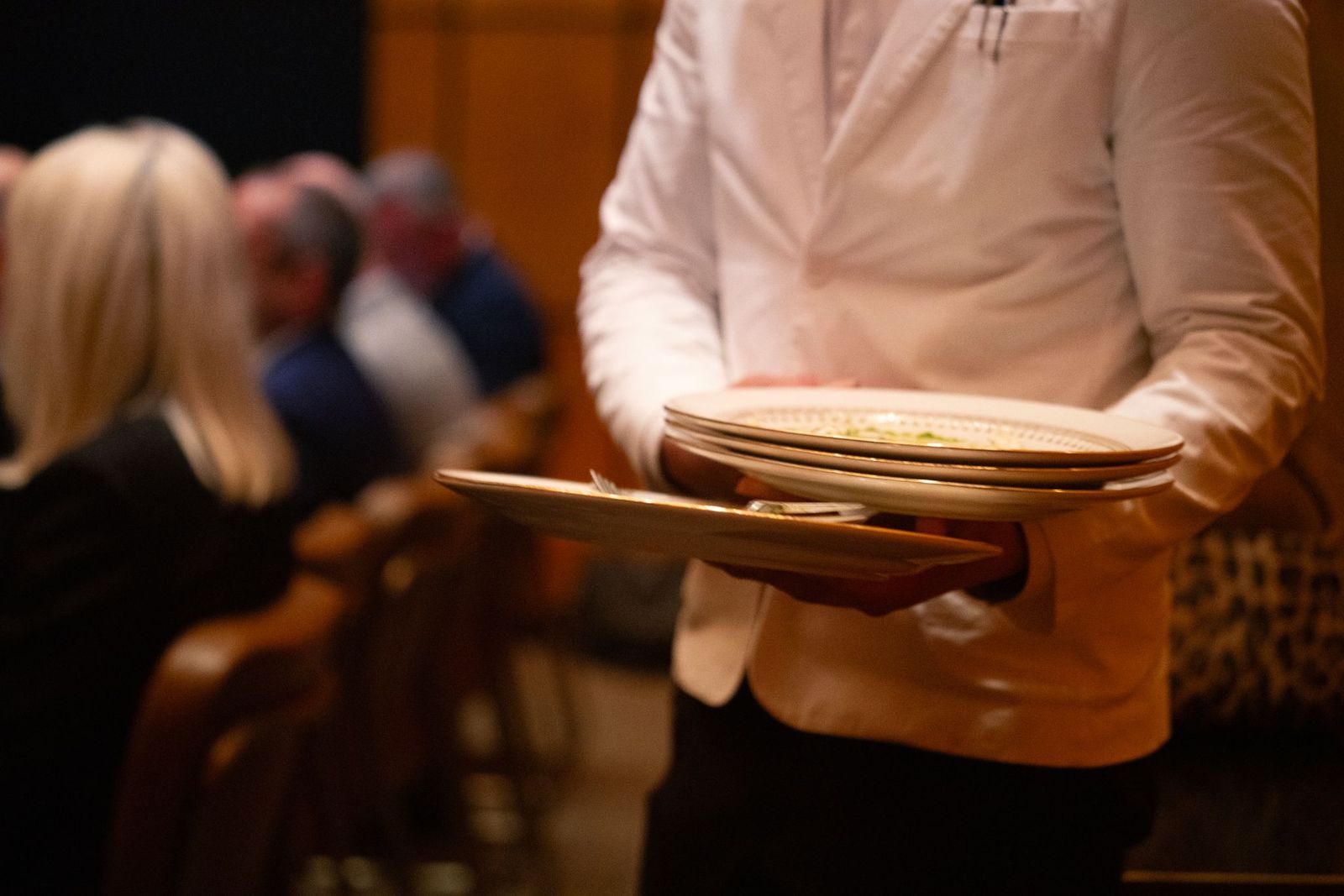
The term "86" sounds like a secret agent’s moniker or a code used to set a major event in motion. But when someone shouts "86" to alert the servers behind the bar, the image changes drastically. Nothing worthy of a James Bond movie will happen after the code is spoken; it simply means someone won’t get the dish they ordered. In restaurant speak, "86" means something can no longer be sold because the restaurant has run out of it.
"Fire"
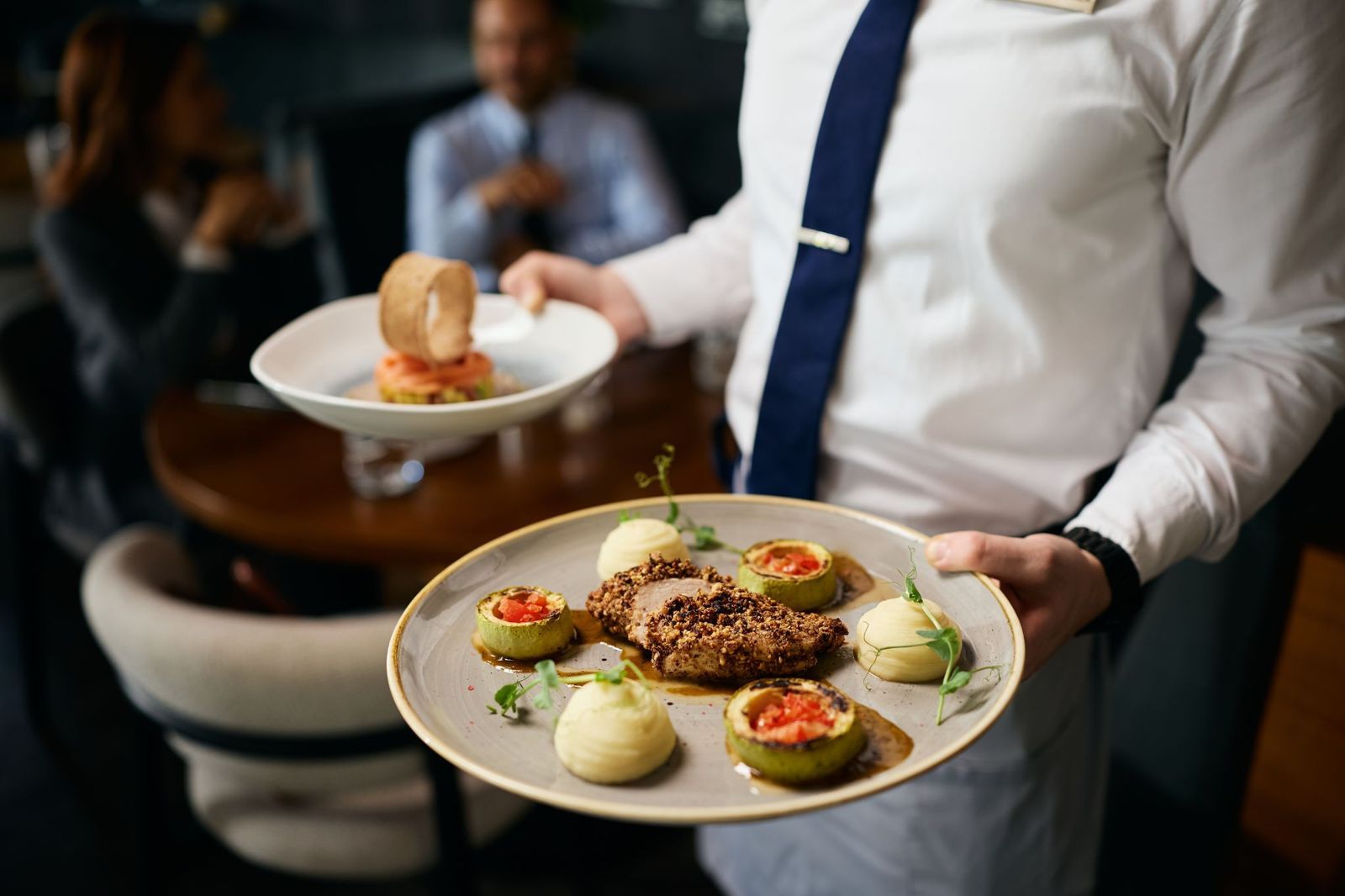
You know when you order an appetizer, a main course, and coffee all at once, but each one arrives at a different point in the meal? That happens because the server may send the entire order to the kitchen at once, but the cooks don’t start preparing each course until they are told to "fire" it. This way, the food stays fresh, and the cooks can follow an order that matches each table's pace.
"Kill it"
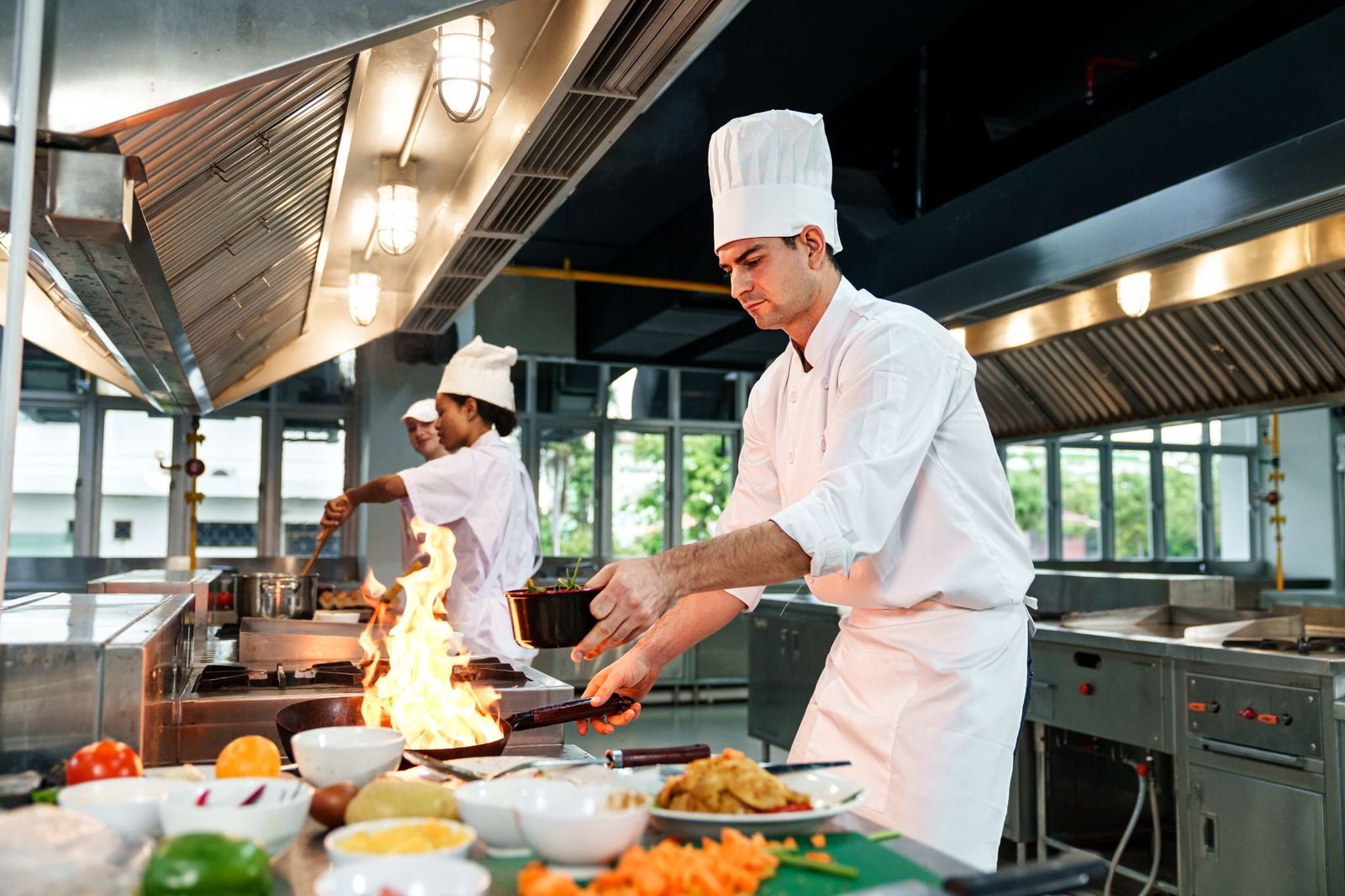
The kitchen is told to "kill" a meal when the customer wants it more cooked. In most cases, it refers to an extra well-done steak, but it’s also used for chicken, fish, vegetables, or anything the customer wants to dry.
"Campers"

You finished dessert about 30 minutes ago, but you’re still chatting with a coworker, friend, or family member. Servers keep stopping by to ask if you would like anything else, but you keep saying you’re fine. You don’t ask for the check, either.
In these situations, staff may start thinking of customers as "campers" because they are practically camping at the table. Of course, it depends on the restaurant’s atmosphere and style, but servers still have to look after the table even when no one is ordering anything.
"Dead food"
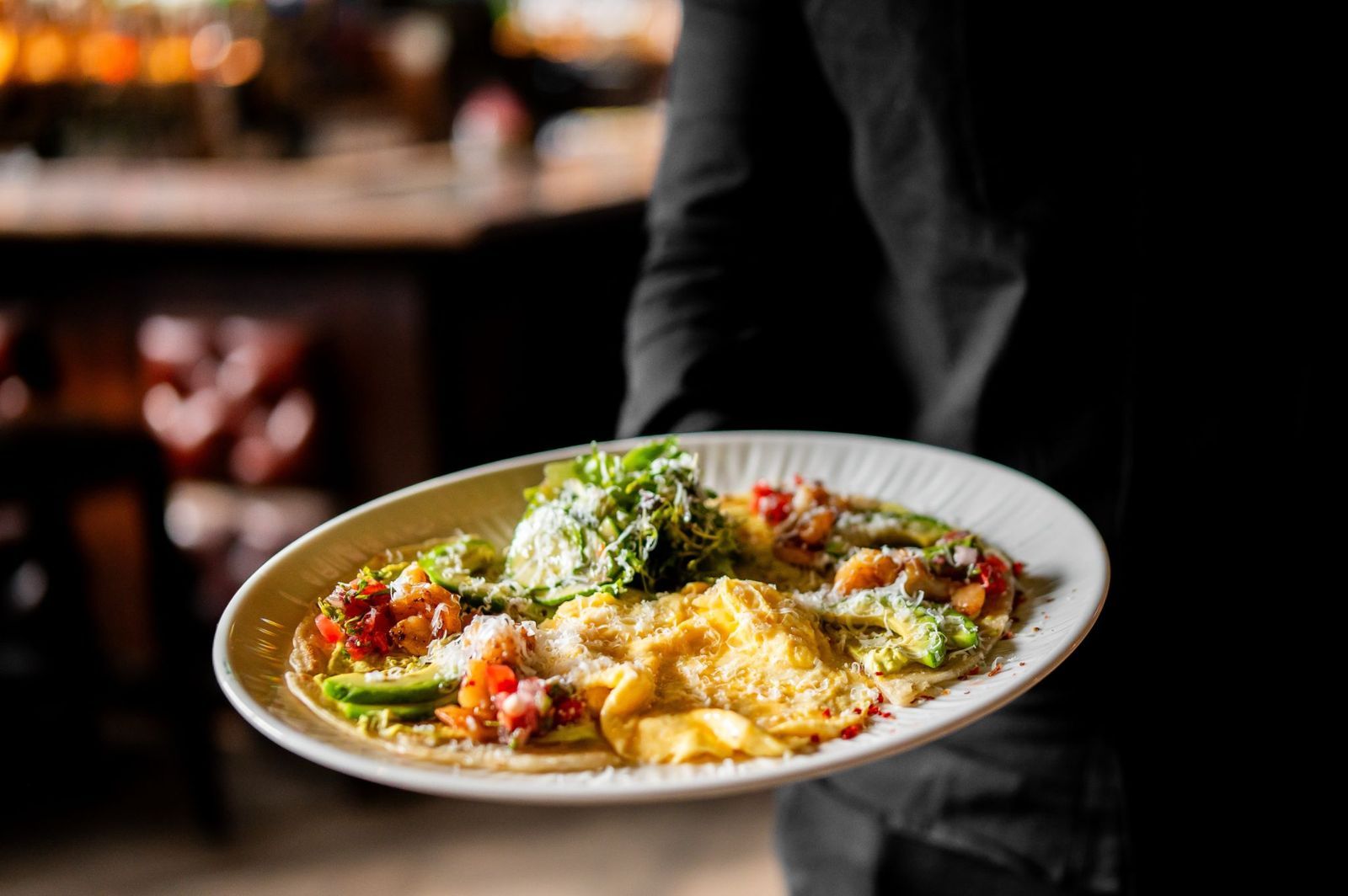
In kitchen slang, "dead food" or "dead plate" is the one that comes back to the kitchen because it was made with the wrong ingredients, cooked by mistake, or abandoned because the order changed. Since no customer will claim it and it can’t be sold either, it automatically becomes the staff’s favorite dish.
"Comp"
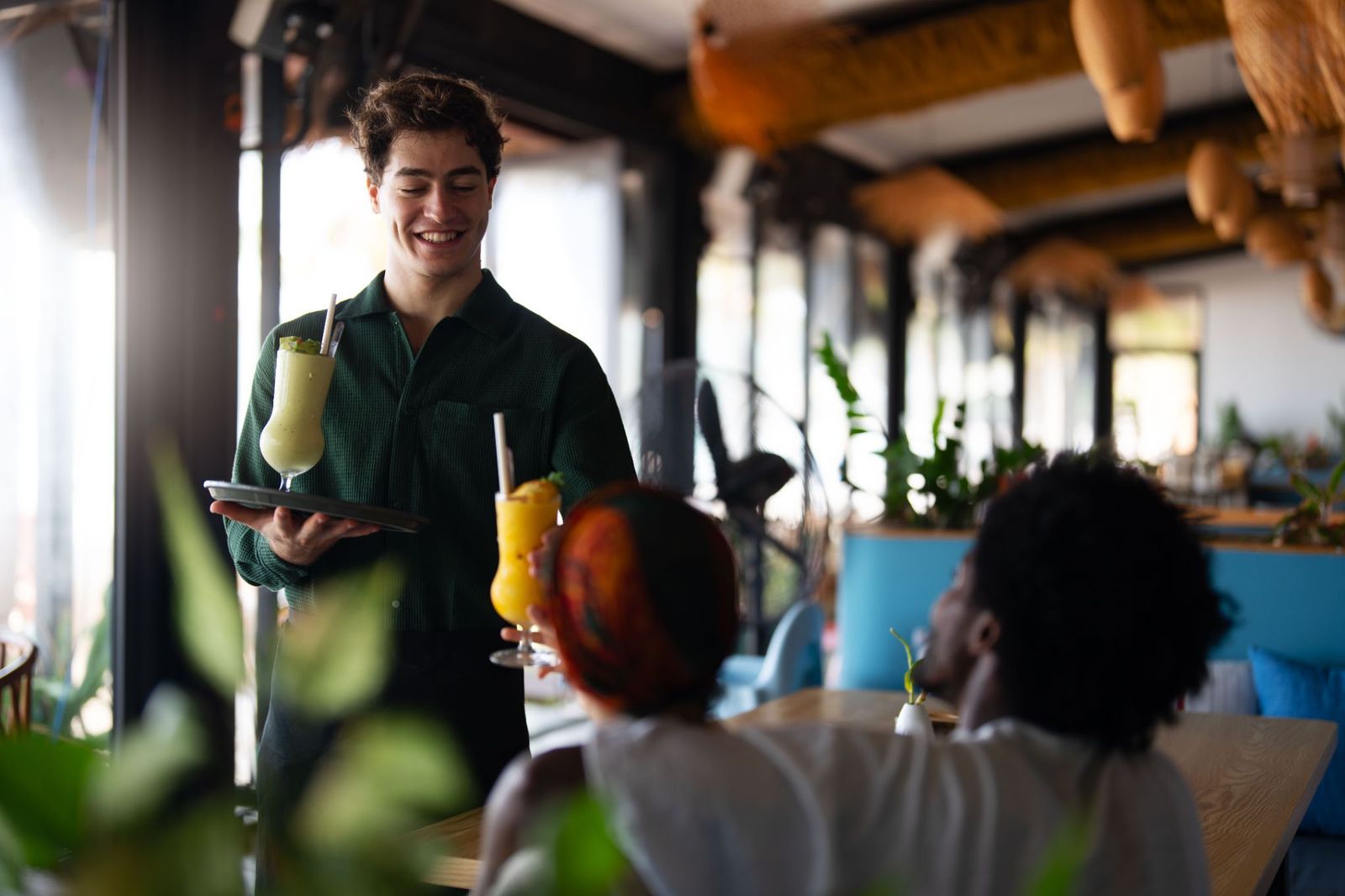
"Comp" refers to a complimentary meal or drink provided to a customer at no charge. It’s a common practice, and usually a strategic decision made to resolve a complaint, reward a loyal customer, or promote a menu item. The goal is to make sure the customer leaves with a positive overall experience and, in the best cases, forgets the trouble they had.
"In the weeds"
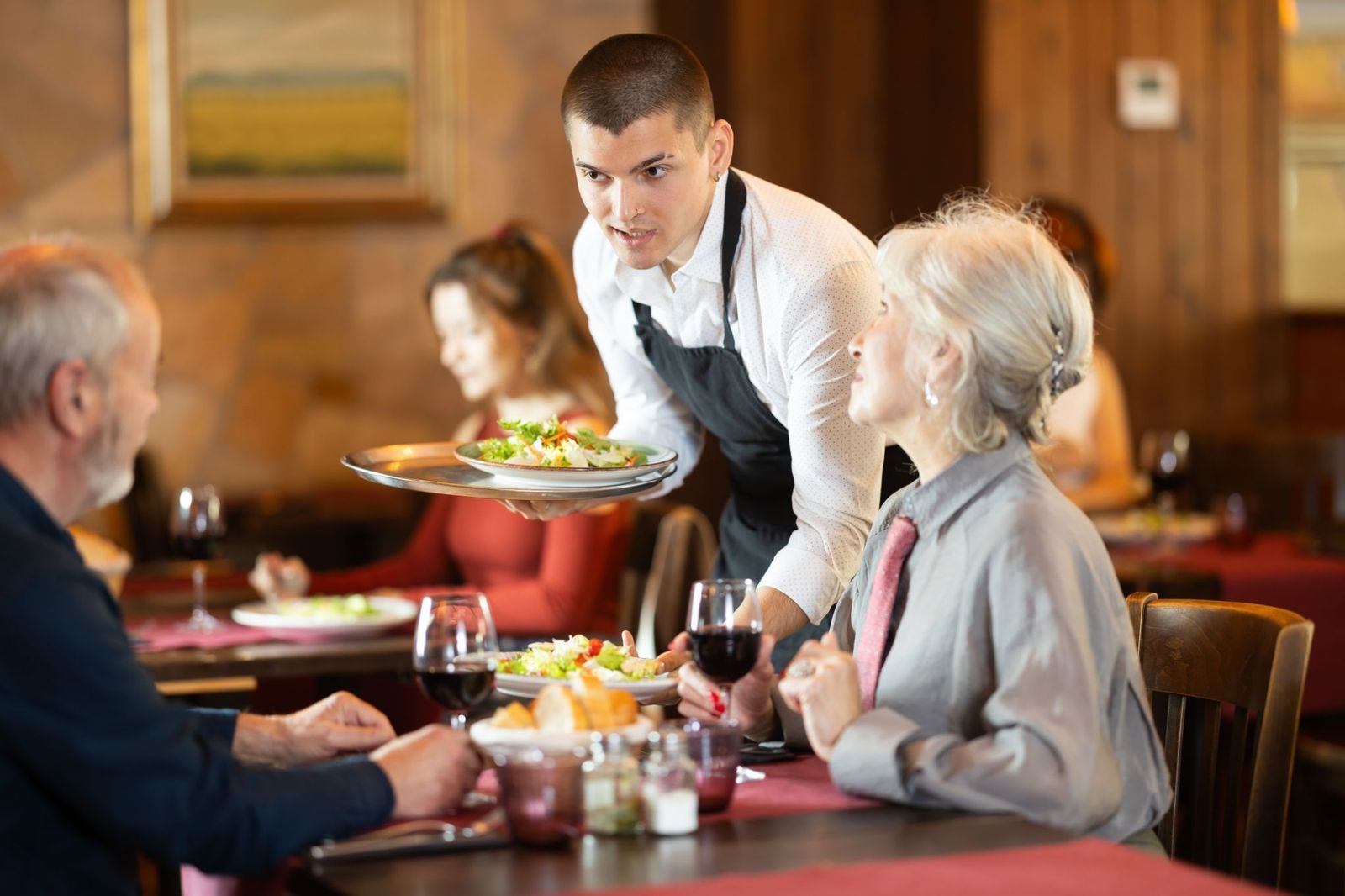
Being "in the weeds" means a restaurant worker is buried in tasks and too far behind to catch up. Employees use this phrase to communicate that they are completely overwhelmed.
This usually happens to a server or cook when the restaurant is short-staffed, there is a sudden rush of customers, or there are too many complicated orders or special requests.
"On the fly"
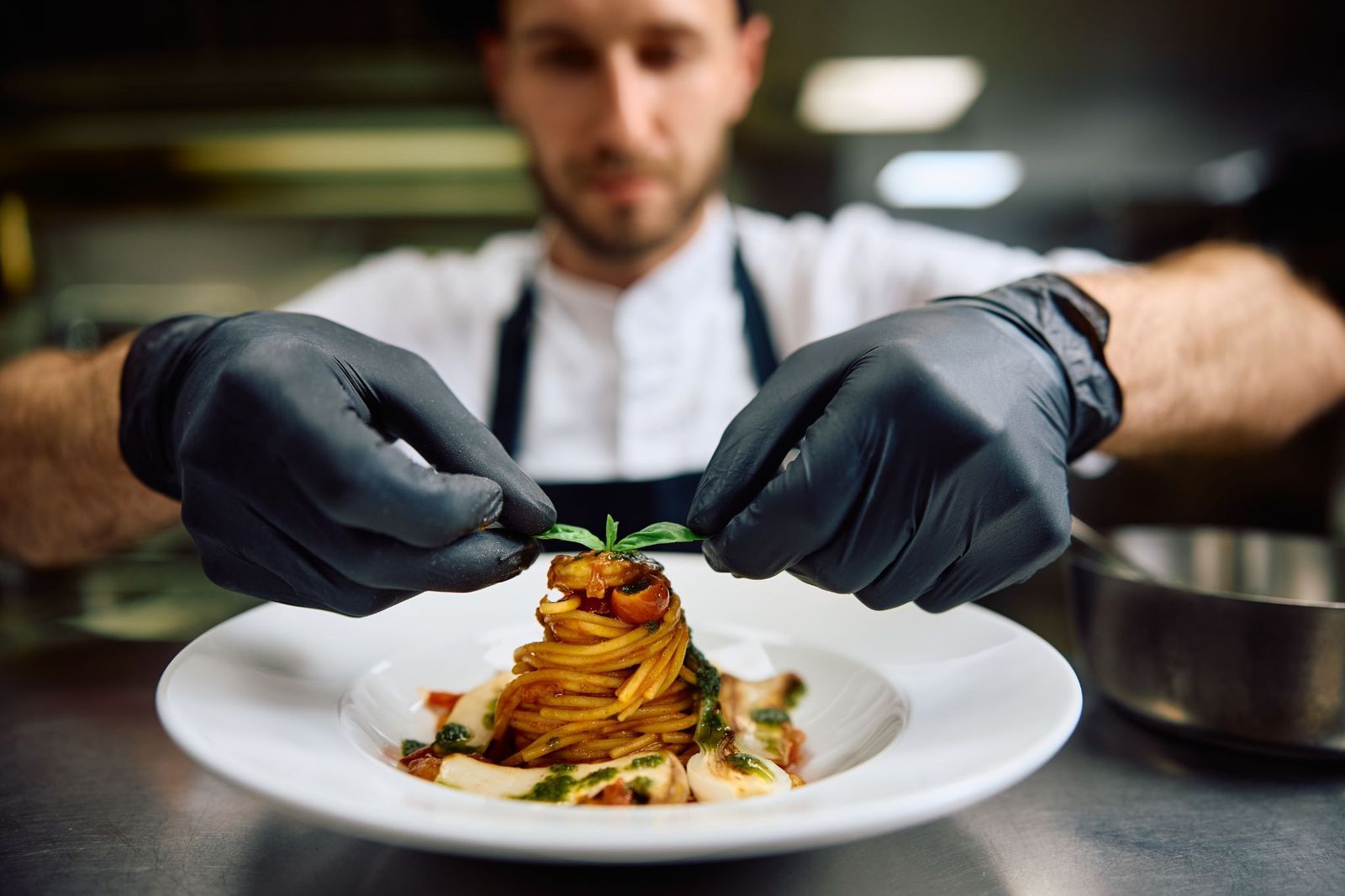
Picture what happens when a server forgets one order at a table. When he realizes his mistake, the meal has to be prepared twice as fast while meeting the same quality standards.
The term "on the fly" comes into play here. It usually disrupts the kitchen's order and is used when an order has been forgotten or needs last-minute changes.
"All day"
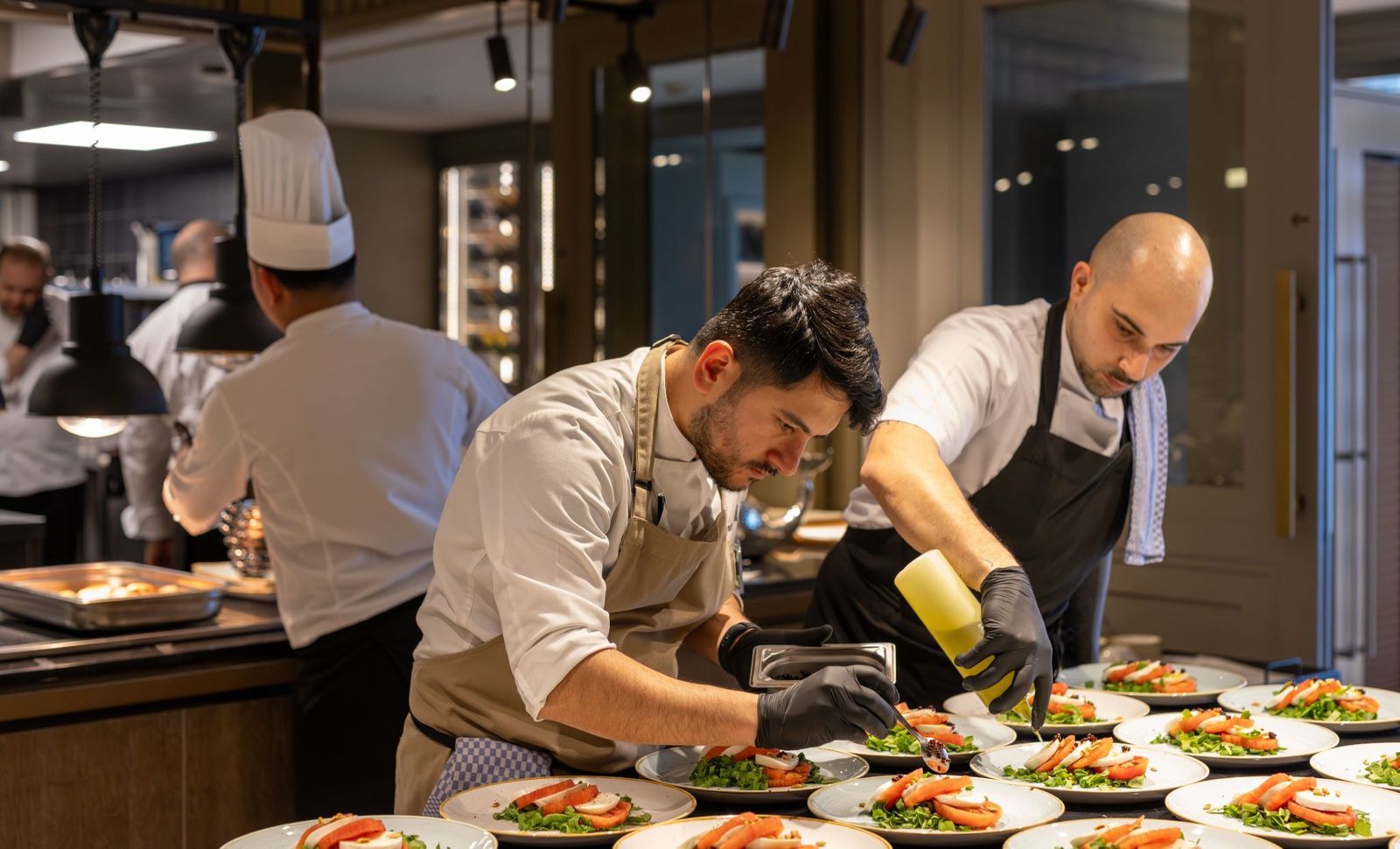
"All day" refers to the total number of a particular dish that needs to be prepared across all current orders. For example, if one table orders two burgers and another orders three, the chef may call out, "Five burgers all day." This gives the cooks a quick total without making them check every ticket. Once the dishes are prepared and sent out, they are removed from the count.
"Behind!"
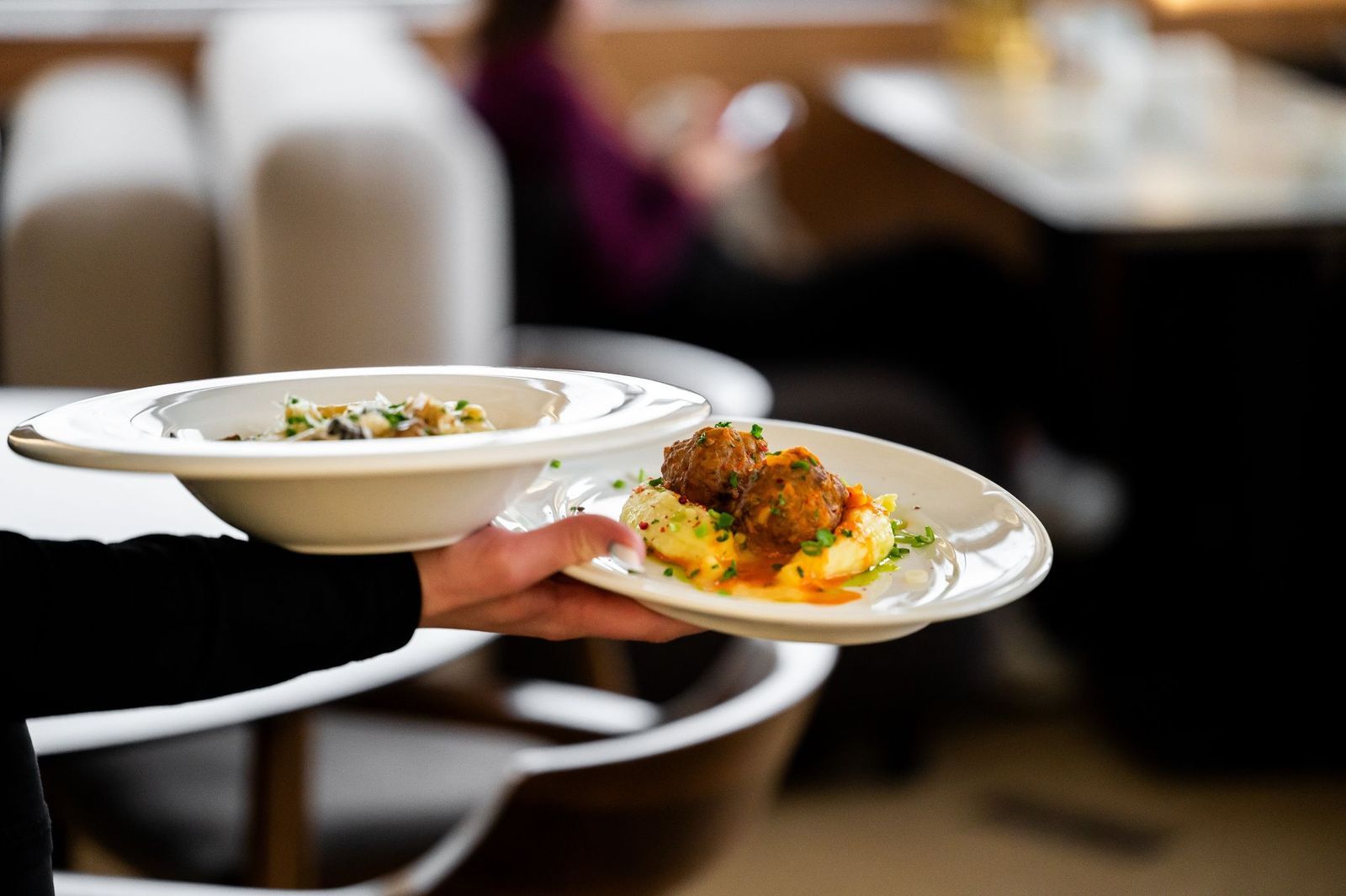
This word has probably saved more lives than expected. It is a safety word used between co-workers; when someone calls "behind", it is letting the other know he’s standing or walking directly behind him. They usually yell it when they’re carrying hot pans or sharp knives, so nobody turns around or backs up too fast.