Well, actually…

"Houston, we have a problem" was invented by a Hollywood screenwriter


Published on October 29, 2025

Image: Randy Laybourne

Popular quotes are a good way to condense the ideas of a famous figure or to quickly make a reference to our favorite film or book. But we might not realize that many phrases embedded in society’s collective memory are actually misquotes or wrongly attributed to someone else. These are 12 examples of popular misquotes.

1

Let them eat cake

Image: Armand Khoury

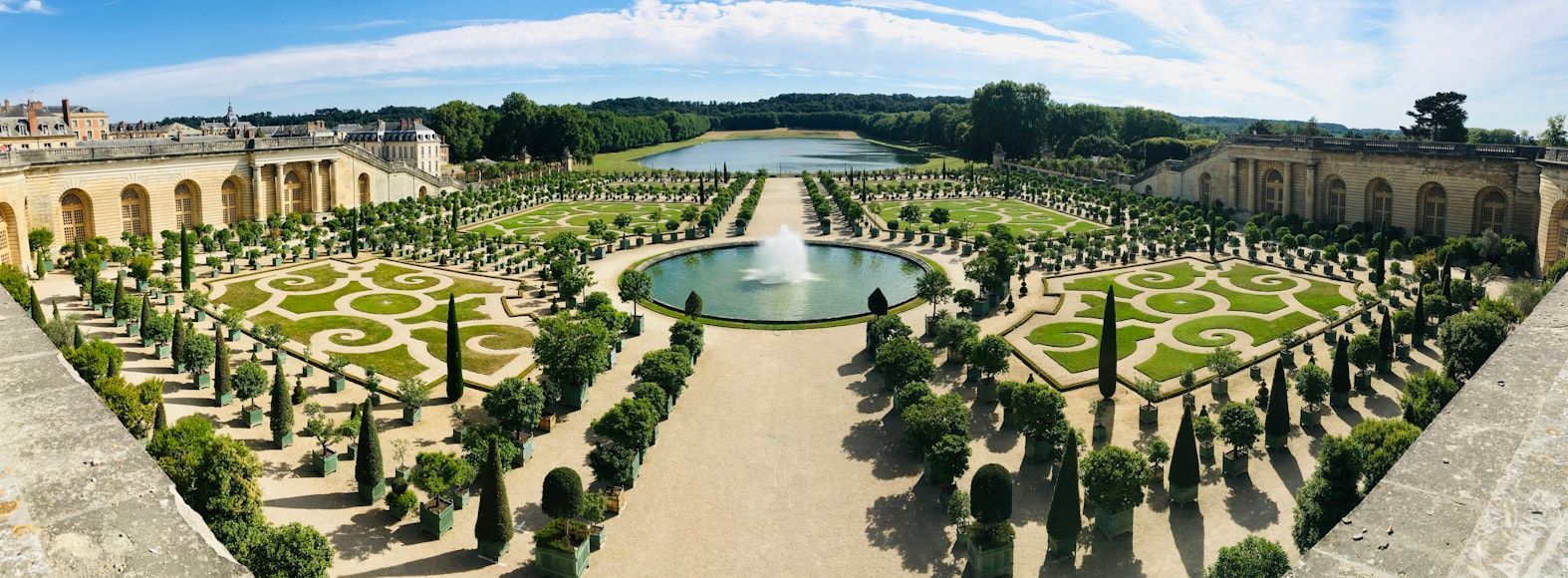
If you were to ask who said this phrase, most people would answer Marie Antoinette. However, that would be incorrect. The original phrase—_"Qu'ils mangent de la brioche,"_ or _"Let them eat brioche"_—was attributed by Jean-Jacques Rousseau in his Confessions to an unnamed princess. How do we know it wasn’t Marie Antoinette? She was only nine years old at the time and still living in Austria.

2

Luke, I am your father

Image: Piotr Makowski

Darth Vader’s most quoted line never existed in that form. In The Empire Strikes Back, Luke accuses Darth Vader of murdering his father, based on what Obi-Wan Kenobi told him. Darth Vader’s actual response—_"No, I am your father"_—has since lived on as a misquote in the collective memory.

3

Et tu, Brute?

Image: tommao wang

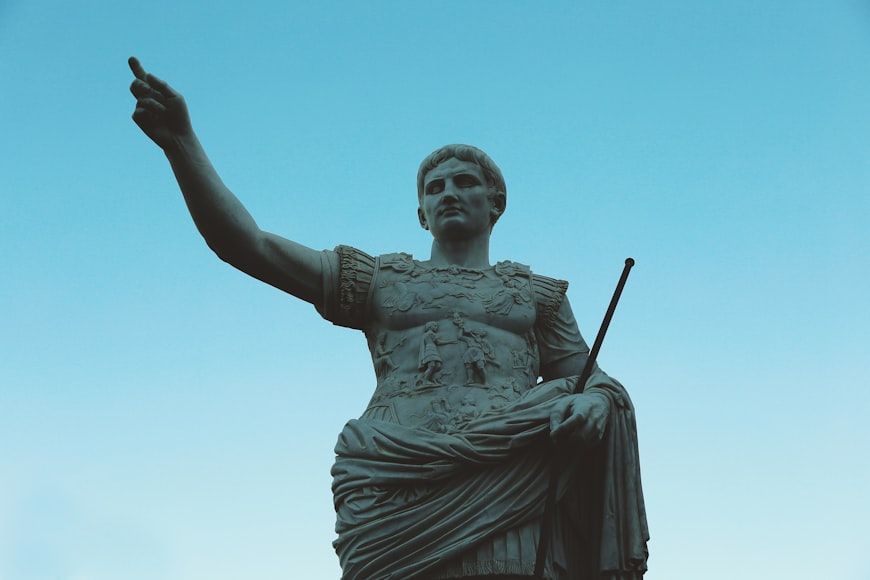
Historians disagree about the last words spoken by Julius Caesar. Some say he remained silent after an initial cry of surprise, while others report that he spoke in Greek to his friend Brutus, saying Καὶ σύ, τέκνον ("You too, child"). The famous _"Et tu, Brute?"_—which can be translated as "And you?" or "You too, Brutus?"—first appeared in Caesar Interfectus by Richard Edes, but was later popularized by William Shakespeare’s Julius Caesar.

4

The ends justify the means

Image: Marius Teodorescu

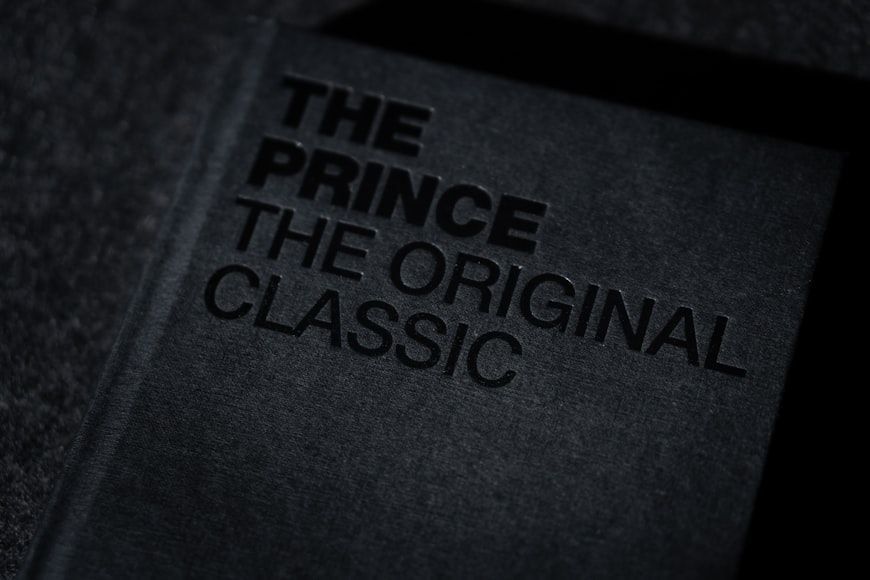
While this phrase is often associated with Niccolò Machiavelli’s ideology, he never actually said it. In his works, Machiavelli argued that rulers might sometimes need to resort to questionable means to ensure the greater good. He emphasized that one can never fully know a person’s intentions, so it is better to judge them by the results of their actions.

5

And yet it moves!

Image: Matthew Ansley

According to legend, while on trial for teaching heliocentrism—at the time not scientifically proven and considered contrary to biblical teaching—Galileo Galilei famously declared "E pur si muove!" ("And yet it moves!"), meaning that the universe does not bend to belief. Although the phrase is attributed to Galileo, it was first recorded at least a century after his death, with no evidence of it being veridical.

6

Play it again, Sam

Image: Hans-Jürgen Weinhardt

Casablanca is one of the undisputed classics of cinematic history, and it has frequently been quoted and used as inspiration. However, one of its most famous phrases—"Play it again, Sam"—is actually a misquote. Ingrid Bergman’s character says both "Play it once, Sam, for old times’ sake" and "Play it, Sam. Play ‘As Time Goes By’" but the misquote became popular after Woody Allen’s play, later adapted into the film Play It Again, Sam.

7

Be the change you wish to see in the world

Image: Ishant Mishra

This lovely quote, often attributed to Mahatma Gandhi, is another example of a phrase mistakenly linked to a famous figure. Gandhi expressed a similar sentiment in his writings—the idea that change must begin with oneself—but the exact wording is not his. The phrase is more accurately attributed to Arleen Lorrance, a 1970s educator.

8

I disapprove of what you say, but I will defend to the death your right to say it.

Image: Chris Lawton

In the early 20th century, Evelyn Beatrice Hall published The Friends of Voltaire, a biography of the French philosopher. In it, as a way to illustrate Voltaire’s beliefs on freedom of speech, she penned the phrase: "I disapprove of what you say, but I will defend to the death your right to say it." The maxim was such a good synopsis of Voltairian ideals that most people came to believe it was a direct quote from him.

9

Houston, we have a problem.

Image: NASA

On April 13, 1970, the Apollo 13 spacecraft had to abort its mission due to the explosion of an oxygen tank. Astronaut Jack Swigert first reported the issue with the words: "Okay, Houston, we’ve had a problem here." Jim Lovell later repeated, "Houston, we’ve had a problem." How did the misquote become so popular? In the 1995 film Apollo 13, the screenwriter thought the past tense was not dramatic enough, and he changed it to "we have a problem."

10

Elementary, my dear Watson

Image: JUNHYUNG PARK

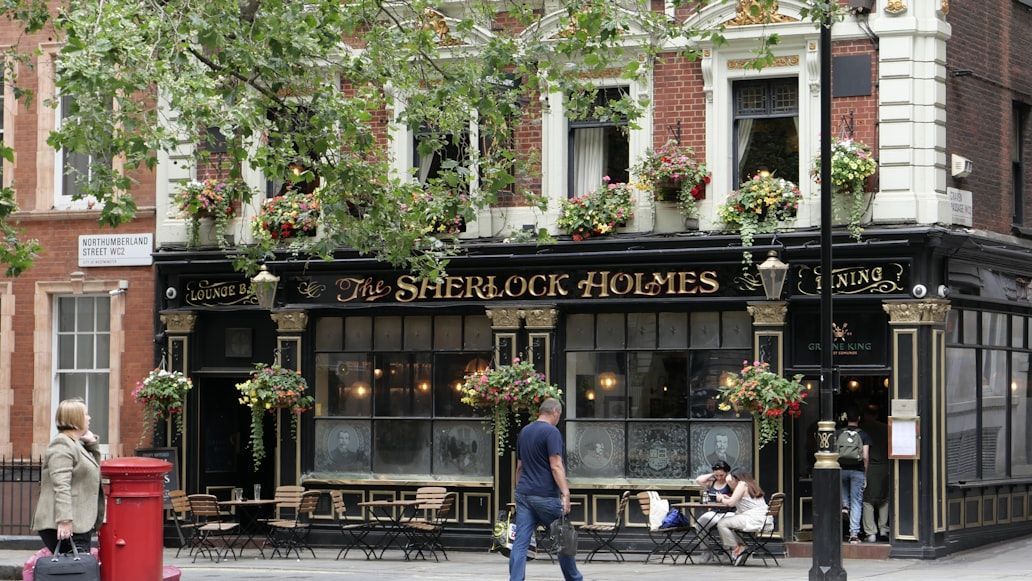
One could argue that this phrase is one of the quintessential Sherlock Holmes sayings. But did you know it wasn’t written by Arthur Conan Doyle? Sherlock Holmes does call his companion "my dear Watson," and he uses the word "elementary" when describing his deductions, but the full phrase —"Elementary, my dear Watson"— first appeared in a 1899 stage play and was later popularized by Basil Rathbone’s film adaptations.

11

Beam me up, Scotty

Image: Stefan Cosma

Real Trekkies know that this phrase, though popular, was never actually spoken by Captain Kirk in the original Star Trek series. He did say similar lines, such as "Mr. Scott, beam us up," and other variants. The misquote became so popular that it entered popular culture as a saying of its own.

12

Money is the root of all evil

Image: Rod Long

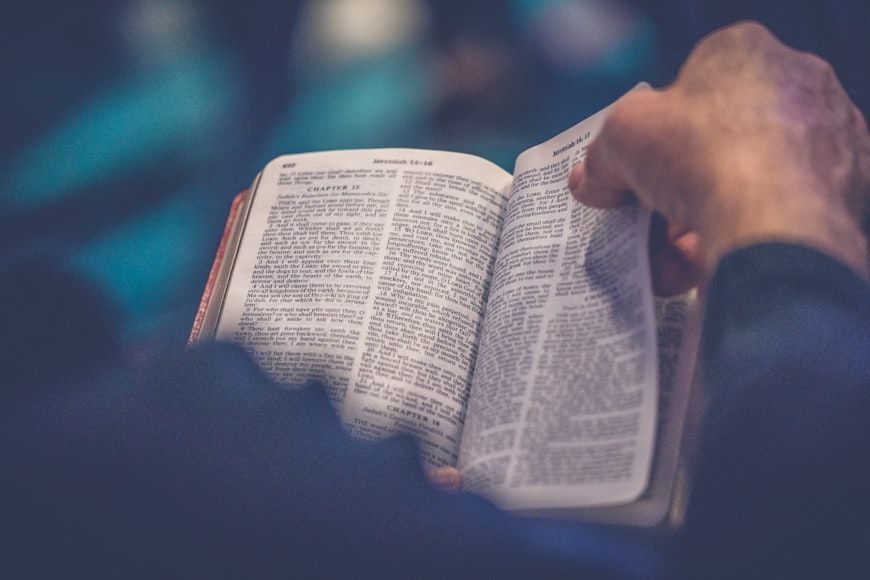
Some could argue that the Bible is the most misquoted book of all time. This particular phrase, often cited from Paul’s first letter to Timothy, is used to criticize money, but most people don’t realize that it is only a partial quote. The full passage—"For the love of money is the root of all evil"—warns against the dangers of loving money excessively.


LITERARY ESSENTIALS

10 American Writers That Belong on Every Bookshelf


Published on October 29, 2025


Image: Jas Min

America is the cradle of some of the most captivating literary voices in history. With twelve Nobel Prize laureates in literature, there is certainly a long tradition of candid voices, unafraid to explore the deepest aspects of the human condition.

Whether you're a seasoned bookworm or just starting your literary journey, here are 10 American authors you simply can't miss.

1

Mark Twain

Image: Wikimedia Commons

Mark Twain, the pen name of Samuel Clemens, is considered by many to be the true father of American literature. Born in Missouri, he translated his life experiences into a rich body of work full of stories from the American South, tackling themes of racism and freedom with unparalleled wit and insight. Twain's honest humor and keen observations make his works timeless and universal.

If you don’t know where to start, his classic novel "The Adventures of Huckleberry Finn," is an indispensable entry point into his literary world.

2

Emily Dickinson

Image: Álvaro Serrano

One of the most important figures in American poetry, Emily Dickinson’s innovative writing style and lyrical depth inspired countless generations of writers and readers. Despite living an eccentric and reclusive life - at times even reluctant to leave her own bedroom - Dickinson's work explores the universal themes of nature, death, and the human soul with exceptional brilliance.

3

F. Scott Fitzgerald

Image: Kier in Sight Archives

Today, F. Scott Fitzgerald is best known for capturing the essence of the Jazz Age in his masterpiece, "The Great Gatsby", but he was a prolific and successful writer in his time. Despite being an outsider for most of his life, he was an insightful observer of society, and many of his novels and short stories explore the most pressing issues of the Roaring Twenties, and the realities behind the American Dream.

4

Harper Lee

Image: Danica Tanjutco

Born in Monroeville, Alabama, Harper Lee was a sharp writer who focused on the complexities of human nature and the pursuit of justice. Her most famous novel, "To Kill a Mockingbird" is considered a seminal work in American literature. Inspired by her observations of family and neighbors during her childhood, Lee tackled themes of racial injustice and moral growth in the Deep South. She received numerous accolades for her literary work, including a Presidential Medal of Freedom in 2007.

5

Ernest Hemingway

Image: Annie Lang

Ernest Hemingway's concise yet powerful writing style revolutionized modern literature. From the battlefields of World War I in "A Farewell to Arms" to the bullfights of Spain in "The Sun Also Rises," Hemingway's novels are informed by his own tumultuous life experience as well as imbued with themes of masculinity, love, and existentialism. From his short stories to his complex novels, Hemingway’s spare prose continues to be relevant today.

6

Sylvia Plath

Image: Megalit, CC BY-SA 4.0

Sylvia Plath's confessional poetry delves into the depths of the human psyche with raw intensity and honesty. Her only novel, the semi-autobiographical "The Bell Jar" explores issues of mental health, existential despair, and women’s roles in society from the perspective of a young undergraduate student arriving in New York City in the 50s. A life marked by tragedy, Plath was awarded a Pulitzer Prize posthumously in 1982 for her collected poetry, and her poignant prose continues to captivate readers to this day.

7

Walt Whitman

Image: freestocks

The quintessential American poet, Walt Whitman’s titanic poetic oeuvre, mostly collected in "Leaves of Grass," celebrates from every angle the diversity and vitality of America. Through free verse and beautifully crafted imagery, Whitman captures in his verses the spirit of democracy and freedom. His influence on American poetry is immeasurable, inspiring generations of poets and laying the groundwork for a national narrative.

8

Louisa May Alcott

Image: micheile henderson

Best known for the timeless classic "Little Women," Alcott's portrayal of strong, independent female characters challenged the societal norms of her time and continues to inspire readers of all ages. Her vivid storytelling and universal themes of love, sacrifice, and personal growth make her an essential read for anyone seeking heartwarming tales of courage and camaraderie amidst the hardships of life.

9

John Steinbeck

Image: The New York Public Library

Focusing on the struggles of the American working class during the Great Depression, Steinbeck’s work explores themes of poverty, injustice, and the pursuit of the American Dream. His most famous novels, "The Grapes of Wrath" and "Of Mice and Men," offer windows into the lives of those who built America with their blood, sweat and tears.

10

Toni Morrison

Image: Angela Radulescu, CC BY-SA 2.0

Pulitzer Prize winner and Nobel laureate Toni Morrison is recognized as a trailblazer in her generation, unafraid to delve into the complexities of the lives of African Americans in the United States with powerfully honest prose. "Beloved," one of her most popular novels, is a haunting tale of slavery's legacy during the Reconstruction era. Her exploration of the questions of identity and the human condition resonates deeply with readers worldwide.

Looking for an extra scoop of literary fun?

Learn more with our Word of the day

loot

/lut/