Well, actually…

12 famous phrases that were never said as we know them


Published on October 29, 2025

Image: Randy Laybourne

Popular quotes are a good way to condense the ideas of a famous figure or to quickly make a reference to our favorite film or book. But we might not realize that many phrases embedded in society’s collective memory are actually misquotes or wrongly attributed to someone else. These are 12 examples of popular misquotes.

1

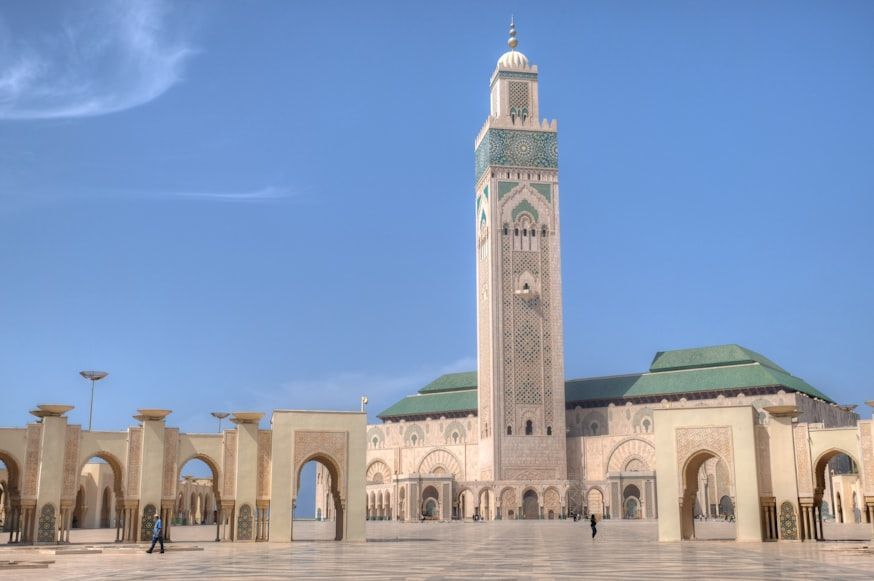
Let them eat cake

Image: Armand Khoury

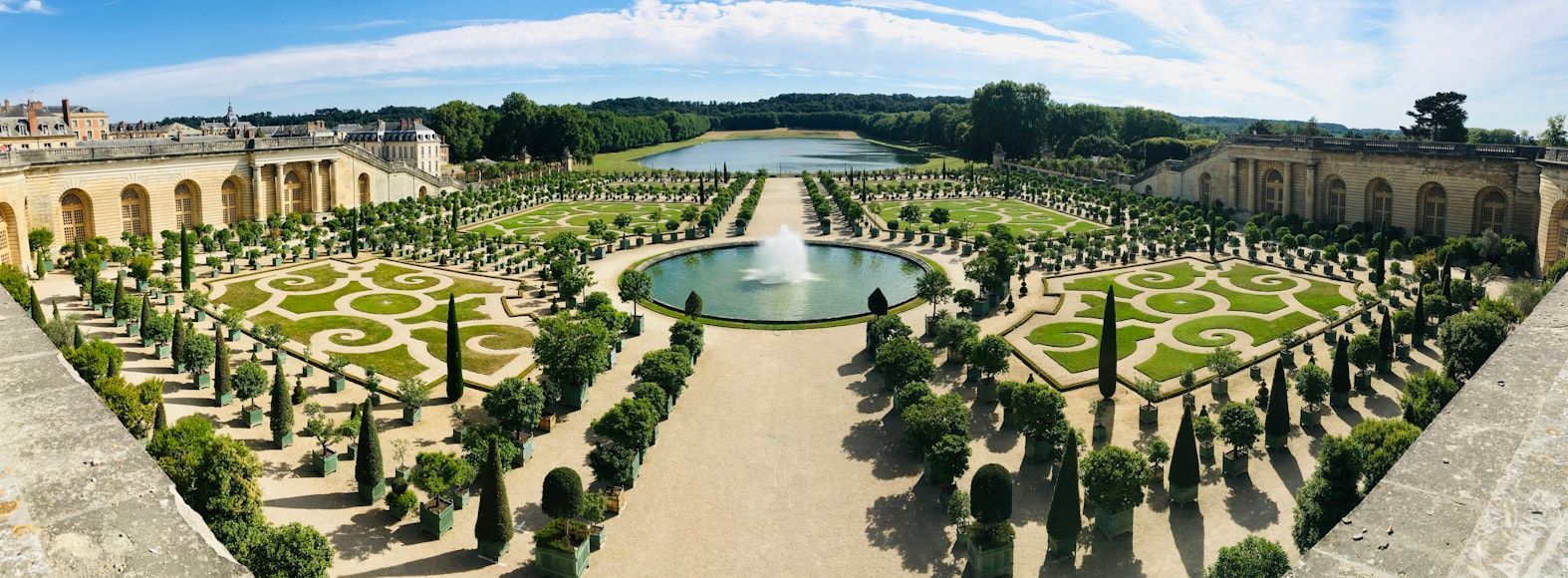
If you were to ask who said this phrase, most people would answer Marie Antoinette. However, that would be incorrect. The original phrase—_"Qu'ils mangent de la brioche,"_ or _"Let them eat brioche"_—was attributed by Jean-Jacques Rousseau in his Confessions to an unnamed princess. How do we know it wasn’t Marie Antoinette? She was only nine years old at the time and still living in Austria.

2

Luke, I am your father

Image: Piotr Makowski

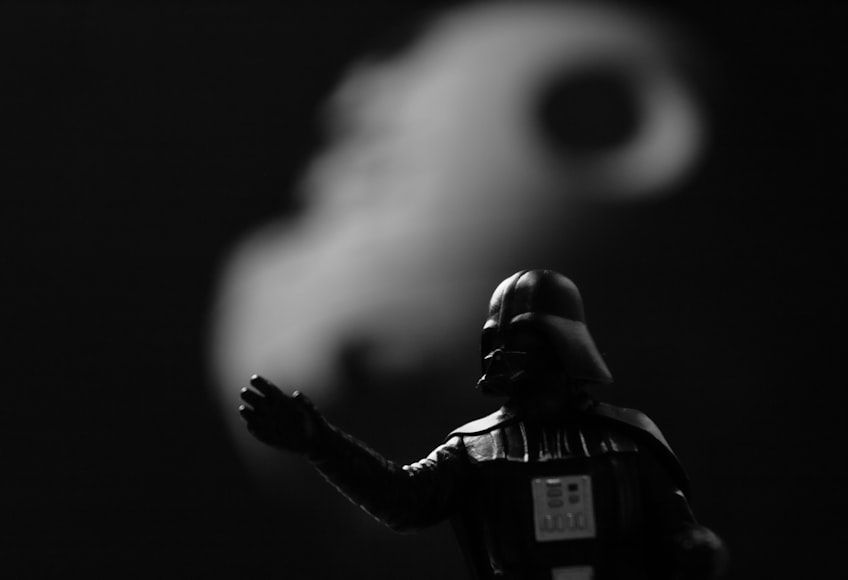
Darth Vader’s most quoted line never existed in that form. In The Empire Strikes Back, Luke accuses Darth Vader of murdering his father, based on what Obi-Wan Kenobi told him. Darth Vader’s actual response—_"No, I am your father"_—has since lived on as a misquote in the collective memory.

3

Et tu, Brute?

Image: tommao wang

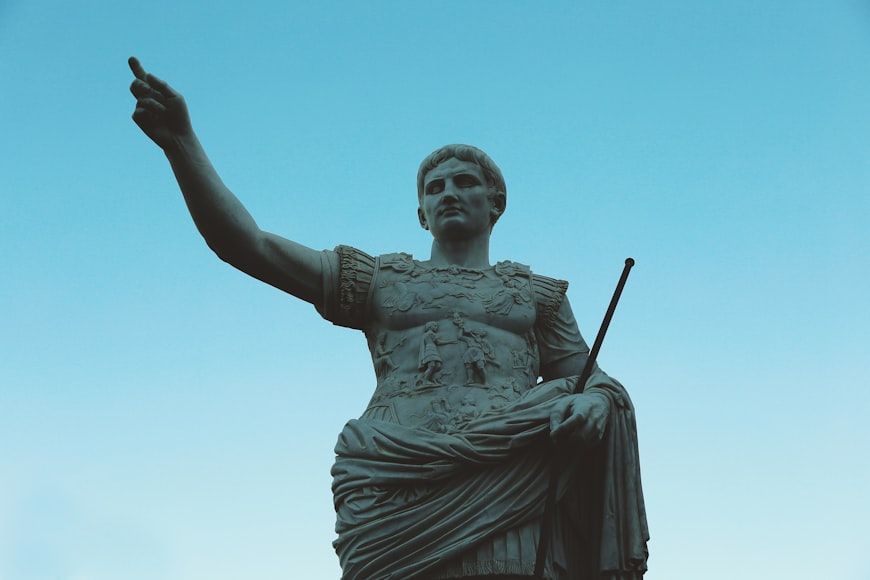
Historians disagree about the last words spoken by Julius Caesar. Some say he remained silent after an initial cry of surprise, while others report that he spoke in Greek to his friend Brutus, saying Καὶ σύ, τέκνον ("You too, child"). The famous _"Et tu, Brute?"_—which can be translated as "And you?" or "You too, Brutus?"—first appeared in Caesar Interfectus by Richard Edes, but was later popularized by William Shakespeare’s Julius Caesar.

4

The ends justify the means

Image: Marius Teodorescu

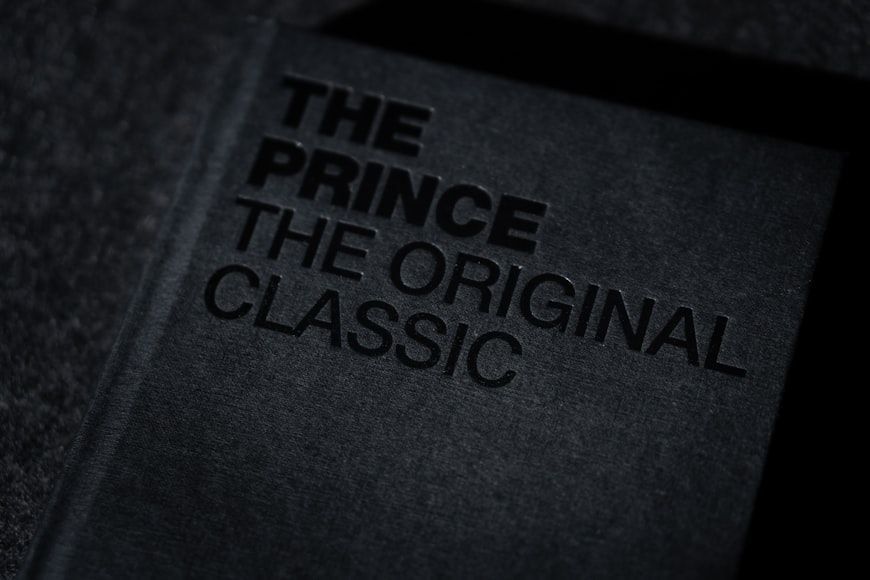
While this phrase is often associated with Niccolò Machiavelli’s ideology, he never actually said it. In his works, Machiavelli argued that rulers might sometimes need to resort to questionable means to ensure the greater good. He emphasized that one can never fully know a person’s intentions, so it is better to judge them by the results of their actions.

5

And yet it moves!

Image: Matthew Ansley

According to legend, while on trial for teaching heliocentrism—at the time not scientifically proven and considered contrary to biblical teaching—Galileo Galilei famously declared "E pur si muove!" ("And yet it moves!"), meaning that the universe does not bend to belief. Although the phrase is attributed to Galileo, it was first recorded at least a century after his death, with no evidence of it being veridical.

6

Play it again, Sam

Image: Hans-Jürgen Weinhardt

Casablanca is one of the undisputed classics of cinematic history, and it has frequently been quoted and used as inspiration. However, one of its most famous phrases—"Play it again, Sam"—is actually a misquote. Ingrid Bergman’s character says both "Play it once, Sam, for old times’ sake" and "Play it, Sam. Play ‘As Time Goes By’" but the misquote became popular after Woody Allen’s play, later adapted into the film Play It Again, Sam.

7

Be the change you wish to see in the world
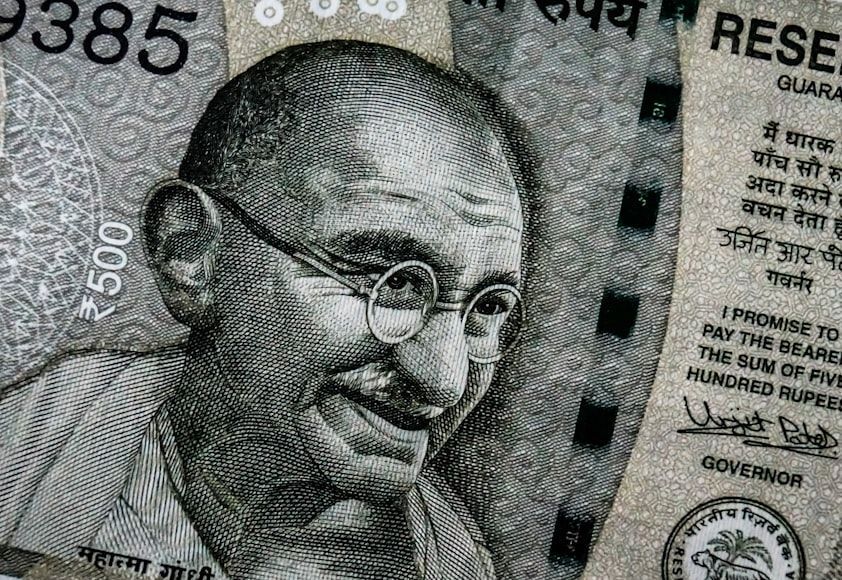
Image: Ishant Mishra

This lovely quote, often attributed to Mahatma Gandhi, is another example of a phrase mistakenly linked to a famous figure. Gandhi expressed a similar sentiment in his writings—the idea that change must begin with oneself—but the exact wording is not his. The phrase is more accurately attributed to Arleen Lorrance, a 1970s educator.

8

I disapprove of what you say, but I will defend to the death your right to say it.

Image: Chris Lawton

In the early 20th century, Evelyn Beatrice Hall published The Friends of Voltaire, a biography of the French philosopher. In it, as a way to illustrate Voltaire’s beliefs on freedom of speech, she penned the phrase: "I disapprove of what you say, but I will defend to the death your right to say it." The maxim was such a good synopsis of Voltairian ideals that most people came to believe it was a direct quote from him.

9

Houston, we have a problem.

Image: NASA

On April 13, 1970, the Apollo 13 spacecraft had to abort its mission due to the explosion of an oxygen tank. Astronaut Jack Swigert first reported the issue with the words: "Okay, Houston, we’ve had a problem here." Jim Lovell later repeated, "Houston, we’ve had a problem." How did the misquote become so popular? In the 1995 film Apollo 13, the screenwriter thought the past tense was not dramatic enough, and he changed it to "we have a problem."

10

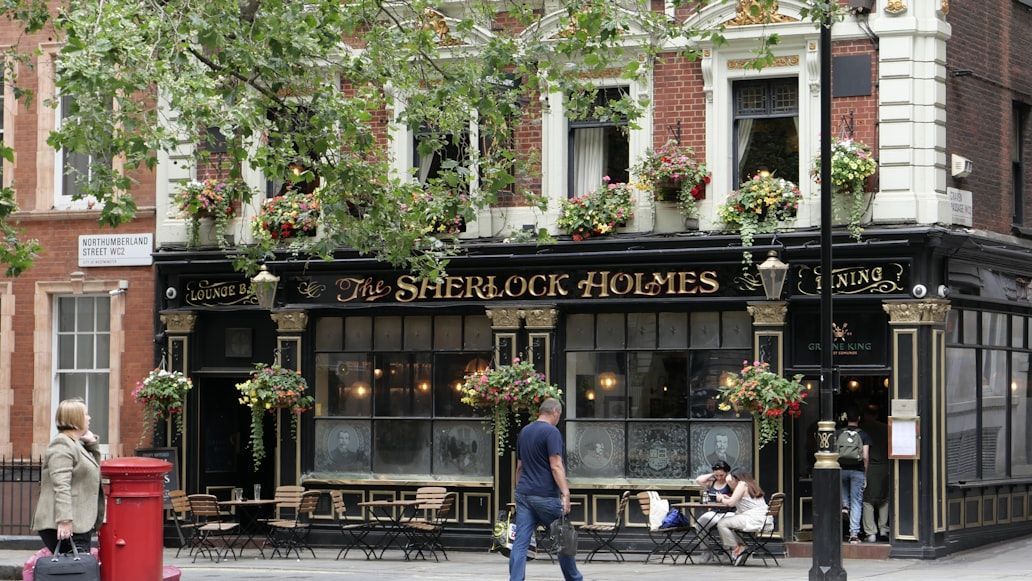
Elementary, my dear Watson

Image: JUNHYUNG PARK

One could argue that this phrase is one of the quintessential Sherlock Holmes sayings. But did you know it wasn’t written by Arthur Conan Doyle? Sherlock Holmes does call his companion "my dear Watson," and he uses the word "elementary" when describing his deductions, but the full phrase —"Elementary, my dear Watson"— first appeared in a 1899 stage play and was later popularized by Basil Rathbone’s film adaptations.

11

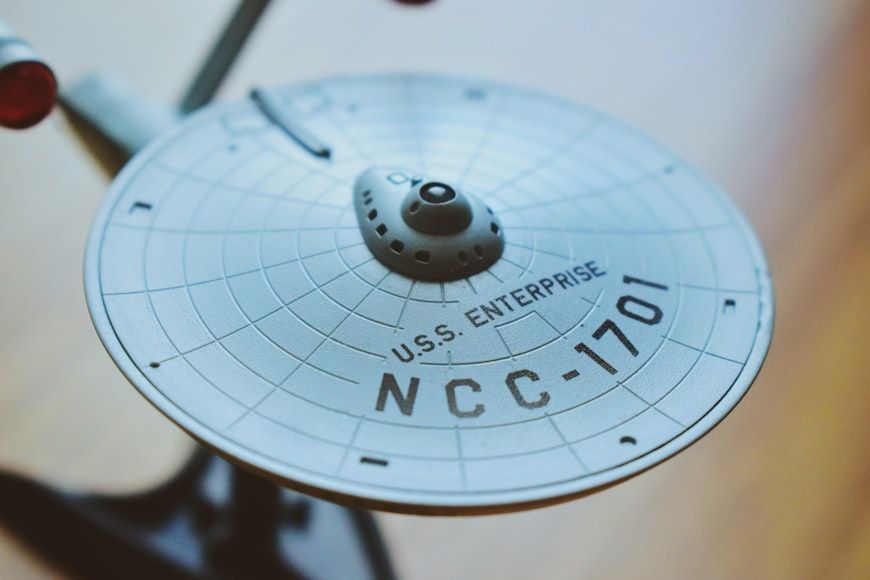
Beam me up, Scotty

Image: Stefan Cosma

Real Trekkies know that this phrase, though popular, was never actually spoken by Captain Kirk in the original Star Trek series. He did say similar lines, such as "Mr. Scott, beam us up," and other variants. The misquote became so popular that it entered popular culture as a saying of its own.

12

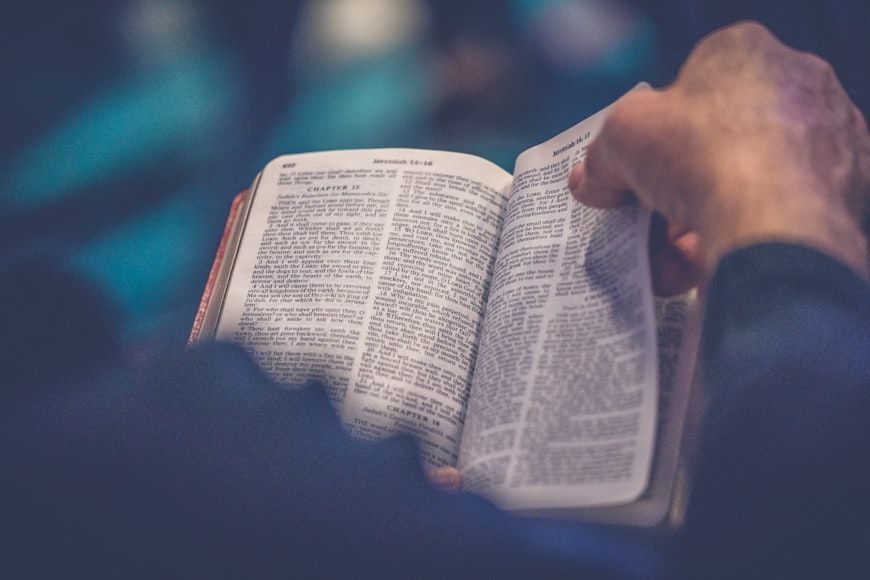
Money is the root of all evil

Image: Rod Long

Some could argue that the Bible is the most misquoted book of all time. This particular phrase, often cited from Paul’s first letter to Timothy, is used to criticize money, but most people don’t realize that it is only a partial quote. The full passage—"For the love of money is the root of all evil"—warns against the dangers of loving money excessively.


IMPRESS IN BRUTALIST FASHION

Go On An Urban Safari With These 12 Architectural Terms


Published on October 29, 2025


Image: Ricardo Gomez Angel

The realm of architecture is riddled with idioms that describe styles, technical features, concepts, and a million more things that make this ancient combination of art and science what it is.

Knowing a few of these terms can certainly be useful for impressing people in casual conversation but it can also prove valuable in understanding some of the key aspects of architecture. From gables to fenestrations, from Gothic to Brutalist architecture, the myriad of words in this discipline can confuse almost everyone. So, read on and learn about some of them.

1

Baluster

Image: Zibik

Derived from the Italian word balaustro, meaning "wild pomegranate flower", the baluster stands as a vertical pillar, typically slender and often intricately adorned, supporting railings along staircases, balconies, or terraces.

These architectural elements showcase both functionality and aesthetic finesse, adding a touch of elegance to structures. Serving as guardians of safety, balusters seamlessly blend form and function, illustrating the nuanced language that architects use to craft the spaces we inhabit.

2

Finial

Image: Michael Elliott

Coming from the Old French word finir, meaning "to finish", the finial is a crowning jewel, a decorative ornament that graces the summits of structures, be they spires, gables, or sometimes even furniture.

With origins deeply rooted in medieval architecture, finials evolved from functional elements to exquisite expressions of craftsmanship. These sculpted finales, akin to miniature sculptures, punctuate the skyline and rooflines, completing architectural narratives with flair.

3

Cornice

Image: Chuttersnap

The term "cornice" comes as a defining feature, gracing buildings with a touch of grandeur. Originating from the Italian word cornice, meaning ledge, this architectural flourish sits proudly at the meeting point of walls and roofs, marking the transition from structure to sky.

Serving both functional and aesthetic purposes, cornices act as protective overhangs, shielding edifices from the elements while bestowing a visual exclamation point to their design. From the ornate cornices adorning historic buildings to the sleek, modern iterations of contemporary architecture, these elevated ledges narrate the tales of different eras and styles.

4

Dormer

Image: Ries Bosch

A word derived from the Middle Frenchdormeor, meaning "sleeping room", dormers are akin to architectural eyelids, projecting windows vertically from a sloping roof. These structures not only invite natural light into attics and upper spaces but also introduce a captivating aesthetic rhythm to the roofline.

Dormers have adapted to various styles from Gothic to Colonial, each time giving spaces a sense of character and uniqueness.

5

Cantilever

Image: Ricardo Gomez Angel

The term "cantilever" expresses a sort of defiance of gravity, a structural marvel that challenges conventional supports. Derived from the medieval Latin word cantileverium, meaning a "bracket" or "beam", cantilevers extend boldly from a building's main structure, seemingly suspended in mid-air.

These architectural marvels appear in everything from daring modern residences to iconic skyscrapers. Cantilevers not only push the boundaries of design but also serve practical purposes, creating overhangs, balconies, or awe-inspiring architectural feats.

6

Canopy

Image: Sara Sadehloo

Rooted in the ancient Greek word konops, meaning a covering or mosquito net, canopies are architectural appendages that transcend mere utility. These overhead structures, be they stretched over entrances, walkways, or outdoor spaces, offer protection from the elements while bestowing an aesthetic flourish.

From the intricate designs adorning historical structures to the sleek, modern lines of contemporary designs, canopies dually serve as functional guardians and artistic statements.

7

Arcade

Image: David Taljat

An arcade is a series of contiguous arches supported by columns or other vertical elements. It comes from the Italian word arcata which means, quite literally, "arch". These successions of arches, often forming covered walkways or open galleries, can be seen in both ancient structures and modern urban landscapes.

Whether framing crowded shopping malls or adorning historical buildings, arcades seamlessly blend aesthetic charm with functional allure.

8

Gable

Image: Joseph Corl

Gables adorn roofs with a distinct silhouette that speaks to architectural heritage. Derived from the Old Frenchgable or gabulum, meaning "end of a building", a gable is the triangular portion of a wall between the edges of a sloping roof.

Whether gracing the facades of historic cottages or modern structures, gables add a touch of elegance and visual interest to the skyline. These peaked beauties, often embellished with decorative elements, symbolize the meeting point of form and function.

9

Architrave

Image: Nathan Cima

A quite elegant word in itself, an "architrave" is an element that graces the transitions between columns and structures. Derived from the Greek words archi, meaning "chief", and trabe, meaning "beam", the architrave serves as the principal beam resting atop columns, forming an essential part of classical architectural orders.

This horizontal member, though often understated, bears the weight of the entablature, symbolizing the subtle elegance that defines architectural cohesion. Whether in ancient temples or contemporary buildings, architraves showcase a marriage of function and aesthetics, illustrating the enduring influence of classical principles in shaping our built environments.

10

Buttress

Image: J. M Read

A "buttress" is a steadfast guardian, supporting structures with a blend of strength and purpose. Derived from the Old French word bouteresse, meaning a prop or support, a buttress is an external architectural feature designed to counteract the lateral thrust exerted by a building, particularly in the case of large or Gothic structures.

These architectural reinforcements come in various forms, from flying buttresses gracefully spanning cathedral walls to massive earthbound counterparts.

11

Cladding

Image: Scott Webb

In the world of architecture, "cladding" unveils itself as the outer skin, a protective and aesthetic layer that dresses buildings in a myriad of materials. Rooted in the Middle English word "clad," meaning clothed, cladding is the art of enveloping structures to shield them from the elements while shaping their visual identity.

Whether manifesting as sleek glass panels on modern skyscrapers or rustic stone on historic structures, cladding reflects the character and purpose of a building.

12

Fenestration

Image: Kenrick Baksh

"Fenestration" is the art of placement and design of windows and other openings in a building's facade. Coming from the Latin word fenestra, meaning "window", fenestration goes beyond mere openings, including the arrangement, size, and style of windows to shape the visual and functional aspects of a structure.

Whether framing panoramic views in contemporary skyscrapers or punctuating historical buildings with rhythmic precision, fenestration is the orchestration of light, ventilation, and aesthetics.

Looking for an extra scoop of literary fun?

Learn more with our Word of the day

utilize

/ˈjudlˌaɪz/