We just know that we know nothing
Are mosquitoes animals? 12 facts that people get wrong
Published on November 24, 2025
No one can claim to know everything, but most people go through life confident about certain things. However, some of these widely held beliefs are not actually correct, despite their popularity. Let’s have a look at some "facts" you might have gotten wrong!
Insects are animals
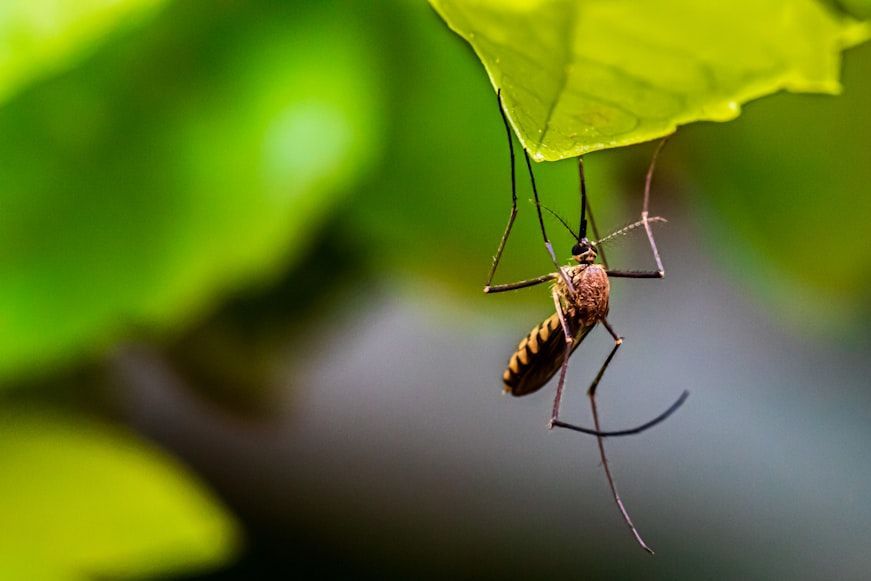
The idea that insects—particularly mosquitoes—are not animals is widespread, but it’s also incorrect. In fact, insects are the most diverse group within the Animal kingdom, with more than a million species described and representing more than half of the animal population of the planet.
Tomatoes (and many other "veggies") are actually fruits

The mistake comes from not considering that "fruit" is not only a culinary term but also a botanical one. Botanically, a fruit is the part of a plant that develops from a flower and contains seeds. This makes tomatoes, peppers, cucumbers, eggplants, and many other foods that we call vegetables actually fruits in the scientific sense.
Russia is both in Europe and Asia
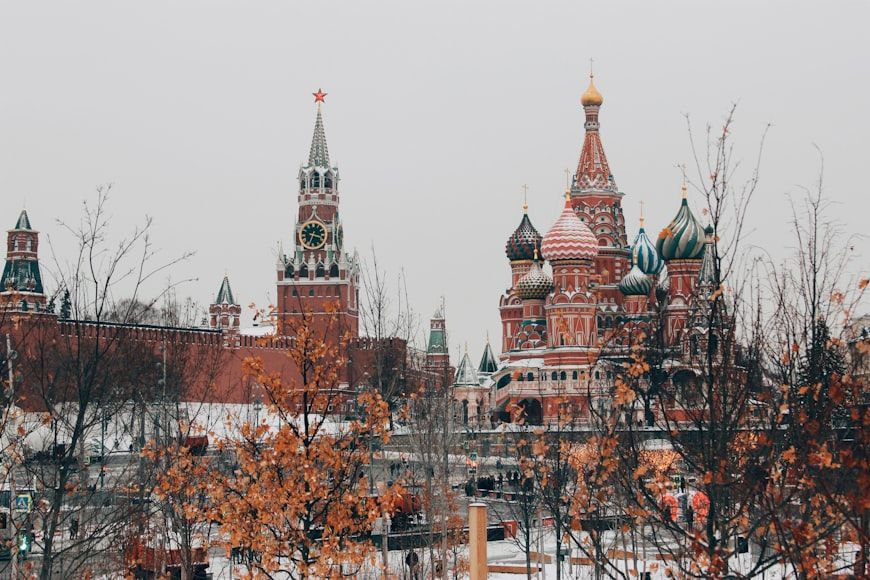
Countries have a political delimitation, while continents are divided according to geographical criteria. The Russian Federation is the largest country on Earth, bordering fourteen other countries and extending across eleven time zones. It spans across a good part of Eastern Europe, but also across the Ural mountains—one of the recognized borders between Europe and Asia—and stretches deep into northern Asia.
The flu is not caused by cold weather

While cold weather isn’t harmless, it is not the direct cause of illnesses like the flu, which are caused by viruses. In colder months, people tend to spend more time indoors and often avoid ventilating rooms, creating conditions that make it easier for viruses to spread and cause illness.
Bats are not blind
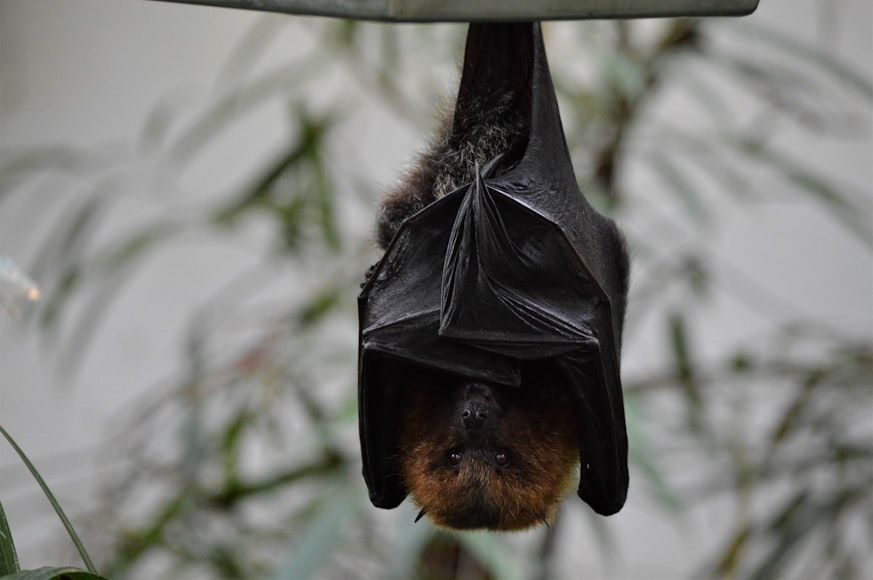
Bats might not prefer to be out during bright daylight, but this does not mean that they are blind. In fact, many species have excellent eyesight, though it is adapted to low-light or nighttime conditions. On top of that, bats also use echolocation, which allows them to navigate and hunt with remarkable precision in complete darkness.
You don't need to wait 24 hours to file a missing persons report

The belief that you must wait a full day before reporting someone missing is a myth popularized by movies and TV shows. In reality, the law does not require a waiting period. In fact, law enforcement agencies stress that the first 24 hours are often the most critical, so a missing person should be reported immediately.
The Great Wall of China can’t be seen from space
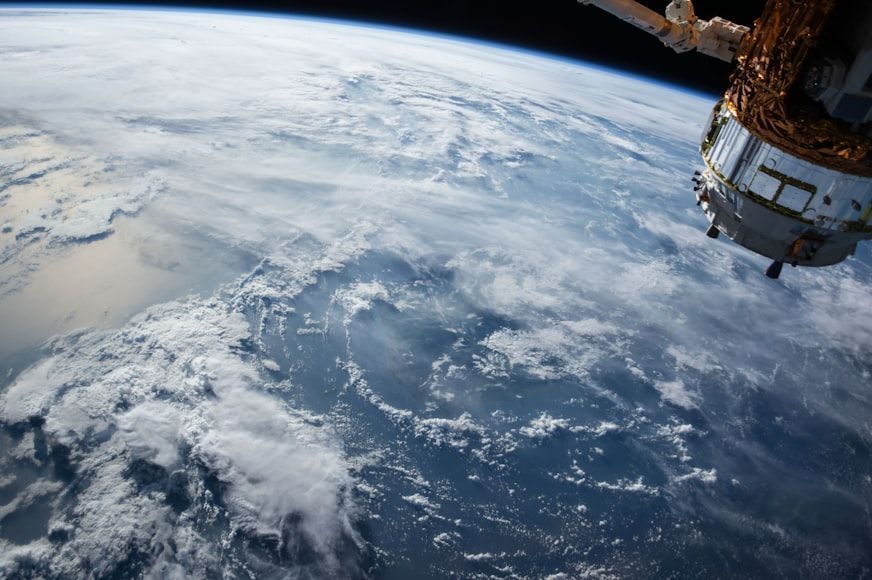
Some man-made structures are visible from space without magnification, but despite popular belief, the Great Wall of China is not one of them. While it is quite long, being over 13,000 miles long, it is relatively narrow, and its earthy colors blend in with the surrounding landscape, making it nearly impossible to spot with the naked eye from orbit.
Mount Everest is not the tallest mountain on Earth

This one is tricky: Mount Everest is the highest mountain on Earth (29,032 feet)… if you measure the distance from sea level to peak. For the actual tallest mountain, the answer might vary depending on how you measure. Measured from base to summit, Mauna Kea in Hawaii is the tallest at 33,474 feet—though much of it is underwater. Mount McKinley (Denali) in Alaska rises about 18,000 feet from its base to the peak, making it the tallest mountain entirely above sea level. And Ecuador’s Mount Chimborazo, while shorter in height, is the farthest point on Earth from the planet’s center due to the equatorial bulge.
The Northern and Southern Hemispheres have opposite seasons

The Earth is tilted on an axis, which causes the amount of sunlight each hemisphere receives to change as it orbits the Sun. Because of this tilt, when the Northern Hemisphere is tilted toward the Sun and experiences summer, the Southern Hemisphere is tilted away and experiences winter—and vice versa. This is why the Southern Hemisphere celebrates Christmas during summer.
It’s not dangerous to wake a sleepwalking person
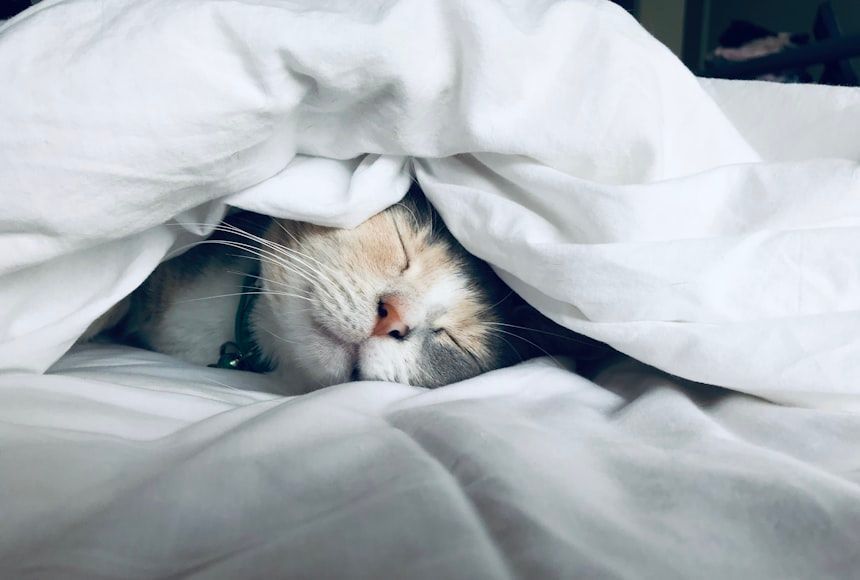
Standard medical advice is to gently guide a sleepwalker back to bed rather than waking them, but not because waking them is inherently dangerous. People tend to sleepwalk during deep sleep, so waking them up might startle them or cause confusion and disorientation.
Shaving won’t make your hair grow thicker

Hair color and thickness are determined by genetics, not by shaving. Hair naturally gets thin at the ends, so when you shave it, the hair shaft appears to be thicker and darker because of the blunt cut. But it's just an optical illusion; the natural size of the shaft remains unchanged.
Coffee won’t dehydrate you

Coffee is a natural diuretic, meaning it can increase trips to the bathroom. However, the water in brewed coffee still contributes to your hydration and offsets its mild diuretic effect. If you consume coffee in moderation—3 to 5 cups a day, depending on your tolerance—you should be alright. However, drinking extra water on the side is never a bad idea.