Body oddities

You have bugs in your face and bones full of holes—12 creepy body facts


Published on February 13, 2026
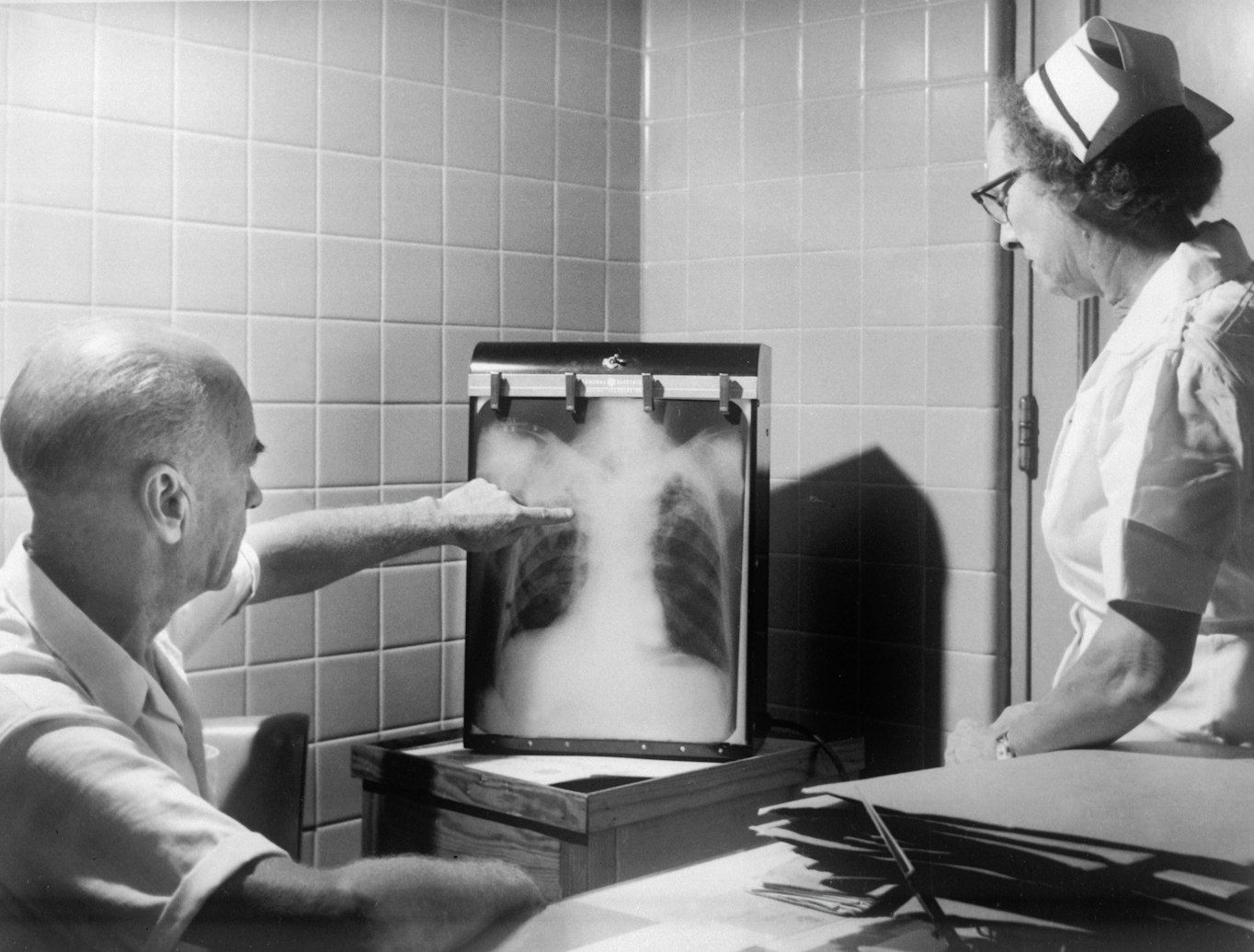

Image: CDC

The human body is a marvel of biology—but sometimes, it's downright disturbing. Did you know it’s possible to cry blood? Or that we have taste receptors in our stomachs? From mysterious functions to deeply unsettling facts, our bodies are full of creepy surprises hiding beneath the surface. Here are 12 weird but true insights into what’s really going on inside you.

1

Your ears never stop growing

Image: Kimia Zarifi

Unlike most body parts, ears (and noses) continue to grow as you age. It’s not just cartilage at work—gravity slowly stretches skin and tissue, making ears longer over time.

This process, sometimes called "gravity-induced elongation," only starts to become more noticeable after age 30. That’s why elderly people often seem to have larger ears, even if they were proportionate in youth.

2

You can taste with your stomach

Image: Sander Dalhuisen

Receptors similar to those on your tongue exist in your stomach and intestines. They don’t "taste" in the traditional sense, though, but detect chemical signals.

Thanks to these oddly placed "taste" receptors, our bodies help regulate digestion and appetite by detecting nutrients and potential toxins. They’re crucial for gut-brain communication and may even influence cravings.

3

Eyelashes host tiny mites

Image: Ali Shoaee

Yes, you read that right. Your eyelashes are home to Demodex mites—tiny, spider-like creatures that feed on dead skin cells and oils around hair follicles.

It may sound like something out of a horror movie, but most people—especially adults—have them. These mites emerge at night, mate on your eyelids, and retreat by morning. They’re harmless, but still undeniably creepy.

4

You’re slightly radioactive

Image: Ana Itonishvili

Your body emits a small amount of radiation due to naturally occurring elements like potassium-40 and carbon-14, which are present in body tissues.

While this natural radioactivity is harmless, it’s still measurable. A single human body can emit around 7,000 particles per second—enough to trigger some sensitive detectors.

5

You can cry blood

Image: Chaozzy Lin

Called haemolacria, it’s a rare condition where blood mixes with tears. Its causes can include infections, injuries, tumors, or hormonal changes.

Though quite dramatic and certainly alarming, some cases are benign. It has been documented in both adults and children, and it is often linked to extreme stress.

6

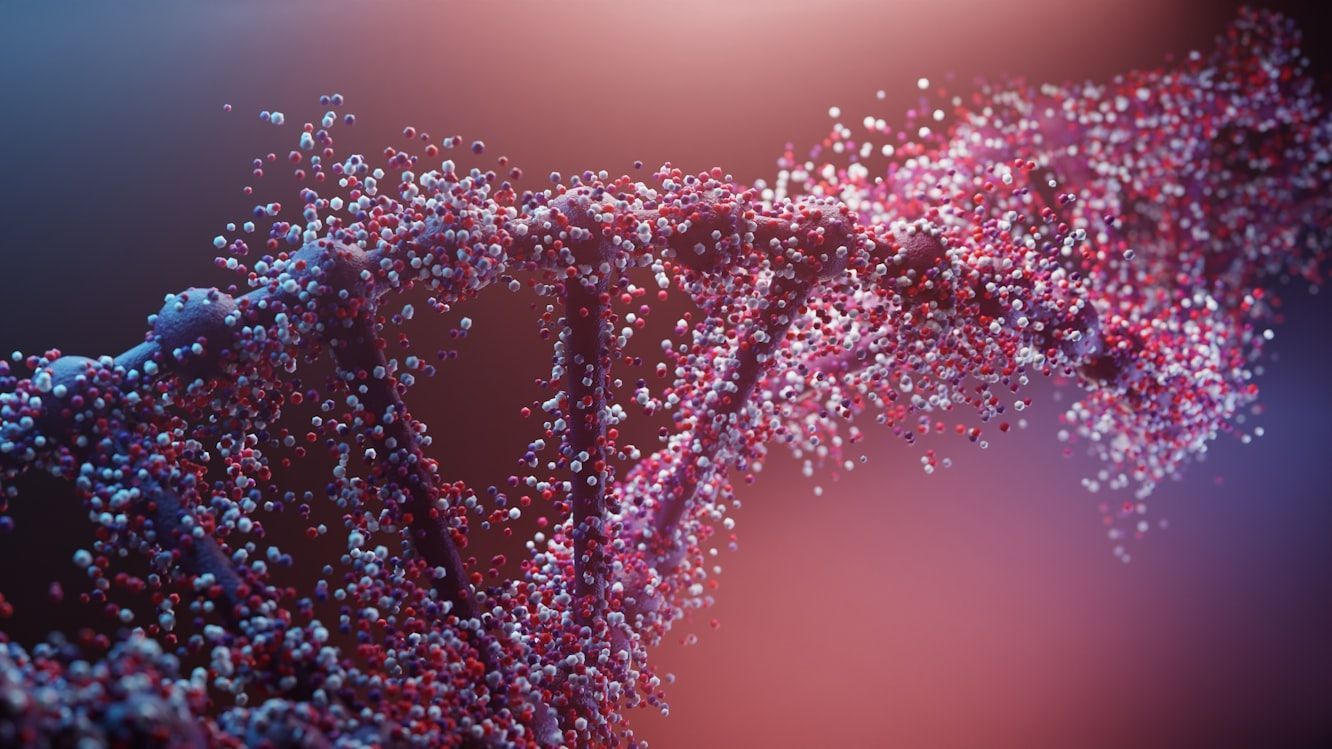
Your body sheds DNA everywhere

Image: MJH SHIKDER

Even just walking through a room, you leave behind a cloud of genetic material—skin cells, saliva, and sweat—all rich in your DNA.

Sometimes called a "biological fingerprint," this material is enough to identify you. Law enforcement and forensic scientists can even recover DNA from air filters or dust!

7

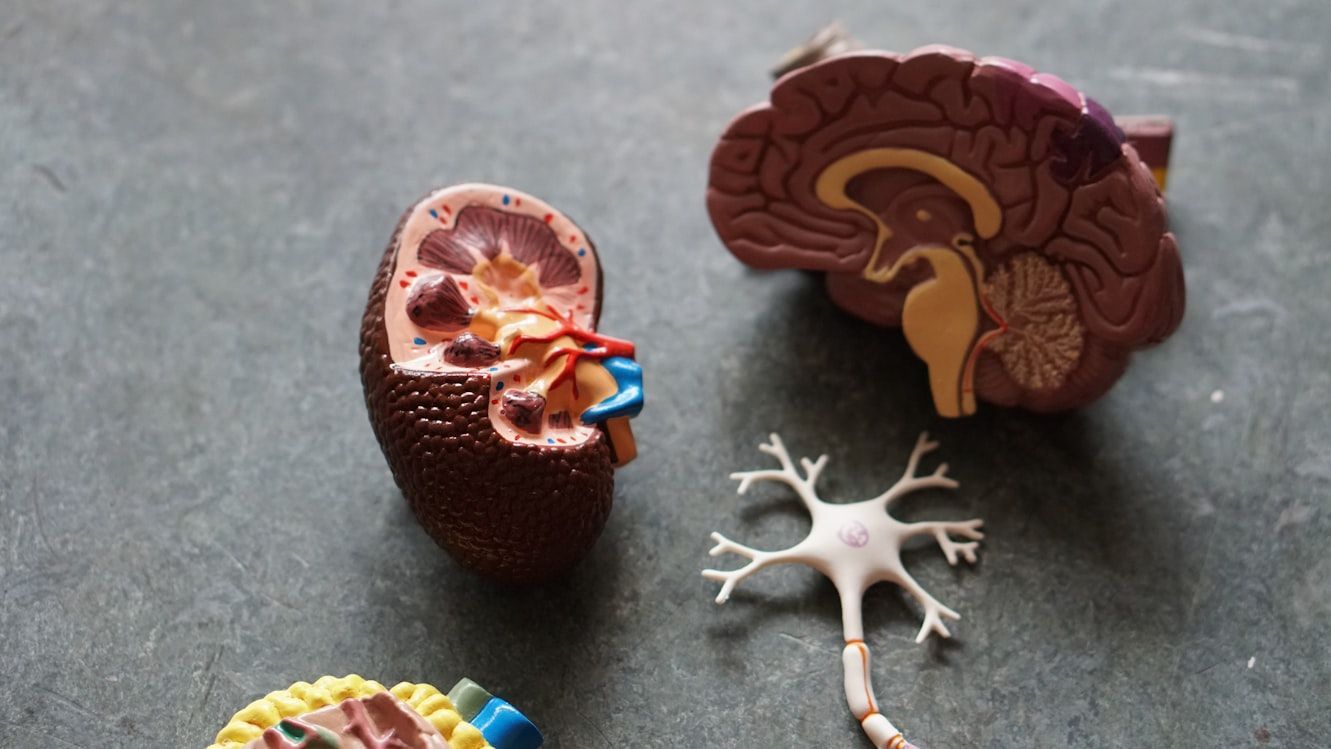
You might be born with extra organs

Image: Robina Weermeijer

Some people are born with supernumerary organs—extra kidneys, spleens, or even, in extremely rare cases, hearts. These additional organs are often non-functional but can still be detected.

For example, an estimated 1 in 1,000 people has an extra spleen, often discovered by accident during unrelated scans or surgery.

8

Your brain eats itself when you’re sleep-deprived
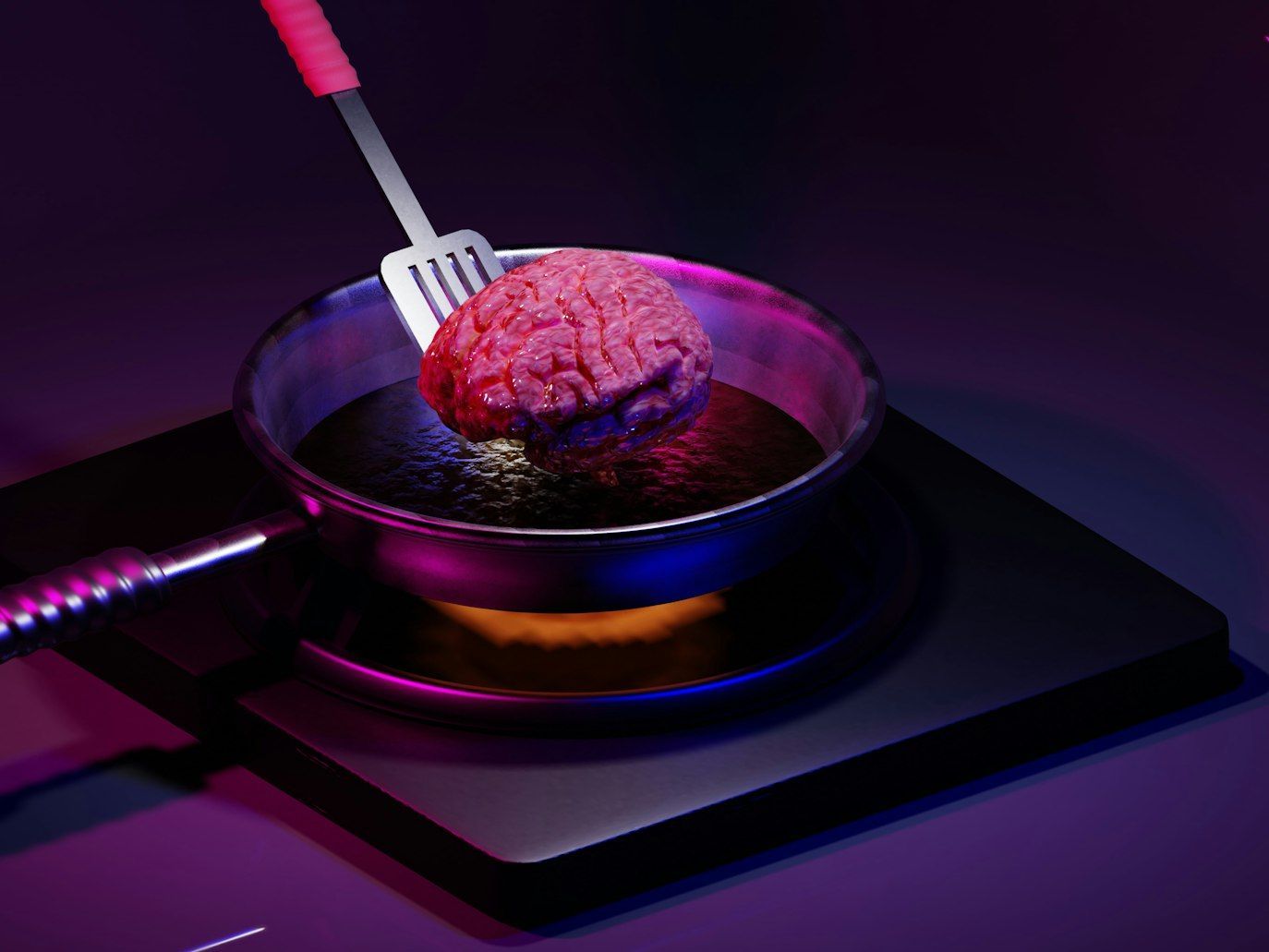
Image: Anshita Nair

Lack of sleep triggers glial cells in the brain to break down and consume parts of synapses—literally "cleaning house" in an extreme way.

This self-cannibalization can lead to cognitive decline and has been linked to neurodegenerative diseases in chronic cases.

9

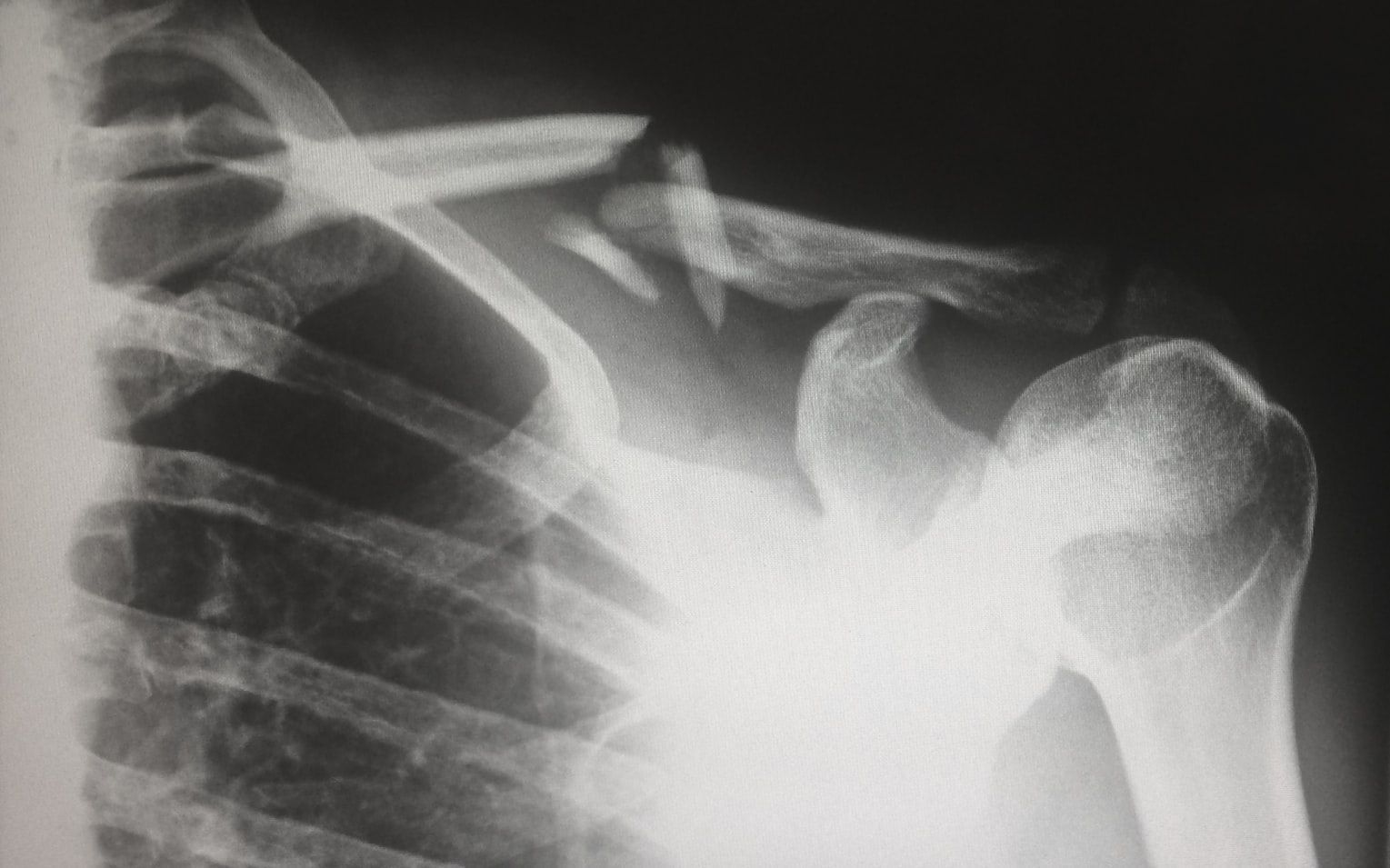
Your bones can grow horns

Image: Alessandro La Becca

Osteomas are benign bone tumors that can sometimes protrude through the skin, resembling small "horns." Most appear on the skull or jaw.

Though rare, some osteomas can grow several inches. Surgical removal is usually performed for cosmetic reasons unless the growth interferes with normal function.

10

Your mouth is dirtier than a toilet seat

Image: Ümit Yıldırım

The human mouth can harbor over 700 different types of bacteria—many more than you'd find on a toilet seat.

Most of these bacteria are harmless—and even essential for healthy bodily functions—but under poor hygiene or illness, they can cause infections, tooth decay, or even contribute to heart disease if they enter the bloodstream.

11

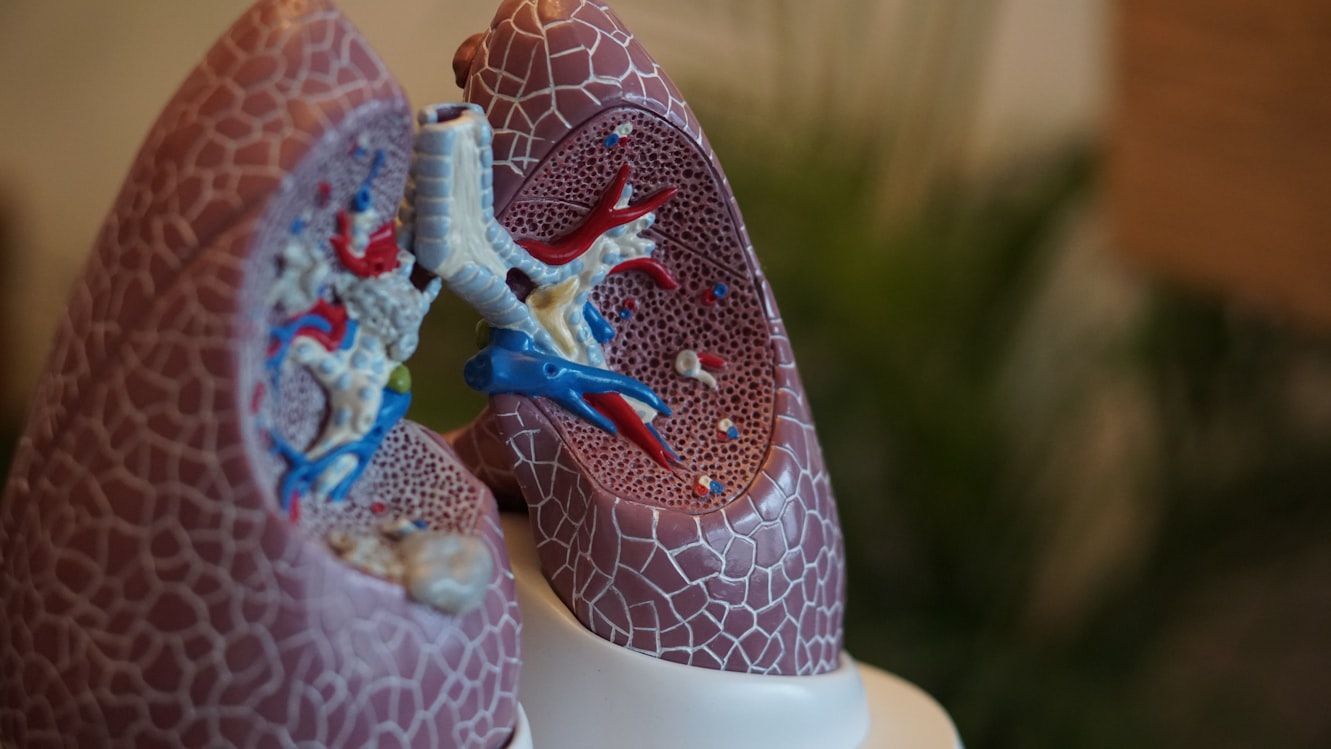
You can grow hair in your lungs

Image: Robina Weermeijer

In extremely rare cases, a type of tumor called a teratoma can develop in the lungs and contain hair, teeth, or even eye-like tissue.

Teratomas are usually benign but still quite bizarre. They form from germ cells and can grow almost any tissue type due to their stem cell origin.

12

Your bones are full of holes

Image: Harlie Raethel

Even the hardest bones in your body are porous like a sponge. Under a microscope, they reveal a honeycomb structure filled with blood vessels and bone marrow.

This structure makes bones both strong and lightweight. However, in conditions like osteoporosis, those holes widen, weakening the bone from the inside.


The Bard’s English

10 Shakespearean phrases we still use today


Published on February 13, 2026


Image: Dalton Smith

William Shakespeare’s influence on the English language is unparalleled, and he is often regarded as one of the most significant figures in classical literature. Beyond his famous dramatic works, Shakespeare also created and popularized many words and phrases that are still in use today. From finding yourself "in a pickle" to having "too much of a good thing," the Bard’s influence on everyday language just can’t be ignored! Join us as we explore 10 words and phrases that owe their existence to Shakespeare.

1

Break the ice

Image: Jennifer Lim-Tamkican

Shakespeare coined the phrase "to break the ice" in The Taming of the Shrew. The phrase refers to overcoming awkwardness when meeting someone new. This was metaphorical, likening human interaction to cracking through ice, a common symbol of tension and social distance.

Today, the phrase is almost universal in social and professional contexts. There are even "icebreaker" activities to help people introduce themselves or get acquainted quickly in gatherings.

2

Wild-goose chase

Image: Gary Bendig

In Romeo and Juliet, Mercutio (a close friend to Romeo in the play) refers to a "wild-goose chase" during a playful exchange, describing a type of racing where riders follow the unpredictable path of the lead horse, much like geese in flight.

The modern sense of the phrase describes any frustrating or aimless pursuit, often with no clear resolution. In any case, the underlying idea of chasing something elusive or unattainable remains.

3

In a pickle

Image: SuckerPunch Gourmet

Shakespeare used "in a pickle" in The Tempest when King Alonso questioned Trinculo’s confused state. At the time in England, being "in a pickle" actually referred to being inebriated, likening the state of drunkenness to food submerged in brine.

Over time, the metaphor got simplified and evolved to mean "in a tough spot," much like a cucumber trapped in a briny jar.

4

Heart of gold

Image: Marek Studzinski

In Henry V, Shakespeare described a character as having a "heart of gold," praising his noble character and good nature. The phrase stuck and became a timeless symbol of virtue and kindness.

This phrase remains a powerful compliment today. When we say someone has a heart of gold, we emphasize their goodness and selflessness, which is certainly a testament to Shakespeare’s ability to craft universally understood metaphors.

5

All that glitters is not gold

Image: Daniela Paola Alchapar

This famous line from The Merchant of Venice warns against trusting appearances. "All that glitters is not gold" reminds us that what shines on the surface may hide less valuable qualities beneath.

It is now a common English proverb, used as a warning in various contexts. While Shakespeare did not invent it, he likely adapted the idea from earlier sources, popularizing it in its modern form.

6

Break the news

Image: Roman Kraft

In Henry IV, Part 2, Shakespeare used "break the news" to refer to revealing important or often unpleasant information. The phrase quickly gained traction and became part of common speech.

Today, "breaking the news" usually involves delivering sensitive or significant information, whether in personal conversations or in the media. It’s a staple phrase in journalism.

7

Wear my heart upon my sleeve

Image: Sabina

In Othello, Shakespeare’s character Iago says he will "wear his heart upon his sleeve," meaning he will show his emotions openly.

This phrase is widely used today to describe someone who is emotionally transparent. It captures the idea of being vulnerable or honest about one’s feelings, another example of Shakespeare’s universal and enduring insight into human emotions.

8

The world’s mine oyster

Image: Charlotte Coneybeer

Shakespeare introduced this phrase in The Merry Wives of Windsor. Originally, it conveyed the idea of cracking open opportunities, much like opening an oyster to reveal a pearl within.

Today, the expression is closely associated with optimism and ambition, carrying the notion that the world is filled with untapped potential waiting to be discovered and exploited.

9

Too much of a good thing

Image: Vinicius Amano

In As You Like It, Shakespeare’s characters learn that excess—even of something desirable—can lead to negative outcomes. This phrase was likely inspired by older proverbs, but it was popularized by the Bard of Avon.

The modern interpretation of this idiom remains nearly identical to its original use, cautioning against overindulgence.

10

Fair play

Image: Nathan Shively

Shakespeare coined this phrase and used it in several of his plays, like The Tempest and King John. In his writings, the expression always describes honest and just behavior.

The term "fair play" is now associated with equitable treatment and ethical conduct, especially in sports, but it’s also used in various everyday scenarios where fairness is to be promoted.

Looking for an extra scoop of literary fun?

Learn more with our Word of the day

herald

/ˈhɛrəld/