Body oddities

12 creepy body facts your biology teacher definitely skipped


Published on February 13, 2026
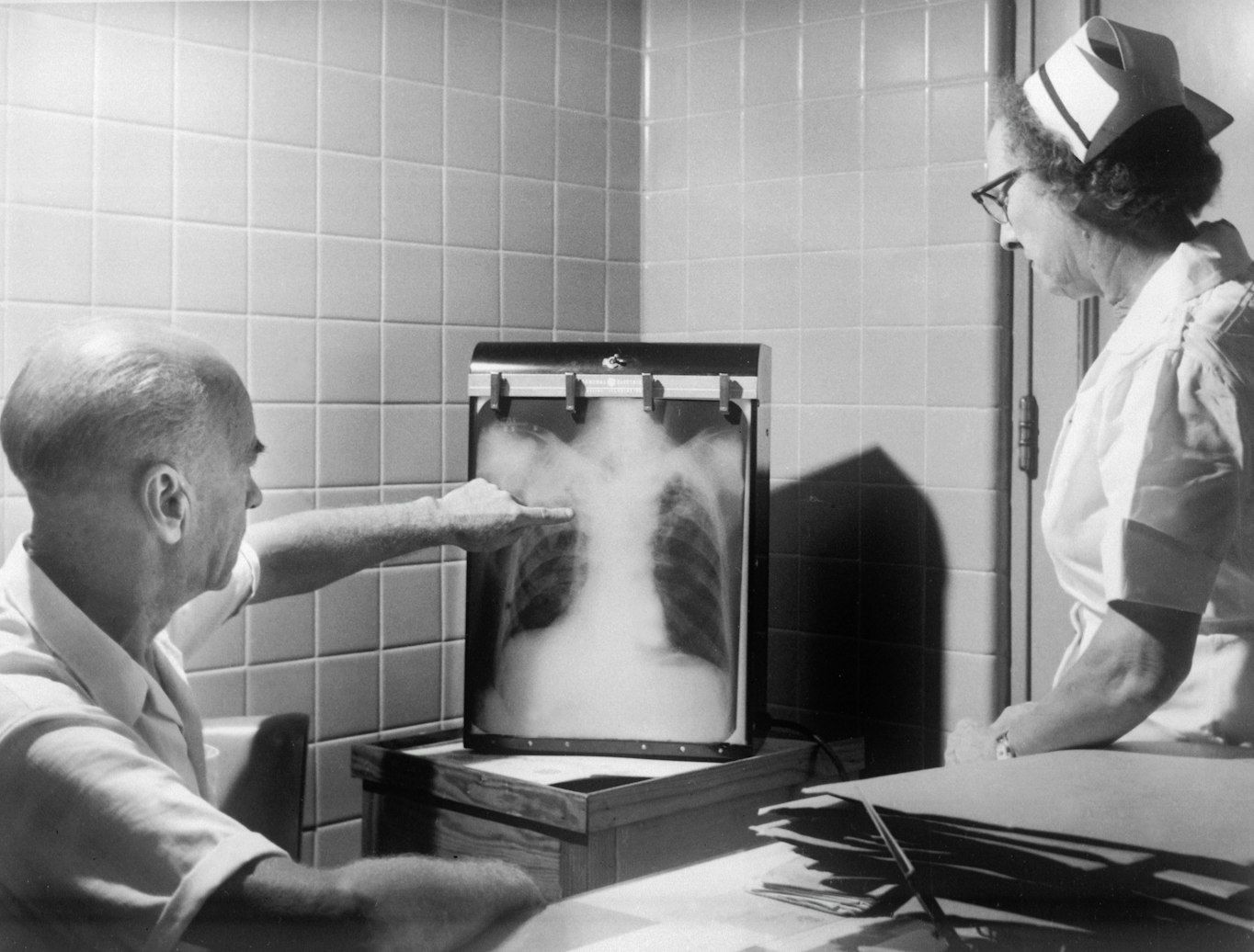

Image: CDC

The human body is a marvel of biology—but sometimes, it's downright disturbing. Did you know it’s possible to cry blood? Or that we have taste receptors in our stomachs? From mysterious functions to deeply unsettling facts, our bodies are full of creepy surprises hiding beneath the surface. Here are 12 weird but true insights into what’s really going on inside you.

1

Your ears never stop growing

Image: Kimia Zarifi

Unlike most body parts, ears (and noses) continue to grow as you age. It’s not just cartilage at work—gravity slowly stretches skin and tissue, making ears longer over time.

This process, sometimes called "gravity-induced elongation," only starts to become more noticeable after age 30. That’s why elderly people often seem to have larger ears, even if they were proportionate in youth.

2

You can taste with your stomach

Image: Sander Dalhuisen

Receptors similar to those on your tongue exist in your stomach and intestines. They don’t "taste" in the traditional sense, though, but detect chemical signals.

Thanks to these oddly placed "taste" receptors, our bodies help regulate digestion and appetite by detecting nutrients and potential toxins. They’re crucial for gut-brain communication and may even influence cravings.

3

Eyelashes host tiny mites

Image: Ali Shoaee

Yes, you read that right. Your eyelashes are home to Demodex mites—tiny, spider-like creatures that feed on dead skin cells and oils around hair follicles.

It may sound like something out of a horror movie, but most people—especially adults—have them. These mites emerge at night, mate on your eyelids, and retreat by morning. They’re harmless, but still undeniably creepy.

4

You’re slightly radioactive

Image: Ana Itonishvili

Your body emits a small amount of radiation due to naturally occurring elements like potassium-40 and carbon-14, which are present in body tissues.

While this natural radioactivity is harmless, it’s still measurable. A single human body can emit around 7,000 particles per second—enough to trigger some sensitive detectors.

5

You can cry blood

Image: Chaozzy Lin

Called haemolacria, it’s a rare condition where blood mixes with tears. Its causes can include infections, injuries, tumors, or hormonal changes.

Though quite dramatic and certainly alarming, some cases are benign. It has been documented in both adults and children, and it is often linked to extreme stress.

6

Your body sheds DNA everywhere

Image: MJH SHIKDER

Even just walking through a room, you leave behind a cloud of genetic material—skin cells, saliva, and sweat—all rich in your DNA.

Sometimes called a "biological fingerprint," this material is enough to identify you. Law enforcement and forensic scientists can even recover DNA from air filters or dust!

7

You might be born with extra organs

Image: Robina Weermeijer

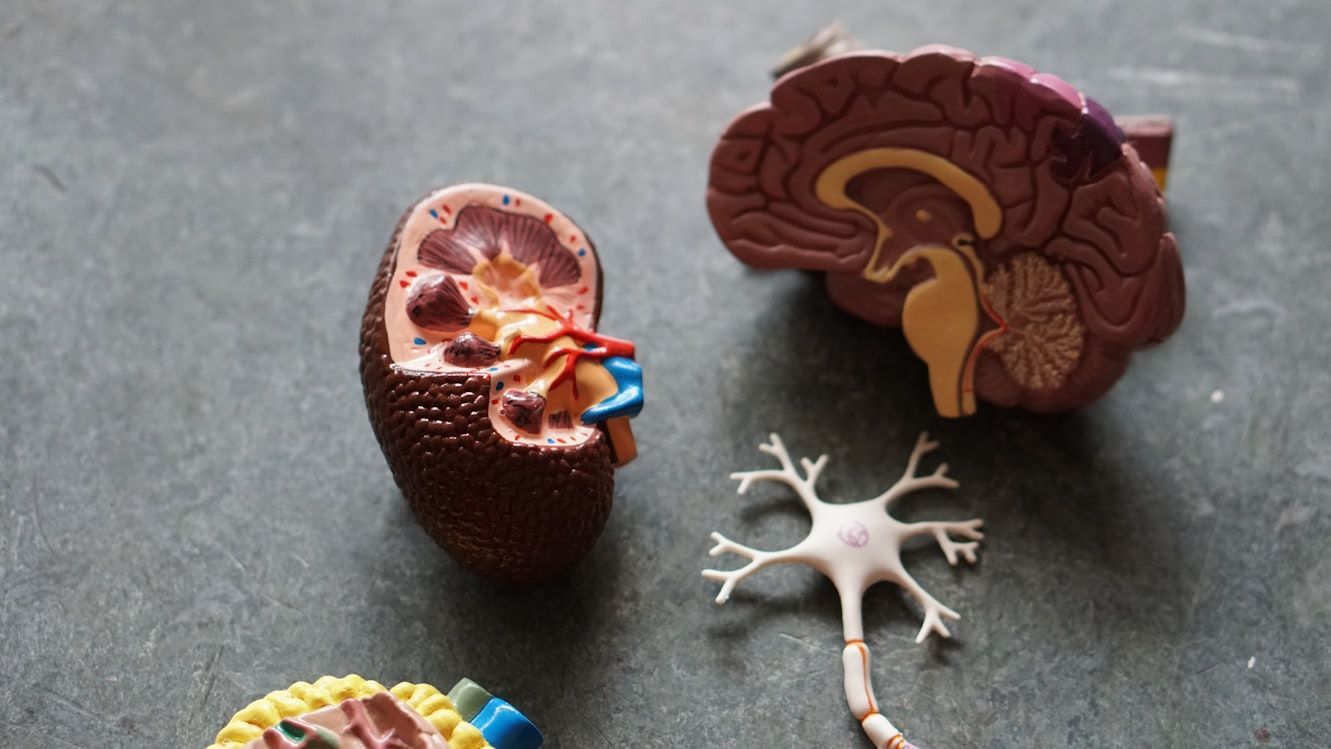
Some people are born with supernumerary organs—extra kidneys, spleens, or even, in extremely rare cases, hearts. These additional organs are often non-functional but can still be detected.

For example, an estimated 1 in 1,000 people has an extra spleen, often discovered by accident during unrelated scans or surgery.

8

Your brain eats itself when you’re sleep-deprived

Image: Anshita Nair

Lack of sleep triggers glial cells in the brain to break down and consume parts of synapses—literally "cleaning house" in an extreme way.

This self-cannibalization can lead to cognitive decline and has been linked to neurodegenerative diseases in chronic cases.

9

Your bones can grow horns

Image: Alessandro La Becca

Osteomas are benign bone tumors that can sometimes protrude through the skin, resembling small "horns." Most appear on the skull or jaw.

Though rare, some osteomas can grow several inches. Surgical removal is usually performed for cosmetic reasons unless the growth interferes with normal function.

10

Your mouth is dirtier than a toilet seat

Image: Ümit Yıldırım

The human mouth can harbor over 700 different types of bacteria—many more than you'd find on a toilet seat.

Most of these bacteria are harmless—and even essential for healthy bodily functions—but under poor hygiene or illness, they can cause infections, tooth decay, or even contribute to heart disease if they enter the bloodstream.

11

You can grow hair in your lungs

Image: Robina Weermeijer

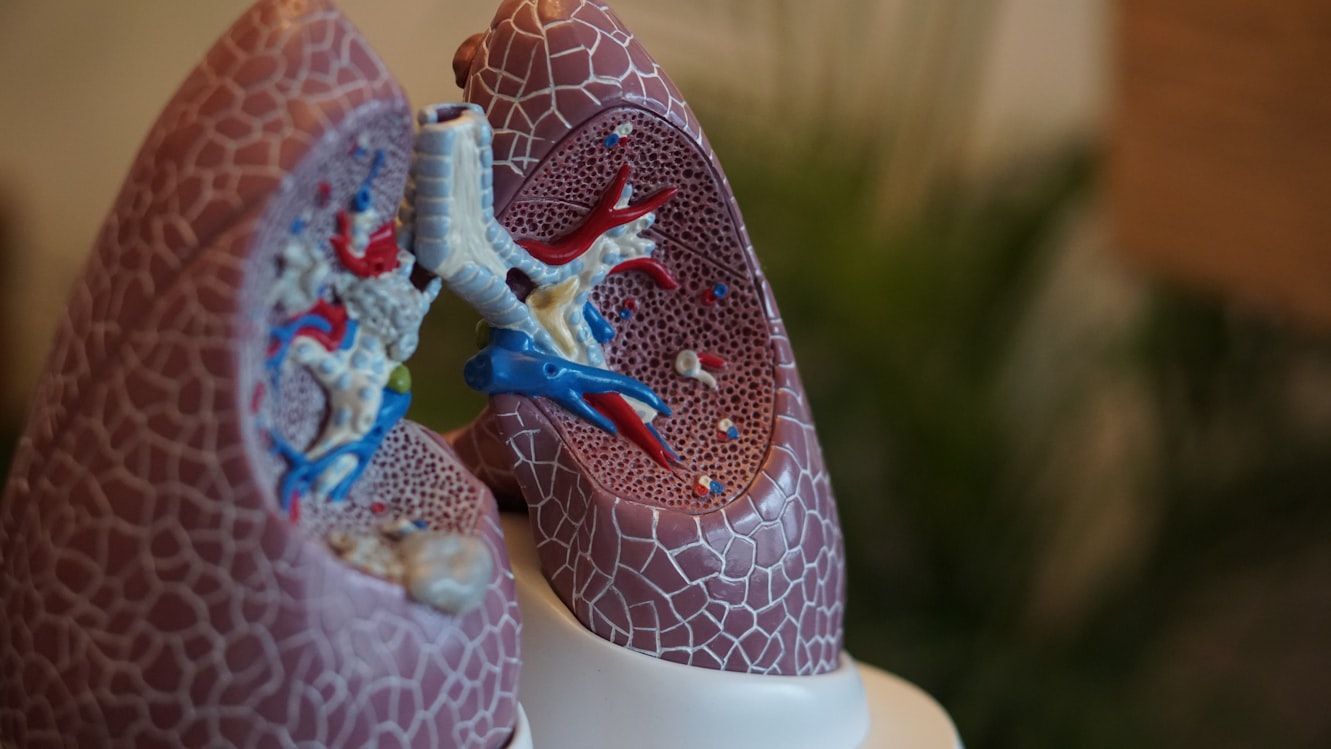
In extremely rare cases, a type of tumor called a teratoma can develop in the lungs and contain hair, teeth, or even eye-like tissue.

Teratomas are usually benign but still quite bizarre. They form from germ cells and can grow almost any tissue type due to their stem cell origin.

12

Your bones are full of holes

Image: Harlie Raethel

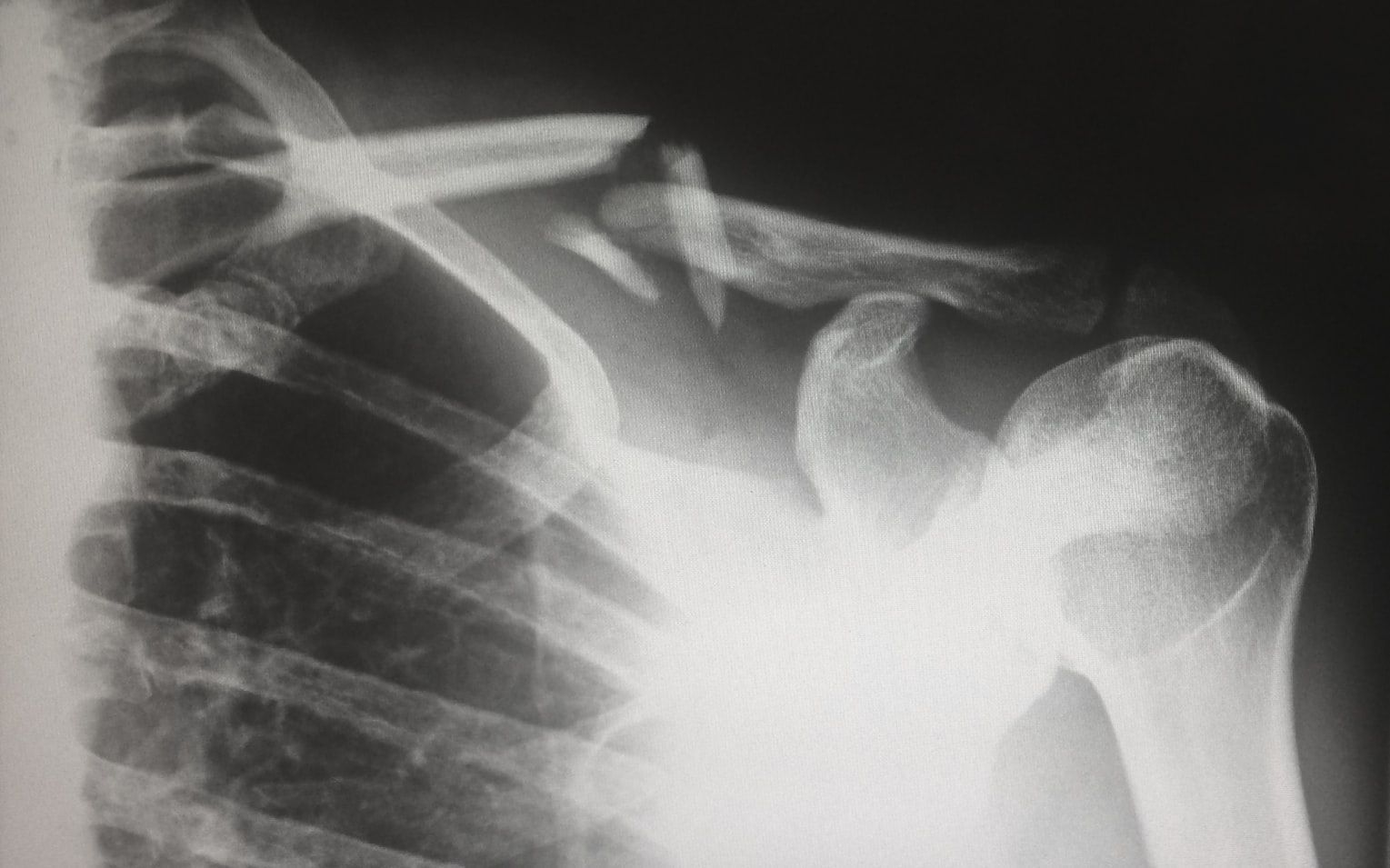
Even the hardest bones in your body are porous like a sponge. Under a microscope, they reveal a honeycomb structure filled with blood vessels and bone marrow.

This structure makes bones both strong and lightweight. However, in conditions like osteoporosis, those holes widen, weakening the bone from the inside.


Beyond the stones

Hidden influence: 10 modern things we inherited from the Roman Empire


Published on February 13, 2026


Image: Sébastien Jermer

According to history books, Rome fell more than 1,500 years ago, but it can be easily argued that the Empire's influence never truly waned. Beyond its majestic ruins, Rome left a legacy so intertwined with our modern world that we often fail to recognize how many of our daily conveniences stem from their unique vision and innovation. From public sanitation to bureaucracy, here are 10 surprising ways the Roman Empire continues to shape our lives today.

1

Time

Image: insung yoon

The Julian calendar, named after Julius Caesar, forms the backbone of our modern Gregorian calendar system. While it has been modified by Pope Gregory XIII (hence the name "Gregorian"), the basic structure—365 days with leap years—remained.

Even the names of our months are derived from Roman months, which is most evident in months like July and August, which honor the early rulers Julius Caesar and Augustus. Moreover, Rome's efforts to standardize time laid the foundation for modern global timekeeping.

2

Railroad gauges

Image: p j

Bizarrely, the standard width of modern American railways can be traced back to Roman chariot paths. These ancient roads set a standard gauge of 4 feet, 8.5 inches, which were used extensively across the empire.

Since much of the road infrastructure built in Great Britain was only improved upon by the following rulers, the same width was preserved long after the Roman Empire fell for fear of breaking the wheels of carriages, and it eventually became the basis for railroads.

3

Concrete

Image: Robert Keane

Concrete is so ubiquitous in modern architecture that it’s hard to believe it was invented over a thousand years ago. Roman concrete, or opus caementicium, was a revolutionary formula—a mix of volcanic ash with lime and water— which produced materials so durable that they have withstood millennia.

In fact, Roman concrete may have been even stronger and more resilient than our modern version. The inclusion of calcium carbonate chunks and unique mixing techniques gave it remarkable self-healing properties, allowing the material to repair cracks over time, further enhancing its durability.

4

Central heating

Image: Peter Herrmann

The Romans invented the hypocaust system, an early form of central heating. By circulating hot air beneath the floors and walls of public baths and homes, they ensured warmth and comfort, especially during cold winters. The system was so efficient that it could easily provide heat for hundreds of people at once.

Unfortunately, after the collapse of the Roman Empire, heating reverted to more primitive fireplaces for nearly a thousand years. However, the technology lived on and eventually became the precursor to today’s underfloor heating systems.

5

Flushing Toilets

Image: Jan Antonin Kolar

Rome’s sanitation systems were ahead of their time, featuring flushing toilets connected to complex sewer networks like the Cloaca Maxima (amusing name, we know). These innovations helped reduce disease and improve public health, a rare luxury in ancient times.

In fact, major cities like London did not have adequate sewage systems until 1875! The city only undertook this massive engineering challenge after untreated sewage in the Thames rendered it nearly uninhabitable, which goes to show just how advanced Roman sanitation systems were.

6

Fast Food

Image: Kenny Eliason

Not even what we might consider the pinnacle of modern conveniences—fast food—is immune to Roman influence. In fact, Romans loved their street food. Thermopolia, the ancient Roman equivalent of fast-food shops, served hot meals to busy citizens on the go.

These establishments were a common sight in cities, offering quick and affordable meals. Even more, some historians suggest that they might have had burgers, or at least a similar type of meat sandwich called Isicia Omentata. This dish featured spicy minced pork seasoned with fish sauce and was often served in plain bread buns.

7

Advertising

Image: Claudio Schwarz

Romans were no strangers to advertising. Merchants used signs, slogans, and symbols to promote their goods. Mosaics with company logos and distinctive designs served as early trademarks and have been frequently found in well-preserved archaeological sites such as Pompeii.

Hospices and inns also relied on advertising to inform travelers about their services, sometimes even noting that they served food "Roman style." Moreover, wealthy Romans often used advertising for political purposes, funding slogans to be painted on buildings or even commissioning caricatures of their political enemies.

8

Graffiti

Image: DESIGNECOLOGIST

Graffiti was everywhere in ancient Rome, from political messages to love notes. But just like in modern times, Romans frequently used graffiti humorously, sometimes leaving rude remarks, explicit drawings, or just commenting ironically on daily life.

But graffiti could also be more innocent, featuring simple pictures or even games (picture a chalk tic-tac-toe on a wall). Despite the centuries that separate us, their sense of humor was not so different from ours, and graffiti has been invaluable to historians and archaeologists in reconstructing daily life in Roman times.

9

Planned Urbanization

Image: freddie marriage

Romans didn’t just build cities—they meticulously planned them. They pioneered grid layouts with organized streets and distinct zones for residential, commercial, and public spaces. These urban planning innovations have influenced modern city design, where very similar urbanization plans are still used to build and expand.

While the city itself is not a Roman invention, of course, Roman designs shaped how we conceive of urban spaces today. Their approach to planning ensured that cities were functional, efficient, and navigable, setting a standard that continues to guide modern urban development.

10

Bureaucracy

Image: Maksym Kaharlytskyi

Whether you see it as a gift or a burden, there is no doubt that Roman bureaucracy has left a lasting legacy. Rome’s complex system of governance required extensive bureaucracy. And they were among the first to implement systematic and detailed record-keeping, tax collection, and legal systems.

In particular, the Roman army was highly bureaucratic; something as simple as a stock check or a food order often required paperwork in triplicate before it could be authorized! But in any case, this meticulous record-keeping is a major reason we have such detailed knowledge about Roman times today.

Looking for an extra scoop of literary fun?

Learn more with our Word of the day

vivid

/ˈvɪvəd/