Behind popular wisdom
12 common sayings that don’t mean what you think
Published on April 14, 2026
 Image: Alexandra Fuller
We hear them daily and rarely question their meaning, but many popular sayings come from surprising origins—or mean something entirely different than we think. Some of these discrepancies are rooted in history, others in mistranslation, and more than a few in good old-fashioned misunderstanding. Here are 12 familiar phrases decoded and laid bare with real facts.
"Blood is thicker than water"
 Image: César Couto
The original version, a 12th-century German proverb—_"The blood of the covenant is thicker than the water of the womb"_—suggests chosen bonds (like friendship or military brotherhood) are stronger than family ties, the opposite of how it’s used today. This shift in meaning likely occurred in later times, as the abbreviated form entered popular speech.
"Great minds think alike"
 Image: Thiago Santos
The full phrase is "Great minds think alike… and fools seldom differ." With the full version, the meaning turns ironic—it suggests that both geniuses and fools can agree just as easily, likely a warning against groupthink.
"Curiosity killed the cat"
 Image: Bing Frost
This proverb is often used to warn against dangerous inquisitiveness, but the full version—_"Curiosity killed the cat, but satisfaction brought it back"_—adds nuance. It suggests that the reward of knowing can outweigh the risks of curiosity.
"Jack of all trades, master of none"
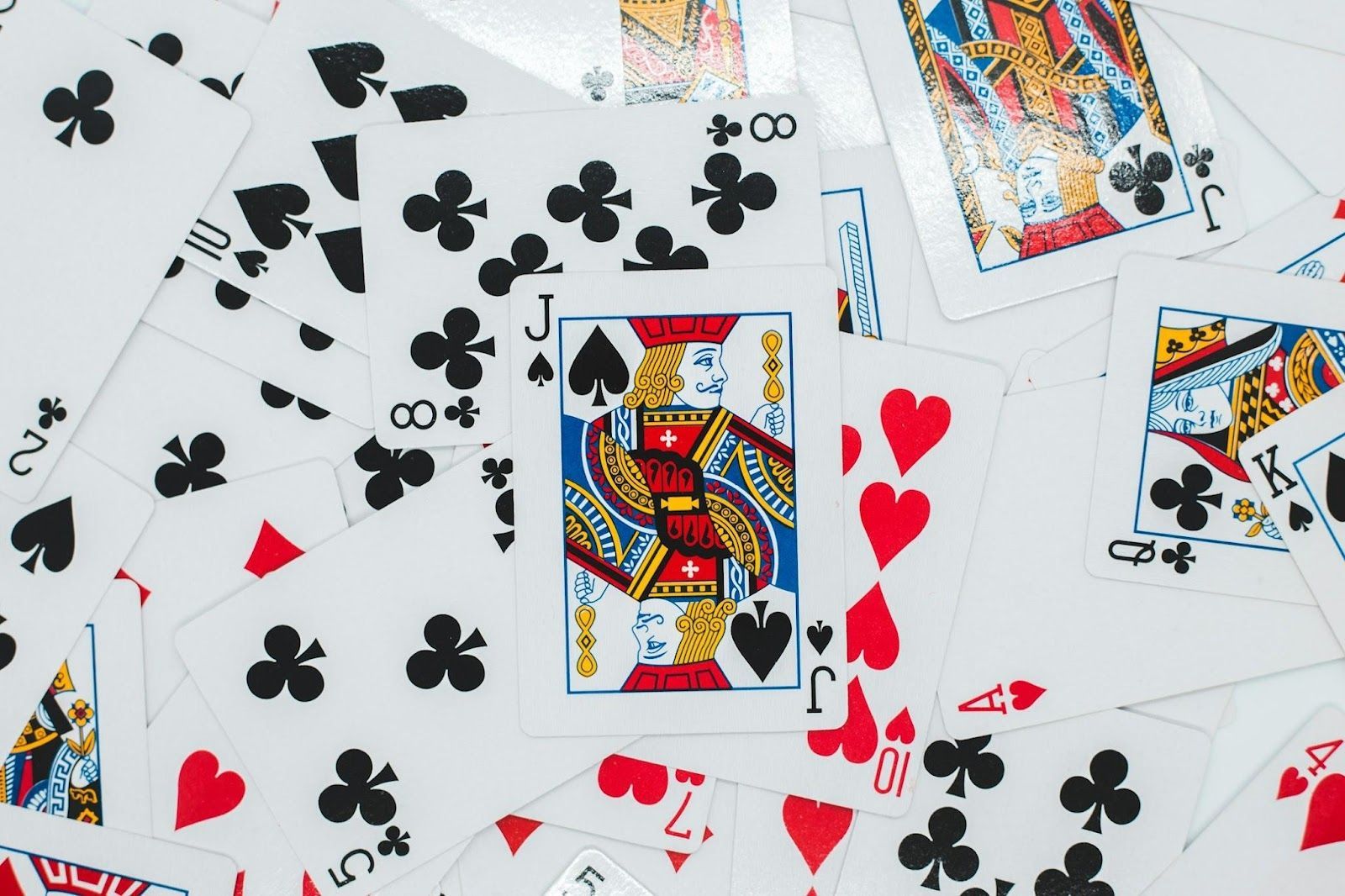 Image: Erik Mclean
The full phrase is "Jack of all trades, master of none, but oftentimes better than master of one." Originally, it praised versatility, not criticized it. The missing line completely flips the meaning, suggesting it’s often better to be well-rounded than narrowly skilled.
"Pull yourself up by your bootstraps"
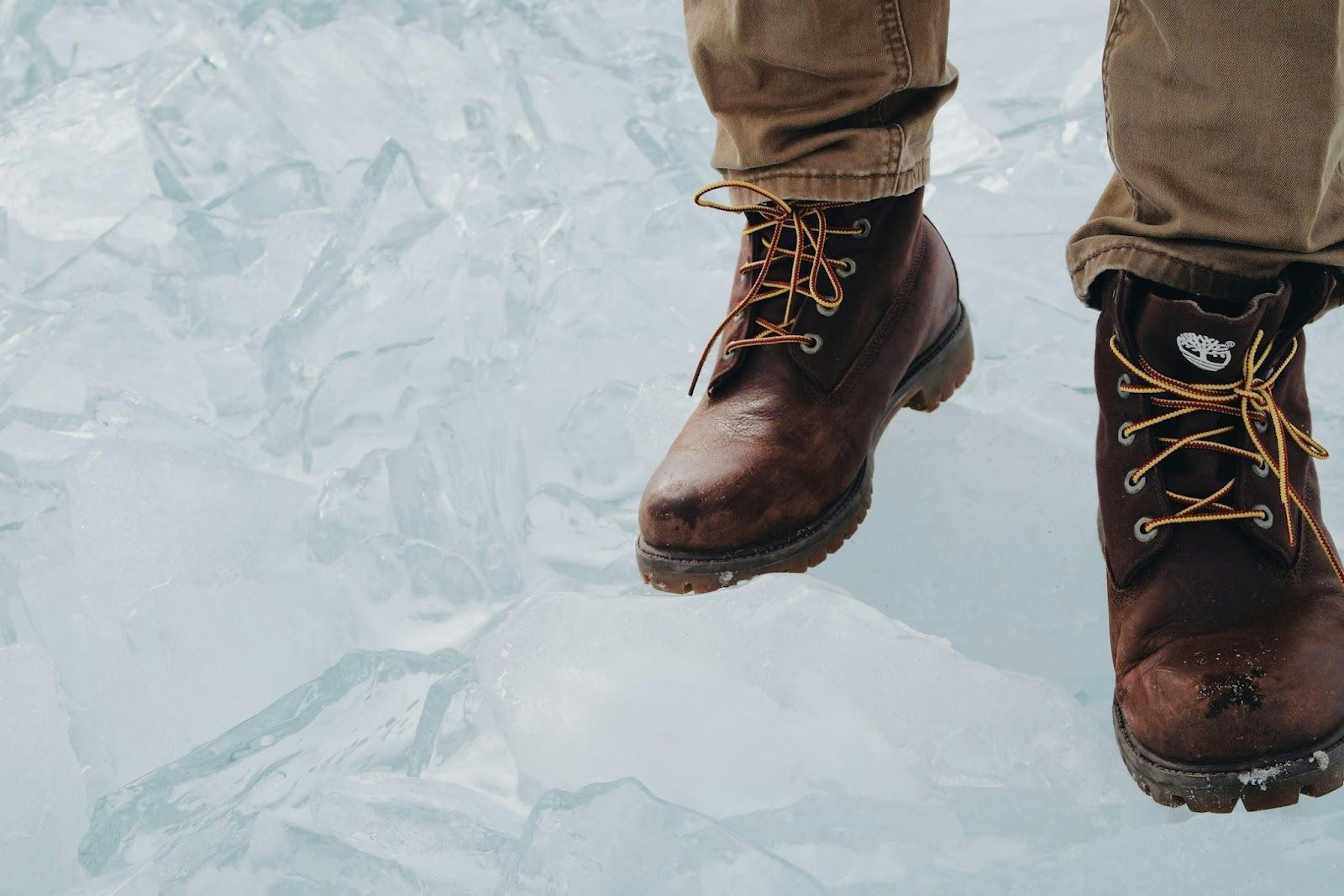 Image: T S
This phrase meant an impossible task—just like lifting yourself by your own shoelaces. First recorded in the 1800s, it mocked absurd self-starting efforts. But by the 20th century, American individualism had flipped its meaning into a motivational mantra.
"The proof is in the pudding"
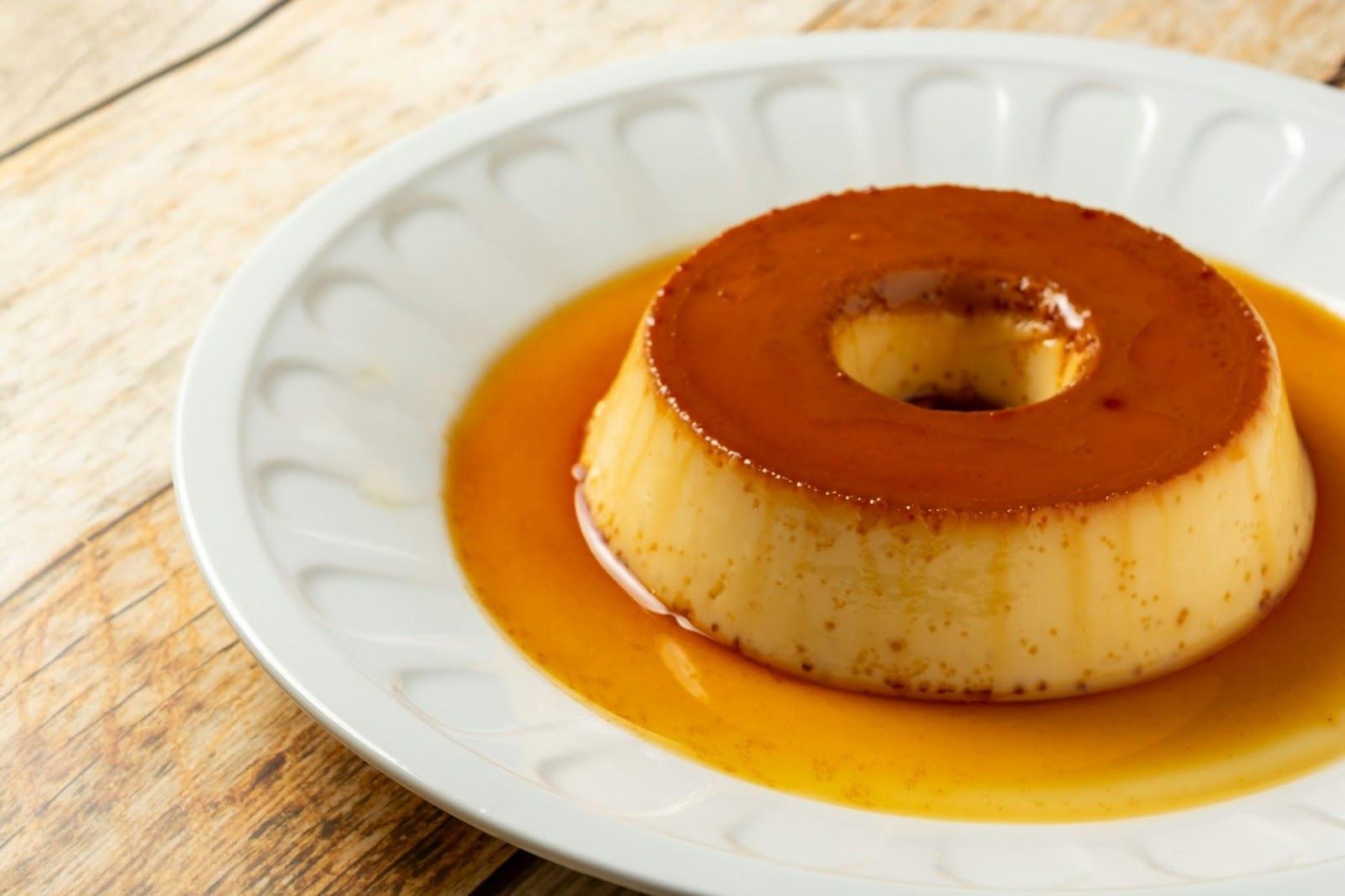 Image: Felippe Lopes
The original phrase is "The proof of the pudding is in the eating," meaning you have to try something to know if it’s good. The modern shorthand makes little sense by itself and loses clarity but still hints at the original idea: results matter more than appearances.
"Saved by the bell"
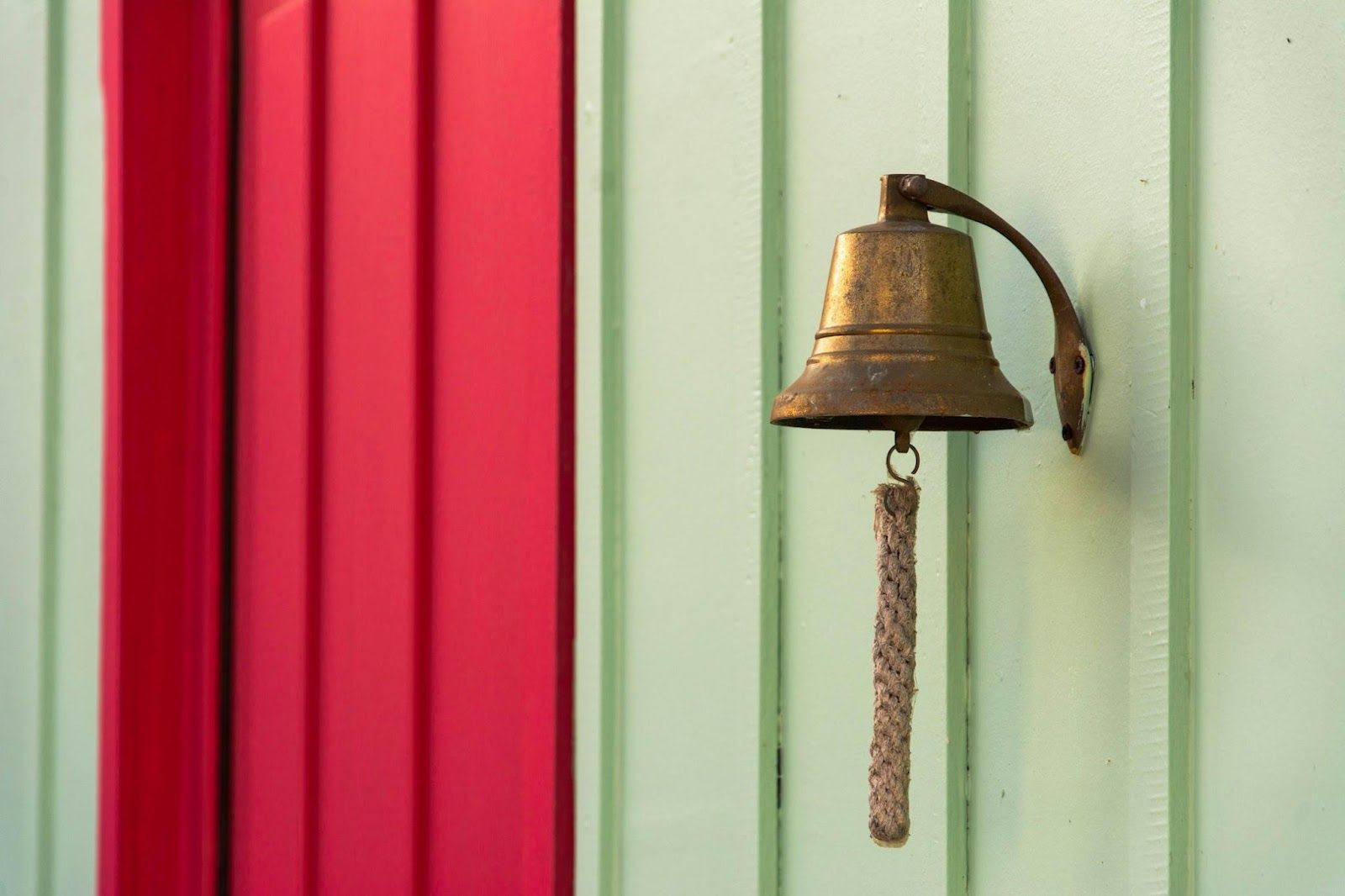 Image: Luís Perdigão
There are competing theories about this phrase’s origin. The most common links it to boxing radio commentary, where a losing fighter is "saved by the bell" at the end of a round. Others trace it to 18th-century burial customs, when the fear of being buried alive led to coffins being rigged with strings tied to bells aboveground.
"Rule of thumb"
 Image: Rowen Smith
A popular myth claims the phrase "rule of thumb" stems from a law allowing men to beat their wives with sticks no thicker than a thumb. Fortunately, no such law ever existed. The phrase dates back to the 17th century and likely originated in trades where measurements were estimated using the thumb’s width or length.
"Cold turkey"
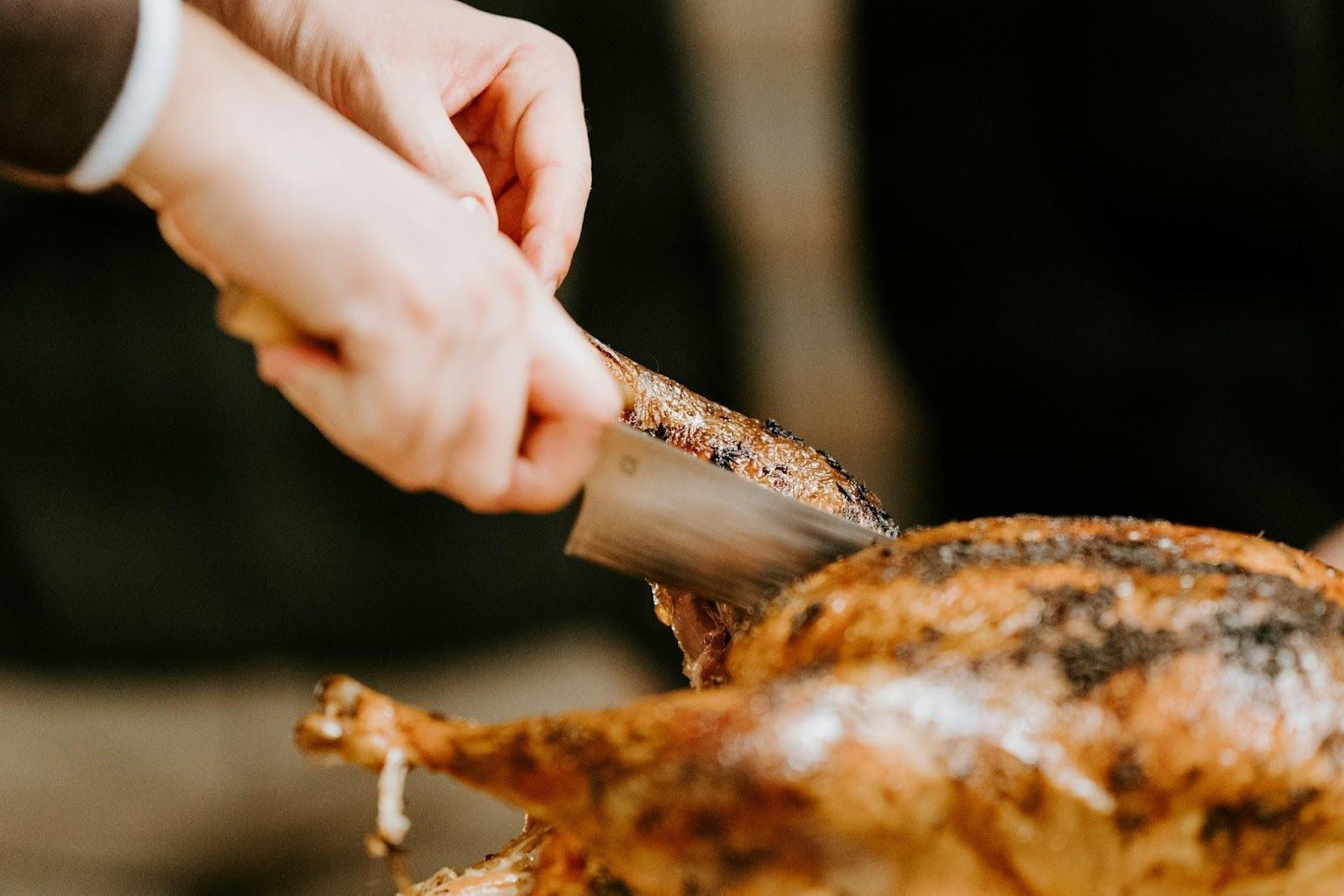 Image: Claudio Schwarz
One theory about the origin of "cold turkey" links it to the clammy, pale skin that some people experience during withdrawal, said to resemble cold turkey meat. However, a more likely explanation is that it combines the earlier idiom "talking turkey" (meaning to speak plainly) with "cold," used to describe something abrupt or blunt.
"Sleep tight"
 Image: Greg Pappas
This phrase isn’t about feeling cozy—it refers to rope-strung beds from the 18th century. Back then, mattresses rested on a web of ropes that needed regular tightening. "Tight" meant the ropes were pulled firm to prevent the mattress from sagging.
"Steal someone’s thunder"
 Image: Michael D
Though it sounds mythological, this phrase comes from early 1700s theater. Playwright John Dennis invented a new thunder sound effect for his play. After the show flopped, another theater used the effect without credit. Dennis famously complained, "They will not let my play run, but they steal my thunder."
"Break the ice"
 Image: NOAA
Before modern transportation, trade ships often got stuck in winter ice. So, smaller vessels were sent to break the ice and clear a path. Used since at least the 16th century, the original nautical context made it a natural metaphor for overcoming barriers.


