Deep roots

12 Native American words that you use daily without even knowing it


Published on July 5, 2026


Image: Zoshua Colah

English is a very welcoming language in the sense that it incorporates terms from many other languages from all over the world. And, as it couldn’t be otherwise, Native American languages have lent many of their words and terms to English speakers. Some traveled through Spanish or French before settling into English, and others arrived directly through early contact and trade, helping shape the way we speak today. Did you know about these 11 terms?

1

Canoe

Image: Michael Niessl

The word "canoe" comes from the Taino term canoa, which was first used by Caribbean islanders long before Europeans arrived. Early explorers adopted it to describe the slim, sturdy boats they saw.

Over time, "canoe" became the standard English word for a small paddled craft. Today it still carries that sense of simplicity and closeness to nature.

2

Barbecue

Image: Philipp Kämmerer

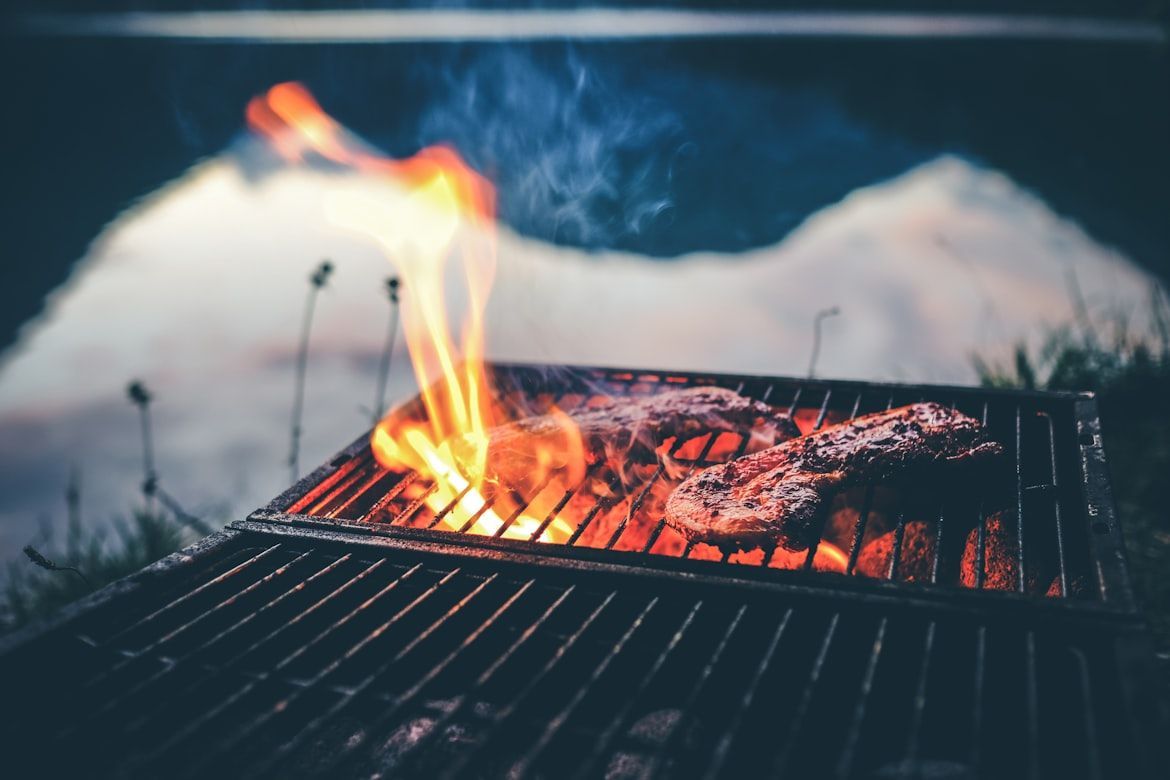
The word "barbecue" comes from barbacoa, another Taino term for a wooden frame used for cooking meat over fire. Europeans adopted it and applied it to both the method and the gathering itself.

Today, "barbecue" means everything from a backyard cookout to a regional cooking style. Its origins highlight the deep culinary influence of Native Americans in the nation's current culture.

3

Skunk

Image: Elisa Stone

"Skunk" comes from the Algonquian word squnk, which means "urinating fox" (quite a fitting term, indeed). This was an obvious reference to the animal’s strong defensive spray. Early settlers adopted the term directly.

Since English had no better name for the creature, the Native word stuck. Today, the word skunks is also used as playful slang.

4

Moose

Image: Shivam Kumar

The word "moose" originates from Eastern Abenaki, a part of the Algonquian family, where it meant "he strips off bark." Yes, it described the animal’s habit of tearing bark from trees.

The name entered English quickly because settlers relied on Native knowledge of local fauna. The word remains unchanged because of its accuracy and usefulness.

5

Raccoon

Image: Gary Bendig

"Raccoon" comes from the Powhatan word arakun, meaning "he scratches with his hands." It described the animal’s clever, humanlike front paws.

Settlers adopted the term because it captured the creature’s behavior beautifully. Today, the raccoon is used as a household symbol of curiosity, not unlike the animal itself.

6

Chipmunk

Image: Annegret Kammer

The term "chipmunk" most probably comes from the Ojibwe word ajidamoo, which means "one who descends trees headfirst." Early English settlers adapted the sound into today’s form.

Though the spelling changed over time, the lively image of a chipmunk racing down a tree face-first stayed.

7

Caribou

Image: JD-Photos

The word "caribou" comes from the Mi’kmaq term qalipu, which means "snow shoveler," referring to the animal’s habit of digging through snow for food.

French settlers brought the word into English, keeping its descriptive nature. The name still connects the modern animal to the winter landscapes it belongs to.

8

Totem

Image: Stéfano Girardelli

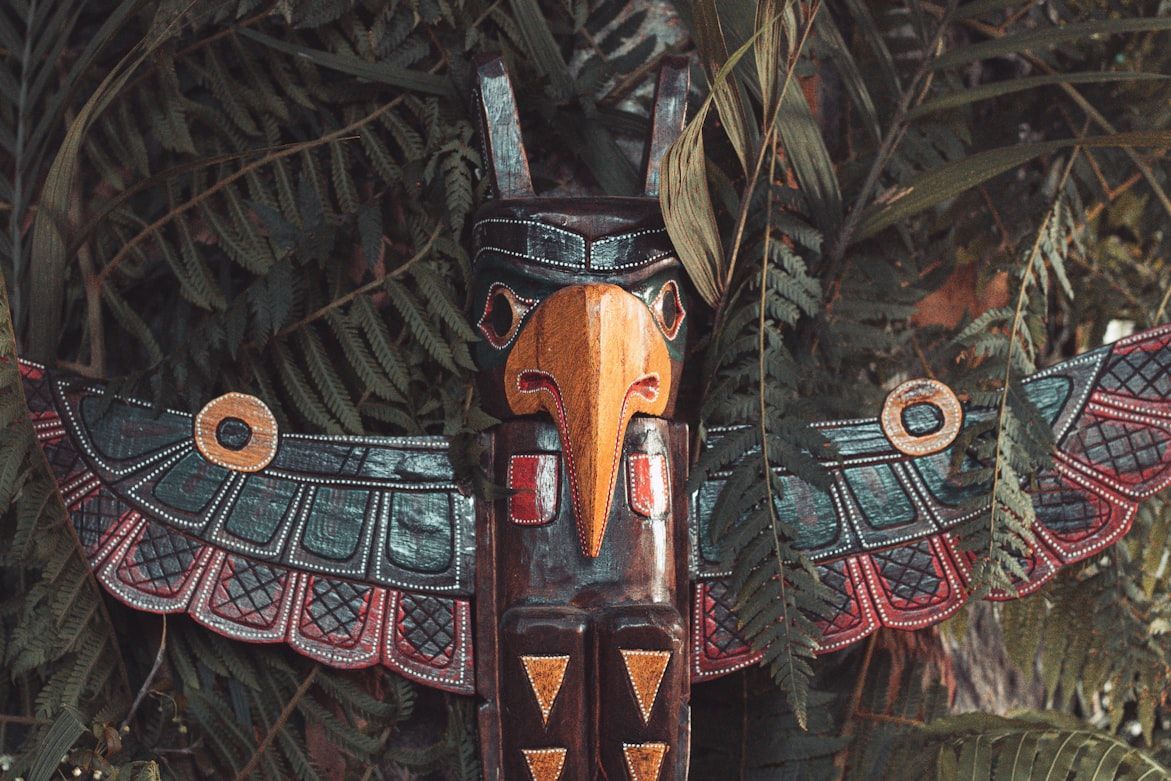
"Totem" comes from the Ojibwe word ototeman, which means "kinship group." It described symbols representing clans and shared roots.

English adopted it to describe carved poles and symbolic elements. Though broader in modern usage, it still hints at the original sense of community, identity, and heritage.

9

Coyote

Image: Dylan Ferreira

"Coyote" comes from the Nahuatl word coyōtl, which was used by Indigenous tribes of central Mexico. Spanish speakers adopted it, and English borrowed later.

The word kept its meaning, and it remains one of the most direct links between the English language and Nahuatl.

10

Avocado

Image: Gil Ndjouwou

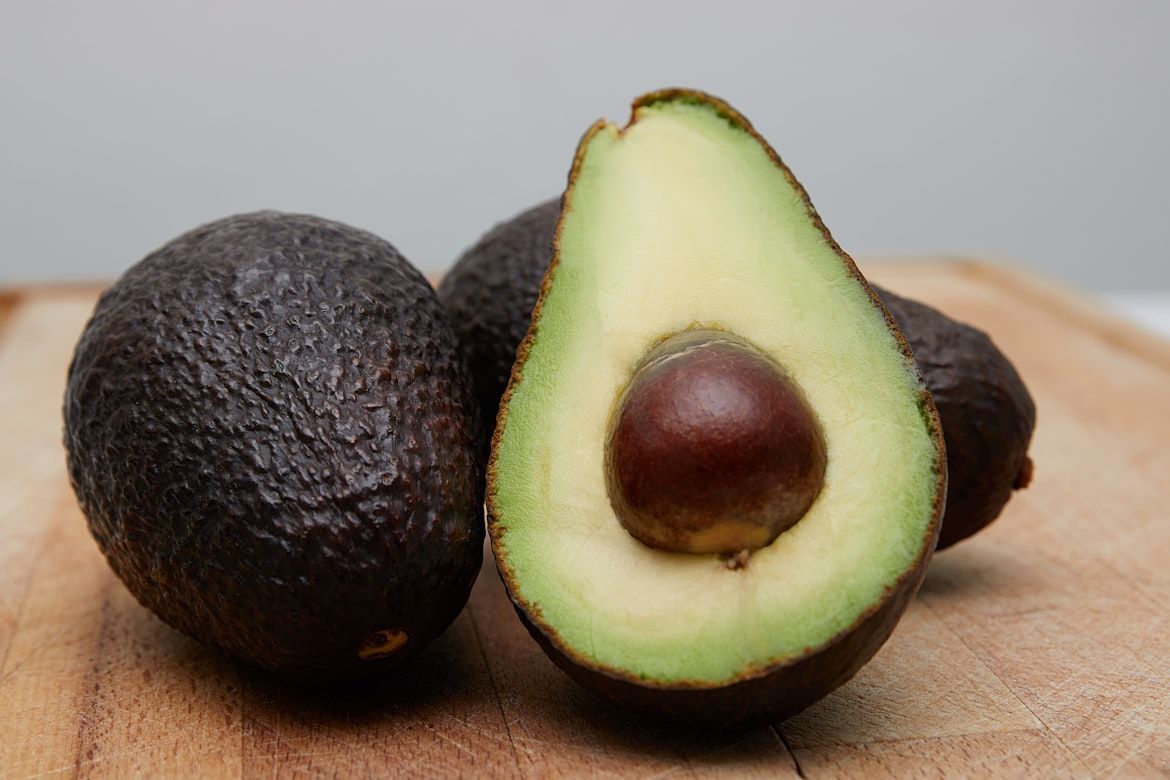
The tasty avocado’s name traces to the Nahuatl word ahacatl, which refers to the fruit and to a body part as well. Spanish speakers transformed it into aguacate.

Later on, English speakers adapted it to avocado. While the name sounds contemporary and culinary, it has ancient Native roots.

11

Chocolate

Image: amirali mirhashemian

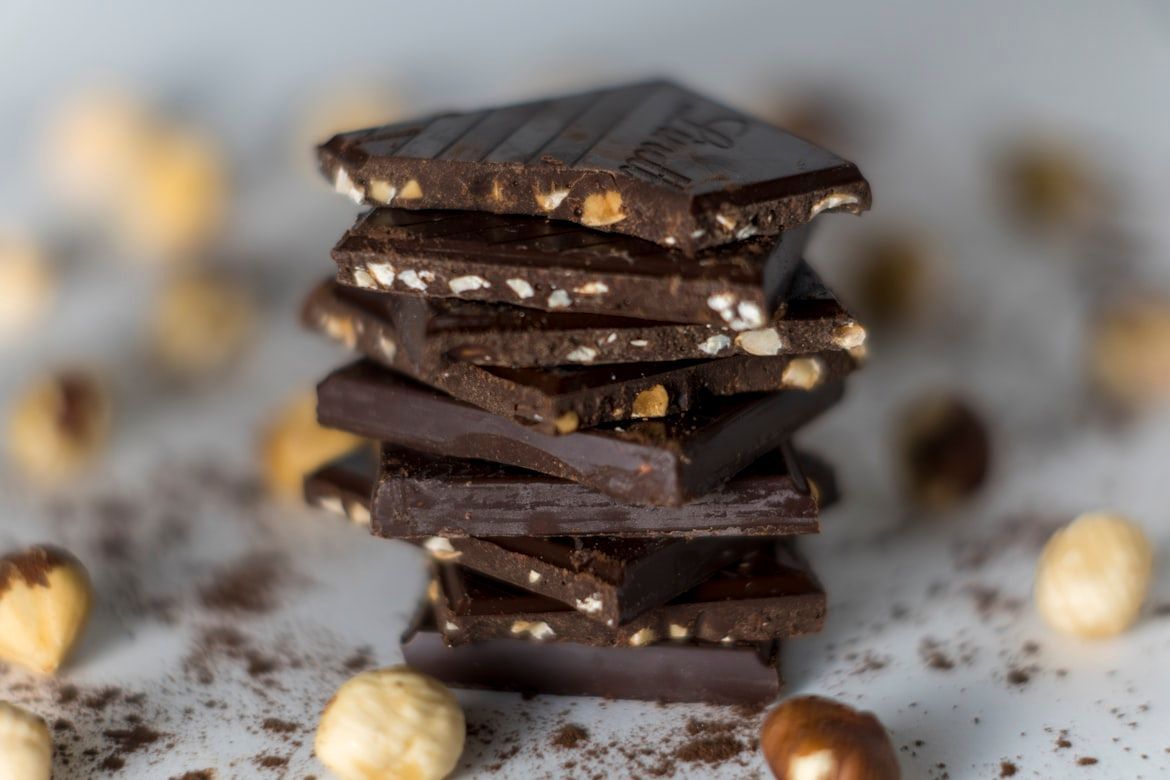
The last Nahuatl word and also the last word on the list comes from the term xocolātl, which describes a bitter cacao drink that was consumed long before Europeans arrived in America. The name traveled from Spanish to English.

Though the product changed dramatically, the word survived. Today, chocolate is a universal symbol of sweetness, with rich and deeply indigenous roots.


WORD MASH-UP

Mixed words that make sense: 10 portmanteaus explained


Published on July 5, 2026


Image: Nick Fewings

In life, many inventions came from mixing things around, the ebay cocktails were at least! Well, something similar happens with words, they are called portmanteaus: two words are cleverly fused to create a new one with an original meaning, of course. These linguistic mashups are not only funny, but they are also convenient and expressive: there’s no way to replace words like "brunch" or "workaholic." In this article, we’ll explore 10 portmanteaus and explain how they were formed and what they mean. Are you ready? Let’s go!

1

Brunch

Image: Priscilla Du Preez 🇨🇦

Let’s kick off the list with a classic. This word is so commonly used, that we often forget it’s actually a combination of "breakfast" and "lunch." It was born after the need to call that late-morning meal something new.

A brunch can also be a social event as much as a meal, often accompanied by friends, laughter, and relaxed vibes. Modern, practical, and precise, this one is here to stay.

2

Adorkable

Image: Warren

You probably know someone who is a bit awkward and nerdy, but irresistibly cute. Well, that person is "adorkable." This word is a combination of "adorable" and "dork," and far from being an insult, it describes someone whose interests may be uncommon, yet they are cute and appealing.

The word has found a home in popular culture, introduced by Fox to describe the main character of an upcoming TV series. But it stayed because it is an accurate and affectionate description, don’t you agree?

3

Biopic

Image: Daizy Isumi

Bohemian Rapsody; I, Tonya; The Social Network, can you guess what they have in common? First of all, they are movies, specifically "biopics." But the distinctive feature is that they all portray the significant lives of real people. In the case of the movies mentioned, the people were Freddie Mercury, Tonya Harding, and Mark Zuckerberg.

The word "biopic" combines the words "biography" and "picture." Whether it’s an artist, politician, or scientist, biopics aim to capture the essence of a person’s life on the big screen. They offer a peek into history and, more often than not, it’s used to highlight some aspects of these people’s lives.

4

Motel

Image: Steven Lewis

Did you know the word "motel" is a portmanteau? It combines the words "motor" and "hotel" and it emerged during the rise of automobile travel in the mid-20th century. What was the appeal of motels? Their location!

Motels provided convenient, roadside lodging for travelers who didn’t want to stray too far from the highway. They were budget-friendly and perfect for a quick overnight stay. Of course, over the years, motels have become an iconic and essential part of American road culture. While often depicted as mysterious in movies, they are still the number one choice for weary drivers!

5

Edutainment

Image: Tim Mossholder

Who said learning can’t be fun? In fact, most professionals agree that the best way to effectively learn something is through enjoyment! So, "education" meets "entertainment" to give birth to "edutainment," a term to describe educative content that is also recreational and fun to make the learning experience, an enjoyable one!

The term has been embraced by everything from children’s TV shows to interactive museums, where people can experience lively tours that help the information stick. Learning is not a chore anymore, edutainment will keep everyone engaged!

6

Workaholic

Image: KOBU Agency

Neither too little nor too much is good in any case! The same goes for work. We all want to strive and improve in life, but being addicted to work won’t get us anywhere. Don’t be a "workaholic"!

This word combines "work" and "alcoholic," and even though alcohol isn’t involved in this description, the term was chosen to refer to an addiction. The adjective describes those who cannot stop working, usually to the detriment of their personal lives. While this behavior is not recommended, no one can deny it was a necessary word!

7

Frenemy

Image: Monika Simeonova

In social circles, the workplace, and even within the family, we all have that one person for whom we can’t really decide whether we love or hate them—that’s our personal "frenemy."

A frenemy is someone who blurs the lines between "friend" and "enemy," a blend of both. It describes the kind of person who might support you but also somehow, compete with you. It’s truly a unique, and often confusing dynamic. Nothing personal, it’s all about chemistry!

8

Mockumentary

Image: Jakob Owens

Have you watched The Office? That series is set in a paper company, where we follow the people who work there, their relationships, and their terribly useless boss. It’s styled as a documentary, but it is actually a work of fiction and also a bit of a satire. That’s what makes it a mockumentary.

Blending the words "mock" and "documentary," this specific type of film imitates documentary-like features, such as the handheld camera or characters’ interviews and comments, while incorporating fictional stories and deadpan humor, absurd situations, and satirical elements. The purpose? To mock real-life scenarios or exaggerate them.

9

Webinar

Image: Austin Distel

We’ve already learned that education can take a fun turn and become entertaining. Similarly, education also found a way to become accessible to all through the internet, our best ally when it comes to learning. A "webinar" is a blend of "web" and "seminar," and it refers to online educational events.

It’s a product of the digital age and the goal is to increase accessibility and comfort, as they are typically attended from home. They have become a key piece of professional development and, during the pandemic, were highly requested to keep up with the educational goals. Creative, don’t you think?

10

Phablet

Image: Firmbee.com

To close our article, we’ll also explore a word that comes from the technological field. In this case, the word "phablet" is a combination of "phone" and "tablet." You may wonder why this word was created, and that would be a fair question.

A phablet is what you get when you combine both technology devices in order to create a device with a larger screen—bigger than a phone but smaller than a tablet. It is both an inventive device with a creative word that aims to give users the best of both worlds. The comfort of a phone, with the size(-ish) of a tablet. Did you know about this one?

Looking for an extra scoop of literary fun?

Learn more with our Word of the day

predominant

/priˈdɑmən(ə)nt/