Deep roots

12 Native American words that you use daily without even knowing it


Published on July 5, 2026


Image: Zoshua Colah

English is a very welcoming language in the sense that it incorporates terms from many other languages from all over the world. And, as it couldn’t be otherwise, Native American languages have lent many of their words and terms to English speakers. Some traveled through Spanish or French before settling into English, and others arrived directly through early contact and trade, helping shape the way we speak today. Did you know about these 11 terms?

1

Canoe

Image: Michael Niessl

The word "canoe" comes from the Taino term canoa, which was first used by Caribbean islanders long before Europeans arrived. Early explorers adopted it to describe the slim, sturdy boats they saw.

Over time, "canoe" became the standard English word for a small paddled craft. Today it still carries that sense of simplicity and closeness to nature.

2

Barbecue

Image: Philipp Kämmerer

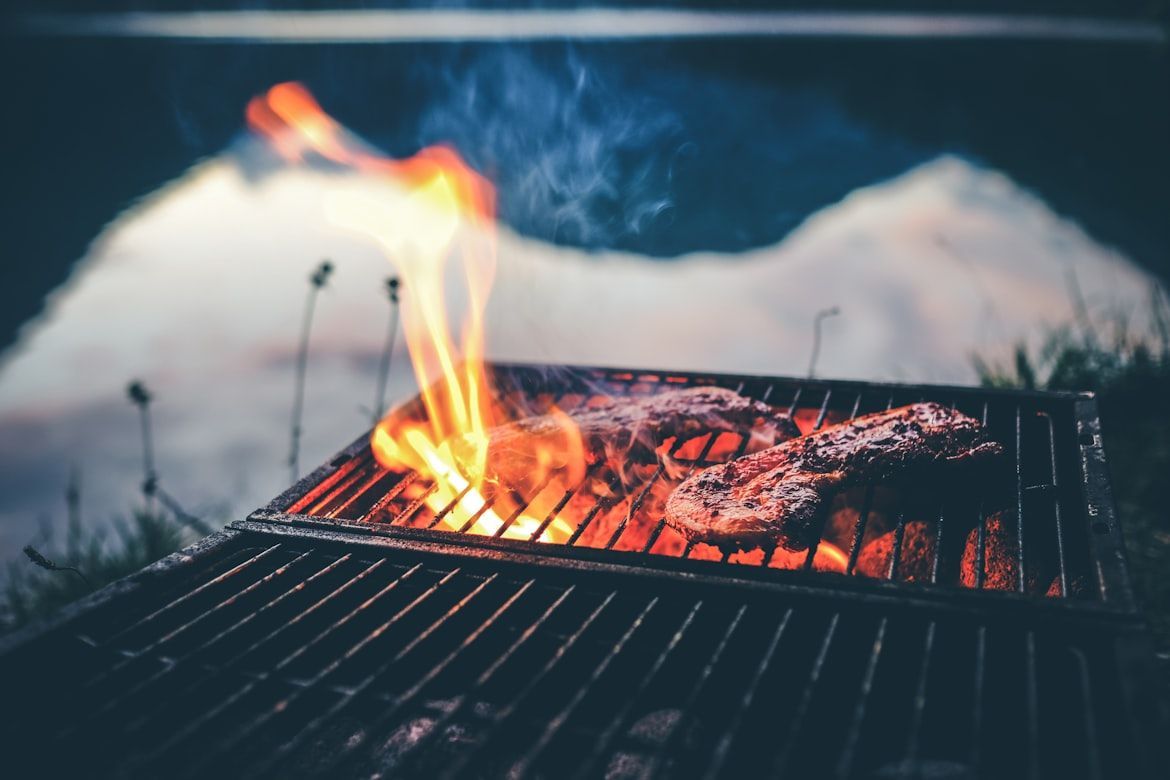
The word "barbecue" comes from barbacoa, another Taino term for a wooden frame used for cooking meat over fire. Europeans adopted it and applied it to both the method and the gathering itself.

Today, "barbecue" means everything from a backyard cookout to a regional cooking style. Its origins highlight the deep culinary influence of Native Americans in the nation's current culture.

3

Skunk

Image: Elisa Stone

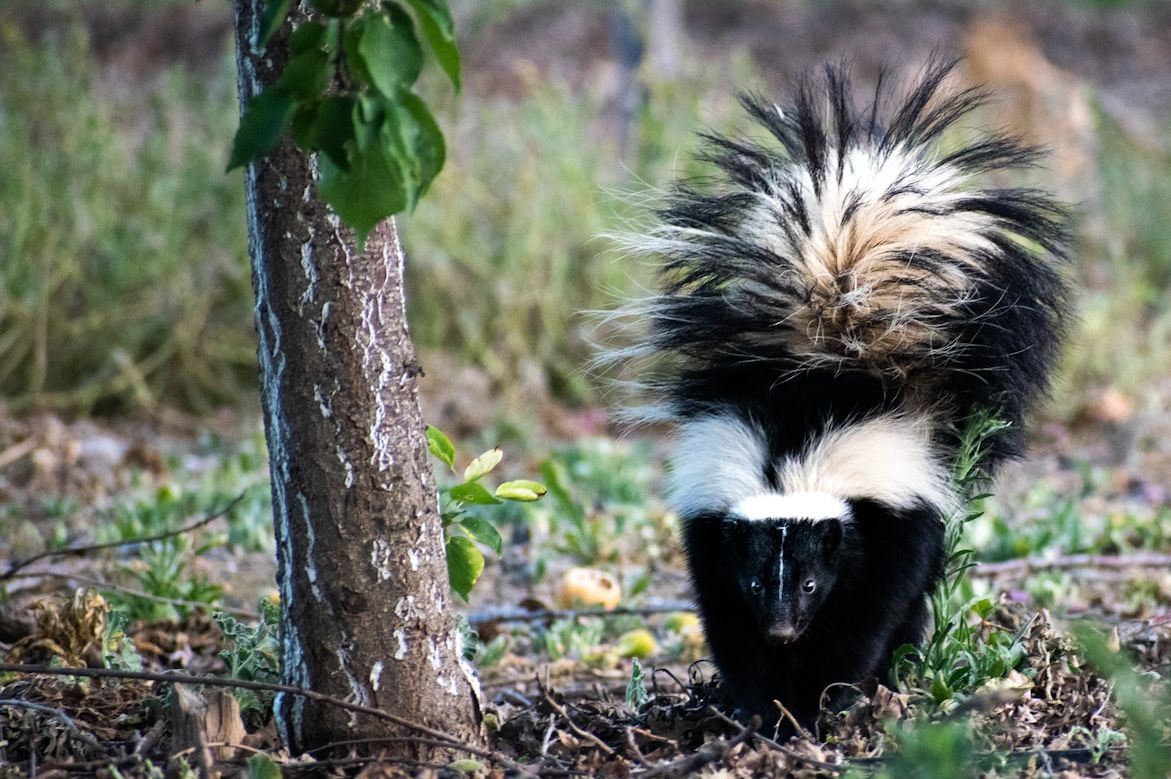
"Skunk" comes from the Algonquian word squnk, which means "urinating fox" (quite a fitting term, indeed). This was an obvious reference to the animal’s strong defensive spray. Early settlers adopted the term directly.

Since English had no better name for the creature, the Native word stuck. Today, the word skunks is also used as playful slang.

4

Moose

Image: Shivam Kumar

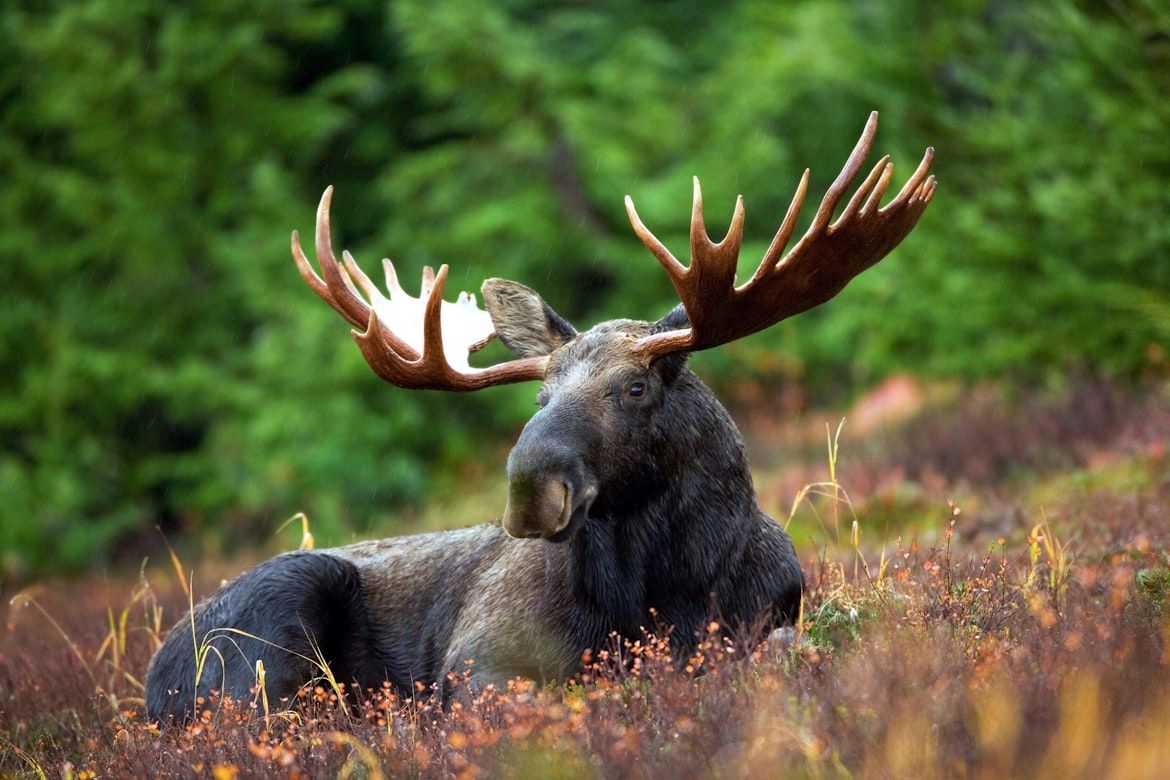
The word "moose" originates from Eastern Abenaki, a part of the Algonquian family, where it meant "he strips off bark." Yes, it described the animal’s habit of tearing bark from trees.

The name entered English quickly because settlers relied on Native knowledge of local fauna. The word remains unchanged because of its accuracy and usefulness.

5

Raccoon

Image: Gary Bendig

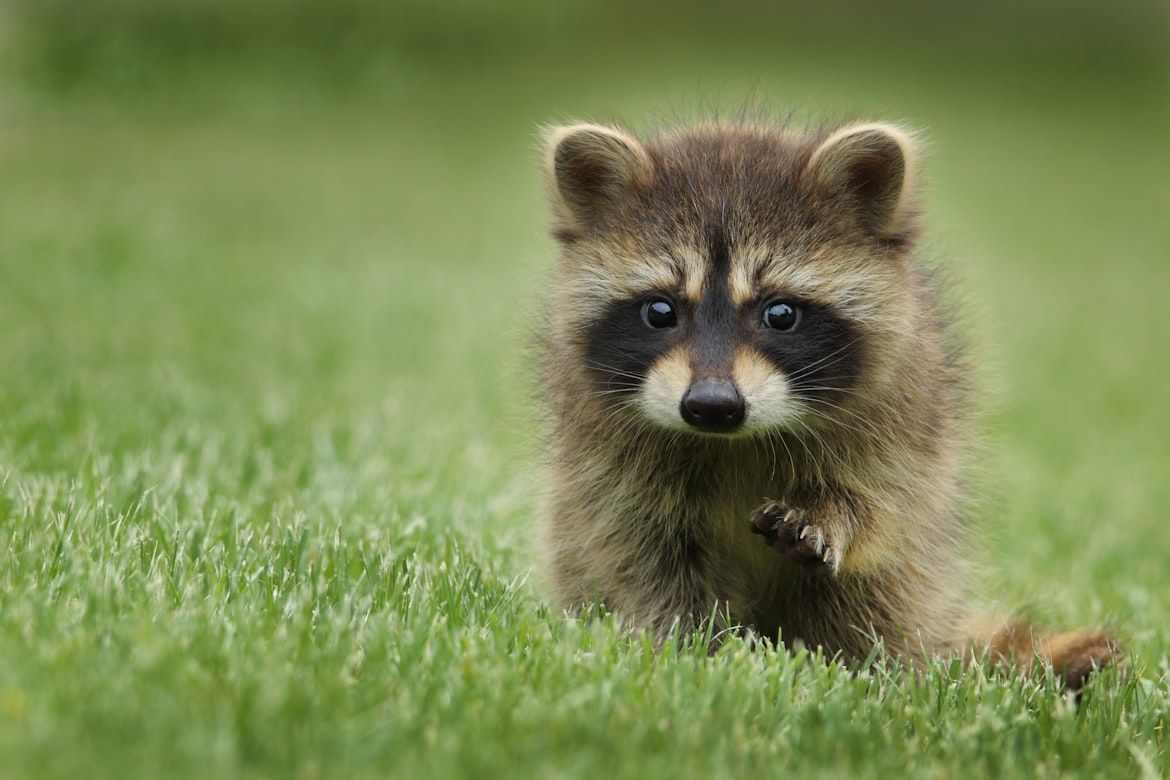
"Raccoon" comes from the Powhatan word arakun, meaning "he scratches with his hands." It described the animal’s clever, humanlike front paws.

Settlers adopted the term because it captured the creature’s behavior beautifully. Today, the raccoon is used as a household symbol of curiosity, not unlike the animal itself.

6

Chipmunk

Image: Annegret Kammer

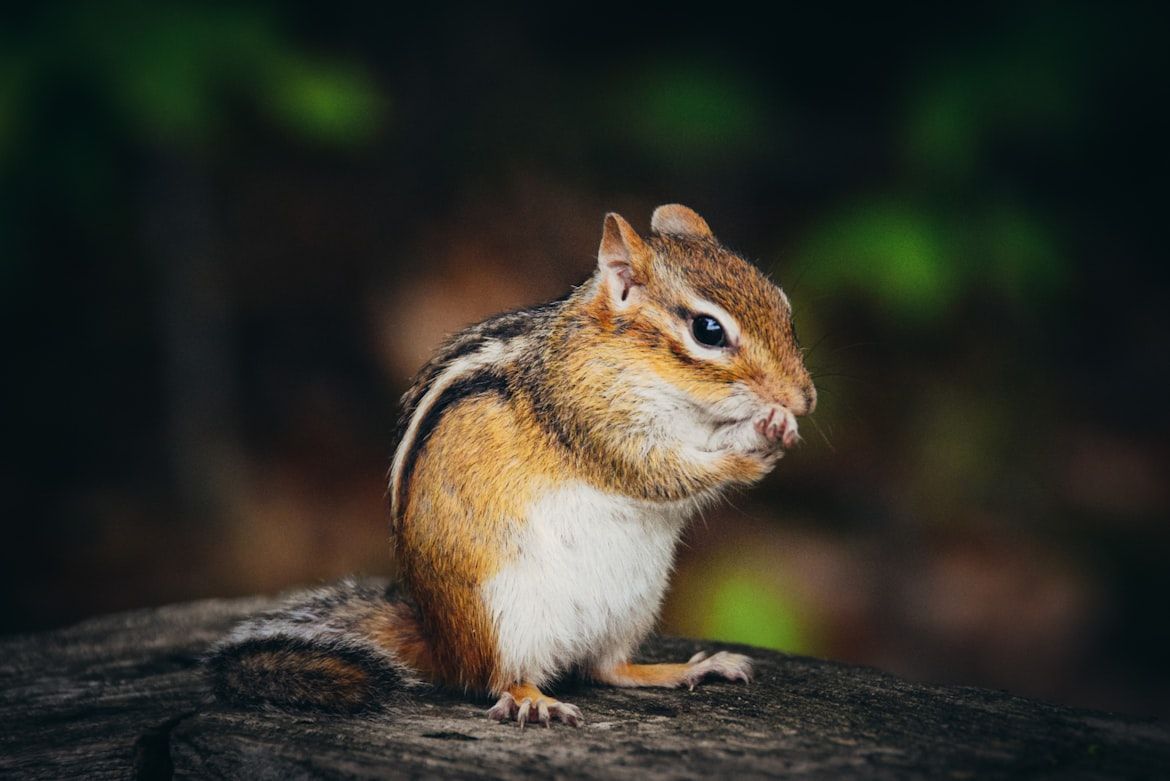
The term "chipmunk" most probably comes from the Ojibwe word ajidamoo, which means "one who descends trees headfirst." Early English settlers adapted the sound into today’s form.

Though the spelling changed over time, the lively image of a chipmunk racing down a tree face-first stayed.

7

Caribou

Image: JD-Photos

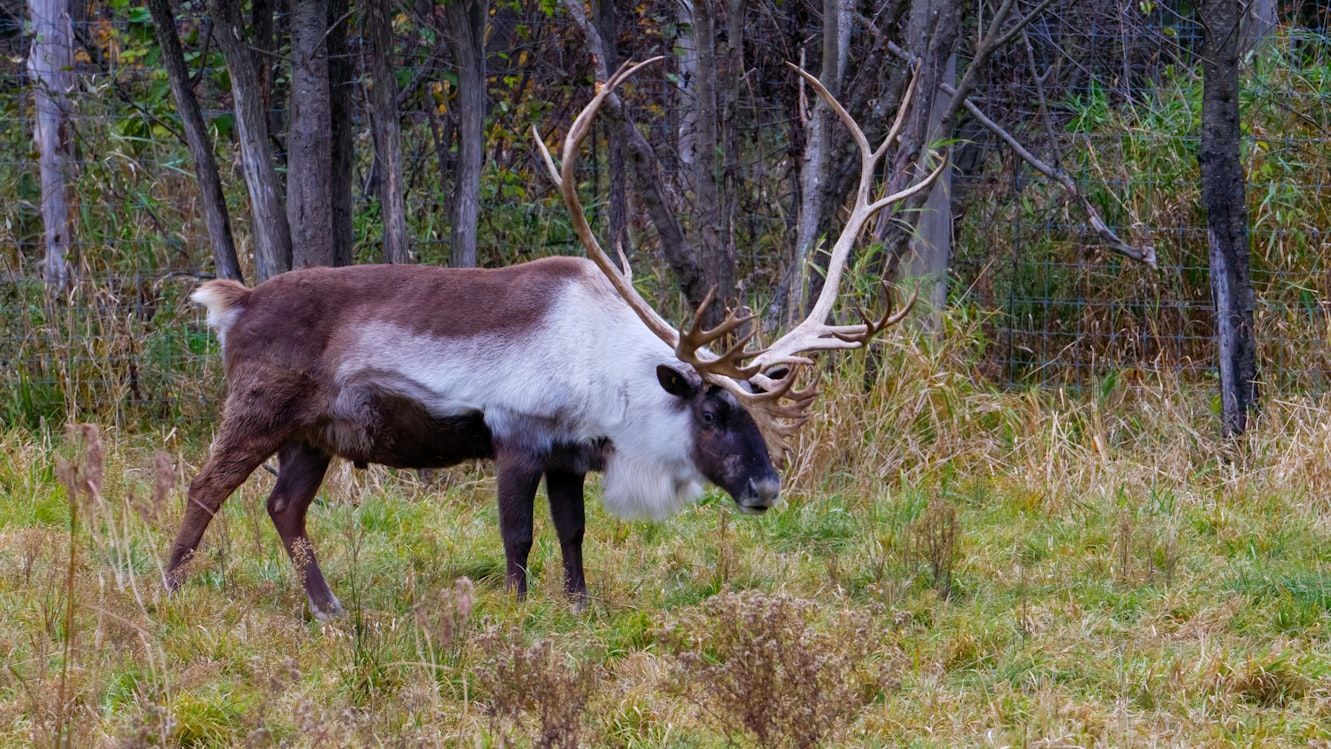
The word "caribou" comes from the Mi’kmaq term qalipu, which means "snow shoveler," referring to the animal’s habit of digging through snow for food.

French settlers brought the word into English, keeping its descriptive nature. The name still connects the modern animal to the winter landscapes it belongs to.

8

Totem

Image: Stéfano Girardelli

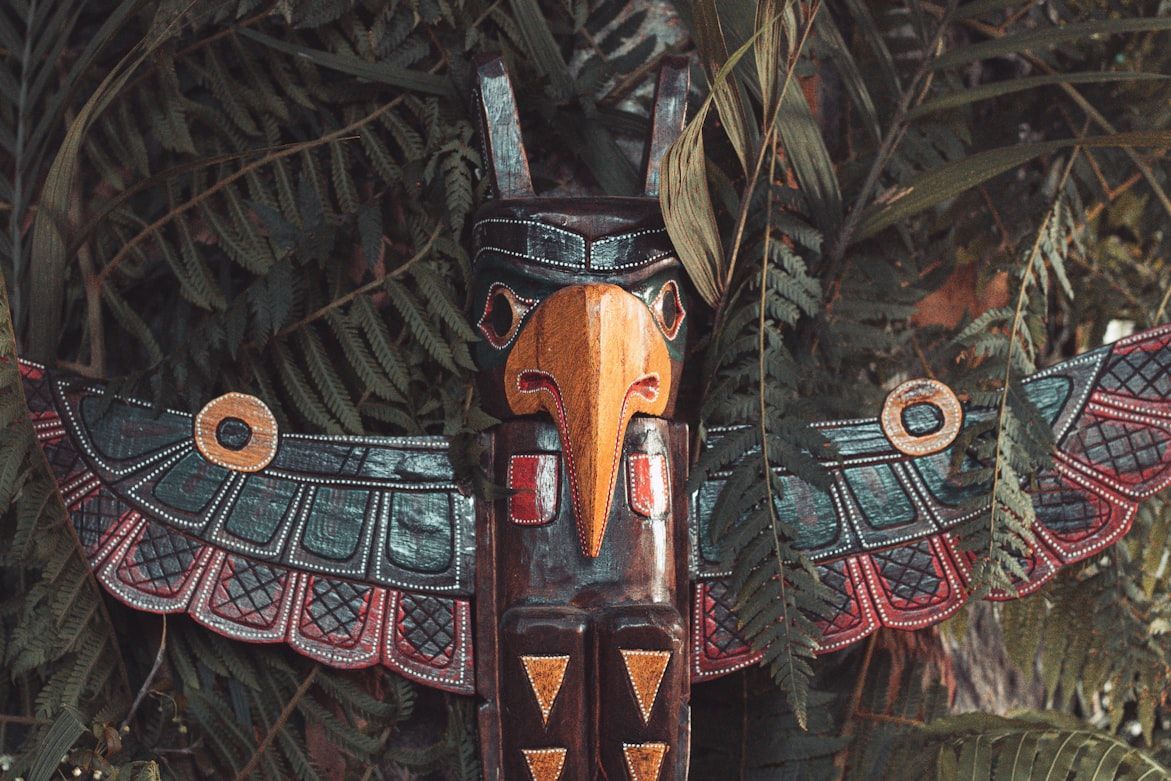
"Totem" comes from the Ojibwe word ototeman, which means "kinship group." It described symbols representing clans and shared roots.

English adopted it to describe carved poles and symbolic elements. Though broader in modern usage, it still hints at the original sense of community, identity, and heritage.

9

Coyote

Image: Dylan Ferreira

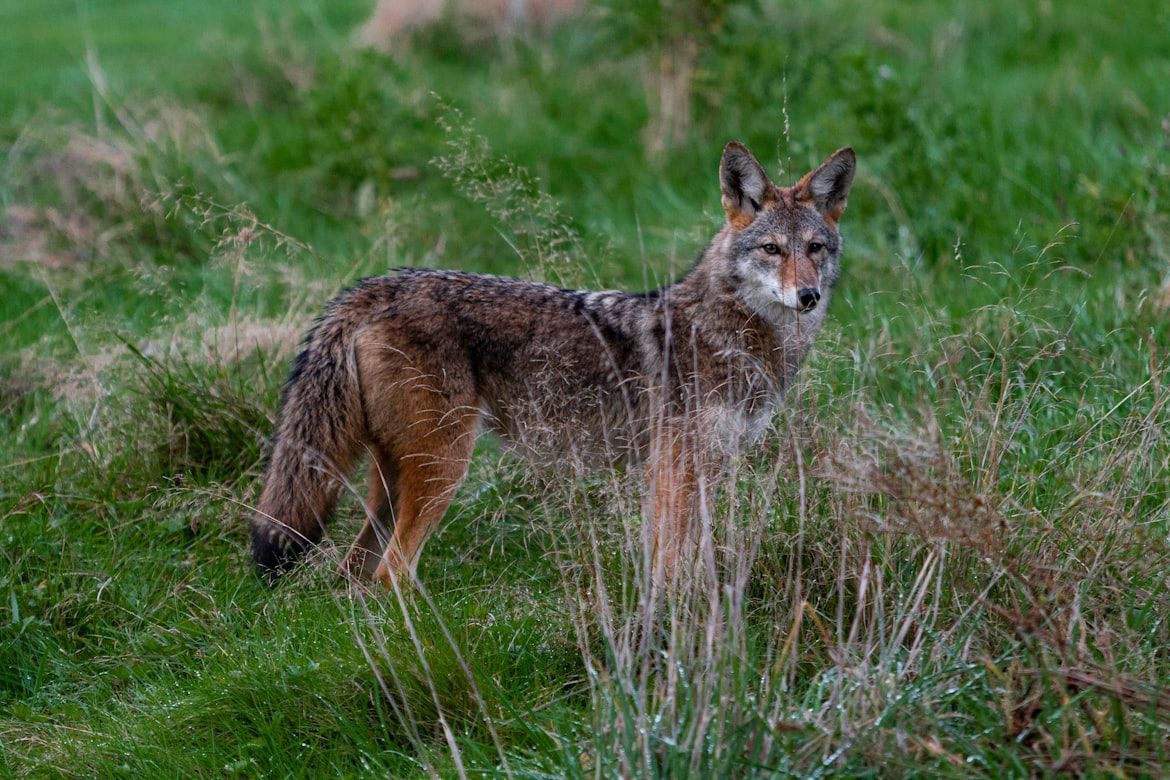
"Coyote" comes from the Nahuatl word coyōtl, which was used by Indigenous tribes of central Mexico. Spanish speakers adopted it, and English borrowed later.

The word kept its meaning, and it remains one of the most direct links between the English language and Nahuatl.

10

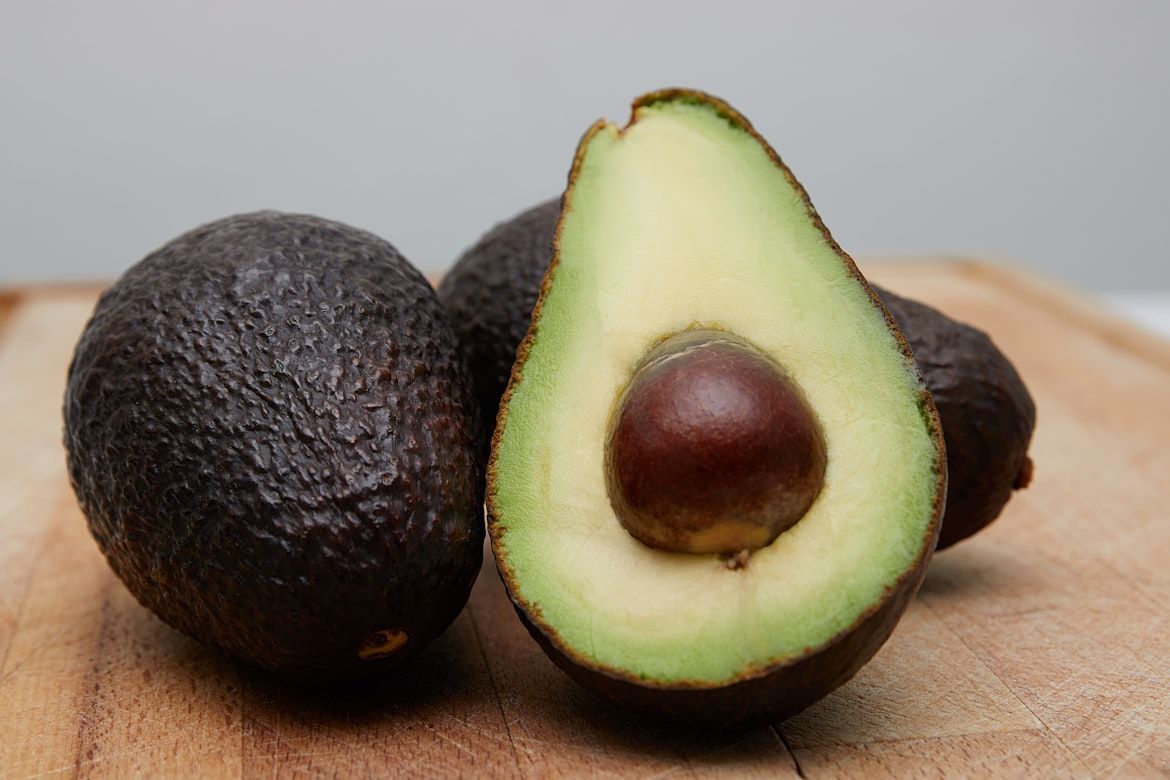
Avocado

Image: Gil Ndjouwou

The tasty avocado’s name traces to the Nahuatl word ahacatl, which refers to the fruit and to a body part as well. Spanish speakers transformed it into aguacate.

Later on, English speakers adapted it to avocado. While the name sounds contemporary and culinary, it has ancient Native roots.

11

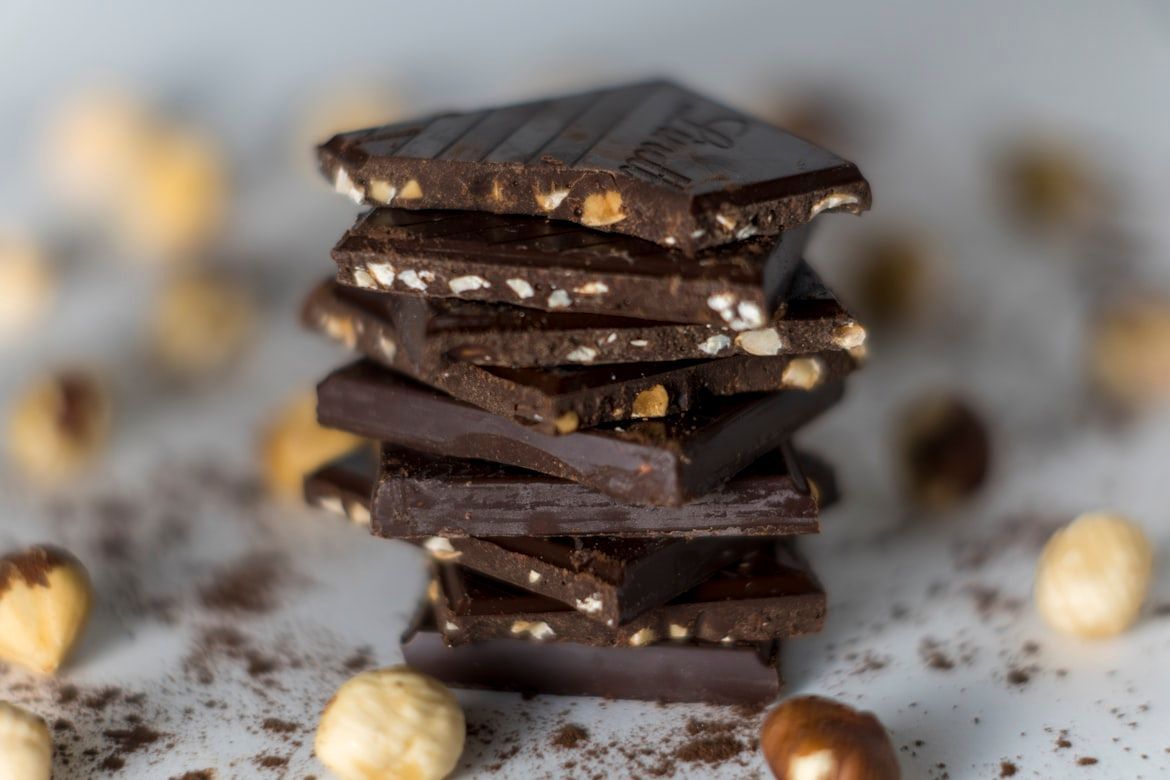
Chocolate

Image: amirali mirhashemian

The last Nahuatl word and also the last word on the list comes from the term xocolātl, which describes a bitter cacao drink that was consumed long before Europeans arrived in America. The name traveled from Spanish to English.

Though the product changed dramatically, the word survived. Today, chocolate is a universal symbol of sweetness, with rich and deeply indigenous roots.


TRAILBLAZERS IN ANIMATION

10 Saturday-morning cartoons that were loved for generations


Published on July 5, 2026


Image: Emre Turkan

Catchy theme songs. Universal visual gags. Ageless catchphrases. These cartoons have woven themselves into the fabric of our culture, and have brought giggles to parents, their children, and their grandchildren. They shaped the language of animation and left us with iconic characters and music that can spark old Saturday-morning nostalgia. Let's look into the history of 10 titles that charmed audiences and evolved into movies, park rides, and merch that still live in countless homes around the world.

1

Popeye the Sailor

Image: Jonathan MONCK-MASON

As is the case with many early animated cartoons, Popeye the Sailor was born in 2D. The comic strip he first appeared in, Thimble Theater, was created by Elzie Crisler Segar in 1919. Interestingly, Popeye’s famous love interest, Olive Oyl, was introduced 10 years before him. Once Popeye was drawn into Thimble Theater, though, he stole the show. Popeye became so popular that Fleischer Studios decided to produce a series of animated shorts about him.

The 1933 show was one of the trendsetters for the rotoscope technique, where animators traced over live-action footage to create more realistic movement. Popeye the Sailor was also one of the first cartoons to incorporate sound effects synchronized with on-screen actions. Segar eventually revealed that the character had been based on an eccentric retired sailor he had once known, called Frank "Rocky" Fiegel.

2

Looney Tunes

Image: Nate Biddle

Did you know that Looney Tunes was conceived as a strategy for Warner Bros. to promote its music catalog? It began as a series of shorts in 1930 and so, Bugs Bunny, Daffy Duck, Porky Pig, and many others were born. Looney Tunes became legendary for its use of humor and storytelling.

It introduced a faster-paced, more dynamic style of animation. We still remember the chattering, speedy speeches of many of these characters and some of their catchphrases, like "What's up, doc?", "That's all, folks!" or "¡Andale!". The series also established the device of "personality animation," where characters had signature moves, mannerisms, and quirks, setting the standard for character-driven style in the industry.

3

Tom & Jerry

Image: Teresa Jang

It all began with a mouse and a cat. Tom & Jerry was created by animators William Hanna and Joseph Barbera, who developed the series for Metro-Goldwyn-Mayer in 1940. The collaboration was so successful that it marked the beginning of one of the most enduring partnerships in animation history: Hanna-Barbera Productions. Remember that name.

Tom & Jerry was visual and musical storytelling, relying heavily on slapstick humor, with minimal dialogue, allowing physical comedy and expressive animation to drive the narrative. This focus on action and visual gags made Tom & Jerry universally appealing to audiences regardless of their mother language. Over time, it won seven Academy Awards for Best Animated Short Film.

4

Mickey Mouse & Friends

Image: Rod Long

Mickey Mouse & Friends is what the series of original Disney shorts are popularly called. From 1928 to the present, the characters created by Walt Disney and Ub Iwerks have been cemented as some of the most iconic cartoons of all time. Since its inception, the series was a trailblazer in animation for its pioneering use of synchronized sound in Steamboat Willie, one of the first cartoons to feature a fully synchronized soundtrack. Walt Disney was soon established as a leader in the animation industry and technology.

The popularity of Mickey and his friends led to the creation of countless shorts, feature films, and television series that are still recreated and watched today. Mickey Mouse's iconic status was further solidified when he became the first animated character to receive a star on the Hollywood Walk of Fame in 1978.

5

The Flintstones

Image: Bekir Uğur

The renowned cartoon about two families in the Stone Age was one of the creations of Hannah-Barbera Productions. It premiered in 1960 as the first prime-time animated television series. The Flintstones paved the way for many other animated shows aimed at adults. To give an idea, The Flintstones was the first animated show to feature a married couple sharing a bed on-screen.

At its heart, this show was a sitcom. It was modeled after The Honeymooners, also consisting of scenes from a suburban family, but adapted to a prehistoric setting. The show’s success proved that animated series could attract an adult audience in prime time, which was a significant departure from the children’s programming that dominated the landscape at the time.

6

The Jetsons

Image: Aleksandar Pasaric

The Jetsons was another of Hanna-Barbera Productions’ prodigal children. It premiered in 1962 with a concept deriving from the success of The Flintstones. This time, the suburban family scenes would be set in a utopian space-age world. The Jetsons offered a satirical yet optimistic view of the future, with flying cars, robot maids, and advanced technology.

The producers decided to emphasize the vibrant, high-tech world they were painting by broadcasting the show in color. This was rather new. While The Flintstones was also produced in color, it aired in black-and-white during its first two seasons. The Jetsons wasn’t a hit at first and was canceled after one season owing to low numbers, while it competed with Walt Disney's Wonderful World of Color. In the 80s, ABC came up with the idea to move the show to Saturday mornings, where it achieved widespread success and stayed on that schedule for decades.

7

Scooby-Doo, Where Are You!

Image: Nik

The original premise for the show was a musical group touring around the country in their van, accidentally solving mysteries (a twist on the by-then-famous The Archie Show). That’s why their talking dog, Scooby-Doo, was named after Frank Sinatra’s scat line, doo-be-doo-be-doo. Although the musical angle was dropped, the villain-unmasking group of teenagers still became legendary.

Scooby-Doo, Where Are You! was released as a Saturday morning CBS show in 1969 to compete with the violence of superhero cartoons. Since then, the original episodes, along with spin-offs and revivals, have lived on. It became a trailblazer for being one of the first animated mystery series, blending winks to supernatural horror, comedy, and adventure.

8

The Pink Panther Show

Image: adonyig

As unforgettable as its jazzy theme song, the Pink Panther is the icon of one of the longest-standing American TV and film franchises. The suave and silent character was introduced in the opening credits of Blake Edward’s 1963 The Pink Panther, set to the iconic music by Henry Mancini. The bit was so popular in the subsequent films that it developed into an animated series, The Pink Panther Show. The first installment was 1964's The Pink Phink, which won that year’s Academy Award for Animated Short Film.

By 1968, the show was airing on Saturday mornings on NBC. It was groundbreaking in its use of minimal or null dialogue. Set only to jazzy original scores, the Pink Panther’s endearing personality and his visual gags transcended language barriers and became popular worldwide.

9

The Smurfs

Image: Diego F. Parra

The Smurfs was created in Belgium, and it might have stayed there if it hadn’t caught the eye of Hannah-Barbera. Belgian cartoonist Peyo (Pierre Culliford) was the creator behind the 1958 comic strip, Les Schtroumpfs. The blue humanoid beings, who were friendly teamworkers and lived in mushroom-shaped houses, had in fact been born as side characters in a previous successful comic strip by Peyo.

Just like Popeye had, these colorful, wholesome creatures won the audience’s hearts and got their own strip. In the following years, animated shorts featuring the Smurfs were released in Belgium. Attracted by their success, Hanna-Barbera decided to produce a series to run in the U.S. This Saturday-morning cartoon aired for the first time in 1981 via NBC and is still broadcast in the country to this day.

10

The Simpsons

Image: Stefan Grage

Matt Groening, creator of The Simpsons, designed an animated dysfunctional family and named its members after his own. He only changed his name to "Bart". The Simpsons was released in 1989 as a half-hour prime-time show after a series of shorts that aired on The Tracey Ullman Show in 1987 became popular.

The satirical sitcom soon became a cultural phenomenon. The show pioneered a willingness to tackle controversial topics, a style that grew to become a subgenre of animated TV. Opening with one of the most recognized themes in television history, by Danny Elfman, The Simpsons has won numerous awards, including 34 Primetime Emmy Awards. It also holds the record as the longest-running American sitcom and the longest-running American scripted prime-time television series.

Looking for an extra scoop of literary fun?

Learn more with our Word of the day

negligible

/ˈnɛɡlədʒəb(ə)l/