Fancy a trip to the dairy?
11 terms from other English dialects that you might not know
Published on December 25, 2025
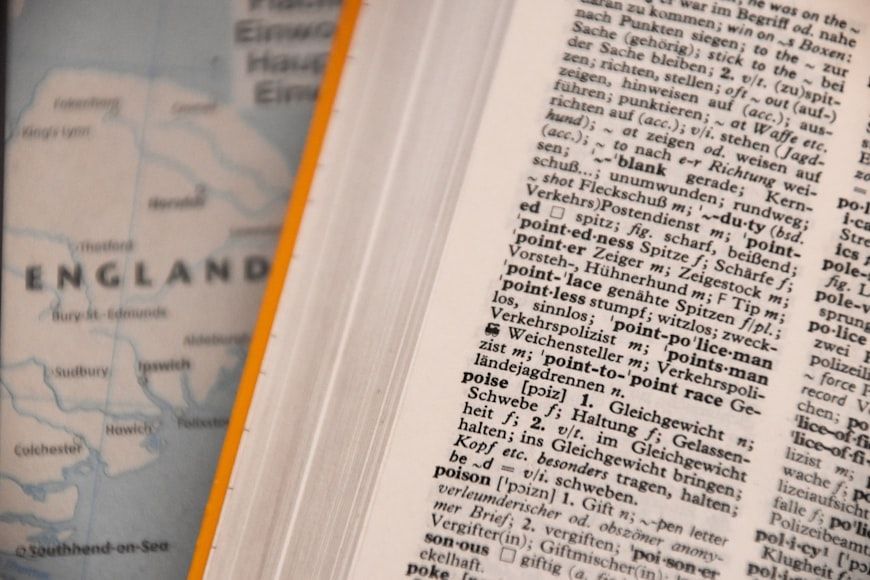 Image: Waldemar Brandt
The term dialect is sometimes perceived as negative or derogatory when it is merely descriptive: It’s a particular form of a language tied to a certain region or a particular group of people, and can be understood by users of the same language, even if they speak a different dialect.
The English language has a multitude of dialects, all with unique traits, but all mutually intelligible… sometimes. While English speakers around the world can understand each other no matter their origin, certain words greatly differ from standard American English. Keep on reading so you can recognize these terms in future conversations.
Canada: Loonie
 Image: PiggyBank
The Canadian dollar is the official currency of The Great White North, and loonie is the name given to the one-dollar coin. The name originated from the fact that most coins have the image of a common loon, a bird found throughout most of the Canadian territory. The term loonie is so widespread that the Canadian Royal Mint has secured the rights to it. When the two-dollar coin was introduced in the 90s, it was aptly nicknamed toonie, as in two loonies.
Nigeria: Long-leg
 Image: Rock Staar
Being tall is generally considered an attractive feature, but this is not what Nigerians are talking about when they call you long-leg. For them, someone with long-legs is someone well-connected who has an unfair advantage because of it, often being favored over those who really deserve the positions or recognitions.
England: Chinwag
 Image: Korney Violin
What would make you wag your chin for a long time? Obviously, a good chat! This is exactly what the English are referring to when they use the word chinwag, a long and pleasant conversation with friends. It is also used as a synonym for gossip, because we all know where those chit-chats are heading.
The Philippines: High blood
 Image: Icons8 Team
Philippine English has an abundance of interesting terms, both derived from native languages and alternative uses of English words. High blood is an example of the latter: While it is used in a medical sense, it also means that someone is angry or agitated. If a Filipino tells you someone is ‘high blood’, it means this person has a short temper and is easily angered.
Jamaica: Pickney
 Image: Leo Rivas
Jamaican English is a colorful language, heavily marked by Patois —also called Patwa, an English-based creole with French, Spanish, and West African influences. The term pickney —from the Portuguese pequenino, very small— is commonly used to refer to a child. Fun fact: in Jamaican Patois, plurals are formed by adding the word ‘dem’, so children would be pickney dem.
Ireland: Craic
 Image: Erika Giraud
We challenge anyone to find a more Irish word than craic, they are not likely to succeed. Pronounced like ‘crack’, it is used in a multitude of ways, but it is mainly a descriptor of enjoyable times and experiences. Key phrases that use it are What's the craic? (What’s up?) and Any craic? (Any news or gossip?). Where does craic come from? In Middle English, crack meant ‘loud conversation’ or ‘news’.
Scotland: Ken
 Image: Unseen Studio
Many people fail to realize that, although Scottish people speak English on the regular, Scots is a language of its own, and many Scottish English words are of Scots origin. A good example is the term ken —to know, to be aware, to understand—, much more used than its English equivalents.
New Zealand: Dairy
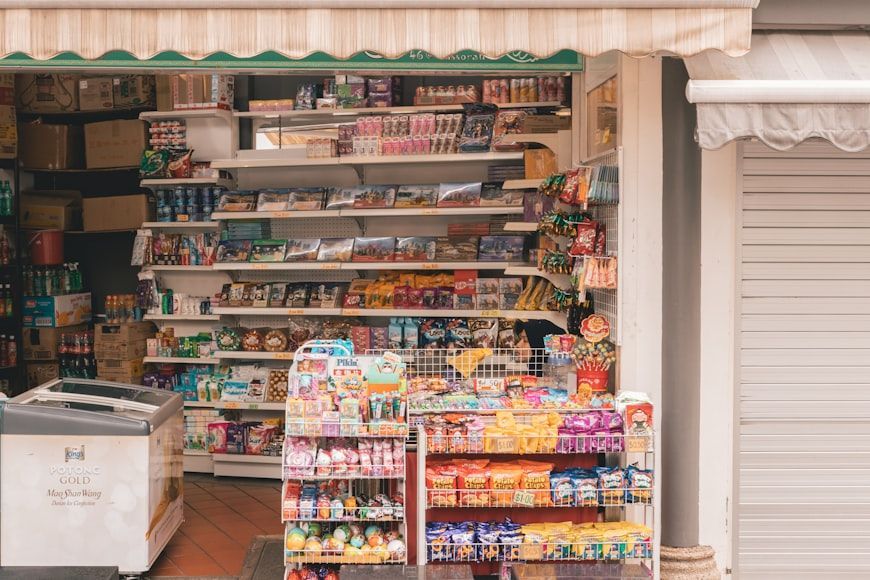 Image: Zhu Hongzhi
If you hear a Kiwi person using the term dairy, you might think they are talking about milk products. You would be right about half of the time. While dairy is used in its standard sense, New Zealanders also use this word for a small convenience store where you can buy essential groceries, cigarettes, snacks, and yes, dairy products.
Australia: Bludger
 Image: Kate Stone Matheson
Australia is known for being wild and interesting, and Australian English is no exception. The word bludger has a fascinating story: originally from the London slang ‘bludgeoner’ —someone who uses a stick to attack and rob—, it made its way to The Land Down Under, where it changed into bludger, someone who is lazy, avoids work and responsibilities, and relies on the efforts of others.
South Africa: Bakkie
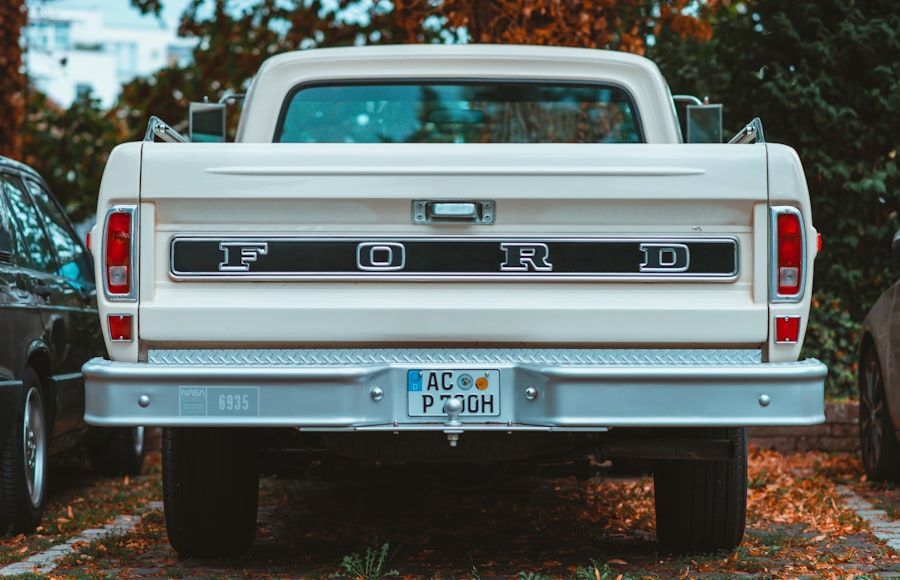 Image: Philip Stieber
Pick-up trucks (and trucks in general) are one of those things with a thousand names depending on the part of the world you find yourself in. For South Africans, it is a bakkie. From the Afrikaans bak, meaning ‘container’ or ‘bowl’, as a reference to the open cargo space in these vehicles.
Wales: Hanging
 Image: Carolina Heza
It is difficult to speak about Welsh English terms, not because they are not interesting (they are!), but because they might be difficult to pronounce for the average American (also, the amount of consonants commands respect). Our pick of the day is hanging —allegedly pronounced ‘angin’— used to express feeling sick, rough, and generally unwell, usually as a result of drinking and being hungover.