The future is now
11 examples of how voice assistants are reshaping the way we communicate
Published on December 6, 2025
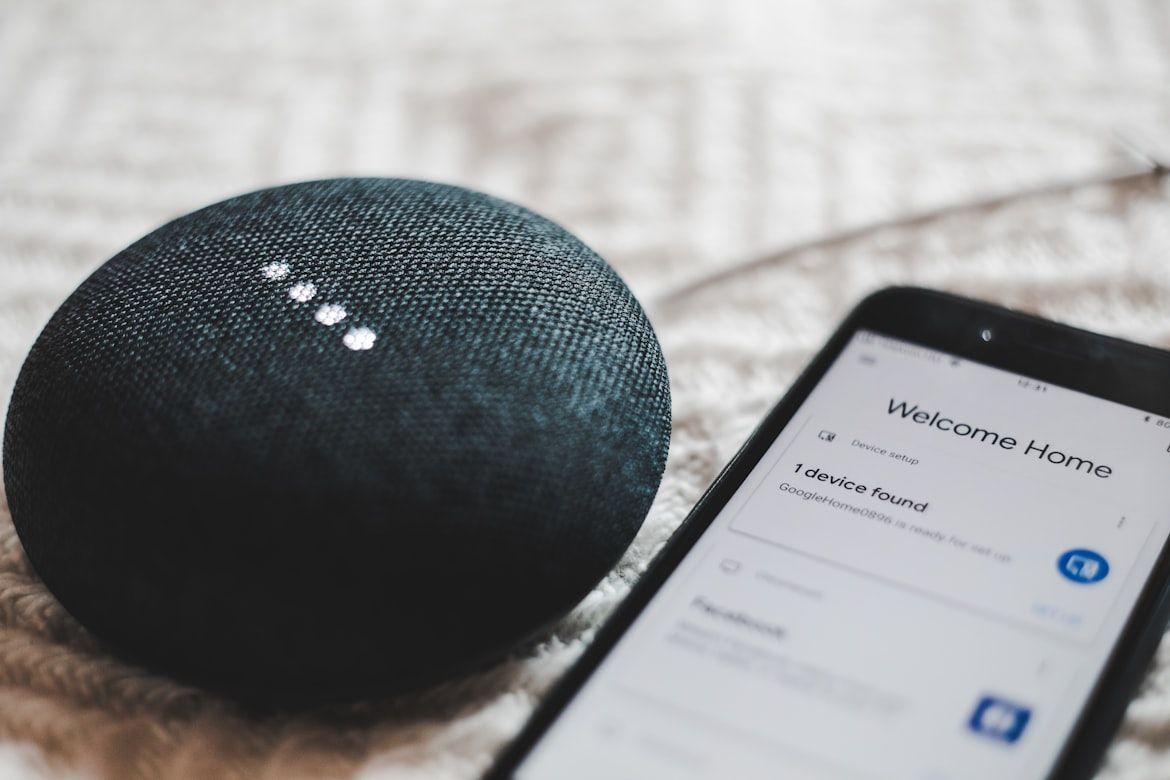 Image: BENCE BOROS
For millions of people around the world, voice assistants like Siri, Alexa, and Google Assistant have become part of daily routines, but they are also quietly changing the way we speak. From how we phrase questions to the words we choose, these digital helpers are introducing subtle changes in everyday language. As our use of these devices increases, the amount of time we spend talking to them will likely increase as well. Here are 12 ways voice assistants are influencing the way we communicate.
Command-like speech
 Image: Cătălin Dumitrașcu
The first and probably most noticeable example of how voice assistants change the way we speak has to do with the shift to more imperative sentences when making requests.
For example, instead of saying, "Can you please set a timer for me?" people now tend to default to concise, direct commands like, "Set a timer for 10 minutes." We use imperative sentences rather than polite or indirect forms.
Keyword-driven phrasing
 Image: NisonCo PR and SEO
Since voice assistants are, essentially, robots that break up commands into simple concepts to process them effectively, we tend to simplify and rephrase the way we speak by using key terms the assistant is more likely to understand.
For example, instead of saying, "Can you put on something jazzy?" people often default to a concise command like, "Play jazz music."
Repetition
 Image: Joas van der Eerden
Another common trait when speaking to machines is that we tend to repeat similar structures, since voice assistants do not handle follow-up context as well as humans do.
For example, someone might say, "What’s the weather today? What’s the weather tomorrow?"
Slower, clearer enunciation
 Image: Kristina Paparo
This is possibly one of the most positive effects on the list. When speaking to a voice assistant, people tend to slow down and articulate more clearly, a habit that sometimes carries over into their regular speech.
For example, someone might deliberately separate words, saying, "Call… Mom," for a clearer enunciation.
Pop culture and wake words
 Image: Parker Coffman
Wake words—those commands used to "wake up" a voice assistant, such as "Hey Siri" or "Alexa"—are increasingly entering casual conversation and humor.
For example, people might jokingly say, "Okay Google, make me a sandwich," to someone, or, "Hey Siri, can you take the dog out for a walk?"
Avoidance of slang or ambiguity
 Image: Markus Spiske
Another notable language shift is the tendency to use more formal, literal phrasing when speaking to machines, a habit that sometimes carries over into everyday conversation.
For example, someone might say, "Give me the details," instead of the slangier, "Gimme the deets," when interacting with a voice assistant.
Adopting machine-speak for efficiency
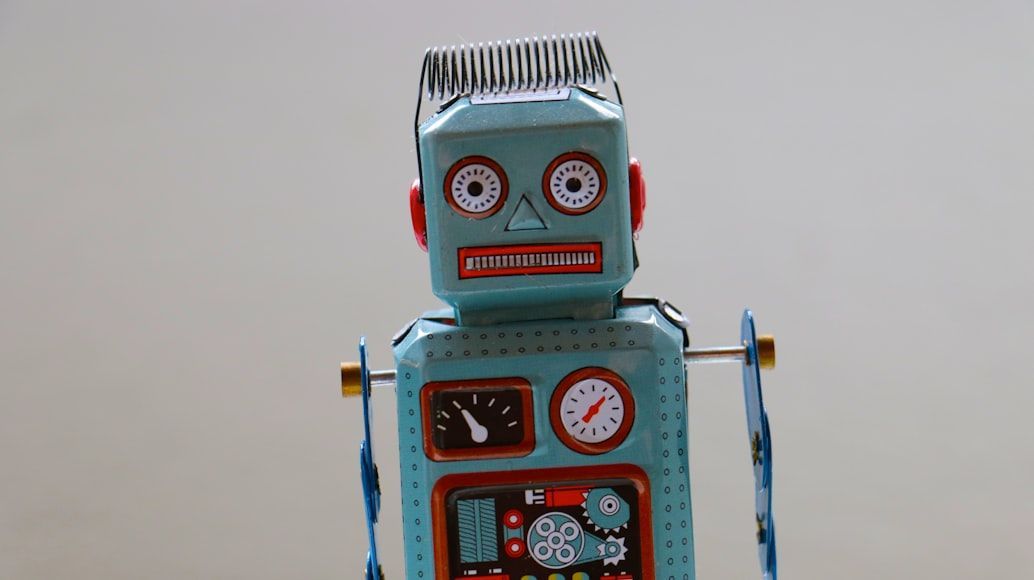 Image: Emilipothèse
Even though artificial intelligence is making machine speech more natural, voice assistants do not always accurately interpret the exact meaning of our commands. As a result, people tend to adopt more mechanical, concise speech patterns to communicate more efficiently with these devices.
For example, someone might say, "Add milk to the shopping list," instead of a longer phrasing like, "Can you remind me to buy milk later?"
More global English or neutral accents
 Image: Clay Banks
Voice assistants typically use a neutral tone, without regional accents. As a result, people with strong accents or regional dialects may adjust their speech toward more "standard" English to be understood.
This can involve modifying pronunciation or vocabulary—for example, saying "elevator" instead of "lift" in certain regions.
More direct questions
 Image: Buddha Elemental 3D
In line with some of the previous situations, the simplification of commands encourages the removal of hedges and conversational words in favor of more precise, direct questions.
For example, instead of saying, "Do you know how tall Mount Everest is?" someone might simply ask, "How tall is Mount Everest?"
Rephrasing after a misunderstanding
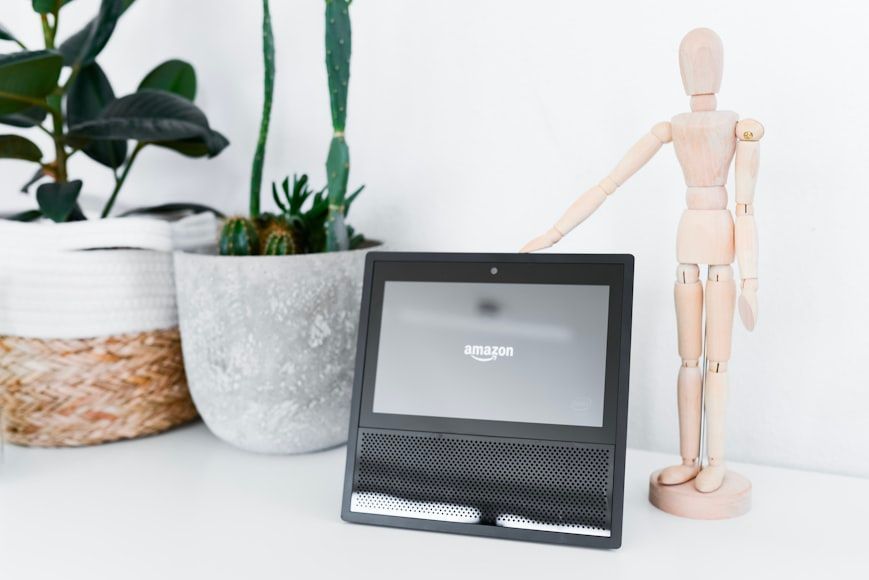 Image: Jan Antonin Kolar
People have learned to anticipate how machines interpret language and adjust in real time, demonstrating a growing linguistic adaptability fostered by our interactions with voice assistants.
For example, someone might start by saying, "Call Sam," but then change it to, "Call Samantha, mobile," when they realize the assistant may not understand the initial command.
Fewer pronouns or contextual clues
 Image: yousef samuil
While casual conversations with humans often rely on pronouns and shared context, voice assistants require more explicit information. Users tend to over-specify to compensate for the assistant’s limited contextual memory.
For example, someone might say, "Send message to John: I’ll be late," instead of the more natural, "Tell him I’m running late."