Patriotic oddities
11 craziest national anthems — including Spain’s wordless march
Published on April 13, 2026
 Image: Daniel Lloyd Blunk-Fernández
National anthems are meant to inspire pride and unity, but some stand out for their oddities—whether in lyrics, melody, or length. From surprisingly short tunes to unconventional themes and even wordless anthems, these 11 national songs break the mold. Join us on a melodic journey around the world!
Japan
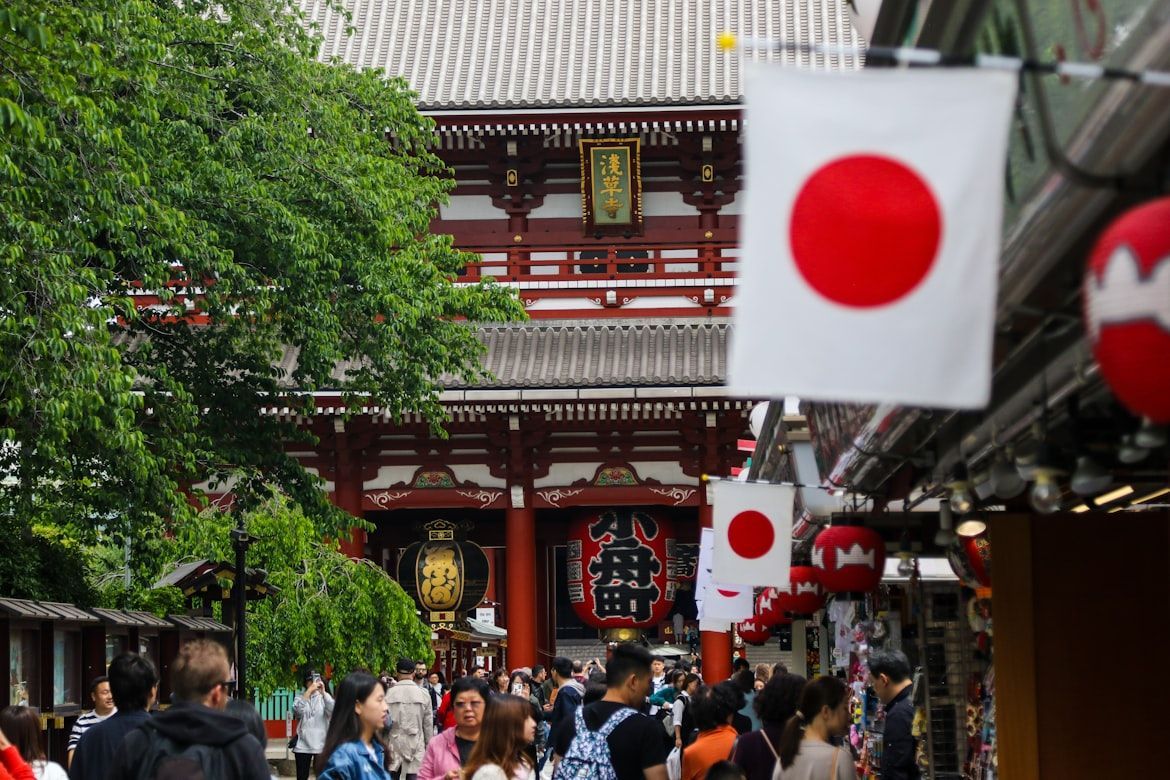 Image: Colton Jones
Japan’s anthem, Kimigayo, is one of the shortest in the world, lasting only about 45 seconds. Despite its brevity, Kimigayo dates back more than a thousand years, as its lyrics are based on a poem from the Heian period (794-1185).
Though in modern times the emperor of Japan has taken on a symbolic role, the lyrics express wishes for the emperor’s reign to endure eternally. The melody, for its part, is a minimalist composition that contrasts with the grandiose style found in many other national anthems.
Spain
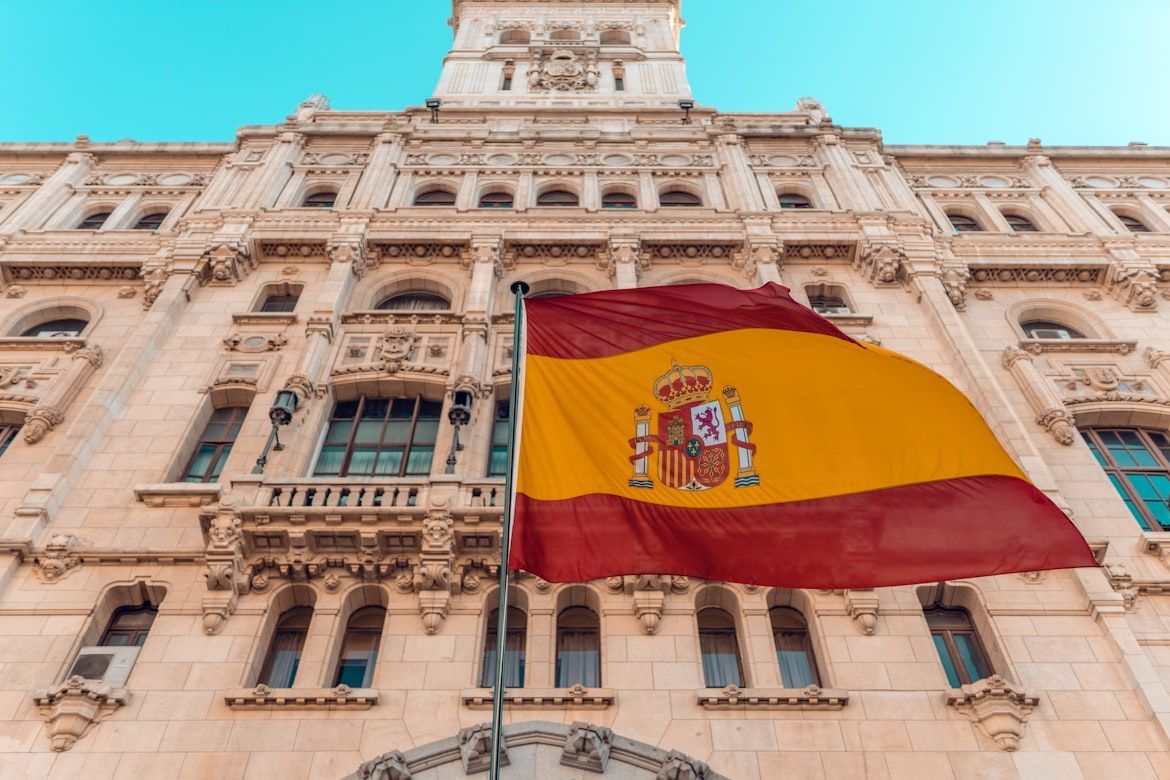 Image: Daniel Prado
Spain’s anthem, La Marcha Real, is one of the few national anthems without official lyrics. Used since the 18th century, this purely instrumental anthem leaves words to personal or regional interpretation.
Attempts to add lyrics over time have failed due to political and cultural divisions, reflecting Spain’s complex history of strong regional identities.
Mozambique
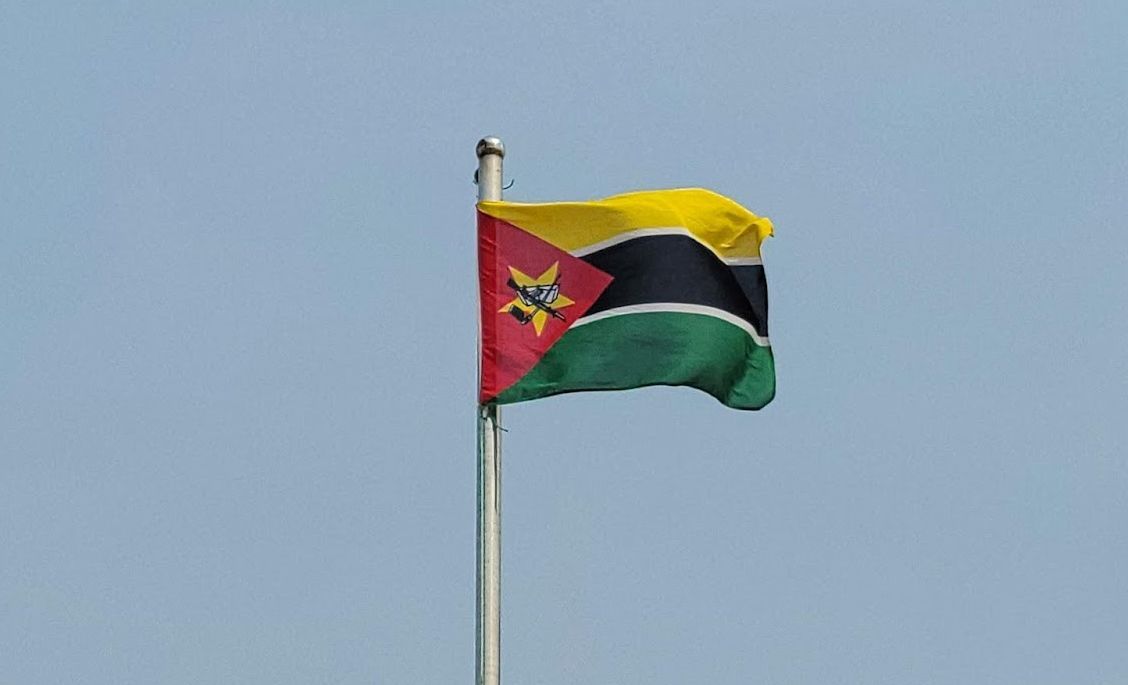 Image: Mister Paps
Mozambique’s anthem, Pátria Amada, is the only national anthem in the world to explicitly mention a weapon of war—the Soviet-designed AK-47 rifle—as a symbol of defense and liberation. The silhouette of this rifle is even depicted on the national flag.
But despite appearances, the anthem is not merely a militaristic boast; it reflects the country’s struggle for independence, honoring the weapon that played a key role in overthrowing colonial rule.
Liechtenstein
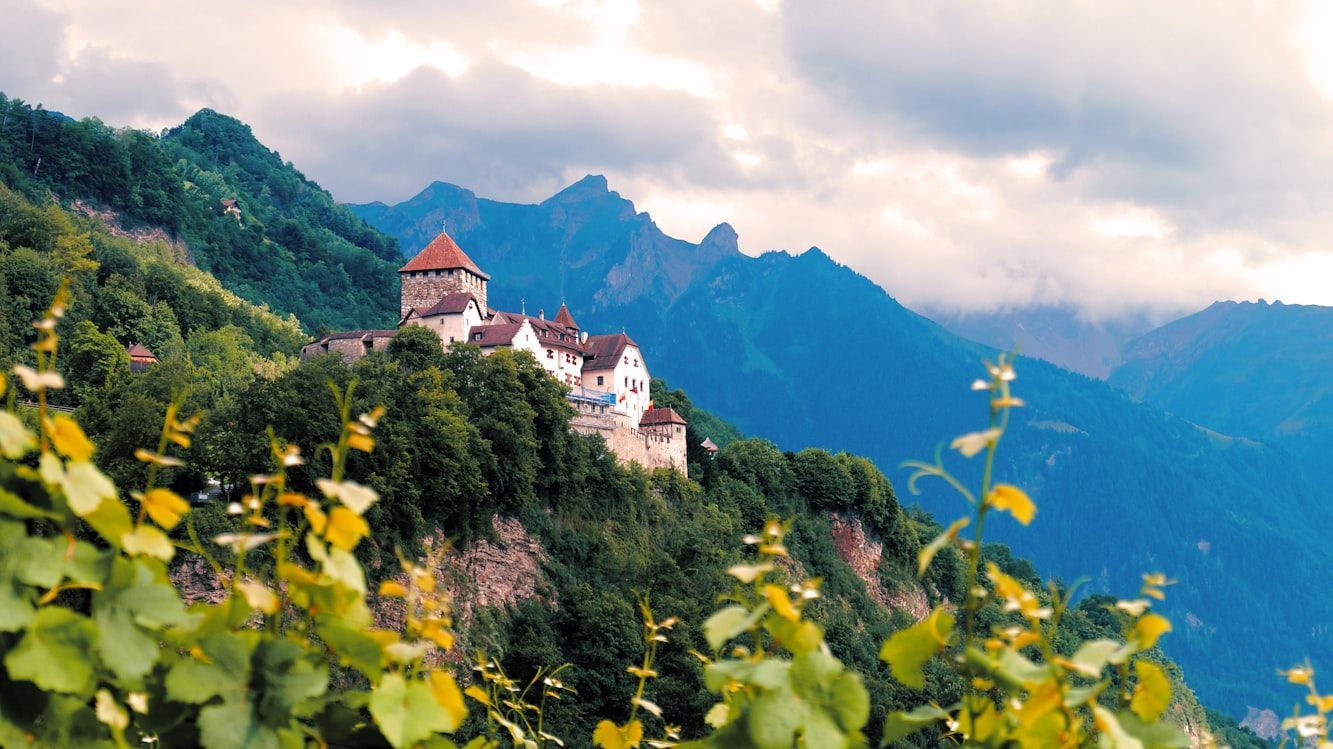 Image: Alex Houque
Curiously, Liechtenstein’s anthem shares its melody with the British anthem, "God Save the Queen." The tiny principality adopted the tune in the 19th century, though with different lyrics.
However, this musical borrowing isn’t as unusual as it seems, since many countries at the time used the same tune, which in turn is believed to have originated from a traditional folk melody.
Switzerland
 Image: Thiago de Andrade
Switzerland has four official national anthems; one for each of its four official languages. Each linguistic region uses the anthem in its own language: German, French, Italian, and Romansh.
This multilingual approach embodies the country’s cultural diversity, ensuring every citizen hears the anthem in their native tongue.
Dominica
 Image: iSAW Company
Unlike many national anthems that focus on heroes or battles, Dominica’s anthem highlights the island’s lush nature and the value of freedom.
It’s easy to see why natural beauty forms the foundation of national identity, given the island’s extensive jungles and thermal waters.
Vatican city
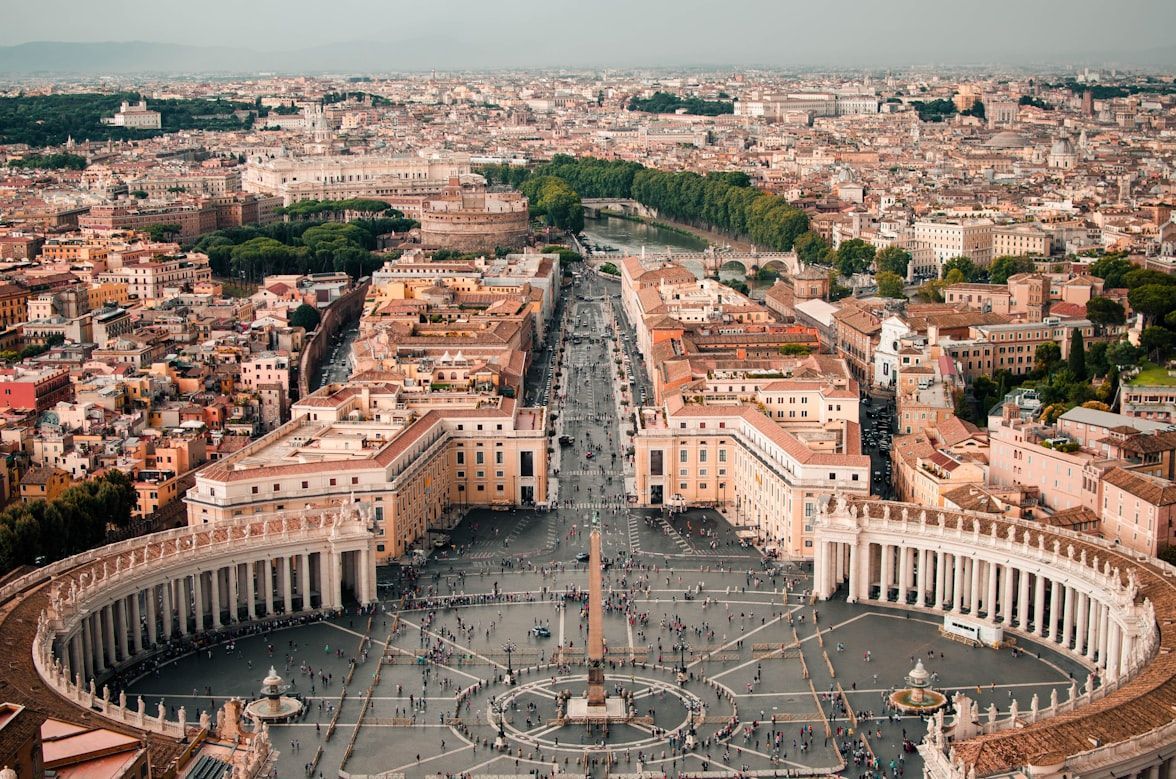 Image: Caleb Miller
The Vatican’s anthem is technically the Papal Anthem, which represents the Pope, not the state itself.
As a religious sovereign entity, the Vatican lacks a traditional national anthem, emphasizing the spiritual rather than territorial nature of the city-state.
Malta
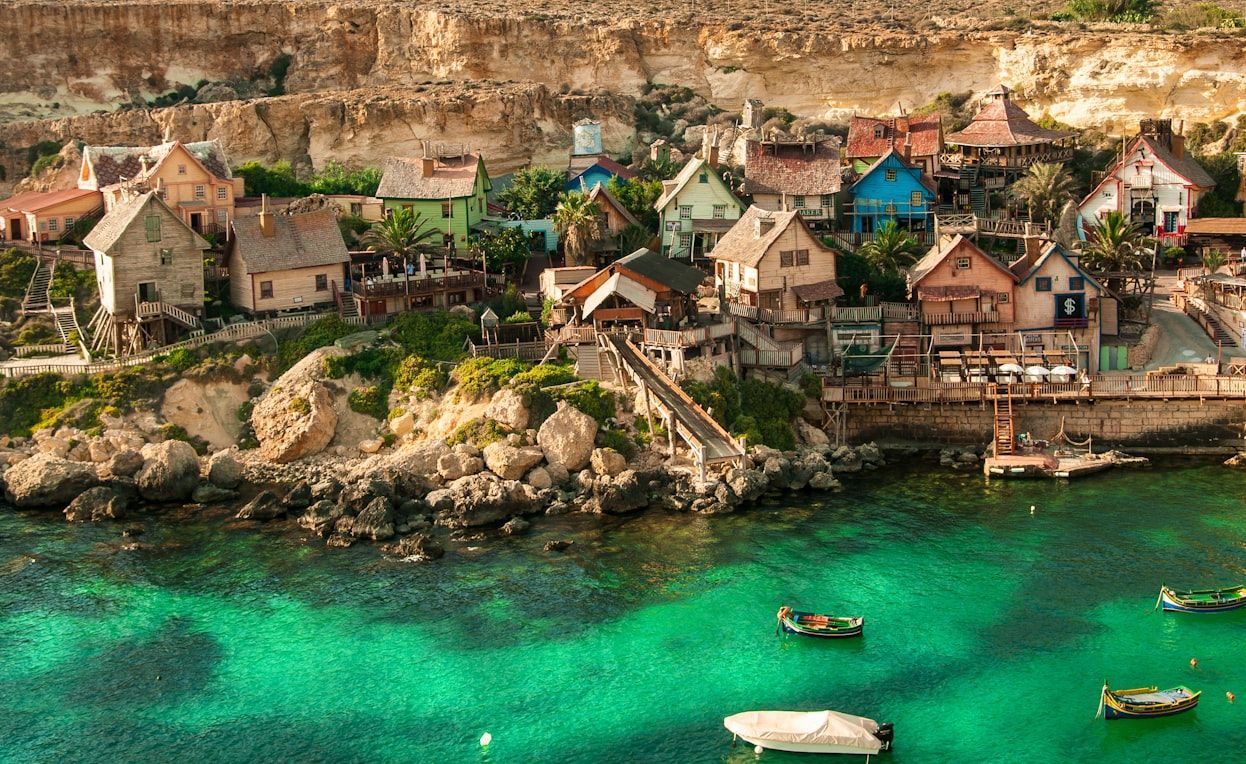 Image: Magdalena Smolnicka
Malta’s anthem, L-Innu Malti, is one of the shortest national anthems, with lyrics in Maltese, a Semitic language with Romance influences.
Its melody is simple and direct, highlighting the island nation’s resilience and the cultural blend between European and Arabic influences.
Turkmenistan
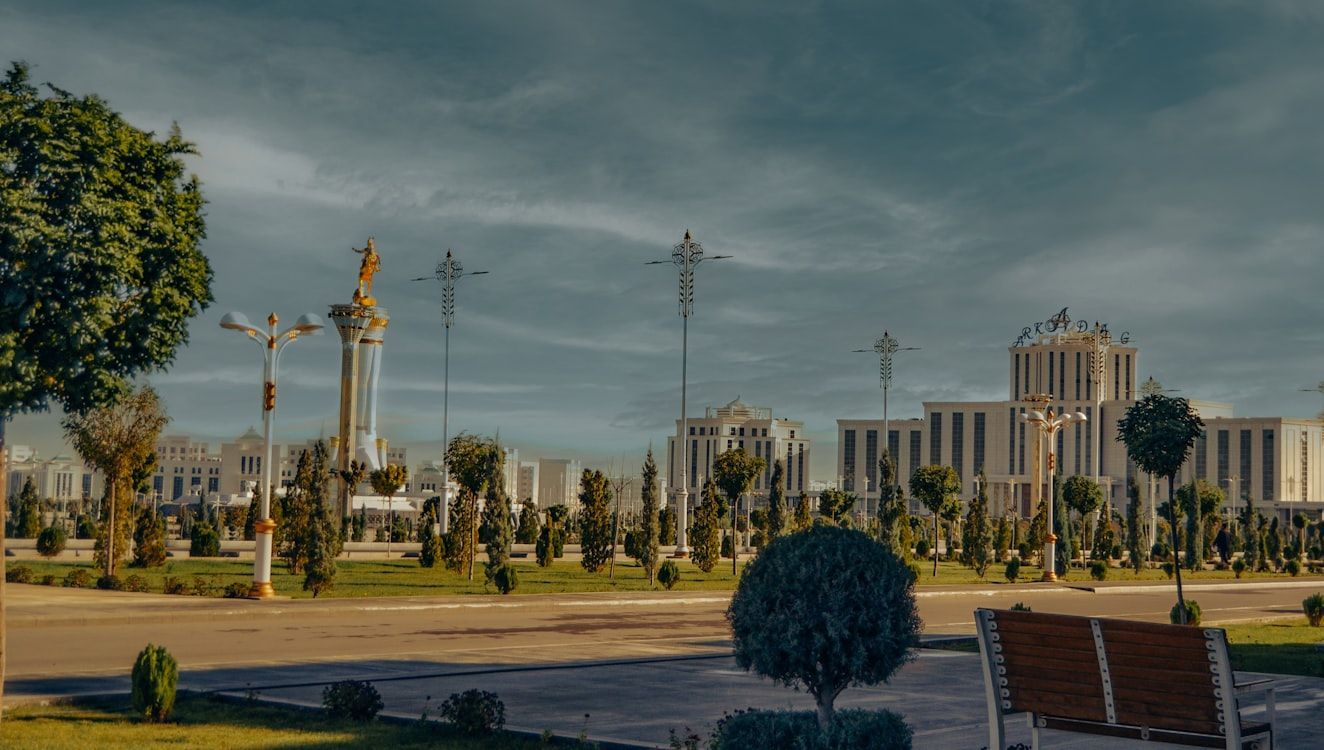 Image: Григорий Захарьян
Turkmenistan’s anthem is known for its length and poetic language, extensively praising both the president and the country’s beauty.
Adopted in 1996 under the country’s authoritarian regime, the anthem blends national pride with glorification of leadership and has been subtly adjusted over time to mirror shifts in the country’s power structure.
Greece
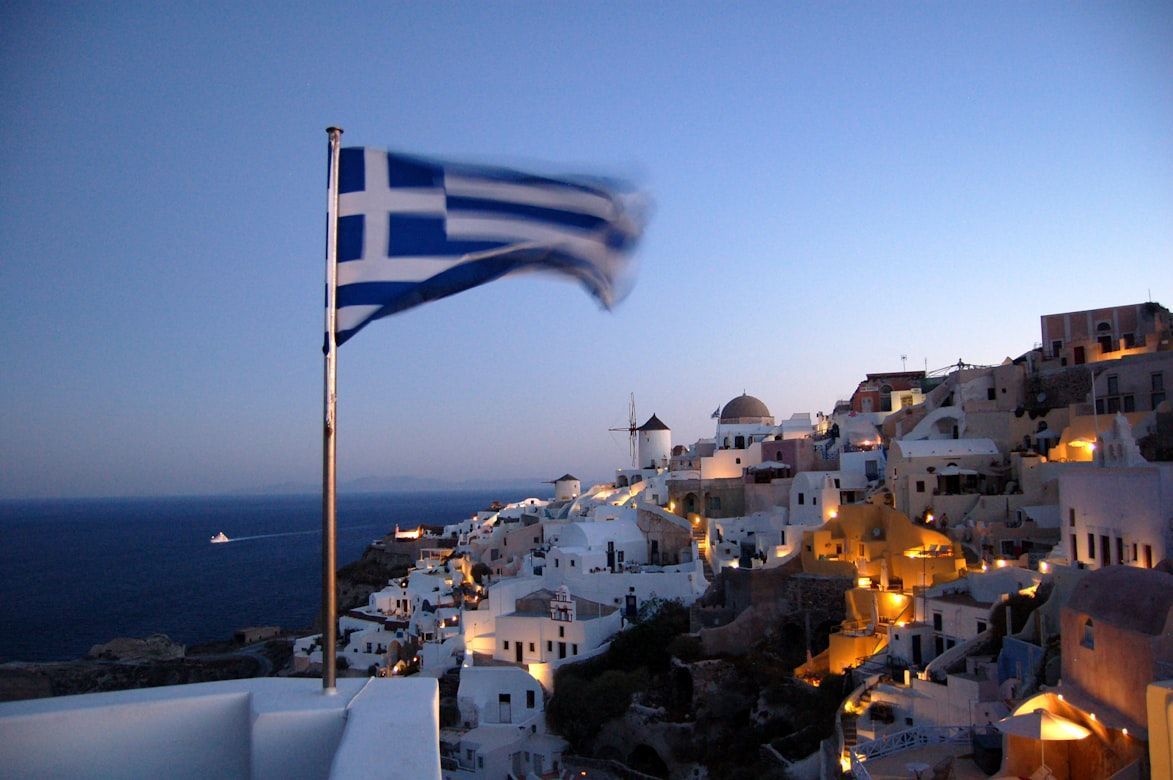 Image: Matt Artz
Greece’s Hymn to Liberty is the longest national anthem in the world, consisting of 158 stanzas.
Written by Dionysios Solomos in 1823 during the Greek War of Independence, it originally was a lengthy poem celebrating freedom from Ottoman rule. Only the first two stanzas are officially used as the anthem, but the full text reflects deep historical and patriotic significance.
Uruguay
 Image: Pedro Slinger
Uruguay’s anthem, Himno Nacional, is famously long and musically intricate, often lasting over four minutes.
Composed in 1833 by Francisco José Debali, it features multiple sections and a dramatic, operatic style. While its full text is shorter than Greece’s anthem, more stanzas are typically performed at public events, making it longer in practice.


