Quirks of English
10 words that sound the same but mean different things
Published on September 27, 2026

English is beautiful. It has borrowed words, sounds, and grammar from more than 350 other languages, which gives us an amazingly vast vocabulary (hundreds of thousands of words, though we only use 20,000 to 35,000 in everyday life). But this rich history comes with a catch: some words sound exactly like other words even though their spellings and meanings are completely different: think of "flour" and "flower," or "right" and "write." These are called "homophones," and here are 10 of them you may or may not have noticed before.
Flower — flour

One is used to cook, and the other to decorate. One grows naturally on a plant and is associated with beauty and gardens, and the other is a powder made by grinding grains and is normally used in the kitchen. In standard American English, both "flower" and "flour" are pronounced /ˈ_flaʊər_/. We have to rely on context to tell them apart: you might plant a flower and bake with flour.
Right — write
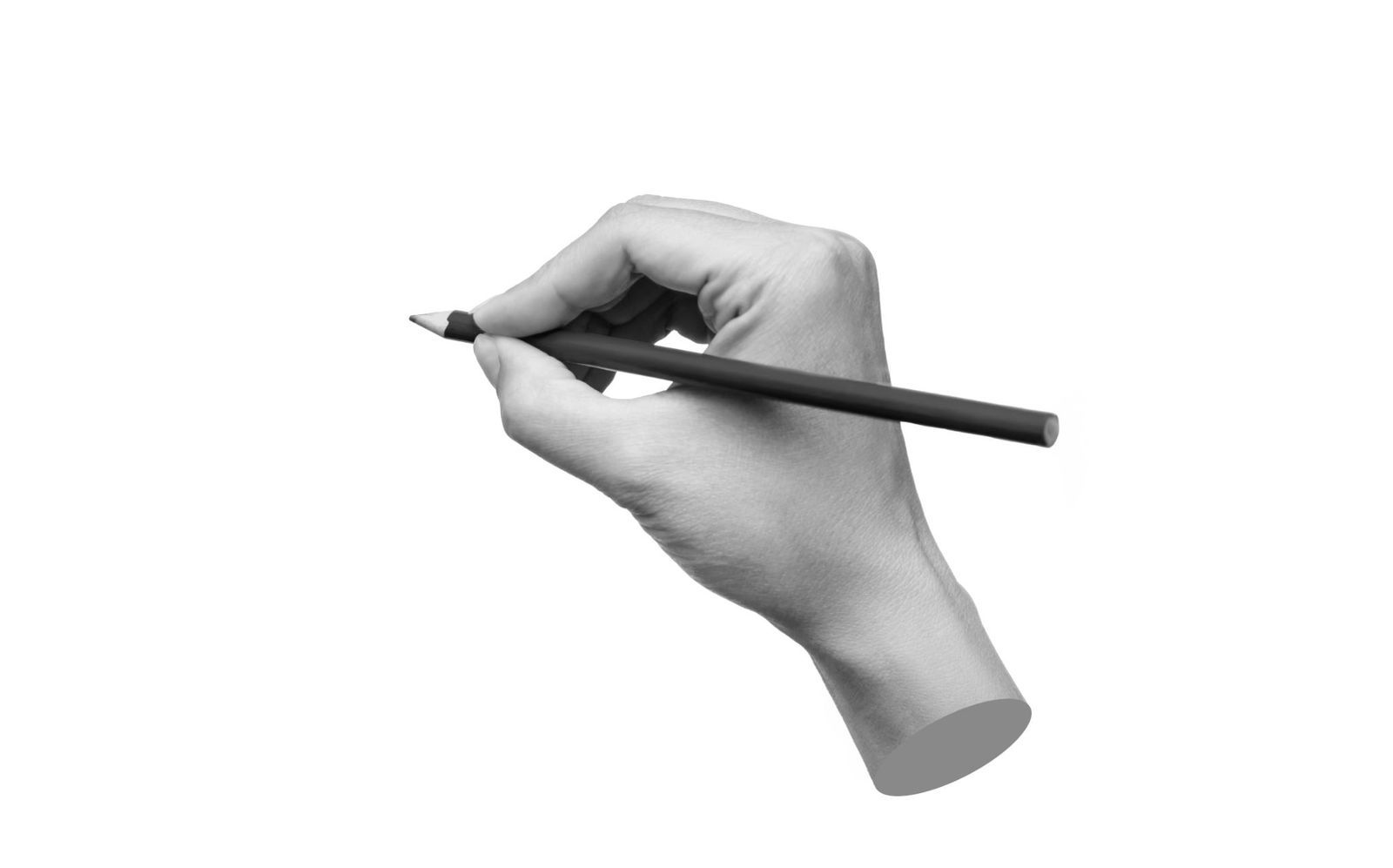
This could be a confusing one for someone just starting to learn English, as "right" can mean "correct," as in "you got the answer right," or refer to the direction opposite of left. But "write" specifically refers to the act of writing: forming words or symbols using a pen, keyboard, etc. But in standard American English, both are pronounced /raɪt/. This means you can "write the right answer."
Sea — see

What does a large body of salt water have in common with the act of perceiving something with your eyes? Well, nothing really, just that both are pronounced /siː/. These two don’t even belong to the same parts of speech; "sea" is a noun whereas "see" is a verb, with "saw" and "seen" as its past-tense forms. And yes, you can "see the sea."
Son — sun

Both pronounced /sʌn/, "sun" and "son" are two nouns that, again, mean two different things. One is a male child in relation to his parents, a person; while the other refers to the star at the center of our solar system, responsible for providing light and heat to the Earth. You could say, metaphorically, that your "son is your sun." Or that the neighbor's "son is playing in the sun."
Pair — pear
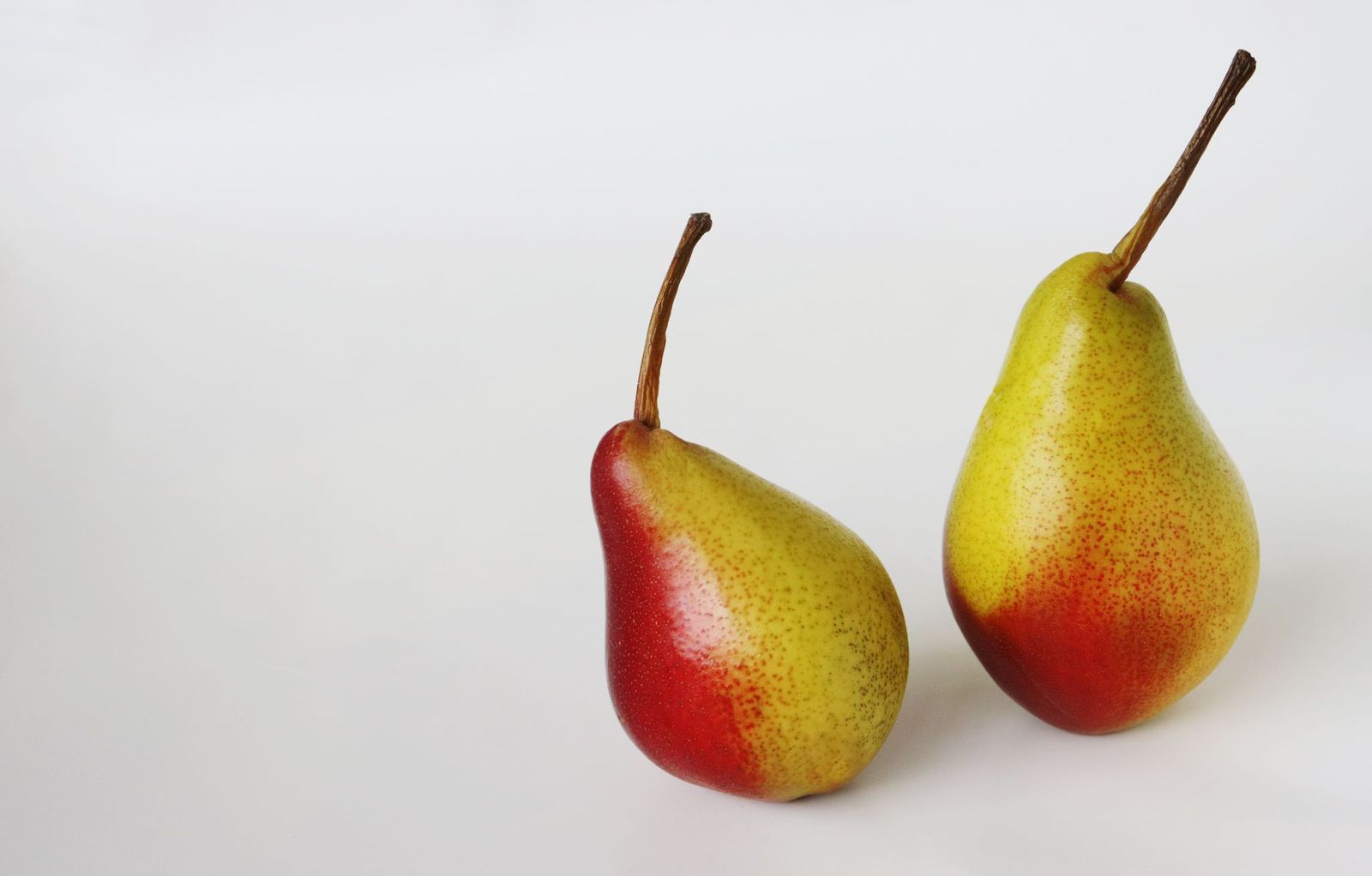
Again, we have a case of a verb and a noun with no relation to each other, and yet both are pronounced the same, /per/. "Pair" can actually be both a noun and a verb; as a noun, it refers to two things that belong together, such as a pair of shoes, and as a verb, it means to put two things or people together. A "pear" is a bell-shaped fruit that everyone knows. In this case, you could say you have a "pair of pears."
Knight — night

Although these two words can be associated with nighttime/fantasy imagery in old books and stories, the meanings of "knight" and "night" are completely different, even though both are pronounced /naɪt/. One refers to a king’s faithful mounted warriors wearing armour in medieval Europe, and the other simply means the period of darkness between sunset and sunrise: "The knight left the castle at night."
Peace — piece

"Peace" is an idea or state. You can use it to mean "world peace," like an ideal state of freedom and happiness, or simply say "I need some peace" to express a need to feel calmer or more relaxed. And a piece is a part or a portion of something, like a piece of cake or a piece of paper. Both are pronounced /piːs/, and you could totally say that you "want to have a piece of cake in peace."
Mail — male

We use "mail" as a noun for items that are delivered through the postal system, but also as a verb that means "to send something through the mail." And even though the noun "male" is also pronounced /meɪl/, it refers to a man or a male animal as opposed to female; it describes sex or gender. It is perfectly valid to say "I sent mail to my male friend."
Buy — by — bye

This is a funny triad. Three words, three different meanings but the same sound: /baɪ/. "To buy" is to purchase something; "bye" is a casual way to say goodbye; and "by" is quite a versatile word English speakers use to indicate everything from location and proximity to method or even the person responsible for an action: "I sat by the window" or "a book by Mark Twain."
And you can combine the three into one brief sentence and say, "Buy a book by an author, then say bye." Confusing? I don’t think so.
Week — weak

"Week" and "weak" both sound /wiːk/. A "week" is what we call a period of seven days, usually counted from Sunday to Saturday, i.e., a period of time. And "weak" can mean a lack of strength or power, both mentally and physically: "I feel weak." Though it can also mean that something is not as effective as it should be: "That’s a weak argument". The two can coexist in the same sentence: "You can feel weak after a long week."


