It doesn’t mean that

10 words that are often used incorrectly


Published on September 3, 2026

Image: Daniela Holzer

What is the correct word to describe experiencing nausea? What about saying that you have several choices to pick from? If your first choice was to say "nauseous" or "alternative", you are mistaken. Vocabulary is, in great part, learned through copying and imitating others, but this can also lead to incorrect uses of a word becoming widespread. Let us explore some words that you might be using incorrectly!

1

Nauseous

Image: Kyle Glenn

Many people use "nauseous" to describe feeling sick or experiencing nausea, but this is incorrect. Nauseous primarily means something that causes sickness or nausea, such as spoiled food or foul smells.

The correct term for feeling sick is "nauseated", although some people consider that "feeling nauseous" has become so common that it is acceptable in informal speech.

2

Enormity

Image: Tasos Mansour

This word definitely has something to do with size, but not in the way that many would think. Nowadays, we hear "enormity" used to describe huge things, but the better word for that would be "enormousness".

The correct use of "enormity" is related to bad things, wickedness, and evil, such as the "enormity of a crime" or "the enormity of a tragedy".

3

Refute

Image: Vitaly Gariev

If you use the word "refute" to mean "opposing an argument", you are not wrong, but you are not necessarily right either. If you are simply opposing or presenting a counter-argument, "deny" or "rebut" would be more appropriate.

To properly refute something, saying it’s incorrect is not enough. You have to prove that the argument or claim is false with logic and supporting evidence.

4

Fortuitous

Image: Edge2Edge Media

Have you ever described an encounter or event as "fortuitous"? Maybe a stranger helped you at the right moment, or you found a $100 bill in your pocket. These are indeed fortuitous events, but not because they are beneficial to you.

The word "fortuitous" means that something happens by pure chance or accident, but does not necessarily involve luck or good fortune.

5

Disinterested

Image: Tingey Injury Law Firm

One would think that by adding the prefix dis- (meaning "opposite" or "apart") to the word "interested", the resulting meaning would be "not interested" or "bored". However, the correct term for not being interested is "uninterested".

What does disinterested mean, then? It does convey a lack of interest, in the sense that one does not have any personal gain in the situation and is able to be fair, neutral, and unbiased.

6

Skeptic

Image: Vitaly Gariev

Many people define themselves as a skeptic about certain topics or beliefs, but are they really skeptics or are they mere deniers? The term "denier" carries a negative connotation, so it’s easy to see why someone wouldn’t use it to define themselves, but "skeptic" has a different meaning.

Skeptics question a statement or claim, but they do it based on evidence. They assess the facts and are open to changing their mind if the evidence proves them wrong. On the other hand, deniers flat-out reject the claim or belief, and close themselves to any fact or evidence.

7

Nonplussed

Image: Michelle Tresemer

It is common to hear "nonplussed" to describe someone being calm or unfazed by things, but did you know that its proper meaning is the opposite? It actually means that you are so surprised or confused that you don’t know what to say or do.

The word comes from the Latin non plus, meaning "no more" or "no further", and it was initially used for a standstill situation where nothing else could be said or done. Eventually, it shifted to describe being in that standstill state, with no idea what to do.

8

Alternative

Image: Sophia Kunkel

Is "alternative" synonymous with "choice"? Yes, but only sometimes. Although it is common to hear about having "multiple alternatives", by definition an alternative is a choice between two things.

The word comes from the Latin alter, "the other", traditionally used for choices with two different options. If the choices are multiple, they are simply choices.

9

Dilemma

Image: Tim Gouw

It is common to hear problems described as dilemmas, but while all dilemmas are a problem, not all problems are a dilemma. A problem is a difficult situation that needs to be solved. There might be more than one solution, and some problems might be easier than others.

A dilemma, however, is never easy or clear, because it presents two choices, none of them attractive. No matter the choice, the outcome will be negative.

10

Inflammable

Image: Cullan Smith

In many words, the prefix in- means "not", which might make one think that words like "inflammable" mean "not flammable". However, many words use the prefix in- to mean "into" or "to cause to be", and inflammable is one of them.

The English vocabulary adopted the term "flammable", meaning something that easily catches fire, from Latin. But Latin also had the term inflammare, meaning "to set on fire", from which we got inflammable, which means that "flammable" and "inflammable" are synonyms, and their opposite is "non-flammable".
Folklore from around the world

Dragons, vampires and beyond: the surprising origin of 12 ancient beasts


Published on September 3, 2026


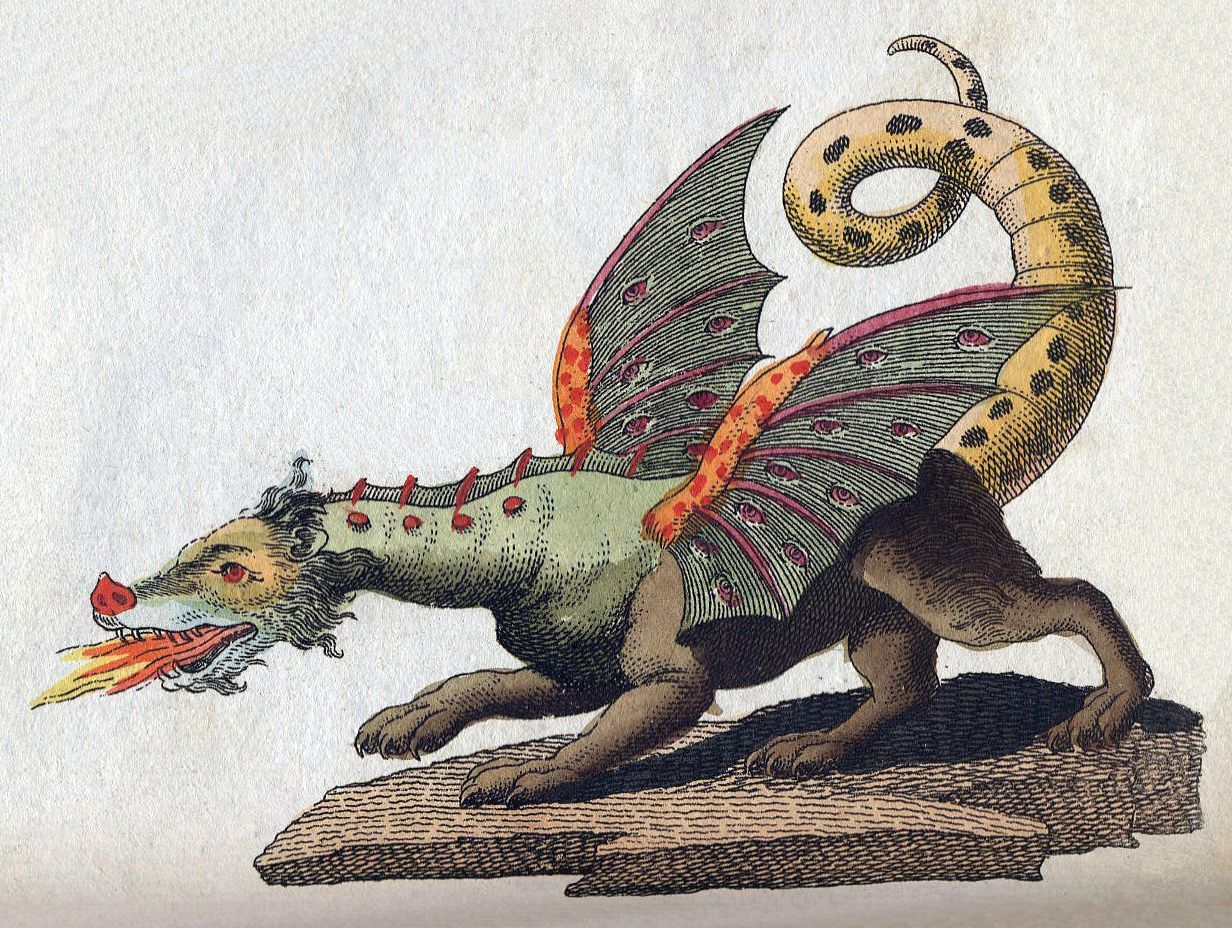
Image: Friedrich-Johann-Justin-Bertuch, Public domain, via Wikimedia Commons

Throughout history, dozens of mythological creatures from cultures around the world have played a leading role in tales and legends that have terrified even the bravest. Many of these beasts are well known, but have you ever wondered where their names came from? Read on to discover the origins of 12 legendary monsters!

1

Ogre

Image: qgadrian

Ogres are popular characters in Western folk tales. The word ogre comes from French, and some scholars trace it to Orcus, a Roman god of the underworld who fed on human flesh.

Ogres are typically depicted with large heads, wild hair, and scruffy beards. In fairy tales, they are often portrayed as brutal giants who eat humans and are almost always extremely strong and ferocious. This legendary monster became popular thanks to the works of French author Charles Perrault in the 17th century.

2

Vampire

Image: Tim Alex

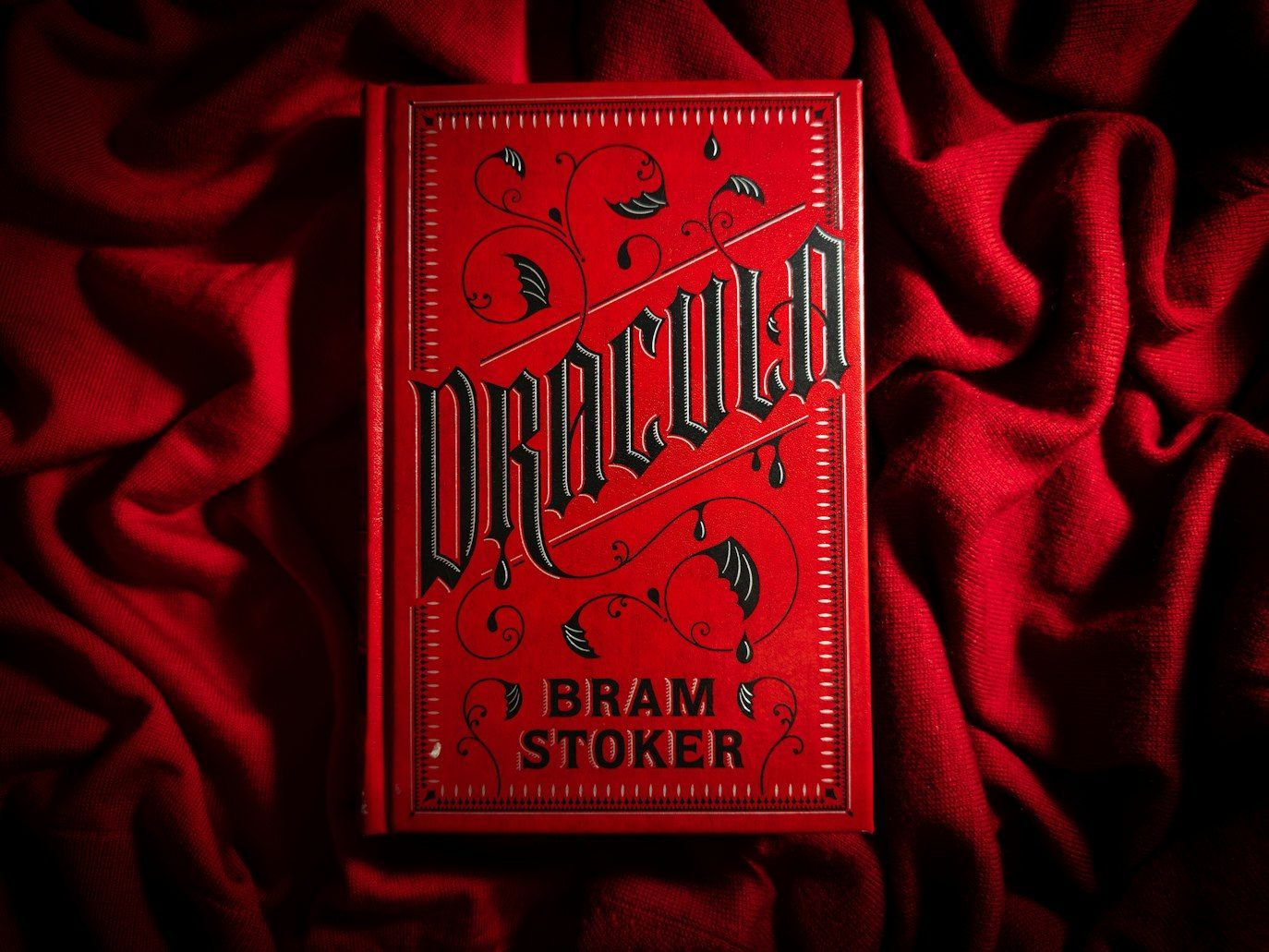
Yes, the most famous vampire is Count Dracula, but blood-sucking undead creatures existed in European folklore long before Bram Stoker published his novel in 1897. According to the Oxford Dictionary, the word vampire likely comes from the French vampire, borrowed from German and ultimately from South Slavic languages such as Serbian vampir.

Vampiric entities have been recorded in many cultures, although they were especially popular in Southeastern and Eastern Europe during the 18th century. Unlike the pale, fanged aristocrats of modern fiction, early vampires were often described as bloated, dark-skinned corpses that rose from the grave to feed on the living.

3

Mummy

Image: Daisy Anderson

A mummy is, of course, the preserved body of a dead human or animal. In ancient civilizations such as Egypt, mummification was a vital part of religious and burial practices, believed to prepare the deceased for the afterlife.

Yet, popular culture took it upon itself to depict mummies as supernatural monsters. This portrayal likely stems from tales of "mummy curses" that emerged in the early 20th century, particularly after the discovery of Pharaoh Tutankhamun’s tomb.

Ancient Egyptian mummies are named after the substance in which the dead person's body was embalmed. Mummy, in this sense, goes back to Arabic mūmiyā, meaning "bitumen" and therefore "embalmed corpse."

4

Werewolf

Image: Ri_Ya

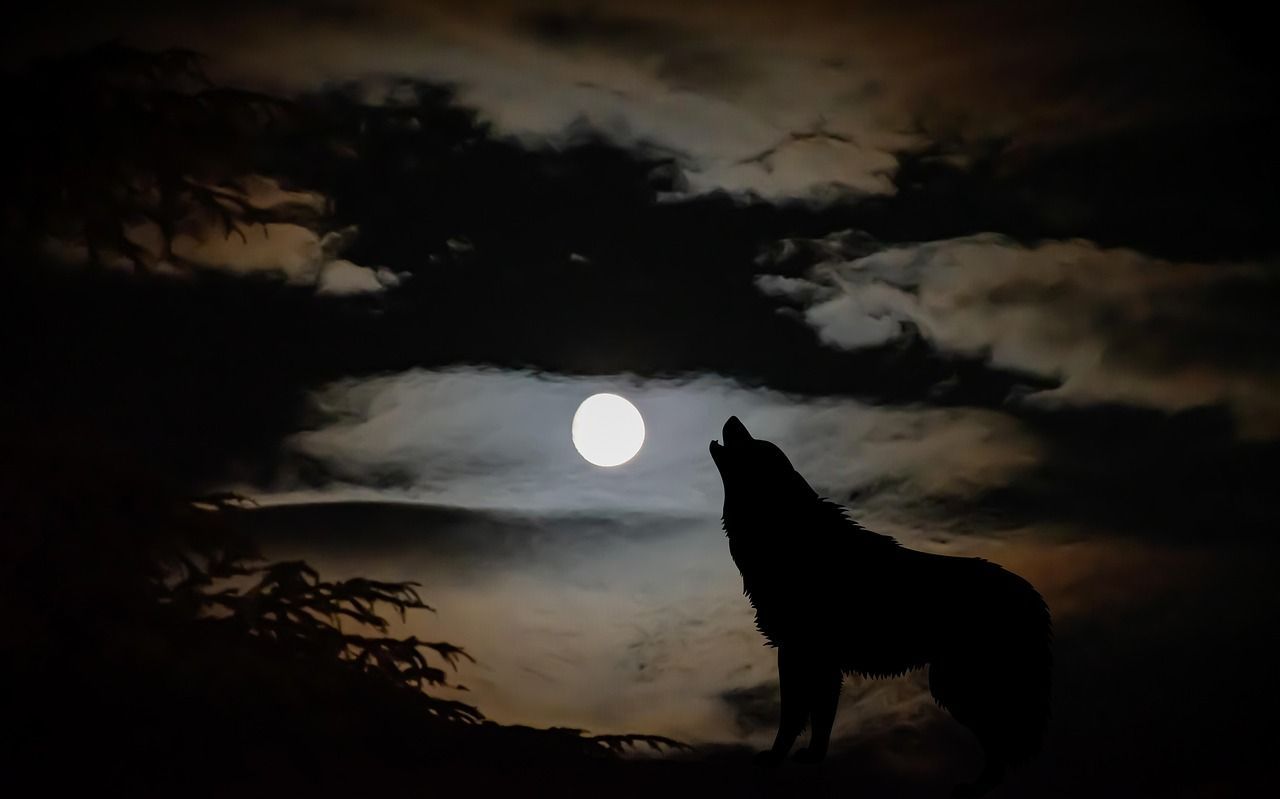
Another popular monster from European folklore is the werewolf. The word that describes the mythical transformation of a person into a wolf comes from the late Old English werewulf, combining wer, meaning "man," and **wulf, meaning "wolf"**—literally, "man-wolf."

Werewolves are often described as being placed under a curse, and the association between werewolves and the full moon became widespread during the Middle Ages, though stories of human-to-wolf transformations go back even further—one of the earliest literary examples appears in the Satyricon by the Roman writer Petronius.

5

Goblin

Image: vasina_r

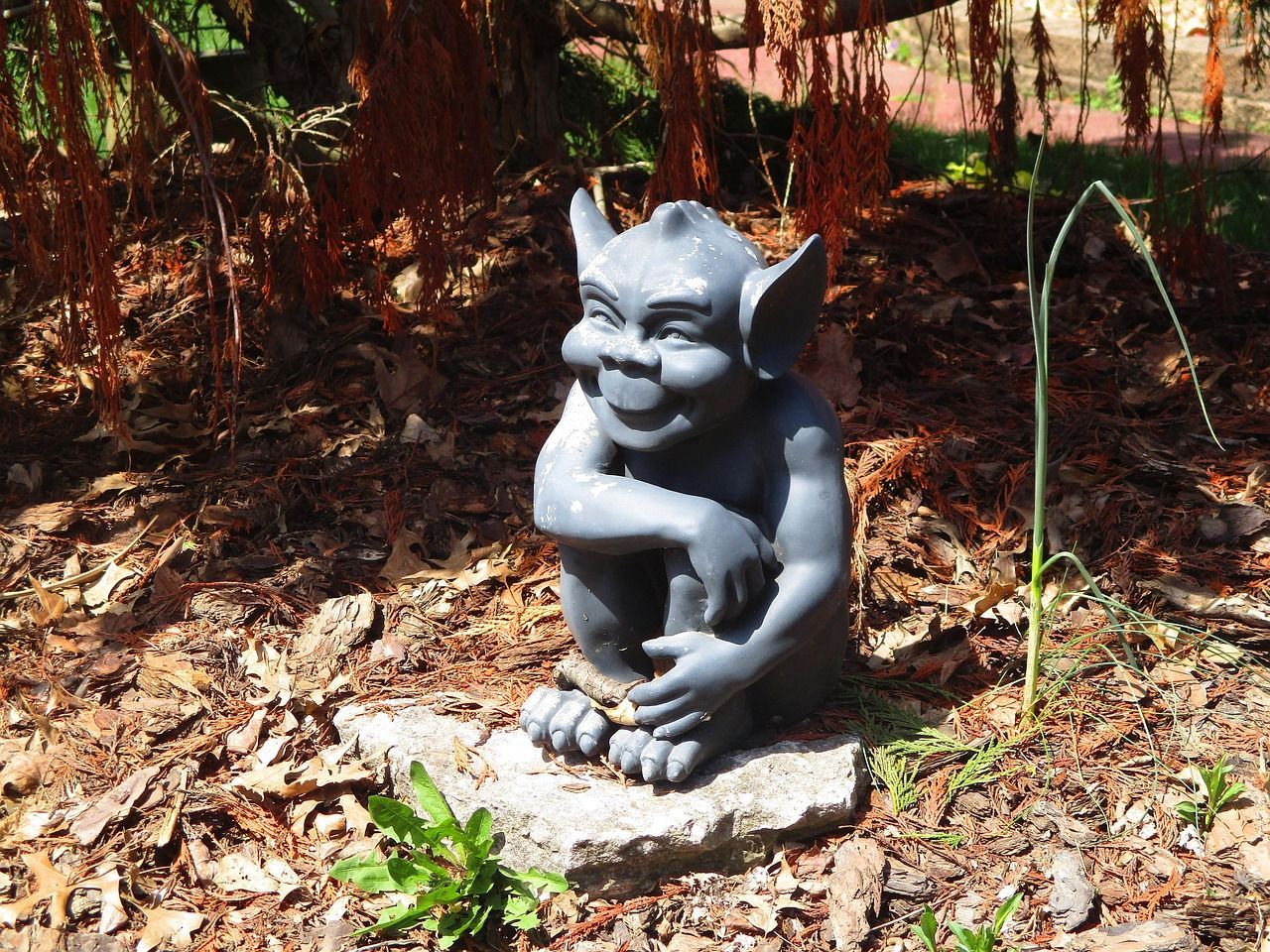
Goblins are small, mischievous creatures that appear in European folklore, particularly in tales from the Middle Ages. They are often portrayed as evil, disfigured humanoids with magical powers and a love for causing trouble.

The word goblin has several proposed origins. The most widely accepted theory is that it comes from the Old French gobelin, which itself derives from _Gobelinus_—a malevolent spirit said to have haunted the town of Évreux in northern France during the 12th century.

6

Banshee

Image: ELG21

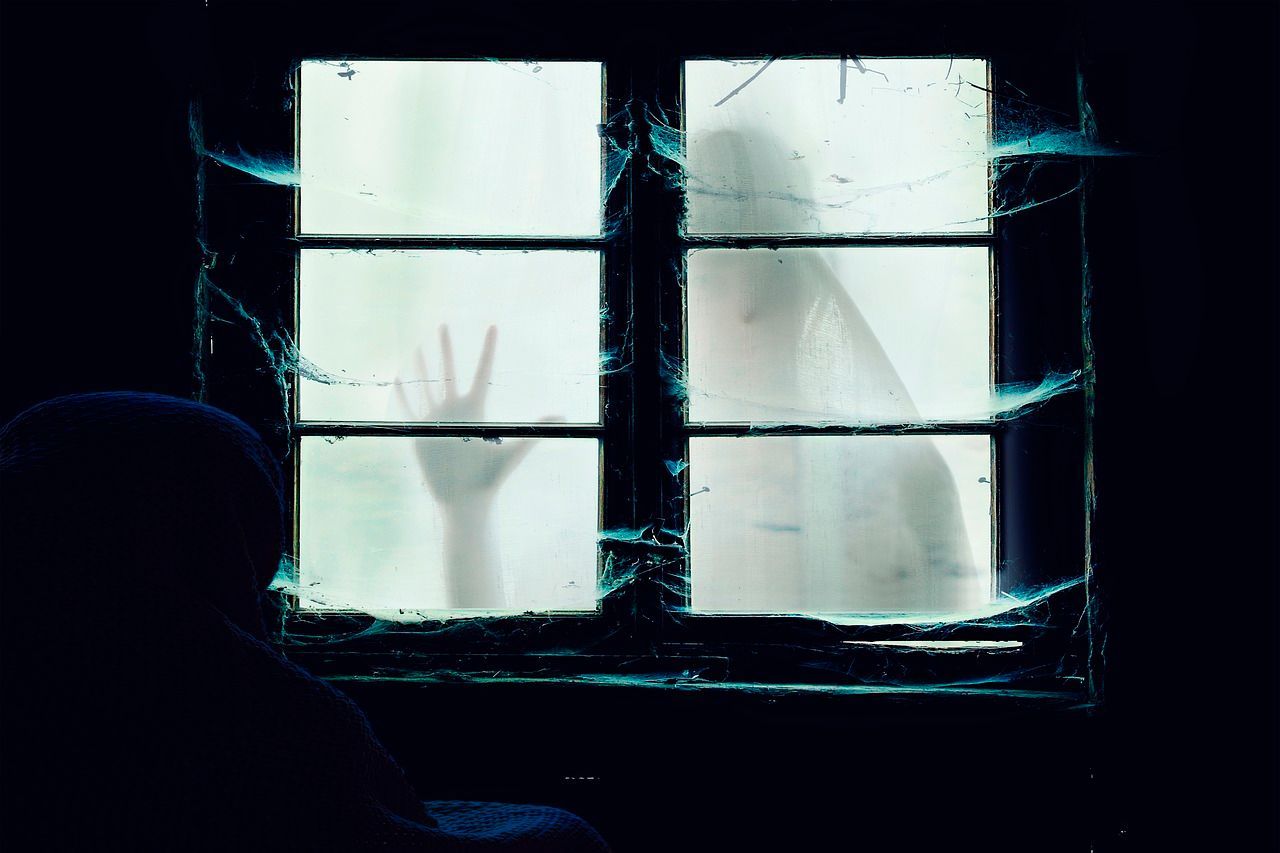
The banshee is usually depicted as a ghostly woman clad in pale, flowing garments, though in some accounts, she is described as a fairy who sings with a mournful, otherworldly voice. The word banshee comes from the Old Irish ben síde (or modern bean sídhe), meaning "woman of the fairies."

In Celtic folklore, the banshee is a supernatural being—often believed to be the spirit of a deceased ancestor—who wails a warning of an imminent death in a house. So, when this female spirit appears, watch out!

7

Gorgon

Image: Antonio Canova, CC0, via Wikimedia Commons

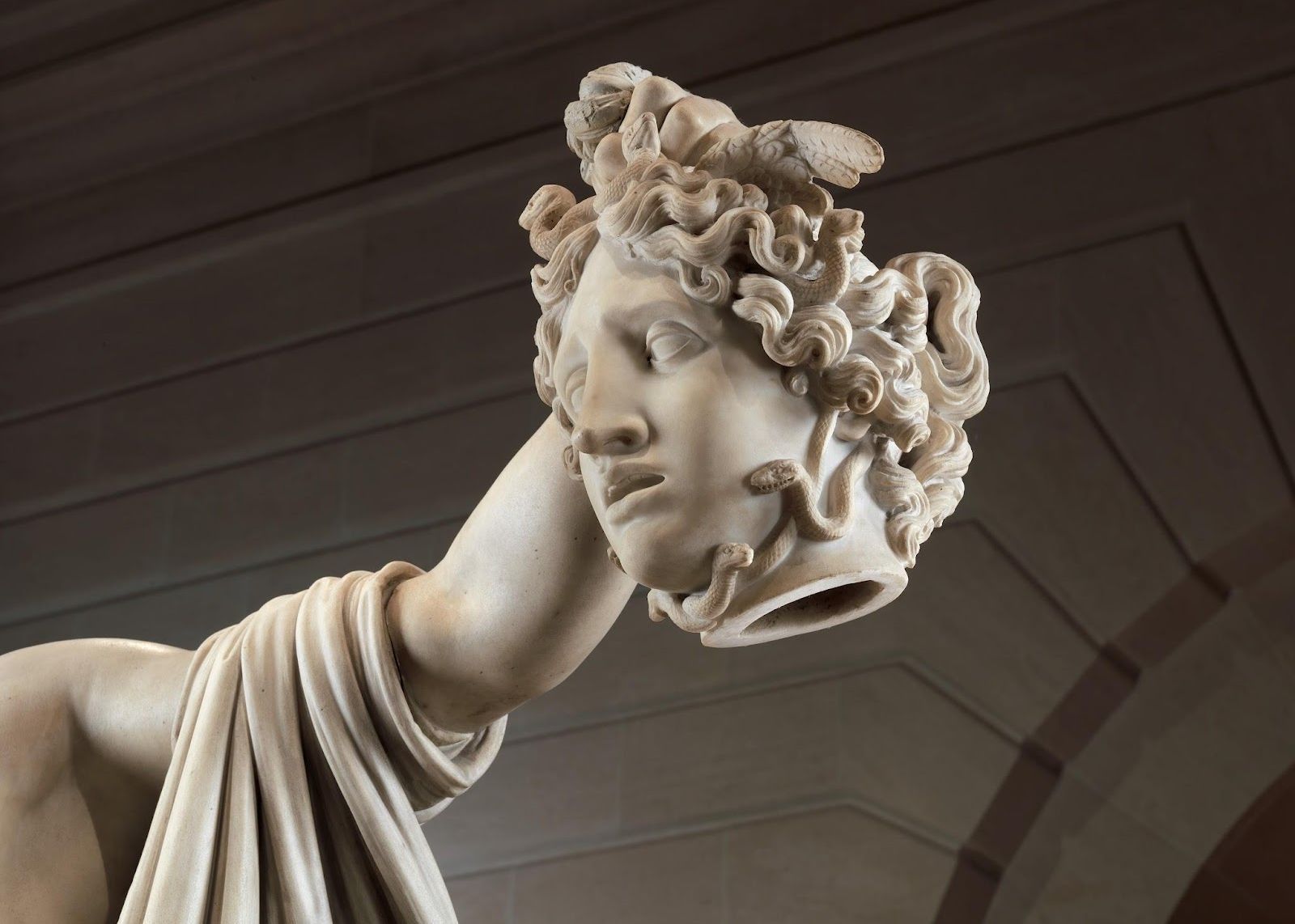
The Gorgons are legendary monsters from ancient Greek mythology—three terrifying sisters with glaring eyes and serpents writhing in place of hair. The name comes from the Greek Gorgones, meaning "the grim ones," derived from gorgos, meaning "fierce" or "terrible."

According to myth, anyone who looked directly at a Gorgon would be turned to stone. The most famous of the trio is Medusa, the only mortal Gorgon. Although she was slain by the hero Perseus, her severed head retained its petrifying power and was used as a weapon long after her death.

8

Zombie

Image: Daniel Jensen

A zombie is a contradicting monster: it’s a human who’s both living and dead. The idea of reanimated corpses originates in Afro-Caribbean folklore, particularly Haitian Vodou, where zombies are said to be dead bodies brought back to life and controlled by a sorcerer.

In modern times, zombies have become iconic figures in horror films and fiction, often portrayed as mindless, flesh-eating hordes. According to the Oxford Dictionary, the term zombie has a Central African origin and can be traced back to words like zumbi ("fetish") and djumbi ("ghost").

9

Ghoul

Image: the blowup

Ghouls are monsters from Arabian mythology that are usually found haunting the places humans tend to avoid, like graveyards and abandoned areas. According to legend, a ghoul would lure unsuspecting travelers into the wilderness with the intent of devouring them.

The word ghoul comes from the Arabic term ġūl, a desert-dwelling demon that feeds on the dead, often by robbing graves. Ġūl in turn derives from ghala, meaning "to seize." In some traditions, ghouls are considered a type of jinn—supernatural beings that can be either good or evil—from which the English word genie is derived.

10

Kraken

Image: Dieterich01

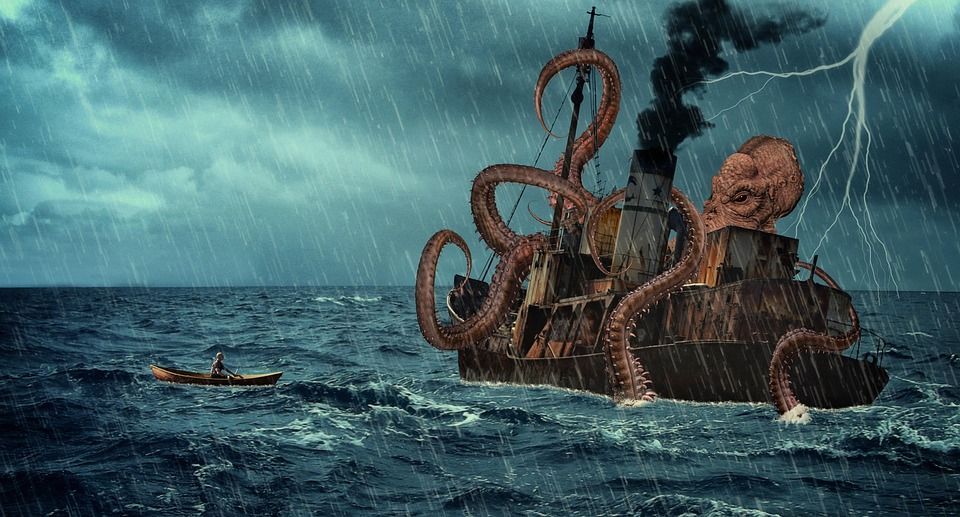
The Kraken is a legendary sea monster from Scandinavian mythology. This creature, resembling a giant squid or octopus, dwells in the deep sea, stalking sailors who dare to enter its waters. According to legend, it is capable of swallowing men, ships, and even whales.

The term kraken derives from the Norwegian word krake, meaning "pole," "stake," or "post," as well as "crooked tree" or "stunted animal or person."

11

Oni

Image: Metropolitan Museum of Art, CC0, via Wikimedia Commons

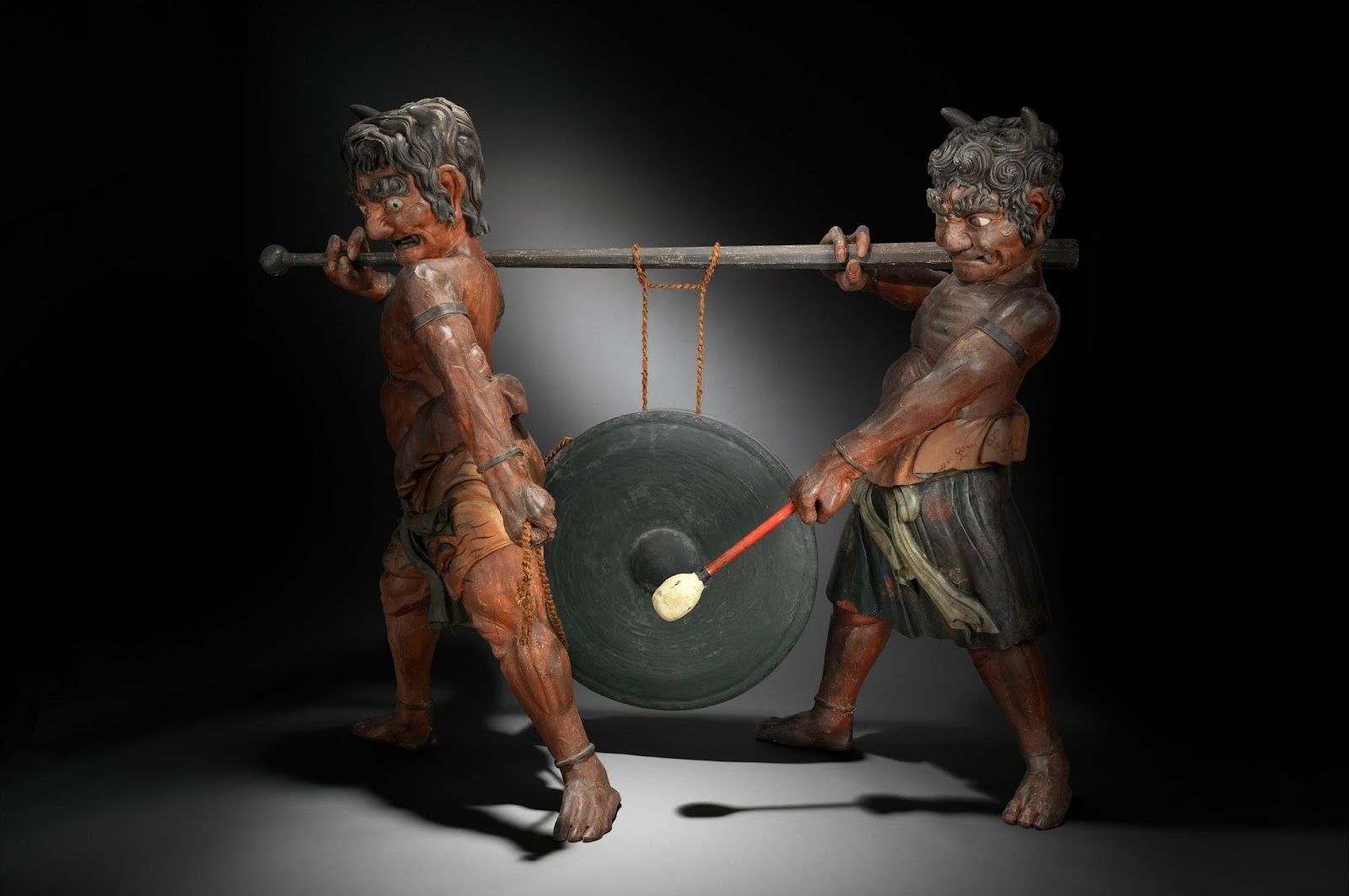
Oni are fearsome creatures in Japanese folklore. According to a 10th-century Japanese dictionary, the word—represented by the kanji 鬼—may derive from on or onu, meaning "to hide." Oni are typically hidden beings, dwelling in caves or remote mountains, making them difficult to spot.

When they do appear, they often take a red or blue humanoid form. They carry iron clubs, have horns and massive teeth, and are sometimes depicted with extra eyes, fingers, or toes. Despite their fearsome reputation for devouring humans in one mouthful, oni are also sometimes linked to bringing good fortune and wealth.

12

Dragon

Image: Vlad Zaytsev

The dragon, one of the most well-known mythological beings, appears in various forms in several cultures around the world. In China, dragons are considered symbols of good fortune, while in medieval Europe, they were often depicted as evil creatures. These creatures, often shown with reptilian and avian features, were known both as guardians of sacred places and as fearsome predators who devoured princesses.

Whether spewing fire from their mouths or seen as earthly representatives of the Devil, dragons were creatures to be feared. The word dragon entered the English language in the early 13th century from the Old French dragon, which in turn derives from the Greek drákōn, meaning "serpent" or "giant seafish."

Looking for an extra scoop of literary fun?

Learn more with our Word of the day

mint

/mɪnt/