Spanish roots, American vocabulary
10 words of Spanish origin in a cowboy’s vocabulary
Published on October 25, 2026
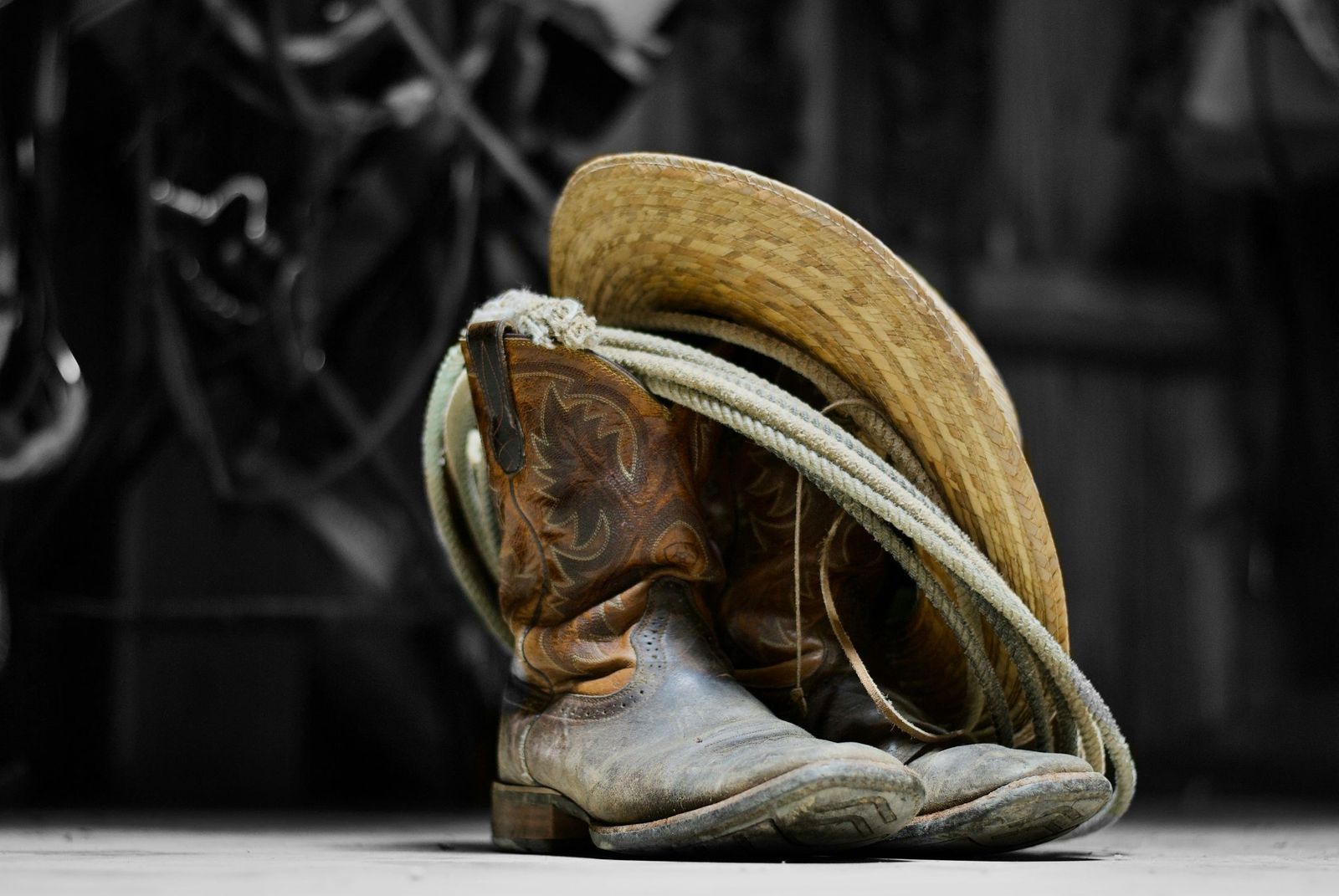
The world of cowboys and rodeos is filled with terms of Spanish origin. While it comes as no surprise that Spanish vocabulary has a strong presence in the American South, considering the history and the geography of the region, some of these words are more than a linguistic loan, and they tell us about a shared history of cattle rearing and of the cultural exchange of the frontier towns. Let’s look at some cowboy lingo that came from Spanish.
Buckaroo
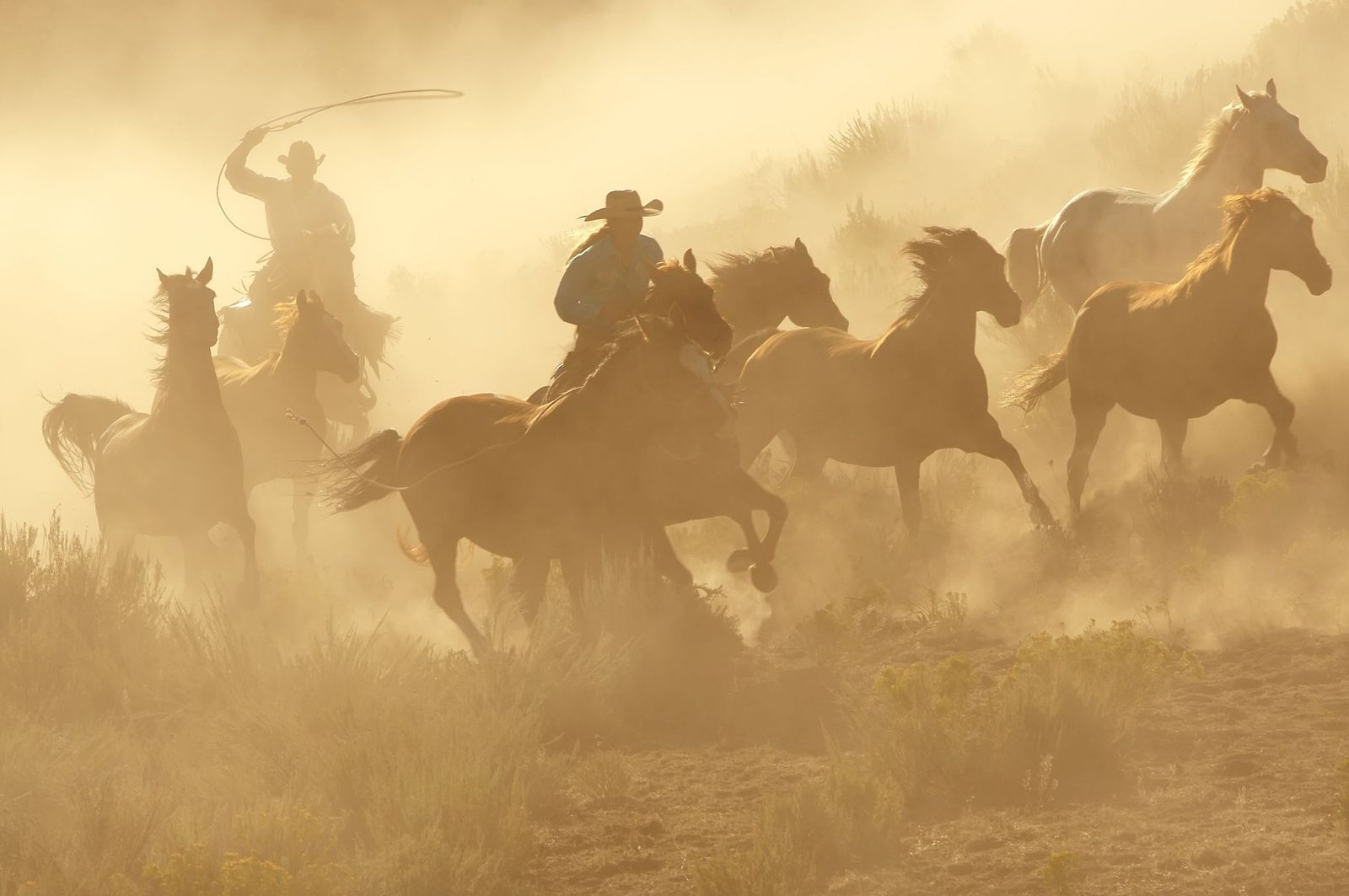
The English-speaking settlers in the American South learned a great deal about cattle from the Mexican vaqueros (from vaca, ‘cow’), who had inherited the Spanish cattle herding traditions. The term "buckaroo" came from the Anglicized version of vaquero, and was initially used as a synonym for the English "cowboy", originally just a cattle herder and not necessarily a wrangler or a horseman. Although "cowboy" is currently more widely used, "buckaroo" is still alive to refer to cowboys specialized in handling and taming wild horses.
Rodeo
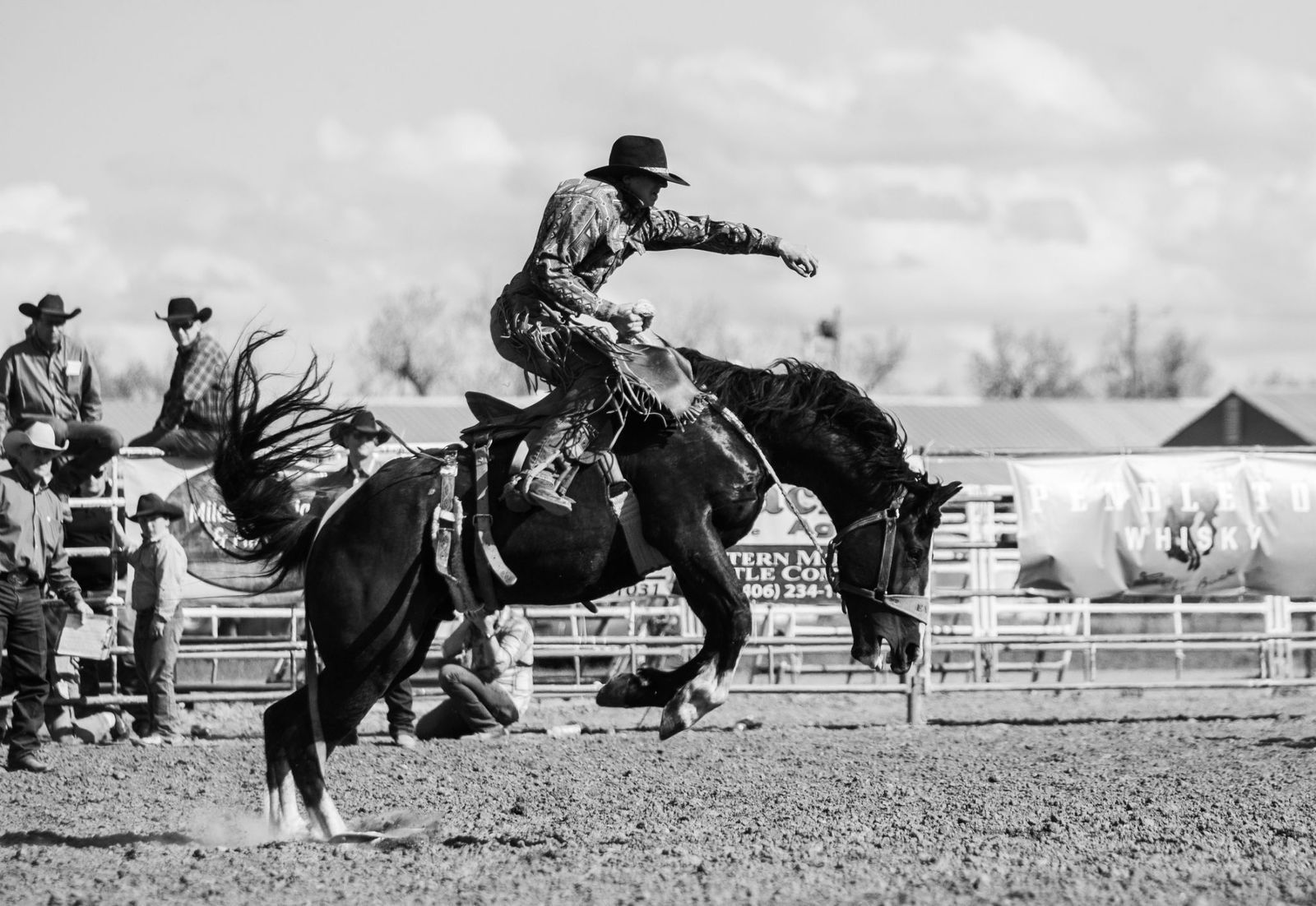
We now think of a rodeo as an exhibition of cowboy and cattle herding skills, but the term initially was used for a cattle pen and for the process of gathering and sorting cattle, which involved many of the skills exhibited at modern rodeos. In Spanish, rodeo was also used for a cattle pen, derived from the verb rodear, "to go around" or "to surround".
Jerky
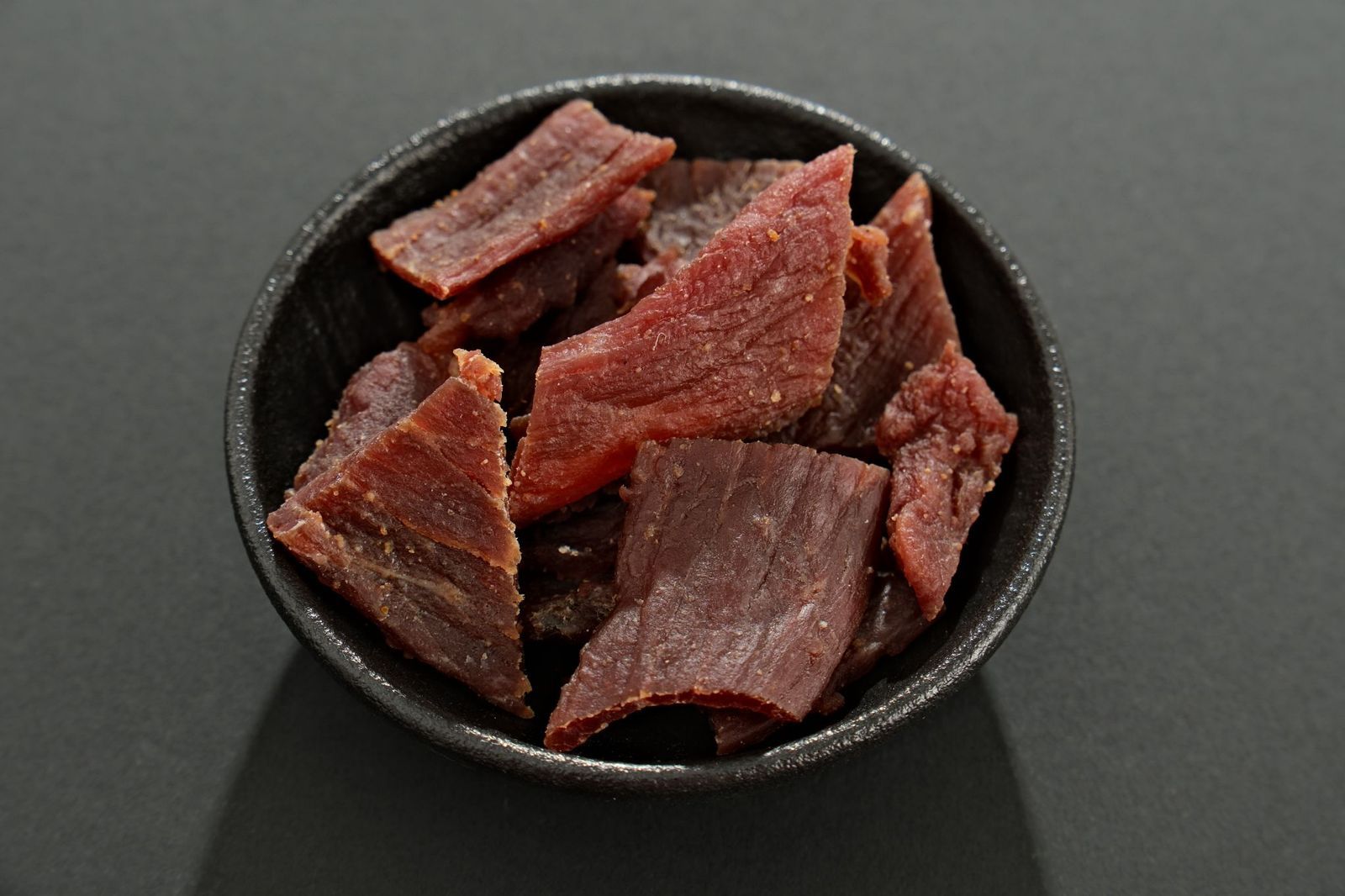
Although this word entered English through contact with Mexican Spanish, its real origins lie in South America in native communities of the Andes Mountains. In the Quechua language, ch'arki were strips of sun-dried meat, a term the Spanish adopted as charqui, and they spread across Spanish-speaking territories in the Americas. In contact with English speakers, charqui transformed into "jerky". The name might have changed slightly, but the use of dried meat as a snack or quick pick-me-up is still prevalent across all of the Americas.
Bronco
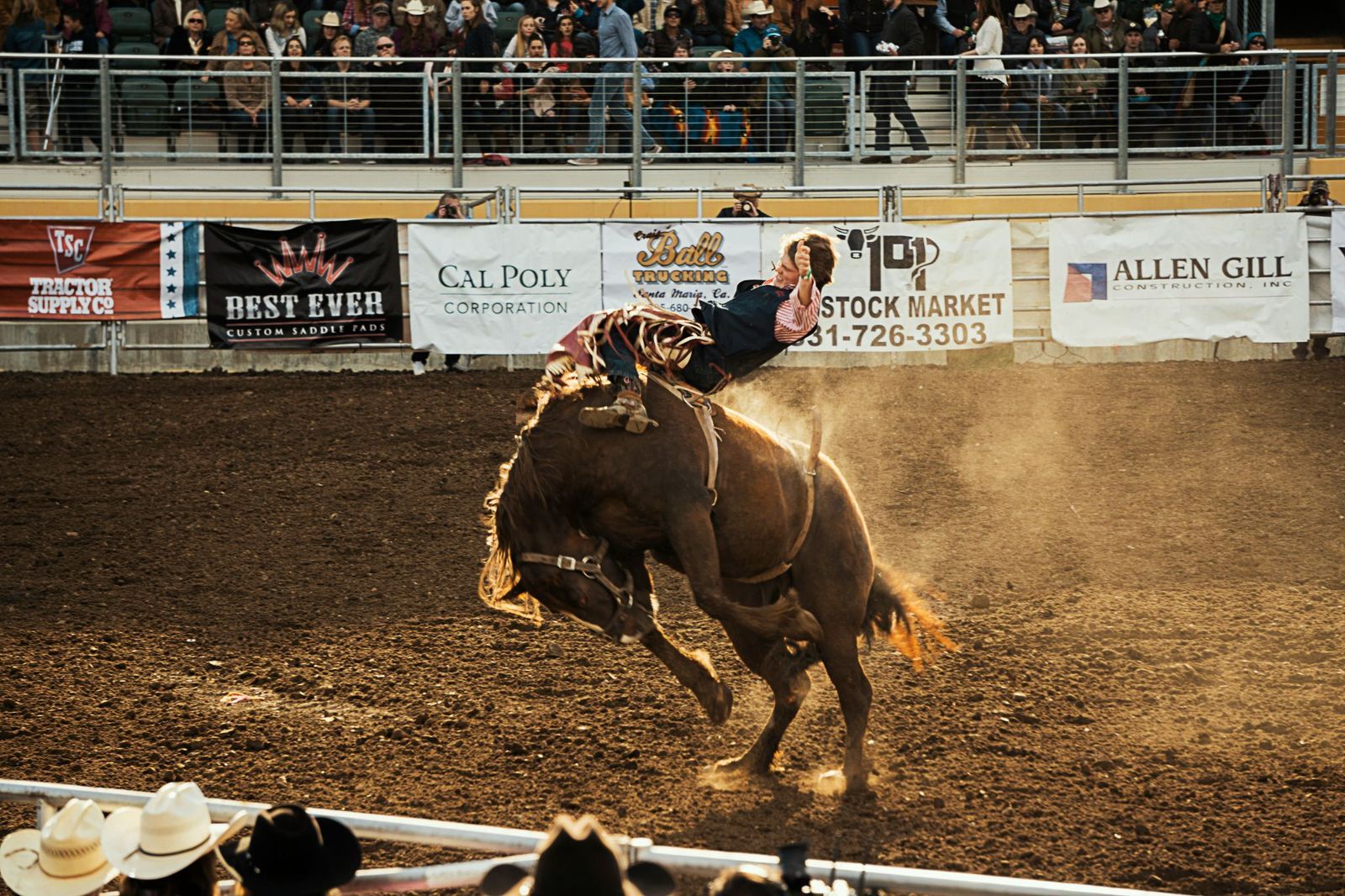
Used for wild, untamed horses, this term can trace its origins from Spanish all the way back to the Latin word for a tree trunk, truncus. In contact with the term broccus, "projecting", it became bruncus, used for protruding wood knots, from which Spanish got bronco, "rough" or "rude". Eventually, Mexican cattle herders started using bronco for wild horses that were difficult to tame, a term adopted into English and that also gave way to the bronco-buster, a cowboy specialized in taming broncos.
Lasso and lariat
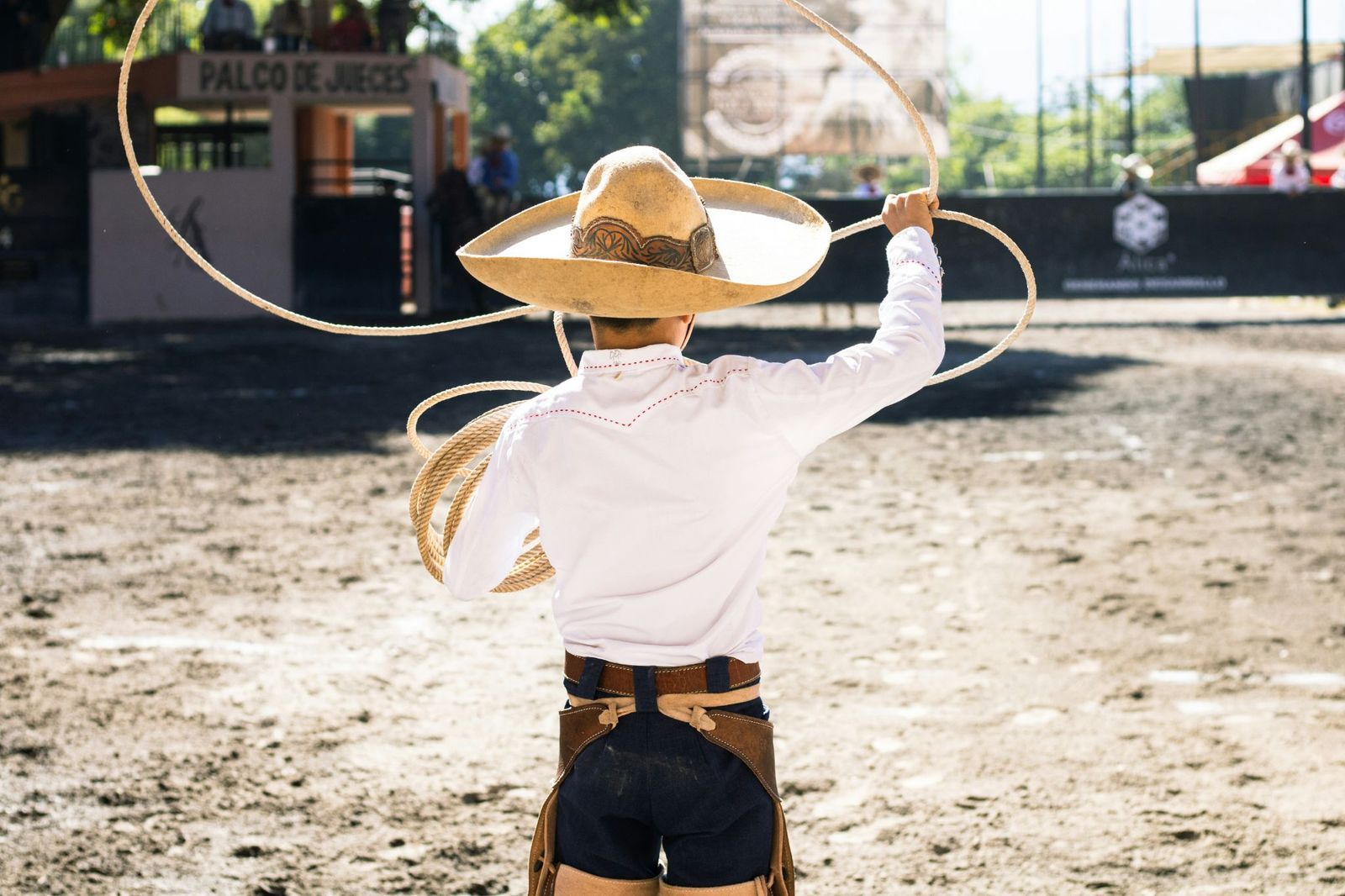
It makes sense that, since Mexican vaqueros were the ones to introduce cattle herding in the U.S., most of the essential tools and techniques of the trade kept their Spanish names, although usually in an anglicized form. The "lasso" took its name from the Spanish lazo, meaning "loop" or "slipknot", while "lariat", the light rope used for making lassos, comes from la reata, derived from reatar, "to tie again".
Chaps
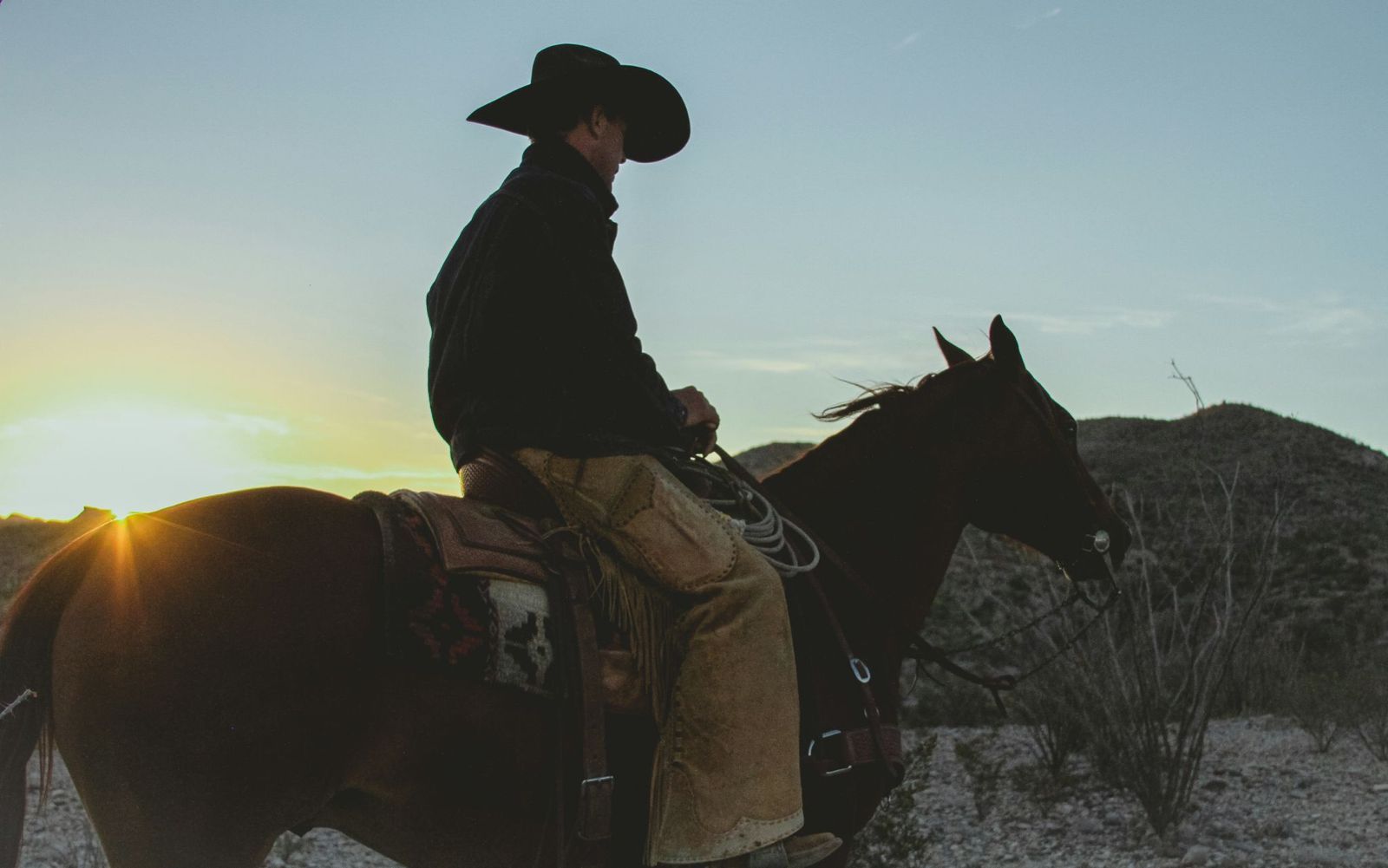
If you ever watched the 1967 Western series The High Chaparral, you might be surprised to learn that "chaparral" and "chaps" come from the same Spanish word, chaparro, used for a short oak tree (and also for short people). These short oaks usually grow together in a dense bushland or chaparral, and horsemen often wore leather leg coverings called chaparreras to protect their legs and clothing from the oak’s thick thorns, later adopted by American cowboys with the name "chaps".
Mustang
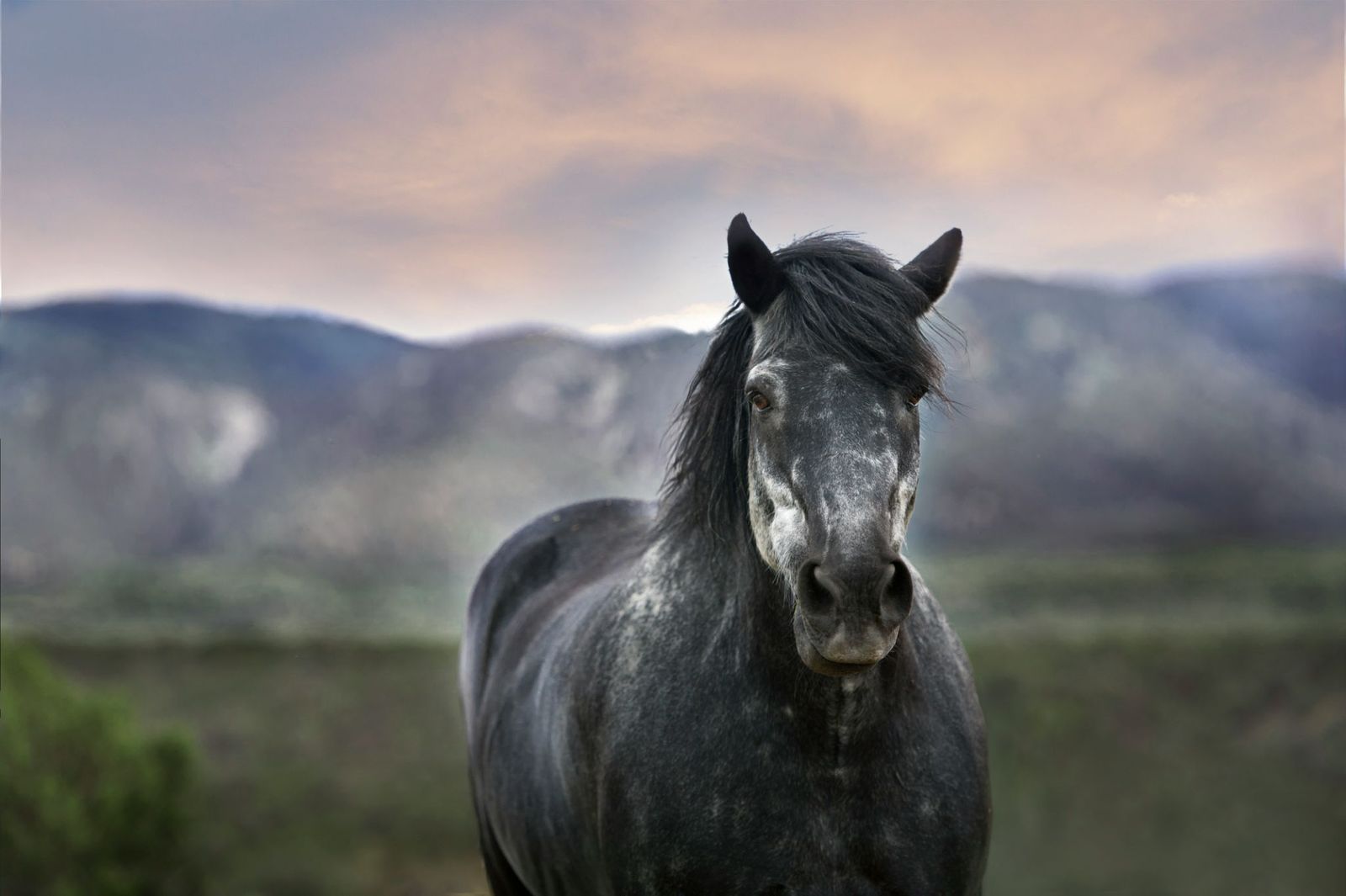
Mustangs are descendants of the horses brought to the Americas by the Spanish conquistadores, so it makes sense that their name comes from Spanish. Like Mustangs, their Spanish ancestors were free-roaming horses, managed by an association called La Mesta, meaning "the mixed", a reference to the mixed breed of the animals. These animals were known as mesteños or mestengos, a term later applied to Spanish horses that escaped or were released into the Mexican and American plains. In contact with English, mestengo evolved into "mustang".
Ten-gallon hat
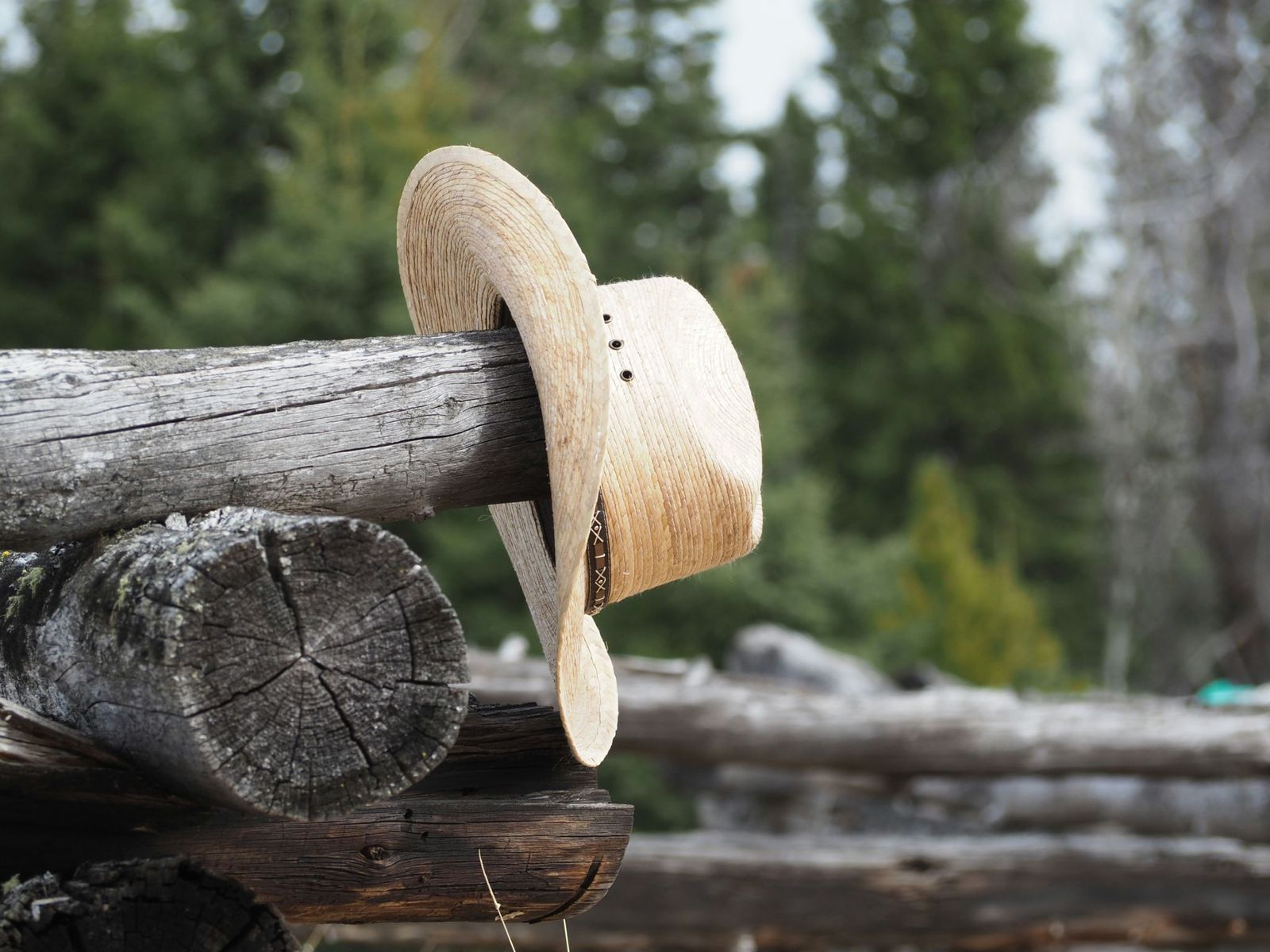
There are several theories about the real meaning of "ten-gallon", but most linguists agree that the term has a Spanish origin, and that it has nothing to do with "gallon" as a measure for liquid. A possible, but less likely, explanation suggests that "ten-gallon" is a deformation of the compliment tan galán, meaning "so fine" or "so gallant". The alternate theory links "gallon" with the Spanish galón, a braided trim used to adorn the crown of a hat. Why "ten" gallon? Some hats had multiple braided trims.
Dally
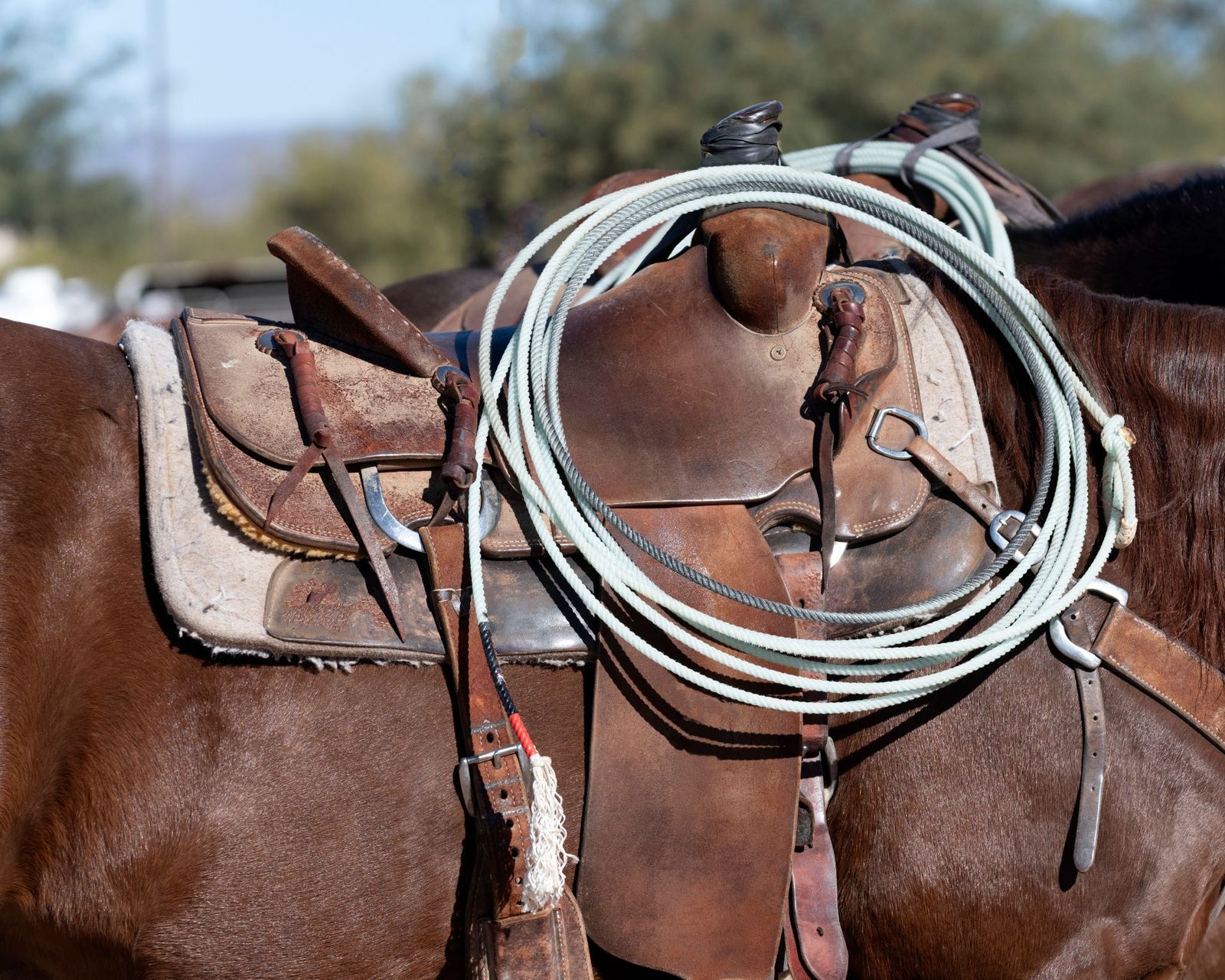
In the cowboy lingo, a "dally" is the act of wrapping the rope on the saddle horn after catching an animal with a lasso, allowing them to use the weight of the horse to control the caught animal. In this context, "dally" is not related to the verb "to dally". Instead, it is a shortened version of the Spanish phrase dale vuelta or dar la vuelta, "give it a turn", in reference to the wrapping of the rope on the saddle.
Stampede
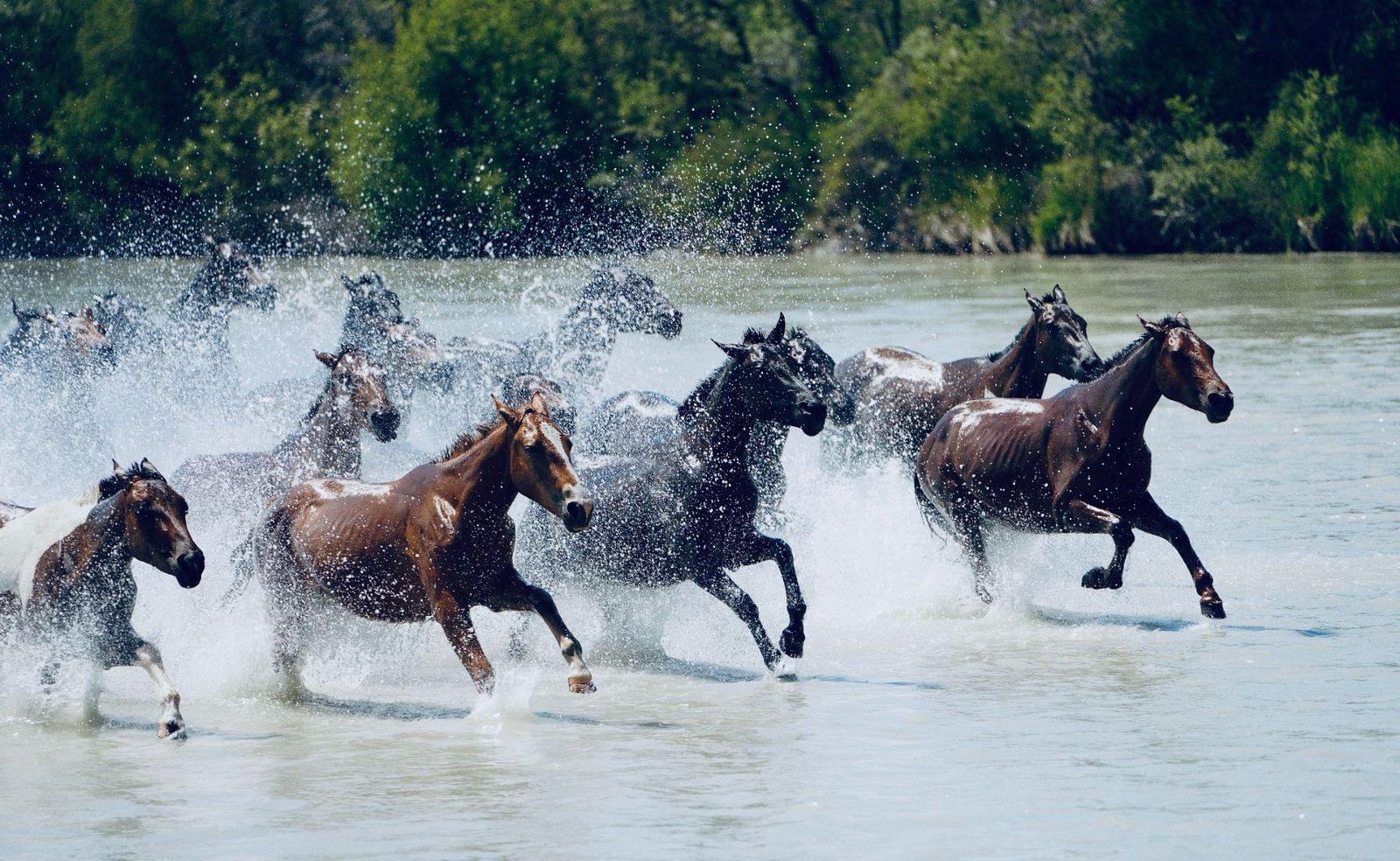
We might hear the term "stampede" used in a wide variety of contexts, but its entry into the English vocabulary was through the cowboy world. "Stampede" is a calque of the Spanish estampida, the feminine form of estampido, "bang" or "crash". In its feminine form, it can also mean a sudden flight of animals or people and is often used for cattle or horses, and it is with this meaning that it first entered the cattle herding vocabulary and the English language.


