Stranger truths
10 things once dismissed as nonsense that are now undeniable science
Published on January 31, 2026
 Image: National Cancer Institute
Science is an unending search for truth, but when some truths are stranger than fiction, even the most experienced scientists find them hard to believe at first. As we learn more about the world we live in, phenomena once thought impossible are turning out to be more plausible than previously believed. From genetic memory to magnetoreception in humans, here are 10 examples of things once denied, doubted, or even feared—until evidence proved otherwise.
Genetic memory
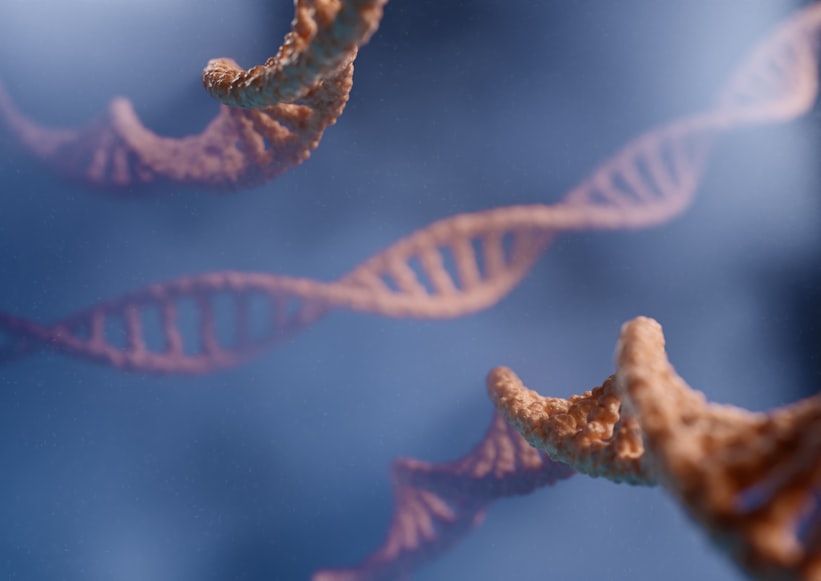 Image: digitale.de
Generational trauma was once considered nothing more than a poetic idea—but now, according to some scientists, it may be a measurable genetic phenomenon. Studies indicate that certain traumatic experiences can trigger epigenetic changes in DNA, influencing stress responses in descendants.
While researchers are still exploring the full scope of this phenomenon and which types of trauma can cause such changes, the findings challenge the long-held belief that our genetic makeup is entirely separate from individual life experiences.
Magnetoreception in humans
 Image: Jamie Street
Once dismissed as impossible, emerging research suggests humans may have a subtle magnetic sense linked to cells in the eye.
Scientists have identified cryptochromes—light-sensitive proteins in the retina—that could allow the eye to detect magnetic fields. Although the effect is weak and difficult to observe in humans, evidence indicates we might have a subconscious geomagnetic sense connected to vision.
Gut-brain connection
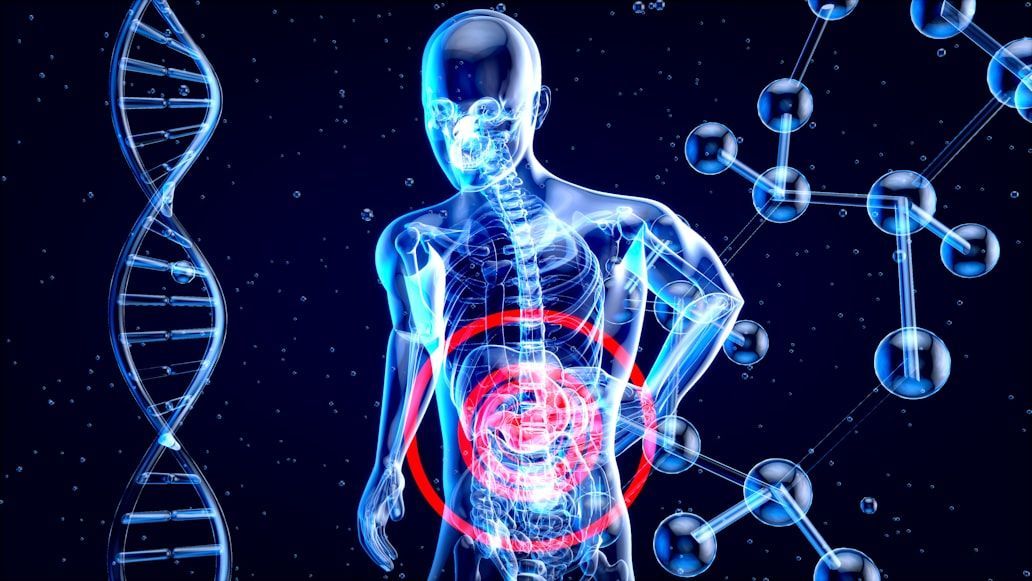 Image: julien Tromeur
The idea that gut bacteria could influence our mood or behavior once sounded absurd, but we now know the gut microbiome communicates with the brain through the vagus nerve and various chemical messengers.
Imbalances in the microbiome have been linked to anxiety, depression, and even neurodegenerative diseases.
Sleep paralysis
 Image: Slaapwijsheid.nl
The phenomenon of sleep paralysis was once dismissed by science as mere fantasy, and it didn’t help that in pre-modern times it was often attributed to demonic visitation and other supernatural causes.
Today, it is recognized as a REM sleep disorder in which the brain wakes before the body. Visual and auditory hallucinations are common due to the lingering dream state.
Consciousness without a brain
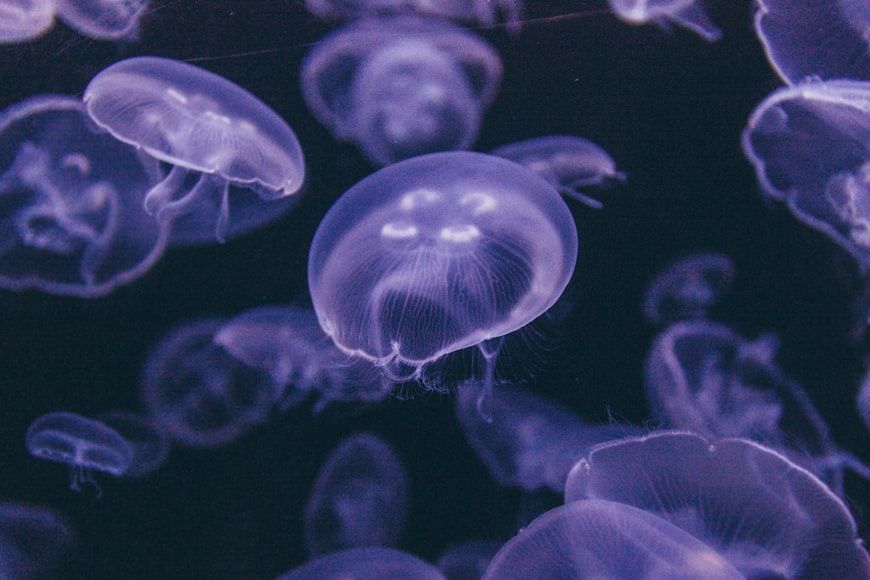 Image: Naomi August
Until recently, consciousness was thought to require a functioning brain. However, recent experiments have revealed brain-like electrical patterns in some simpler organisms**.**
While this raises a plethora of questions about how consciousness emerges in living beings to begin with, it remains a very early field of study where much is still unknown.
Quantum entanglement
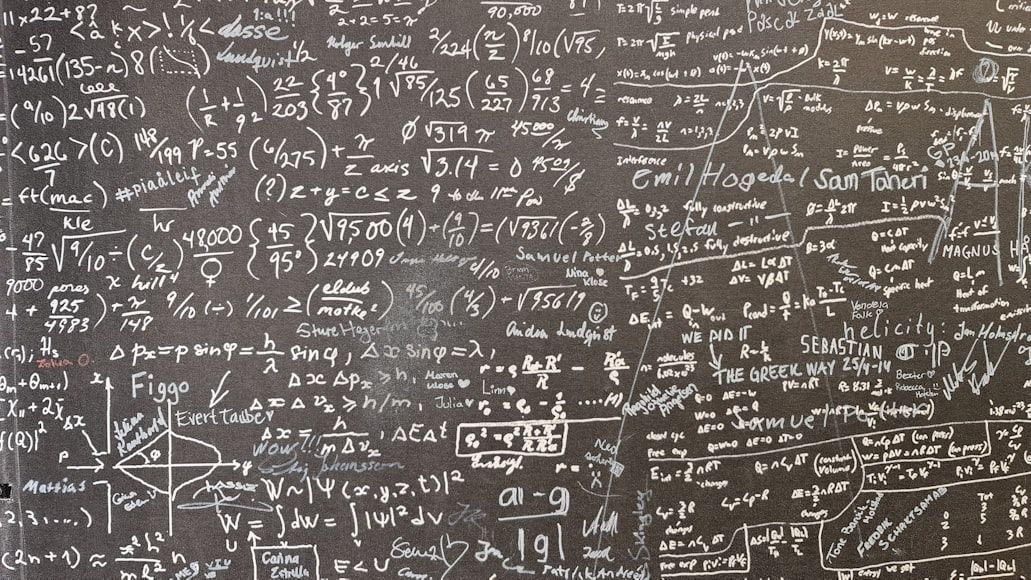 Image: Thomas T
Einstein called it "spooky action at a distance," as it seemed too strange to be real. Yet years later, the phenomenon was experimentally confirmed.
We now know that particles can become entangled, so that a change to one instantly affects the other, even across vast distances. This principle underlies quantum computing, a field still in its infancy.
Phantom limb pain
 Image: Marco Bianchetti
People have reported feeling pain in amputated limbs since ancient times, but until recently, scientists didn’t know what to make of it, and largely dismissed it as a psychological phenomenon.
Today, neuroscience and brain imaging have confirmed it’s real. The brain retains a sensory map of the missing limb, which can trigger pain. Fortunately, mirror therapy can help retrain the brain to quiet these signals.
Life in extreme environments
 Image: Marc Szeglat
Not so long ago, extreme environments such as the deep sea, Antarctic ice, or boiling vents were thought to be lifeless.
However, research has revealed microbes thriving in boiling acid, under immense pressure, and even in radioactive waste. These discoveries have prompted scientists to reconsider the origins of life and its remarkable ability to survive under extreme conditions.
Mass psychogenic illness
 Image: Ryoji Iwata
Large groups of people fainting or convulsing without any apparent medical cause were once hard to make sense of. All sorts of explanations were proposed—rarely rigorous enough to prompt scientific interest.
Today, the phenomenon is recognized as mass psychogenic illness, typically triggered by a combination of stress, anxiety, and suggestion. It has been well documented in schools, factories, and even entire towns under high pressure.
Plants signaling danger
 Image: Jackie DiLorenzo
The idea that plants could "talk" was once dismissed as magical thinking or pseudoscience. But time has proven otherwise—botanists now confirm that plants do release chemical signals to warn nearby plants of threats like insect attacks.
Even more remarkably, some plants can even detect and respond to the sound of herbivores chewing nearby.