Hidden secrets of memory

10 surprising facts about memory you probably didn't know


Published on April 18, 2026


Image: ian dooley

Have you been a little forgetful lately? Here’s the good news: your memory is far more powerful than you might realize! With a capacity no computer can truly match, the human brain is packed with incredible abilities and peculiarities. Join us as we uncover 10 unexpected facts you probably didn’t know about your memory. Trust us; you’re in for a few surprises!

1

Storage capacity

Image: Milad Fakurian

The more we learn about the human brain, the more awesome it proves to be, and memory is one of its most remarkable superpowers. While no one can say exactly how much the brain can store, one thing is clear: its capacity is enormous, far beyond what we typically imagine. In fact, a widely cited estimate suggests the brain could hold around 2.5 million gigabytes of information; that’s roughly the equivalent of 3 million hours of TV!

2

New knowledge changes your brain

Image: BUDDHI Kumar SHRESTHA

Learning new things really does change your brain, and not just metaphorically, but physically. That’s right: every time you absorb new information or form a memory, your brain actually reshapes itself. Studies using brain imaging have shown that, thanks to a process called neuroplasticity, your brain builds new neural networks, strengthens connections, and creates new pathways.

3

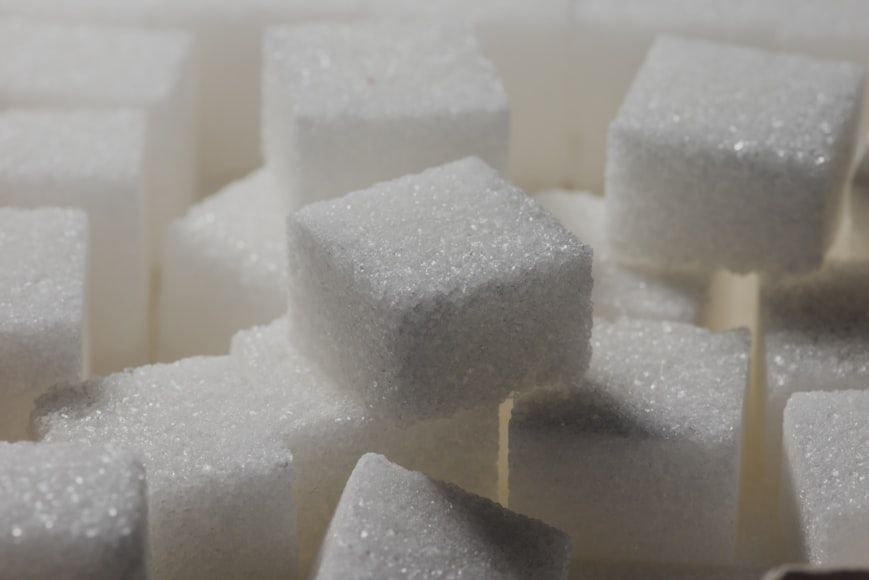
Less sugar, more memories

Image: Daniel Kraus

Evidence suggests that processed sugar isn’t just bad for your body; it can also affect your brain, especially your memory.

Yes, we need glucose to survive, but diets high in added sugars are a different story. Too much added sugar can damage the hippocampus, the part of the brain responsible for memory formation and learning. When that area is affected, recollection and overall cognitive function can suffer.

4

Baby memories

Image: Kelly Sikkema

When a mom says her newborn smiles at a song she played during pregnancy, believe her: science has proven it! It turns out babies can form sensory and auditory memories while they’re still in the womb, and they can recognize those familiar sounds for a short time after birth.

5

Memory can fool you

Image: J. Balla Photography

Human memory is amazing, but it’s not perfect. Sometimes we "remember" things that never happened, or we recall real events in ways that are completely different from how they unfolded. But why does this happen? Memory is shaped by emotions, perspective, and the way we tell experiences. Two people can experience the same event and have very different memories of it. Even more surprising is the fact that every time you tell a story, your brain slightly rewrites it, which means small details can change.

6

Memory can atrophy

Image: Helena Lopes

Just like the muscles in your body, your memory can weaken if you don’t use it. And just like your muscles, the way to keep it strong is to give it a workout.

The internet makes everything so easy that our brains don’t have to work as hard. Instead of instantly reaching for your phone, pause and try to recall the information yourself. Challenge your brain! That little bit of effort makes a big difference.

7

Walking backwards improves memory

Image: 愚木混株 Yumu

Have you ever walked into a room and completely forgotten why you went in there? Try retracing your steps. And we mean that literally. Research suggests that walking backward boosts activity in the brain’s prefrontal cortex, which plays a key role in short-term memory.

And there’s more: while real movement has real benefits, just imagining yourself walking backward can help you remember!

8

The pencil is your memory aid

Image: Daria Tumanova

One of the most powerful ways to lock in new information is through drawing or handwriting. Studies show that writing things down by hand or sketching them helps your brain retain information much better than just typing or rereading. Don’t worry, you don’t have to be an artist; just draw the best picture you can, you’ll thank yourself later!

9

Your brain cleans itself

Image: Slaapwijsheid.nl

You don't need antivirus software to delete unnecessary files in your brain. Some memories don’t just fade away over time; your brain actively clears them out. While you sleep, it classifies the day’s information, strengthens what matters, and gets rid of what doesn’t, so it can run more efficiently the next day. Getting a good night’s sleep truly refreshes your mind!

10

It smells like memories

Image: Clay Banks

You’ve probably experienced it: just a hint of an old perfume, and suddenly you’re transported back to another time. That’s no coincidence. As we’ve said, memory is deeply connected to experience, and experience is shaped by your senses.

Of all five senses, smell has the strongest link to memory. Unlike sight or sound, scents take a more direct route in the brain, connecting quickly to areas tied to emotion and memory.


SKINCARE 101

Radiant Skin Unlocked: 10 Products to Supercharge Your Skincare Routine


Published on April 18, 2026


Image: Shiny Diamond

In the pursuit of flawless, radiant skin, the right skincare products can make all the difference. Of course, your skincare routine should be adapted to your specific needs, age, eating habits, and lifestyle. However, some products are definitely better than others, and taking a step in the right direction has to do with both the products and strong habits.

From potent serums to nourishing oils, incorporating these top 10 products into your daily routine will elevate your skincare game to new heights.

1

Gentle cleanser

Image: cottonbro studio

Cleansers come in all kinds of forms: balms, gels, foams, or soaps. Depending on your skin type and your personal preference, choose the right fit for you.

Cleansing should always be the first step, and ideally, it consists of two parts. First, you should use an oil-based cleanser and then a water-based one to ensure removing all kinds of dirt and oil from your skin.

Double cleansing is key at night, as it guarantees the removal of makeup, sunscreen, and dirt. In the morning, just a water-based cleanser is enough to get the day started!

2

Exfoliating scrub

Image: Polina Kovaleva

After you have cleansed your face skin, exfoliation will help you tackle the dirt accumulated in your pores. But don’t worry, it’s not just you! We all have pores, and they all accumulate dirt.

Exfoliating should be done twice a week, no more than three times a week, to avoid damaging our skin barrier. At the same time, you shouldn’t use an exfoliating scrub without first consulting a dermatologist, especially if you suffer from skin conditions like acne, rosacea, or atopic skin.

3

Peptide tonic

Image: Shiny Diamond

As a third step, incorporate a tonic. Tonics come in handy to give your skin a boost of hydration after cleansing and scrubbing when you might feel your skin is tighter and rougher.

Tonics serve the purpose of balancing your Ph and preparing your skin to receive all the ingredients and products you will apply after it.

Morning and night, a good tonic will ensure your skin absorbs the active ingredients in your serums and moisturizers, promoting a smoother and more even complexion.

4

Infused sheet-masks

Image: Polina Kovaleva

Sheet masks also come in all shapes and forms, with different key ingredients. Every four or five days, using a sheet mask will help you tackle specific needs like dehydration, lack of glow, or dullness.

In general, sheet masks come infused with potent serums and essences, so you should check the ingredients they contain don’t clash with the ones in the rest of your routine. For example, retinol creams or serums cannot be used at the same time as vitamin C.

Morning or night is the same when it comes to sheet masks. Just be sure to apply them weekly to give your skin an extra boost.

5

Hyaluronic acid serum

Image: Ron Lach

If you feel your skin is tight and you notice more and more expression lines, you probably need moisturizing. When it comes to hydration, few ingredients can rival the power of hyaluronic acid.

Hyaluronic acid provides an instant surge of hydration, making it ideal for both day and night use. In the morning, it creates a smooth canvas for make-up application, while at night, it replenishes moisture lost throughout the day, promoting skin repair and rejuvenation during sleep.

6

Vitamin C serum

Image: Ron Lach

Vitamin C is a powerful antioxidant which can be found in many foods. However, vitamin C serums are a true game-changer. If you notice your skin is dull and does not glow, this ingredient will kick it back to life in just a few days.

A serum with this ingredient will help you fight free radical damage, which is more and more common as we age. Moreover, it brightens the complexion and fades dark spots or hyperpigmentation, making skin tones even.

While this product is recommended for nighttime use, vitamin C can be part of your morning routine, giving your skin the necessary protection. However, if you choose to do this, never forget to wear sunscreen to avoid getting dark spots on your face.

7

Hyaluronic eye-cream

Image: KATRIN BOLOVTSOVA

Regardless of your age, the skin around your eyes will benefit from this product. You might be wondering why there is a specific product for that area. No, the answer is not just the market trying to sell stuff to you.

The skin around our eyes is thinner and, therefore, more prone to damage. Consequently, it easily gets wrinkled, and that is usually where our first expression lines appear. There is nothing wrong with it, we should all embrace them. However, keeping the area hydrated and massaged will help us slow down a natural process and make our eyes look brighter and refreshed.

8

Retinol cream

Image: cottonbro studio

Retinol is recommended for people over 30 years old. If that is your case and you haven’t incorporated retinol into your routine, this is your sign to check with your dermatologist and start using it!

Retinol is a powerful acid derived from vitamin A. In a few words, using it is just like turning back the clock on aging. Again, aging is not bad; the key is to age fresh and healthy, and retinol is a great way to do so. Incorporating a night retinol cream accelerates cell turnover, stimulates collagen production, and fades fine lines.

Just remember: don't use it in the morning, and by all means, apply sunscreen to avoid getting spots!

9

Lip balm

Image: Antoni Shkraba

Just like the eye cream, lip balms will help us tackle a specific area that needs special care. Our lips are constantly exposed to all kinds of grease, oil, and liquids. They can get damaged by the wind and the sun, they are quite fragile, and it is not uncommon to have dry, chapped lips.

The good thing about lip balm is that you can apply it throughout the day, as much as you deem necessary. Moreover, they come in all shapes and sizes, with different colors and flavors.

Keep one in your purse or pocket to ensure your lips stay soft and smooth all day long.

10

Sunscreen

Image: National Cancer Institute

This is the last product because it should be the last step in a full skincare routine. However, this is simply the most important one. No routine, no product, and no ingredient will be of any good if you don’t keep your skin protected from sun damage. Using the most luxurious cream and no sunscreen is throwing away your money.

Sunscreens now come in different formats and for all types of skins. For the first application, a face cream sunscreen is the best. But don’t forget to reapply it every two or three hours, depending on how exposed your skin is to the sun (and even blue light from screens). To reapply, you can either use a spray or a bar, which are more practical to carry around.

Looking for an extra scoop of literary fun?

Learn more with our Word of the day

wiseacre

/ˈwaɪzˌeɪkər/