Before Whitney, there was Dolly

10 songs that were more successful as a cover


Published on May 17, 2026


Image: Austin Neill

We usually remember songs in the version we first listened to, which means sometimes we gravitate towards a cover instead of the original version. But what happens when the cover is so successful that we forget the original? Here are 10 covers that made such an impact that many people believe they are originals.

1

I Will Always Love You

Image: Wes McFee

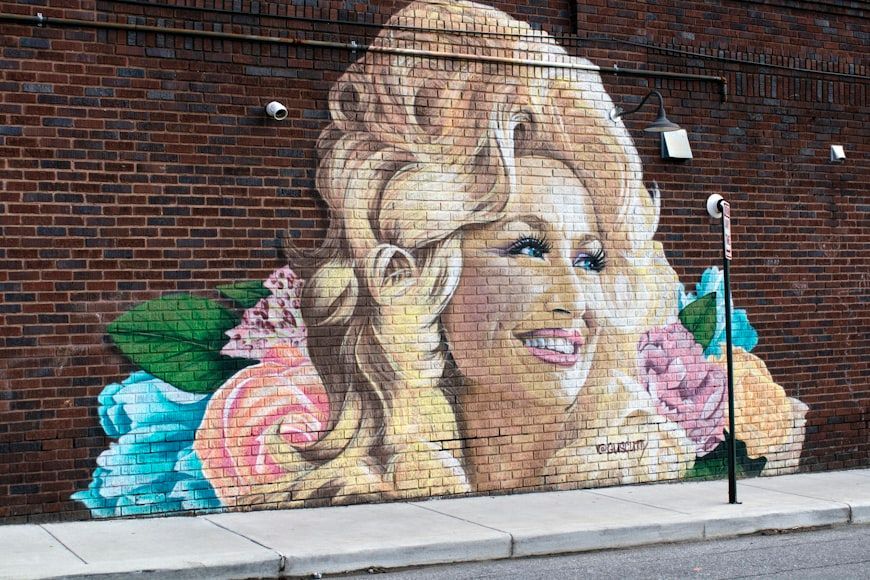
One of the most memorable parts of 1992’s The Bodyguard is undoubtedly Whitney Houston’s rendition of "I Will Always Love You". But while Houston’s version broke records at that time, this song was already a hit on its own. Written by Dolly Parton in 1973 as a farewell to his then mentor and business partner Porter Wagoner, it was also a commercial success.

2

Knocking on Heaven's Door

Image: Nikoloz Gachechiladze

This is the case of an original hit that also became a hit through its cover. Bob Dylan wrote "Knocking on Heaven’s Door" as part of the soundtrack for Pat Garrett and Billy the Kid in 1973, and the song instantly climbed up in the rankings. Although it has been covered by several important musicians (Eric Clapton, for example), it can’t be denied that it is most widely known as a cover by Guns N’ Roses.

3

I Love Rock’n’Roll

Image: Mike Beaumont

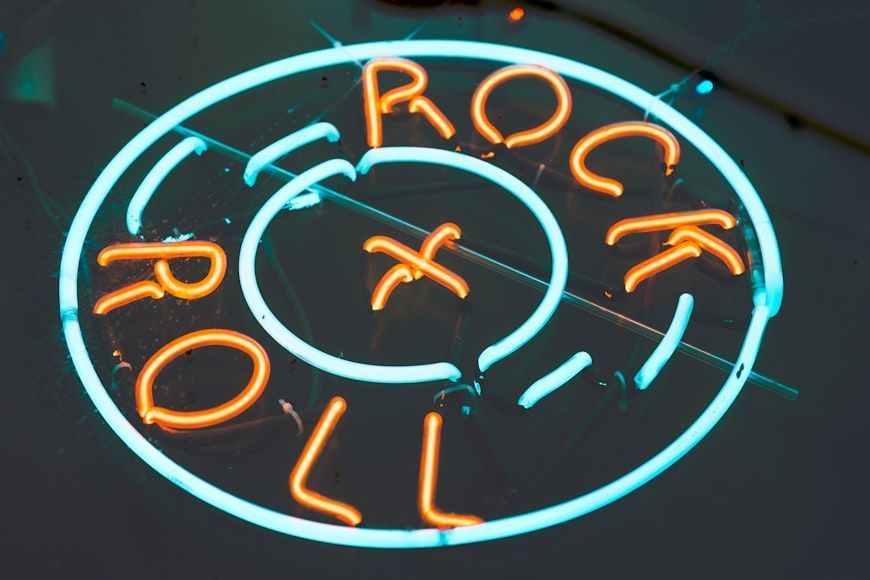
"I Love Rock’n’Roll" is widely known as one of Joan Jett’s biggest hits, but her version is a cover. It was originally released by the British band The Arrows in 1975 as a response to The Rolling Stones’ "It's Only Rock 'n Roll (But I Like It)". Jett had unsuccessfully tried to cover the song while in the Runaways, and she was able to do it with her next band, the Blackhearts, in 1981.

4

Red Red Wine

Image: CK Chen

UB40’s reggae cover of "Red Red Wine" had moderate success upon its 1983 release, but quickly rose in the charts when it was re-released a few years later. According to one of its members, they heard the song as a cover and didn’t know that the original was by Neil Diamond. Reportedly, UB40’s cover version is one of Diamond’s favorites, and he often performs their reggae arrangement in his own concerts.

5

Girls Just Want to Have Fun

Image: Daniel Schludi

Did you know that one of the main girl anthems of the '80s was originally written and performed by a man? "Girls Just Want to Have Fun" was penned and performed by rock singer Robert Hazard in 1979, and was written from a male perspective. When one of Hazard’s friends brought the song to Cindy Lauper to re-record as a pop-electronic version in 1983, she changed some of the lyrics to fit it to her own perspective.

6

Ring of Fire

Image: Markus Spiske

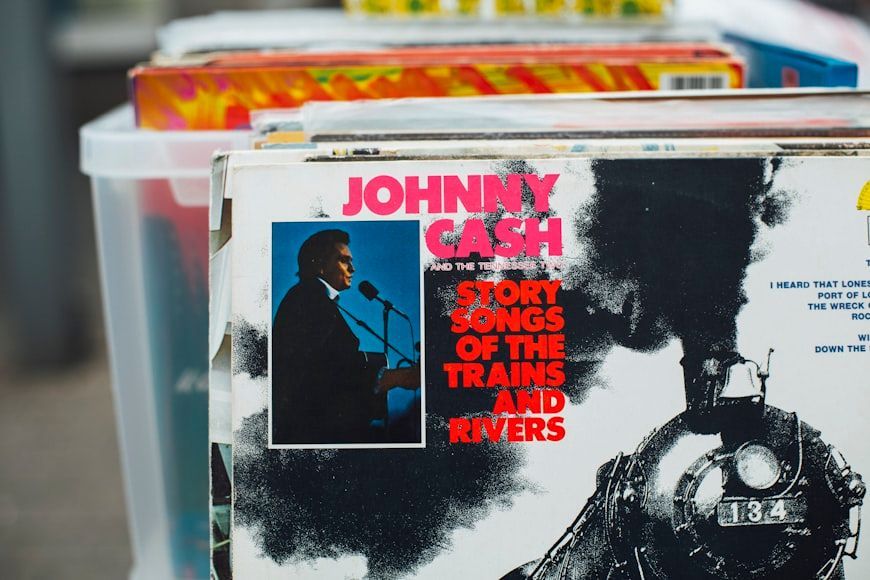
Johnny Cash’s version of "Ring of Fire" (1963) is part of the Grammy Hall of Fame, but he is not the original singer or songwriter. This song was actually written by Cash’s future wife, June Carter, alongside Merle Kilgore, and was initially performed by June’s sister, Anita Carter, as "(Love’s) Ring of Fire" in 1962. Cash’s first wife, Vivian Distin, has always said that he was the original writer, but the jury’s still out on that one.

7

Life Is a Highway

Image: Bruno Bergher

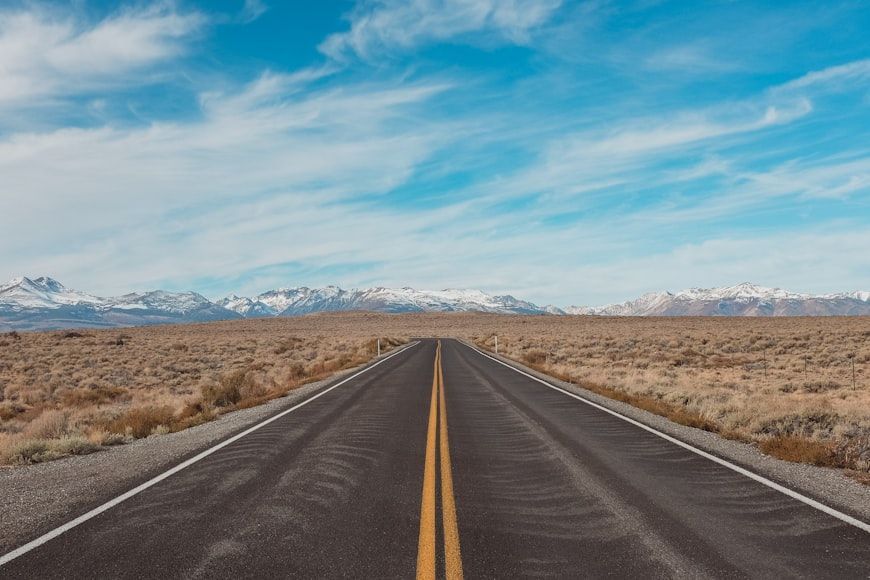
Rascal Flatts' version of "Life Is a Highway" (2006) for the movie Cars is the band’s most-streamed song of all time. The original version is by the Canadian singer Tom Cochrane, and was initially conceived in 1991 as "Love Is a Highway", though the title was later changed. While technically Cochrane’s version did better in the charts, the Rascal Flatts version is nowadays more widely known.

8

Valerie

Image: eddievanderwalt, Public domain, via Wikimedia Commons

When the lead singer for The Zutons wrote "Valerie" for one of his friends in 2006, the track was quite successful, claiming a high position in the UK charts. However, it was Amy Winehouse’s 2007 version with Mark Ronson that cemented the song's popularity, and it is believed by many to be a Winehouse original.

9

Nothing Compares 2 U

Image: Doyoun Seo

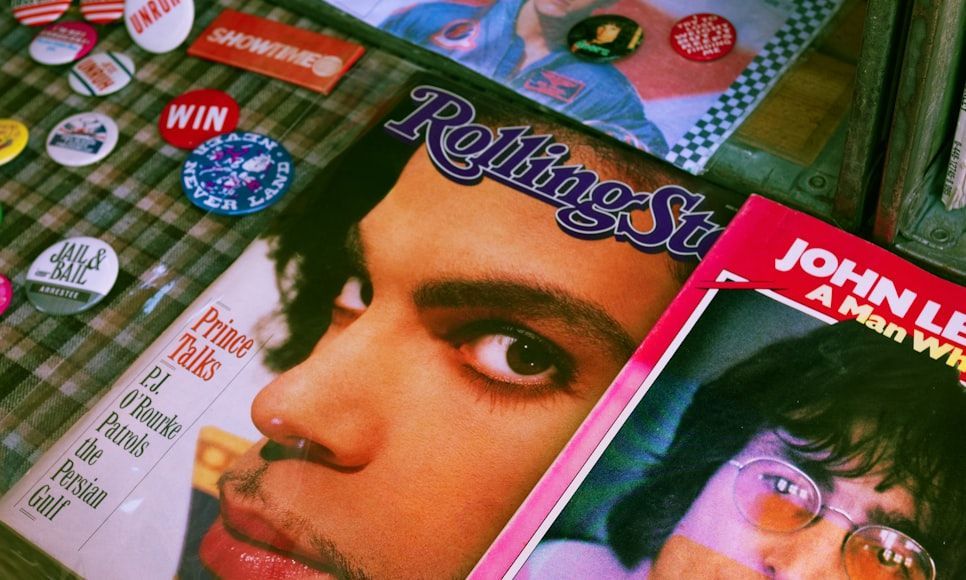
Where were you when you found out that Sinéad O’Connor’s most famous hit is actually a cover? This song was written by no other than Prince (yes, the one from "Purple Rain") in 1984, and originally performed by his band, the Family. However, the original version was not successful, and the song became a worldwide hit in 1990 in O’Connor’s voice.

10

Tennessee Whiskey

Image: Nejc Soklič

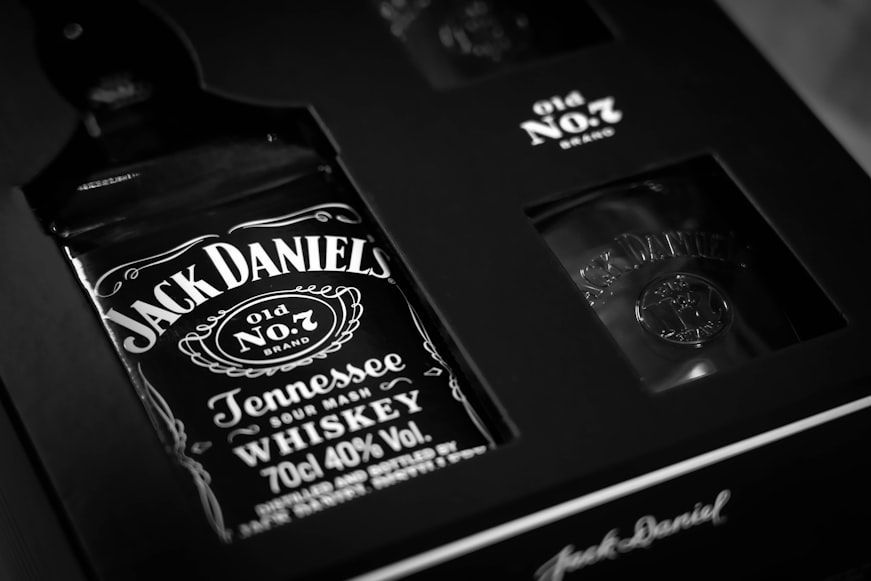
When Chris Stapleton decided to randomly sing "Tennessee Whiskey" during a soundcheck, he never imagined how popular his version would be, especially after performing it at the CMAs. The track was written in the 1980s by Dean Dillon and Linda Hargrove, and initially recorded by David Allan Coe, but it didn’t make a big impact. A later version by George Jones 81983) had more success in the Country music charts, but it was Stapleton’s cover (2015) that made the song widely known outside of the genre.


What did you say?

Did you know that these innocent words used to have much darker meanings?


Published on May 17, 2026


Image: Michelle Tresemer

Language is a living entity. We toss around words and phrases without thinking, but many of them once carried far darker meanings than the ones we give them today. Terms we use to describe work, relationships, or even advertising often began in contexts of violence, danger, or death. Take a look at 11 of these terms that had grim meanings but are now casual expressions or playful labels.

Image: Glenn Carstens-Peters

1

Blacklist

It might not be a decidedly happy word these days, either, but, in the past, a blacklist wasn’t just about being excluded from a group or denied access. To be blacklisted could mean losing your livelihood, reputation, or even your safety.

Today, the term is far less dire. We use it for email filters, blocked phone numbers, or companies refusing service. It’s still negative, but nowhere near the life-altering stigma it once carried.

2

Bombshell

Image: Oksana Zub

We are used to hearing this word in its current meaning, but originally, a bombshell was exactly that: a heavy metal shell filled with explosives, designed to wreak havoc on battlefields.

Nowadays, "bombshell" is more likely to describe surprising news or a stunningly attractive person. The word has gone from deadly force to a headline grabber or glamorous compliment.

Image: zibik

3

Loose cannon

On old warships, heavy cannons could come loose during rough seas and smash through the deck or kill sailors in their path. A "loose cannon" was a serious threat to everyone on board.

Today, we use the phrase for someone unpredictable or uncontrollable. The danger is usually metaphorical: maybe an outspoken coworker or unpredictable friend, rather than a weapon rolling across the floor.

Image: Campaign Creators

4

Guerilla marketing

The word "Guerrilla" is used to describe small, irregular bands of fighters using ambushes and sabotage to disrupt larger armies. These tactics were dangerous, often deadly, and intended to surprise and overwhelm.

In modern speech, guerrilla marketing borrows the surprise factor but not the violence. It means unconventional advertising meant to catch people’s attention in creative ways.

Image: Nick Fewings

5

Most Wanted

For decades, "most wanted" meant dangerous fugitives hunted by the law, often with rewards posted and warnings to the public. Being on that list was almost synonymous with a death sentence.

Now, the phrase has been softened and reused in lighter contexts. Advertisers and magazines call products or celebrities "most wanted," turning a once deadly label into a playful badge of popularity.

Image: Jonathan delange

6

Smoking gun

The image of a "smoking gun" once meant undeniable proof of a killing, the weapon still hot from being fired. It was direct, damning evidence of guilt in life-and-death situations.

Today, we use the phrase for any conclusive piece of evidence, whether in science, business, or gossip.

Image: Itay Mor

7

Hired gun

Originally, a hired gun was exactly what it sounds like: an armed mercenary or contract killer paid to do someone else’s dirty work. The role carried obvious danger and deadly intent.

Nowadays, the phrase often refers to a professional brought in for their expertise. A "hired gun" might be a consultant, a lawyer, or a musician filling in on tour.

Image: Dan Meyers

8

Toxic

The word "toxic" can be used in relation to poisons, chemicals, and substances that could sicken or kill. It can be a literal warning label for things that spell physical danger.

Thankfully, in everyday use, "toxic" has somewhat lighter meanings. People talk about toxic workplaces, friendships, or attitudes. The sting remains, but the damage is more emotional than physical.

Image: Nandhu Kumar

9

Scapegoat

This term comes originally from ancient rituals where a goat was symbolically burdened with the sins of a community, then killed to carry those faults away.

Now, a scapegoat is just someone unfairly blamed for problems. Thankfully, the ritual is long gone, but the idea of shifting blame onto one person lingers.

Image: Nicholas Green

10

Fanatic

In its original sense, a fanatic was someone with extreme, often violent religious zeal, viewed as dangerous and unbalanced. The word carried strong warnings of destructive devotion.

These days, "fanatic" is usually watered down to mean an eager enthusiast.

11

Kamikaze

Image: Yomex Owo

The word "kamikaze" was tied to World War II pilots on suicide missions, a term meaning "divine wind." It was directly linked to deliberate, deadly sacrifice in combat.

In modern use, the sting has lessened. Calling someone "kamikaze" might mean they’re reckless or fearless, diving into risks without caution.

Looking for an extra scoop of literary fun?

Learn more with our Word of the day

vital

/ˈvaɪd(ə)l/